Problem-Solving Skills Word Problems Worksheets for Ages 5-9 - Page 2
44 filtered results
-
From - To
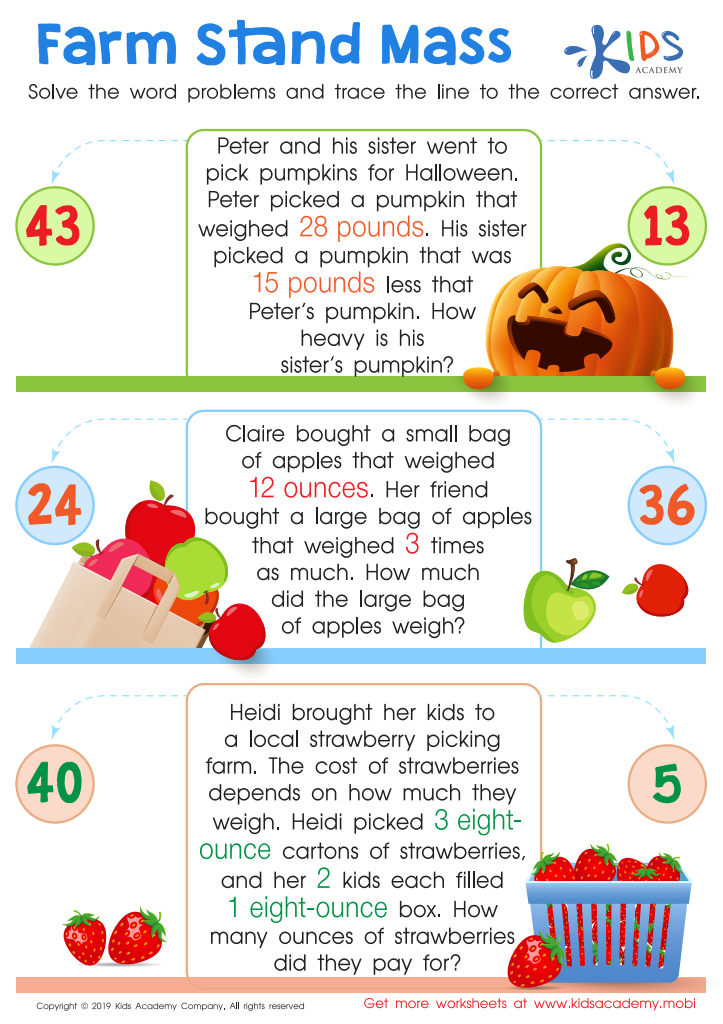
Farm Stand Mass Worksheet
 Assign to My Students
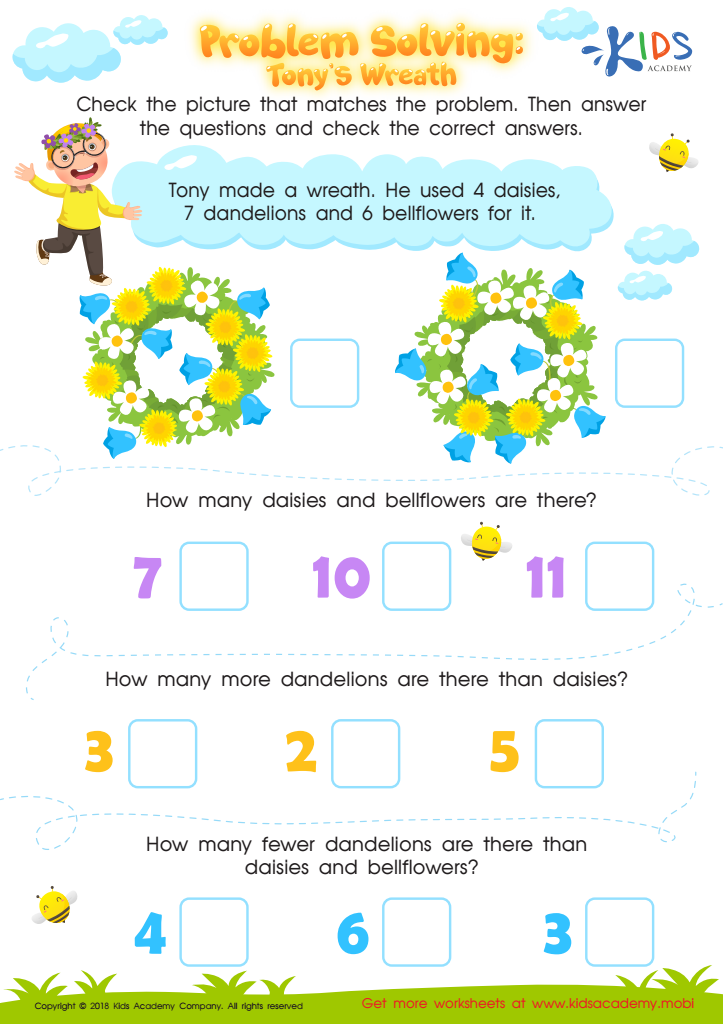
Problem Solving: Tony's Wreath Worksheet
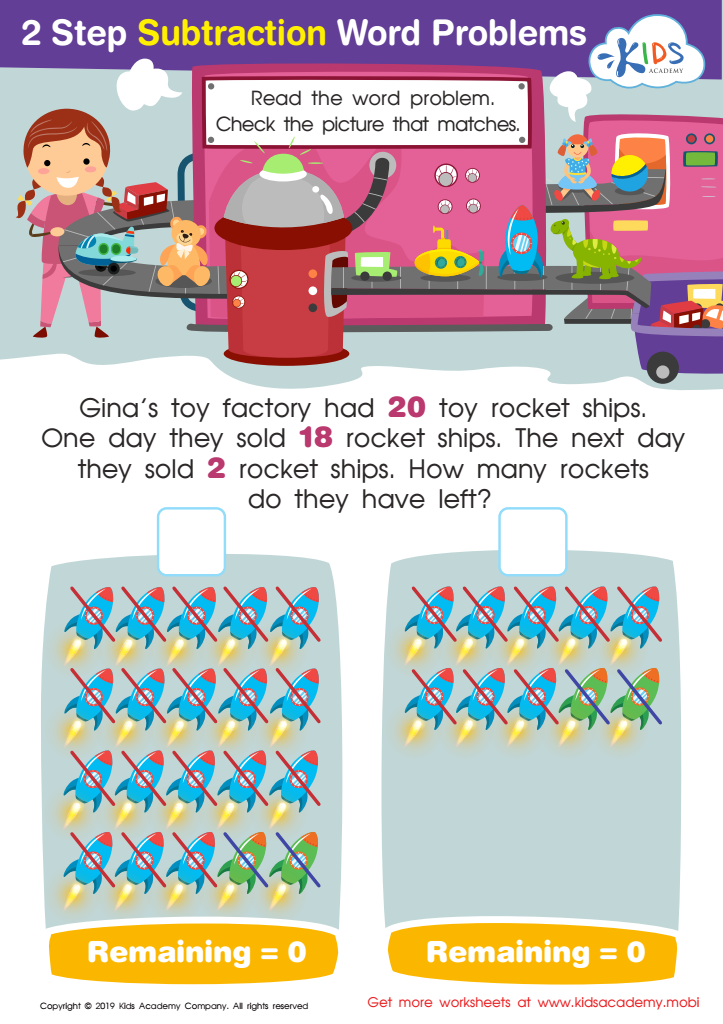
Step Subtraction Word Problems Worksheet
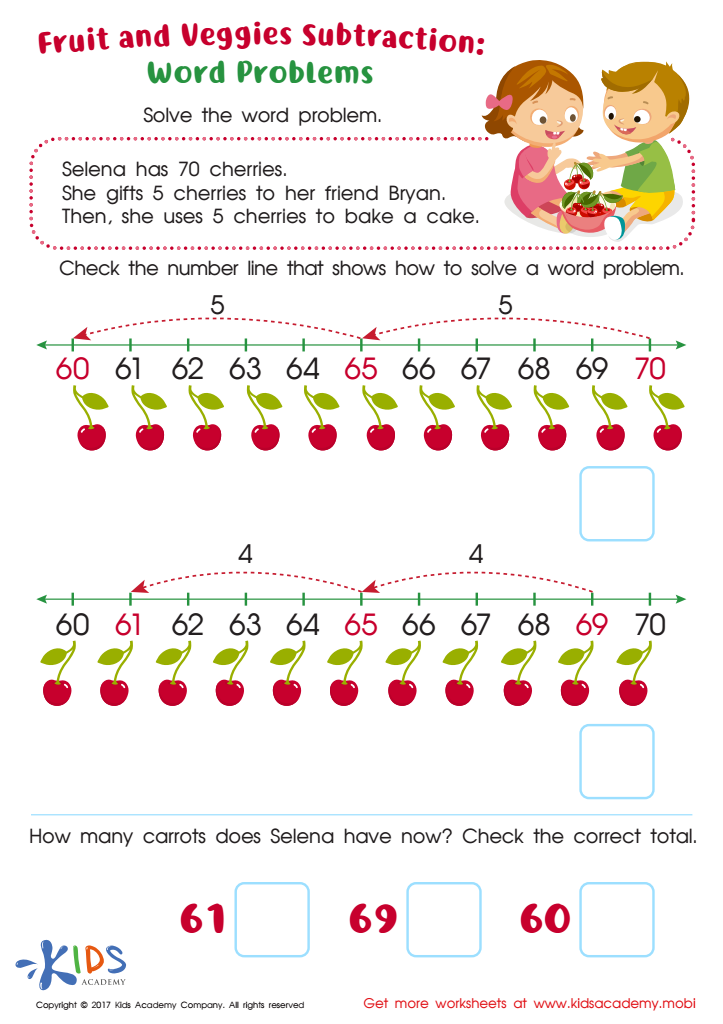
Subtraction Word Problems Free Printable
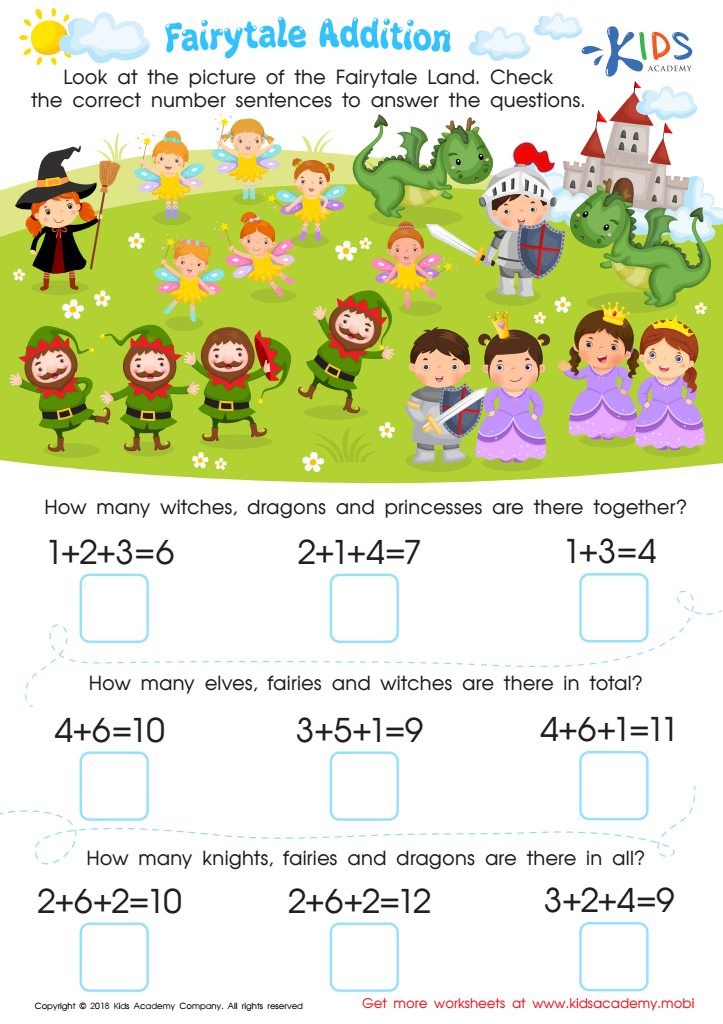
Fairytale Addition Worksheet
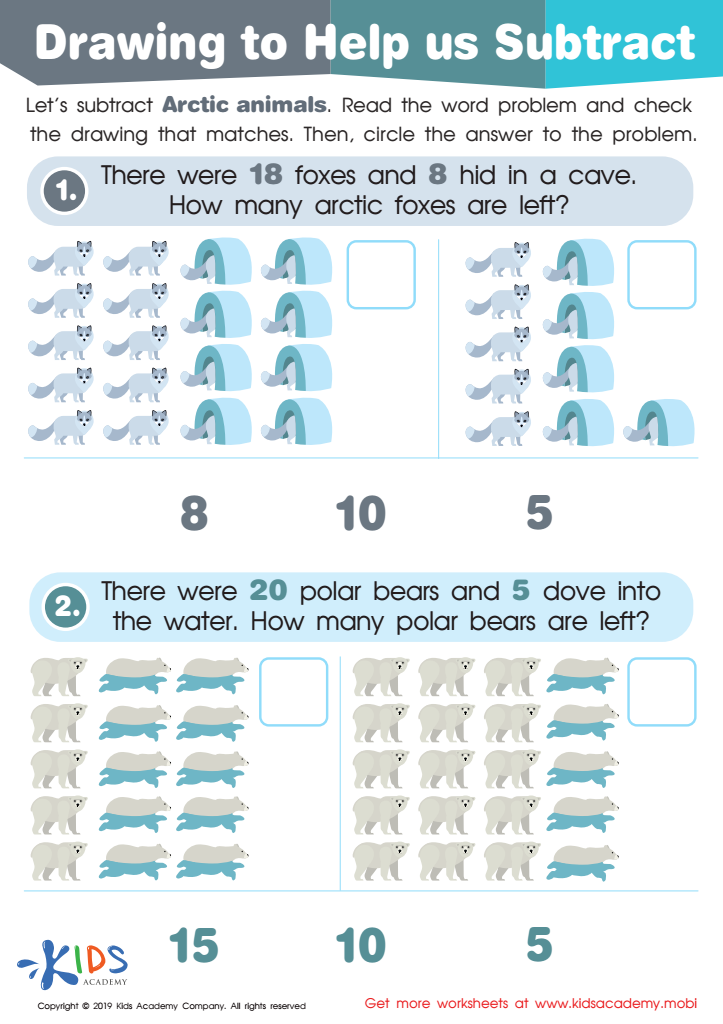
Drawing to Help Us Subtract Worksheet
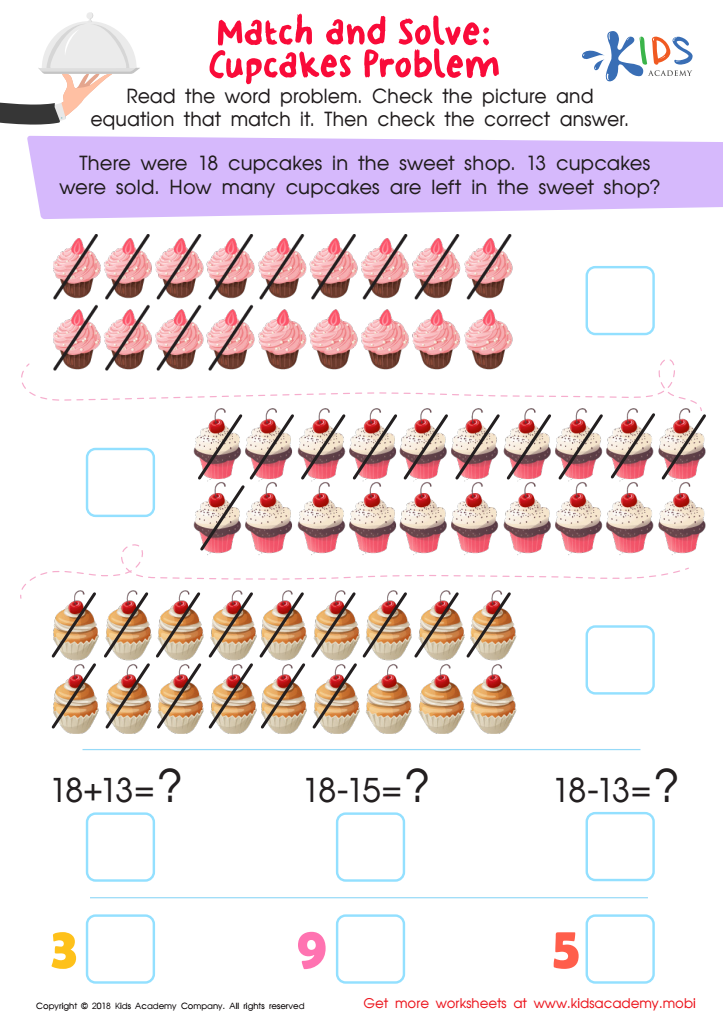
Match and Solve: Cupcakes Problem Worksheet
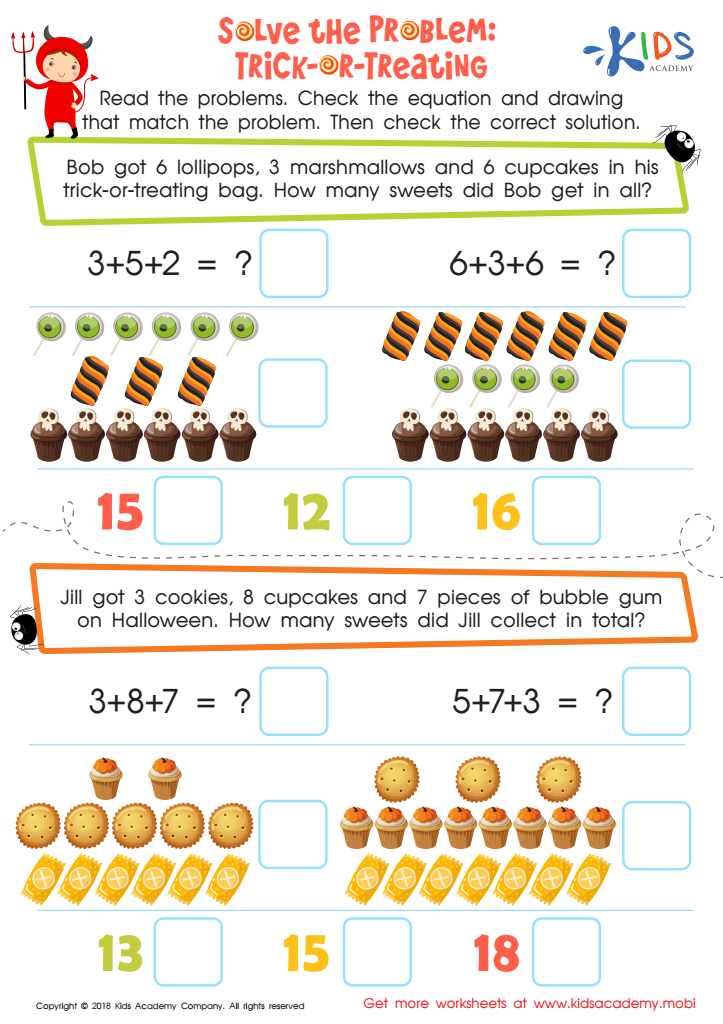
Solve the Problem: Trick–or–treating Worksheet
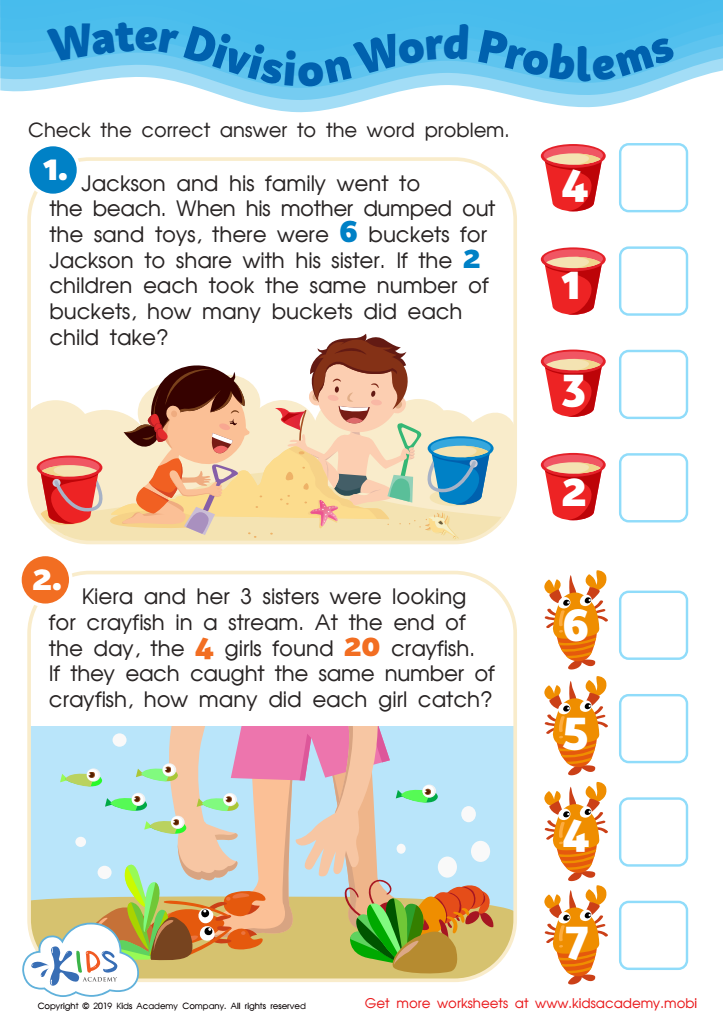
Water Division Word Problems Worksheet
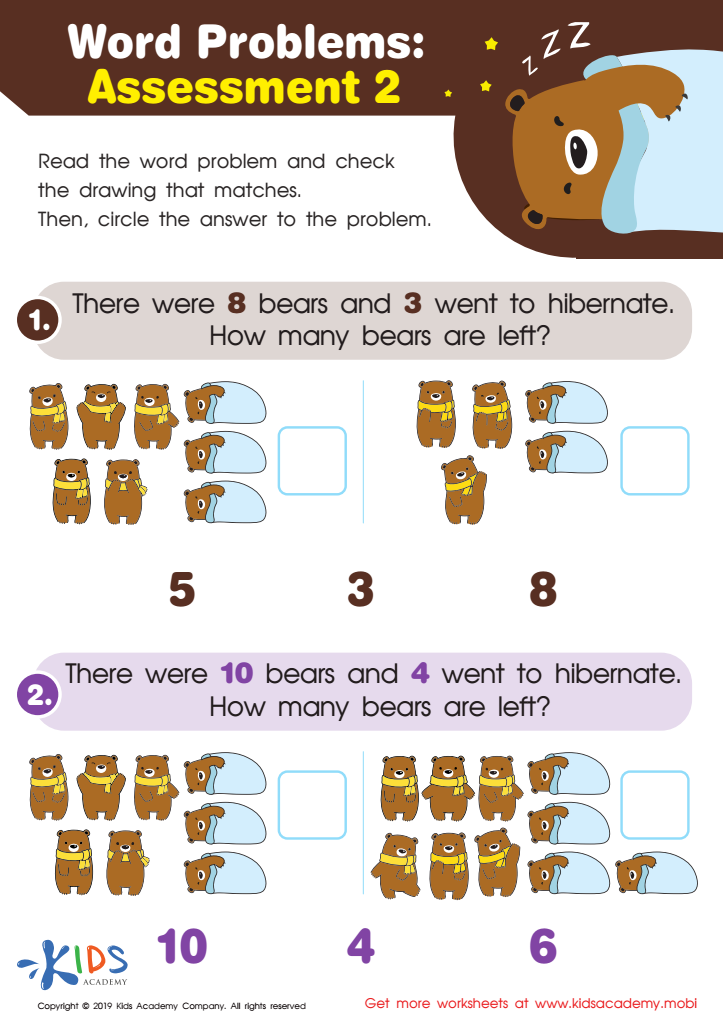
Word Problems: Assessment 2 Worksheet
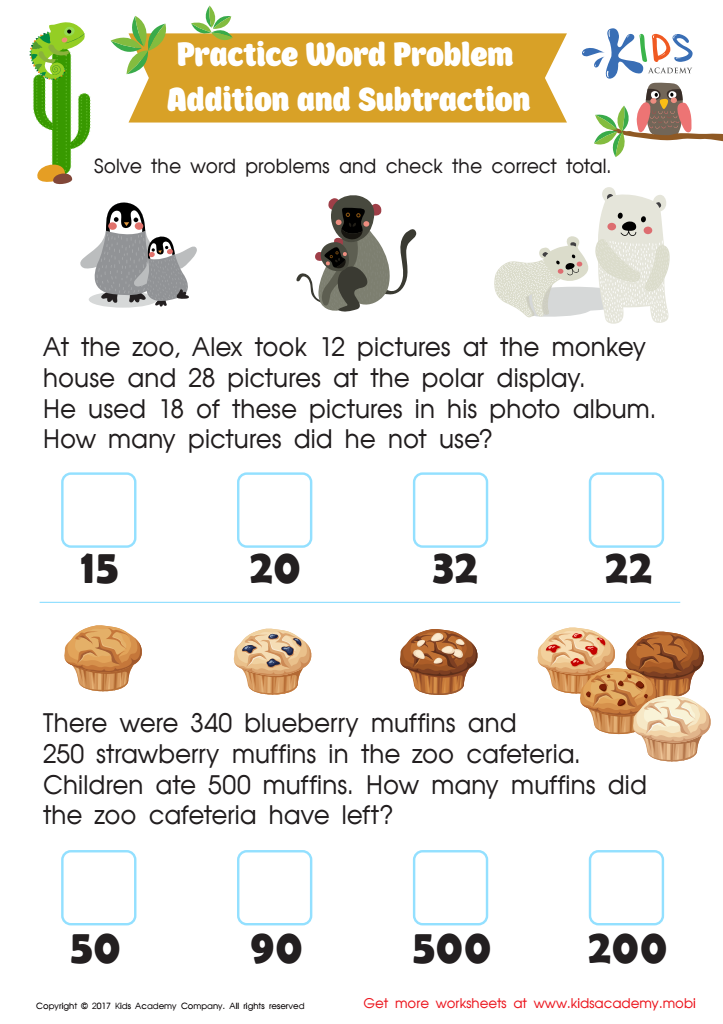
Addition and Subtraction: Word Problems Worksheet
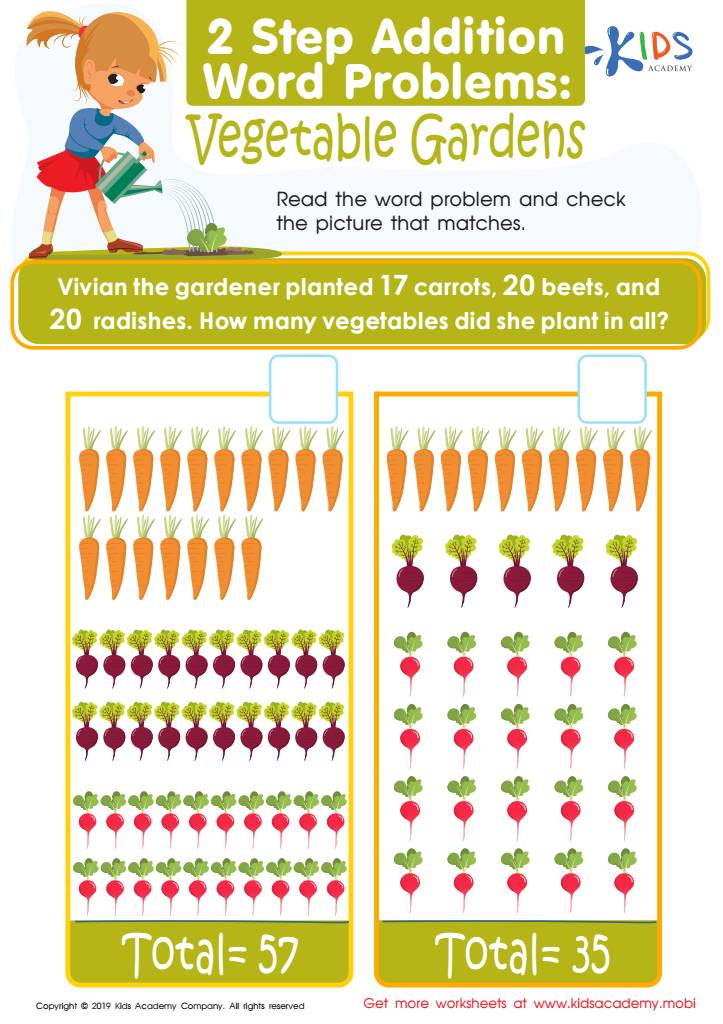
Vegetable Gardens Worksheet
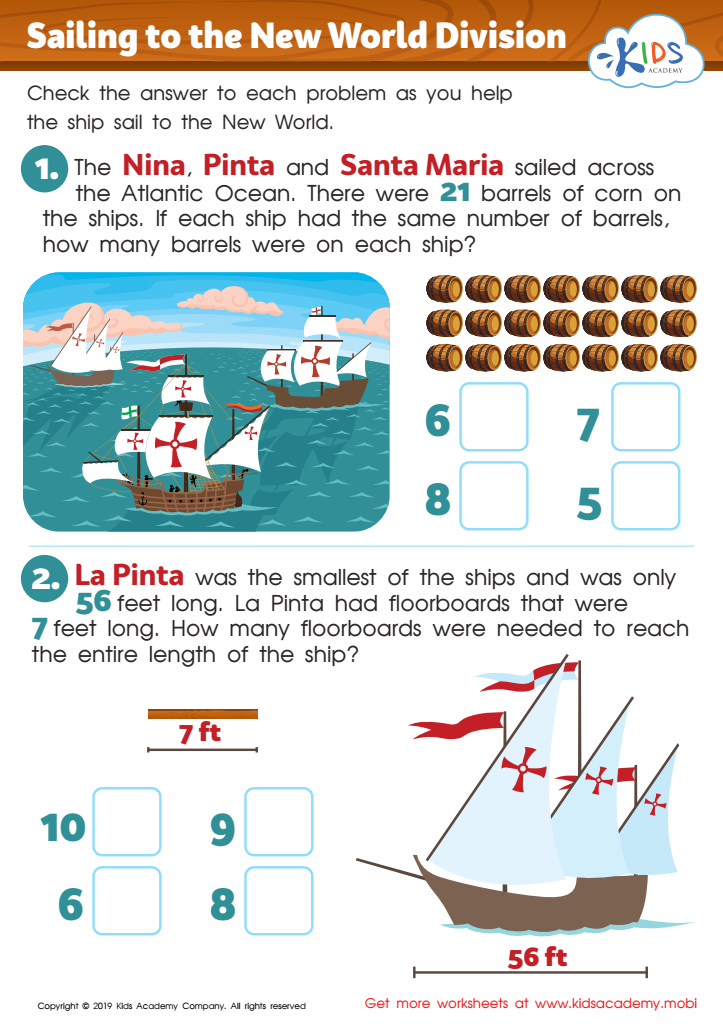
Sailing to the New World Division Worksheet
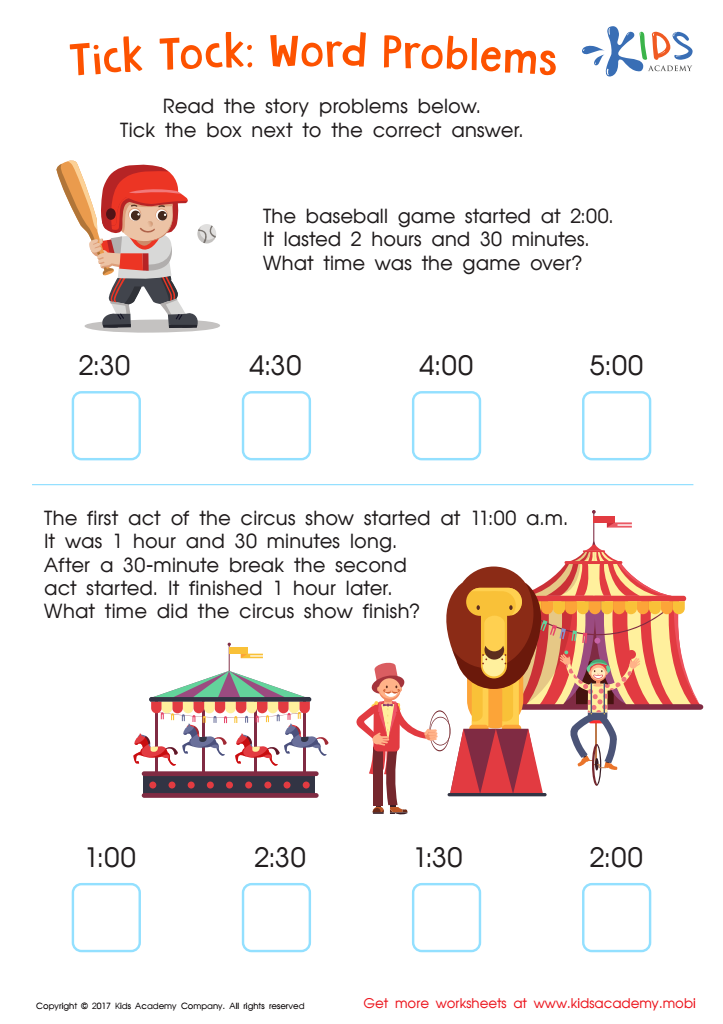
Tick Tock Word Problems Time Worksheet
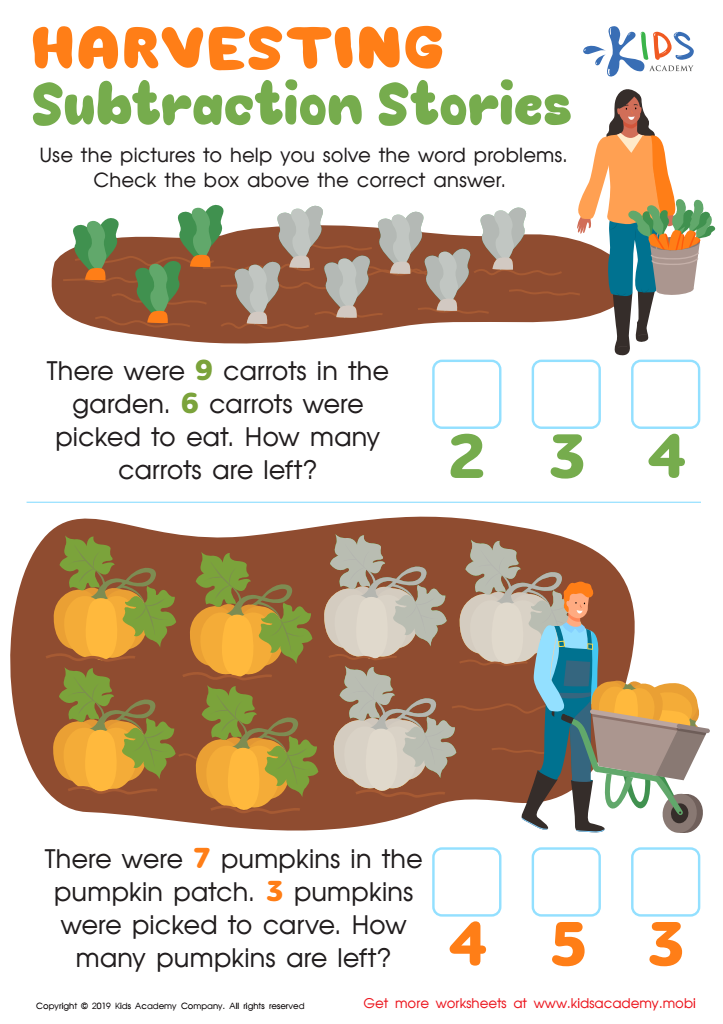
Harvesting Subtraction Stories Worksheet
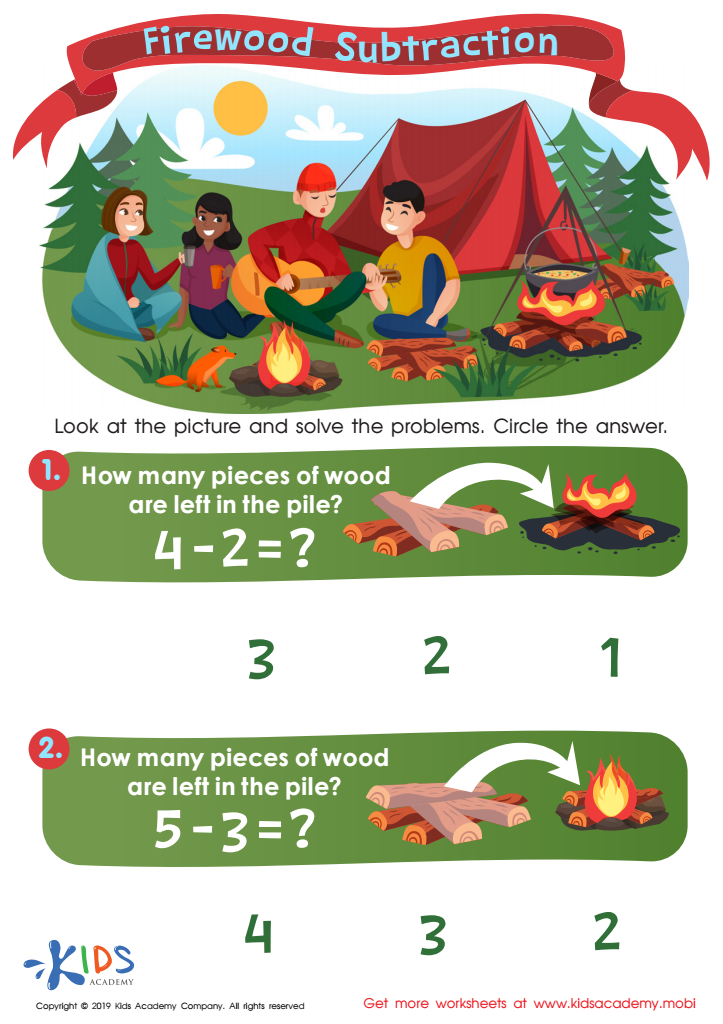
Firewood Subtraction Worksheet
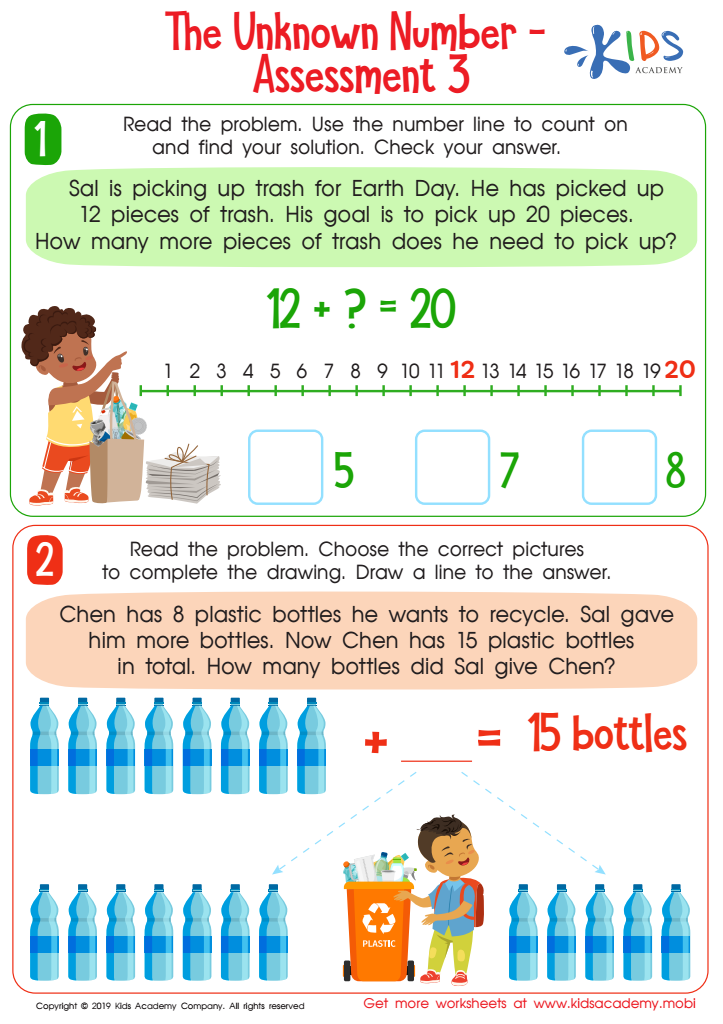
The Unknown Number - Assessment 3 Worksheet
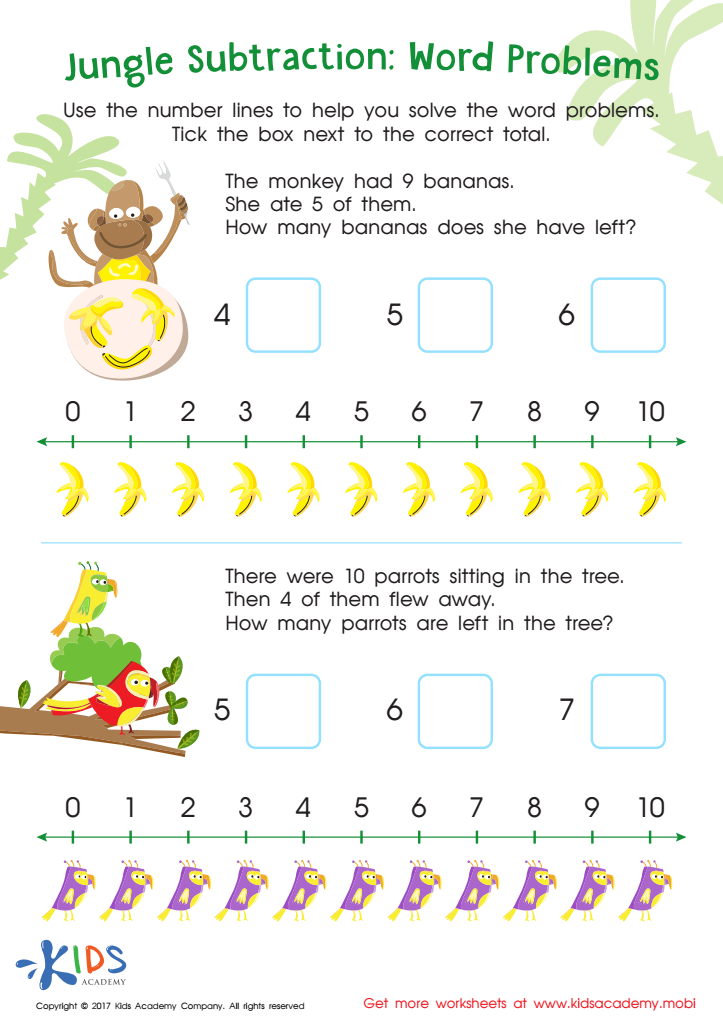
Jungle Subtraction Word Problems Substraction Worksheet
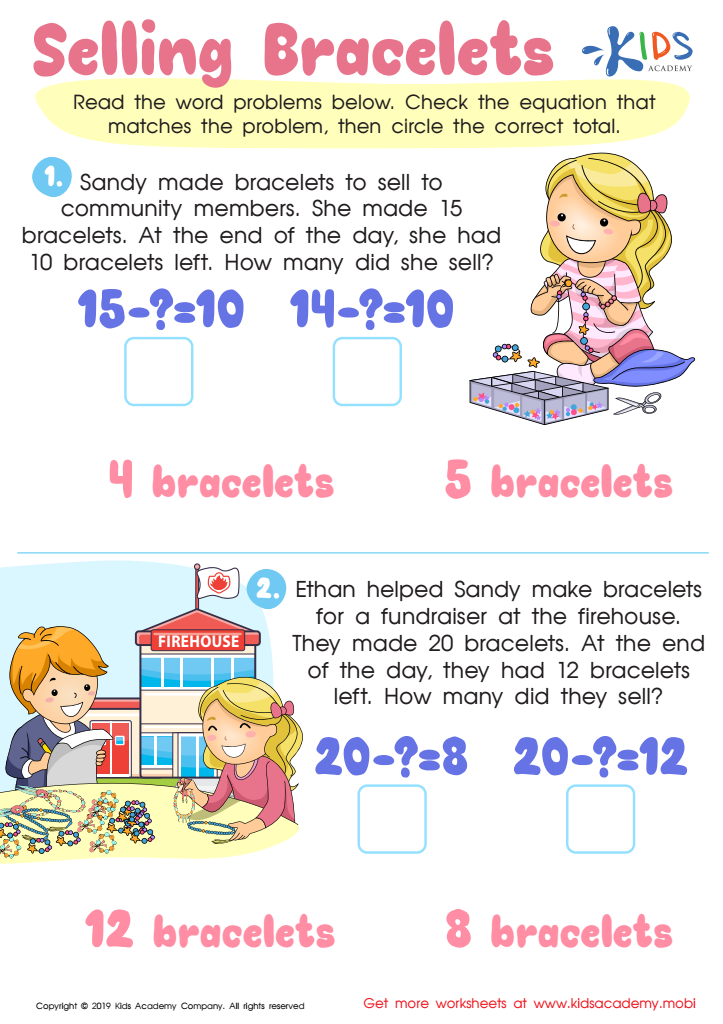
Selling the Bracelets Worksheet
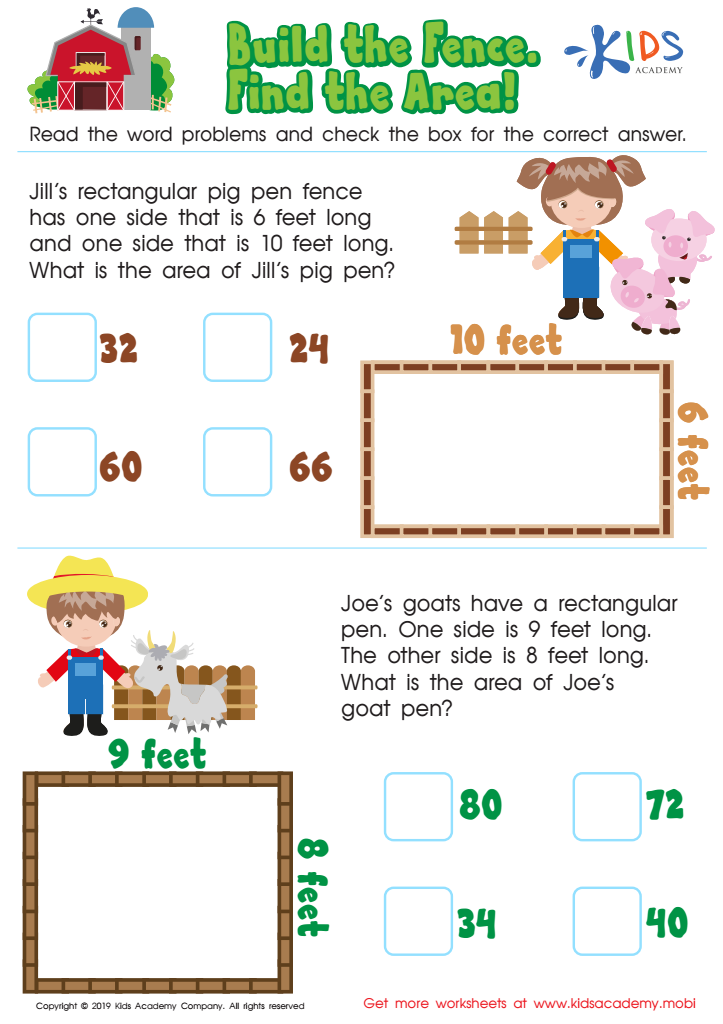
Build the Fence, Find the Area Worksheet








Parents and teachers should prioritize problem-solving skills—especially in the context of word problems—for children aged 5-9, as these skills lay the foundation for critical thinking and logical reasoning. Word problems encourage children to apply mathematical concepts to real-world situations, helping them understand the relevance of math in everyday life. This engagement not only strengthens their mathematical abilities but also promotes language skills, as they learn to parse through text and identify key information.
Additionally, developing problem-solving skills fosters resilience and persistence in young learners. When faced with challenges in understanding or solving a word problem, children learn to approach difficulties with a growth mindset, trying multiple strategies until they find a solution. This adaptability is crucial not just in mathematics, but across all areas of learning and personal development.
Moreover, these skills enhance collaboration, as children often work together to discuss and tackle problems, thus improving their social skills and teamwork. In an increasingly complex world, equipping young learners with strong problem-solving abilities will better prepare them for future academic endeavors and life challenges, instilling confidence and competence from an early age.








