Cognitive Development Science Worksheets for Ages 5-9
17 filtered results
-
From - To
Unlock your child's potential with our engaging Cognitive Development Science Worksheets designed for ages 5-9! These thoughtfully crafted worksheets blend fun and learning, helping young learners cultivate essential cognitive skills such as critical thinking, problem-solving, and memory. Kids will explore fundamental scientific concepts while enhancing their abilities through interactive activities like puzzles, matching games, and experiential learning tasks. Perfect for both home and classroom use, our resources foster curiosity and promote a love for science within children. Boost your child’s cognitive development and set them on a path for academic success with our comprehensive, user-friendly worksheets today!
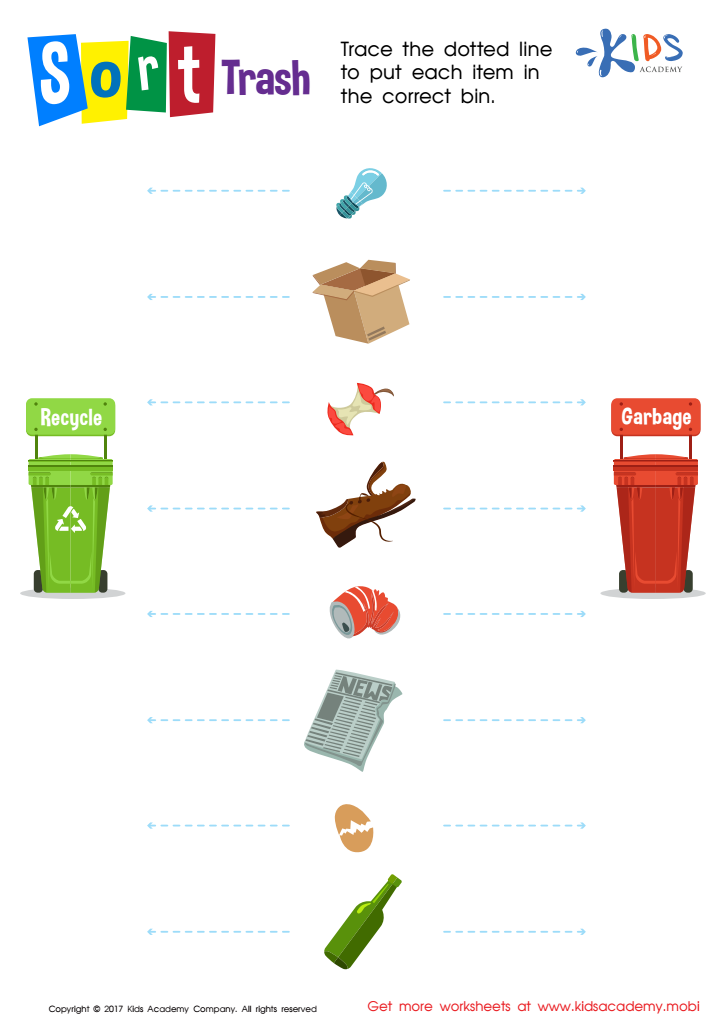
Trash Sorting Worksheet
 Assign to My Students
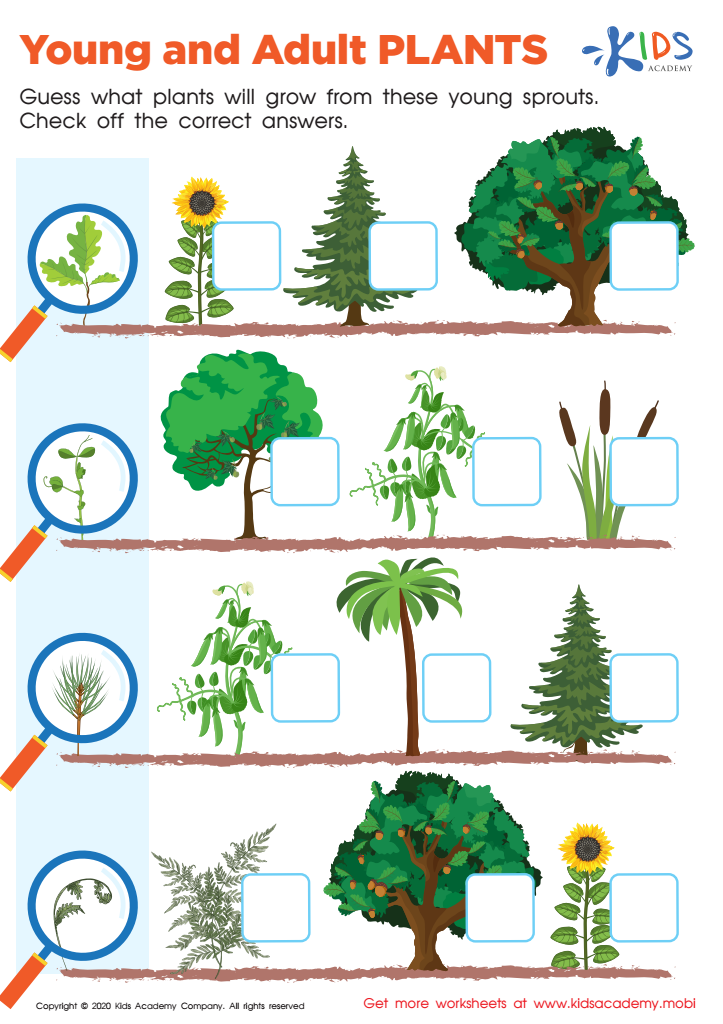
Young and Adult Plants Worksheet
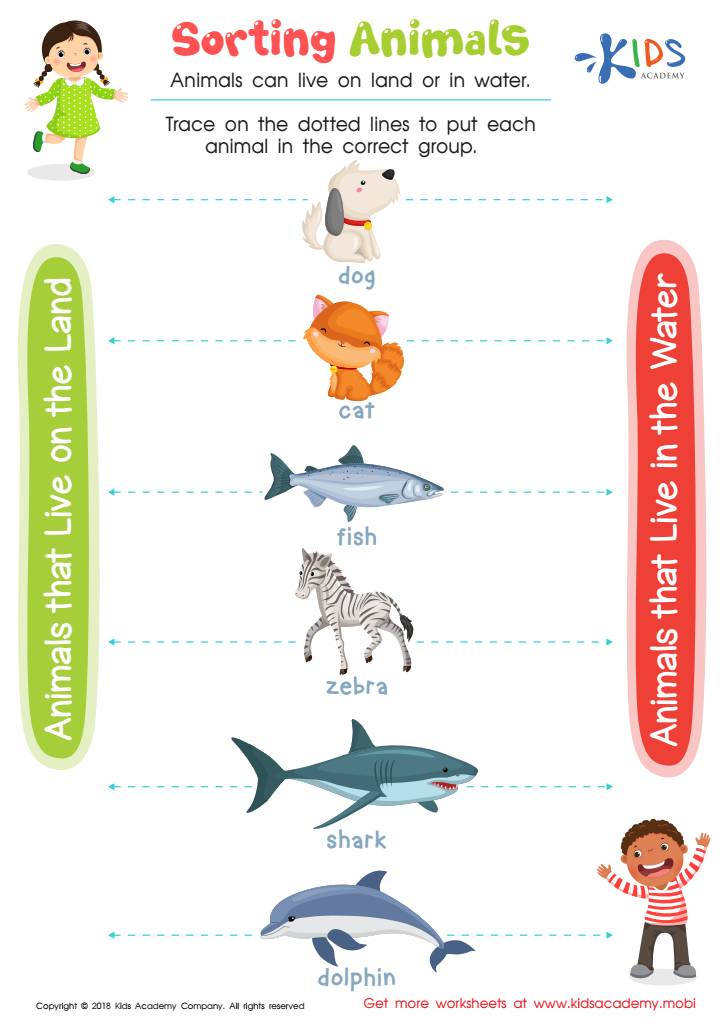
Sorting Animals Worksheet
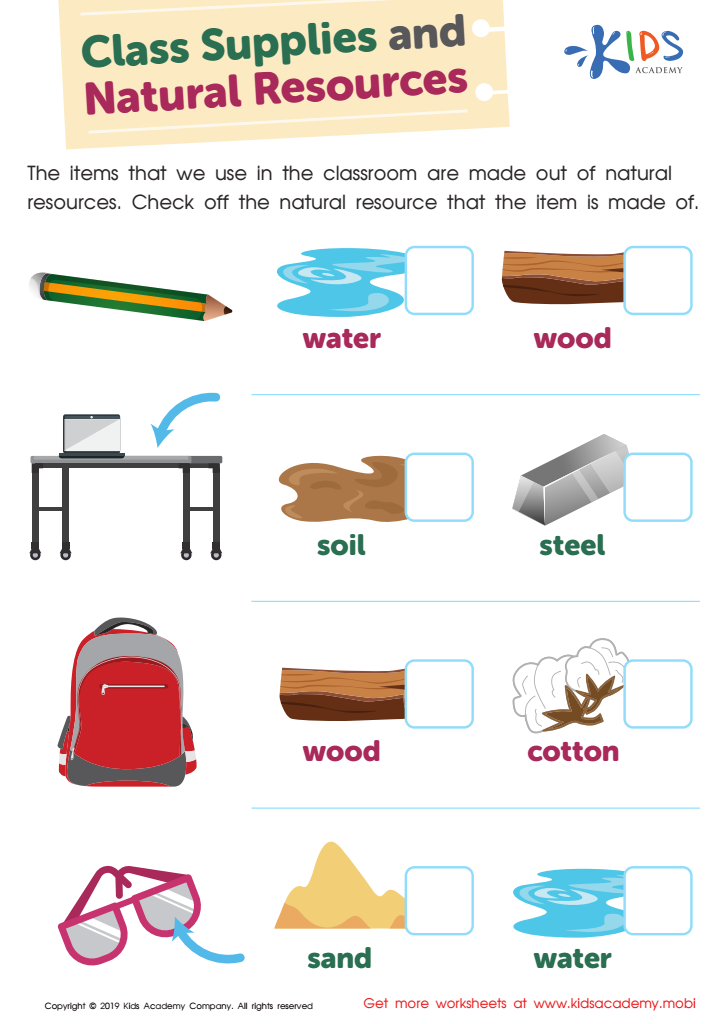
Class Supplies and Natural Resources Worksheet
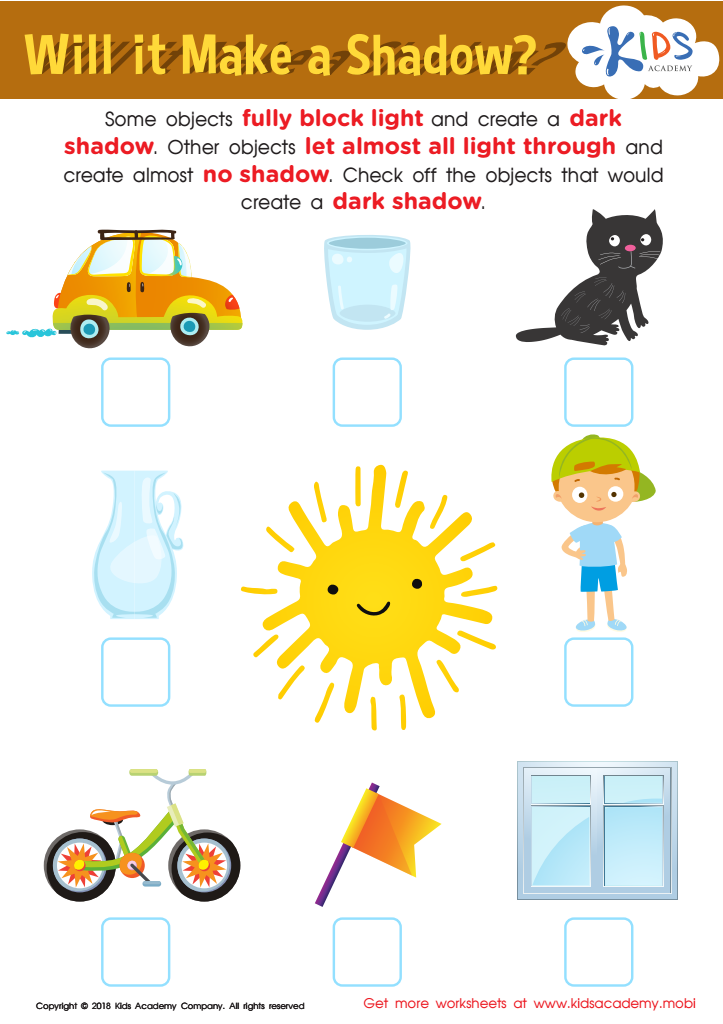
Will It Make a Shadow? Worksheet
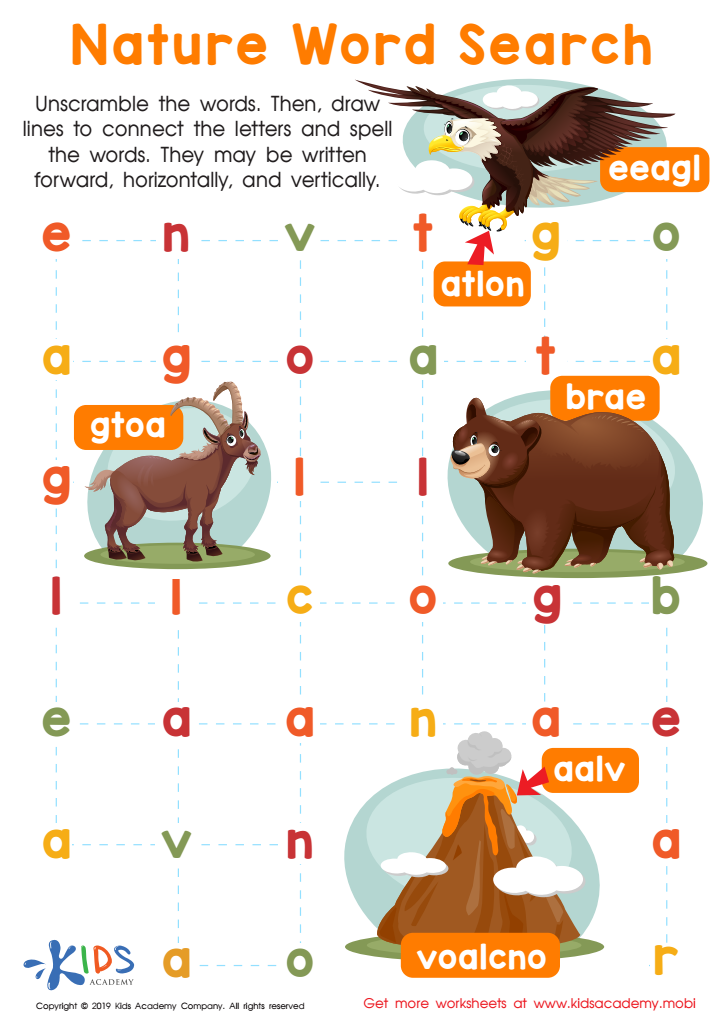
Nature Word Search Worksheet
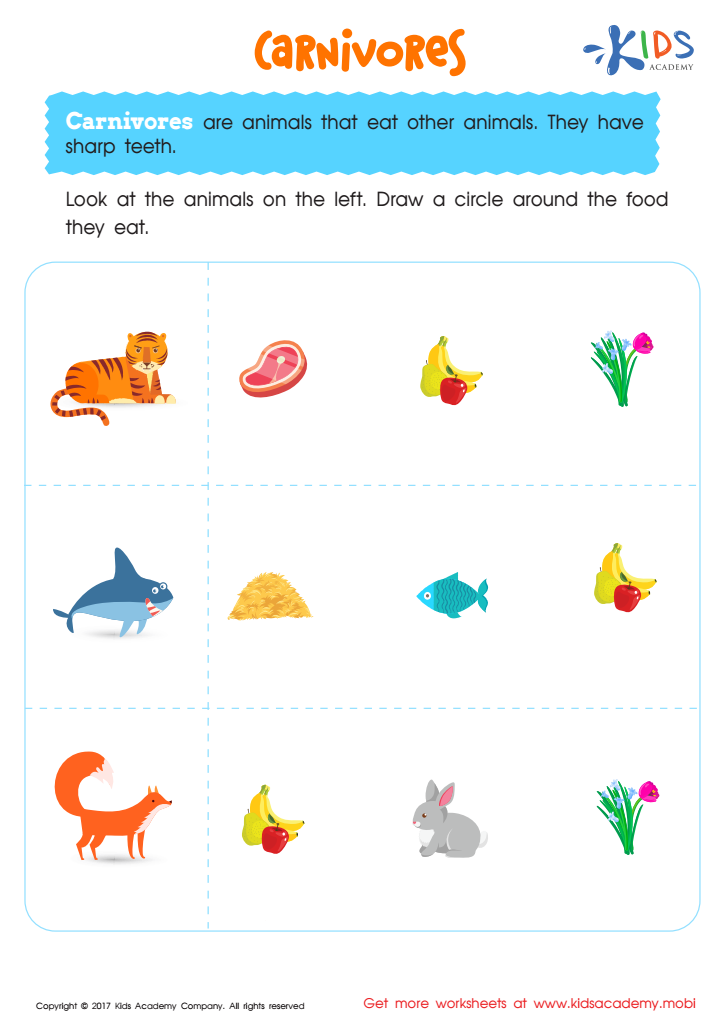
Carnivores Worksheet
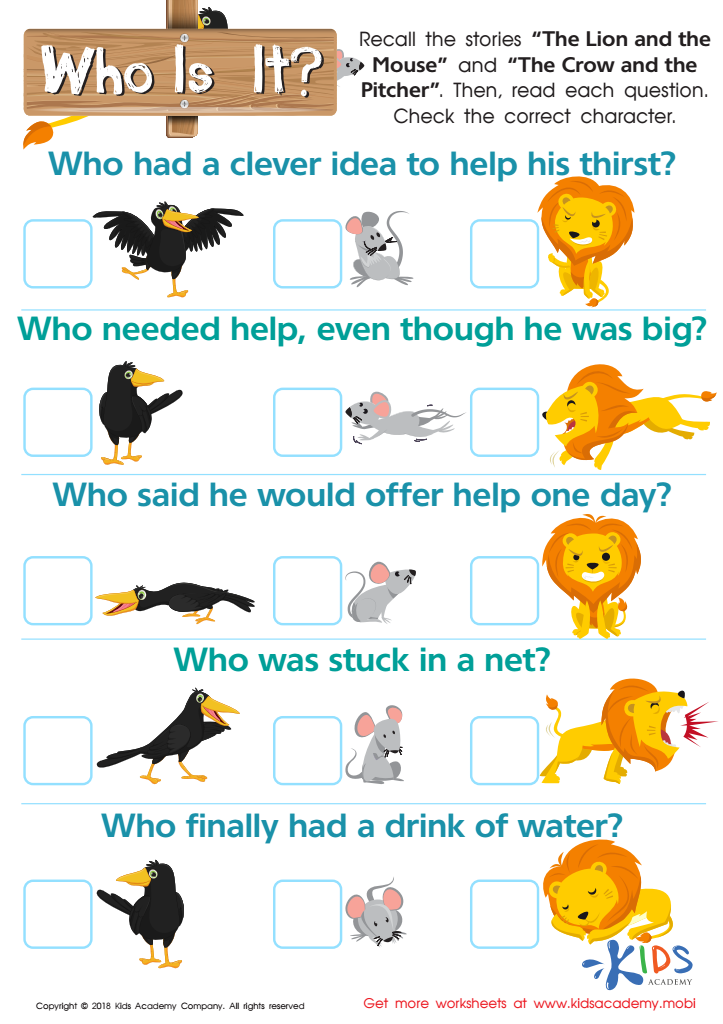
Who Is It? Worksheet
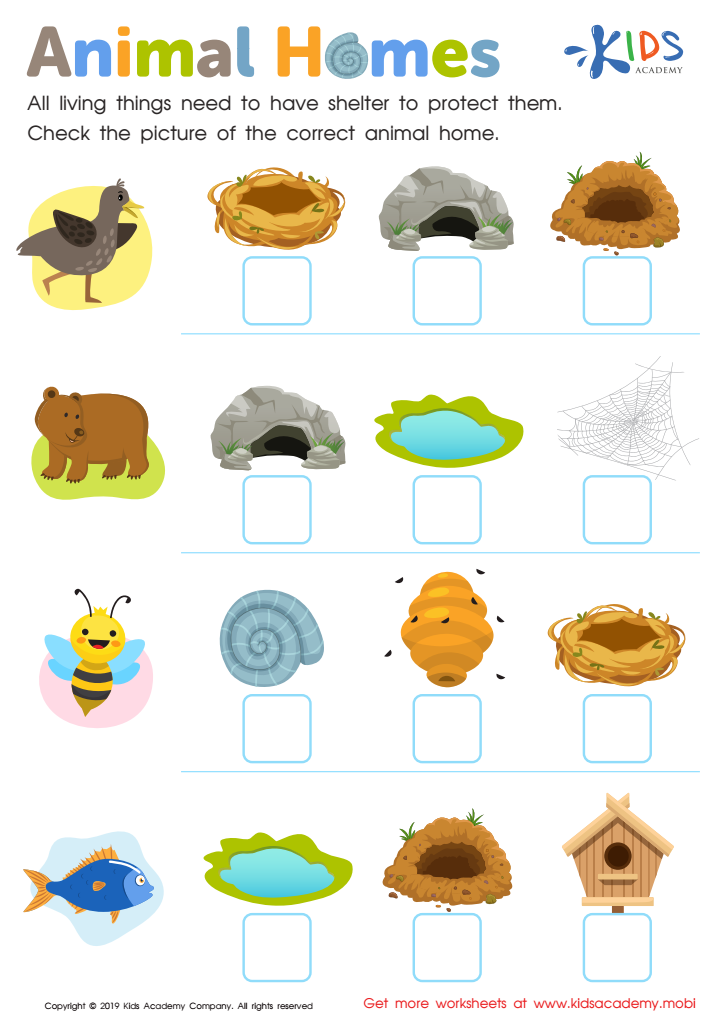
Animal Homes Worksheet
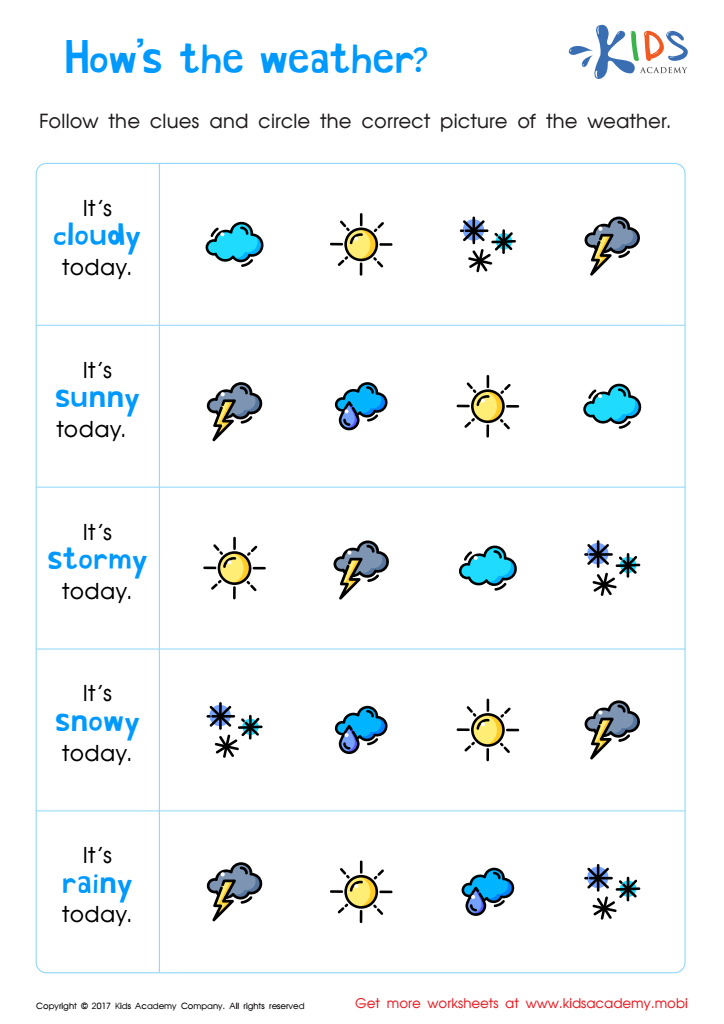
Hows the Weather Worksheet

Light Sources and Shadows Worksheet
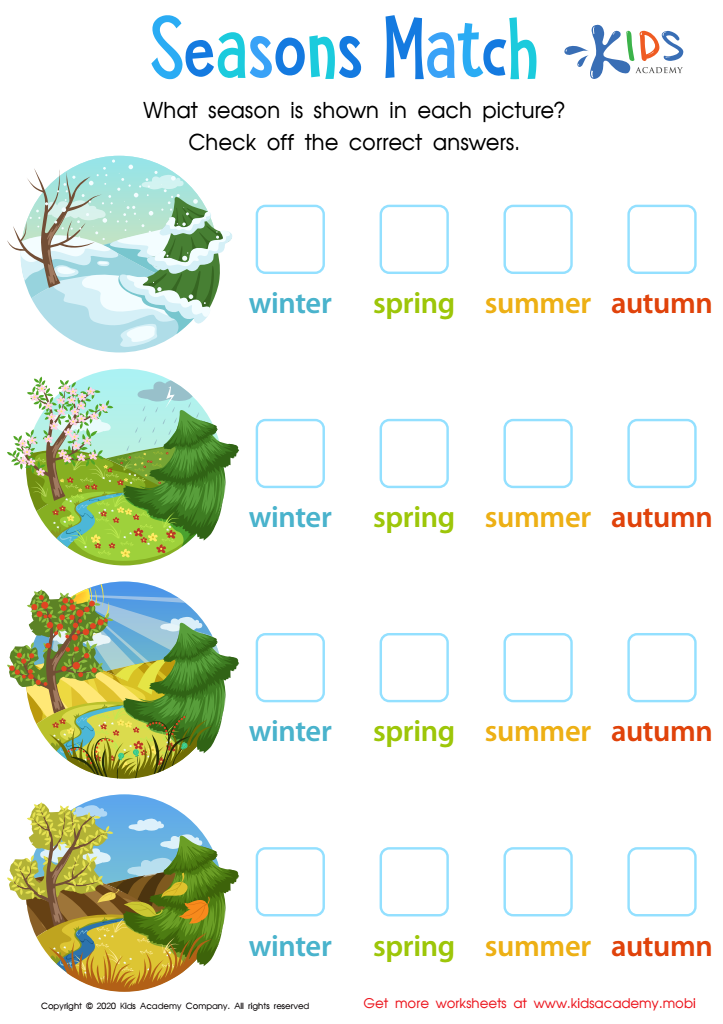
Seasons Match Worksheet
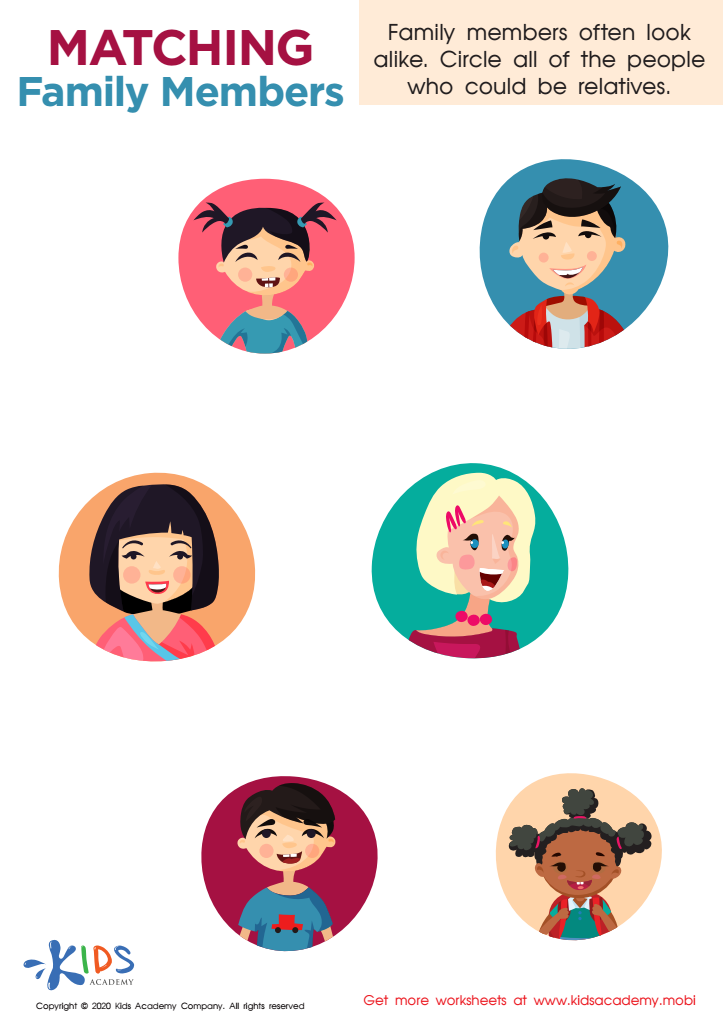
Matching Family Members Worksheet
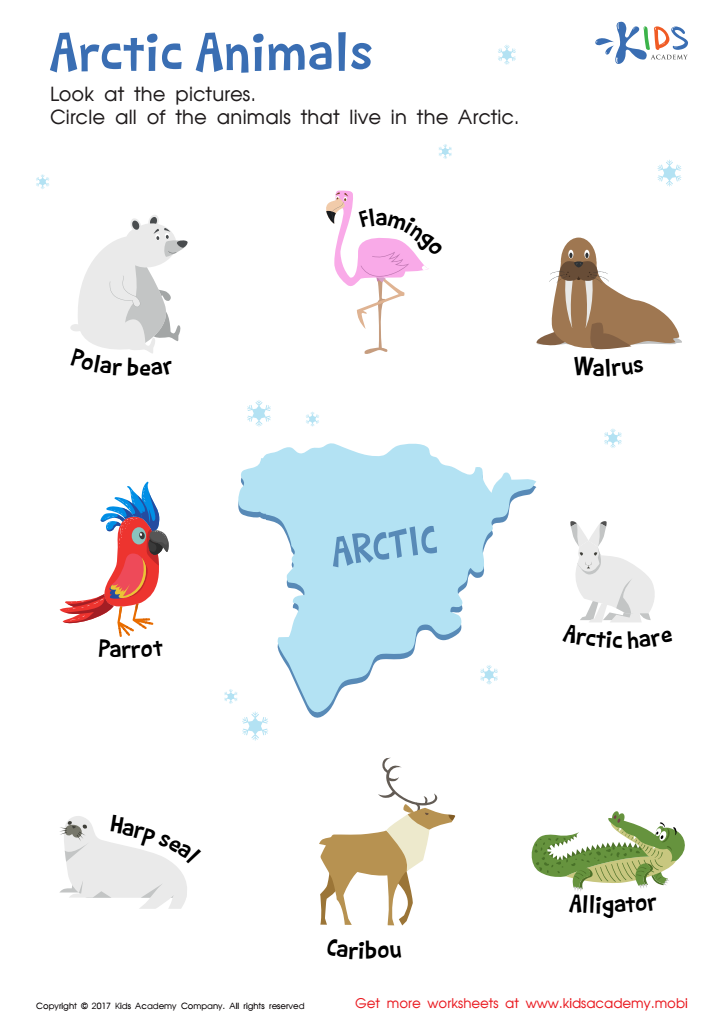
Arctic Animals Worksheet
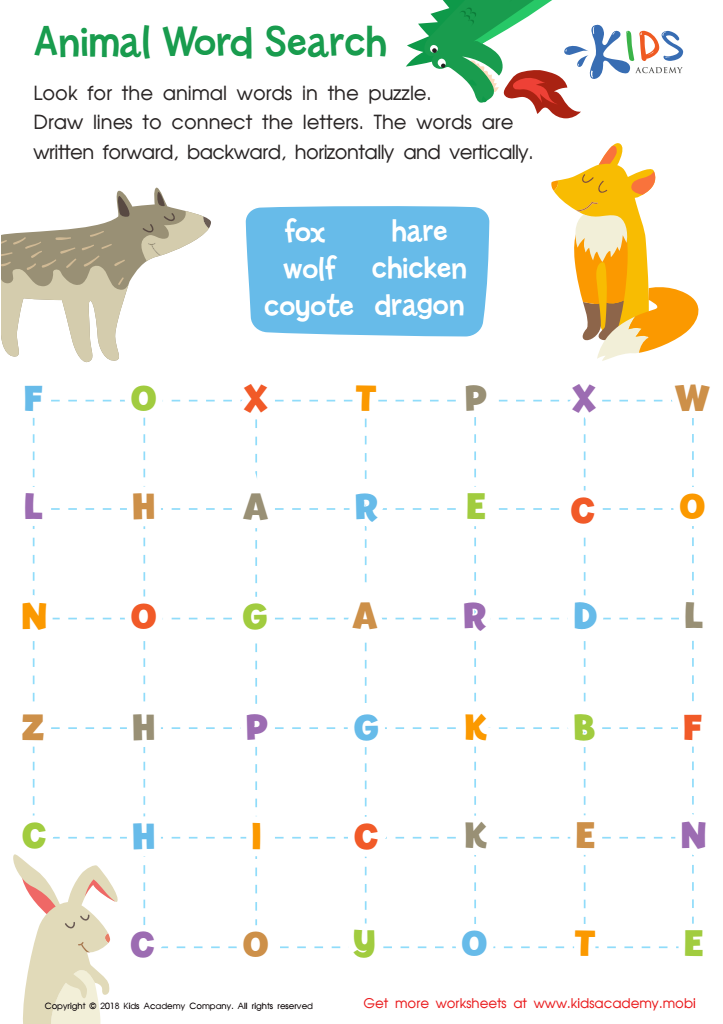
Animal Word Search Worksheet
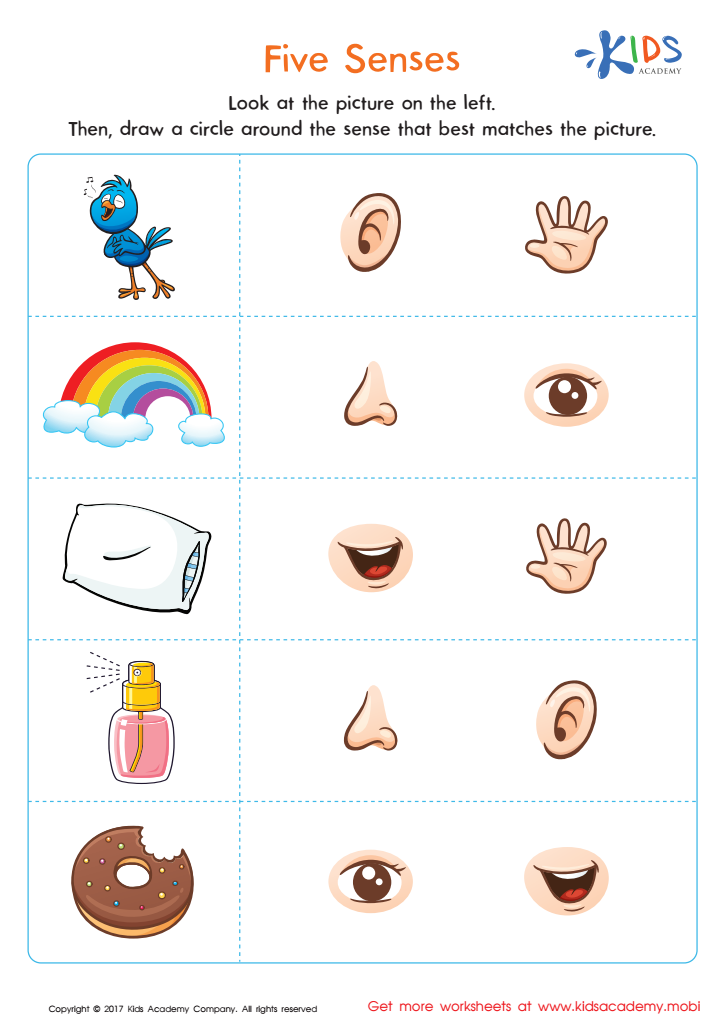
Five Senses Printable
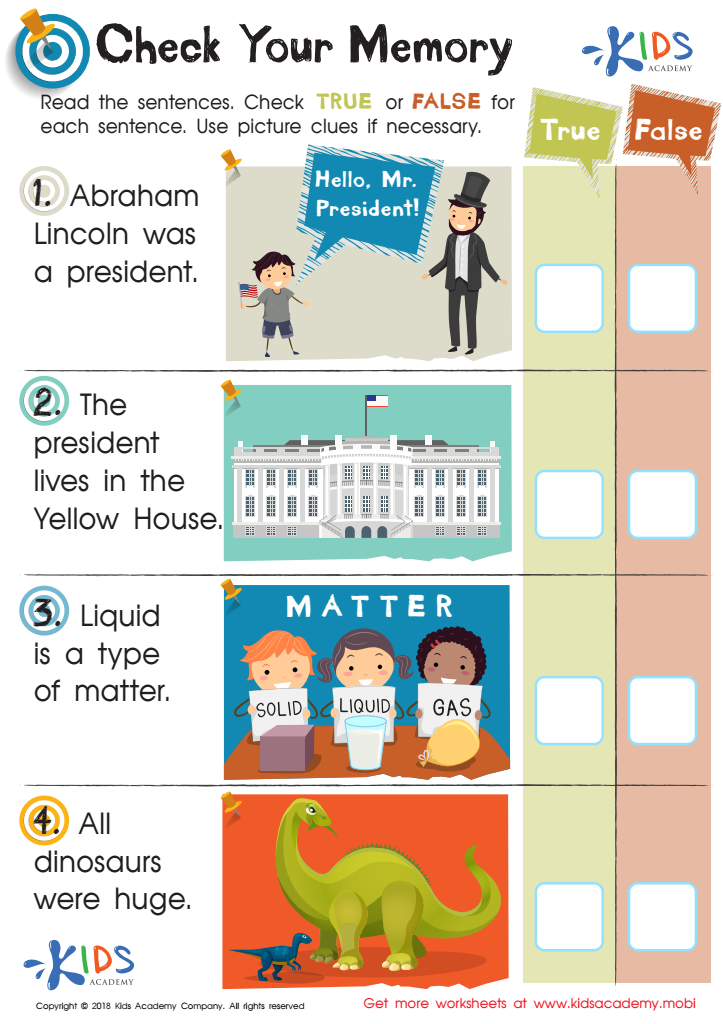
Check Memory Worksheet






Cognitive development science for children aged 5-9 is crucial because this stage serves as a foundation for future learning and overall intellectual growth. During these formative years, children develop essential cognitive skills such as critical thinking, problem-solving, and logical reasoning. Understanding cognitive development allows parents and teachers to tailor their approaches to better support individual learning styles and needs.
Awareness of cognitive milestones helps parents recognize potential delays or challenges early, enabling timely interventions. Moreover, this knowledge can guide educators in designing age-appropriate curriculums that promote active engagement and exploration, fostering a love for learning.
Furthermore, grasping concepts from cognitive science encourages collaborative activities, as children learn best through social interactions and cooperative play. These approaches not only enhance academic skills but also promote social-emotional competencies such as empathy and communication, which are vital in today's interconnected world.
In summary, parents and teachers who are informed about cognitive development science can significantly influence children's intellectual growth, preparing them for academic success and equipping them with skills needed for lifelong learning. Their involvement ensures children receive the necessary support and challenges to thrive in a complex and rapidly changing environment.







