Color Identification Science Worksheets for Ages 5-9
4 filtered results
-
From - To
Introduce your young learners to the vibrant world of colors with our Color Identification Science Worksheets for Ages 5-9! Designed to enhance cognitive skills and scientific understanding, these interactive worksheets help children identify, sort, and name a wide range of colors. With engaging activities that blend creativity and learning, students will build a strong foundation in color recognition. Perfect for at-home learning or classroom enrichment, these worksheets cater to curious minds eager to explore colors in everyday life. Nurture your child's curiosity and brighten their educational journey with our expertly crafted color identification resources.
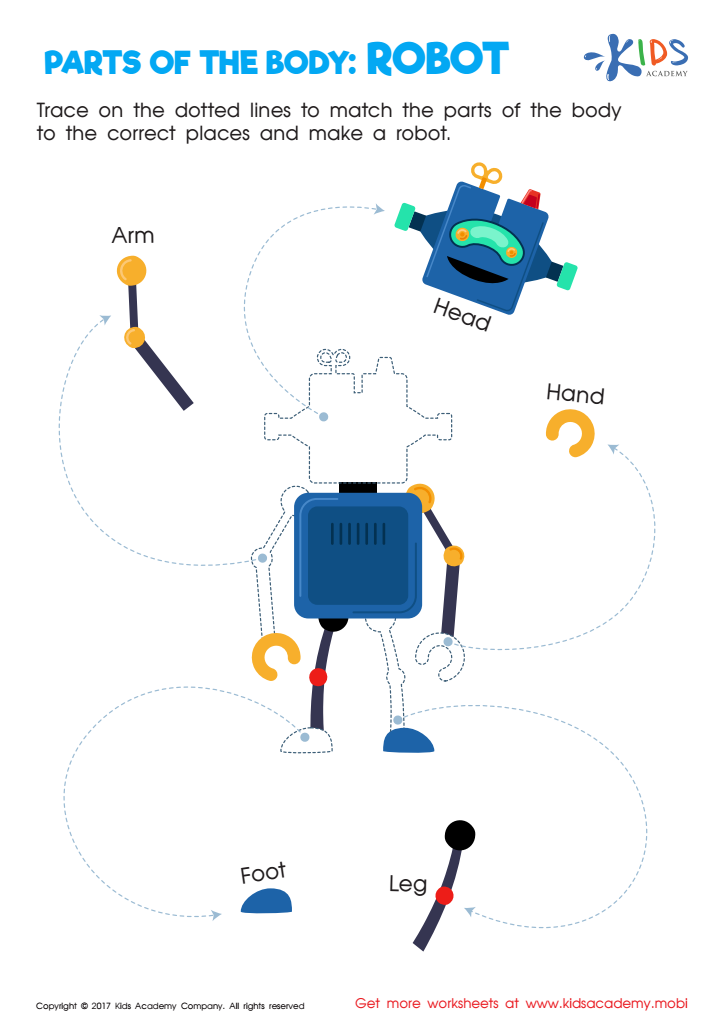
Robot Printable
 Assign to My Students
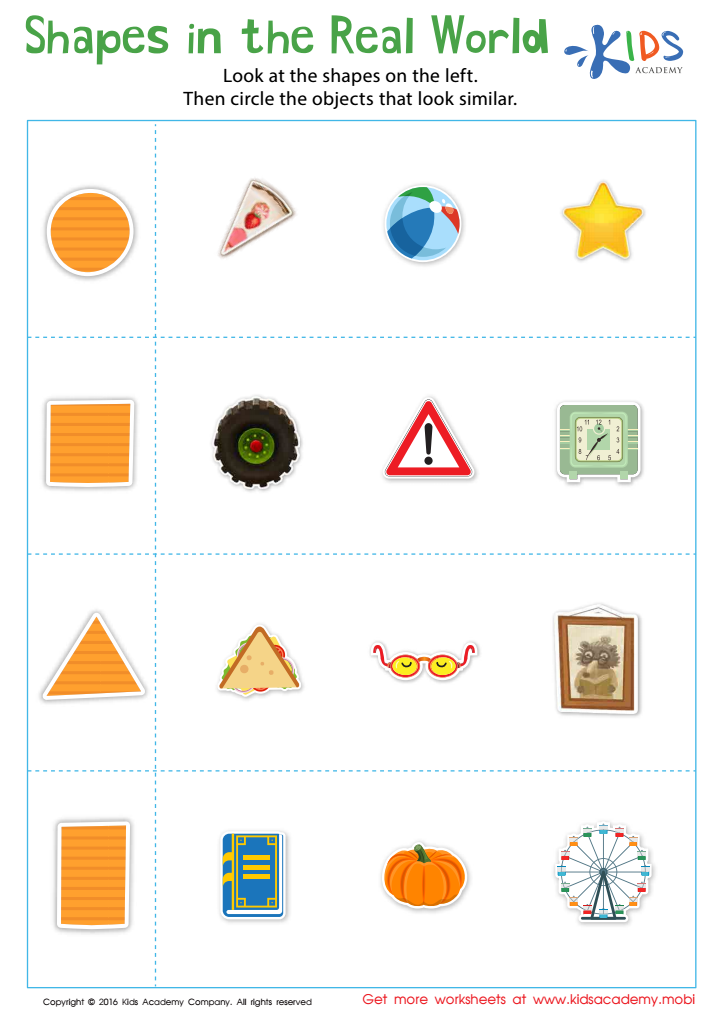
Shapes in the Real World Worksheet
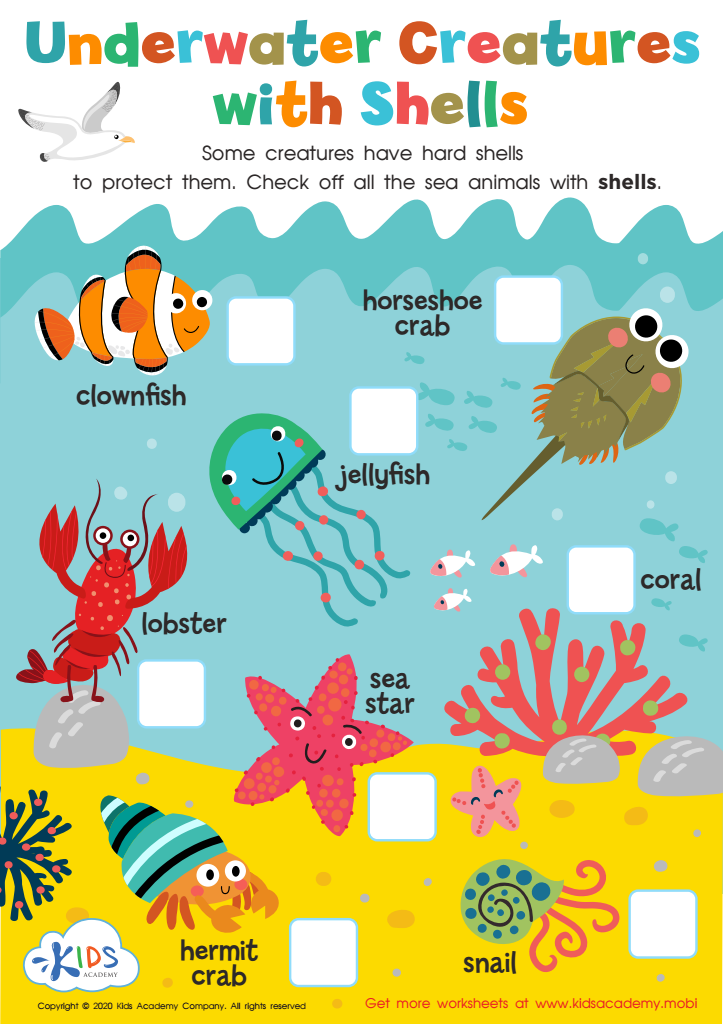
Underwater Creatures with Shells Worksheet
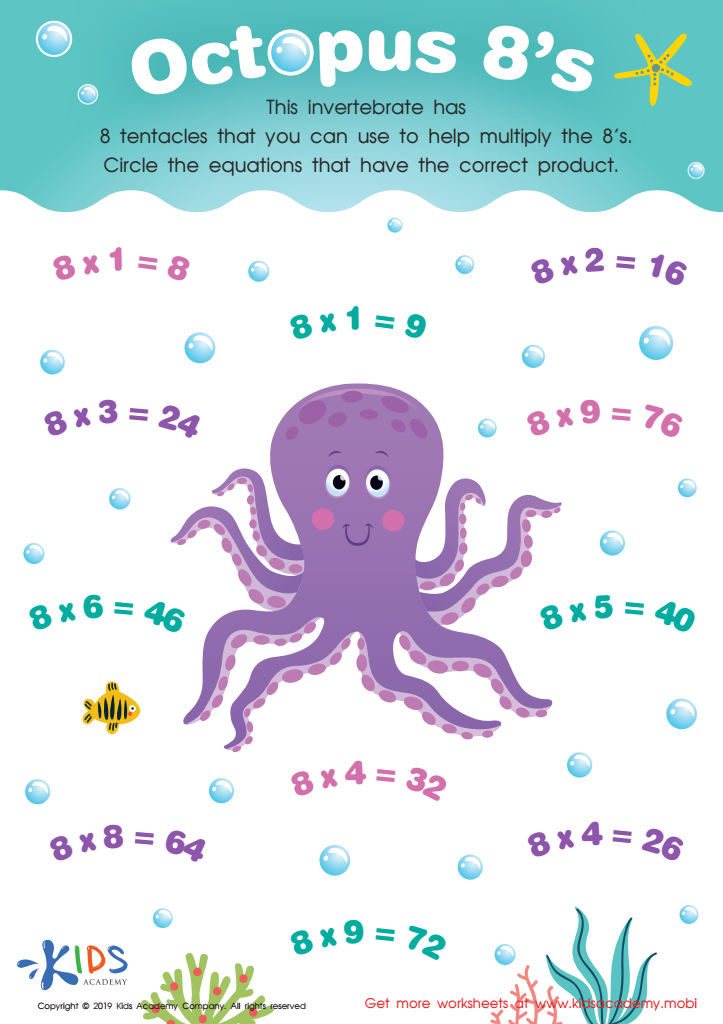
Octopus 8’s Worksheet








Color identification science is pivotal for children aged 5-9 due to its significant role in early cognitive and developmental milestones. At this stage, children are like sponges, absorbent to new information and eager to explore the world around them.
Firstly, color recognition is fundamental to developing vocabulary and language skills. As children learn to identify and name colors, they build essential communication capabilities that support their overall linguistic development. This also includes descriptive language, which is crucial for effective expression and understanding.
Moreover, understanding colors aids in cognitive development by helping children categorize and differentiate various attributes of objects. This ability enhances critical thinking, sorting skills, and organizational abilities in tasks, which are insightful for problem-solving as they grow.
Color plays a direct role in fostering creativity and self-expression. It allows children to communicate their emotions and imagination visually, whether through drawing, painting, or even day-to-day decisions like choosing clothes.
Additionally, identifying colors is fundamental for learning in other subjects such as mathematics (patterns and sequences), science (identifying elements in nature), and more.
Thus, promoting color identification enriches a child’s cognitive, linguistic, social, and creative skills, laying down a strong foundation for further educational progress. Teachers and parents who invest time in this developmental aspect are aiding their children in cultivating a well-rounded academic and personal foundation.







