Tracing Words Worksheets for Ages 5-9 - Page 2
42 filtered results
-
From - To
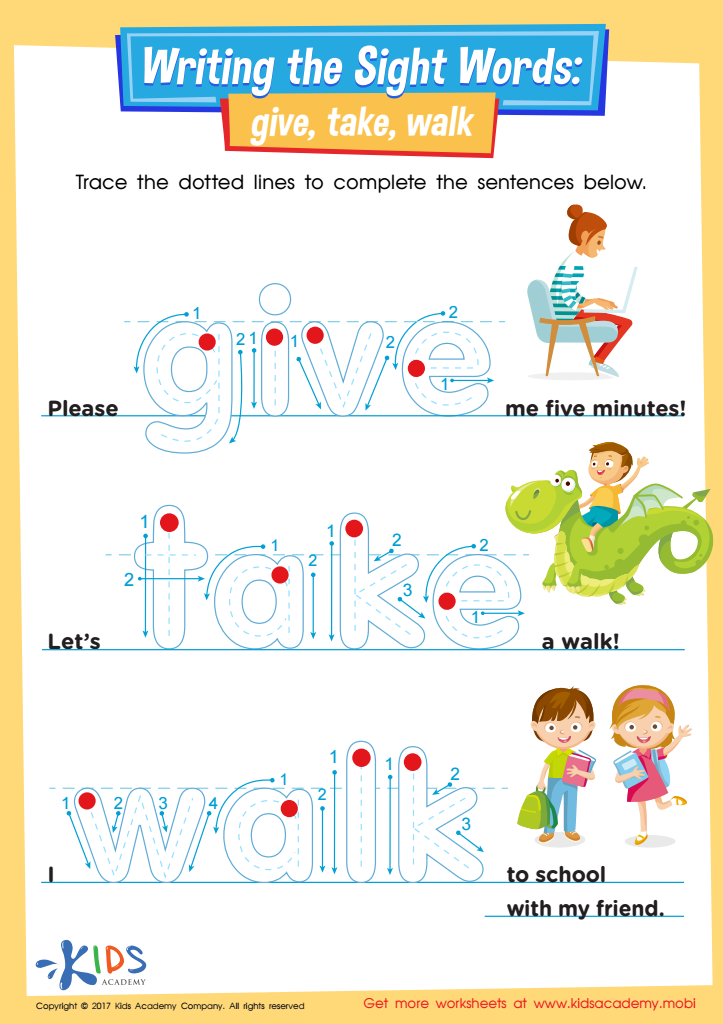
Give, Take, Walk Printable Sight Words Worksheet
 Assign to My Students
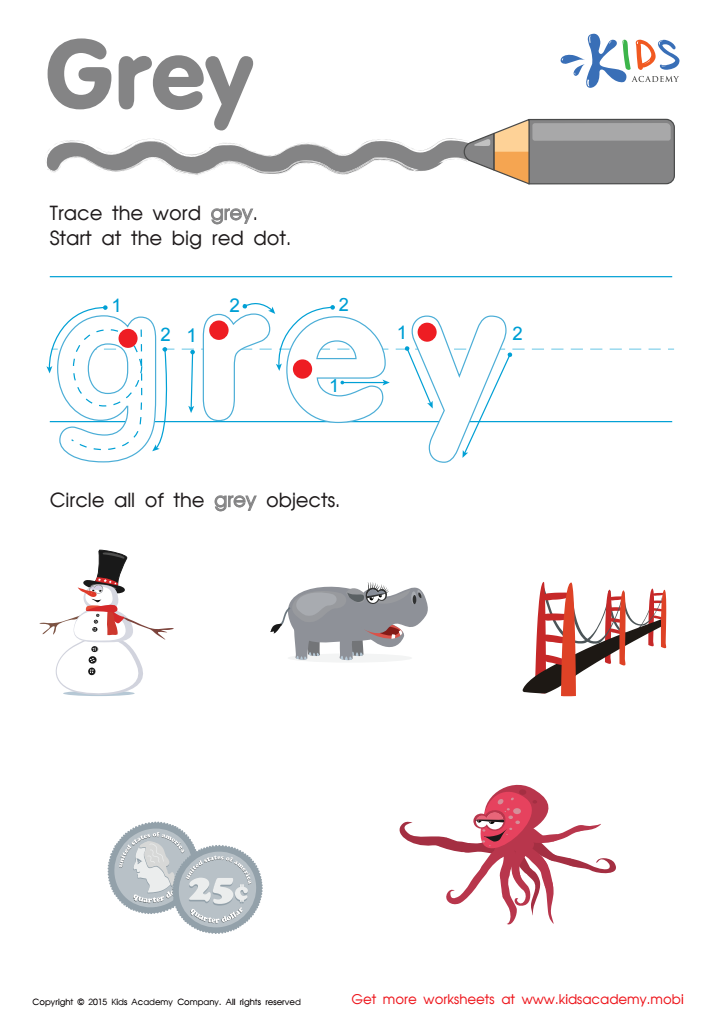
Grey Tracing Color Words Worksheet
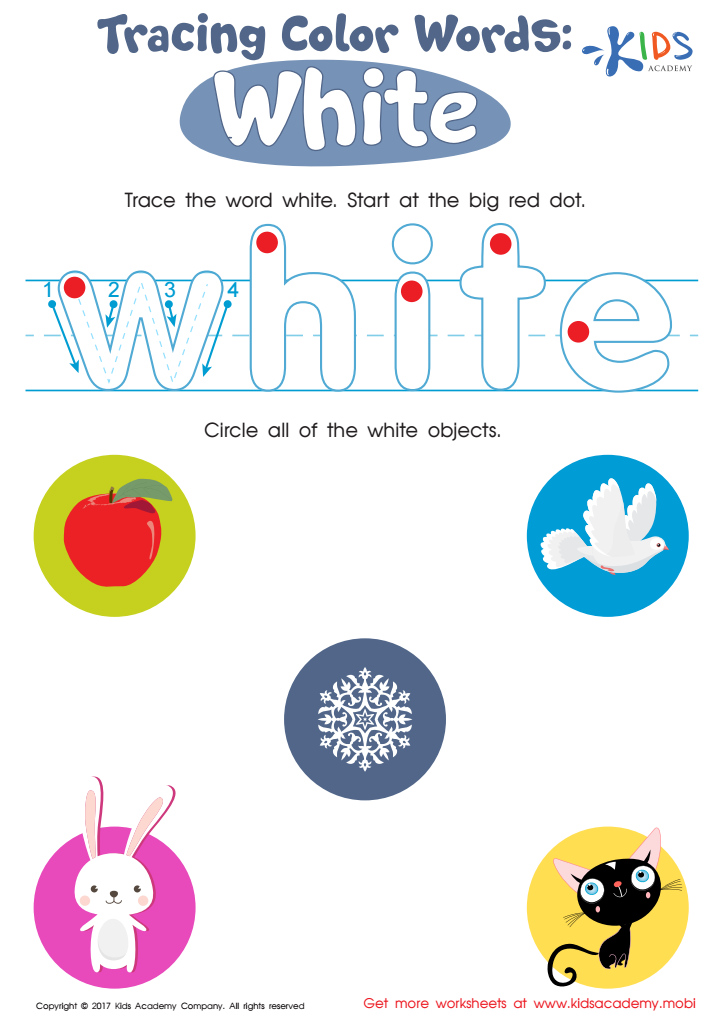
White Tracing Color Words Worksheet
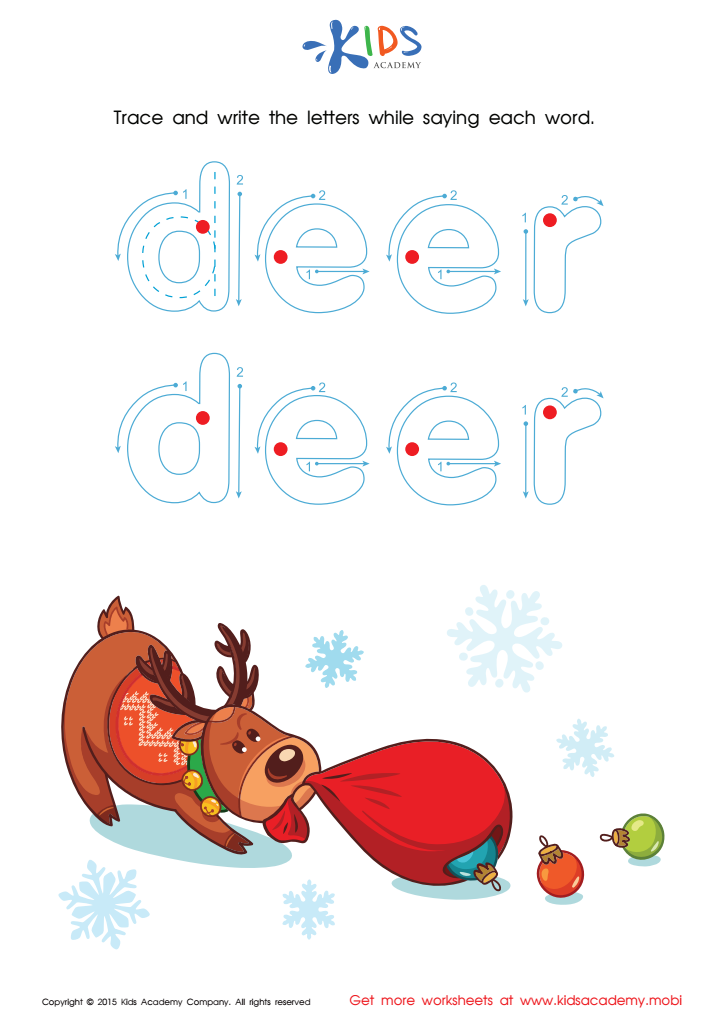
Deer Tracing Winter Words Worksheet
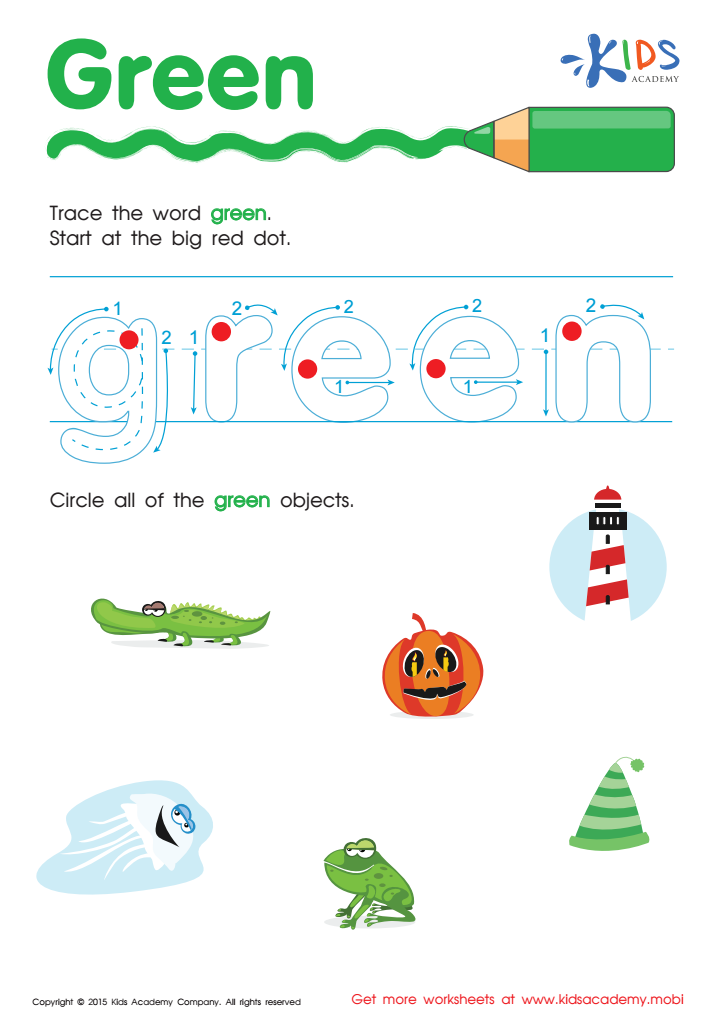
Green Tracing Color Words Worksheet
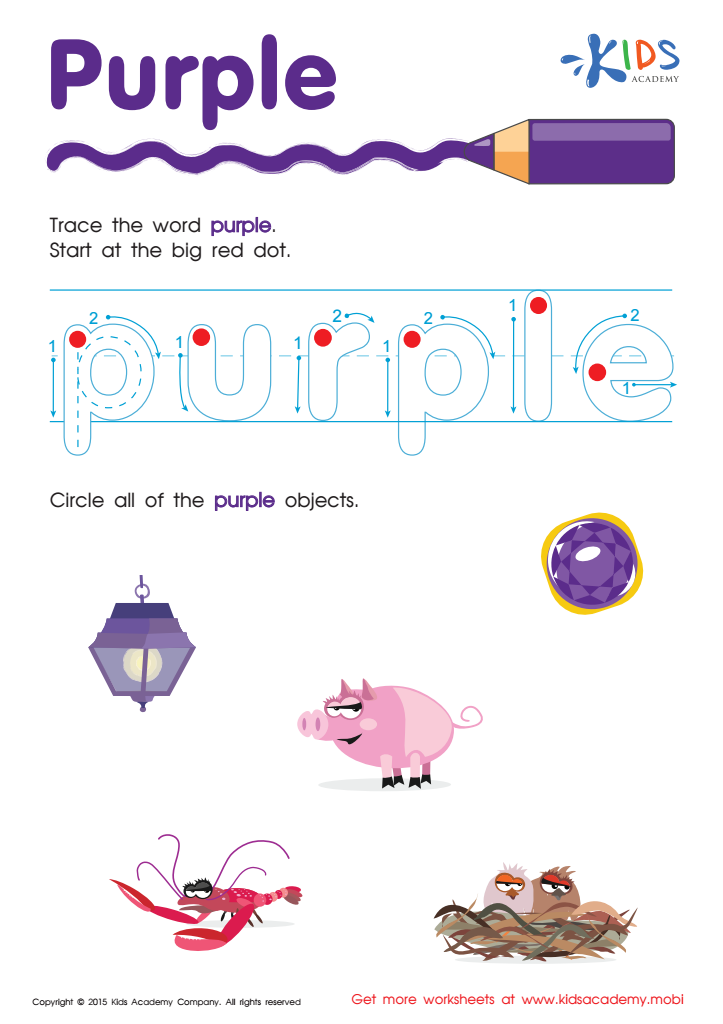
Purple Tracing Color Words Worksheet
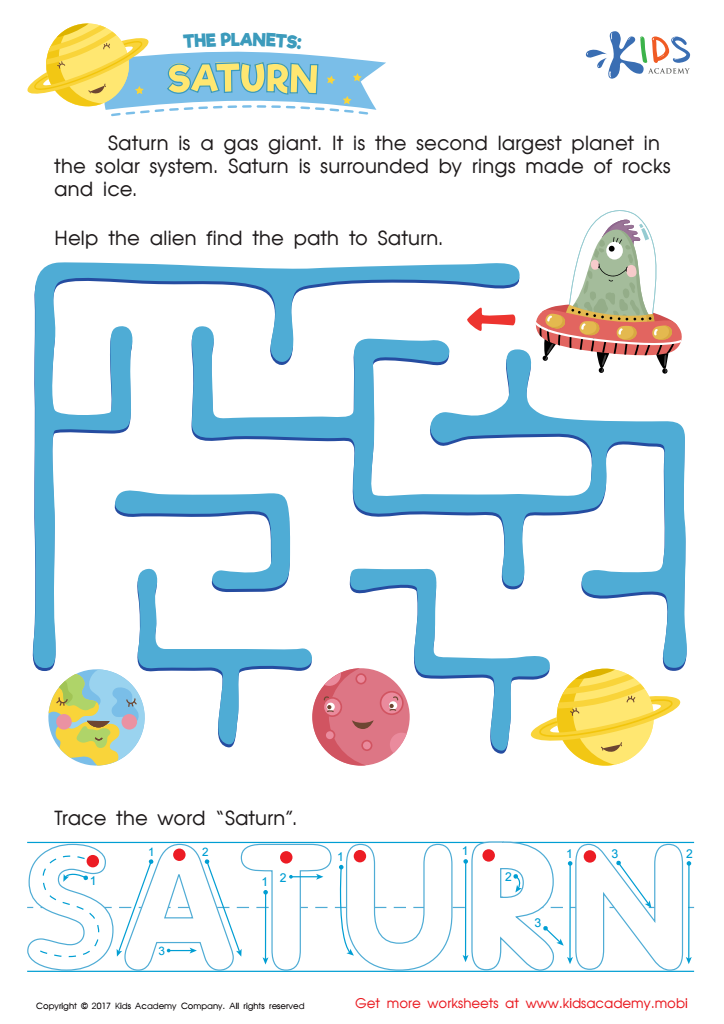
The Planets: Saturn Printable
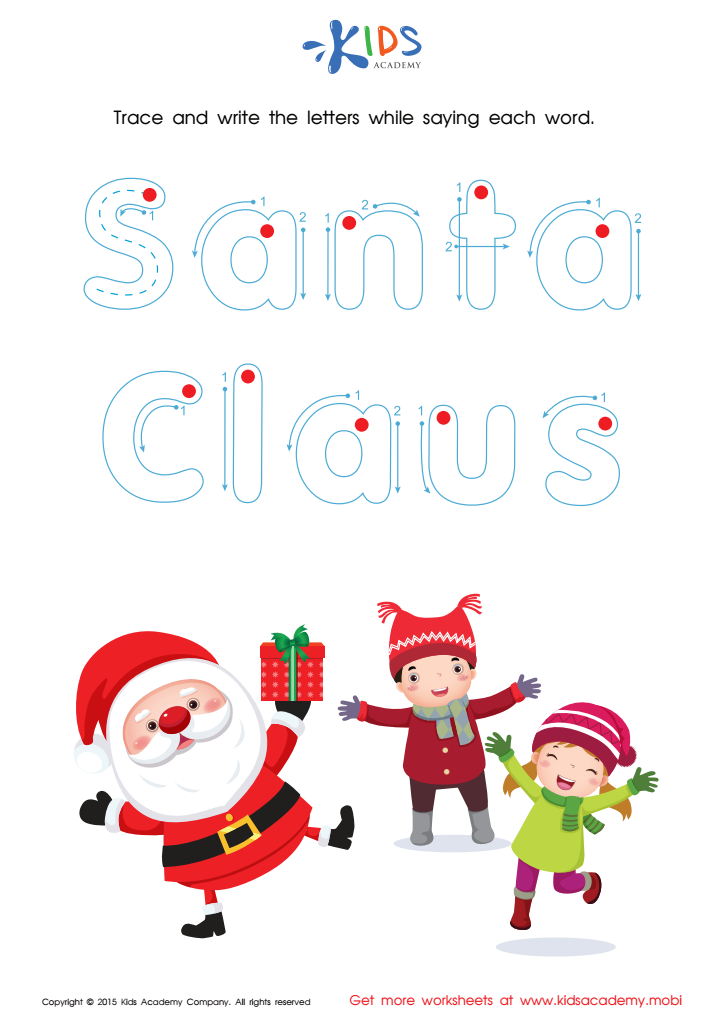
Santa Claus Tracing Winter Words Worksheet
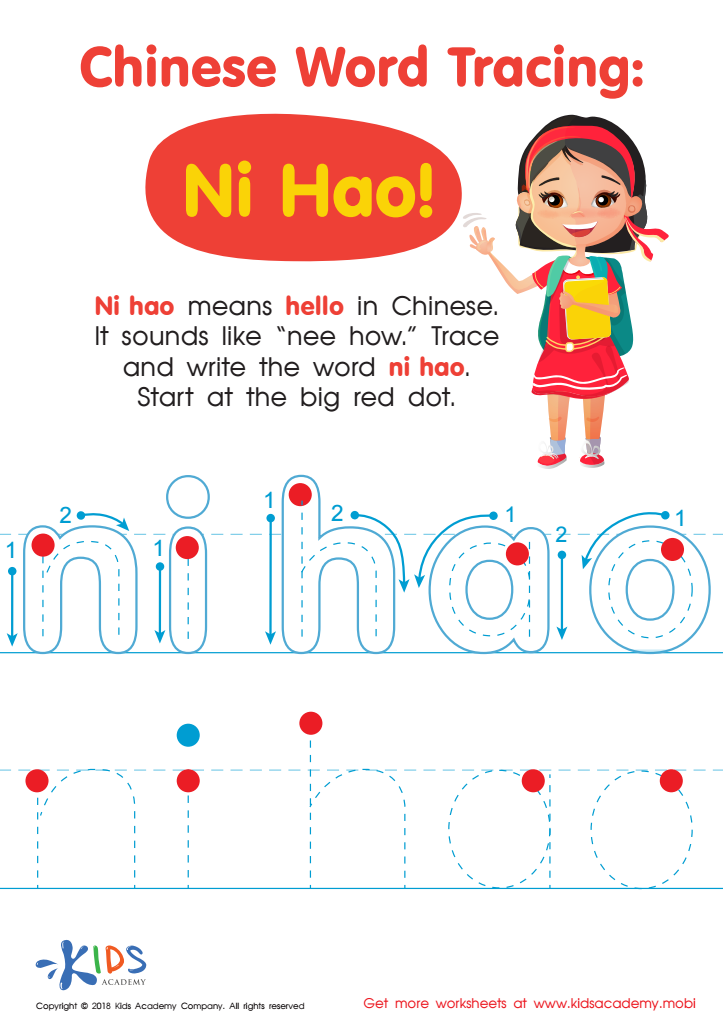
Chinese Word Tracing: Ni Hao Worksheet
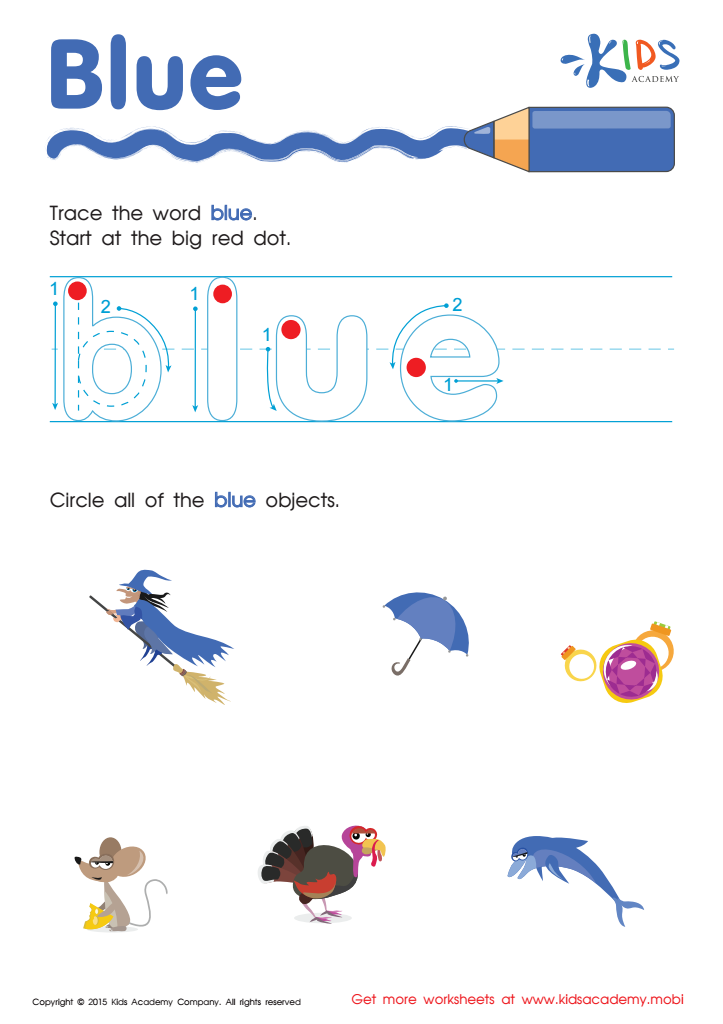
Blue Tracing Color Words Printable
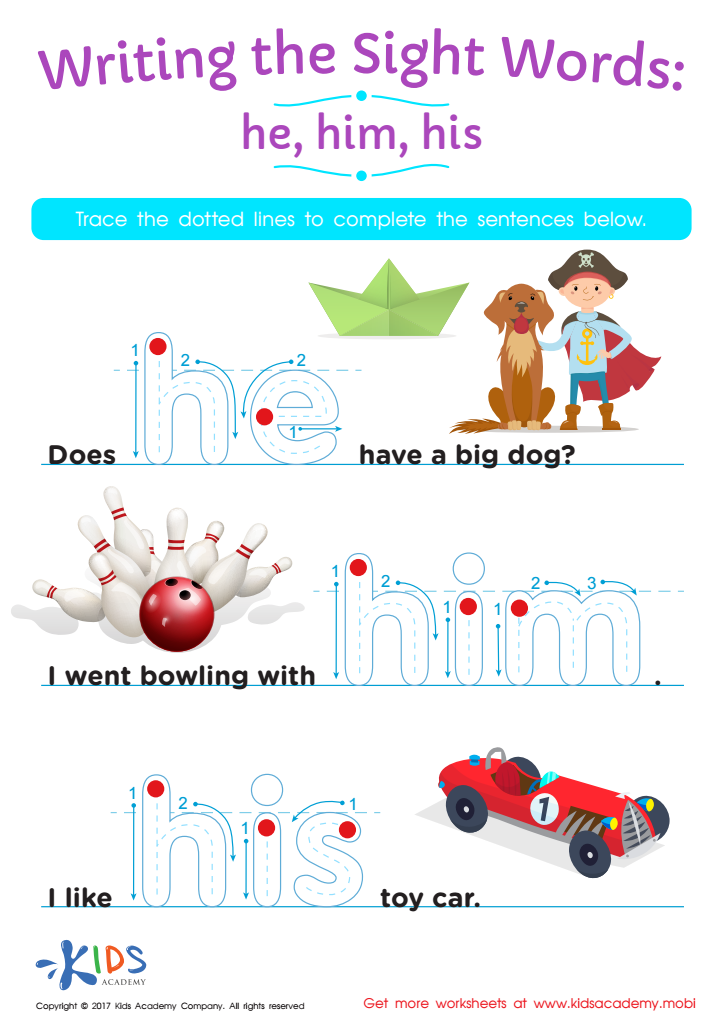
He, Him, His Printable Sight Words Worksheet
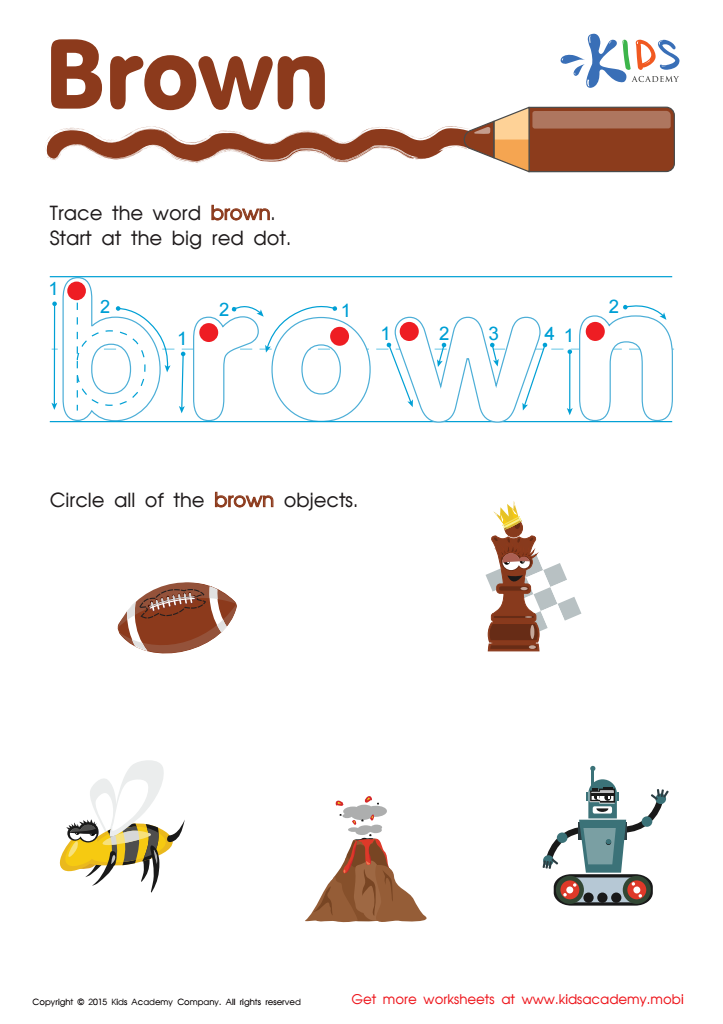
Brown Tracing Color Words Worksheet
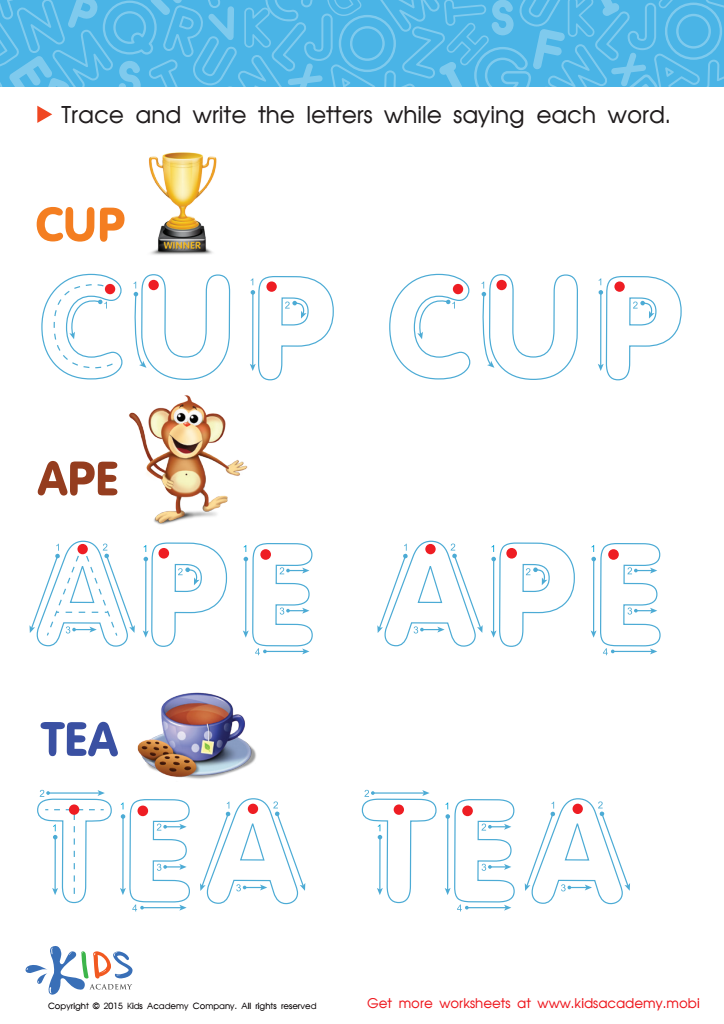
A Cup, an Ape and Tea Spelling Worksheet
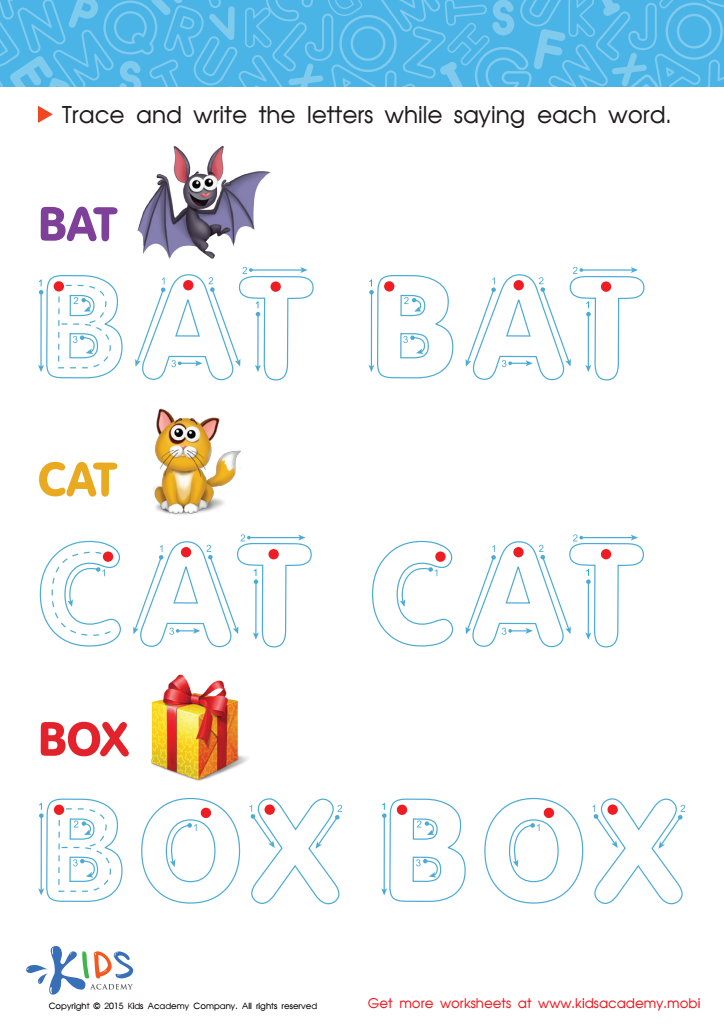
A Bat, a Cat and a Box Spelling Worksheet
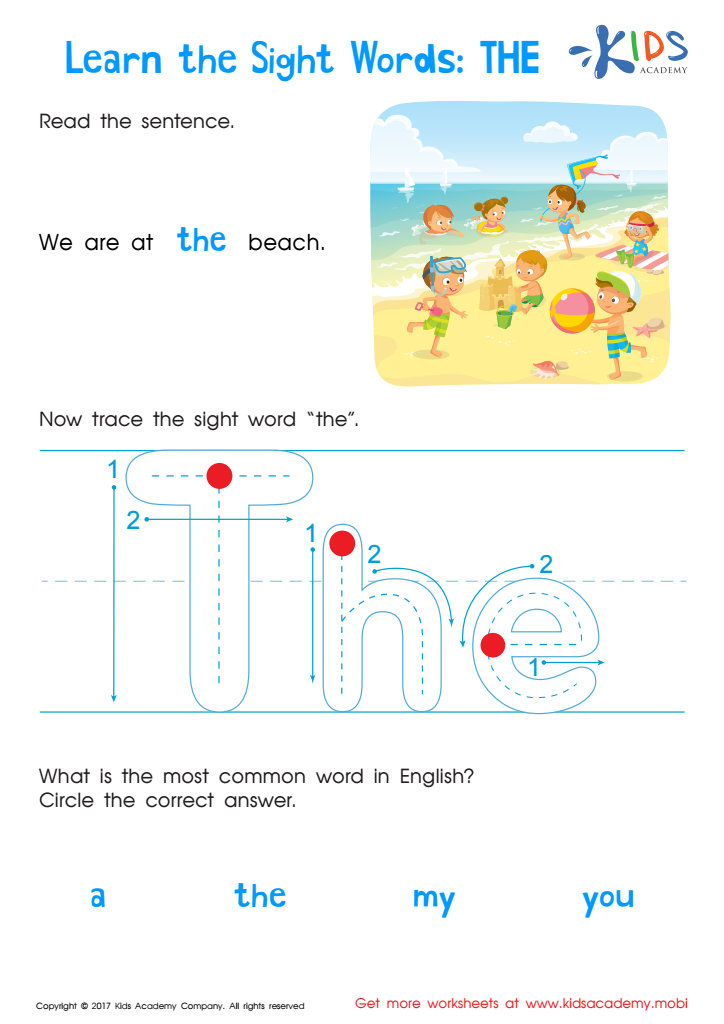
Sight Words: The Worksheet
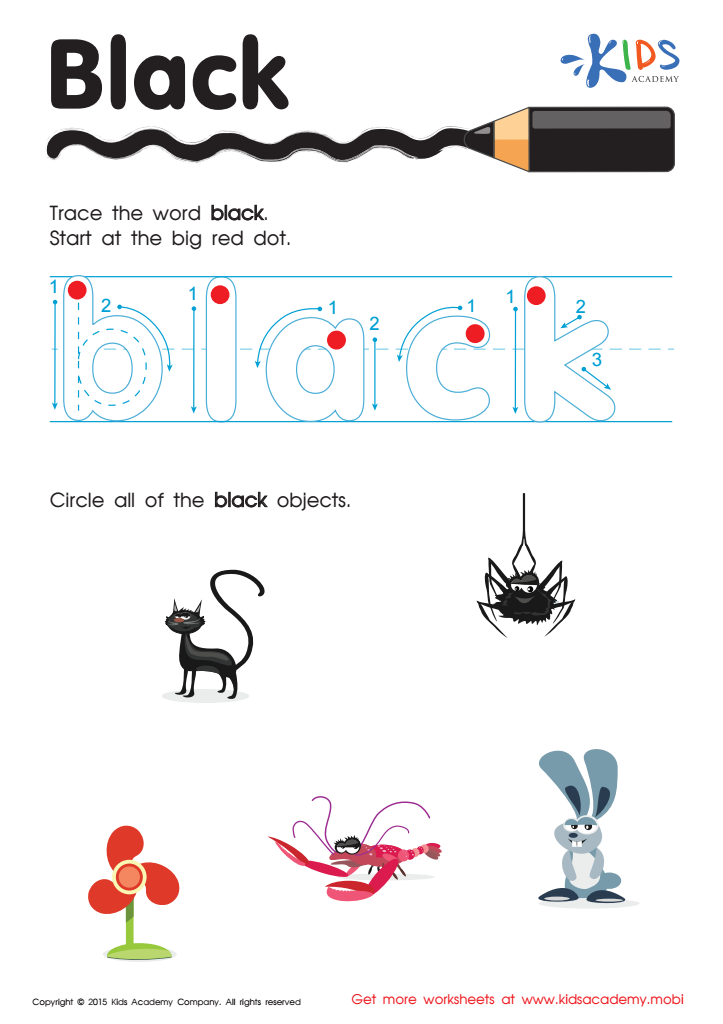
Black Tracing Color Words Printable
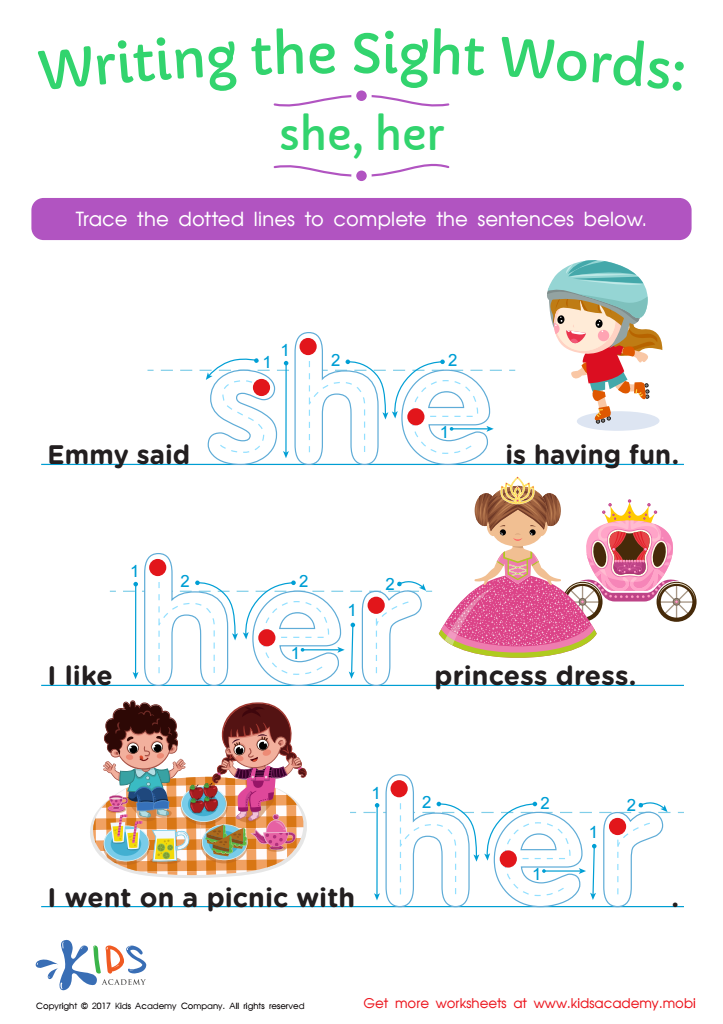
She, Her Printable Sight Words Worksheet
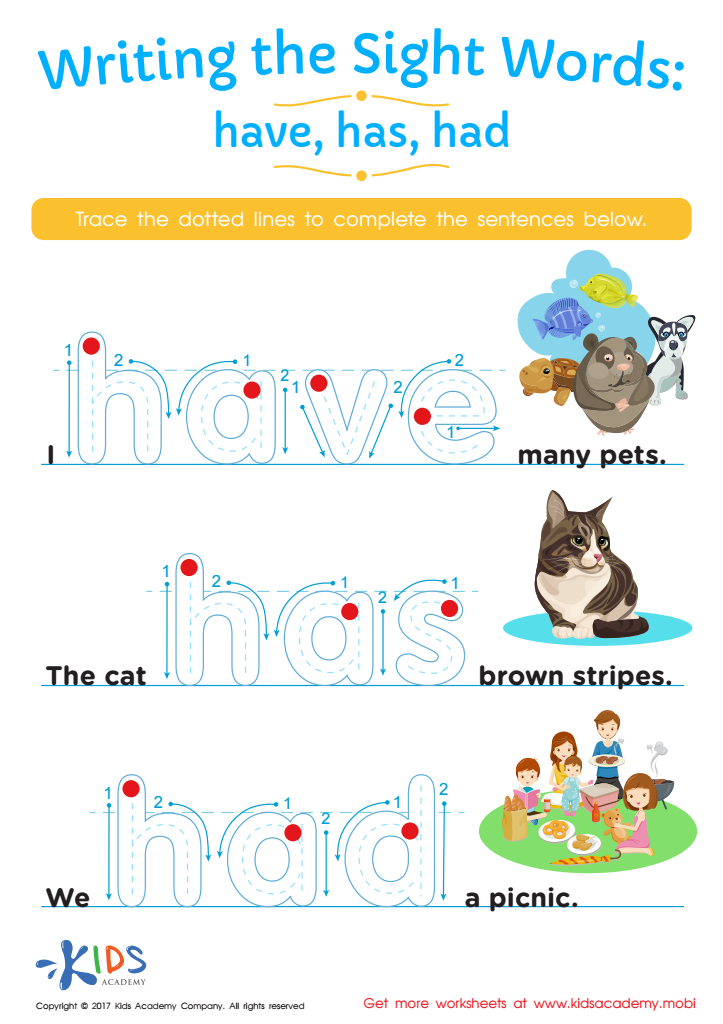
Have, Has, Had Worksheet Sight Words Worksheet








Tracing words is a fundamental skill for children ages 5-9, essential for their literacy development. When young learners trace words, they don't just learn how to write; they also enhance their understanding of letter formations, improve their fine motor skills, and solidify their grasp of language patterns.
Tracing helps children develop muscle memory, making it easier for them to write letters and words fluidly in the future. For 5-9-year-olds, who are in a critical period of cognitive and motor skill development, these activities provide repetitive practice that strengthens hand-eye coordination and control over writing utensils.
From a cognitive perspective, tracing enables kids to link the visual aspect of letters and words with their phonetic sounds. This dual encoding process supports better reading comprehension and spelling. As children trace words, especially those that form part of their daily vocabulary, they learn word distinctions, thereby expanding their language skills.
Furthermore, consistency in tracing practice builds self-confidence in young learners. As they succeed in tracing and eventually writing independently, they feel a sense of accomplishment that motivates them to take on more complex literacy tasks.
Therefore, parents and teachers should prioritize tracing words as a foundational literacy exercise. It lays the groundwork for functional reading and writing skills, crucial for academic success and effective communication.








