Fine Motor Skills English for Beginners Worksheets for 5-Year-Olds - Page 2
61 filtered results
-
From - To
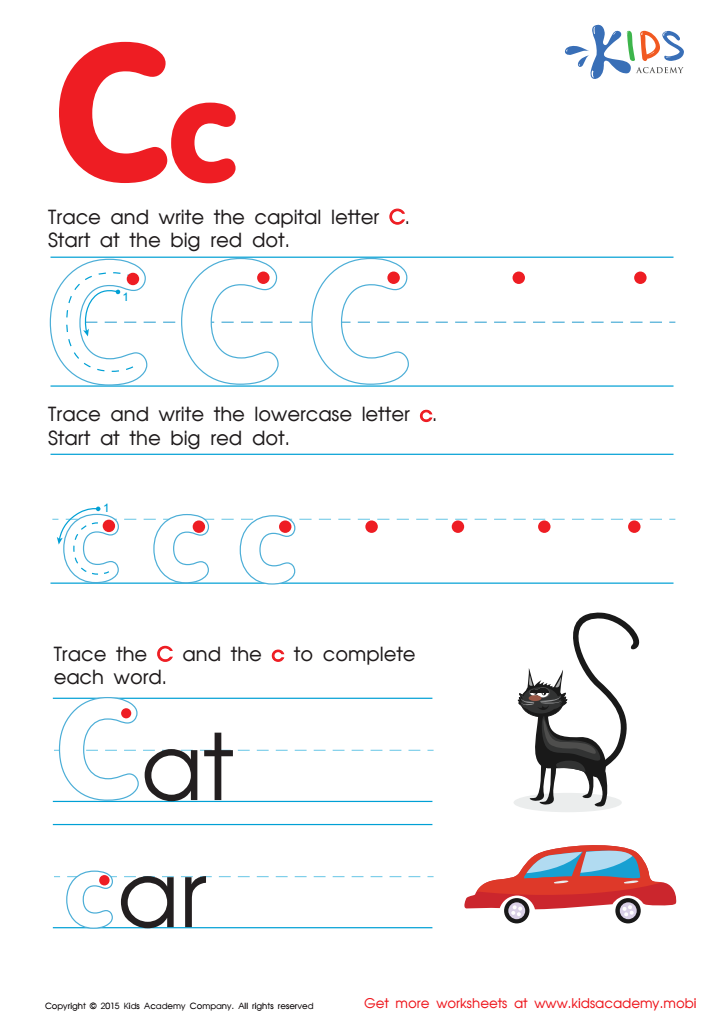
Letter C Tracing Page

Black and Brown Coloring Fun Worksheet
 Assign to My Students
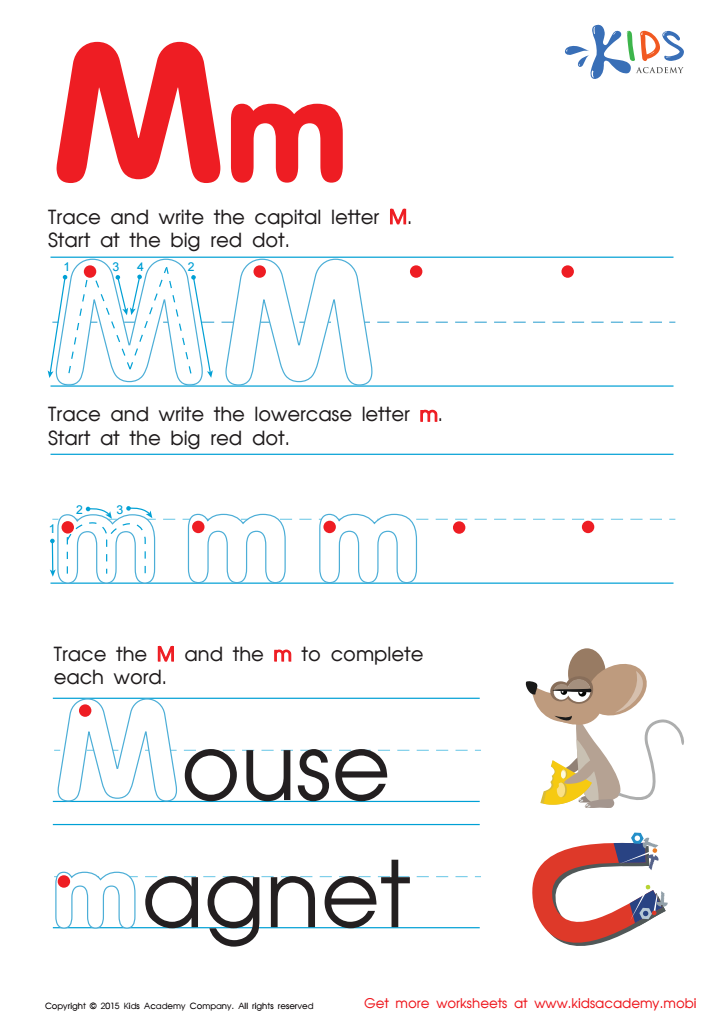
Letter M Tracing Page
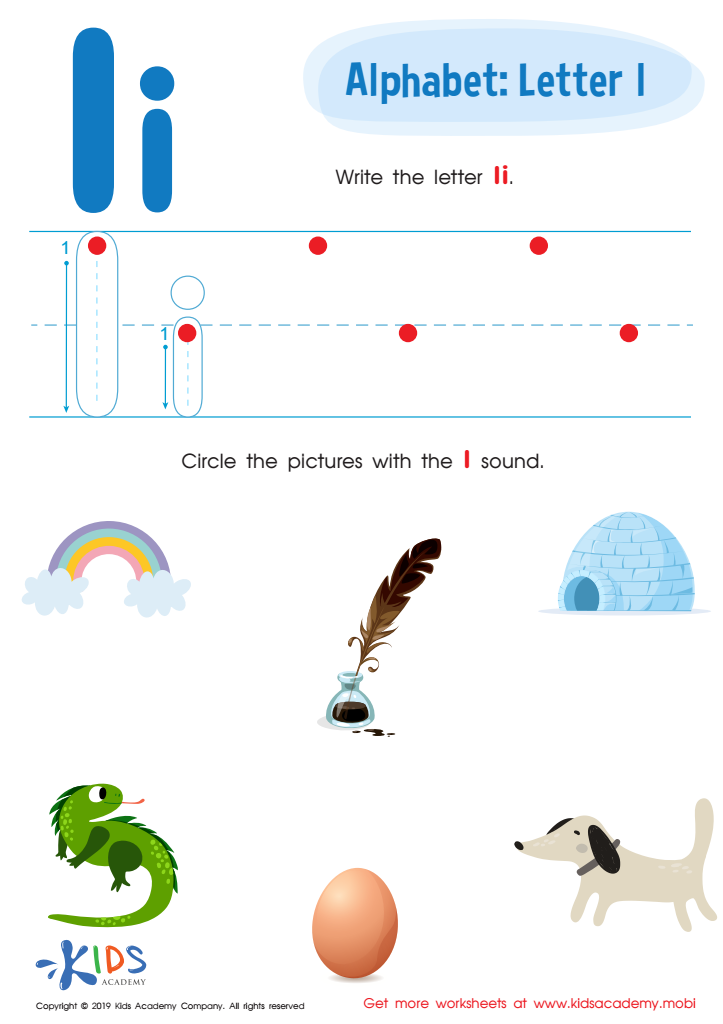
Letter I Tracing Worksheet
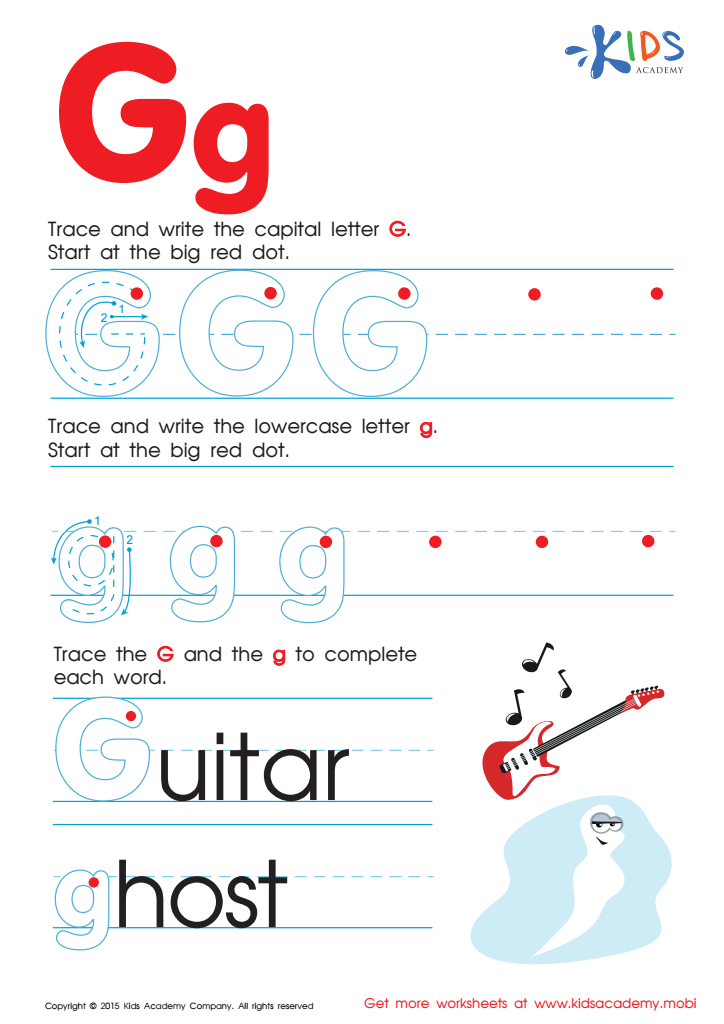
Letter G Tracing Page
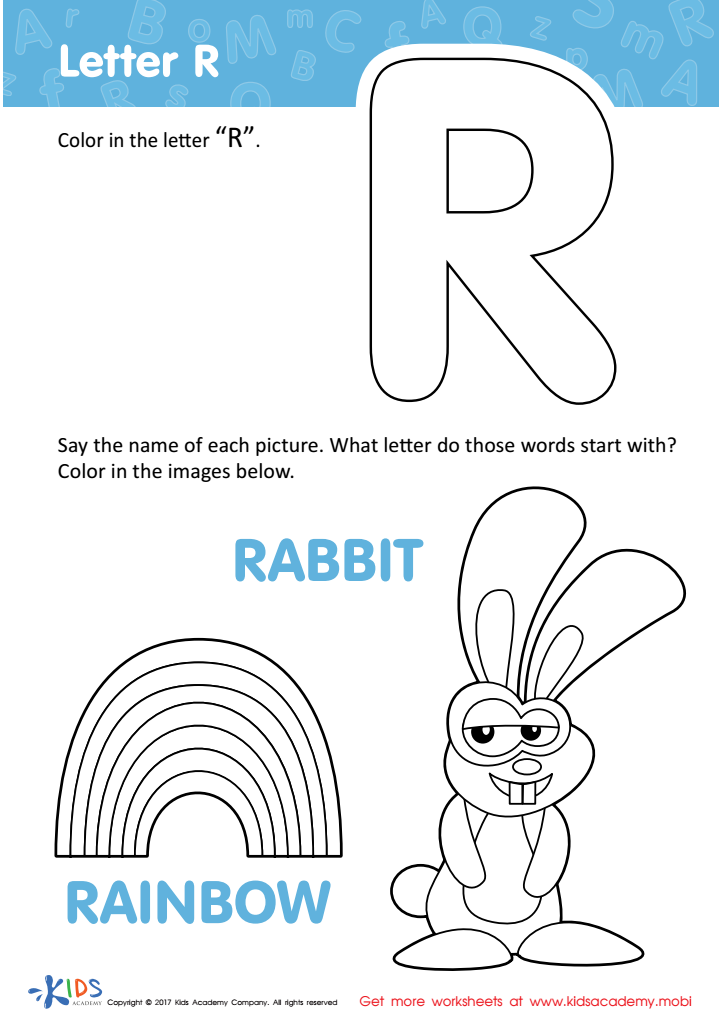
Letter R Coloring Sheet
Assign to My Students
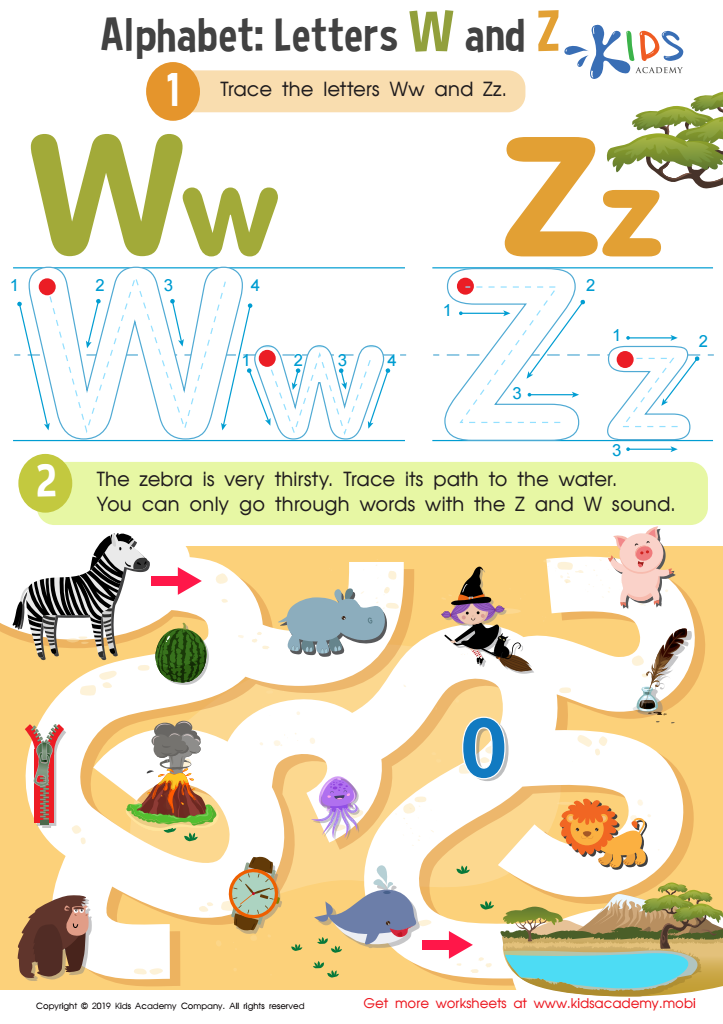
Letters W and Z Tracing Worksheet
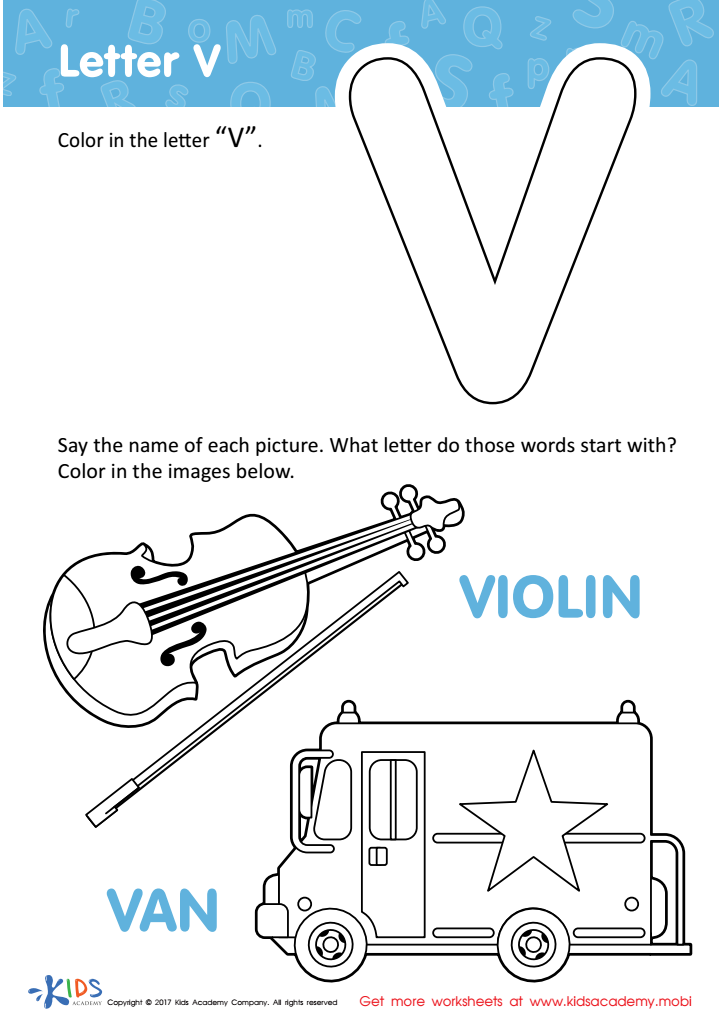
Letter V Coloring Sheet
Assign to My Students
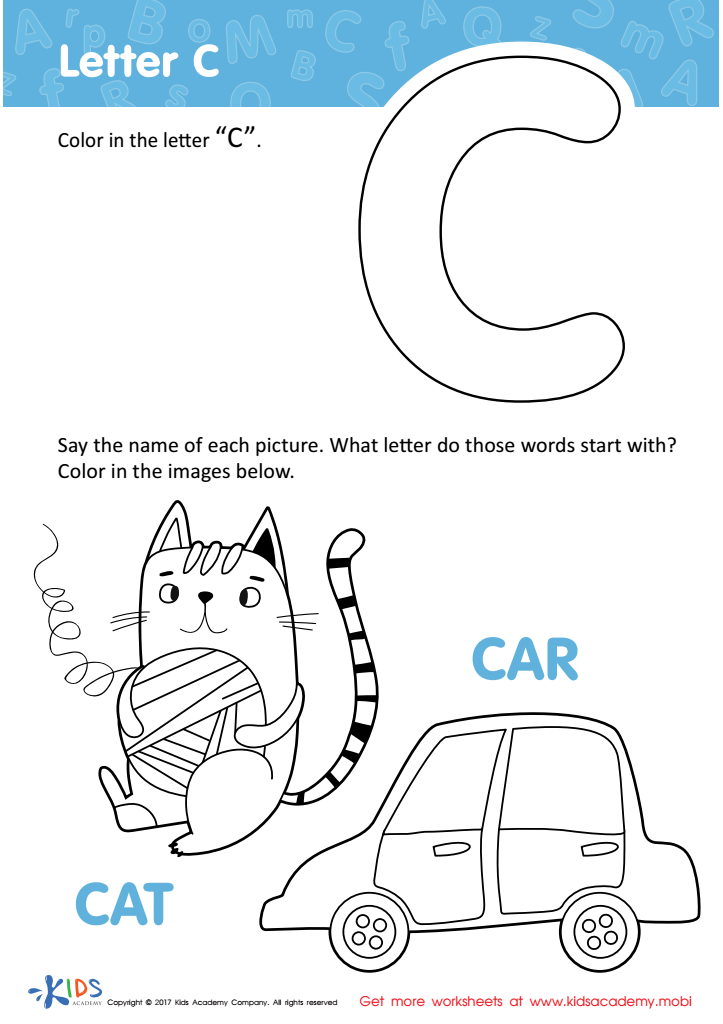
Letter C Coloring Sheet
Assign to My Students
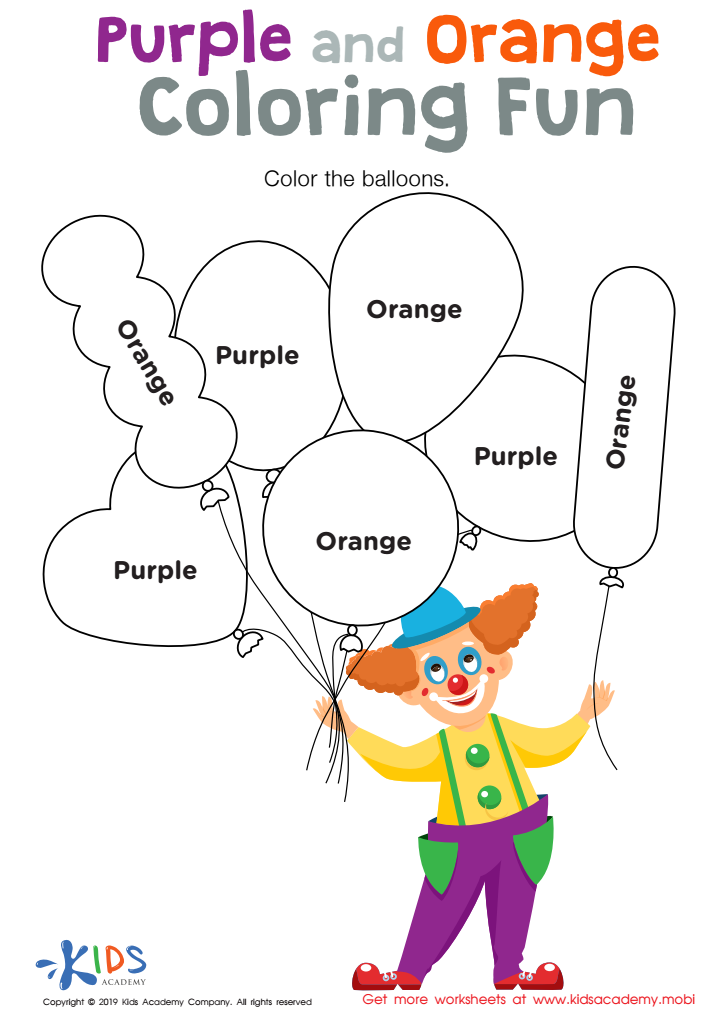
Purple and Orange Coloring Fun Worksheet
Assign to My Students
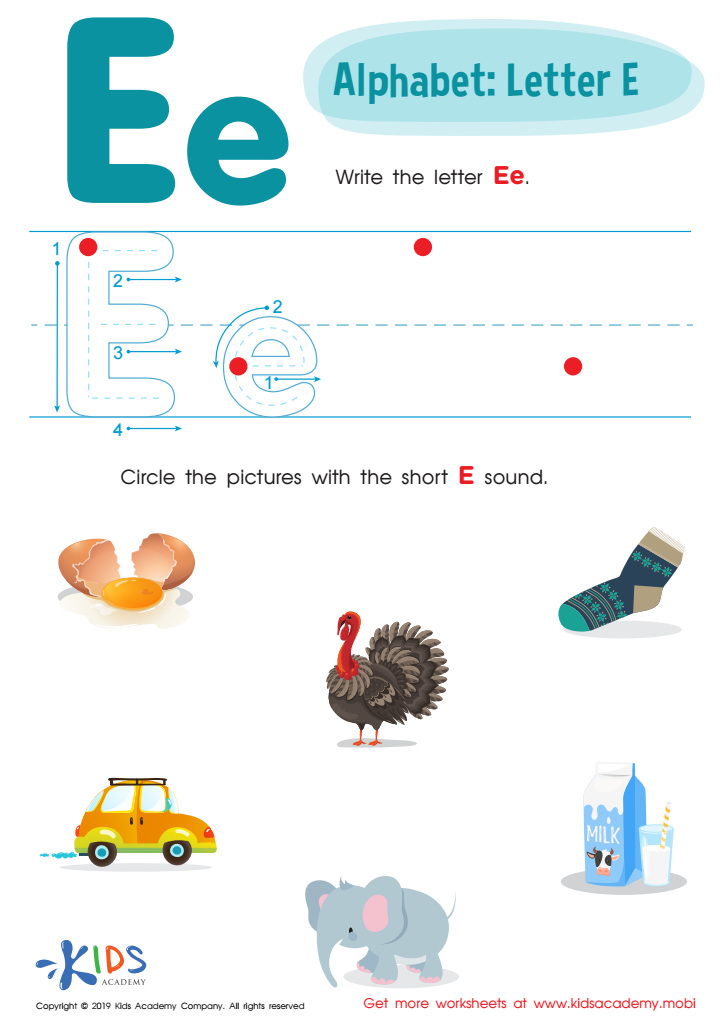
Letter E Tracing Worksheet
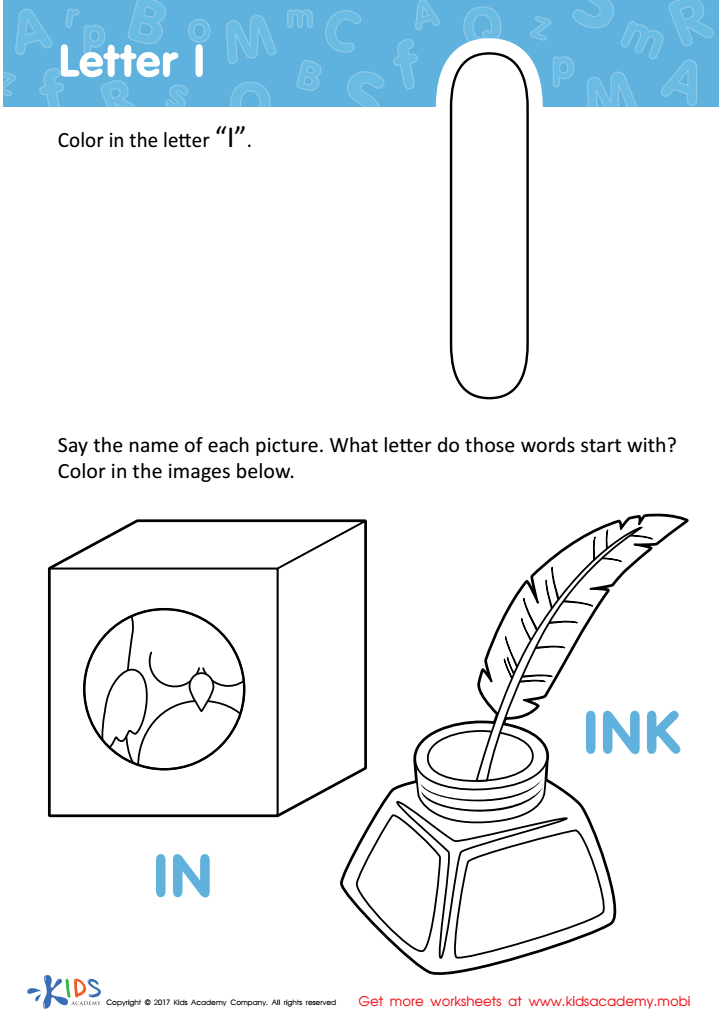
Letter I Coloring Sheet
Assign to My Students
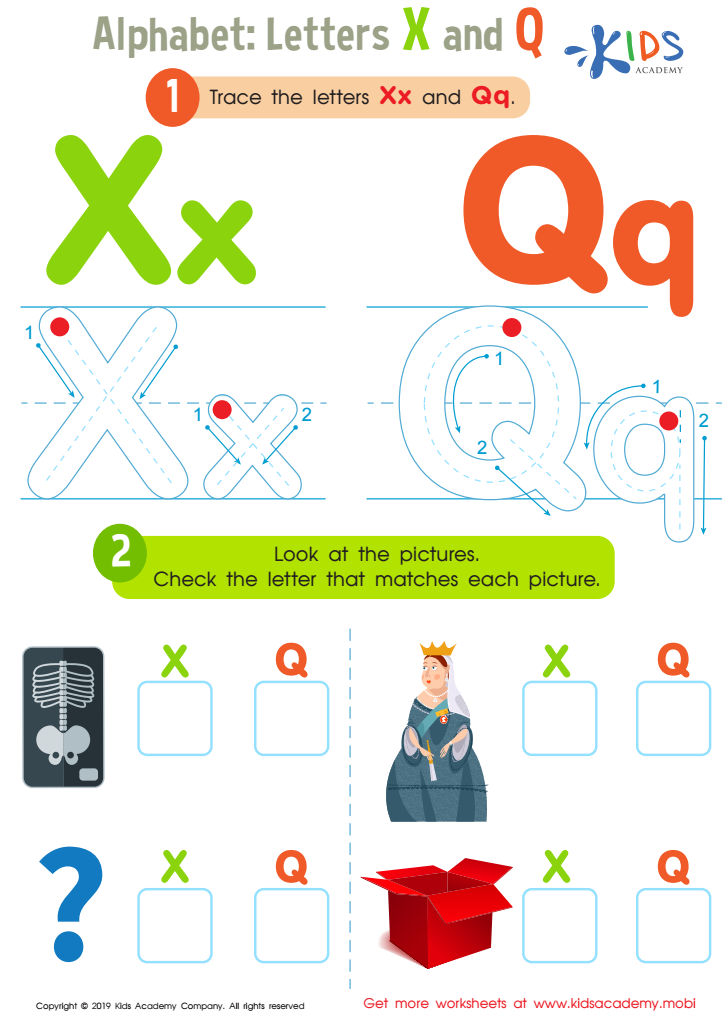
Letters X and Q Tracing Worksheet

Long and Short U Worksheet
Assign to My Students
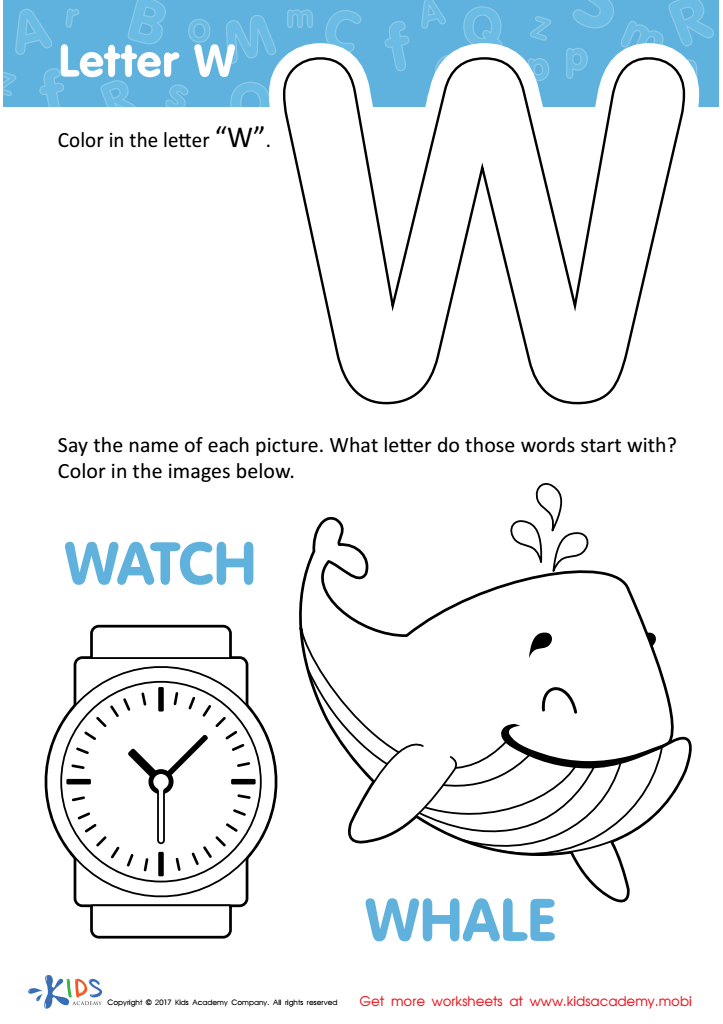
Letter W Coloring Sheet
Assign to My Students
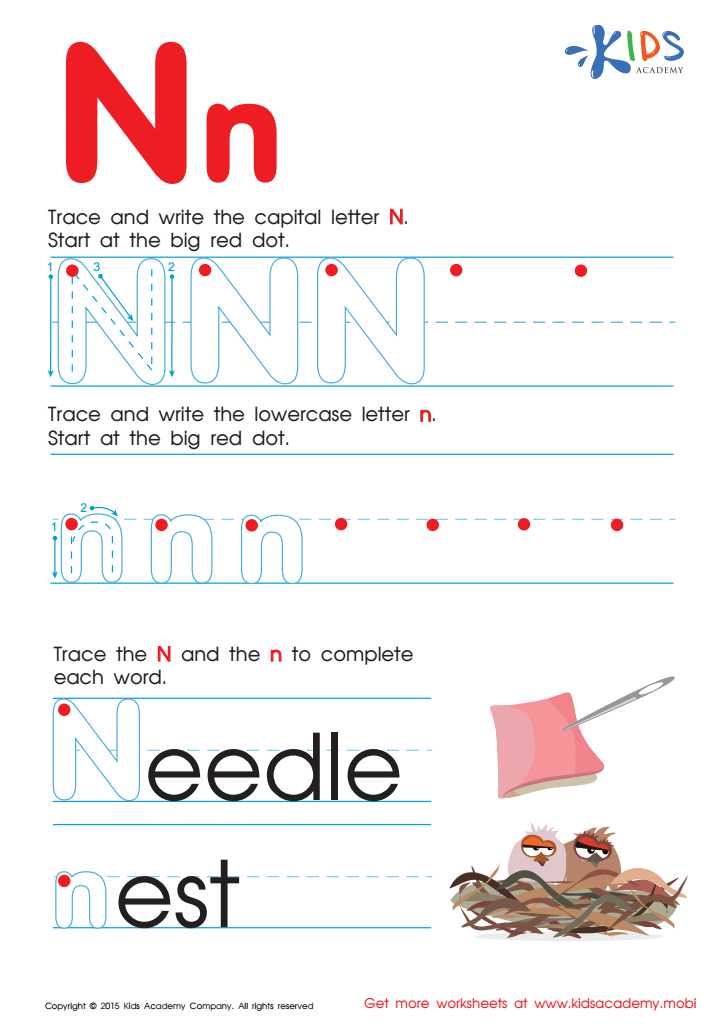
Letter N Tracing Page
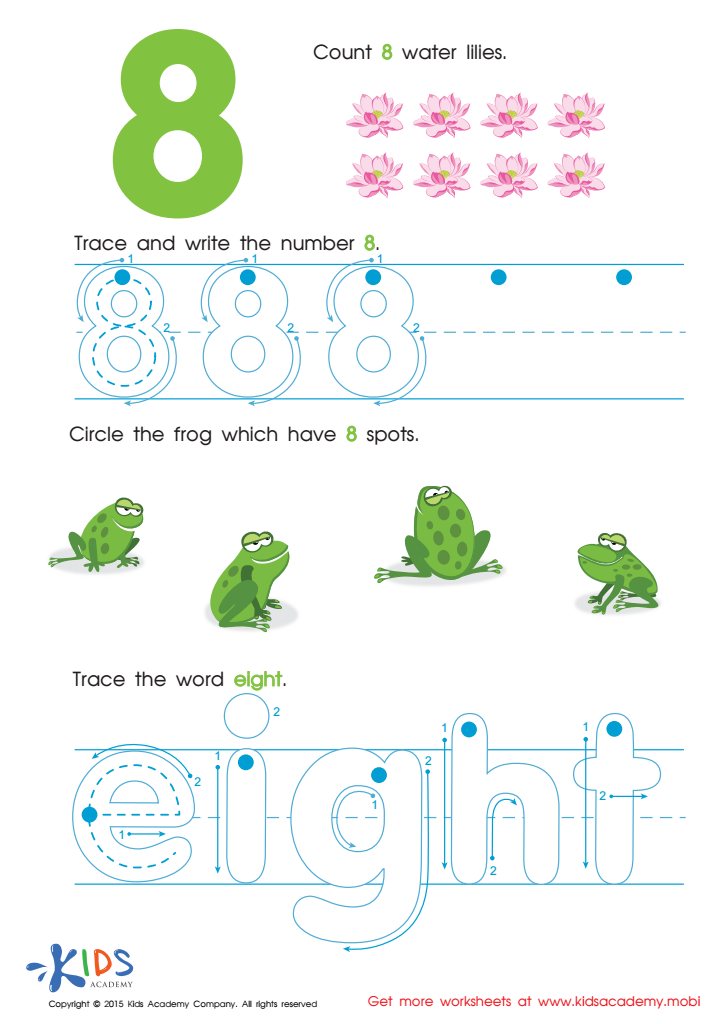
Learn Number 8 Easily Worksheet
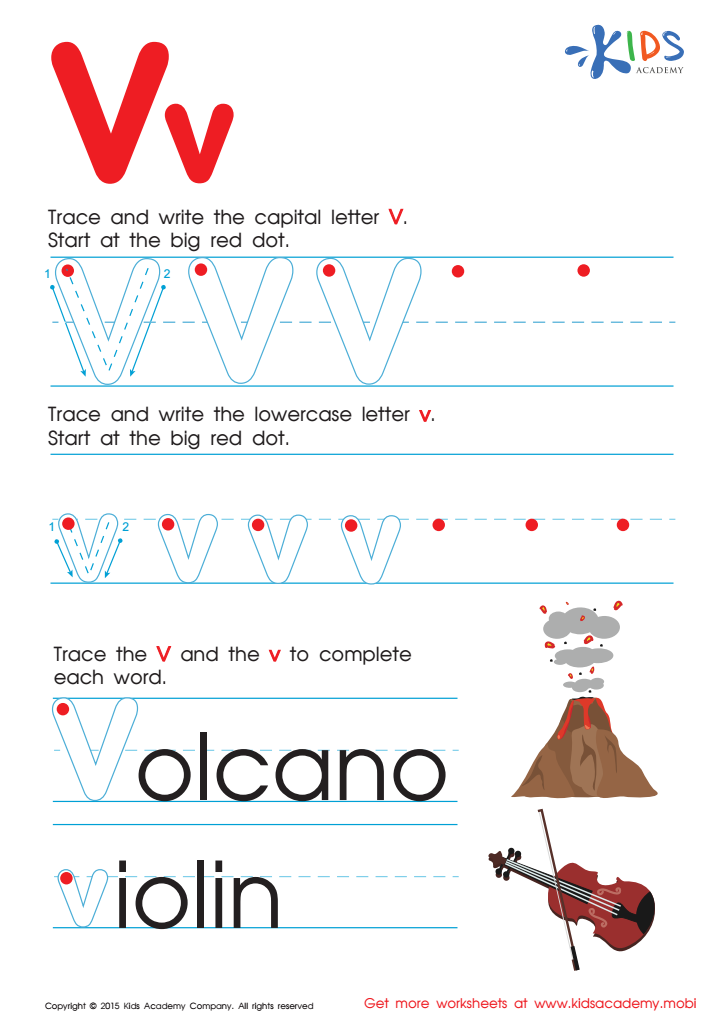
Letter V Tracing Page
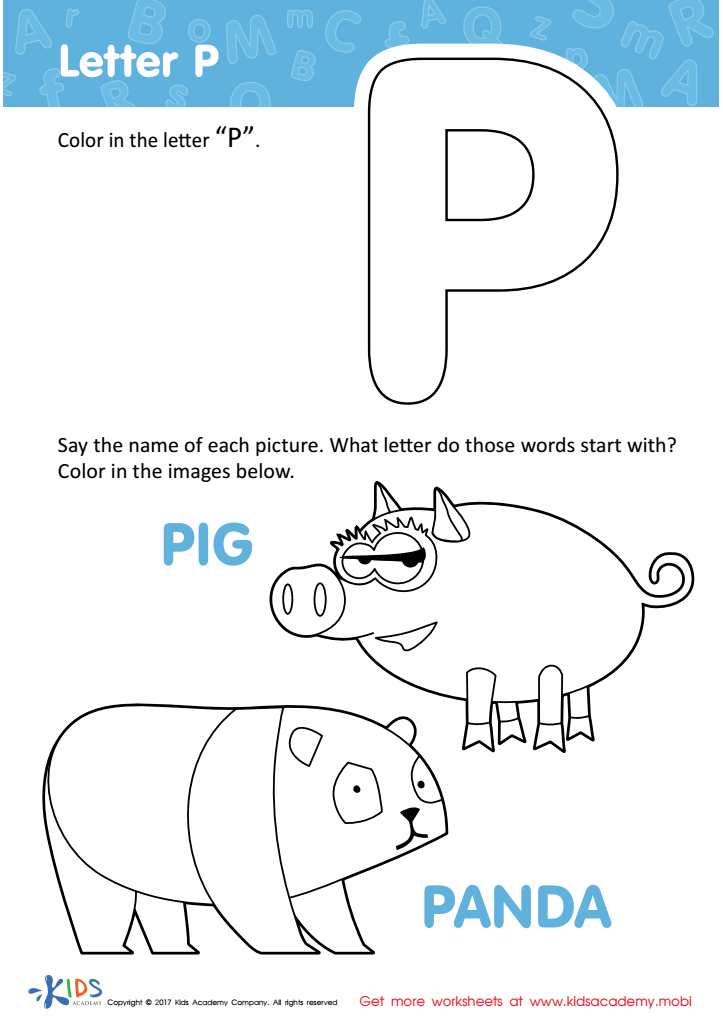
Letter P Coloring Sheet
Assign to My Students
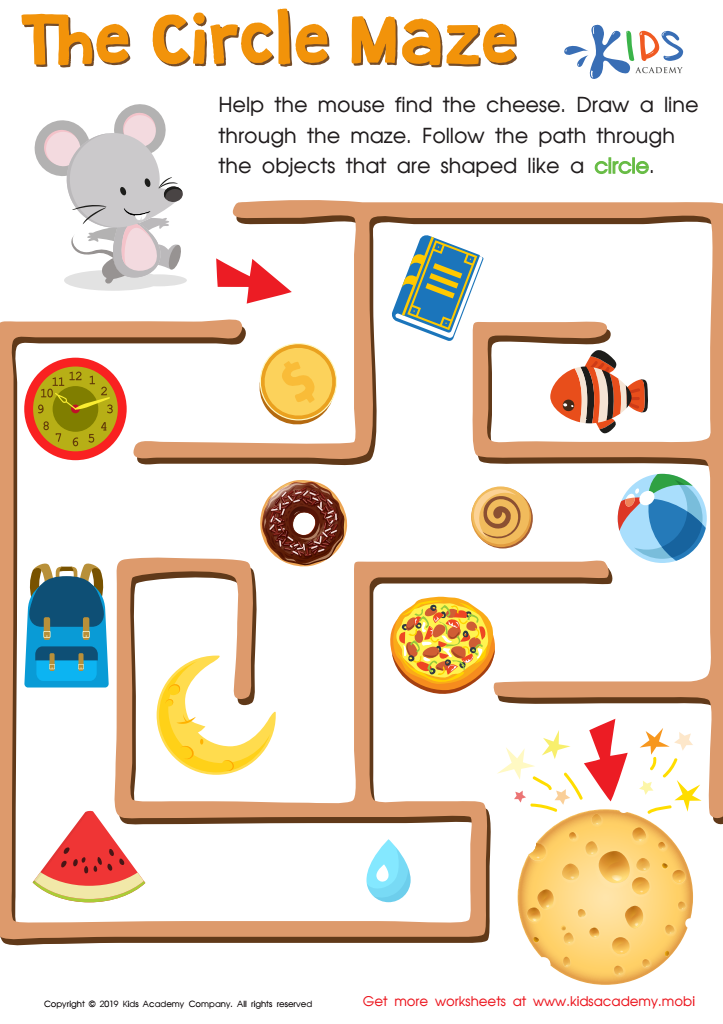
The Circle Maze Worksheet
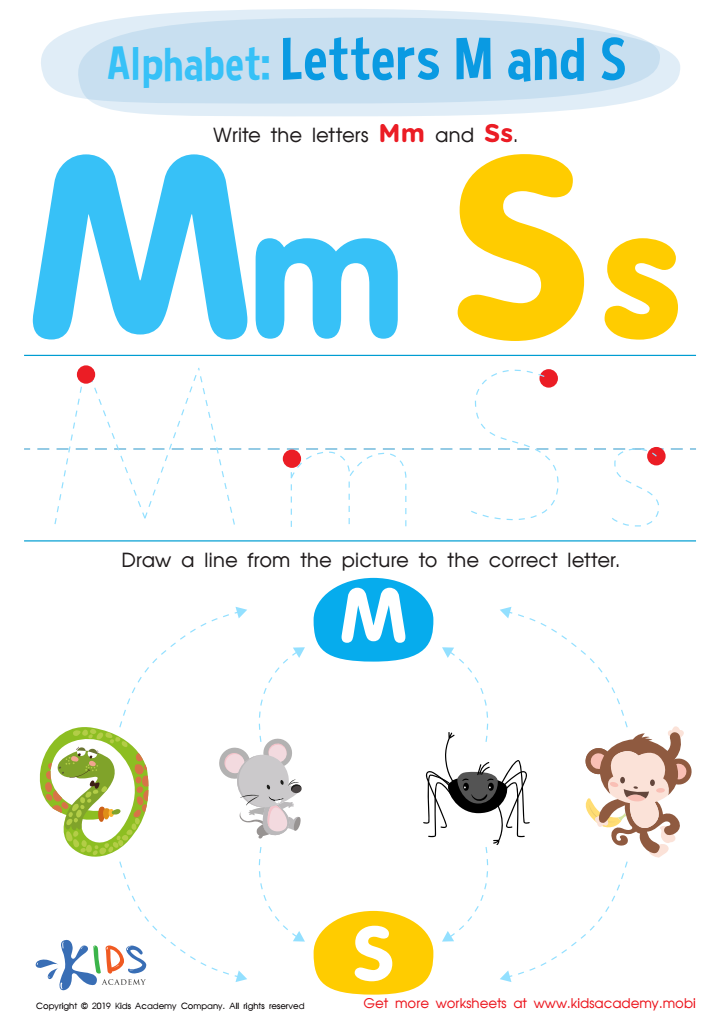
Letters M and S Tracing Worksheet
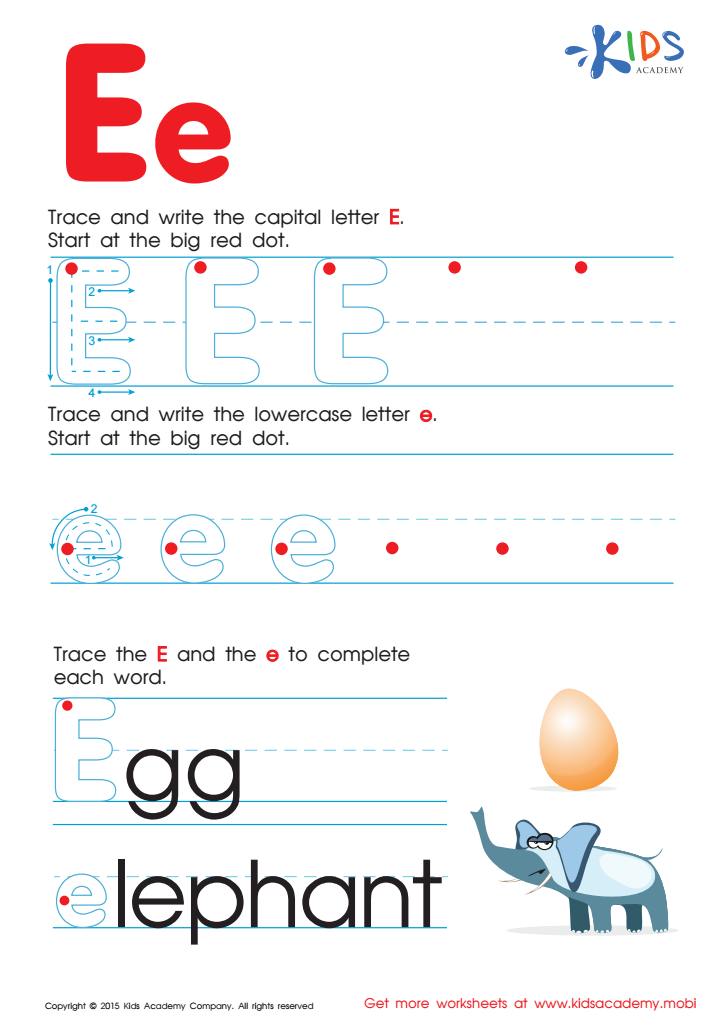
Letter E Tracing Page
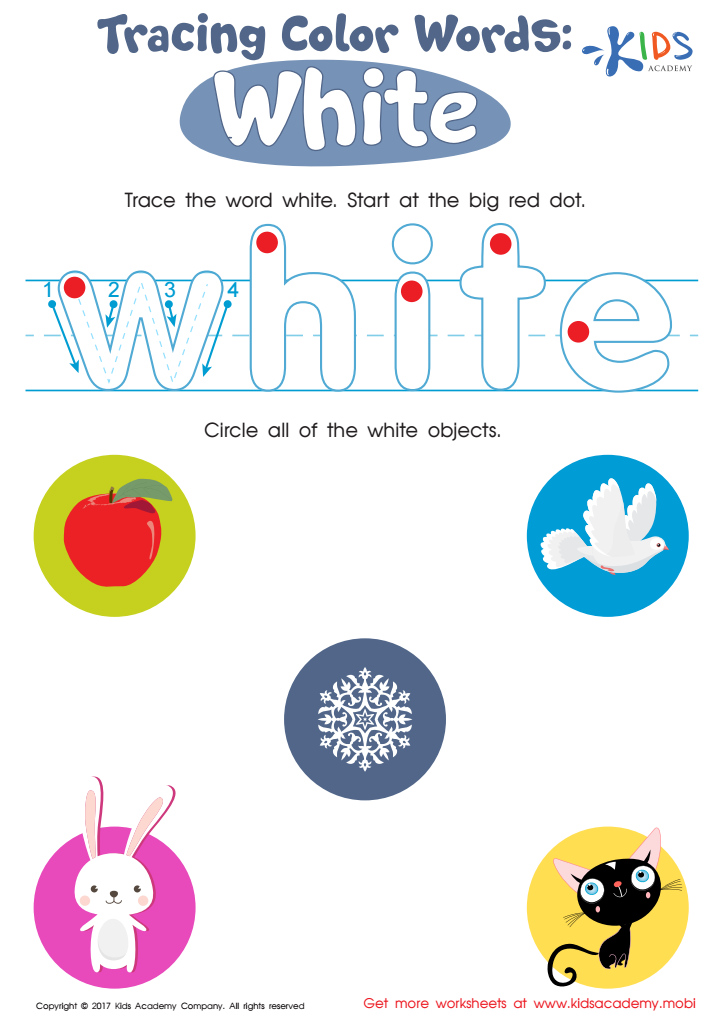
White Tracing Color Words Worksheet
Monster's Face Coloring Worksheet
Assign to My Students





Fine motor skills refer to the small muscle movements in our hands and fingers, which are essential for many everyday tasks. By focusing on fine motor skills, teachers and parents can significantly aid a 5-year-old’s developmental growth. For English beginners, having well-developed fine motor skills facilitates more effective language learning experiences, such as writing, cutting, drawing, and even turning pages of a book. These activities are foundational for literacy and learning.
Improved fine motor skills enable a child to grip a pencil correctly, write letters more legibly, and perform other classroom tasks independently. Independence boosts a child's confidence and fosters a positive association with learning activities. Moreover, these skills are crucial for self-care tasks like buttoning clothes, tying shoelaces, and handling utensils, contributing to a child’s sense of autonomy.
Early childhood is a crucial period for this type of development. Activities aimed at enhancing fine motor skills—like playdough exercises, bead stringing, and scissor practice—not only prepare children for academic success but also support their overall development. Encouraging these skills at a young age lays the groundwork for future educational achievements and daily life competency, making them indispensable in early childhood development. Therefore, parents and teachers should prioritize fine motor skill activities to foster a well-rounded educational experience.