Shape Recognition Worksheets for 5-Year-Olds
65 filtered results
-
From - To
Discover our engaging Shape Recognition Worksheets designed specifically for 5-year-olds! These fun, interactive activities help young learners identify and differentiate various shapes, enhancing their visual perception and cognitive skills. With vibrant illustrations and age-appropriate exercises, children will enjoy learning to recognize circles, squares, triangles, and more. Our worksheets encourage critical thinking and creativity while building the foundation for essential math skills. Ideal for both classroom settings and at-home learning, these resources make shape recognition enjoyable. Explore our collection today and watch your child’s confidence soar as they master shape identification with ease!
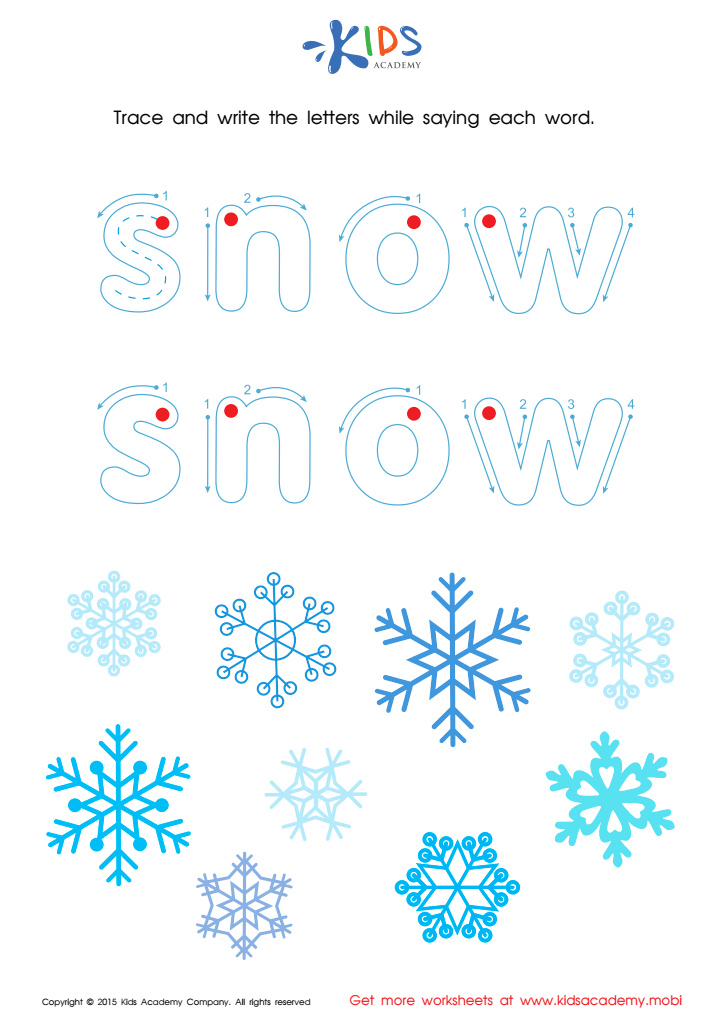
Snowflake Tracing Winter Words Worksheet
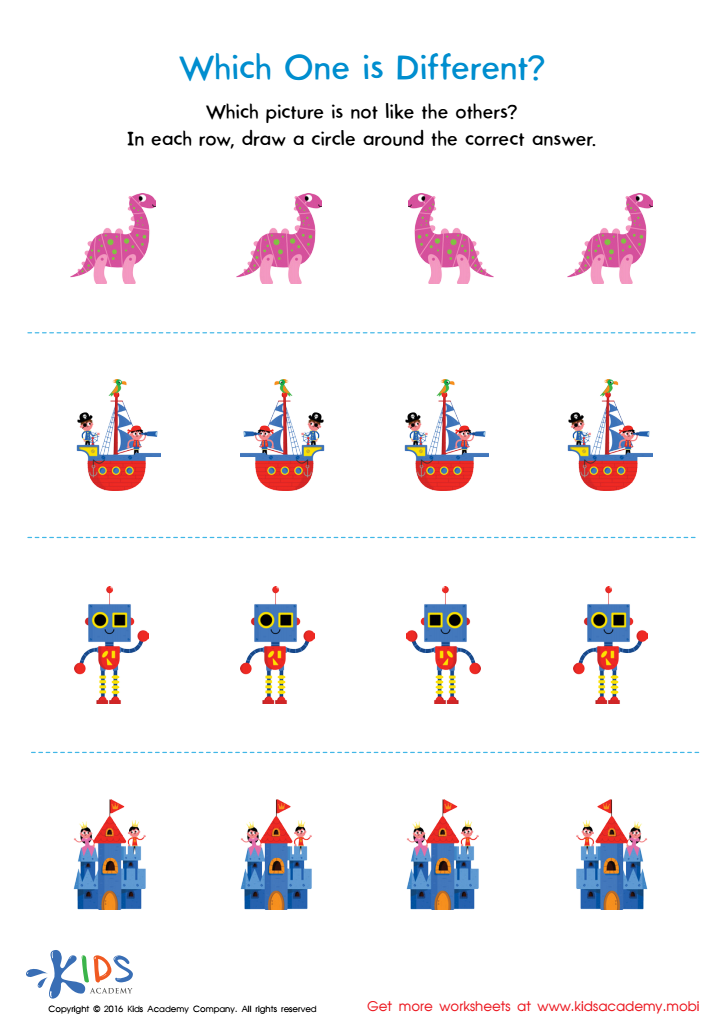
Which One Is Different Worksheet
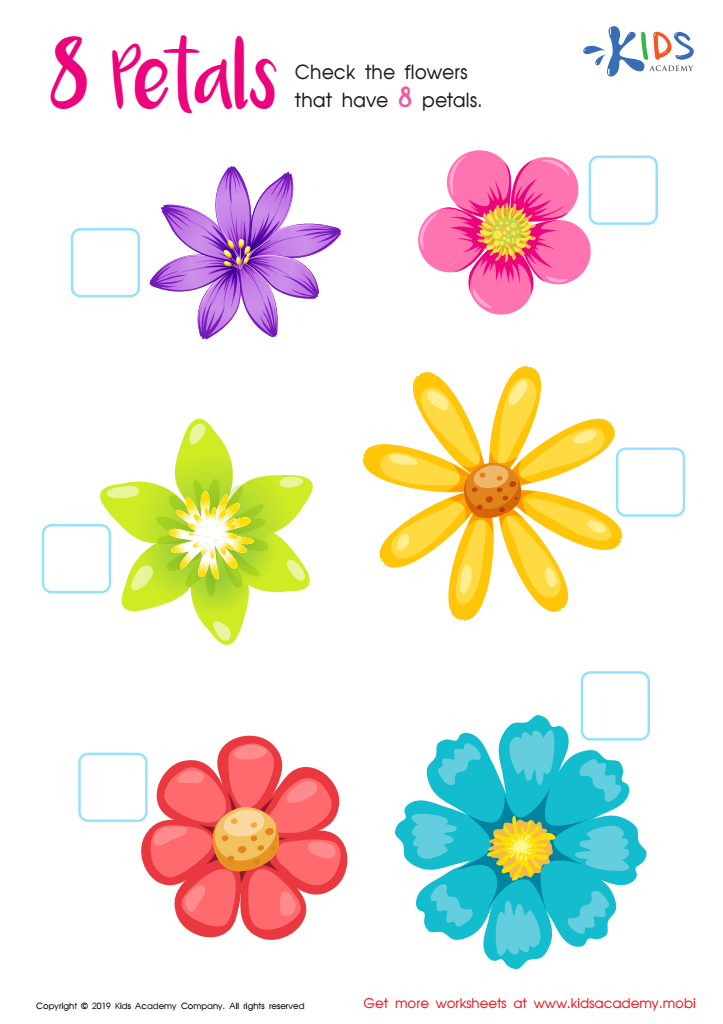
8 Petals Worksheet
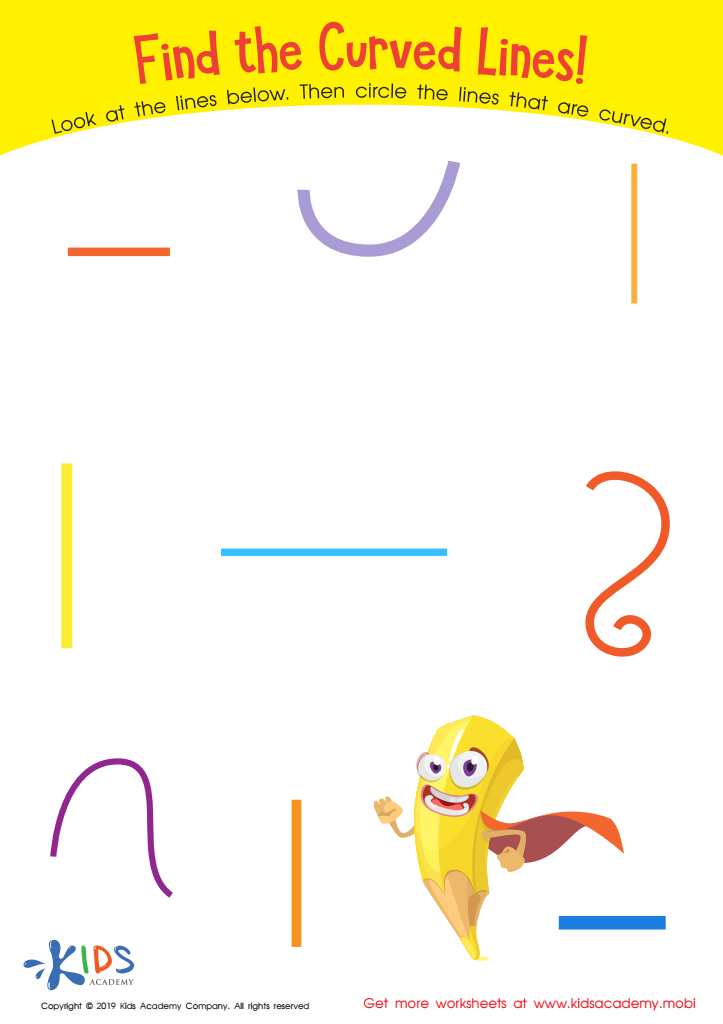
Find the Curved Lines! Worksheet
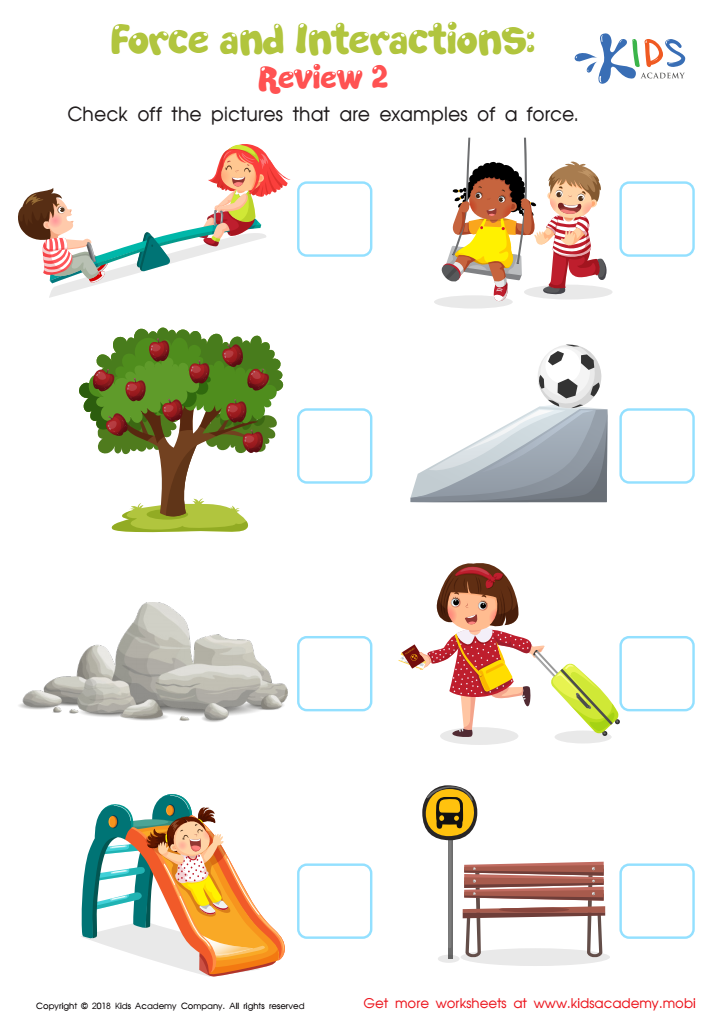
Force and Interactions: Review 2 Worksheet
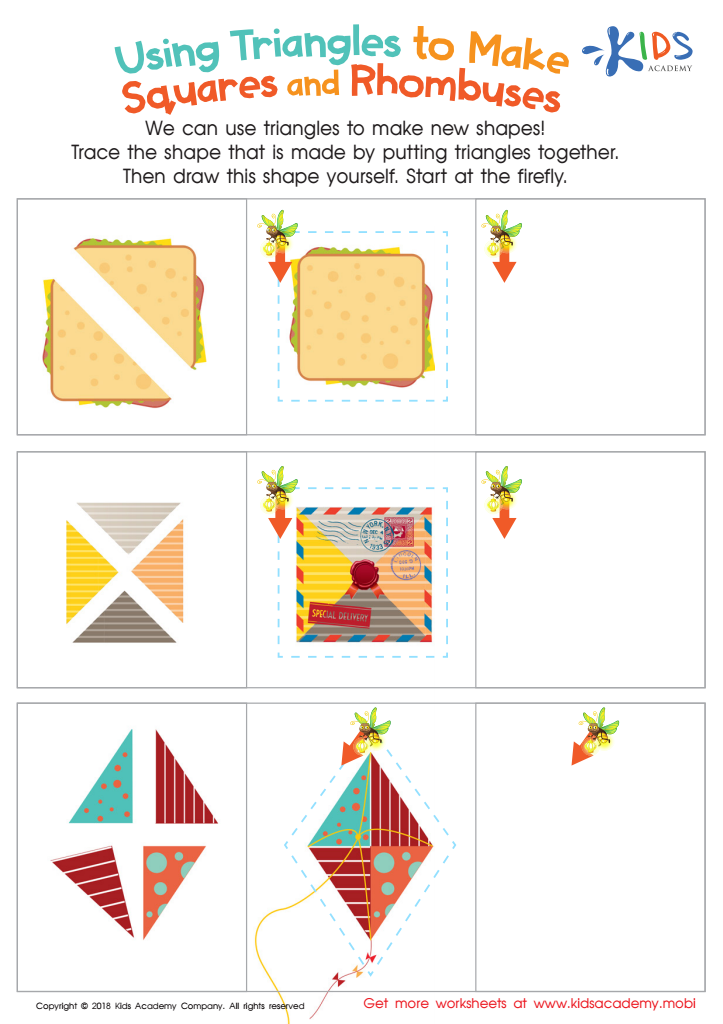
Using Triangles to Make Squares and Rhombuses Worksheet
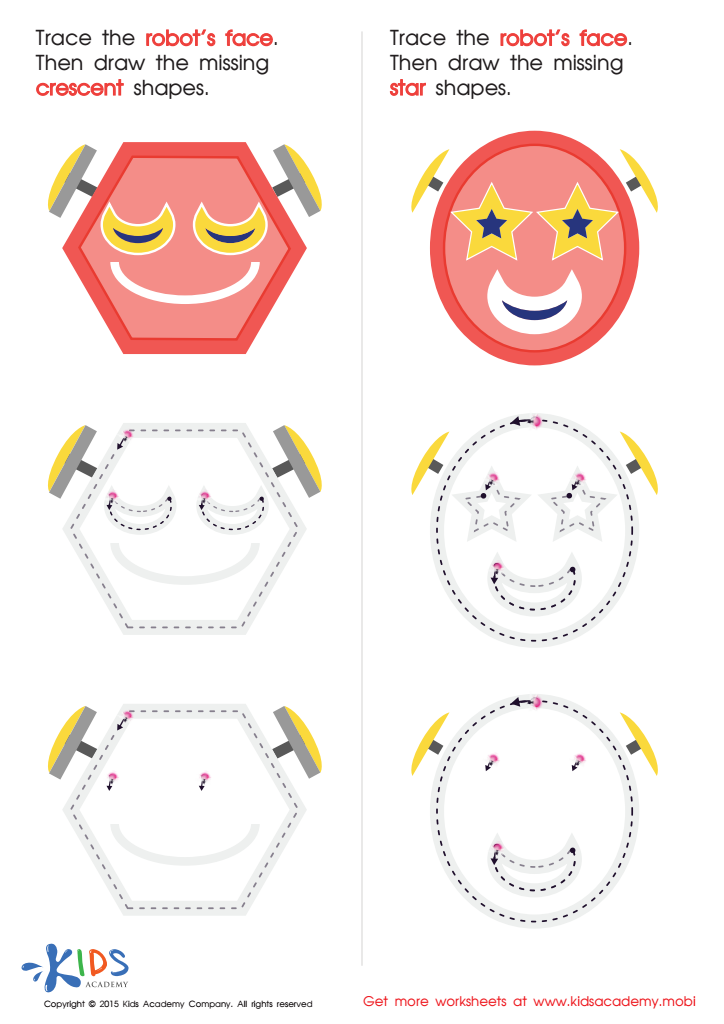
Composing a Robot's Face of Crescents And Stars Worksheet
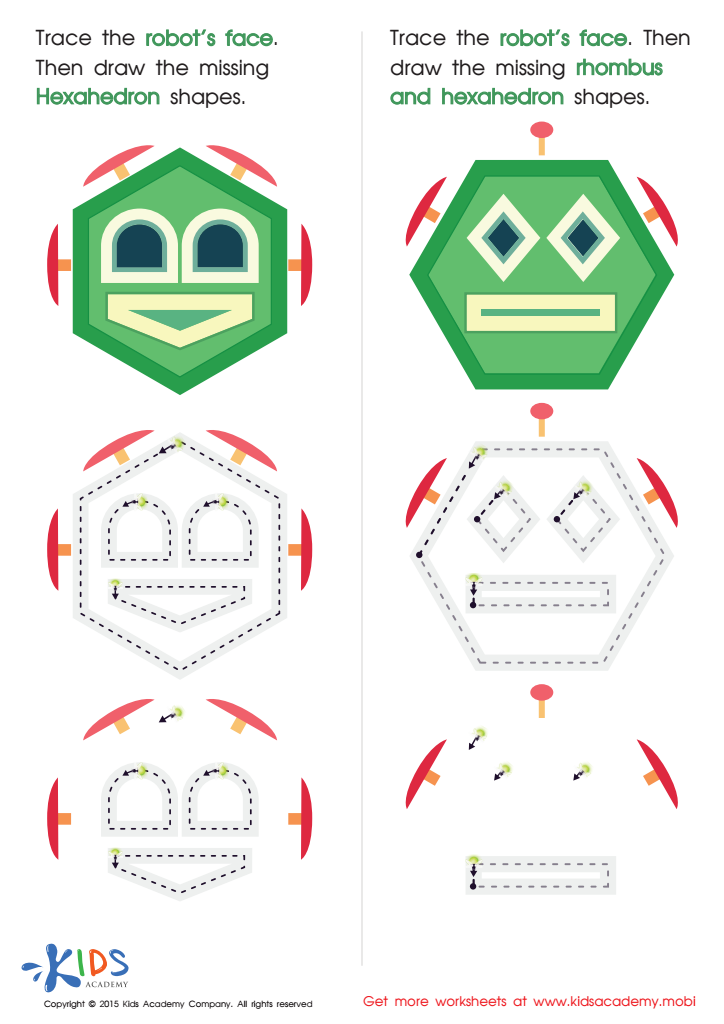
Practice Drawing Hexahedrons And a Rhombus Worksheet
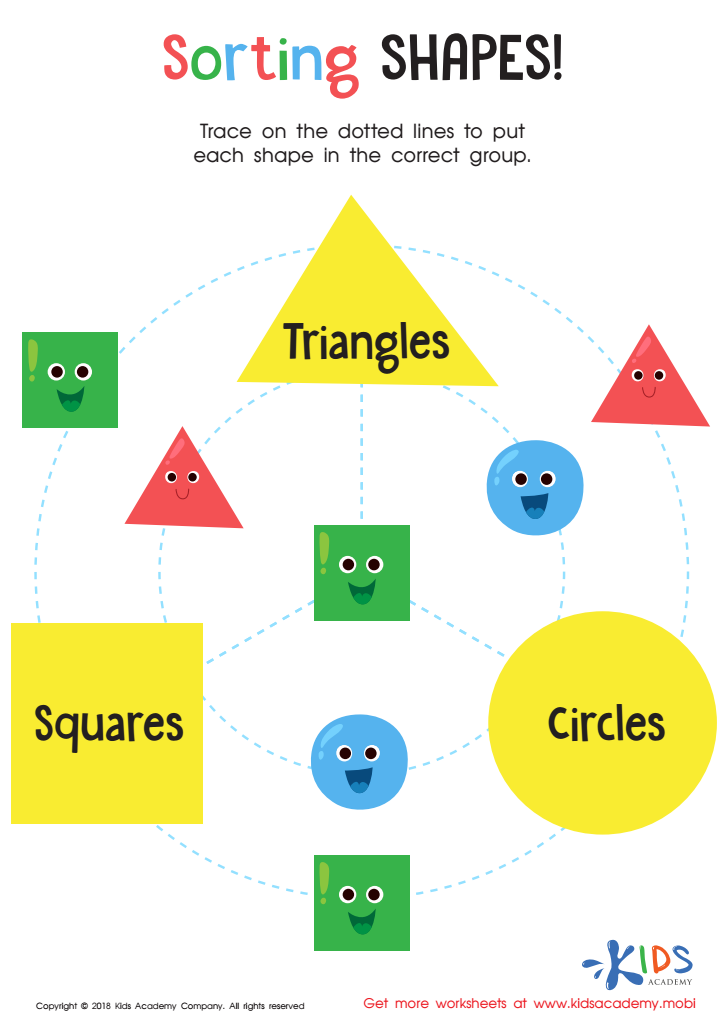
Sorting Shapes - Part 3 Worksheet
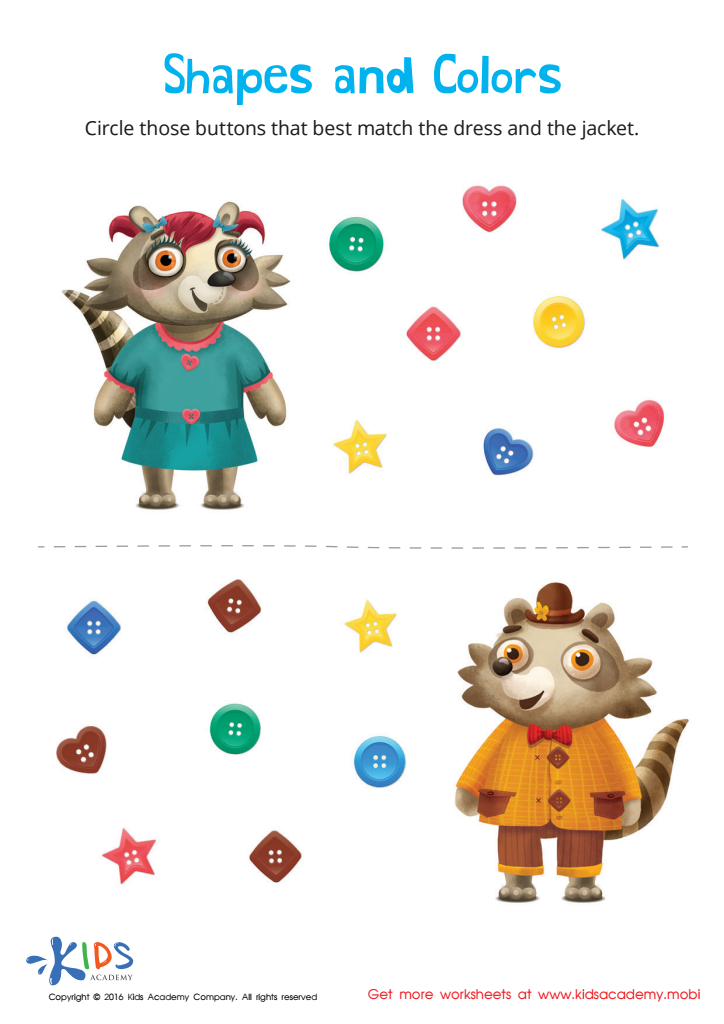
Matching: Shapes and Colors Worksheet
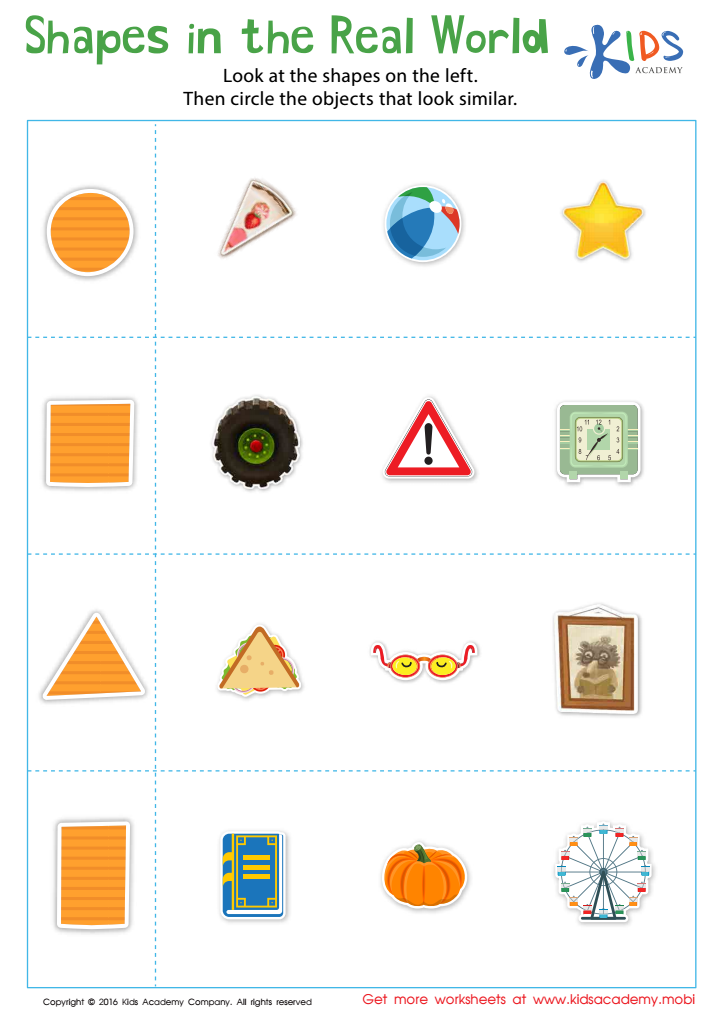
Shapes in the Real World Worksheet
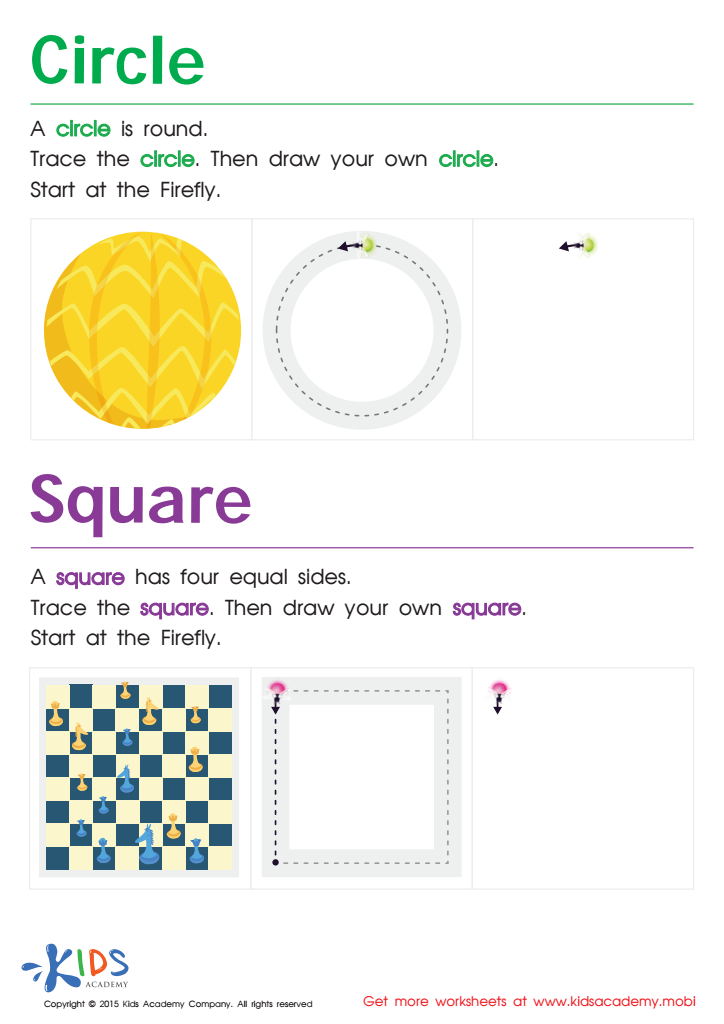
Trace And Draw a Circle And a Square Worksheet
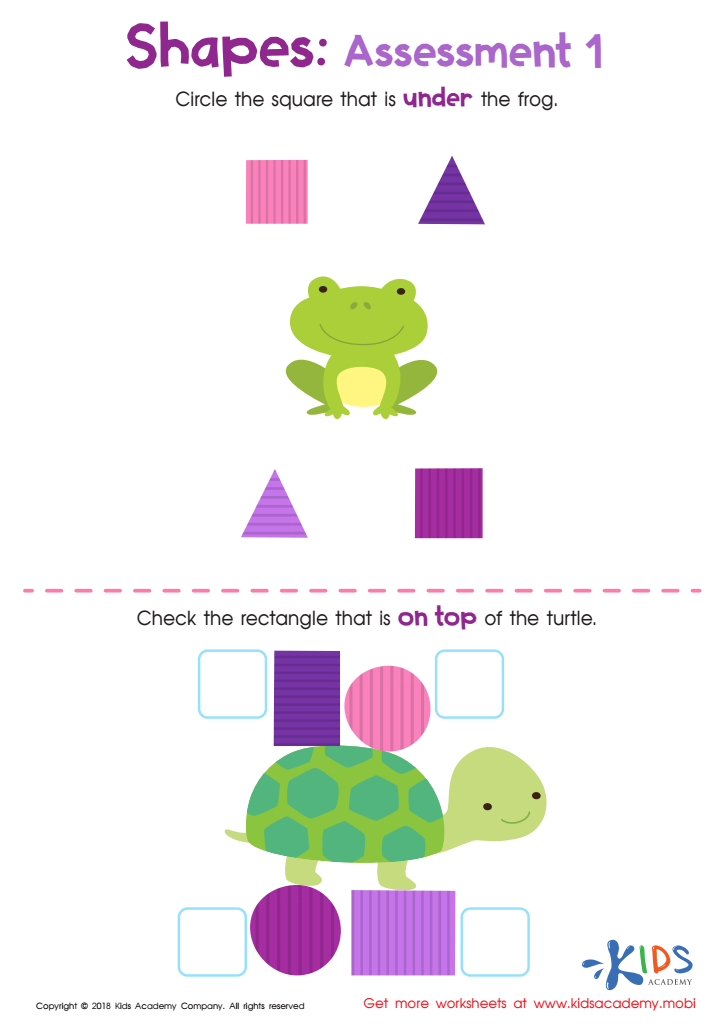
Geometry – Assessment 1 Worksheet
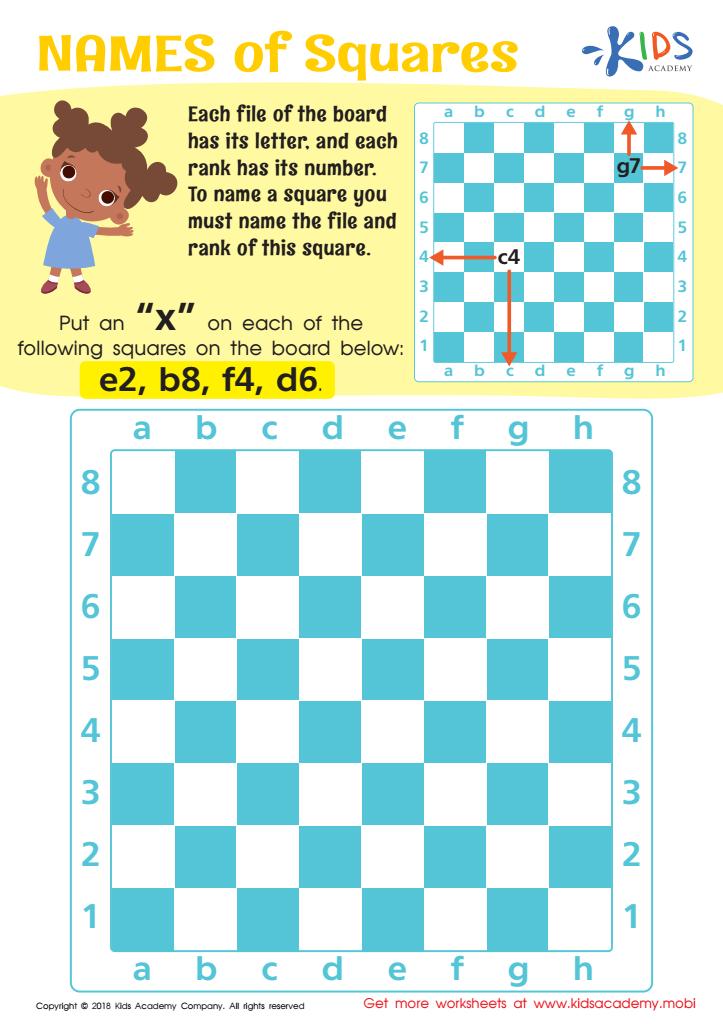
Names of Squares Worksheet
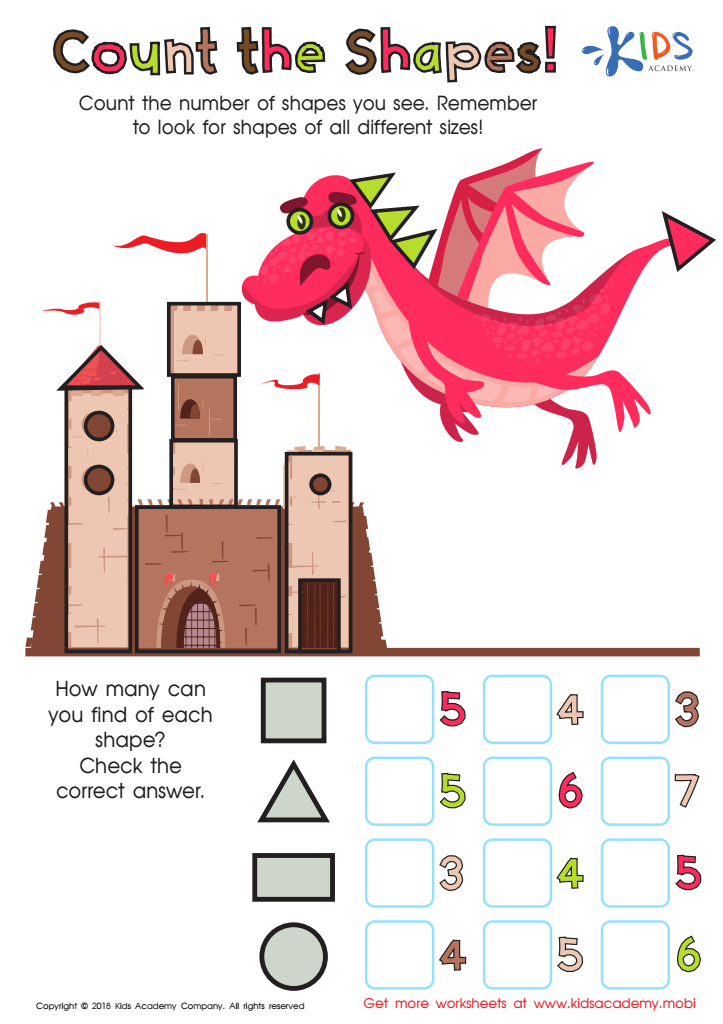
Count the Shapes Worksheet
Halloween: A Funny Monster Worksheet
 Assign to My Students
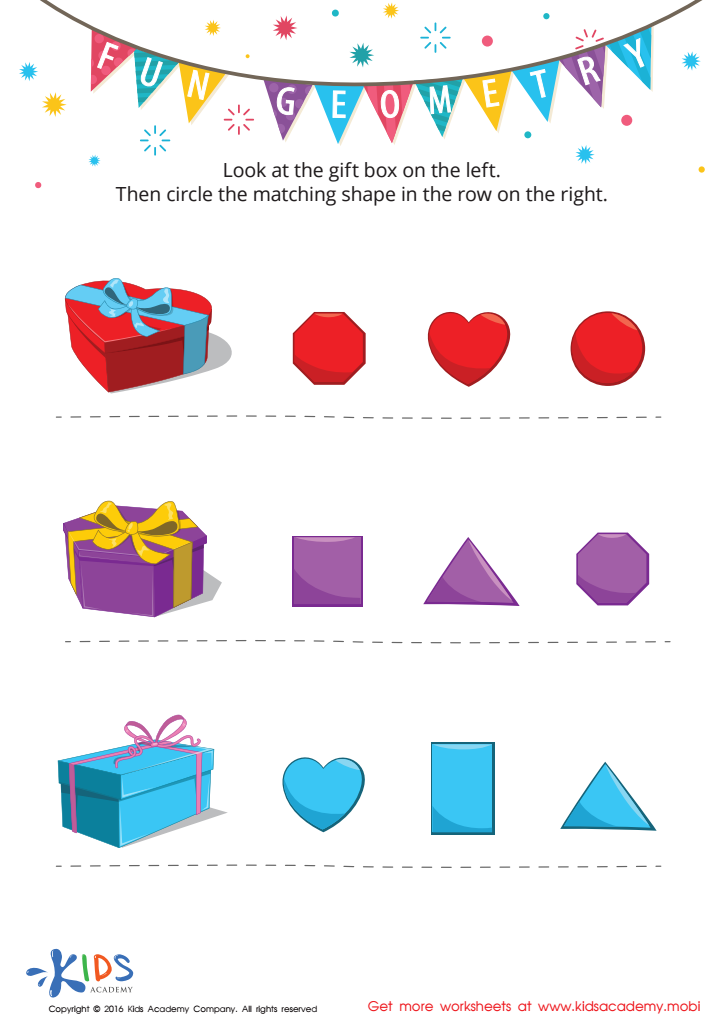
Fun Geometry Worksheet
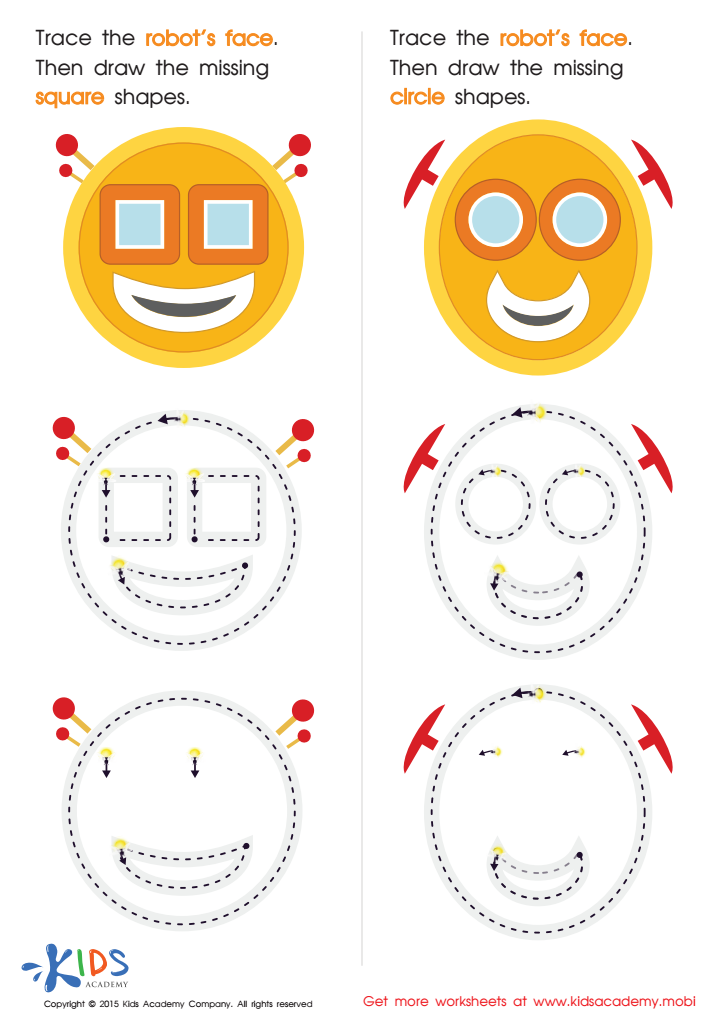
Practicing to Draw Circles And Squares Printable
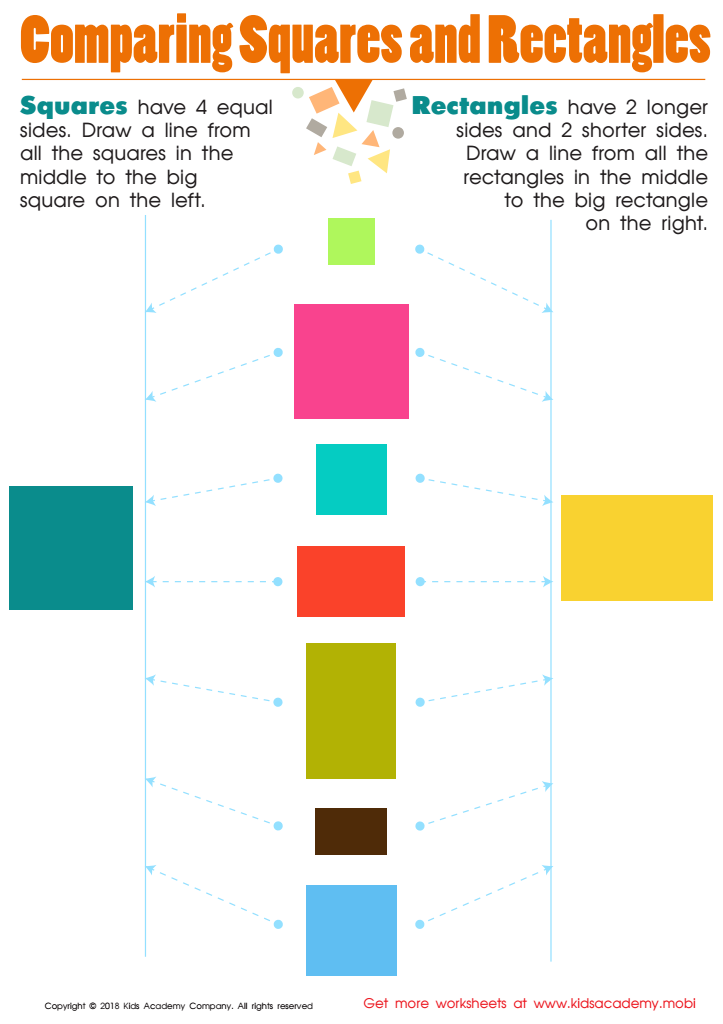
Comparing Squares Rectangles Worksheet
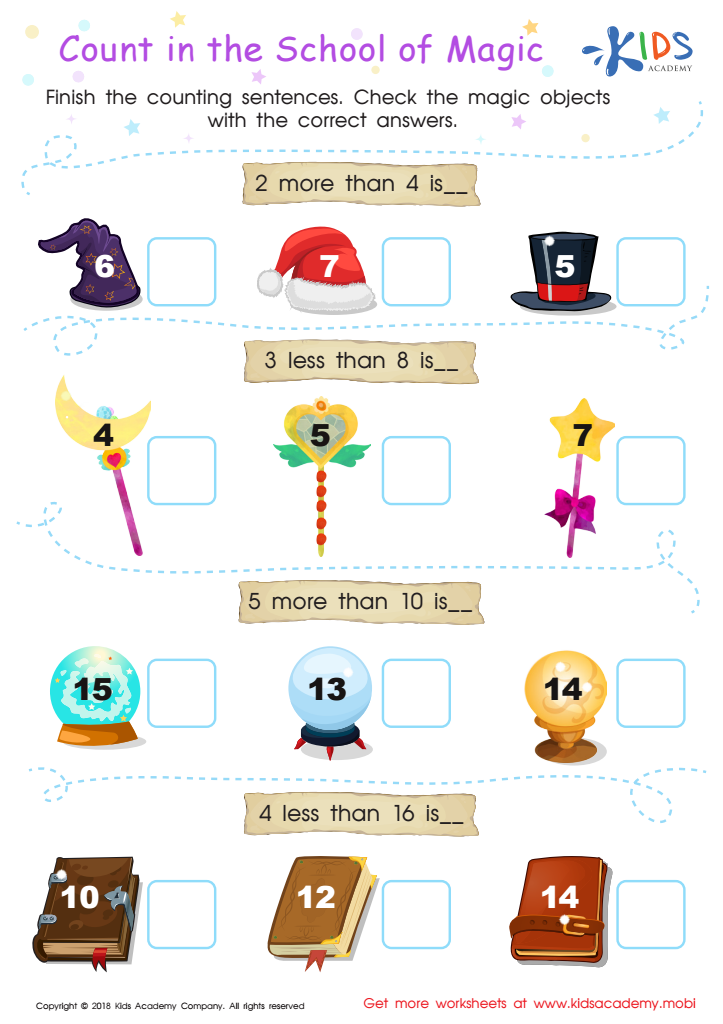
Count in the School of Magic Worksheet
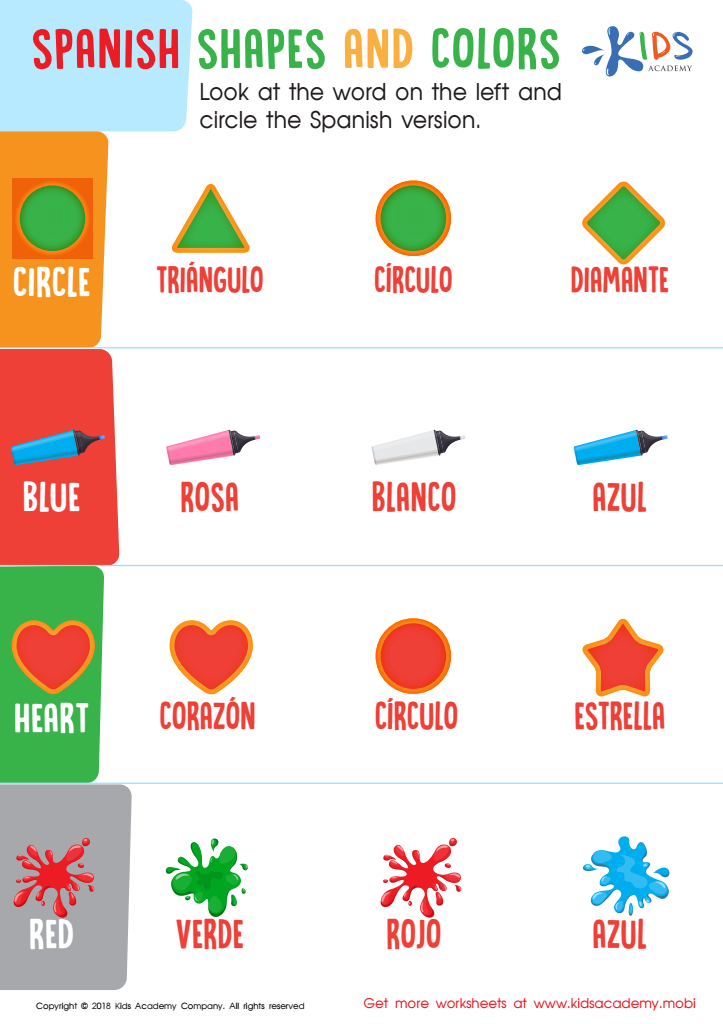
Spanish Shapes and Colors Worksheet
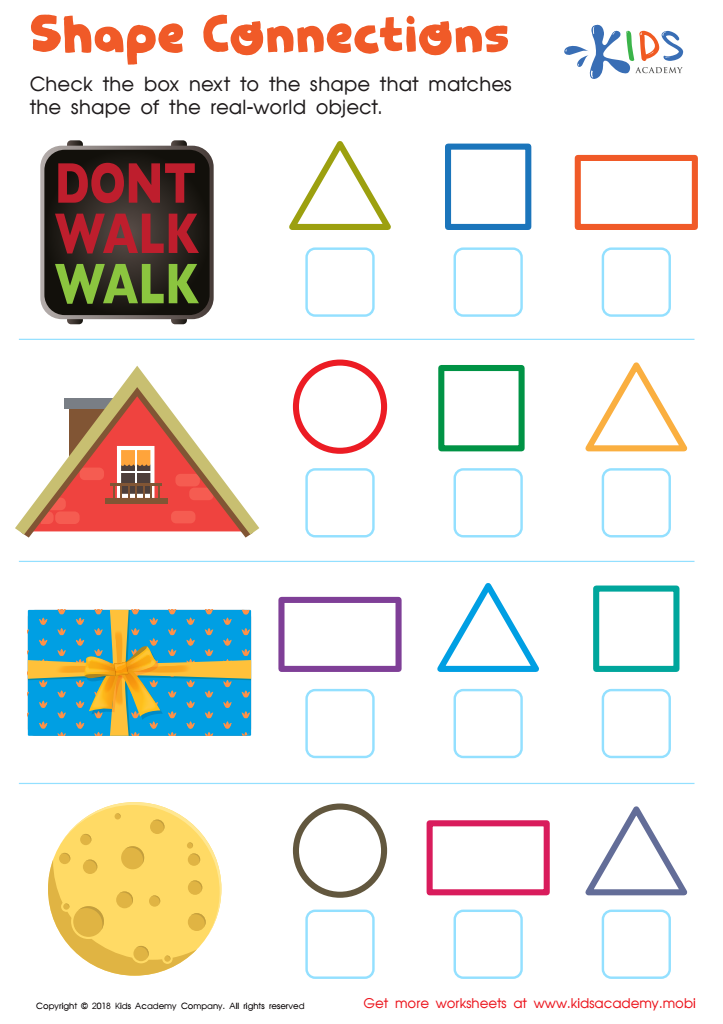
Shape Connections Worksheet
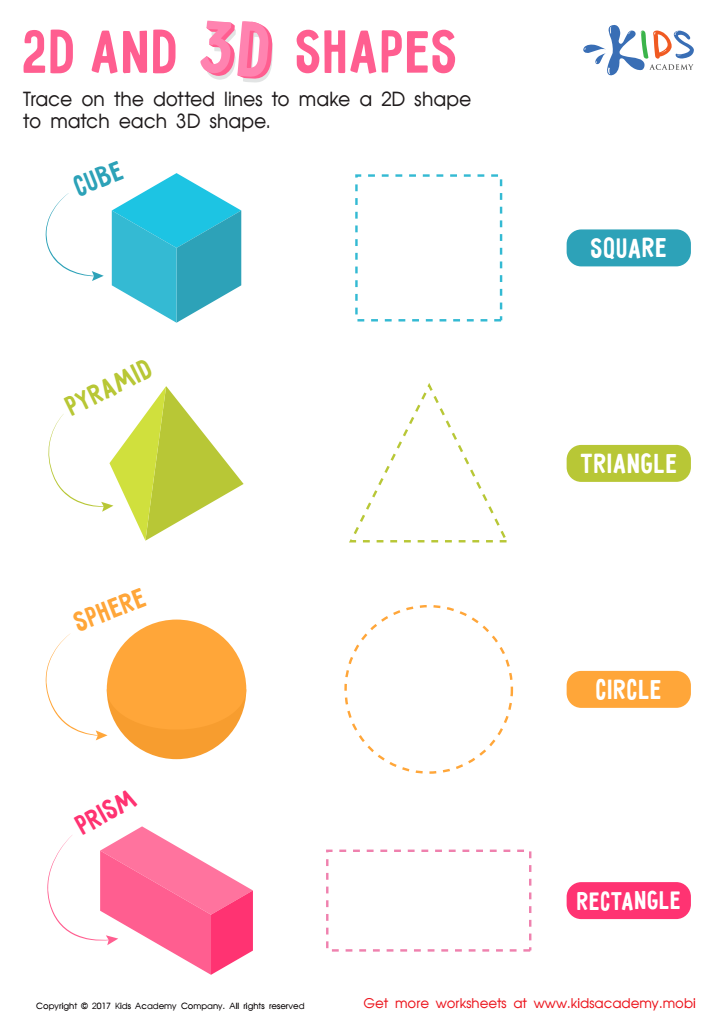
2D and 3D Shapes Worksheet








Shape recognition is a fundamental building block in early childhood education that holds significant importance for 5-year-olds. Understanding shapes is not just about identifying circles, squares, or triangles; it plays a crucial role in cognitive development, problem-solving skills, and spatial awareness. When children learn to recognize shapes, they enhance their ability to categorize and organize information, which is essential for later mathematical concepts and critical thinking.
Additionally, shape recognition fosters creativity and imagination. Many art activities involve shapes, enabling children to explore their artistic expression while improving their motor skills. Furthermore, recognizing shapes influences various areas of learning, from literacy—where letters have distinct shapes—to everyday activities, such as recognizing signs and objects in their environment.
Engaging in shape recognition can also improve communication skills. As parents and teachers discuss shapes with children, they expand their vocabulary and encourage expressive language. Social interaction during shape-related games can strengthen teamwork and cooperation.
Ultimately, investing time in shape recognition lays a solid foundation for a child’s academic journey, supports their overall development, and prepares them for more complex concepts in math and science in the future. It is a simple yet powerful tool integral to holistic child development.








