Shape Recognition Tracing Shapes Worksheets for 5-Year-Olds
13 filtered results
-
From - To
Discover our engaging Shape Recognition Tracing Shapes Worksheets designed specifically for 5-year-olds! These fun and interactive worksheets introduce young learners to basic geometric shapes while enhancing their fine motor skills. Kids will enjoy tracing, coloring, and identifying various shapes, such as circles, squares, and triangles. Our worksheets encourage educational play, making learning about shapes an enjoyable experience for children. Perfect for at-home practice or classroom activities, these resources support early math development and cognitive growth. Help your child master shape recognition while building their confidence and creativity. Explore our printable worksheets and watch your little ones grow their skills today!
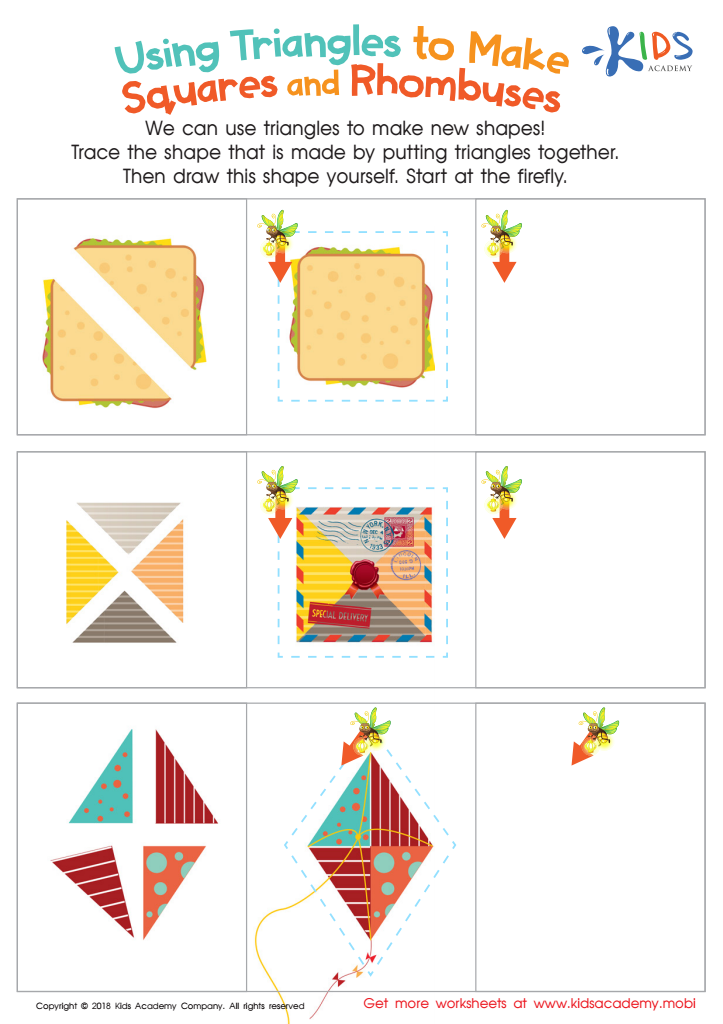
Using Triangles to Make Squares and Rhombuses Worksheet
 Assign to My Students
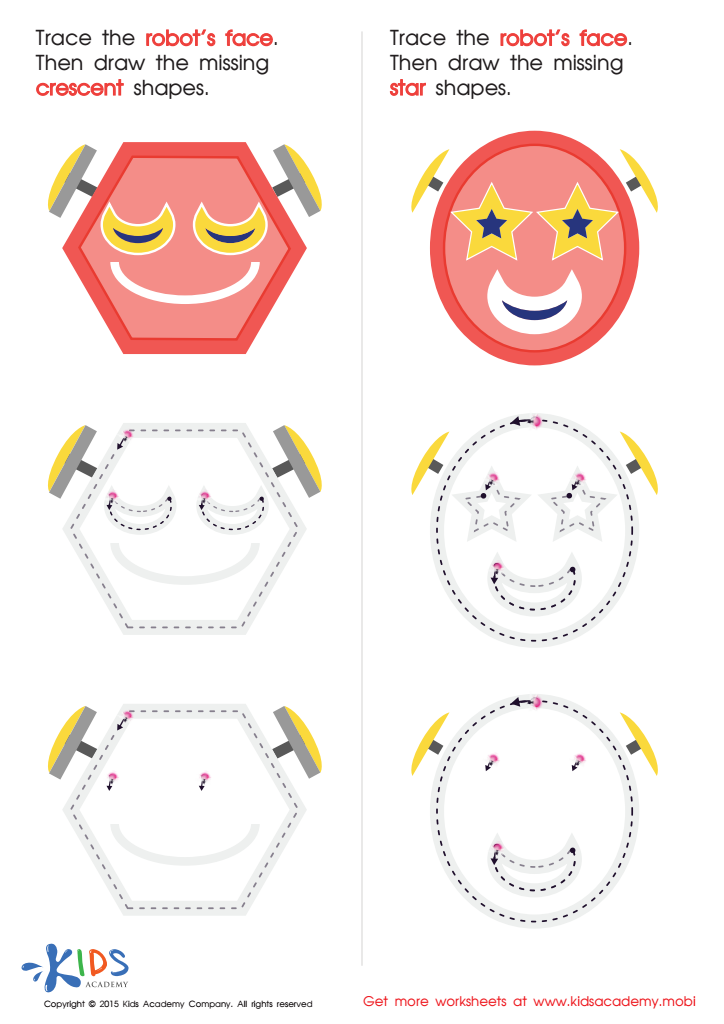
Composing a Robot's Face of Crescents And Stars Worksheet
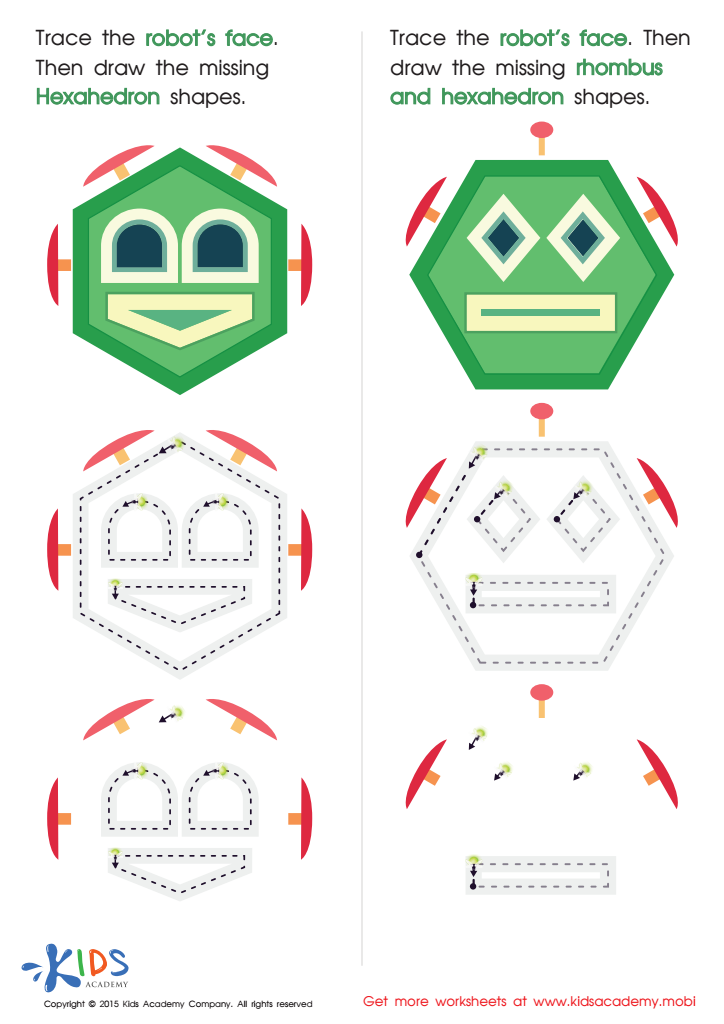
Practice Drawing Hexahedrons And a Rhombus Worksheet
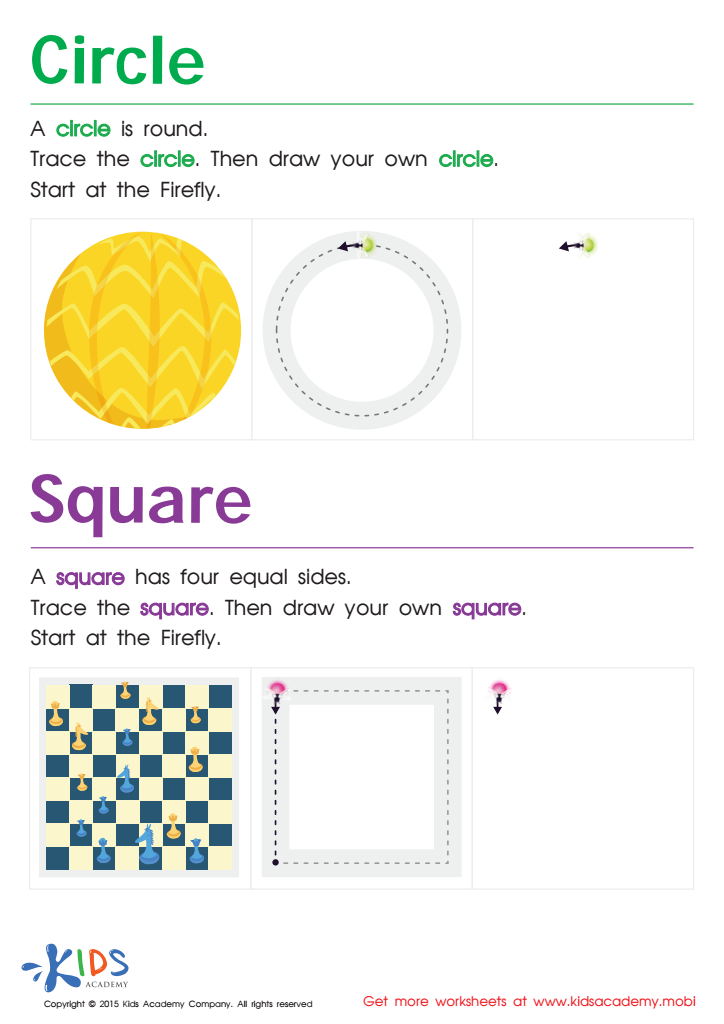
Trace And Draw a Circle And a Square Worksheet
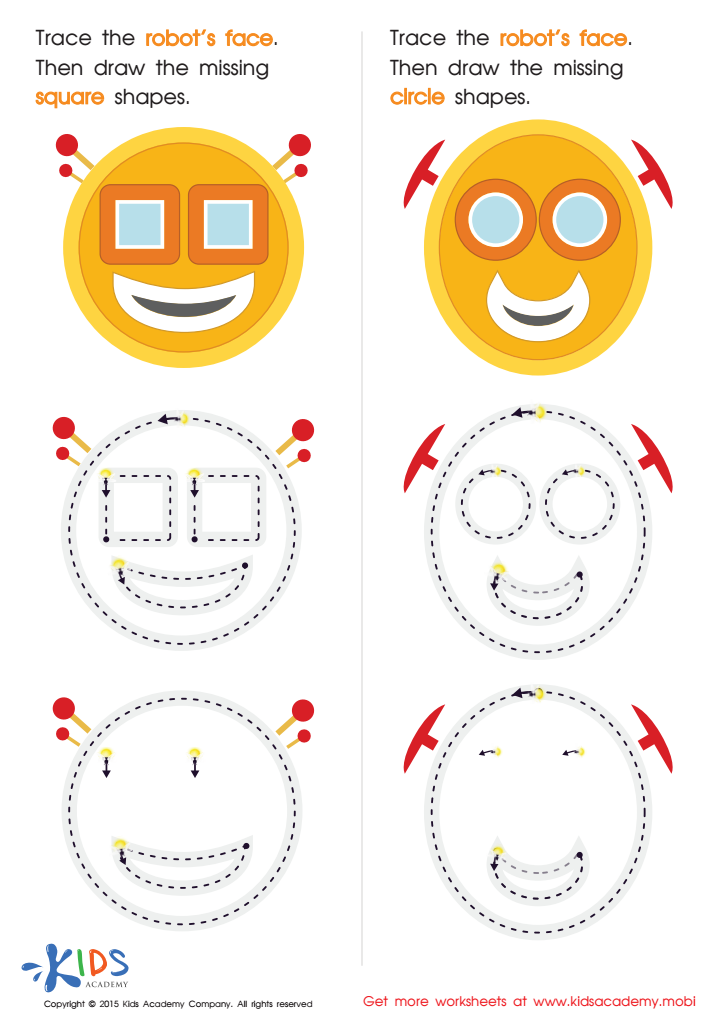
Practicing to Draw Circles And Squares Printable
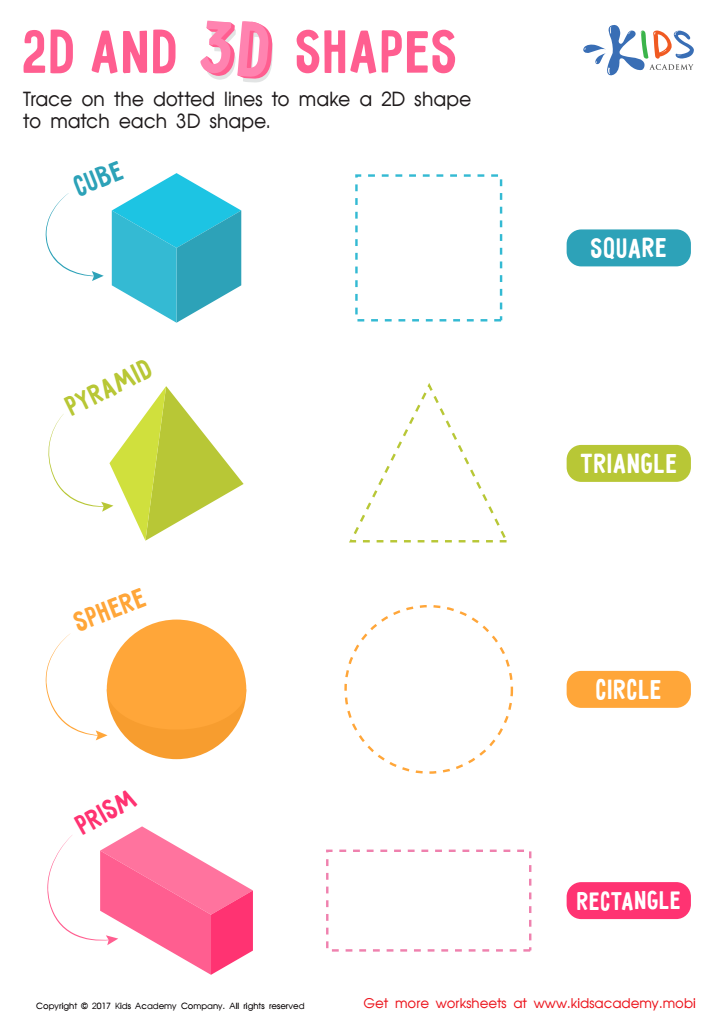
2D and 3D Shapes Worksheet
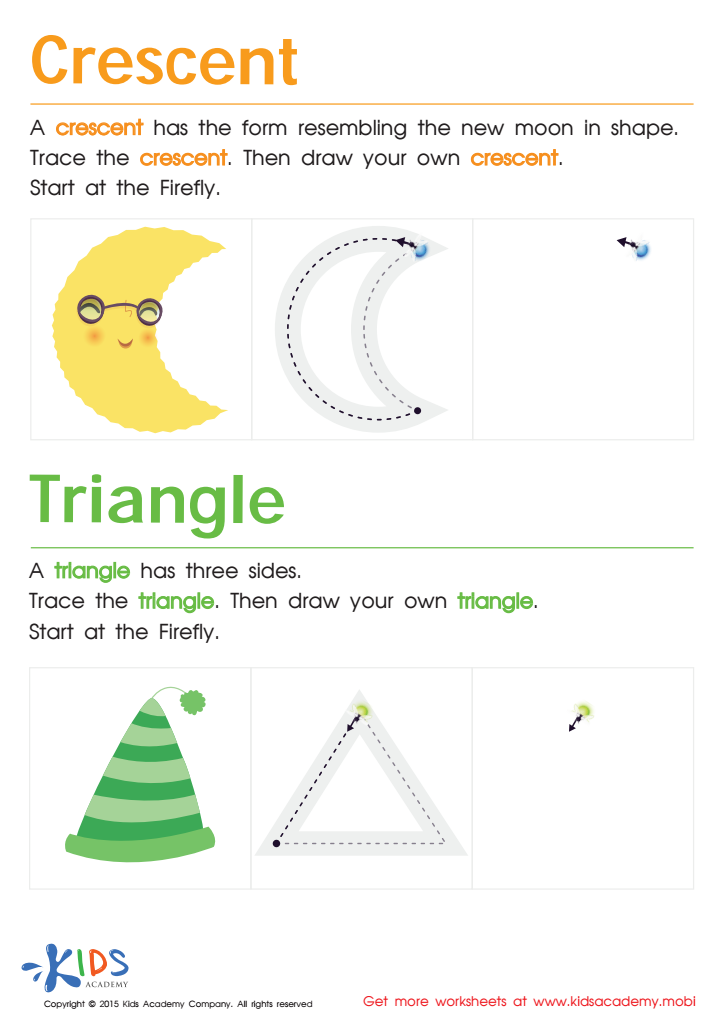
Learning to Draw Crescents And Triangles Worksheet
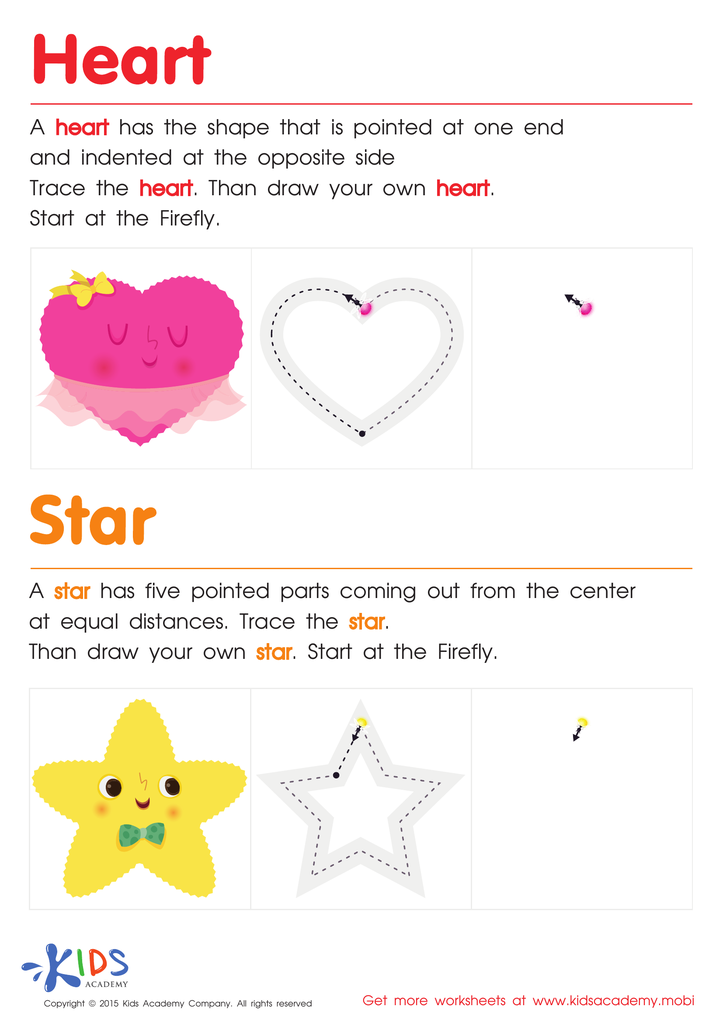
Let's Learn to Draw Hearts And Stars Printable
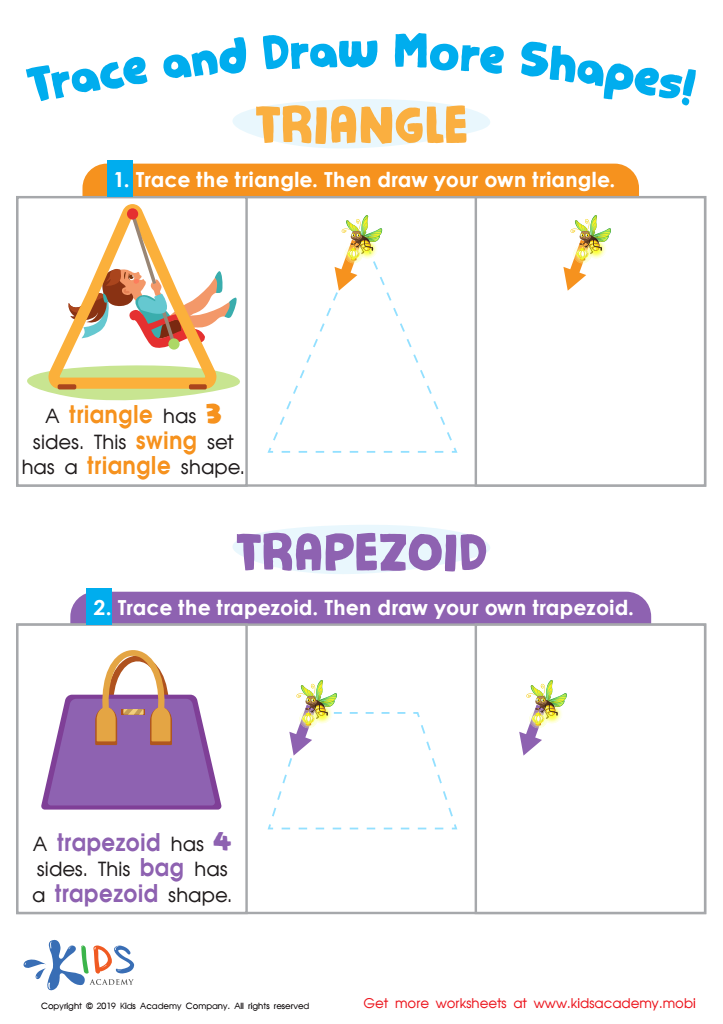
Trace and Draw More Shapes Worksheet
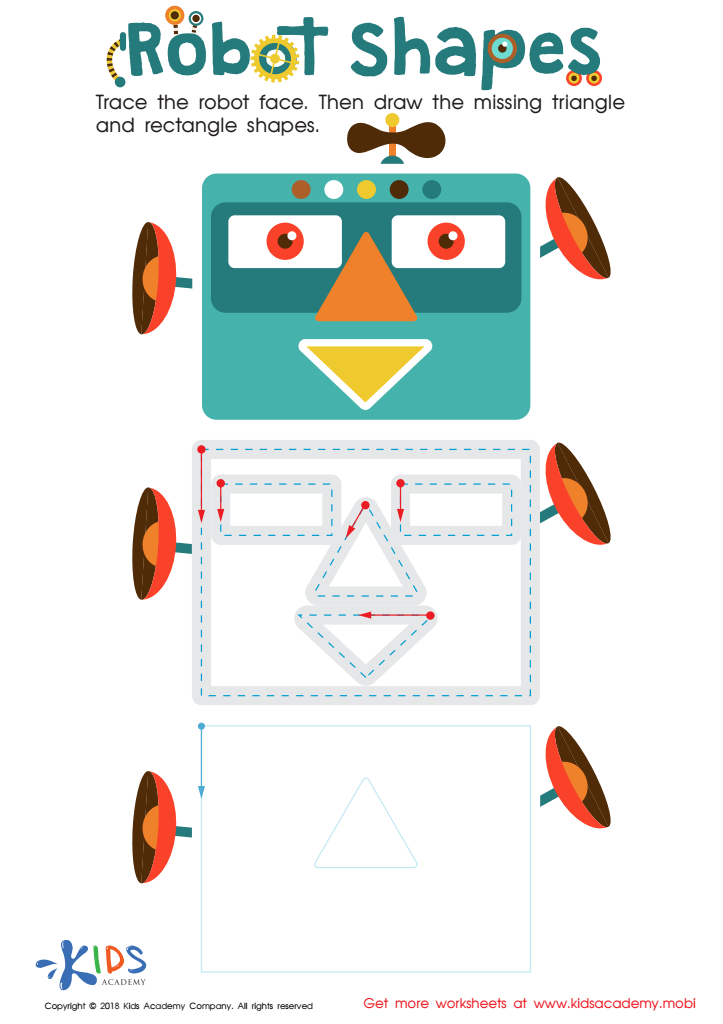
Robot Shapes Worksheet
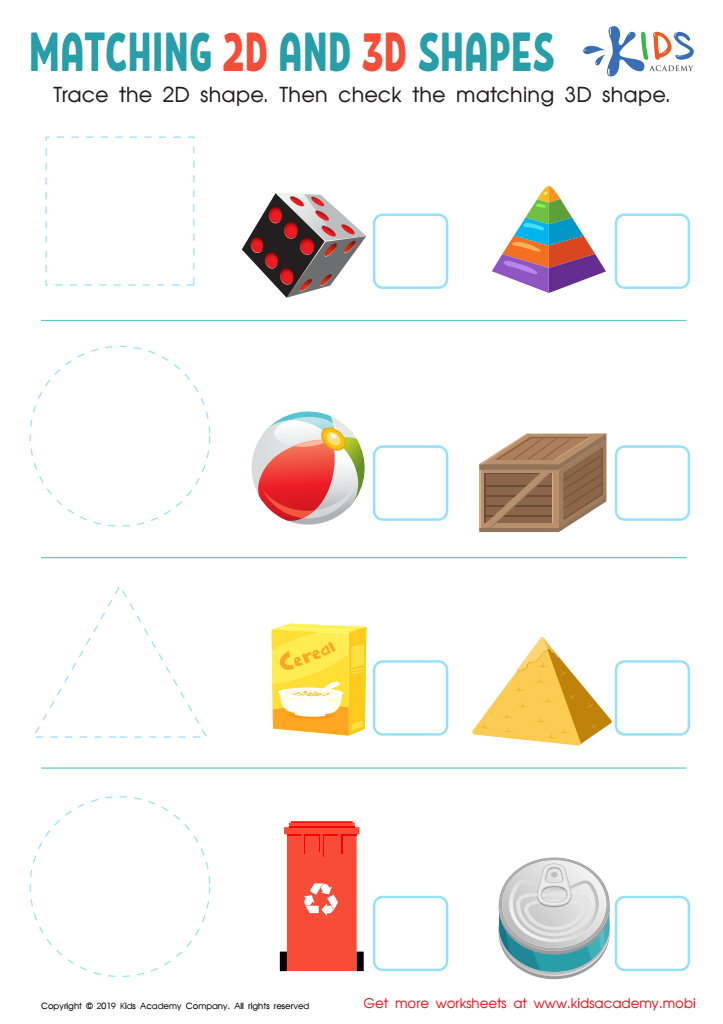
Matching 2D and 3D Shapes Worksheet
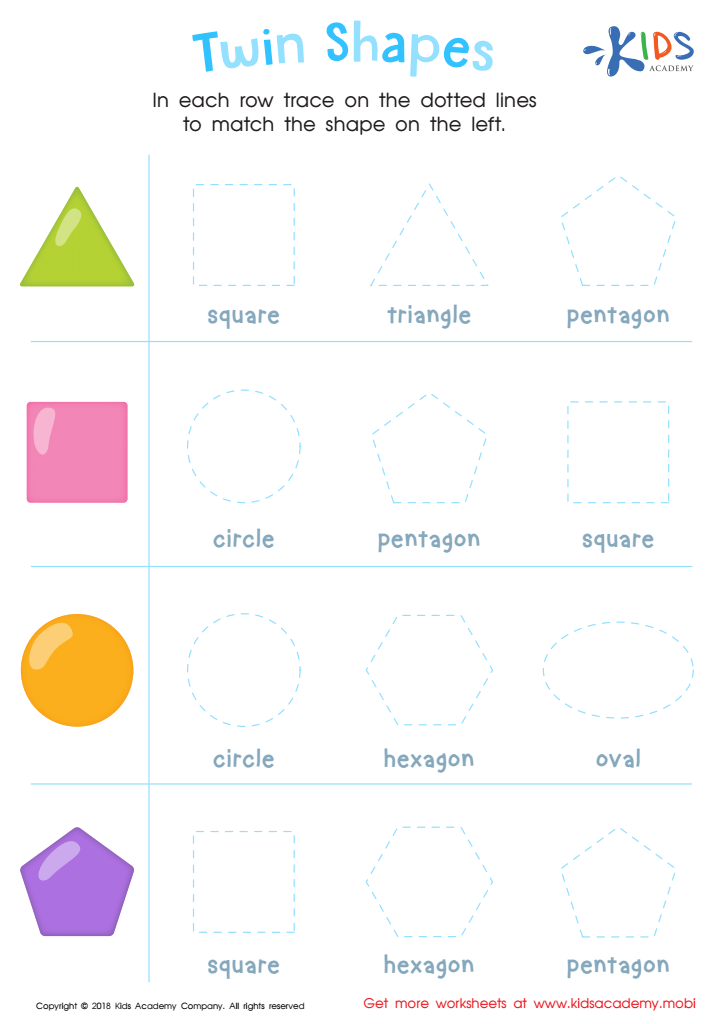
Twin Shapes Dot-to-Dot Worksheet
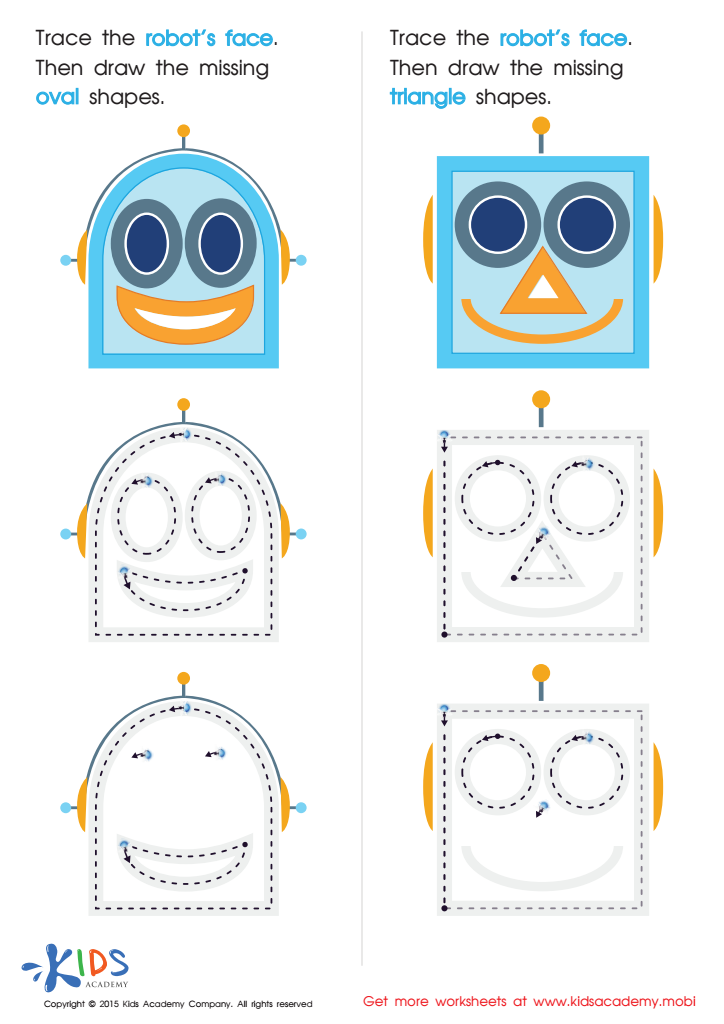
Drawing Ovals And Triangles with Fun Printable








Shape recognition and tracing shapes are essential developmental skills for 5-year-olds that pave the way for future learning in math, art, and spatial awareness. When parents and teachers emphasize these skills, they lay a strong foundation for children's cognitive development. Recognizing shapes helps children identify and categorize objects in their environment, facilitating problem-solving skills and critical thinking.
Tracing shapes enhances fine motor skills, which are crucial for various tasks, from writing to self-care. As children grip pencils or crayons to trace, they strengthen the muscles in their hands, improving dexterity and coordination. Additionally, tracing promotes concentration and hand-eye coordination, vital skills in early learning environments.
Shape recognition also supports mathematical understanding. Familiarity with shapes is integral to geometry, measurement, and spatial reasoning, laying the groundwork for future math concepts. Furthermore, engaging with shapes inspires creativity, as children can explore their own artistic expressions through shape-based activities.
By integrating shape recognition and tracing into playtime or educational routines, parents and teachers foster a playful yet educational environment that encourages exploration and skill-building. This early investment not only benefits children's immediate development but prepares them for more complex academic challenges in the future.