Phonics Skills Alphabet Worksheets for Ages 6-7 - Page 2
60 filtered results
-
From - To
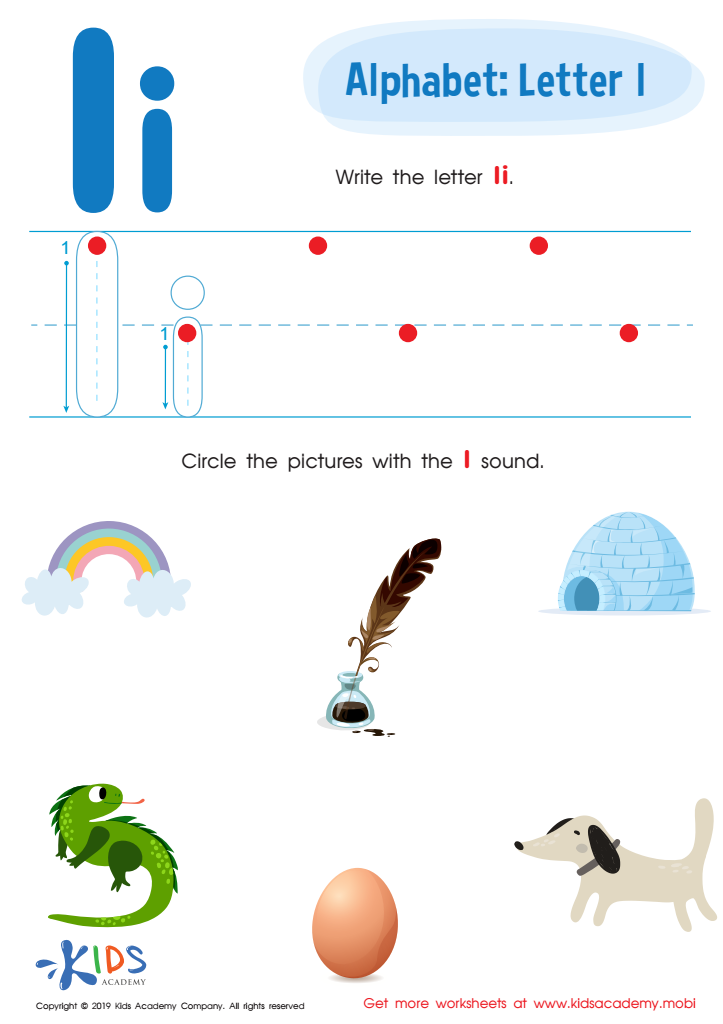
Letter I Tracing Worksheet
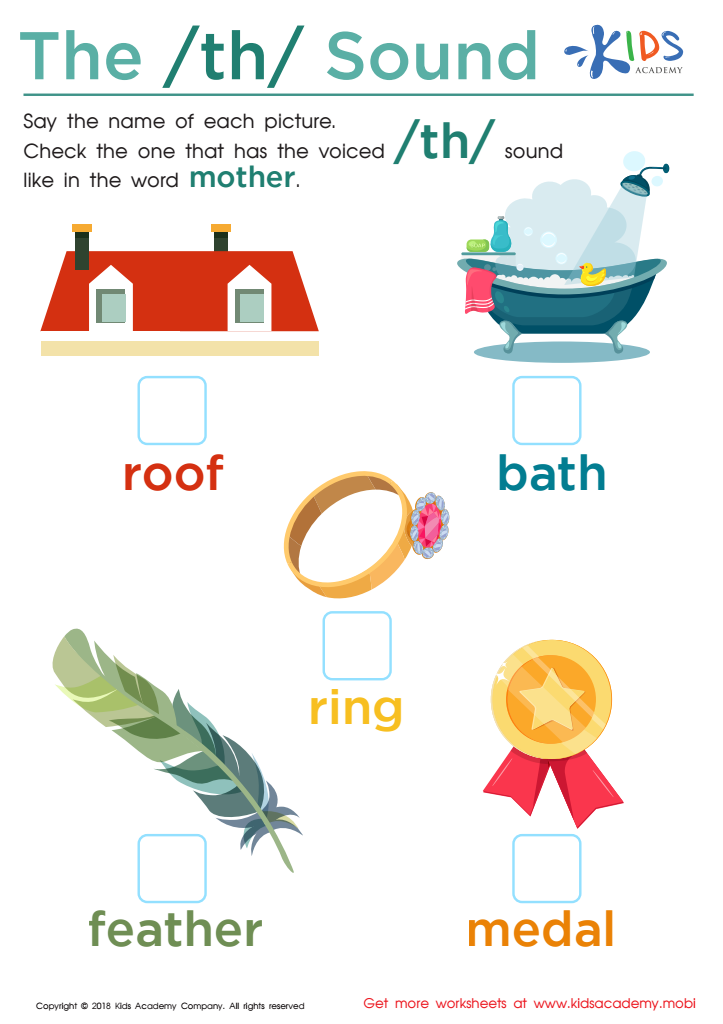
The /th/ Sound Worksheet
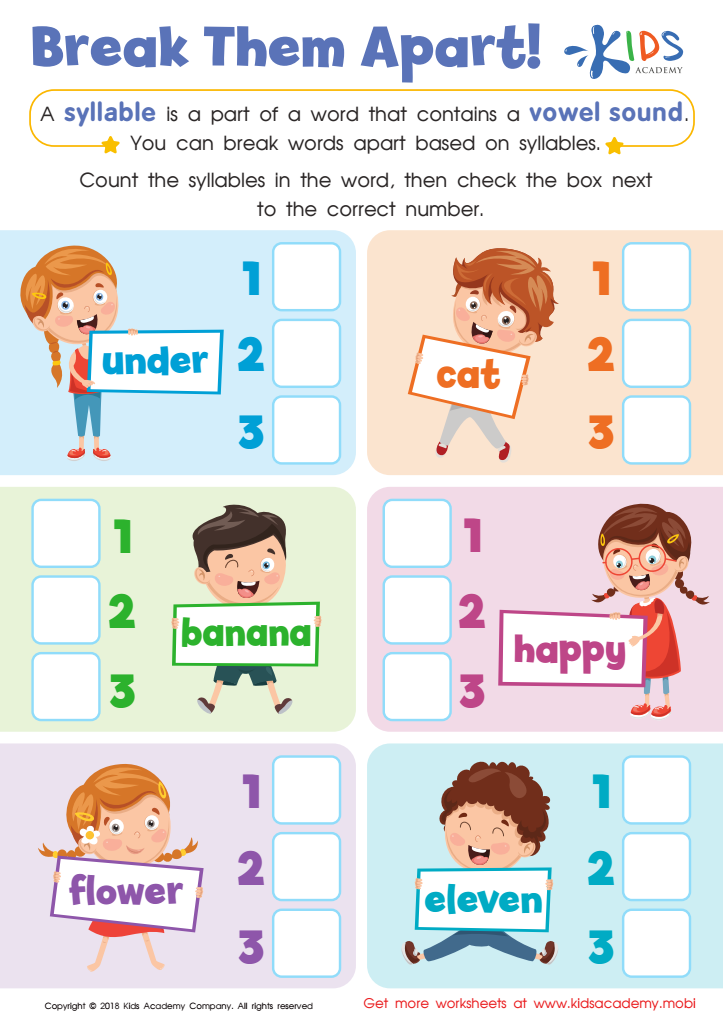
Reading: Break Them Apart Worksheet
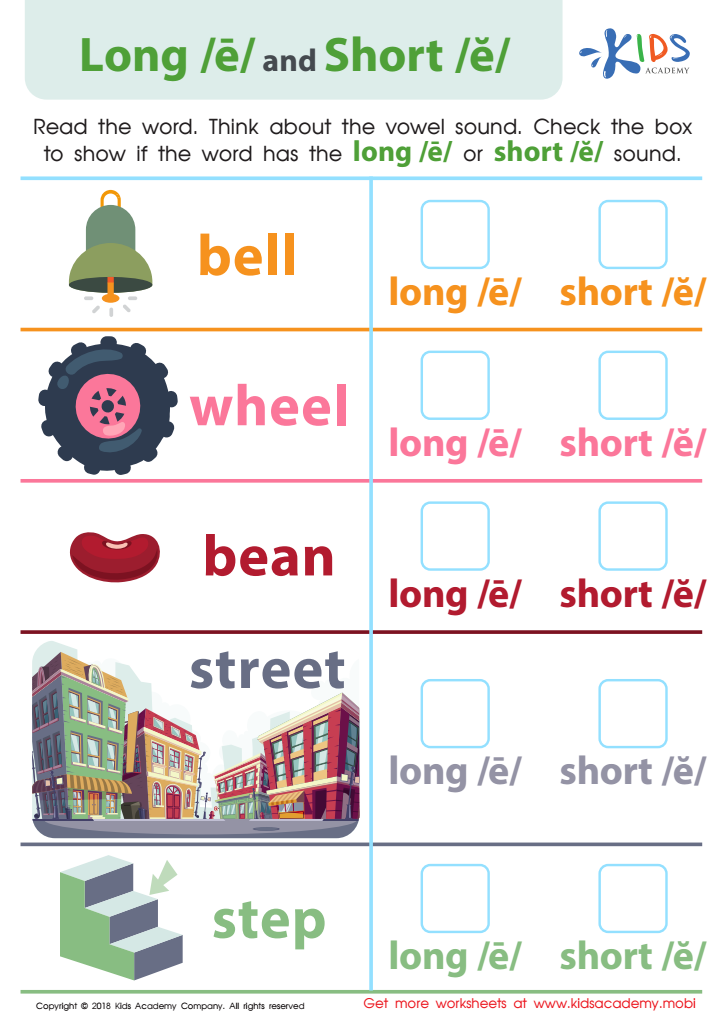
Reading: Long E and Short E Worksheet
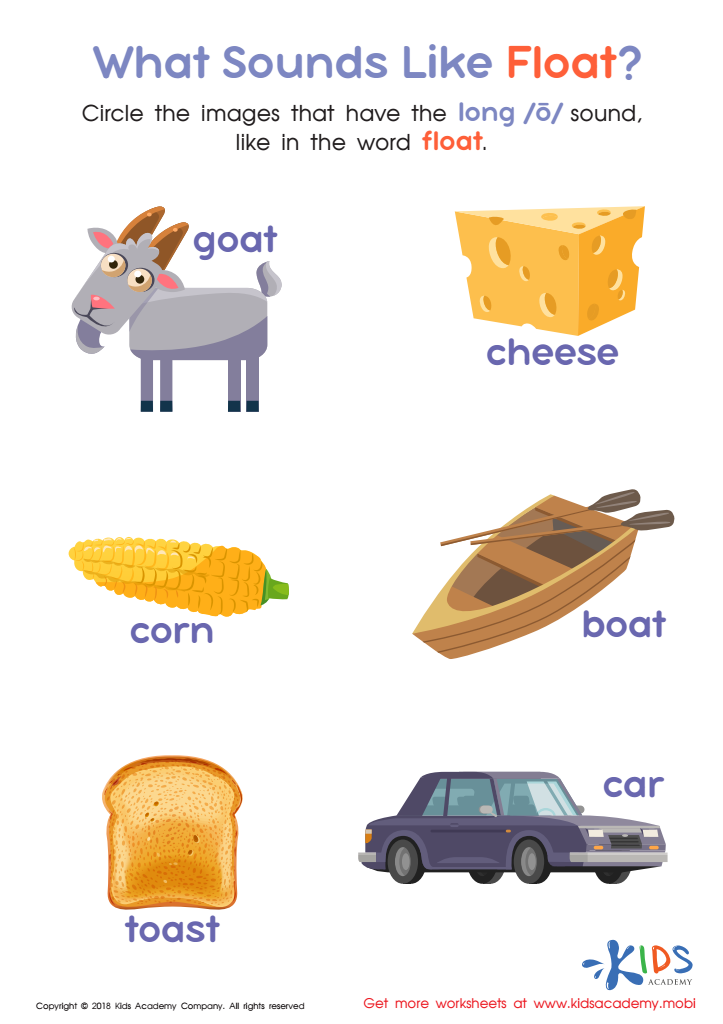
What Sounds Like Float? Worksheet
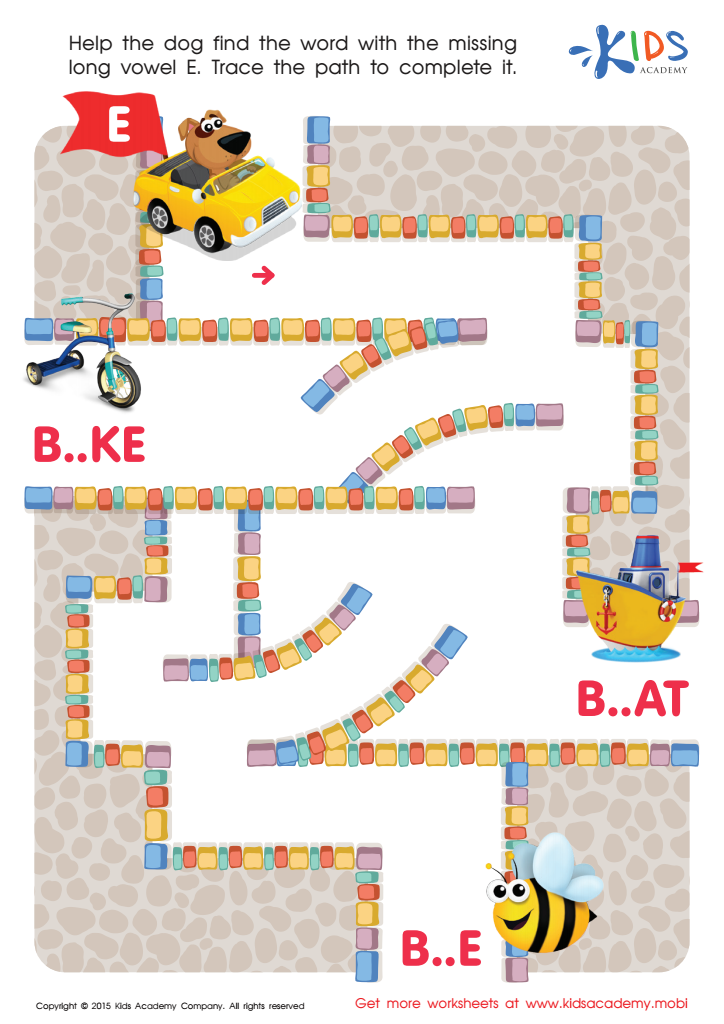
Long Vowel Sound E Worksheet
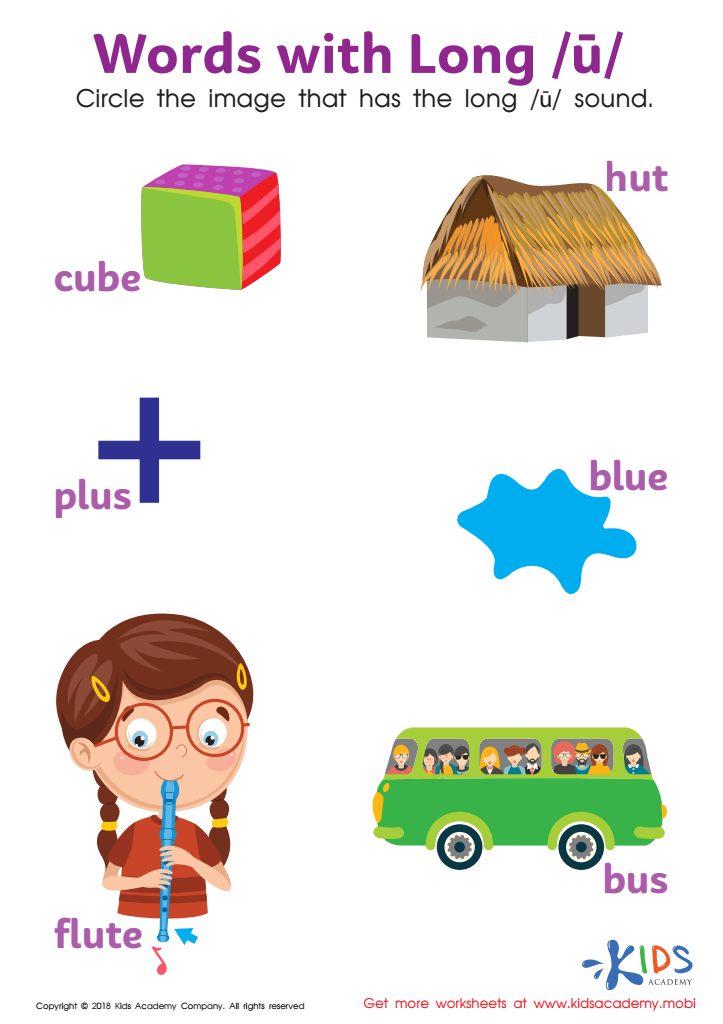
Words with Long U Reading Worksheet
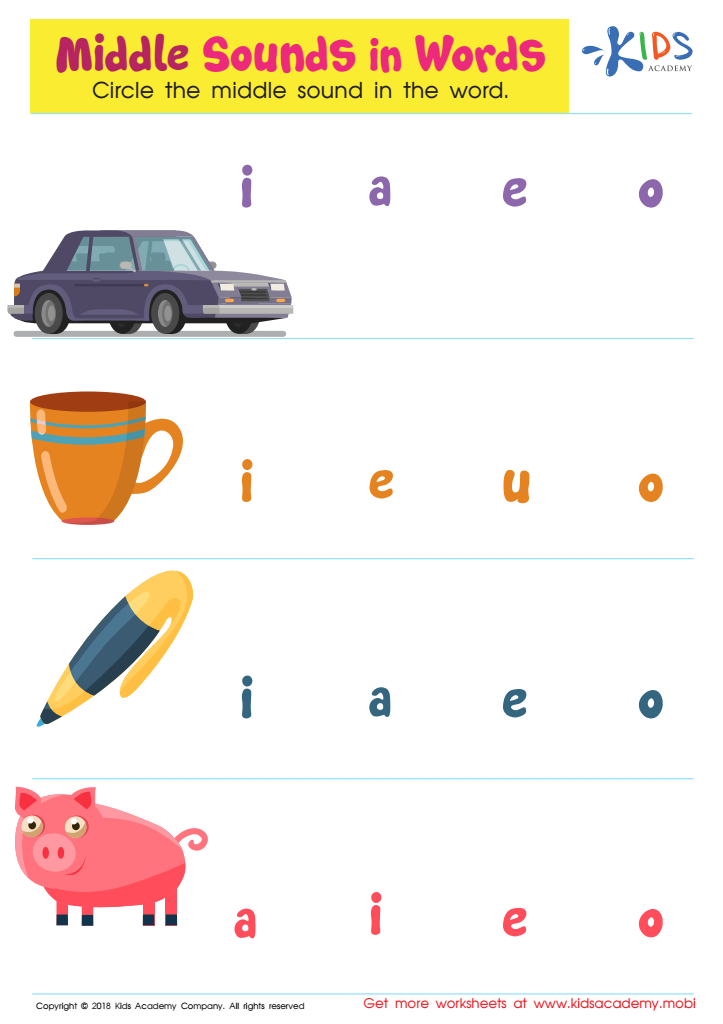
Middle Sounds in Words Worksheet
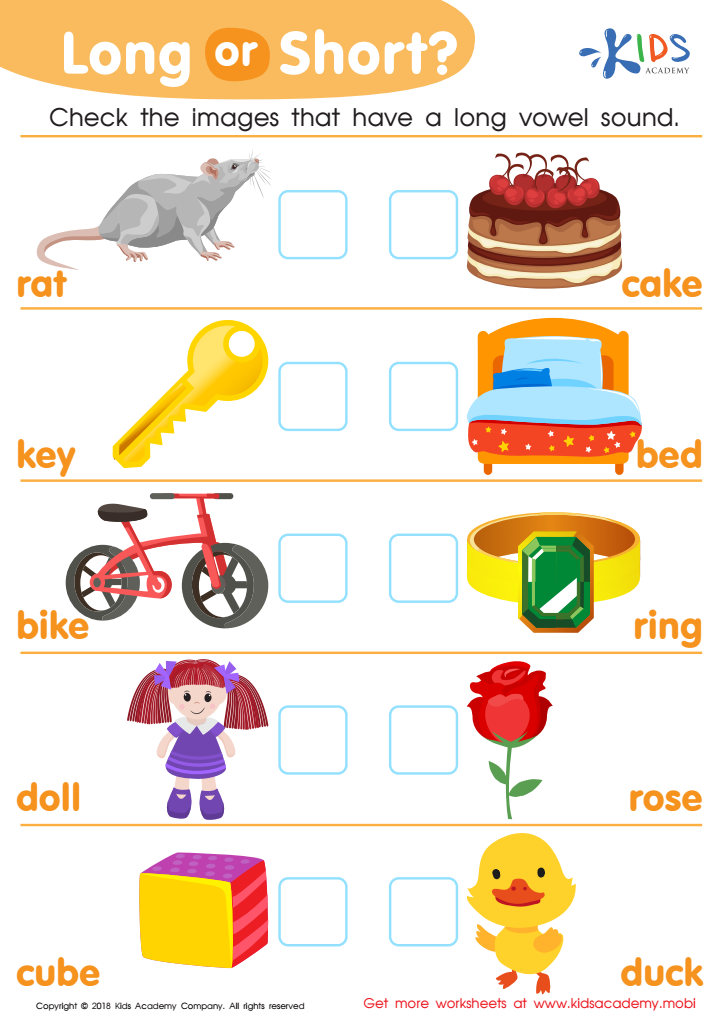
Long or Short Reading Worksheet
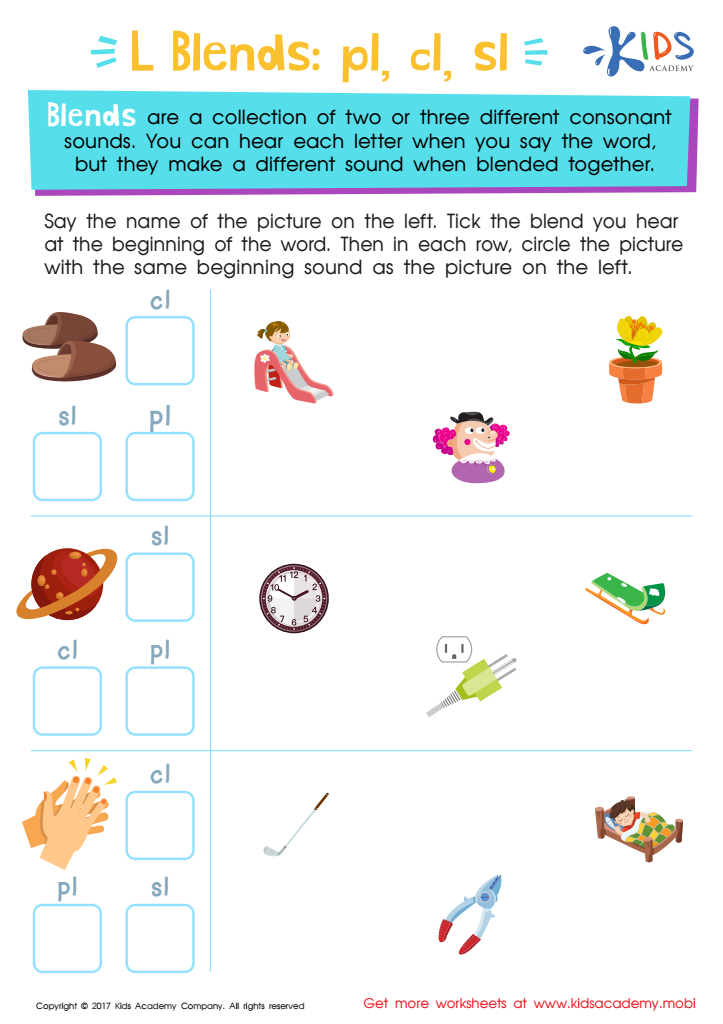
L Blends: "Pl", "Cl" and "Sl" Printable
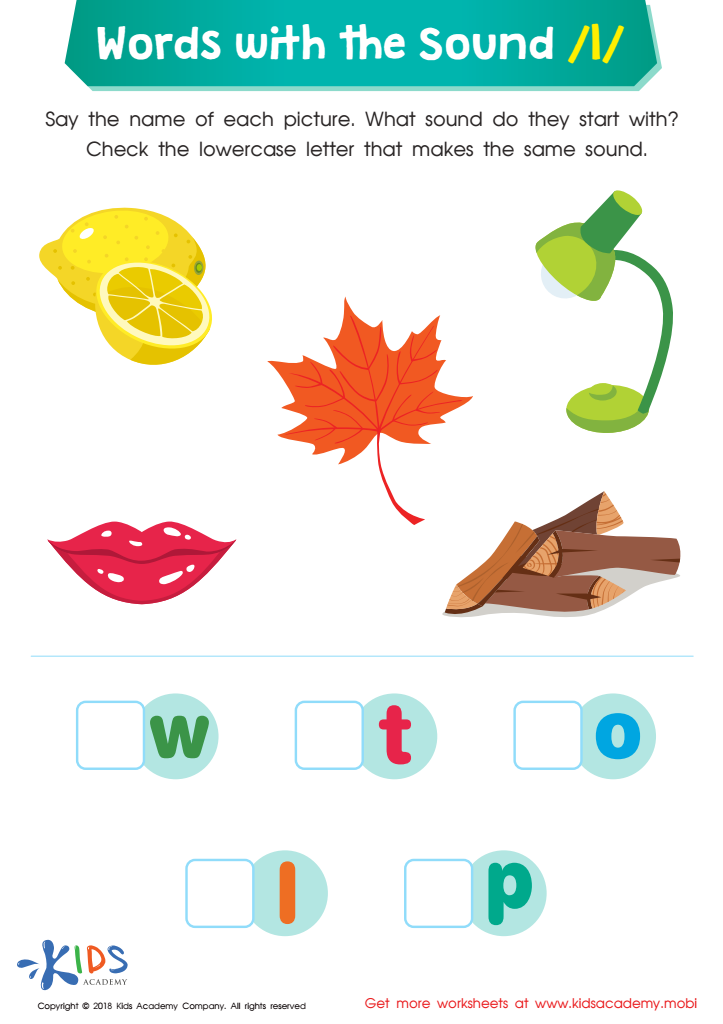
Words with Sound L Reading Worksheet
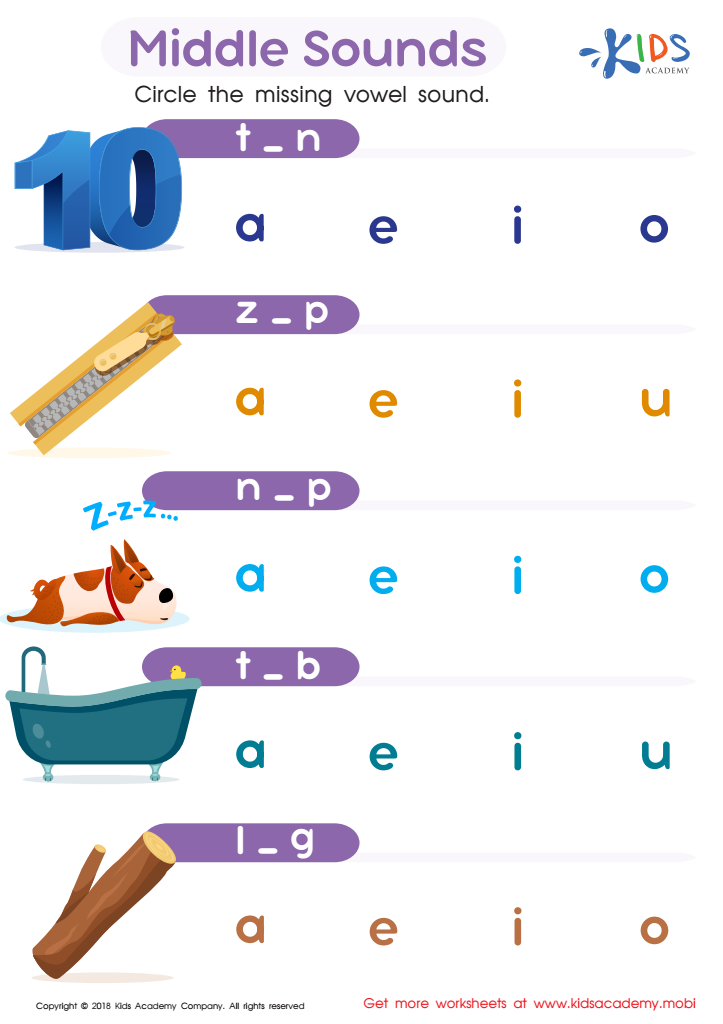
Middle Sounds Worksheet
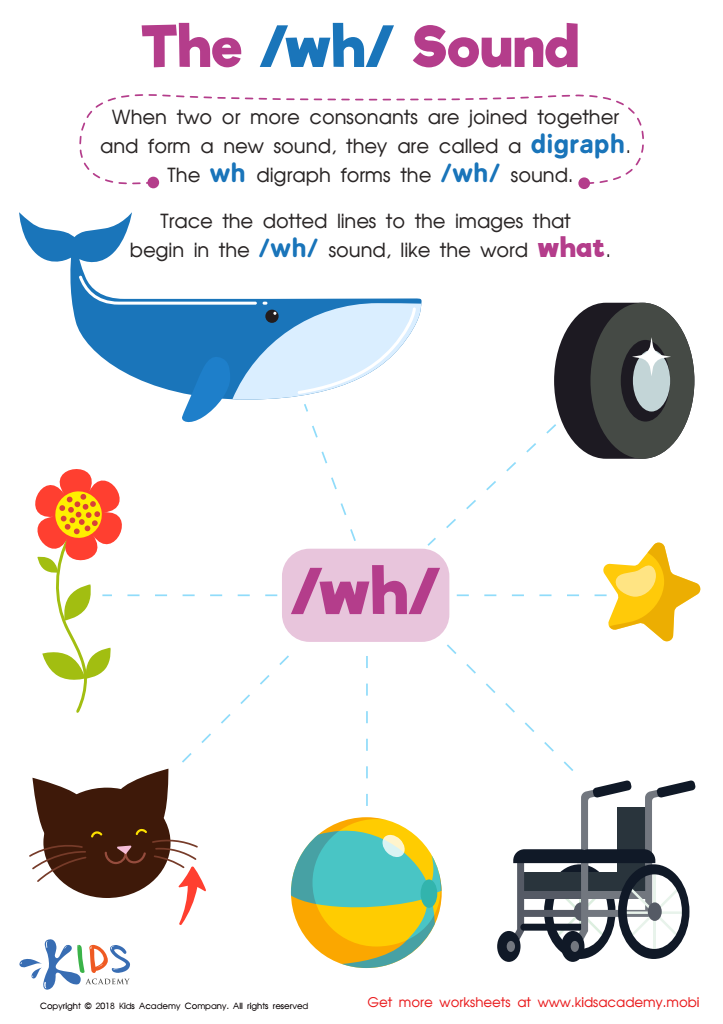
The /wh/ Sound Worksheet
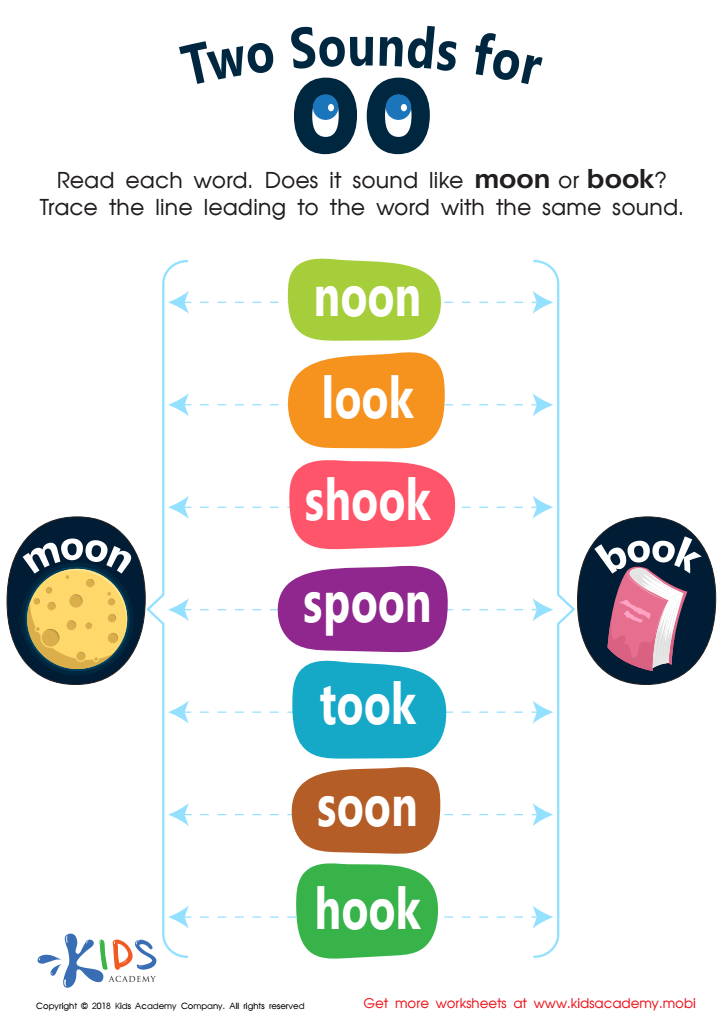
Two Sounds for OO Worksheet
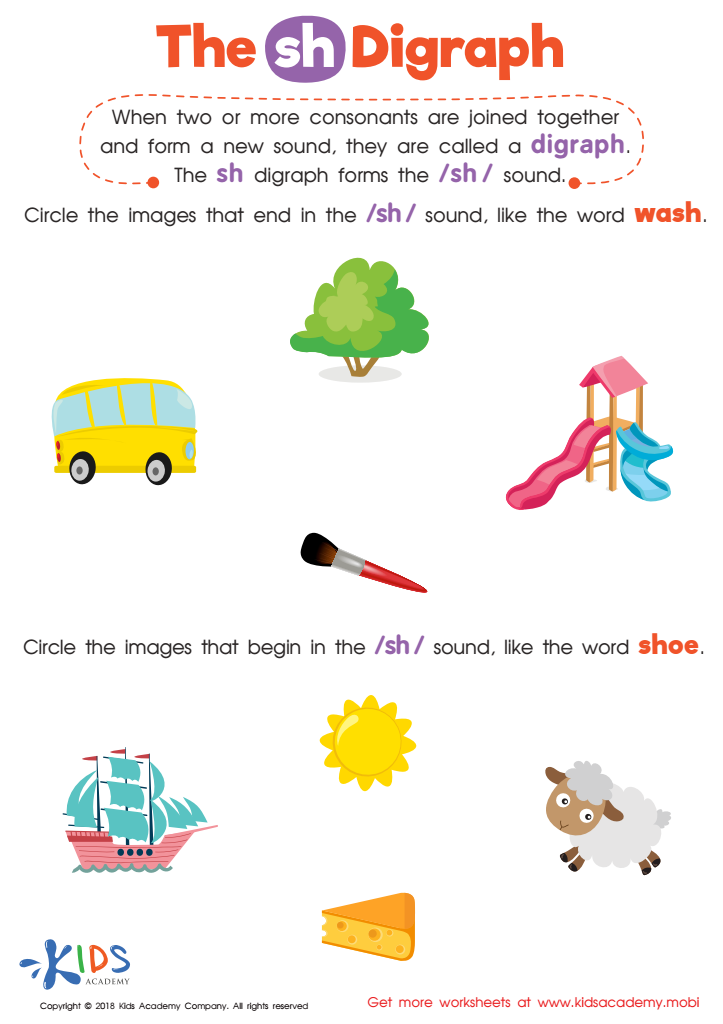
The SH Digraph Worksheet
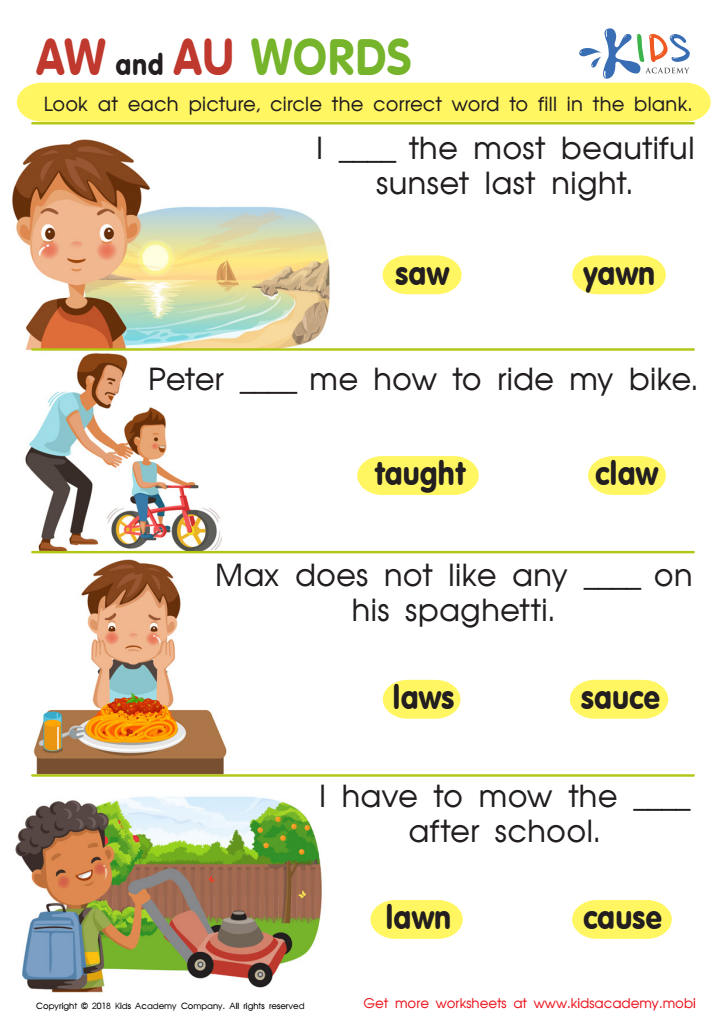
Reading: AW and AU Words Worksheet
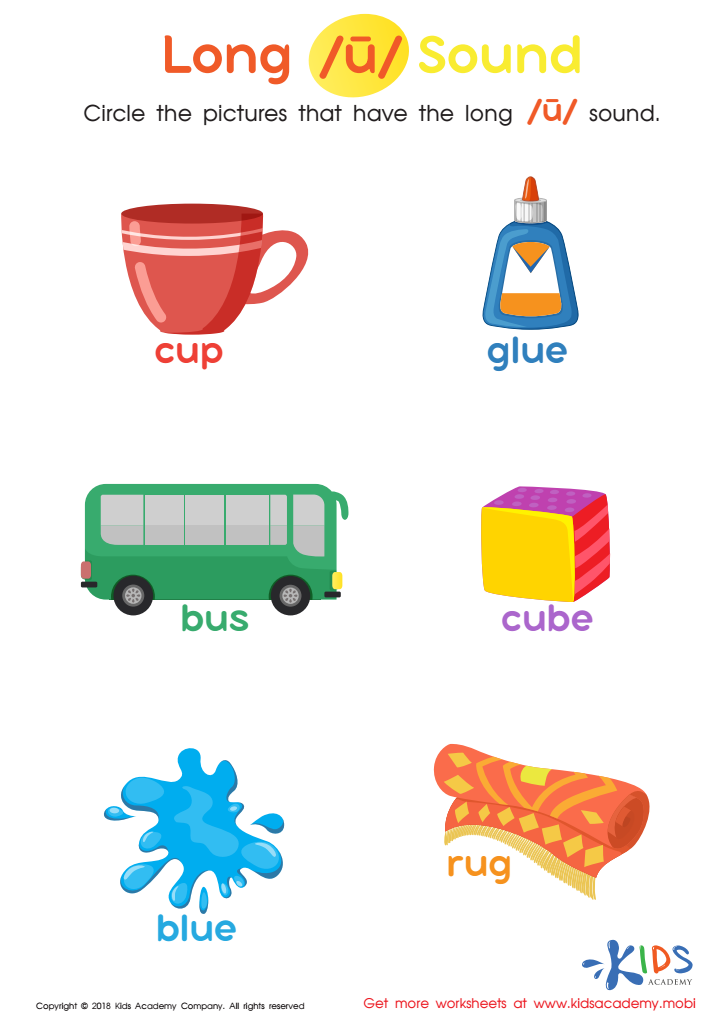
Long «u» Sound Worksheet
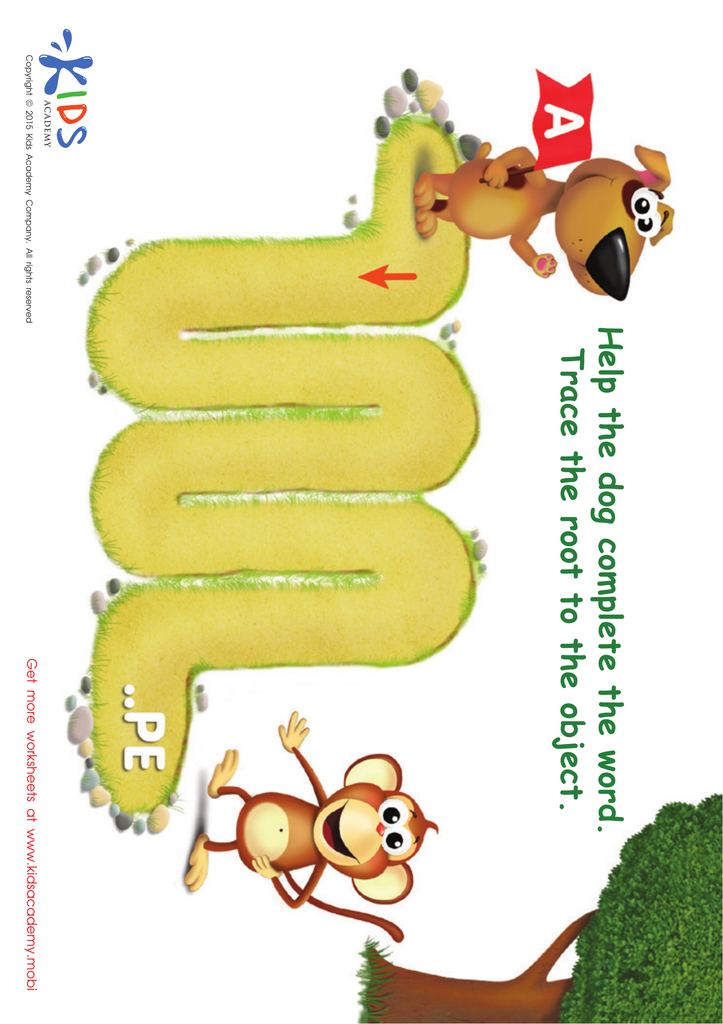
Long Vowel Sound A Worksheet Worksheet
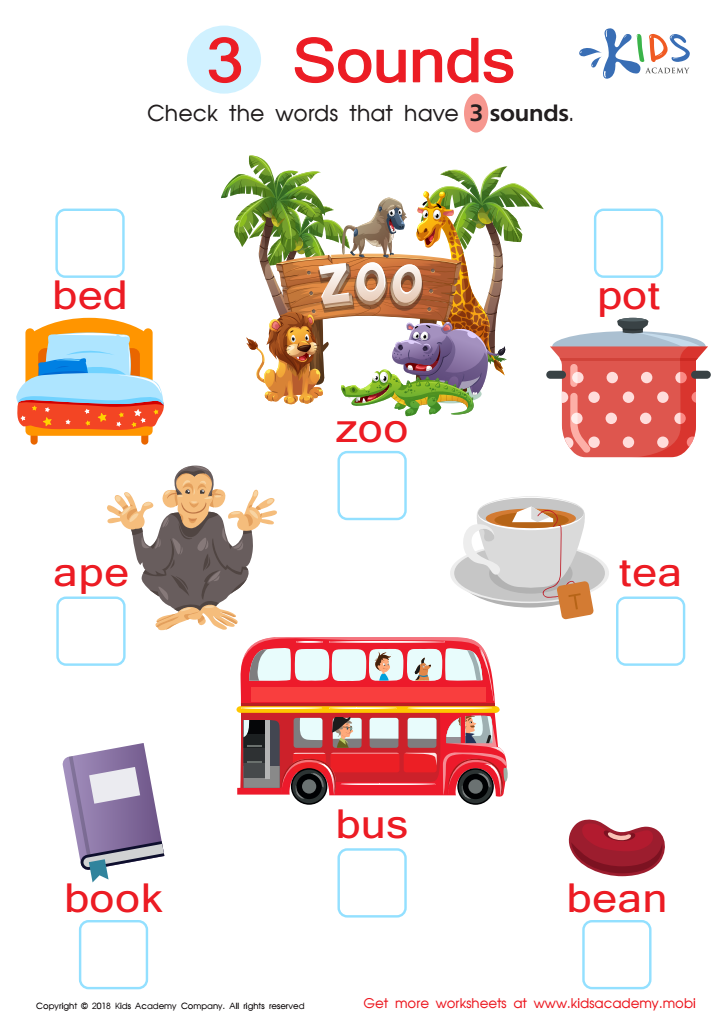
3 Sounds Worksheet
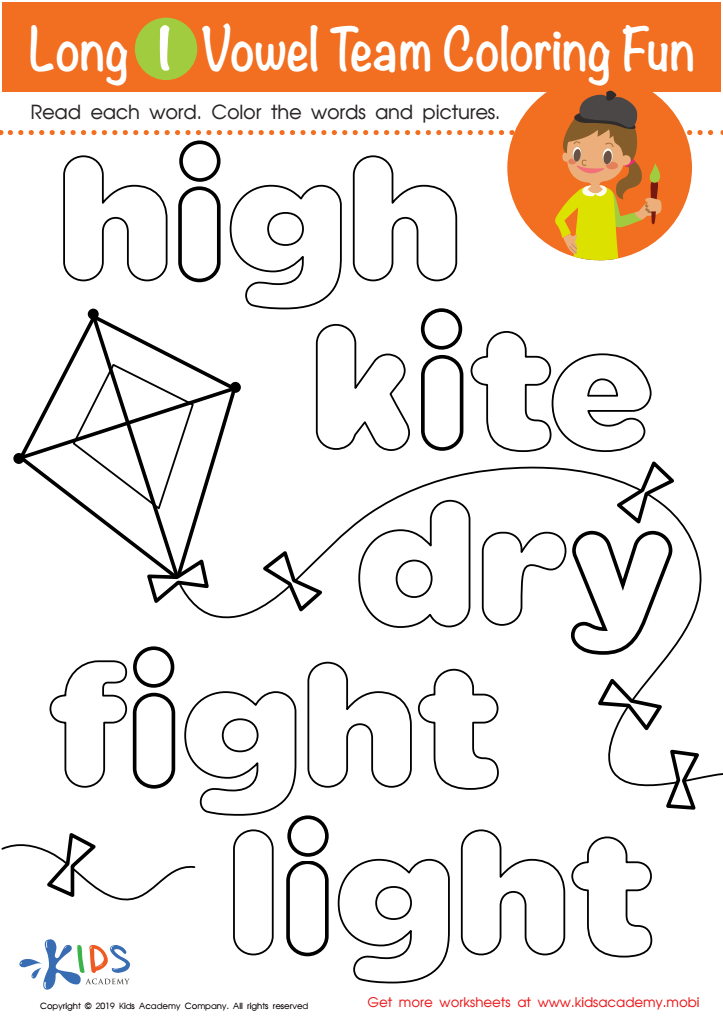
Long I Vowel Team Coloring Worksheet
 Assign to My Students
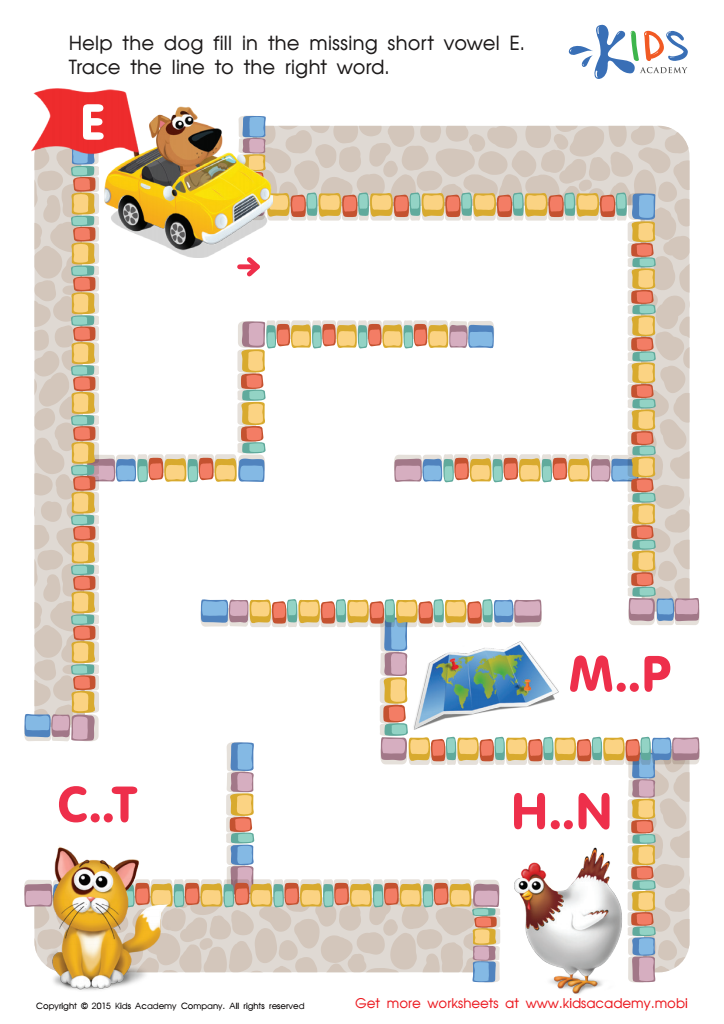
Short Vowel Sound E Worksheet
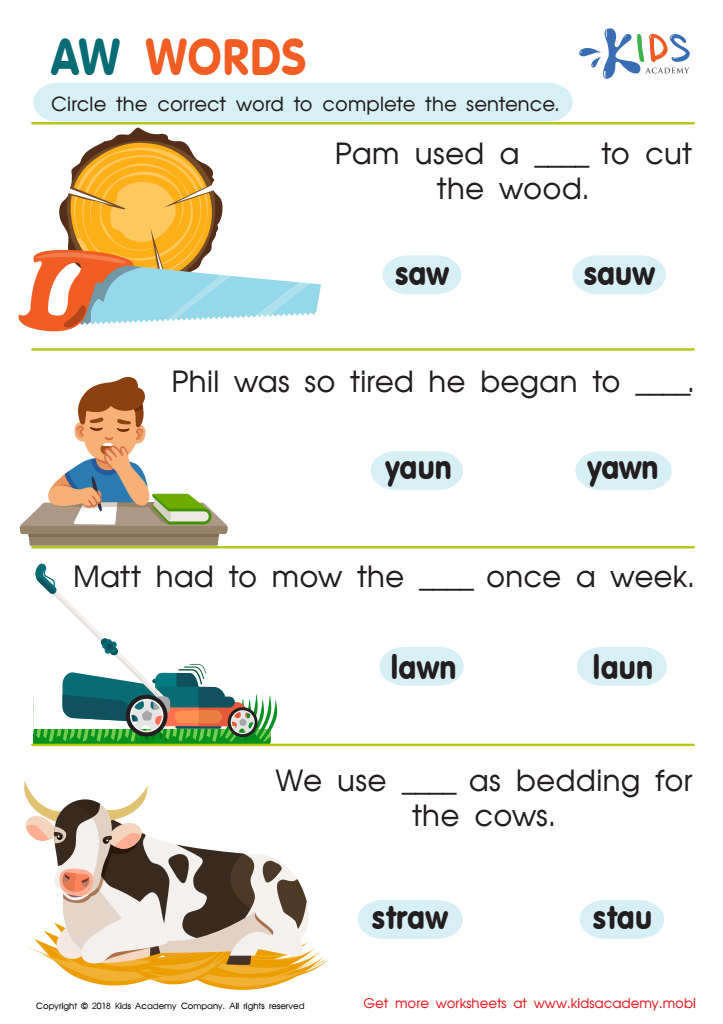
Reading: AW Words Worksheet
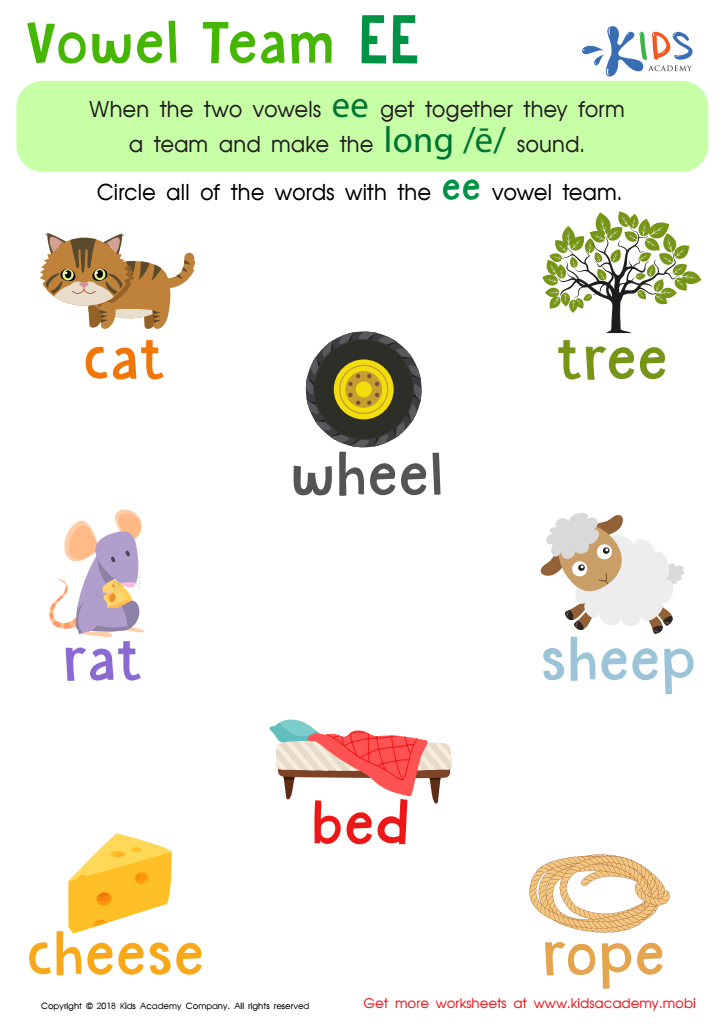
Reading: Vowel Team EE Worksheet
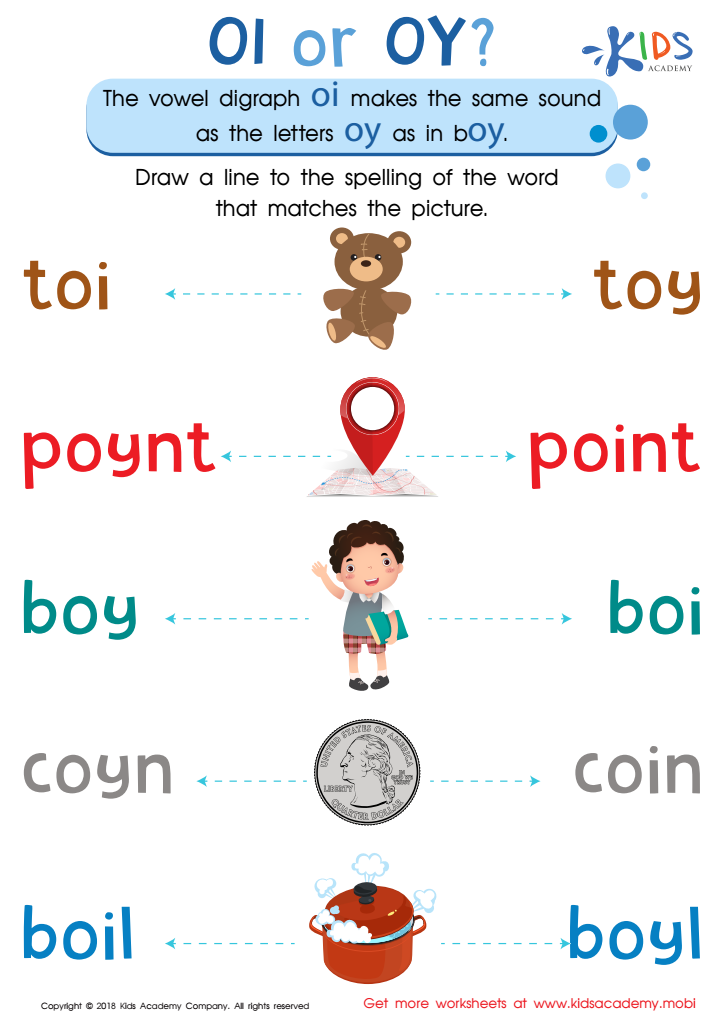
Reading: OI and OY Worksheet






.jpg)
Phonics skills are critical for children aged 6-7 as they form the foundation for reading and literacy. At this developmental stage, children are starting to connect letters with sounds, which enables them to decode unfamiliar words. Understanding phonics not only enhances reading fluency but also boosts comprehension as students learn to derive meaning from texts.
Parents and teachers play a pivotal role in nurturing phonics skills. For parents, this means engaging in fun activities at home, such as reading together and incorporating games that promote sound recognition. By creating a positive and interactive learning environment, parents can foster a love for reading, which is essential for lifelong learning.
Similarly, teachers in early grade classrooms are tasked with incorporating phonics instruction into daily lessons. Effective phonics programs can lead to improved reading proficiency, enhancing students' confidence and academic performance. When children feel competent in their abilities to read, they are more likely to participate actively in classroom activities, further reinforcing their literacy skills.
Overall, prioritizing phonics skills for children aged 6-7 not only equips them with essential reading abilities but also builds a strong foundation for their future academic success. Collaboration between parents and teachers is vital in this developmental journey.







