
Spatial awareness Worksheets for Ages 6-7
43 filtered results
Difficulty Level
Grade
Age
-
From - To
Subject
Activity
Standards
Enhance your child's understanding of space and movement with our engaging Spatial Awareness Worksheets for ages 6-7! Designed to boost cognitive skills, these worksheets focus on helping young learners develop a strong sense of direction, distance, and object relationships. With fun activities like shape sorting, maze puzzles, and spatial reasoning challenges, your child will not only improve their spatial skills but also enjoy the learning process. Perfect for home or classroom use, these printable worksheets cater to the unique developmental needs of early learners, ensuring they build a solid foundation for future success in geometry and spatial reasoning. Start your adventure today!
Favorites
With answer key
Interactive
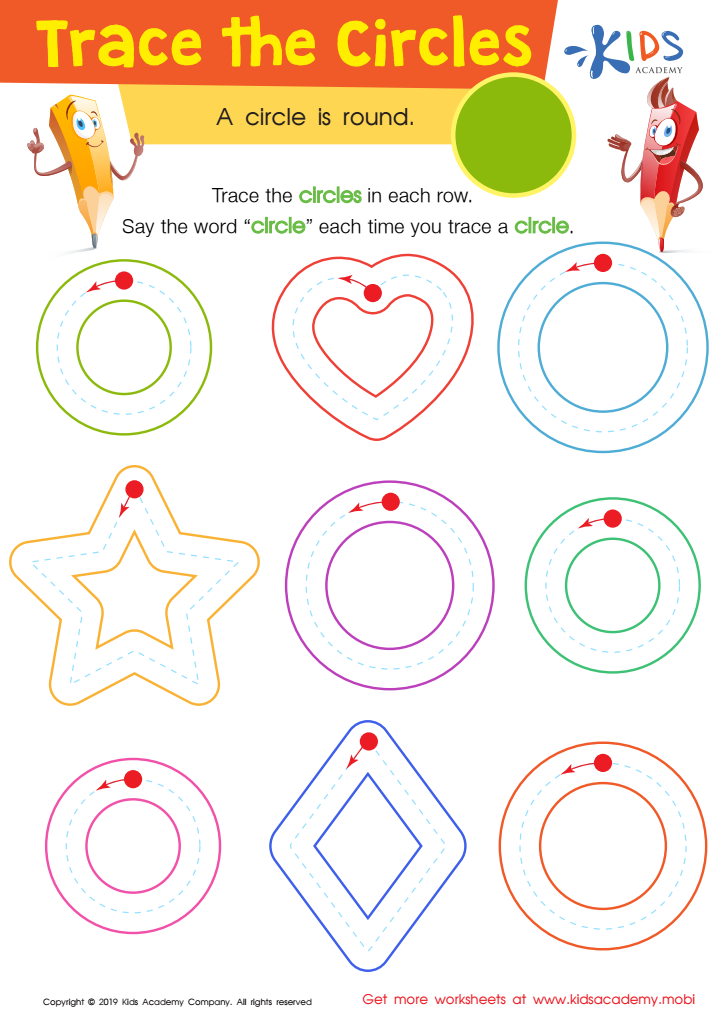
Trace The Circles Worksheet
Preschoolers and kindergarteners love learning shapes! This worksheet provides practice in naming and tracing circles. Students say "circle" each time they trace one. It's a fun way to help kids learn math vocabulary and develop fine motor skills. Enjoy this printable and get ready to master circles!
 Assign to My Students
Trace The Circles Worksheet
Worksheet
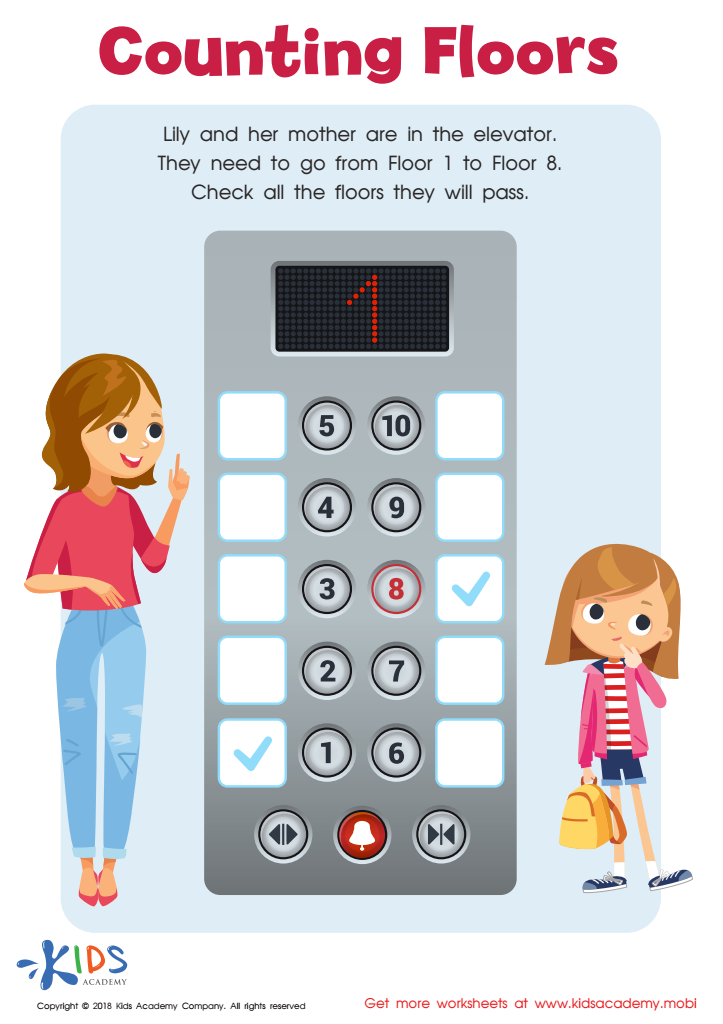
Counting Floors Worksheet
Take your kids on an elevator ride and have them help you. With this worksheet, little ones meet Lily and her mom. They're taking an elevator from Floor 1 to Floor 8. Ask them to check the floors they pass and help the two reach their destination.
Counting Floors Worksheet
Worksheet
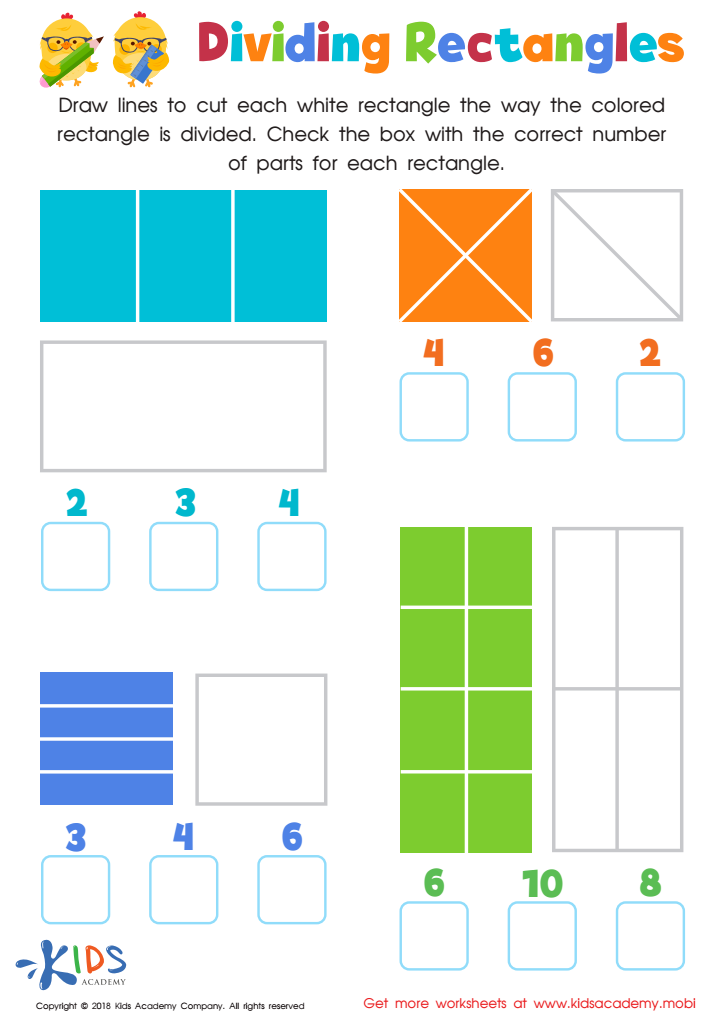
Dividing Rectangles Worksheet
Ask your child to draw lines to divide the white rectangles like the colored ones. Then, have them count the parts in each and choose the correct number. This worksheet will help them practice counting and dividing.
Dividing Rectangles Worksheet
Worksheet
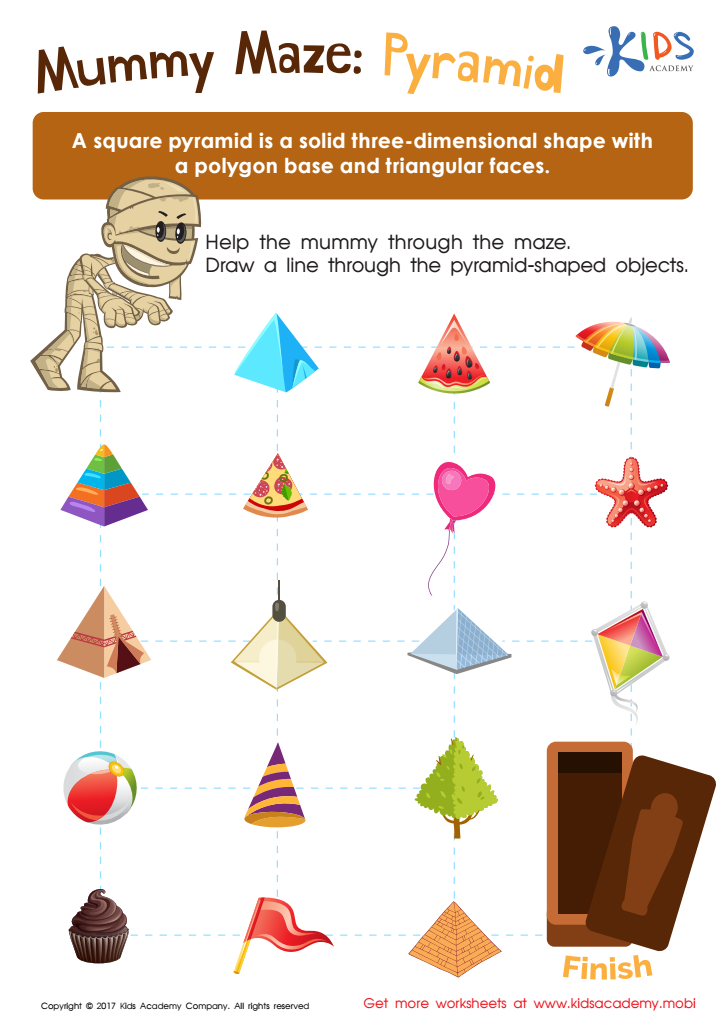
Mummy Maze: Pyramid Printable
Let's learn to spot 3D shapes, such as the iconic pyramid! This fun pyramid geometry worksheet PDF provides interesting illustrations and a maze to help your child identify pyramids in the pictures.
Mummy Maze: Pyramid Printable
Worksheet
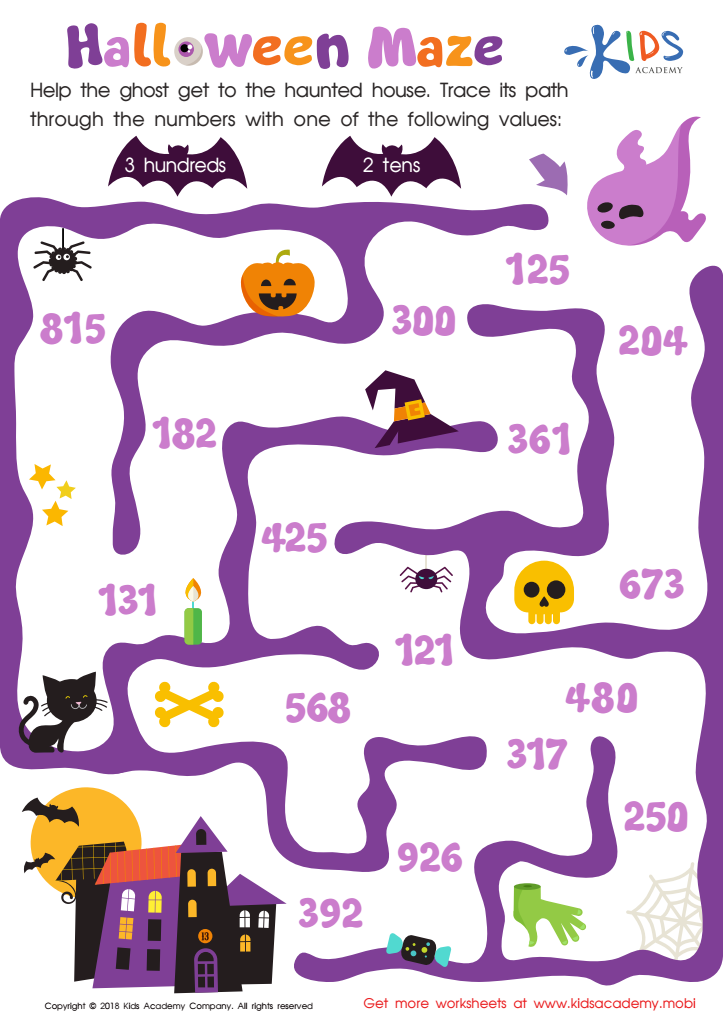
Place Value: Halloween Maze Worksheet
Kids who love haunted houses and Halloween will love this worksheet! Help the ghost reach its haunted house by tracing the path of 3 hundreds or 2 hundreds numbers. At the end is the ghost's spooky home. Have fun!
Place Value: Halloween Maze Worksheet
Worksheet
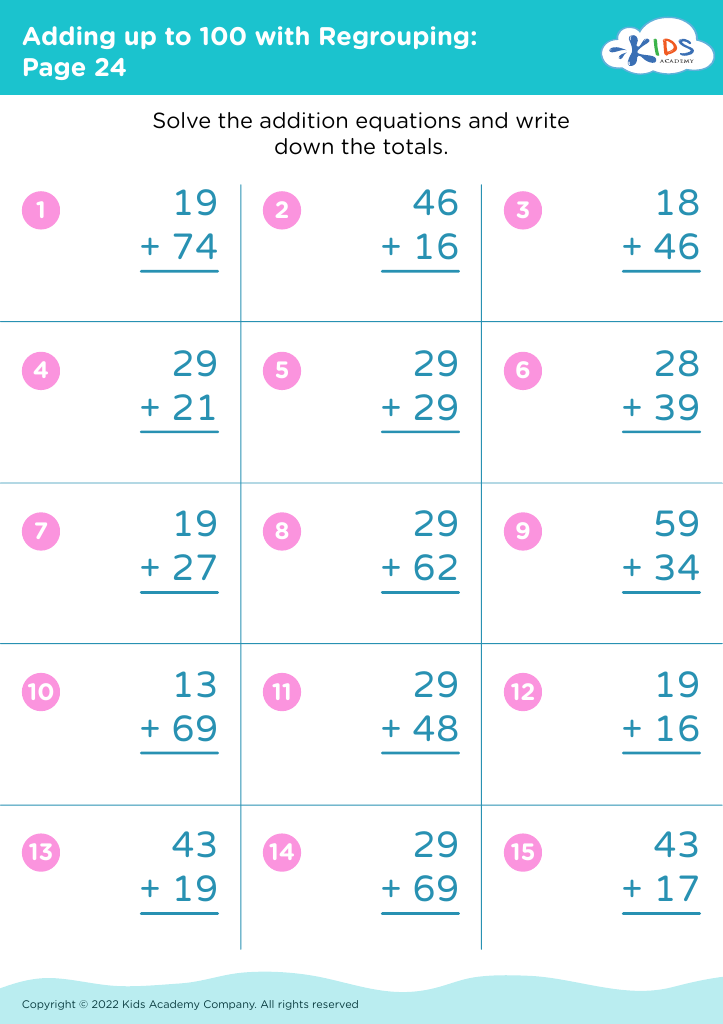
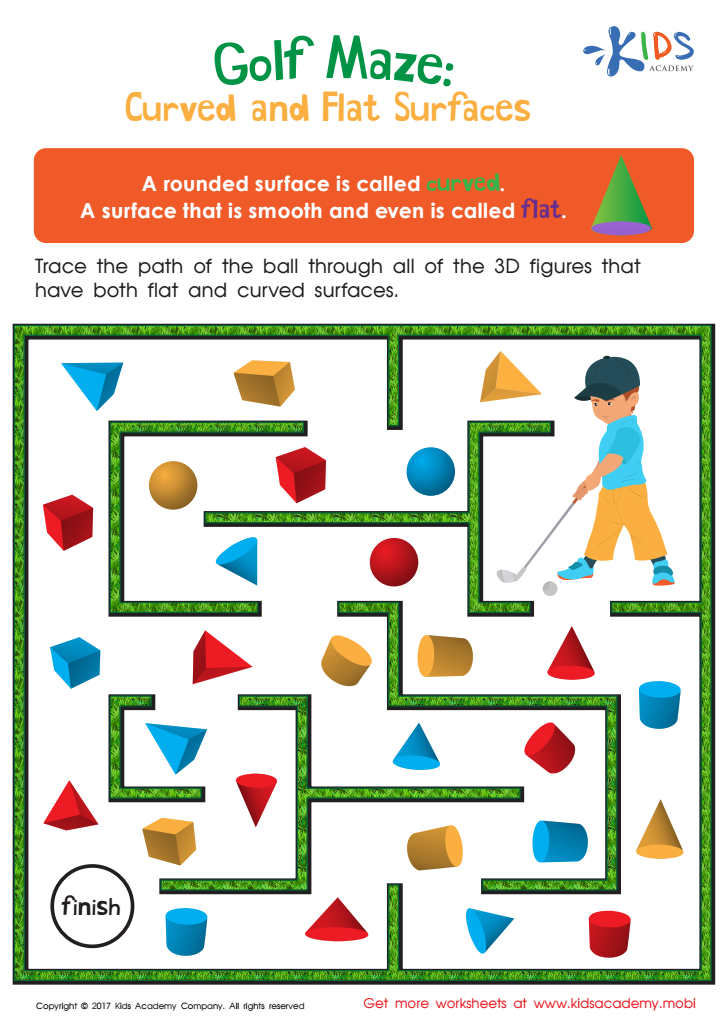
Golf Maze: Curved and Flat Surfaces Worksheet
Give your child a fun and educational challenge with this geometry maze! Your child will navigate 3D shapes to find objects with flat and curved surfaces, while learning important math concepts.
Golf Maze: Curved and Flat Surfaces Worksheet
Worksheet
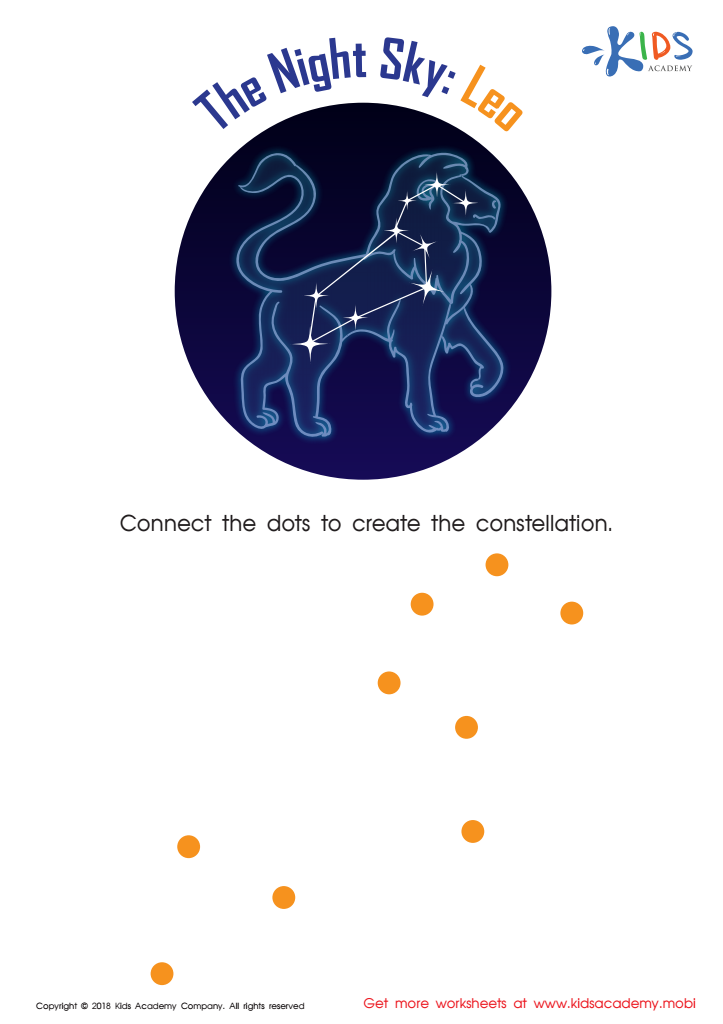
The Night Sky: Leo Worksheet
Let your kids explore the wonders of the stars with this fun worksheet! They'll connect the dots to create the constellation Leo. Night gazing instruments, a telescope or this printout can help your kids learn about constellations and horoscopes. Download the worksheet and let the star watching begin!
The Night Sky: Leo Worksheet
Worksheet
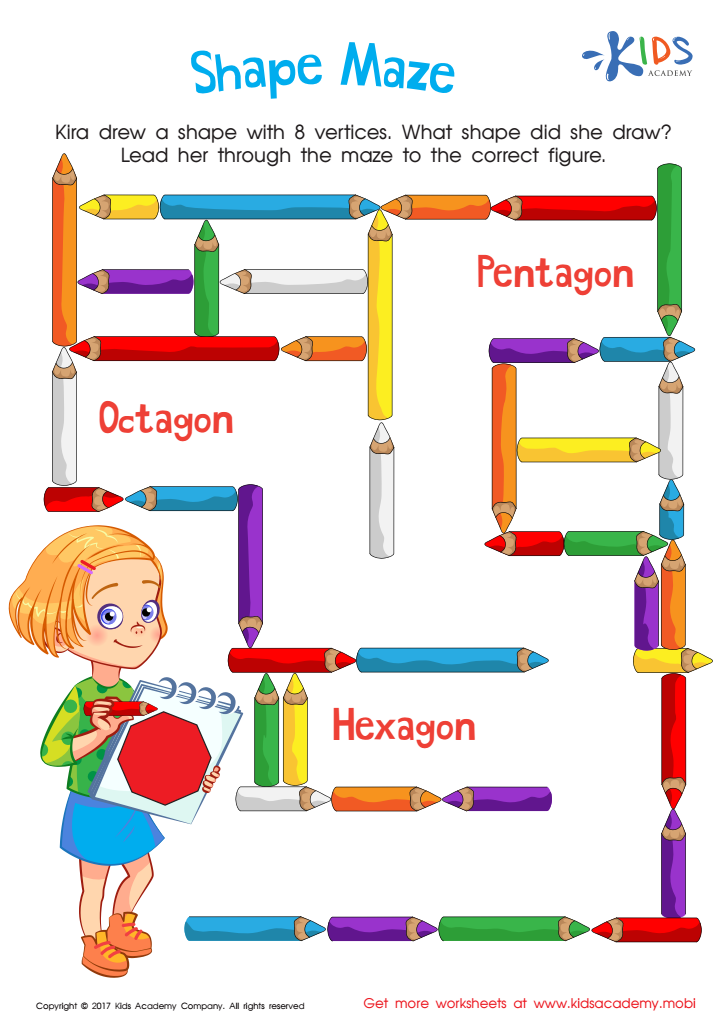
Shape Maze Worksheet
Test your child's geometry knowledge with this fun printable maze! They'll need to identify shapes with 8 vertices to find their way through the maze and get the correct answer.
Shape Maze Worksheet
Worksheet
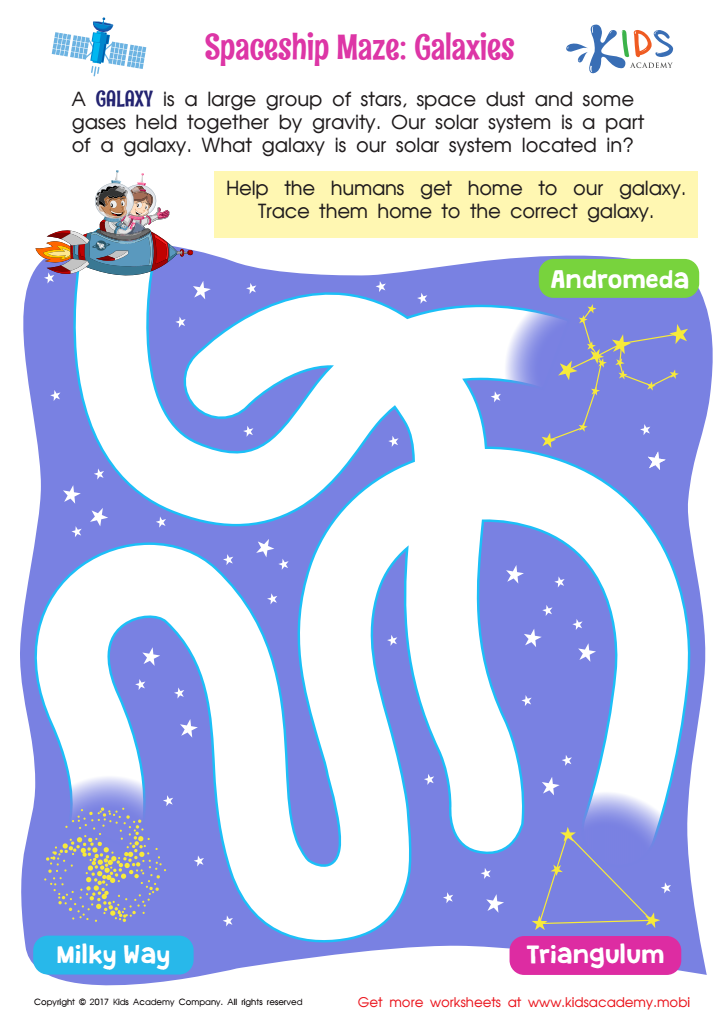
Spaceship Maze: Galaxies Worksheet
Guide lost humans home with this fun space maze: Galaxies! Once the journey is complete, kids can discover the name of our galaxy: the Milky Way! An exciting way to teach kids about space and help humans find their way back home.
Spaceship Maze: Galaxies Worksheet
Worksheet
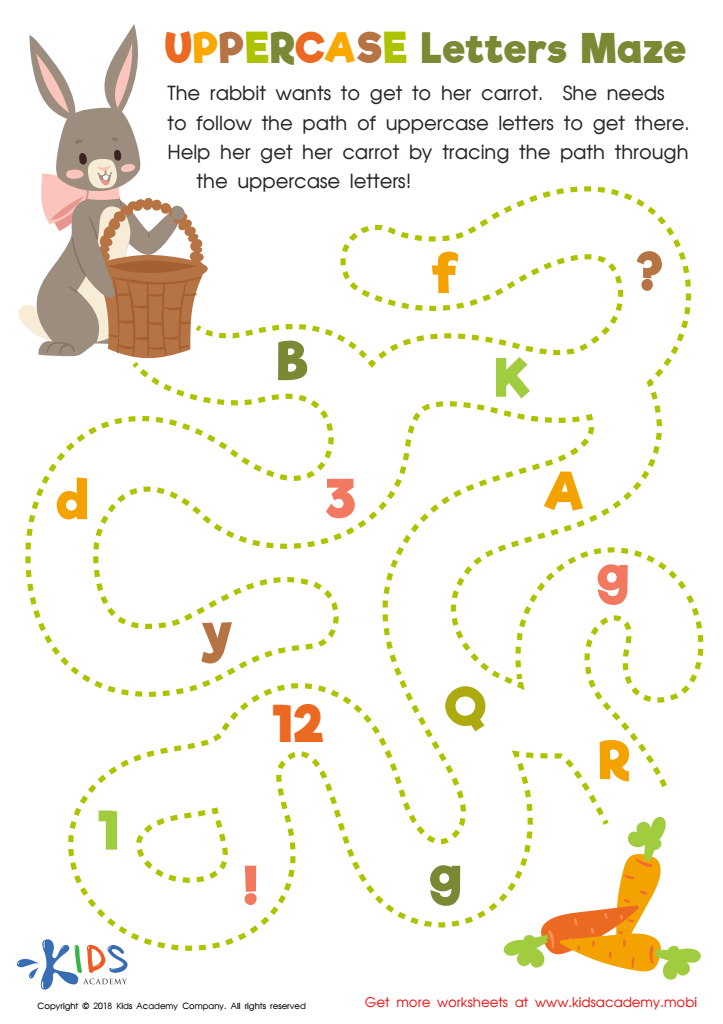
Uppercase Letters Maze Worksheet
Kids can have fun helping a rabbit find her carrot by picking the path with uppercase letters. This worksheet teaches letter differentiation while building confidence. Kids will have a great time while getting an essential skill!
Uppercase Letters Maze Worksheet
Worksheet
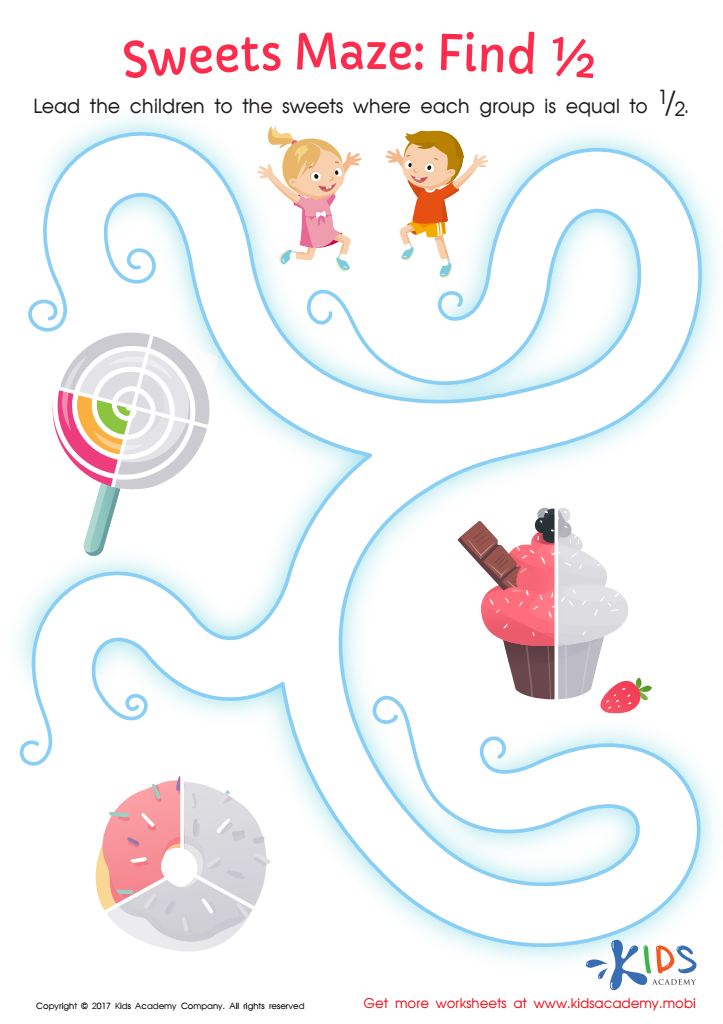
Fractions: Sweets Maze Worksheet
Kids will enjoy mastering parts of a whole with this tantalizing maze featuring tasty treats. Visuals help them understand fractions and the fun theme will motivate them to learn! Get started now to help your child find and identify ½!
Fractions: Sweets Maze Worksheet
Worksheet
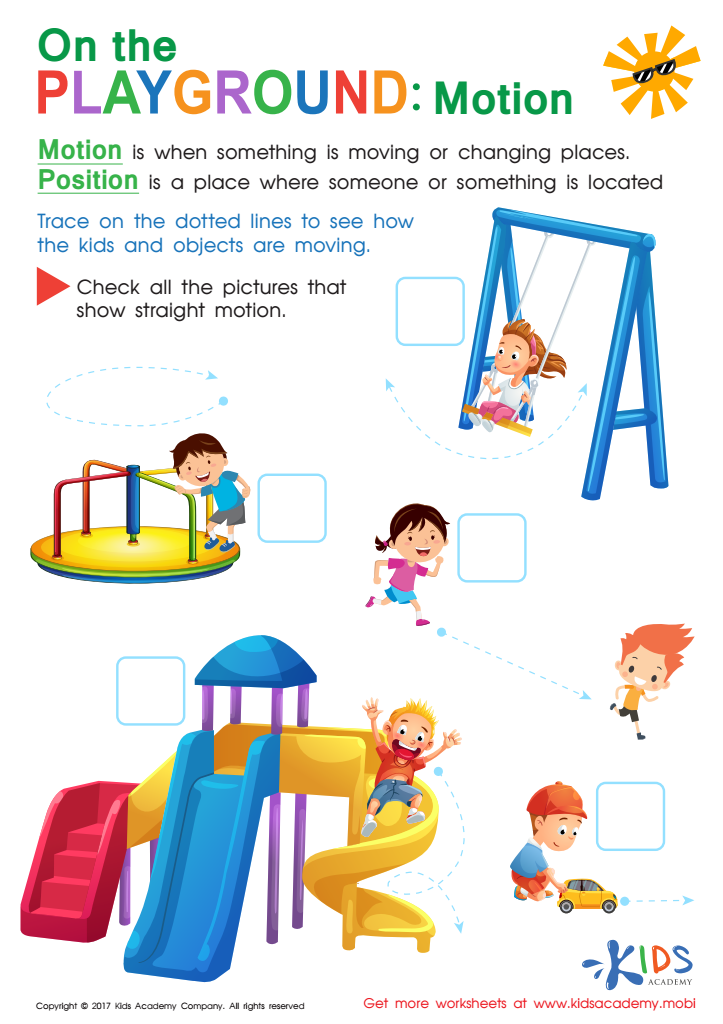
Position and Motion Worksheet
Take a trip to the park and explore motion and position with fun worksheets!
Take your child's science knowledge to a whole new level with Kids Academy's grade 2 position and motion worksheets! Explore motion and position with fun worksheets while taking a trip to the park. Strengthen their understanding of physics and how people and objects move through space.
Position and Motion Worksheet
Worksheet
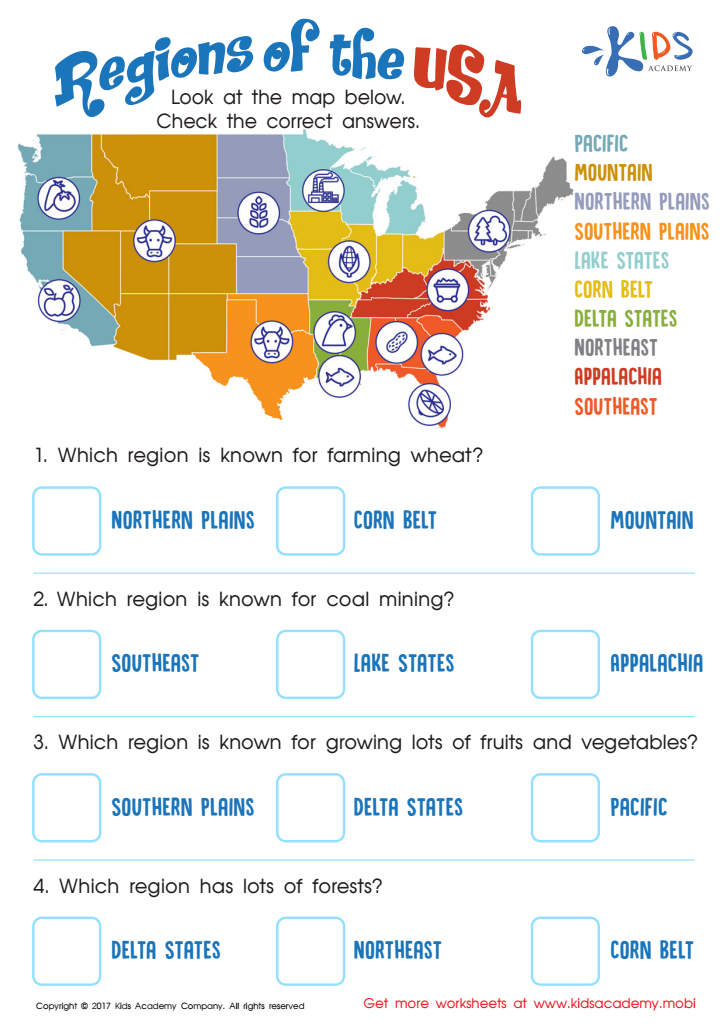
Regions of the USA Worksheet
Help your child explore the US with this regions of the United States worksheet! They'll learn about the diverse cultures, climates and purposes of each region. Make geography and US history fun with this educational exercise!
Regions of the USA Worksheet
Worksheet
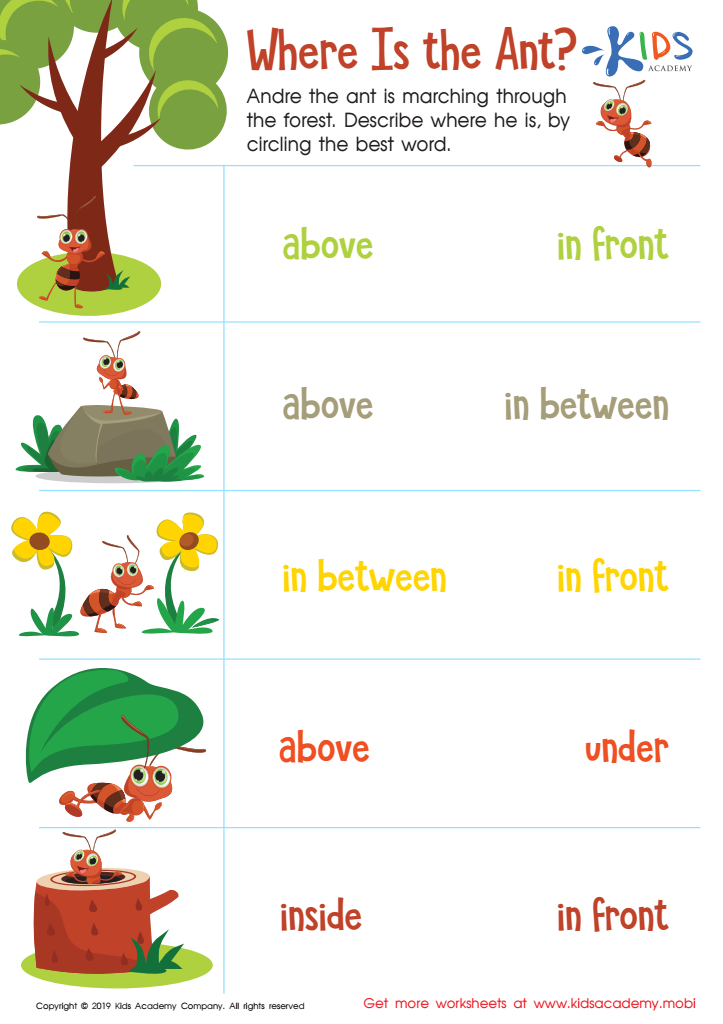
Where Is the Ant? Worksheet
Kids are captivated by ants. Andre is a busy ant, marching through the forest. Help your child circle the best word that best describes what he's doing in each picture. This colorful printout will show them the way.
Where Is the Ant? Worksheet
Worksheet
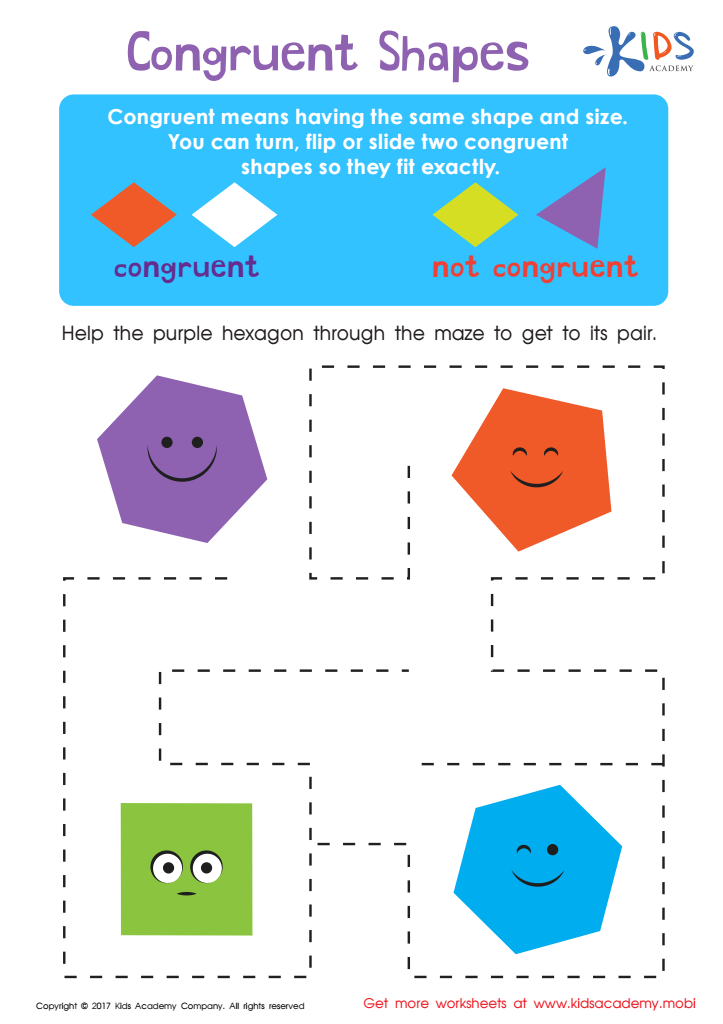
Congruent Shapes Worksheet
Help your child find the twin of the purple hexagon! This congruent shapes worksheet is great for increasing vocabulary while challenging mental rotation skills.
Congruent Shapes Worksheet
Worksheet
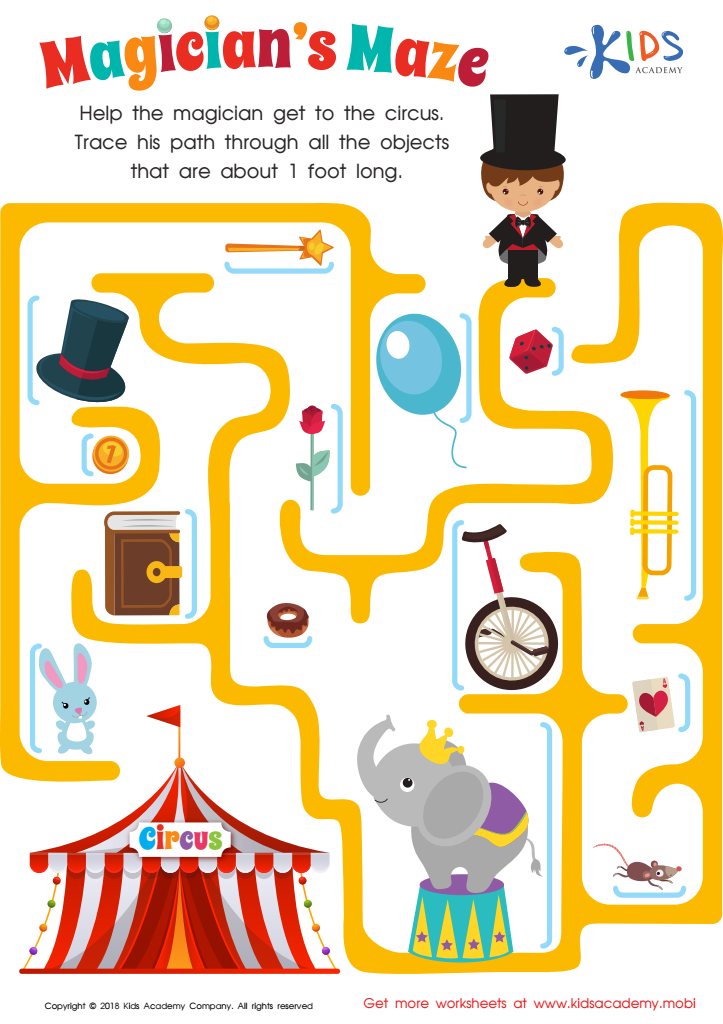
Estimating Length: Magician's Maze Worksheet
Does your kid want to practice magic and have a blast? This exercise will be a great way to help them do so! In the worksheet, they'll need to guide the magician to the circus. How? By tracing his path through the 1-foot long obstacles in the maze. Once they help him get through the objects, the circus will be just a few steps away!
Estimating Length: Magician's Maze Worksheet
Worksheet
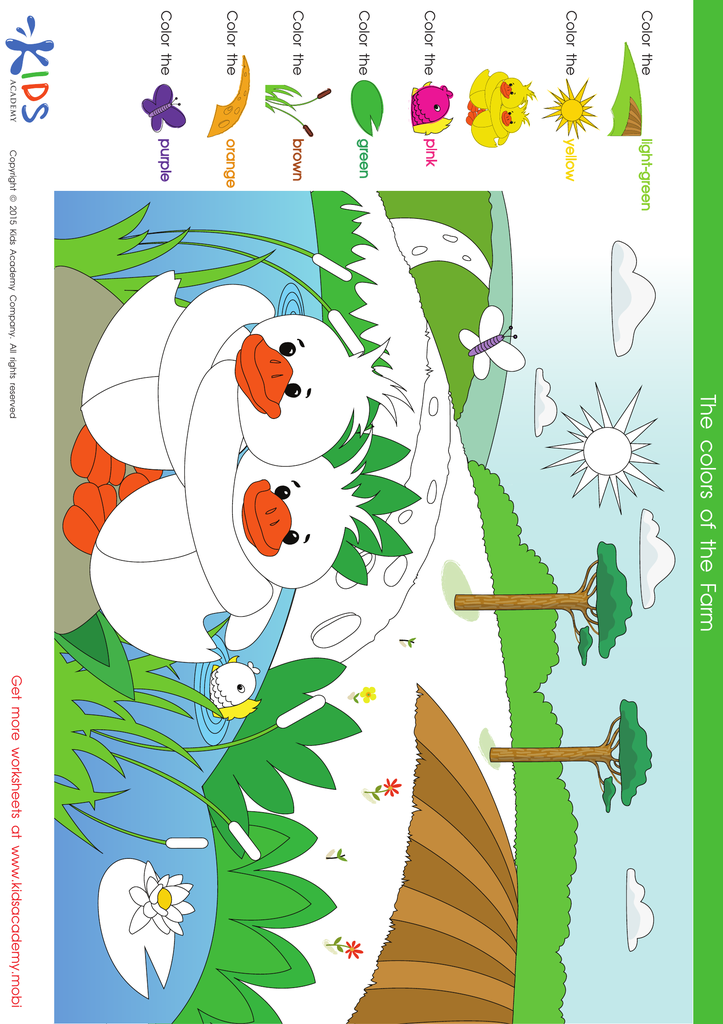
Color the Ducklings near the Pond Coloring Pages
Coloring pages are a great way to entertain kids and help them learn. Get our collection of worksheets at Kids Academy. Help them explore their imagination with bright colors and tips. Kids will have fun and improve their motor skills. Get more materials at Kids Academy!
Color the Ducklings near the Pond Coloring Pages
Worksheet
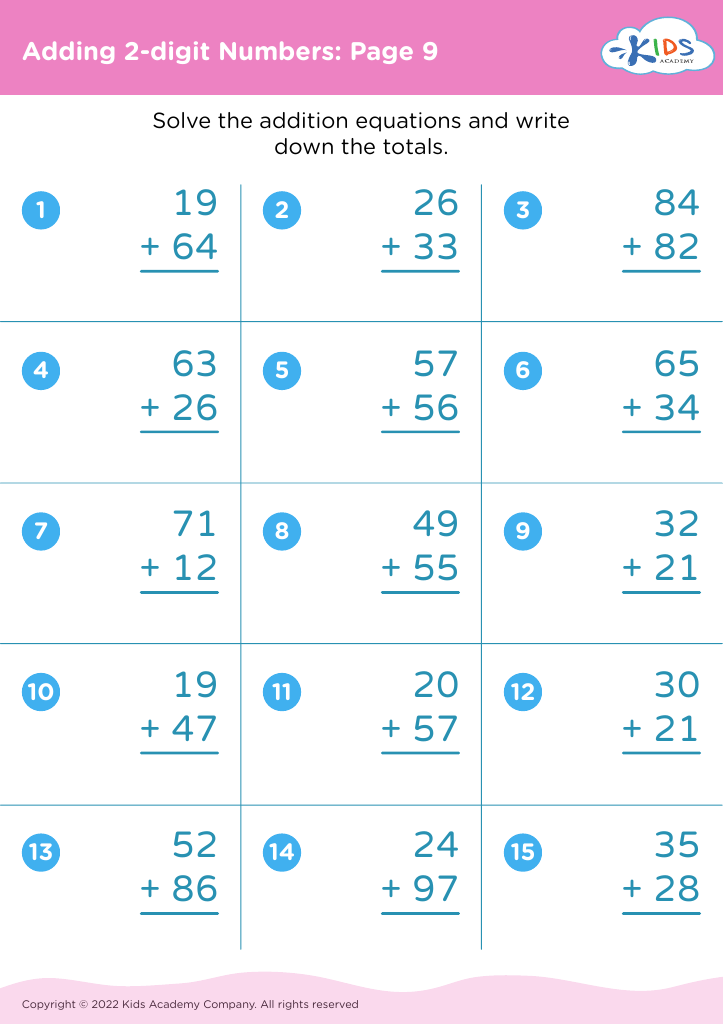
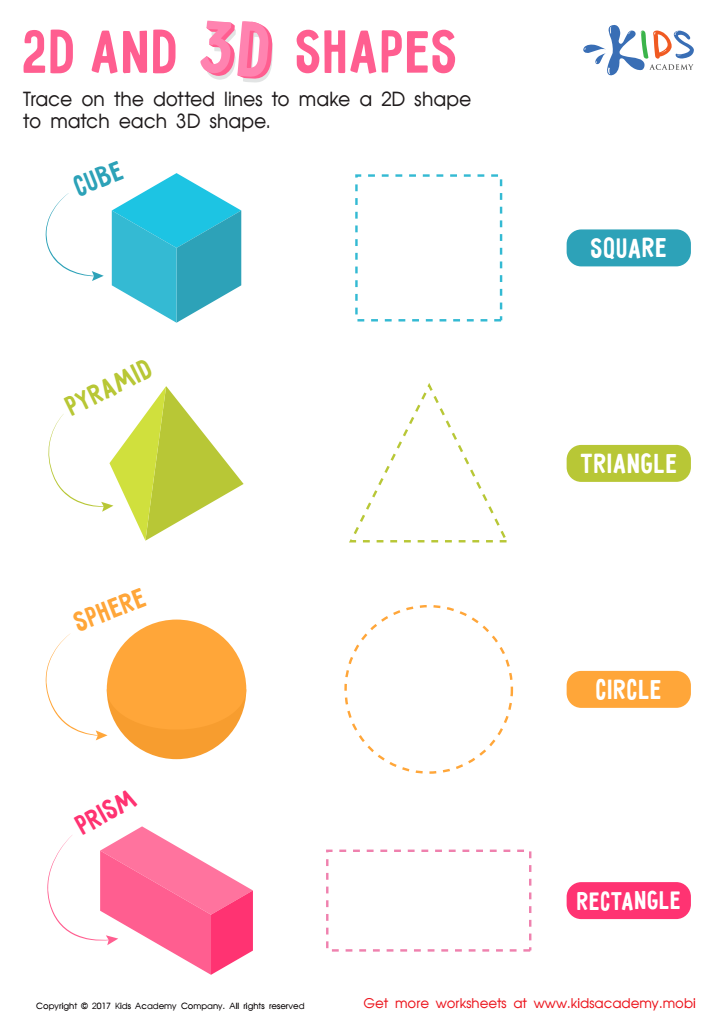
2D and 3D Shapes Worksheet
Introduce your child to 3D and 2D with this traceable worksheet. With dotted lines, help them trace and make a 2D shape for each 3D shape: square, triangle, rectangle, and circle. Show them there's more than one way to draw! You may have taken them to a 3D movie, or they've seen some fantastic 3D art. Now they can wonder no more.
2D and 3D Shapes Worksheet
Worksheet
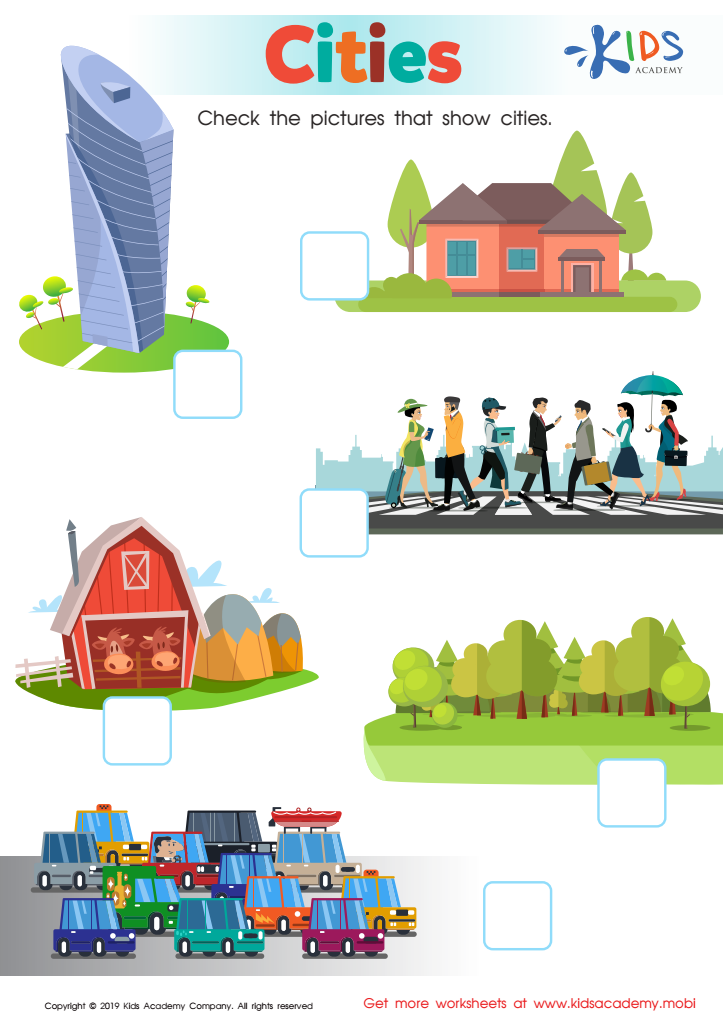
Cities Worksheet
This social studies PDF introduces kids to the differences between cities and towns. Colorful imagery helps them to distinguish between the two; for example, cities have traffic, business people and skyscrapers, while suburbs and rural areas do not. This allows children to have a reference point for what makes cities unique.
Cities Worksheet
Worksheet
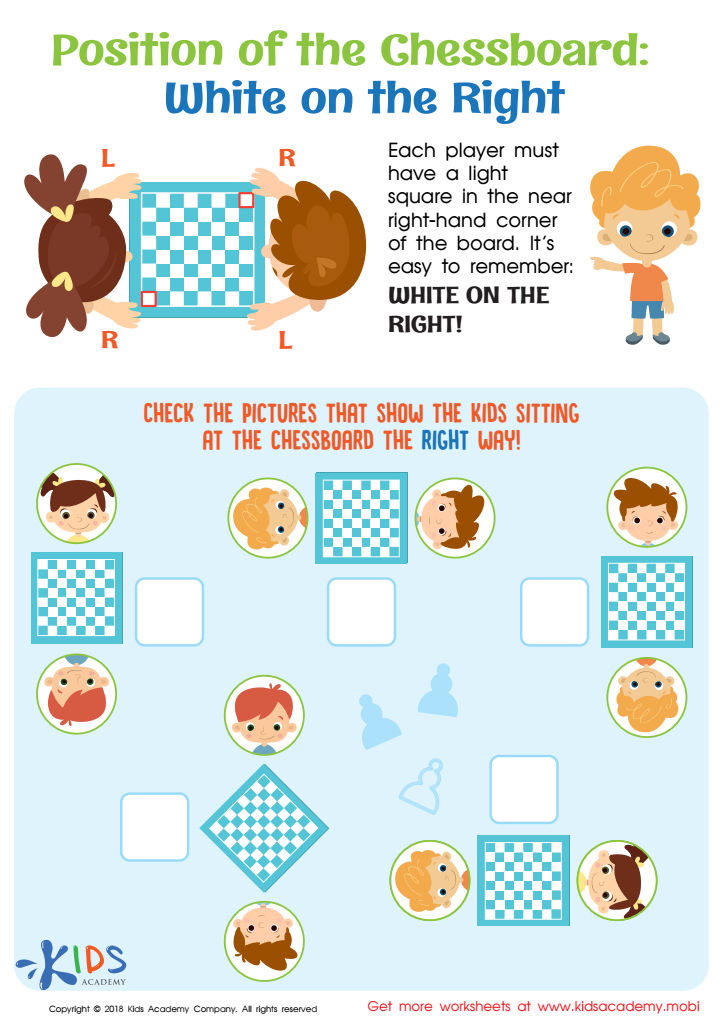
Position of the Chessboard: White on the Right Worksheet
Proper positioning of the chessboard and players is key. Before the game, make sure the white square is in the right-hand corner. A simple rhyme can help: "White on the right". Check pictures of kids at the chessboard to ensure correct positioning.
Position of the Chessboard: White on the Right Worksheet
Worksheet
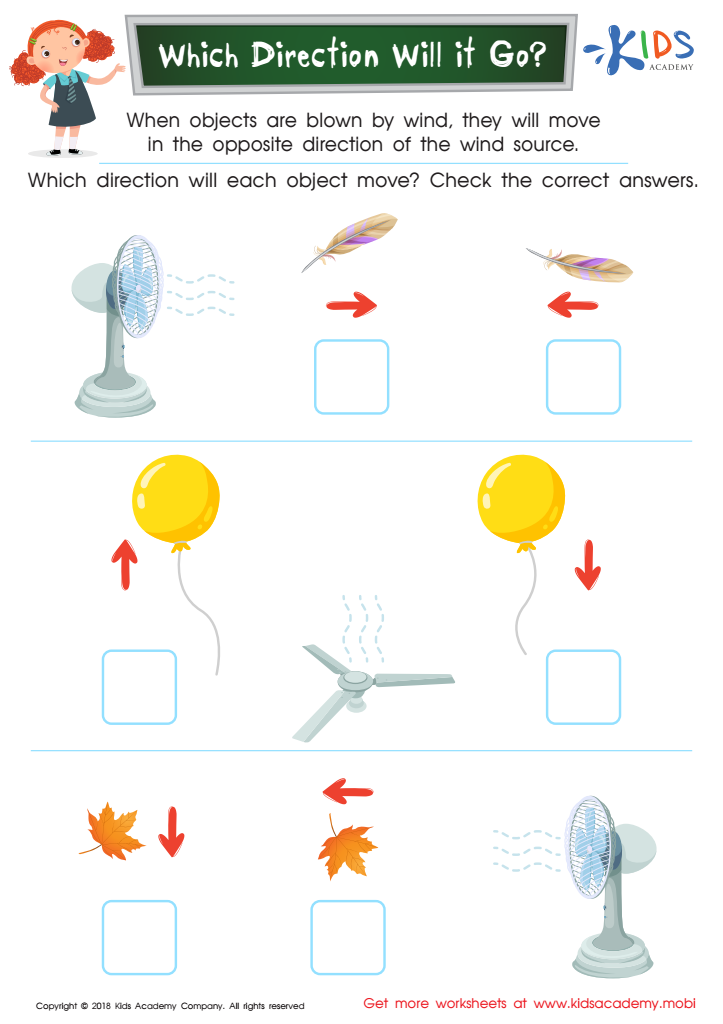
Which Direction Will it Go? Worksheet
Explain to your students: when objects are blown by wind, they will move in the opposite direction. In the worksheet, there are pictures of wind sources and objects being blown by the wind. Ask your child to identify and check the direction each object will move.
Which Direction Will it Go? Worksheet
Worksheet
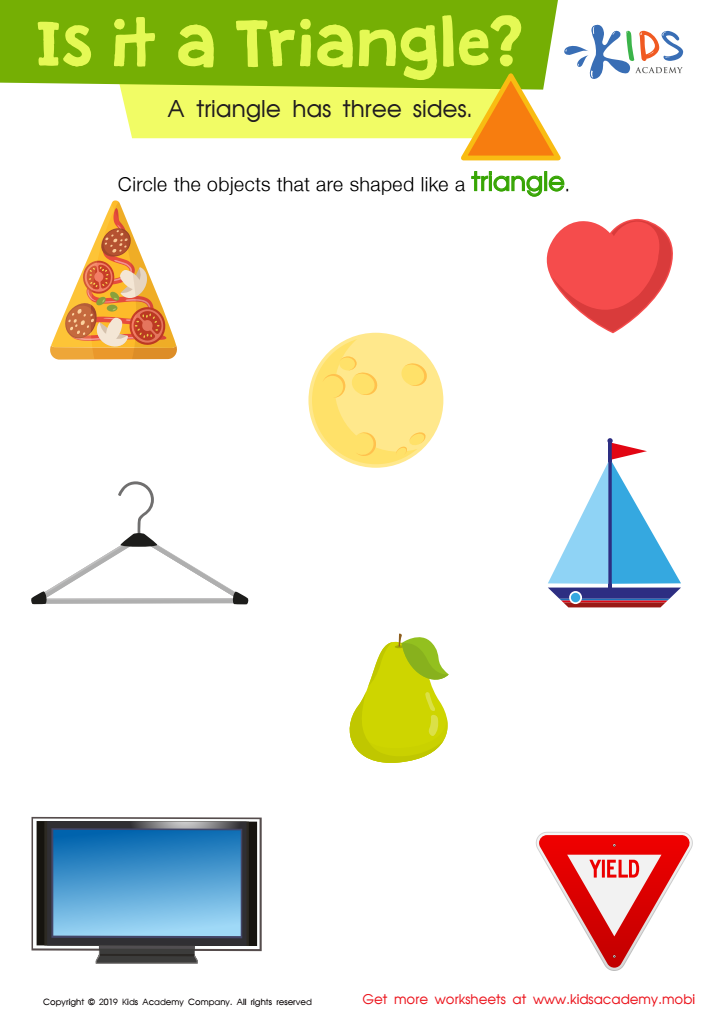
Is It a Triangle? Worksheet
Young kids need to learn to identify basic shapes for math. Show them what a triangle looks like with this fun worksheet. They can look around their environment for everyday objects shaped like a triangle and circle them on the sheet. Download now and start learning what a triangle is!
Is It a Triangle? Worksheet
Worksheet
Join Kids Academy for Free
Who is primarily going to use this learning content?






Spatial awareness is a crucial skill for children aged 6-7, and both parents and teachers should prioritize its development. At this age, children are beginning to navigate the world around them, and strong spatial skills lay the foundation for various core competencies.
First, spatial awareness enhances problem-solving abilities. Children who can visualize how objects relate to one another are better equipped to tackle puzzles and engage in activities such as math and science. This skill also feeds into logical thinking, enabling them to understand concepts like measurement and geometry more easily.
Moreover, good spatial awareness supports physical development. Children often learn through guided play, and activities such as building blocks, puzzles, and outdoor games help refine their gross and fine motor skills. These activities not only promote cognitive development but also foster social skills as kids work collaboratively.
Lastly, spatial awareness contributes to academic success across subjects. As children progress in school, the ability to think spatially becomes increasingly important in areas like reading maps, interpreting graphs, or understanding directions.
In summary, fostering spatial awareness in young children nurtures essential skills, boosting their academic performance and overall cognitive growth, making it a key focus for both parents and educators.








