Subtraction practice Math Worksheets for Ages 6-7 - Page 2
85 filtered results
-
From - To
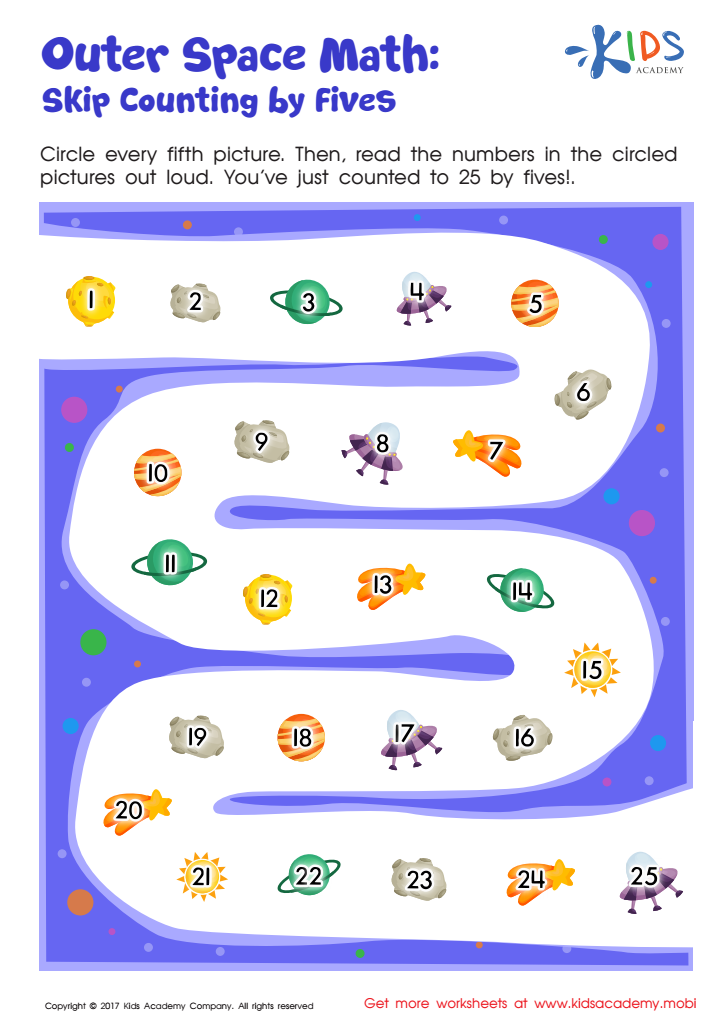
Skip Counting by 5s: Outer Space Math Printable
 Assign to My Students
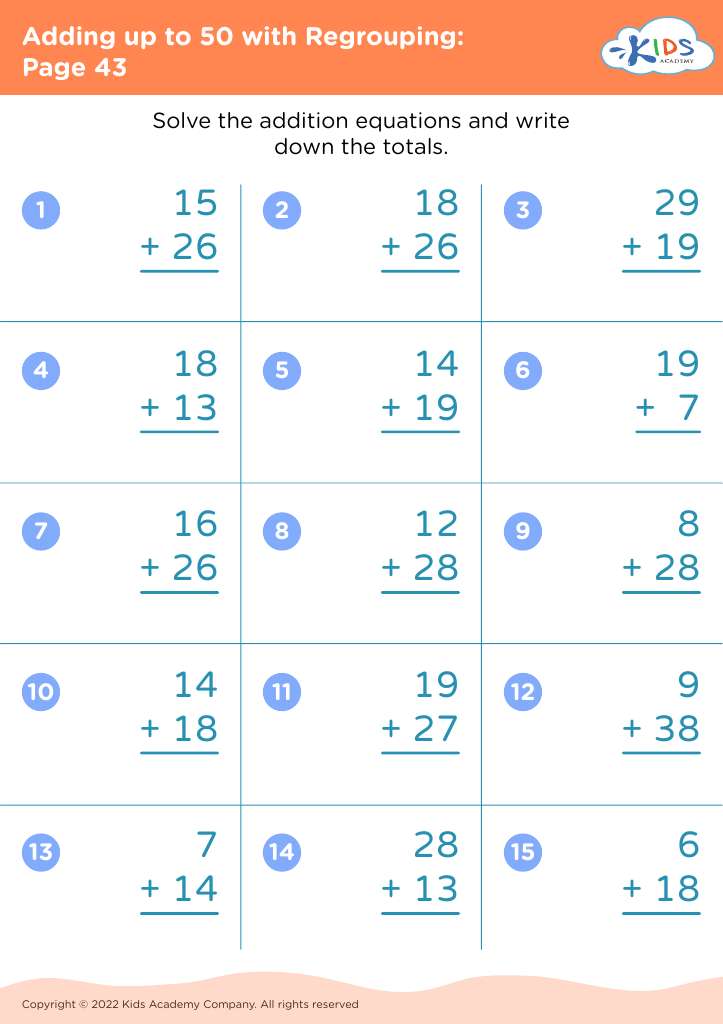
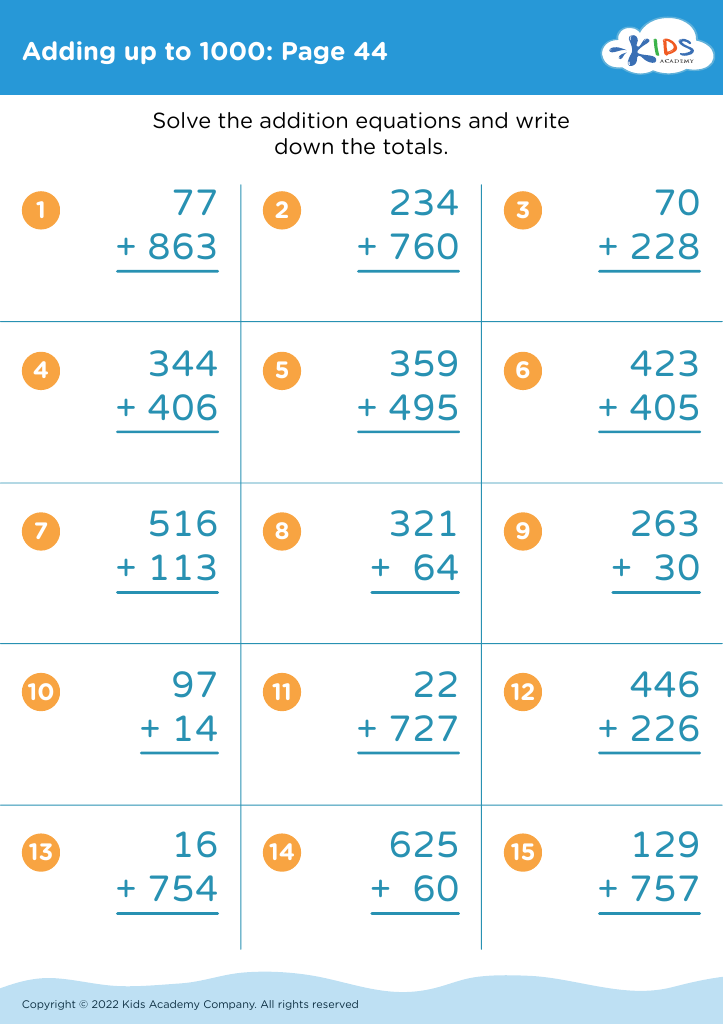
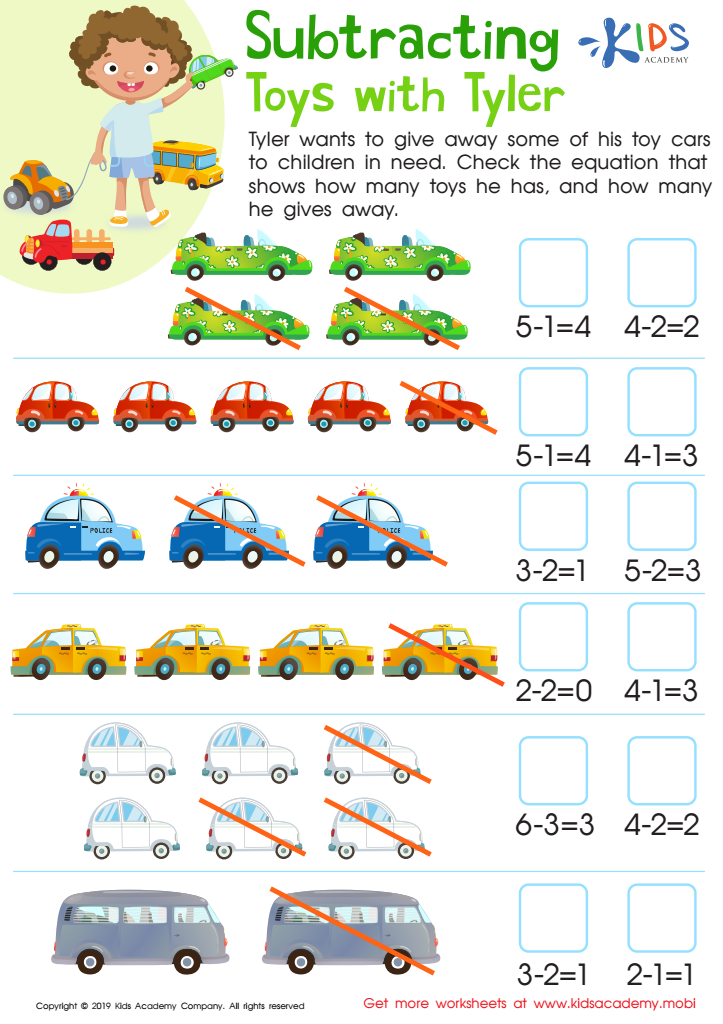
Subtracting Toys with Tyler Worksheet
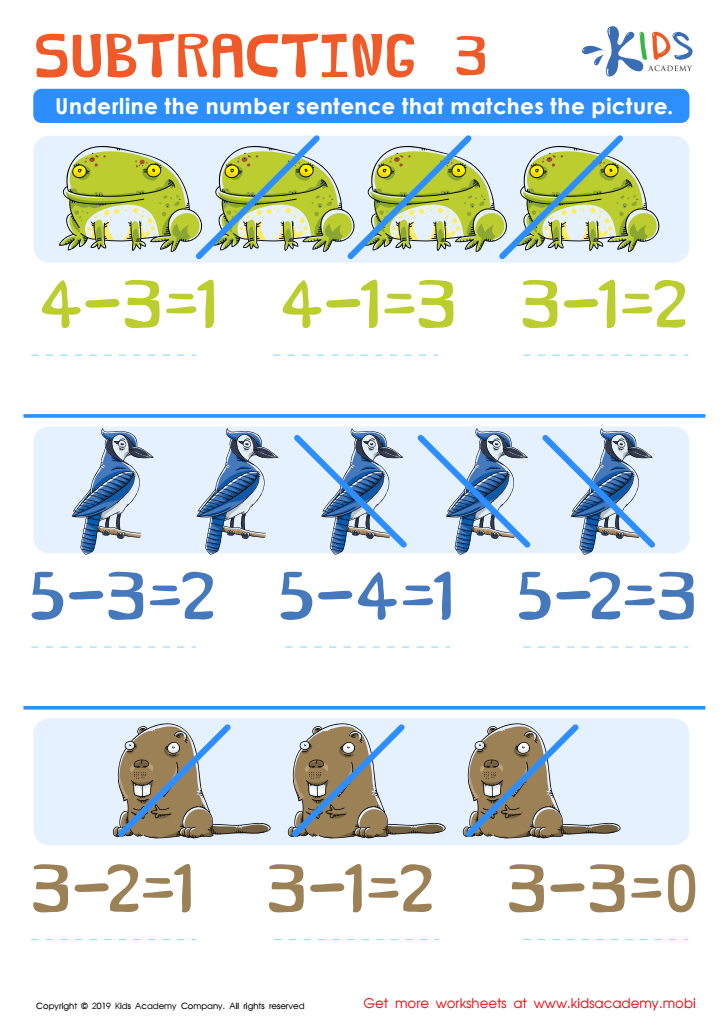
Subtracting 3 Worksheet
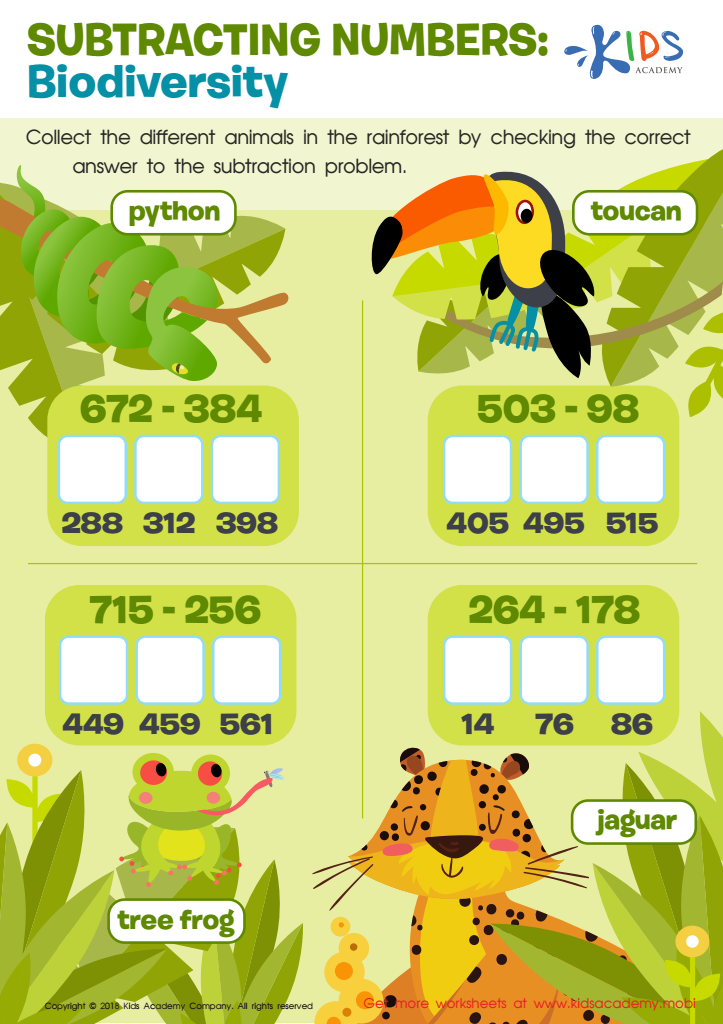
Subtracting Numbers: Biodiversity Worksheet
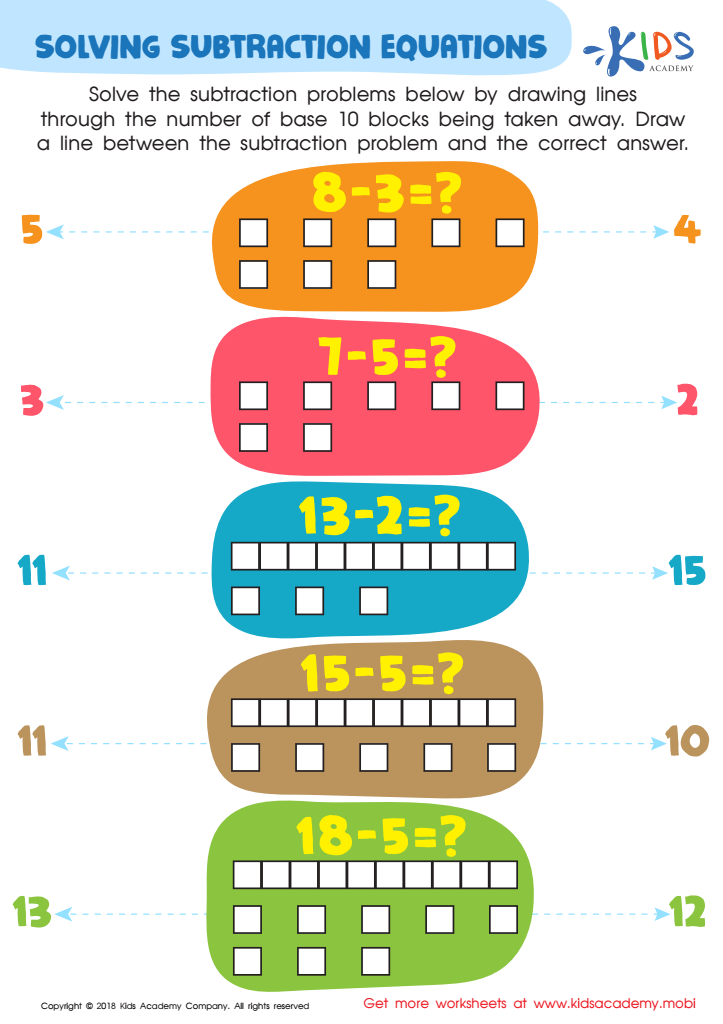
Solving Subtraction Equations Worksheet
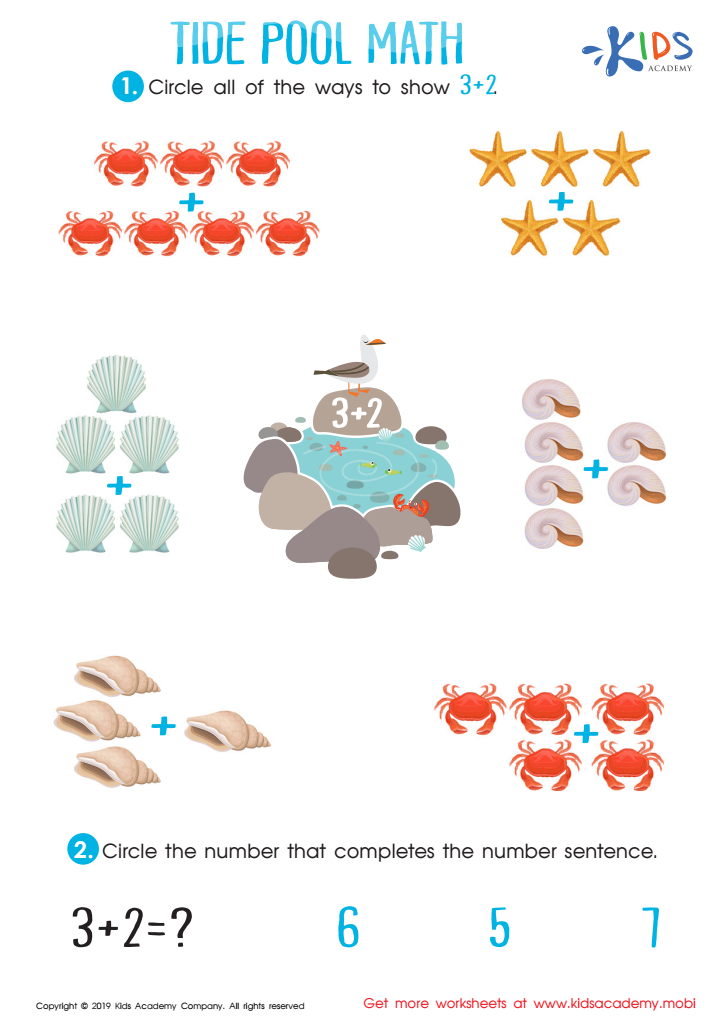
Tide Pool Math Worksheet
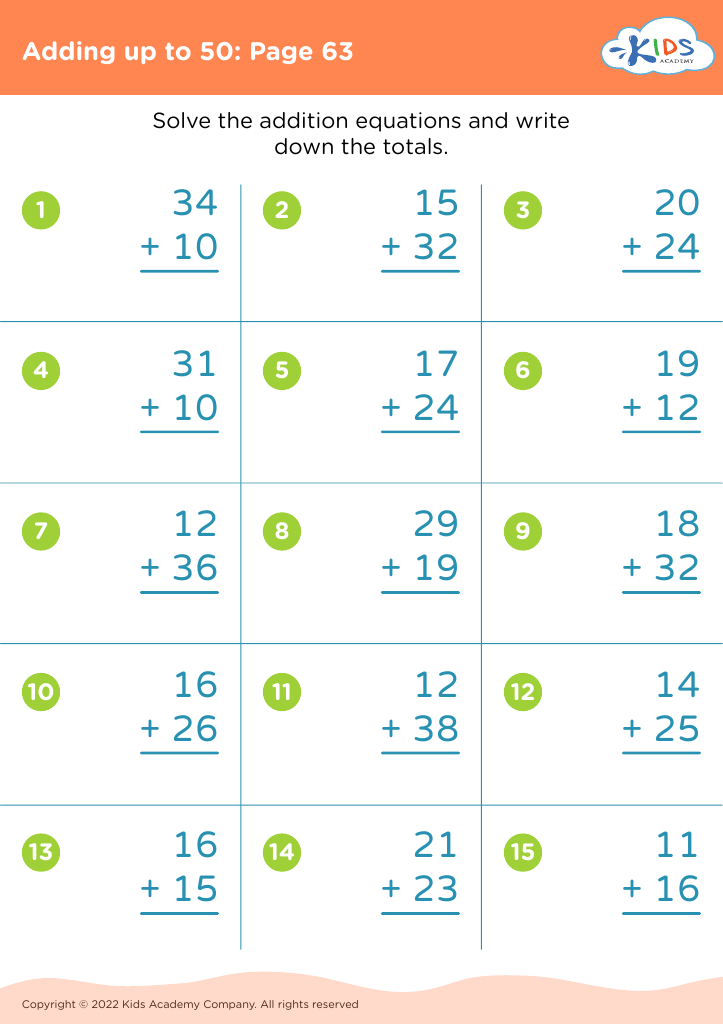
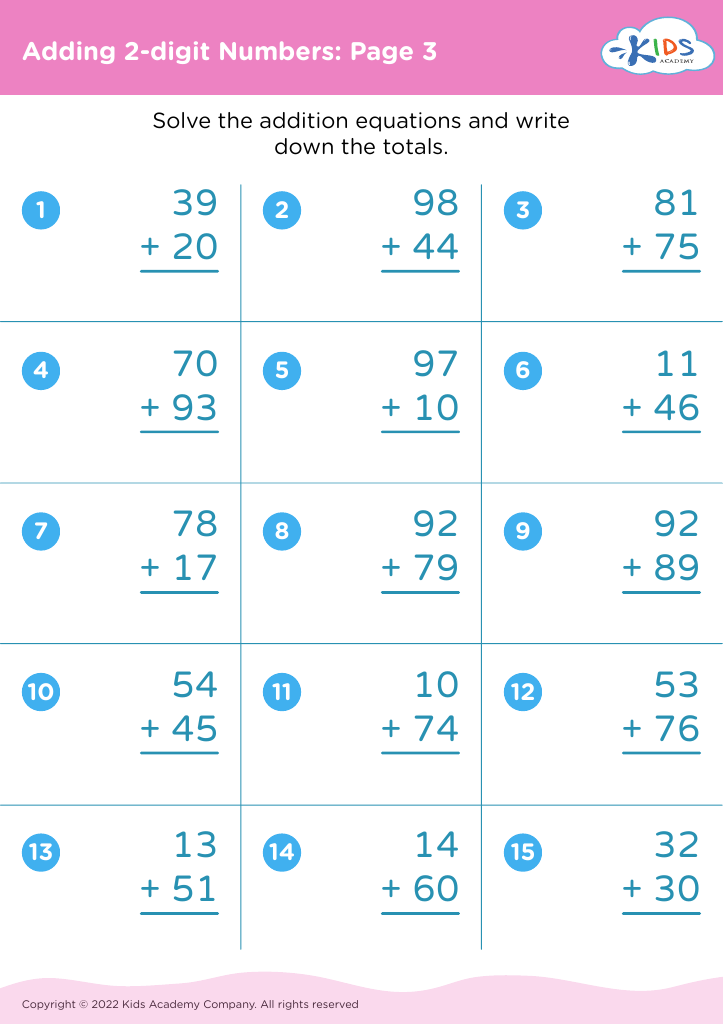
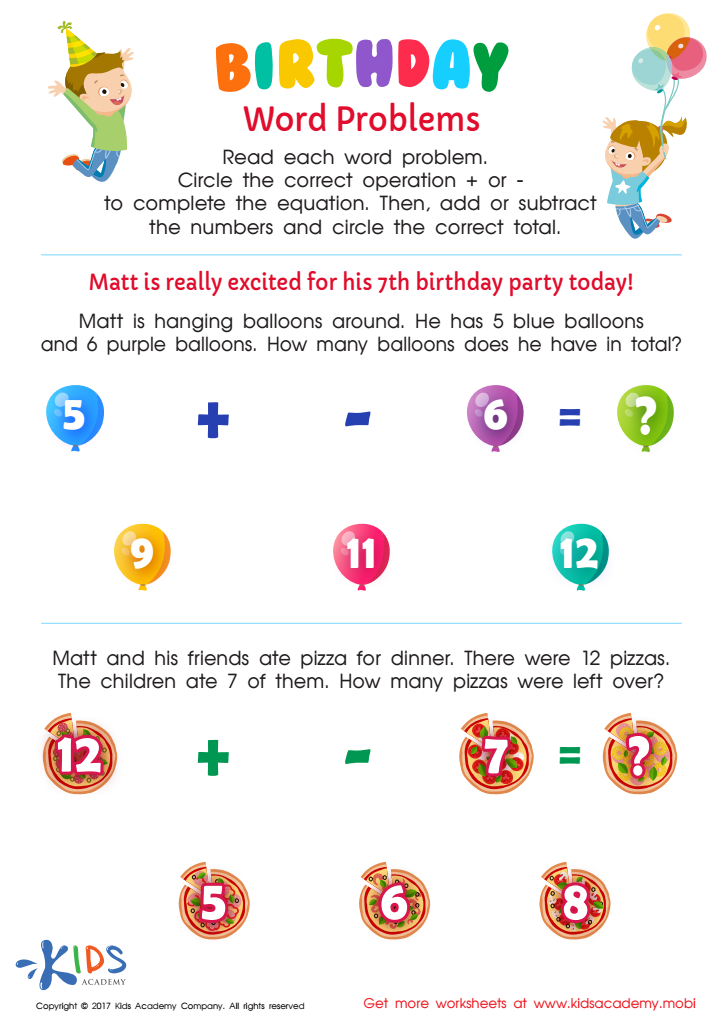
Birthday Word Problems Substraction Worksheet
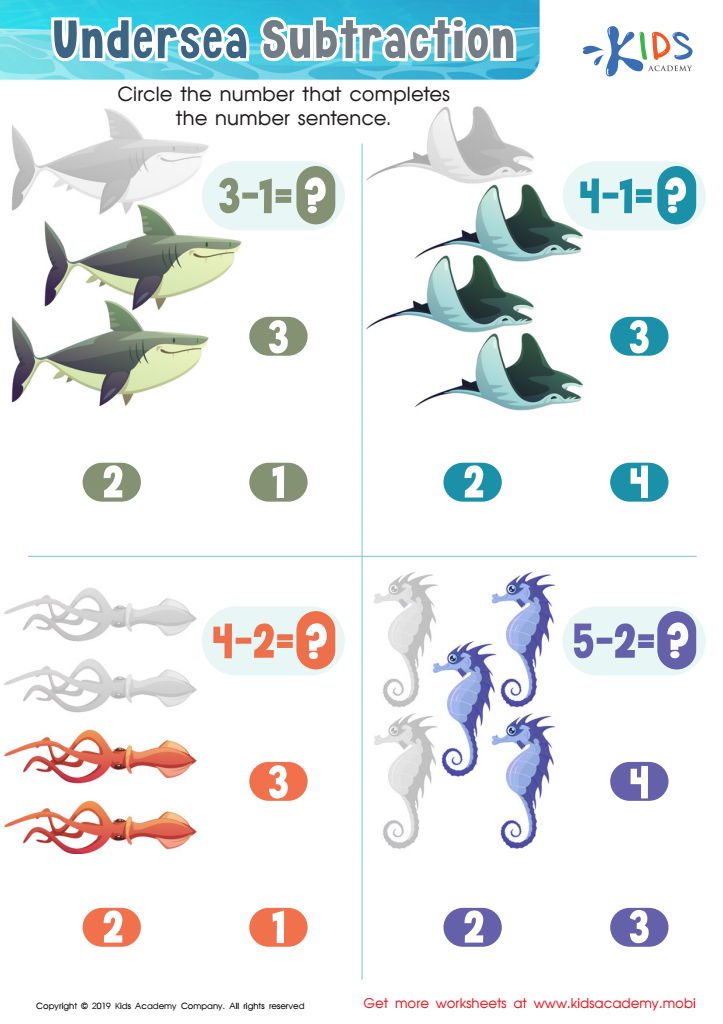
Undersea Subtraction Worksheet
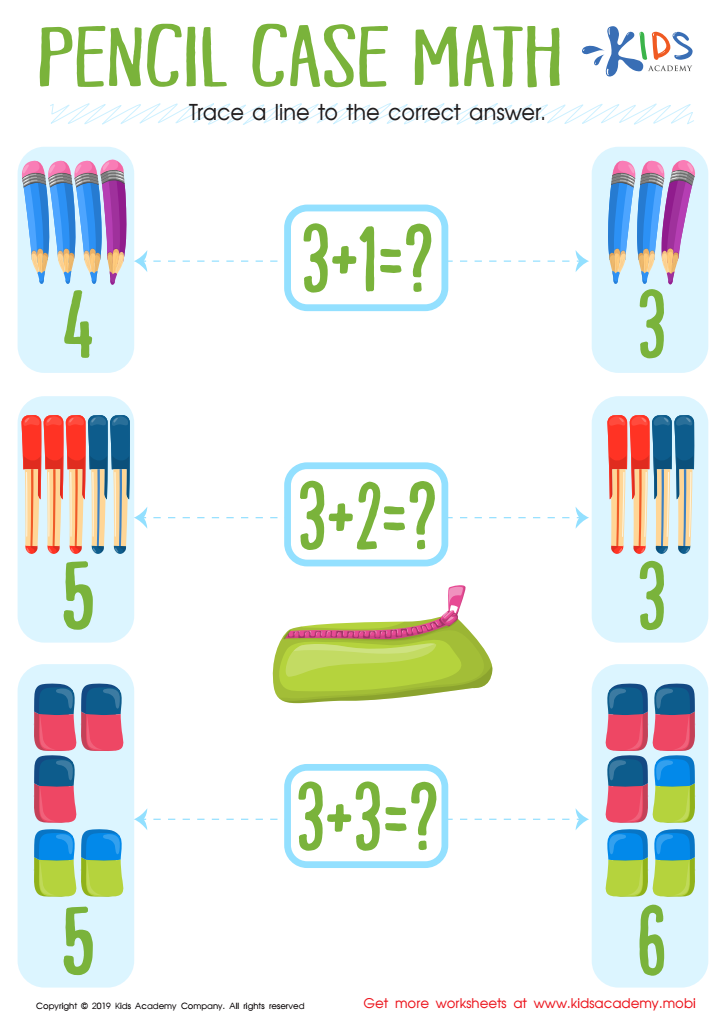
Pencil Case Math Worksheet
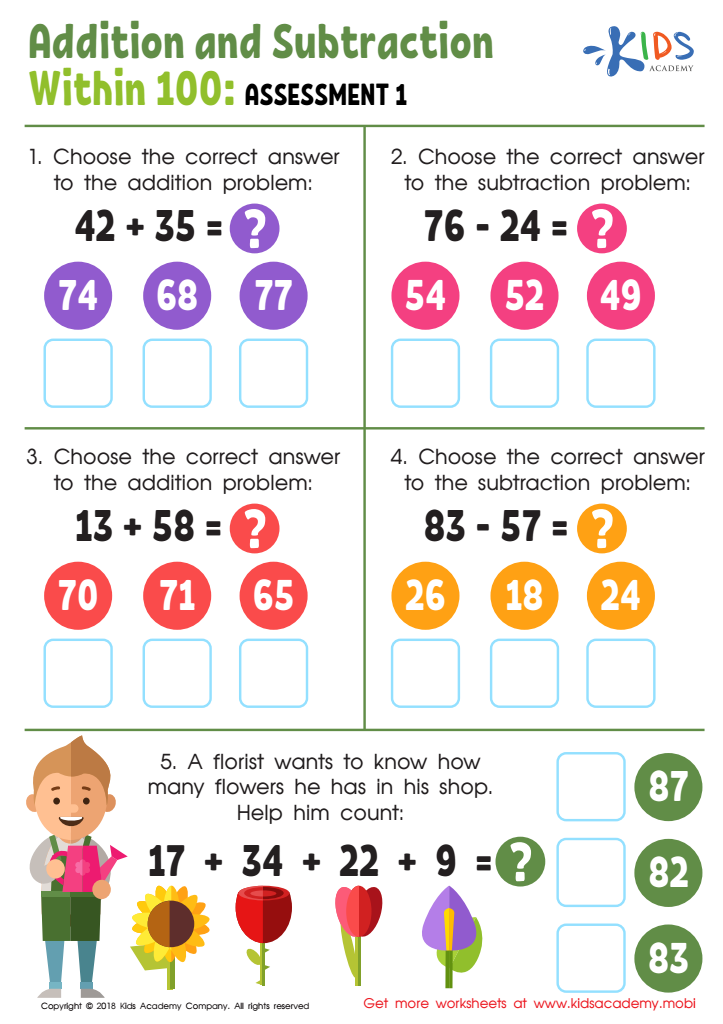
Addition and Subtraction Within 100 Worksheet
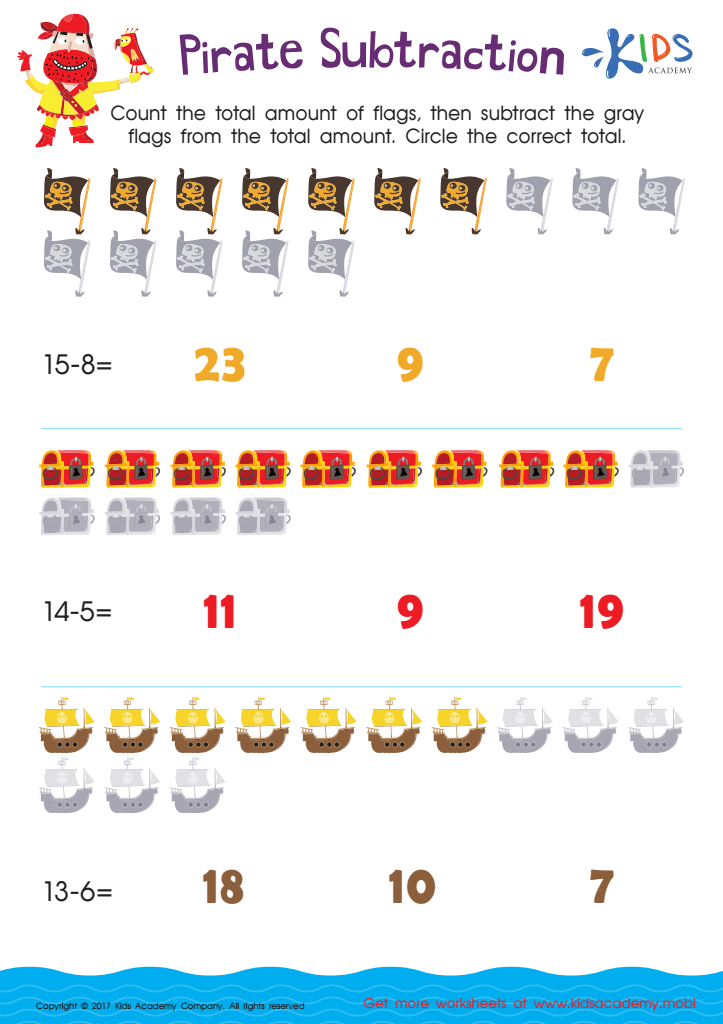
Pirate Subtraction Substraction Worksheet
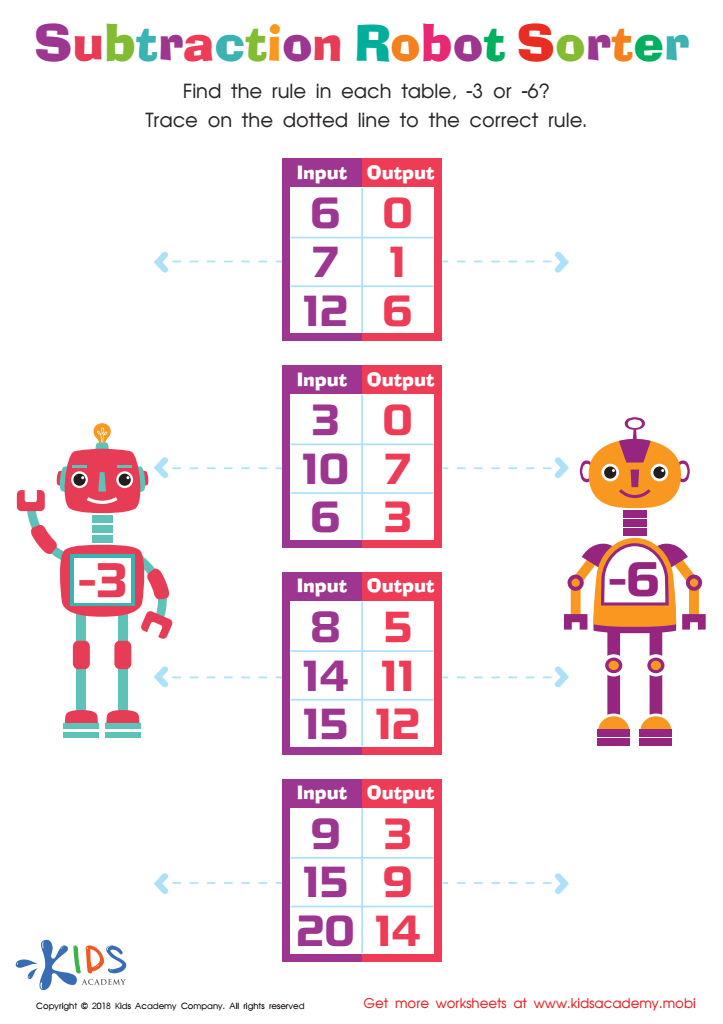
Subtraction Robot Sorter Worksheet
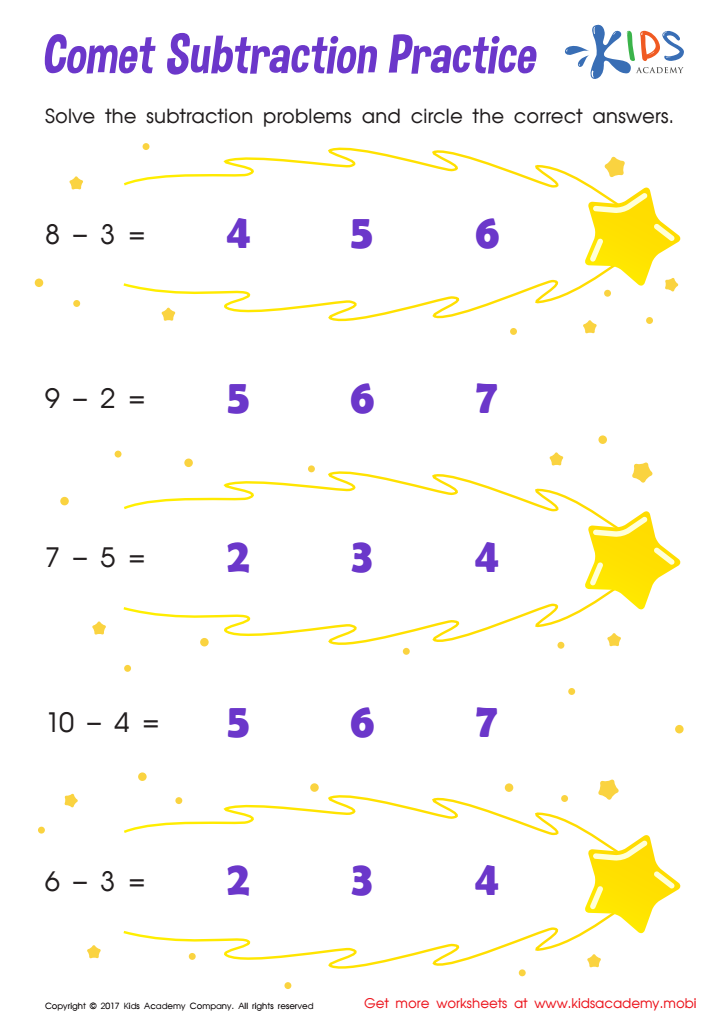
Comet Subtraction Practice Substraction Worksheet
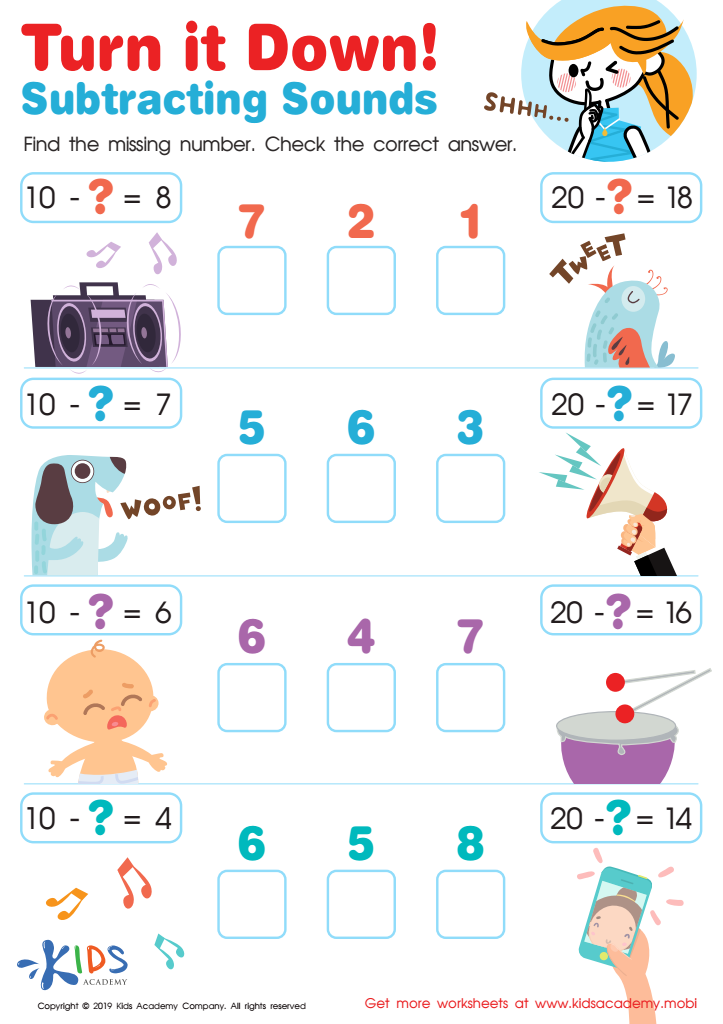
Turn It down! Subtracting Sounds Worksheet
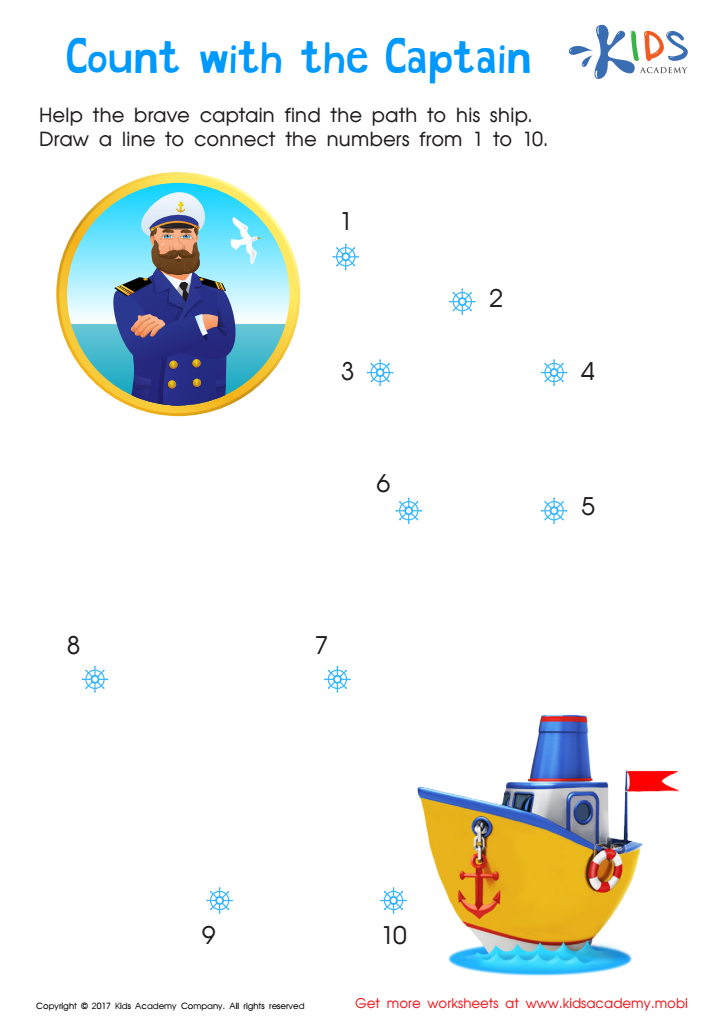
Count with the Captain Connect Dots Worksheet
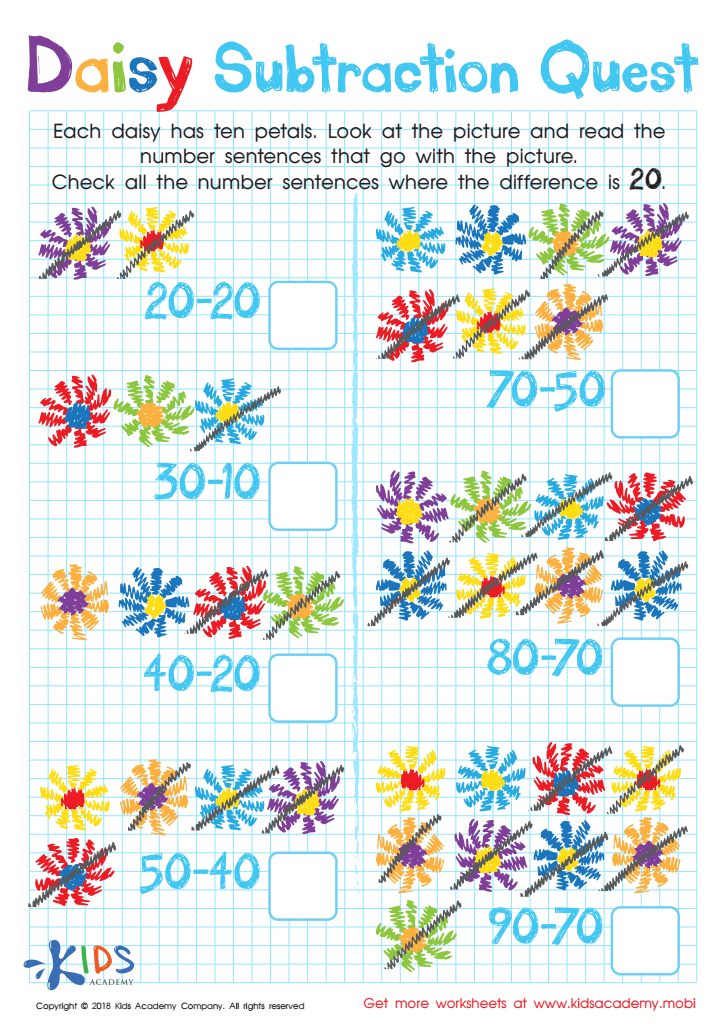
Daisy Subtraction Quest Worksheet
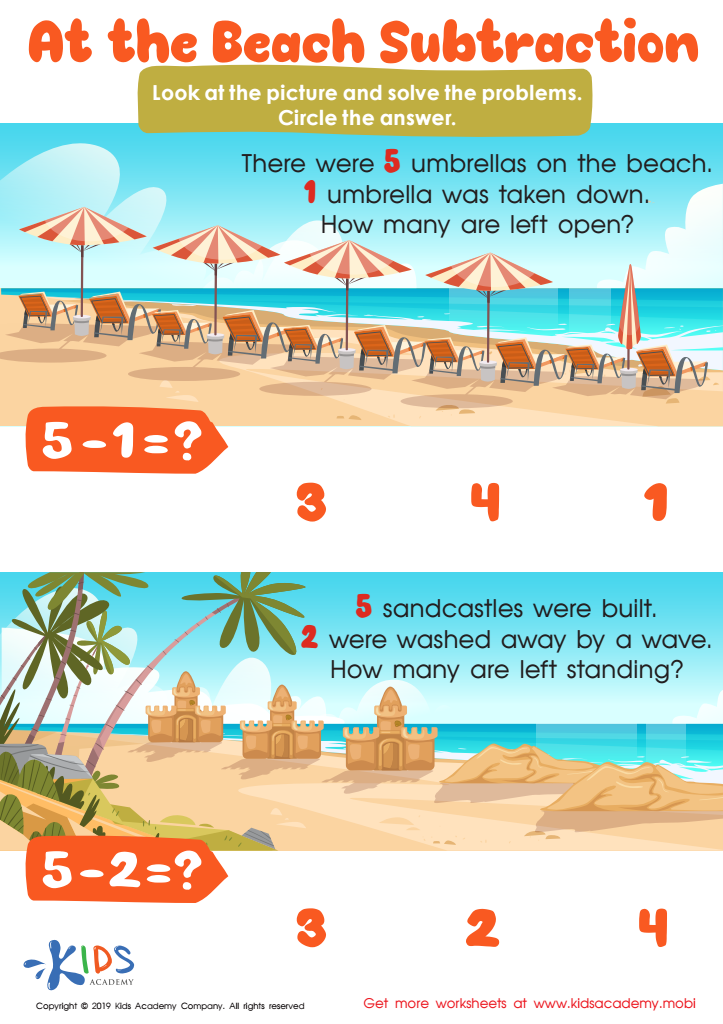
At the Beach Subtraction Worksheet
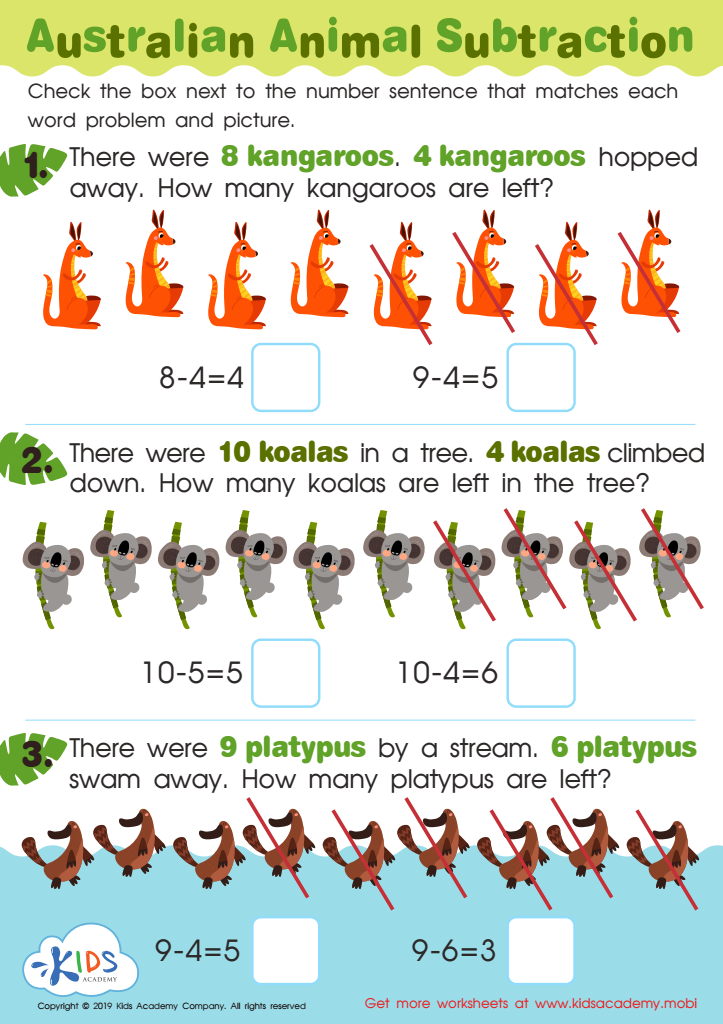
Australian Animal Subtraction Worksheet
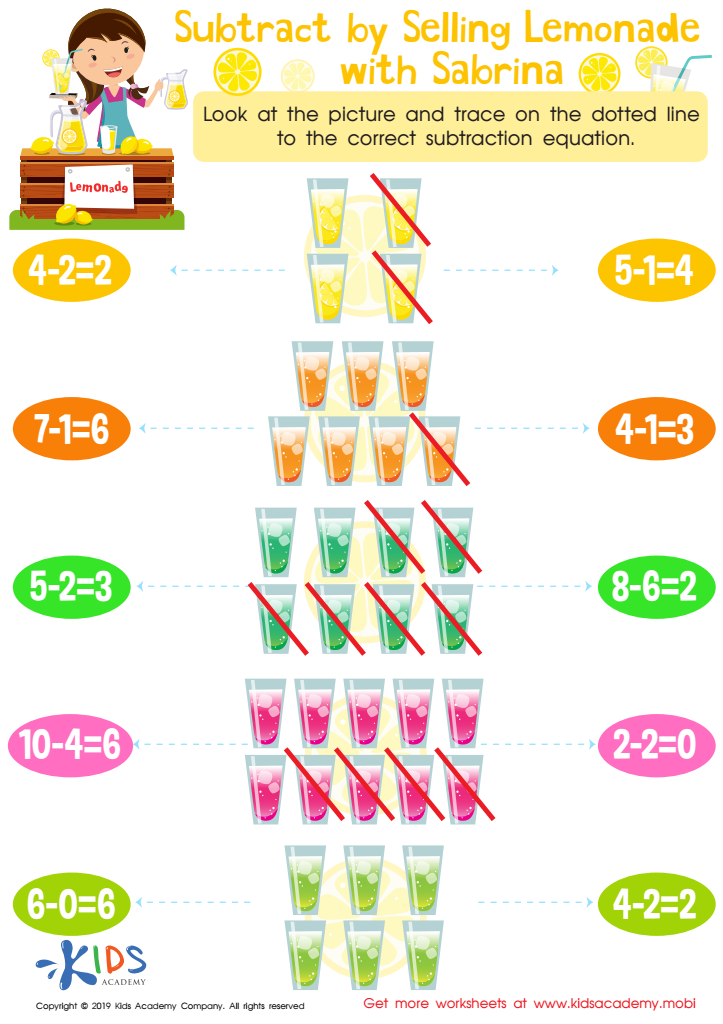
Subtract by Selling Lemonade with Sabrina Worksheet
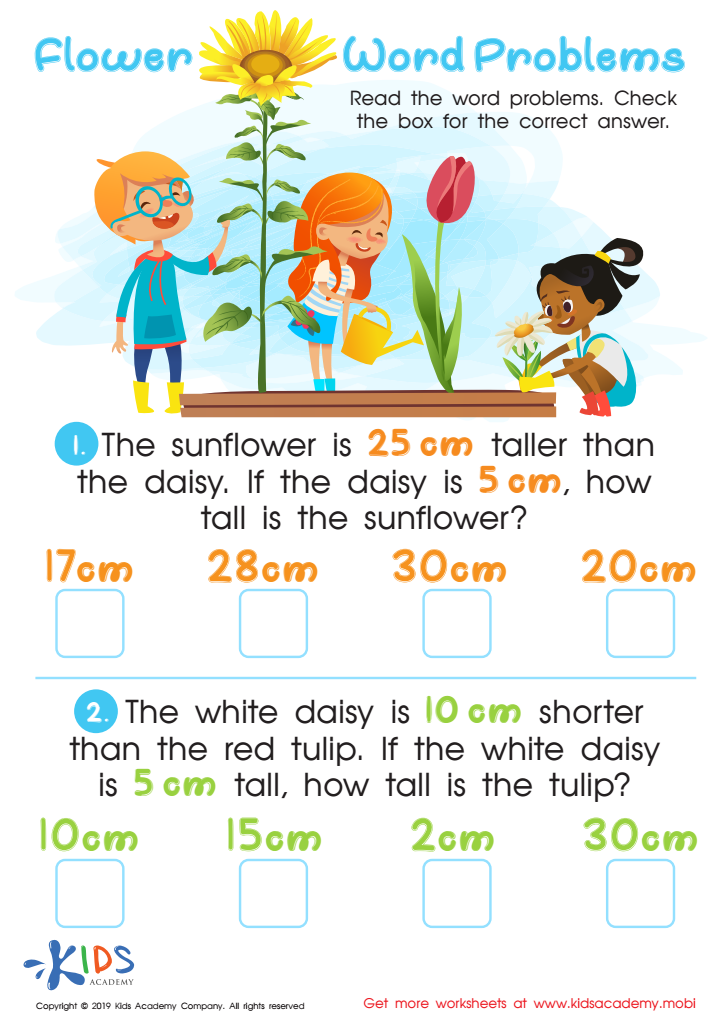
Flower Word Problems Worksheet








Subtraction practice is crucial for children aged 6-7 as it lays the foundation for their overall mathematical understanding. This stage in a child’s development often marks the transition from simple counting to more complex problem-solving skills. Mastering subtraction not only equips students with the ability to complete basic arithmetic, but it also enhances their cognitive skills, including critical thinking and logic.
When children practice subtraction, they develop number sense and learn to recognize relationships between numbers, helping them grasp concepts such as taking away and comparing quantities. This understanding is vital for success in later math subjects, such as multiplication and division, which all build on these basic skills.
Additionally, regular subtraction practice encourages resilience and perseverance. As children tackle challenging problems, they learn to approach obstacles with confidence. For parents and teachers, reinforcing subtraction through playful activities or practical applications in real-life scenarios makes learning engaging and meaningful. A strong foundation in subtraction ensures that students feel secure in their math abilities, setting the stage for positive attitudes toward learning and more advanced mathematics as they progress in their education. Thus, prioritizing subtraction practice is essential for both academic and emotional development in young learners.








