Understanding ecosystems Plants and Animals Worksheets for Ages 6-7
6 filtered results
-
From - To
Discover the perfect tool for young learners to explore the marvels of nature with our "Understanding Ecosystems: Plants and Animals Worksheets" for ages 6-7. These engaging, educational worksheets introduce children to the interconnectedness of plants and animals within their habitats. Through fun activities and vibrant illustrations, kids will learn essential science concepts, develop critical thinking, and foster appreciation for the environment. Tailored to guide your child step-by-step, these worksheets are ideal for both classroom and at-home learning. Equip your young explorer with the knowledge they need to appreciate and understand the world around them.
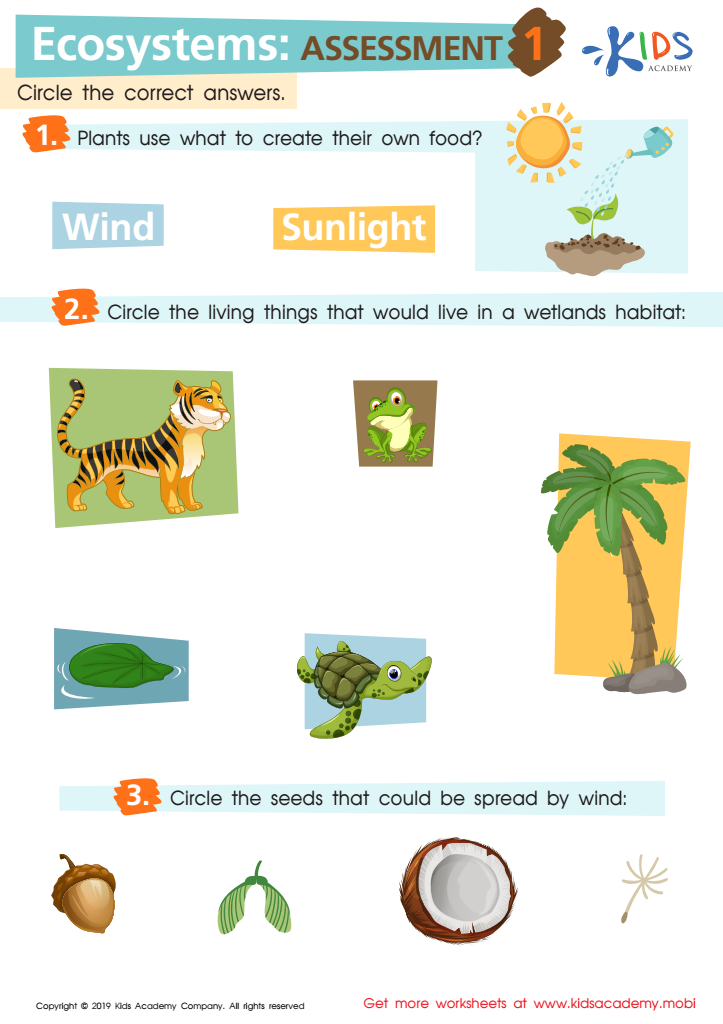
Ecosystems: Assessment 1 Worksheet
 Assign to My Students
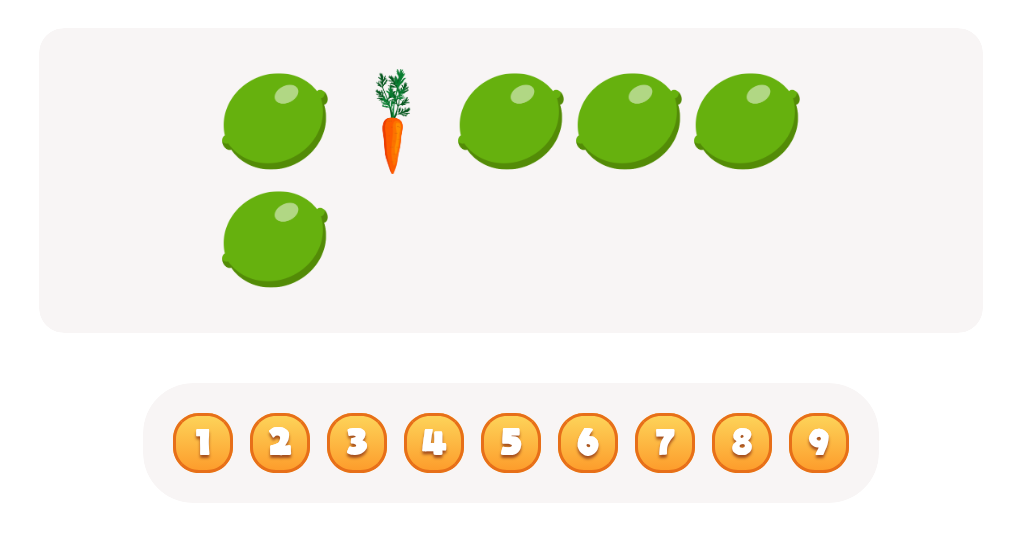

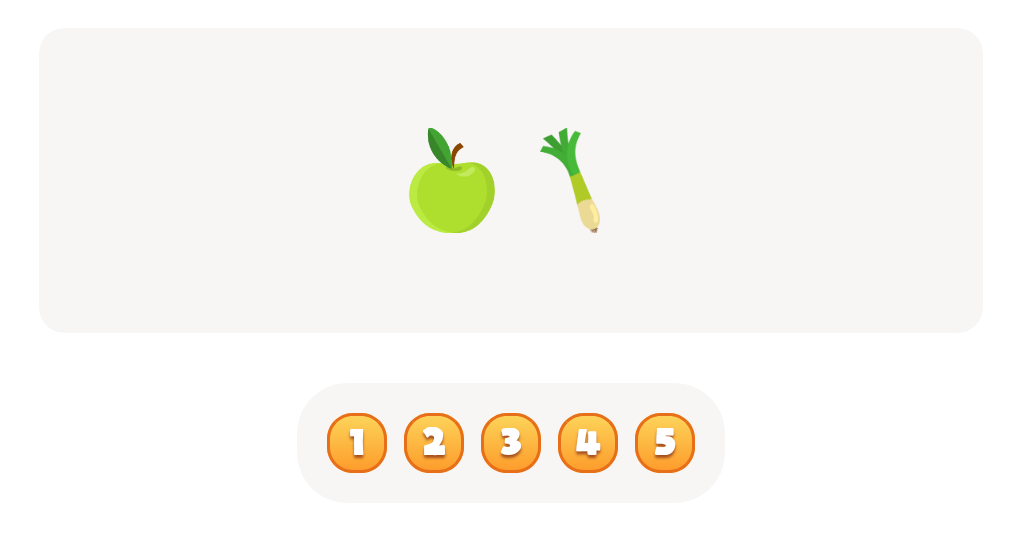
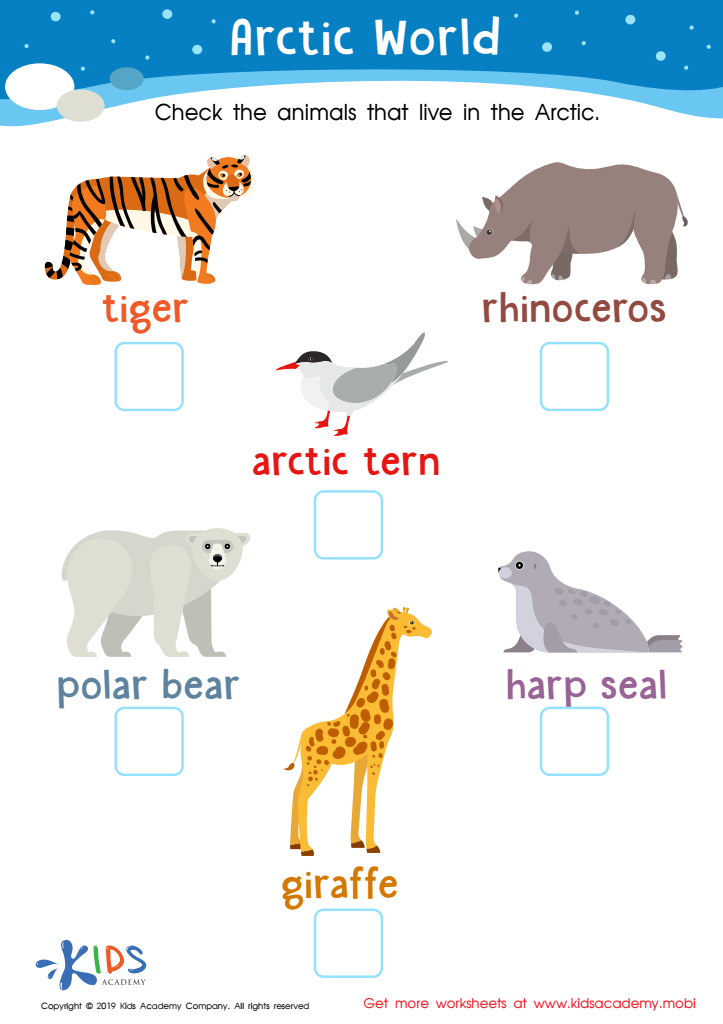
Arctic World Worksheet
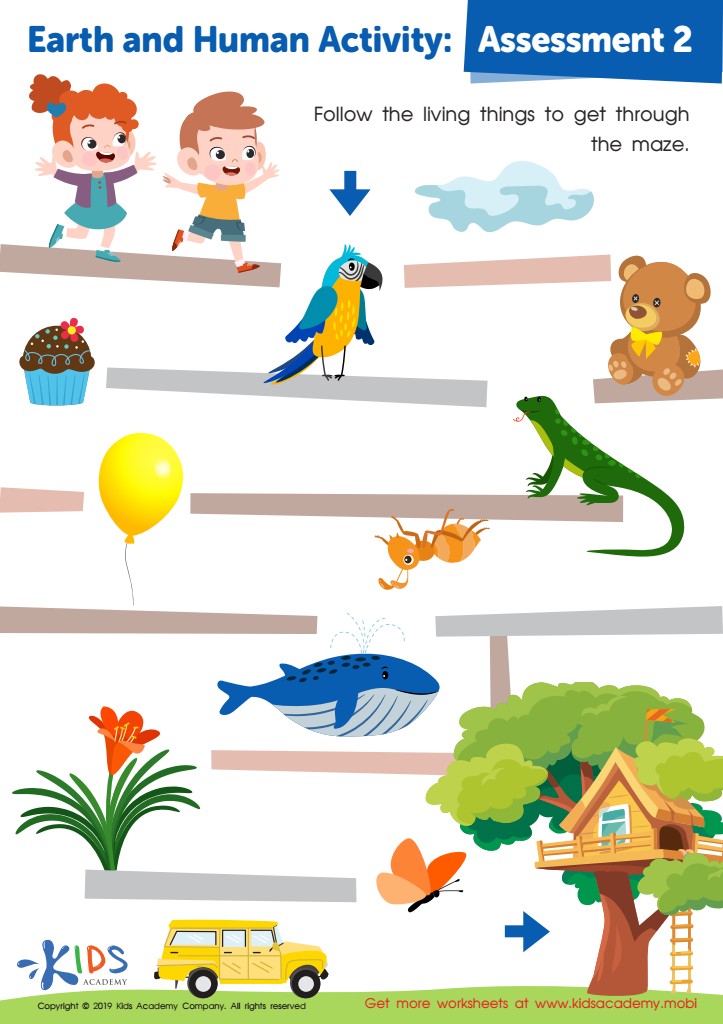
Earth and Human Activity: Assessment 2 Worksheet
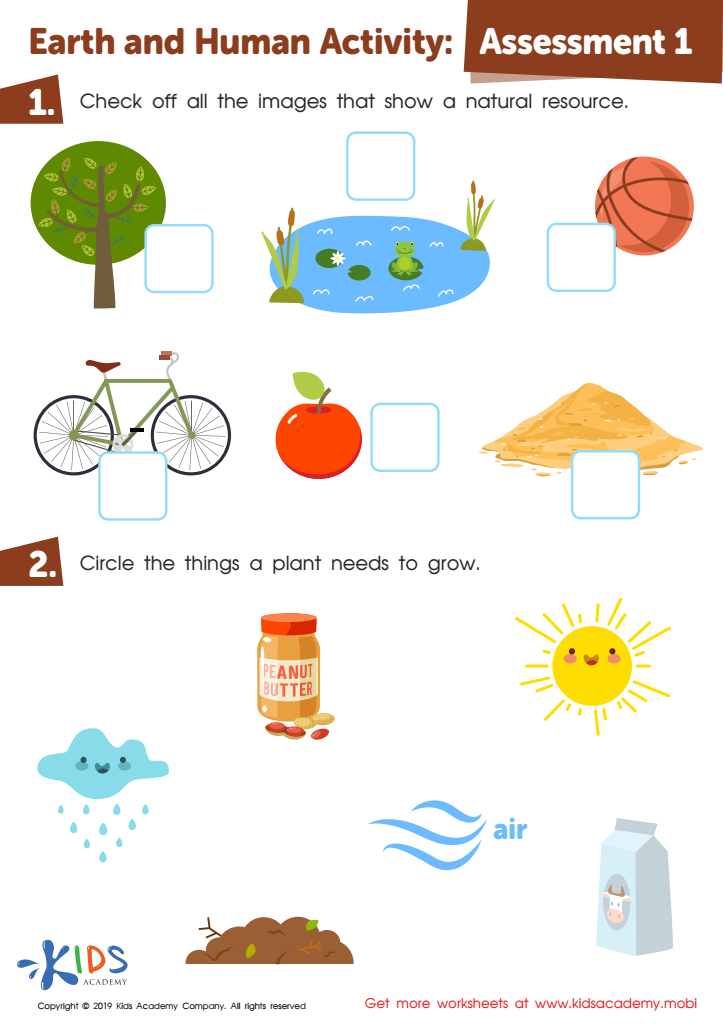
Earth and Human Activity: Assessment 1 Worksheet
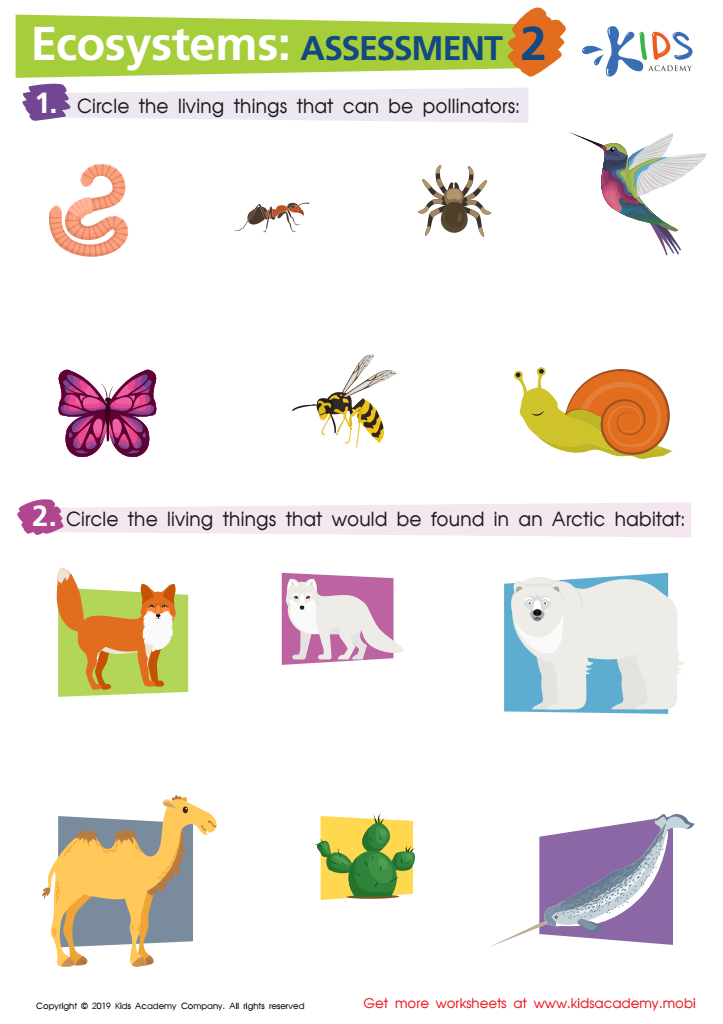
Ecosystems: Assessment 2 Worksheet
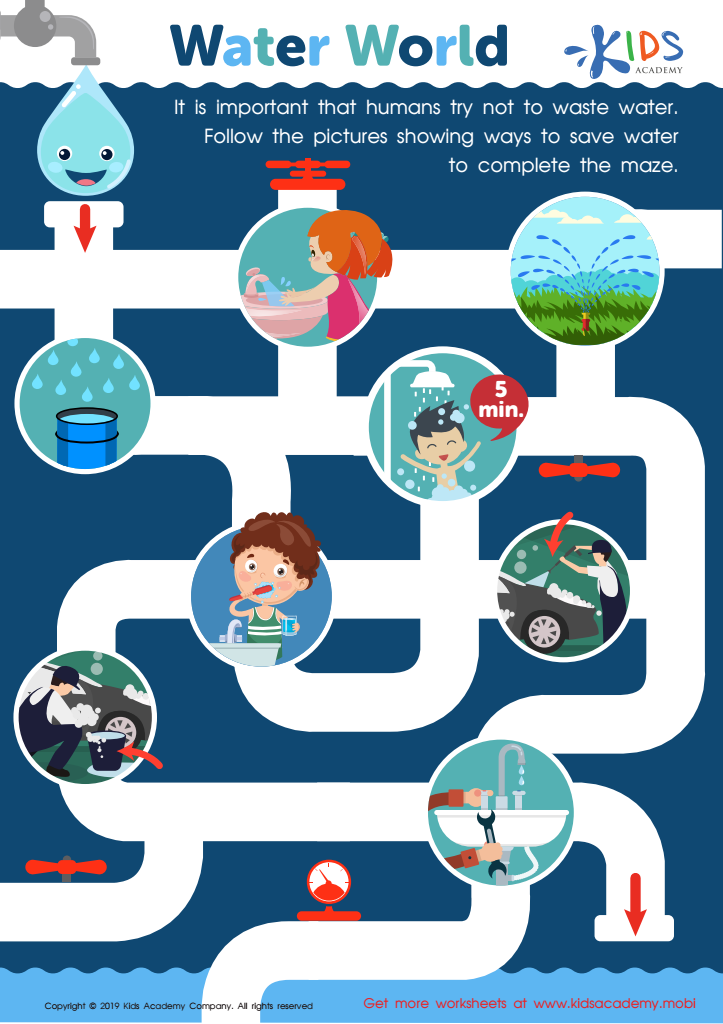
Water World Worksheet






Understanding ecosystems, plants, and animals at ages 6-7 is crucial for fostering a sense of wonder and responsibility in young learners. At this formative age, children are incredibly curious and eager to learn about the world around them. Introducing them to the basics of ecosystems builds a foundation for scientific thinking and environmental stewardship.
When children learn how plants, animals, and their environments interconnect, they gain insights into the importance of biodiversity. They begin to understand the delicate balance required to maintain these systems and the roles different species play. This early knowledge can nurture respect and care for living things, promoting empathetic behaviors.
Furthermore, engaging with ecosystems encourages outdoor exploration and physical activity, which is vital for healthy growth and development. Hands-on activities like observing insects, planting seeds, or building a small habitat can enhance sensory skills, critical thinking, and teamwork.
Educators and parents also have the opportunity to instill core values such as conservation and sustainability. Teaching children about ecosystems helps them realize the impact humans have on nature and the importance of taking actions to protect it.
Overall, understanding ecosystems empowers kids to make informed choices and fosters a lifelong interest in preserving our natural world.