Reading comprehension Social Studies Worksheets for Ages 6-7 - Page 3
56 filtered results
-
From - To
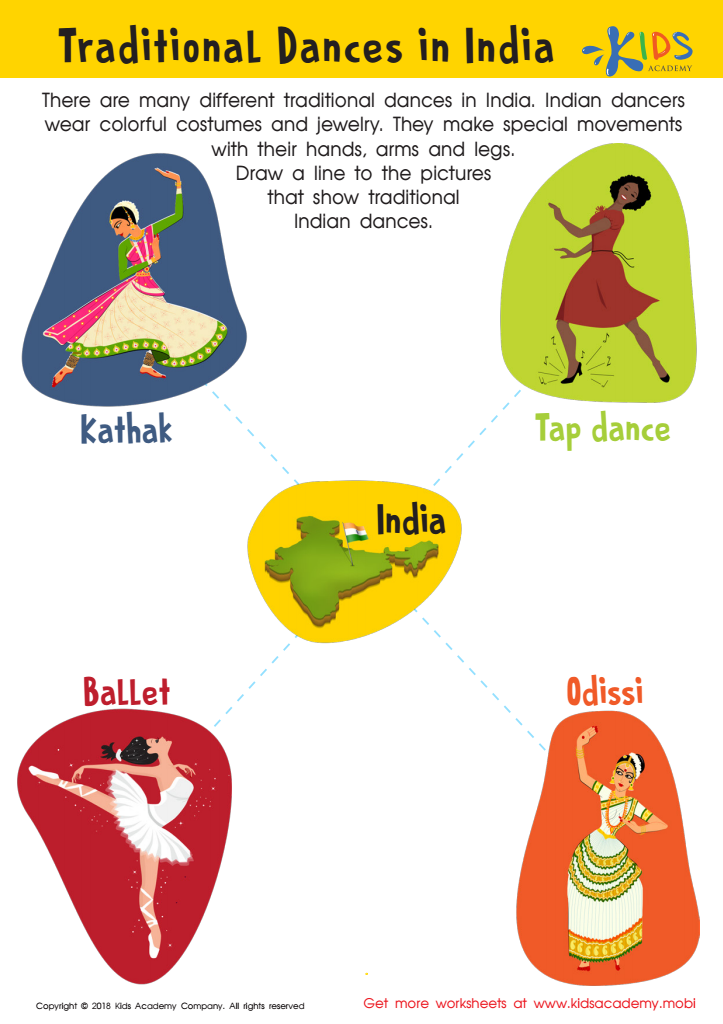
Traditional Dances in India Worksheet
 Assign to My Students
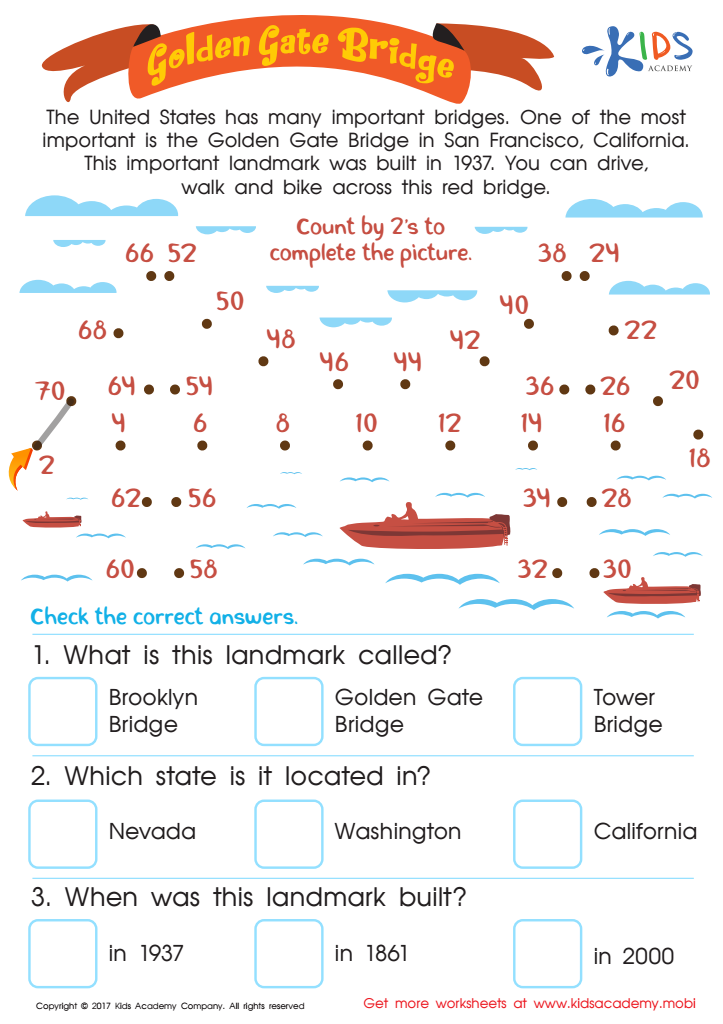
Golden Gate Bridge Worksheet
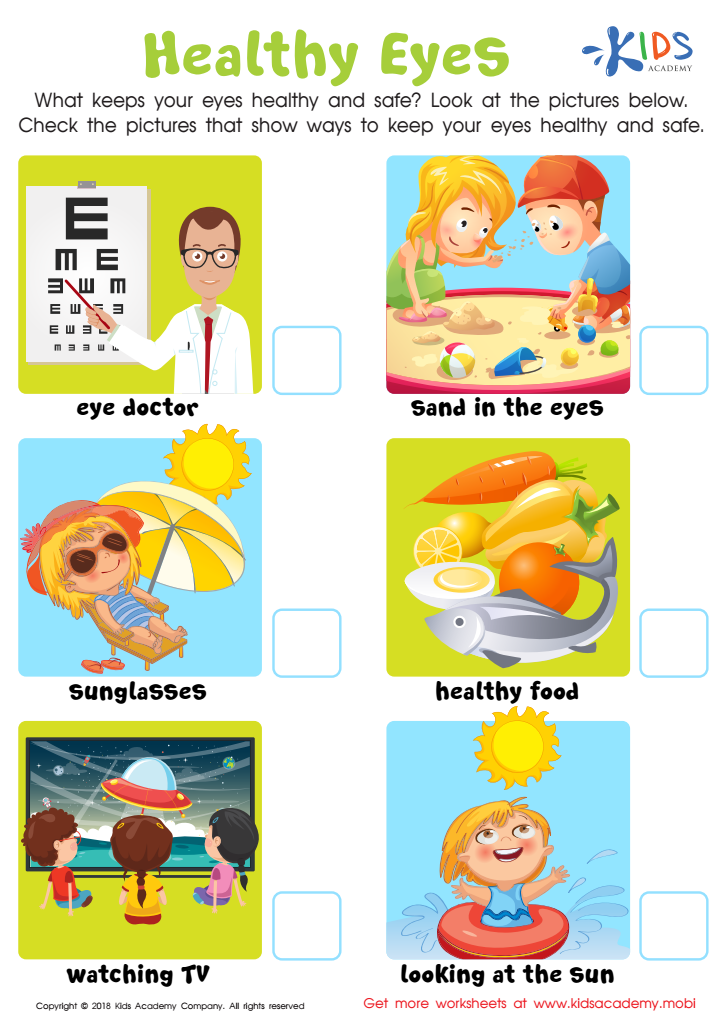
Healthy Eyes Worksheet
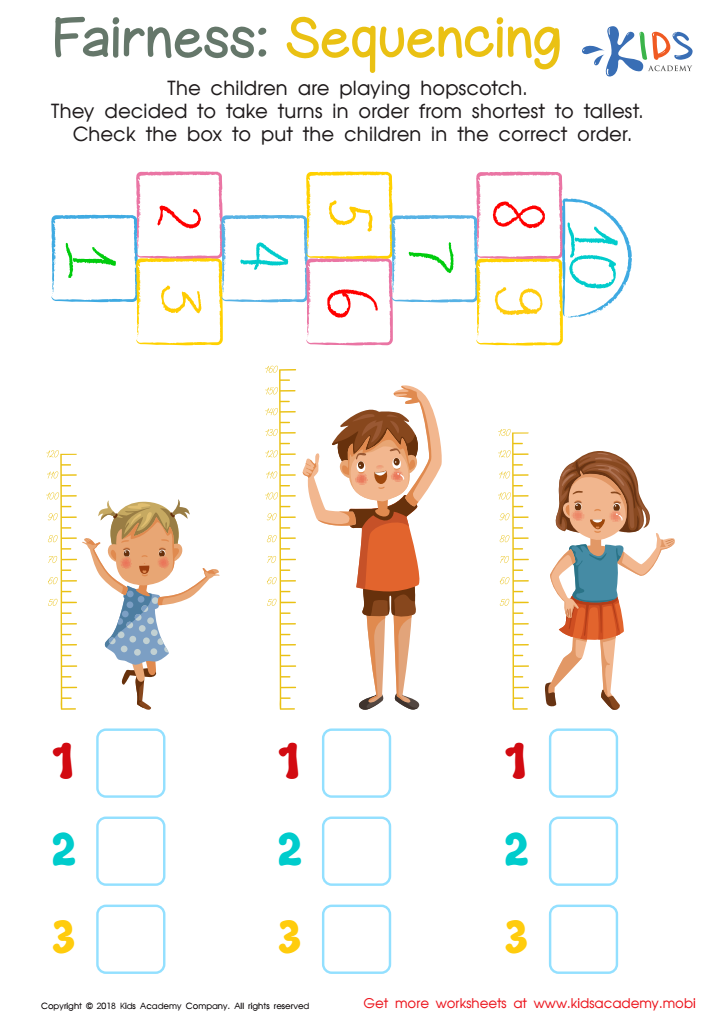
Fairness: Sequencing Worksheet
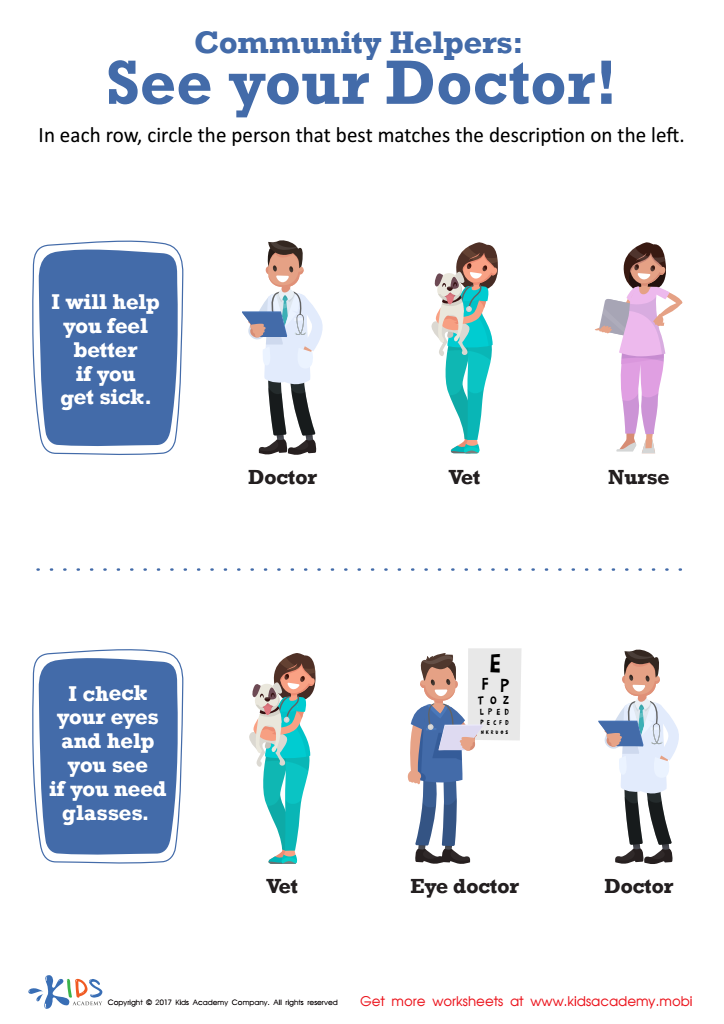
See Your Doctor (Part 1) Printable
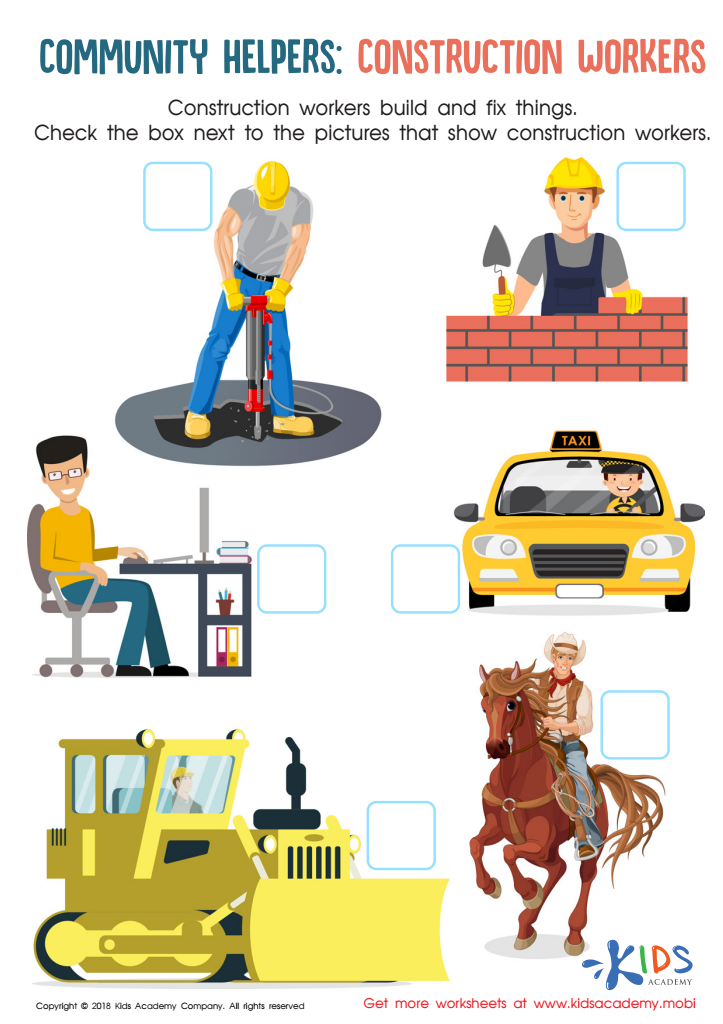
Construction Workers Community Helpers Worksheet
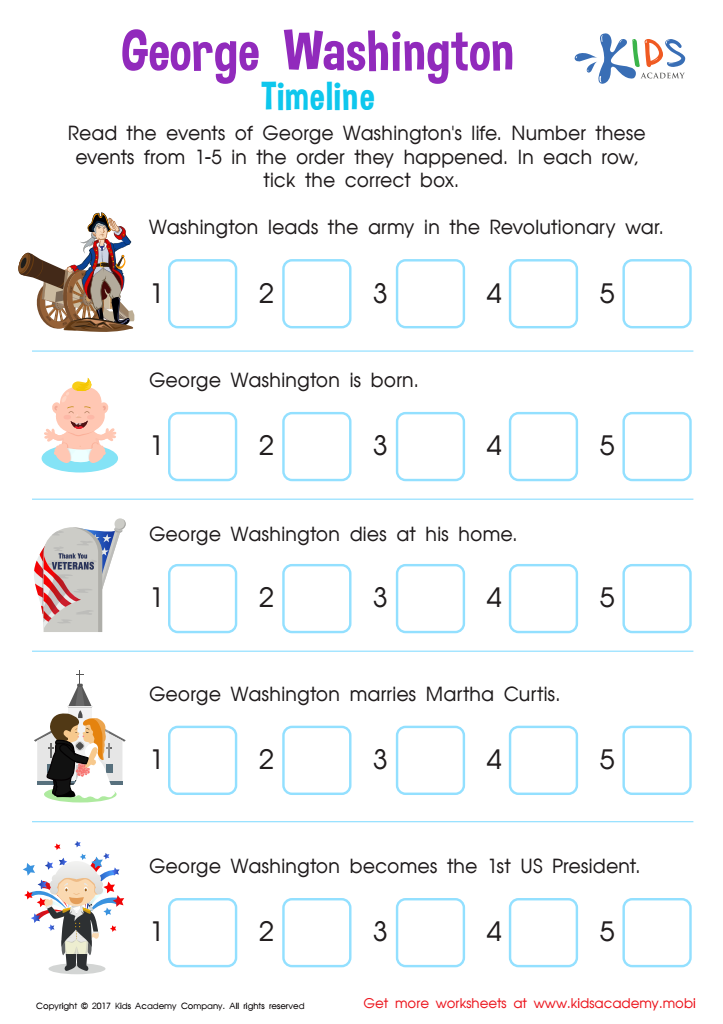
George Washington Timeline Worksheet
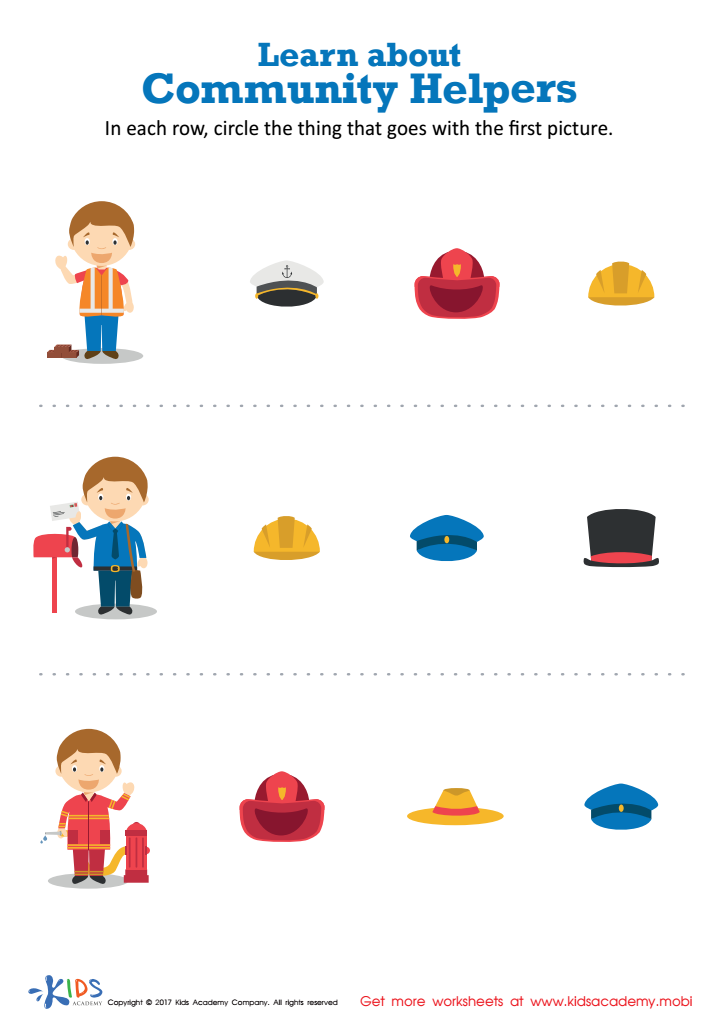
Learn about Community Helpers Printable






Reading comprehension in Social Studies is crucial for children aged 6-7 because it lays the foundation for their overall learning and understanding of the world. At this age, children are beginning to make connections between texts and their own experiences. Social Studies introduces them to diverse cultures, historical events, and community structures, which helps foster empathy and a sense of belonging. When children can comprehend what they read, they develop critical thinking skills, enabling them to analyze different perspectives and contexts.
Moreover, integrating reading comprehension with Social Studies enhances vocabulary and analytical skills. Children learn to identify main ideas, understand relationships among concepts, and make inferences—all vital for their cognitive development. As they enjoy stories about historical figures or explore different cultures, they engage more deeply with the content.
Parents and teachers should prioritize this area to fuel a child's curiosity and desire for knowledge. When students can grasp and discuss social concepts, they not only succeed academically but also grow as informed citizens. Fostering these skills at an early age encourages lifelong learning and active participation in their communities, making it essential for parents and educators to support reading comprehension in Social Studies.