Counting practice Numbers Worksheets for Ages 6-8 - Page 2
44 filtered results
-
From - To
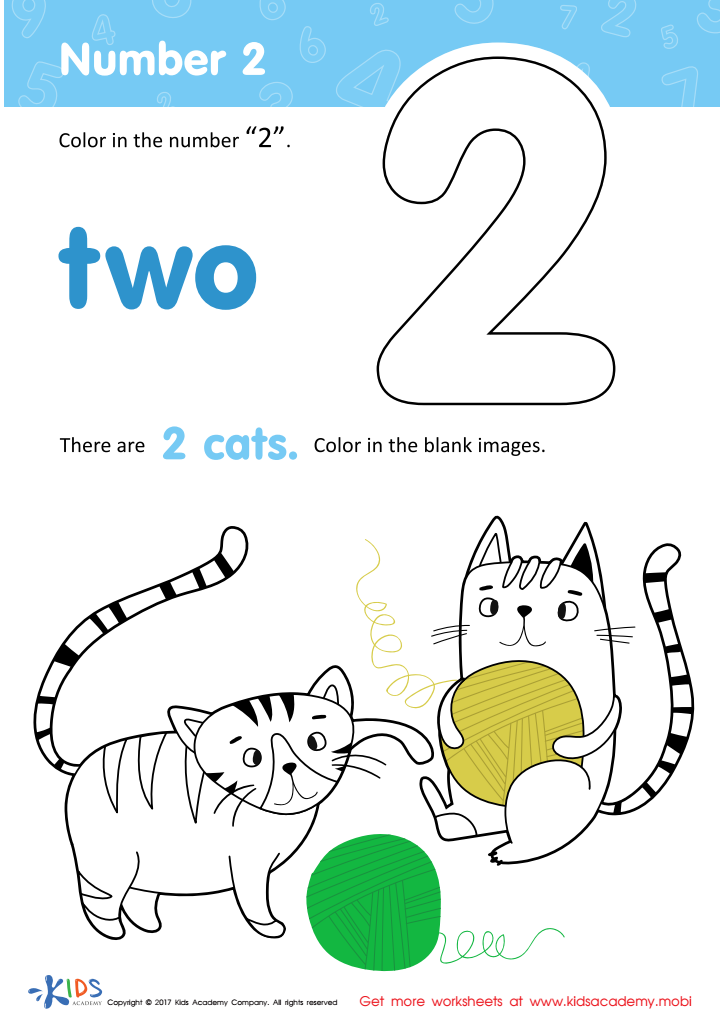
Number 2 Printable
 Assign to My Students
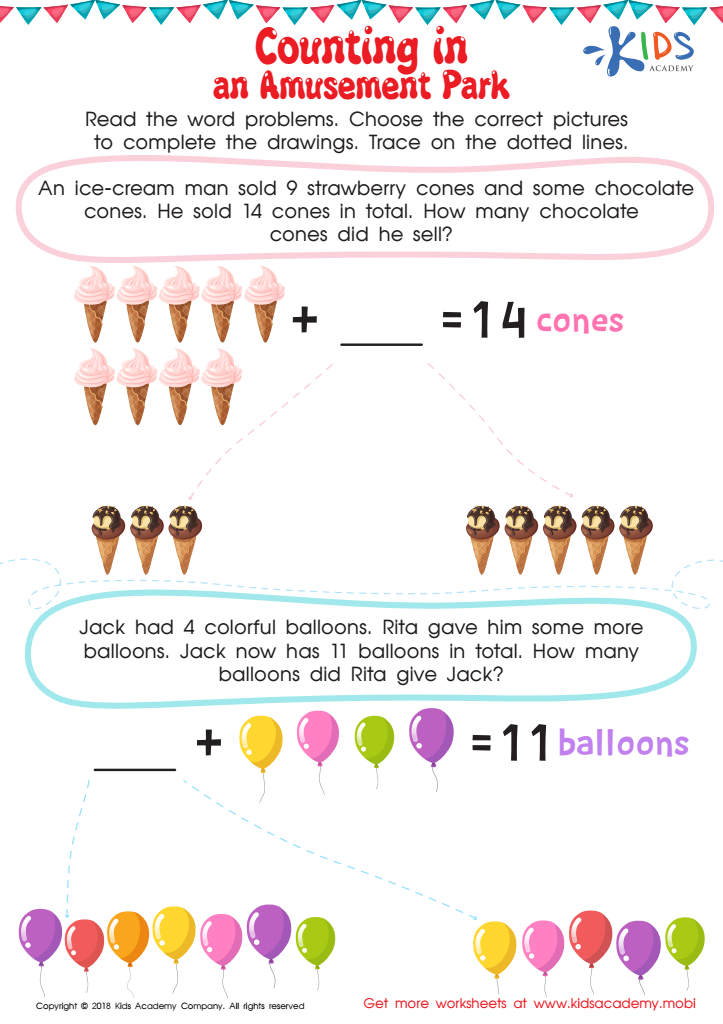
Counting in an Amusement Park Worksheet
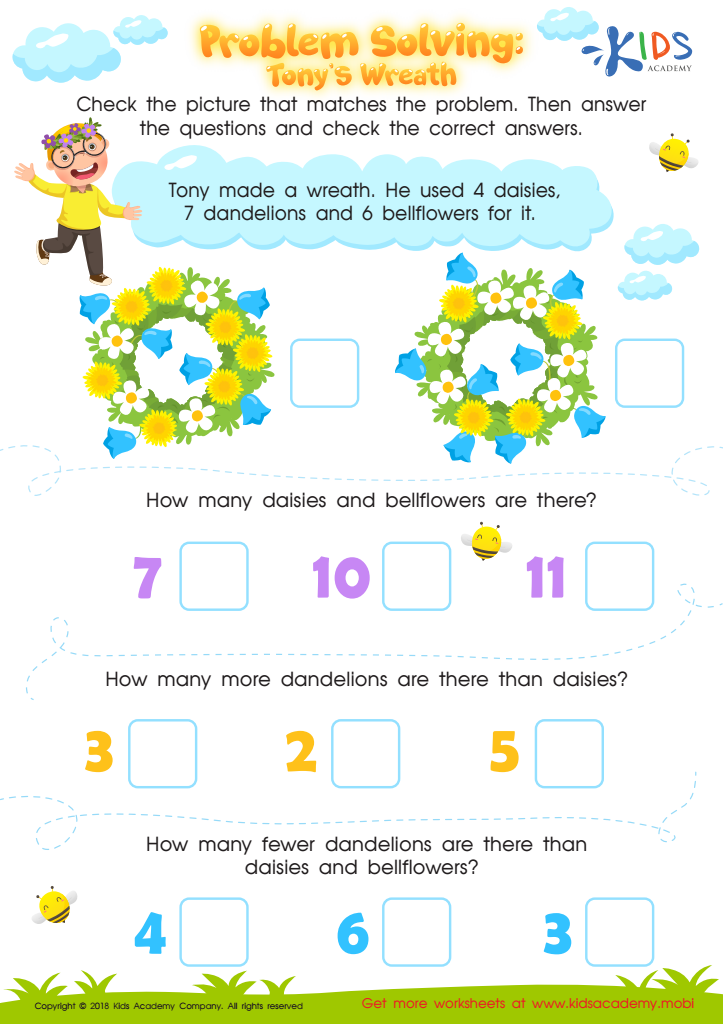
Problem Solving: Tony's Wreath Worksheet
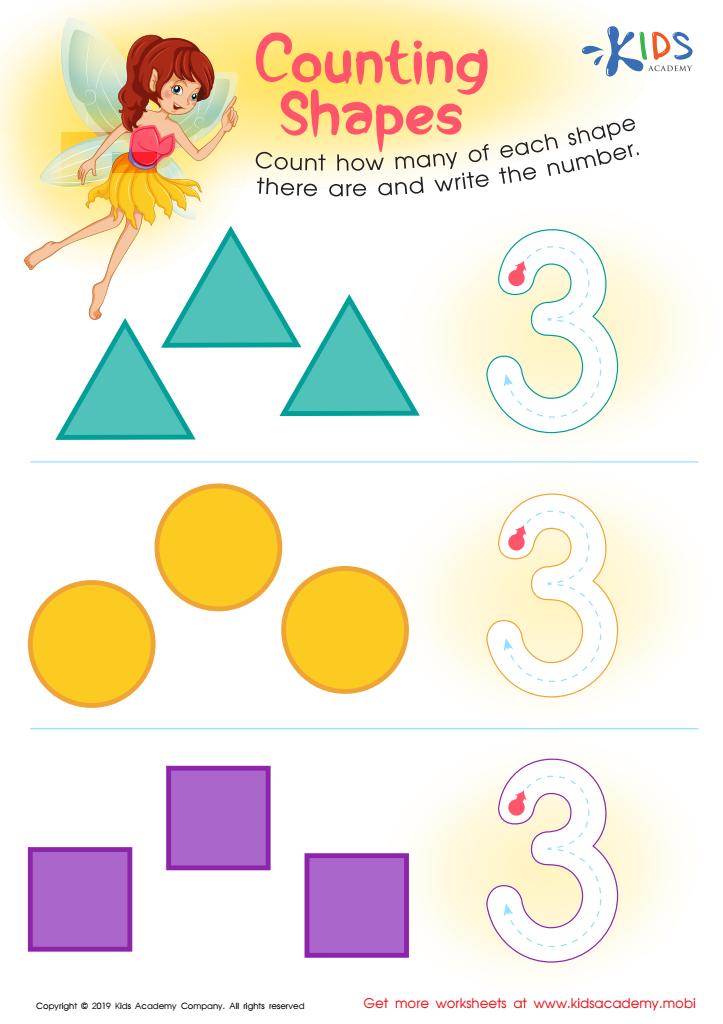
Counting Shapes Worksheet
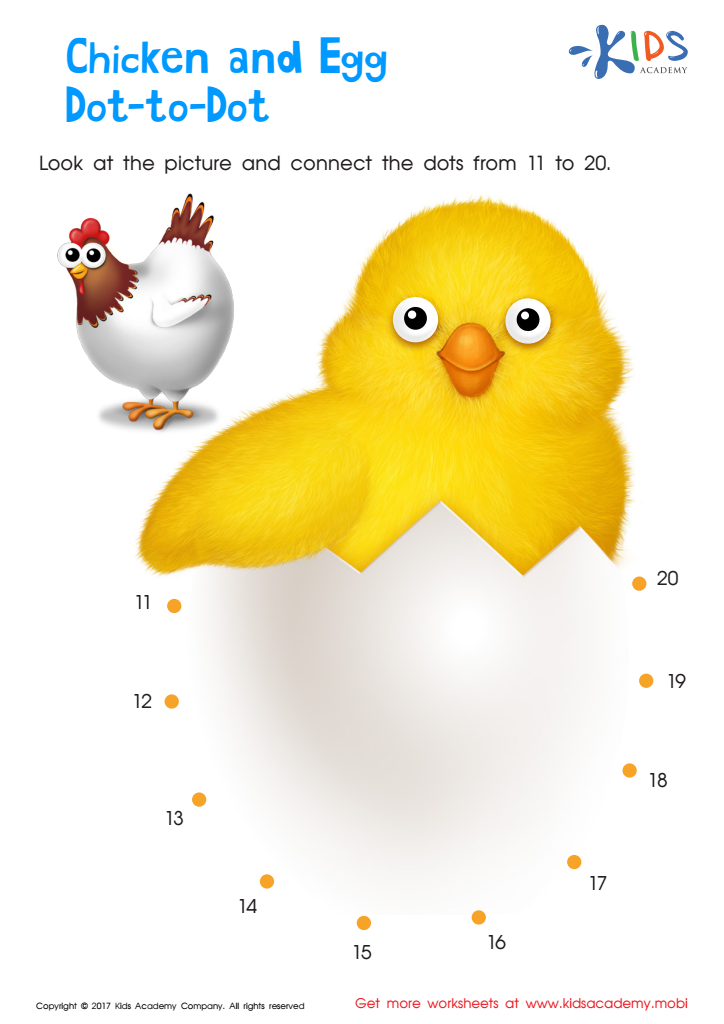
Ordering 11–20: Chicken & Egg Dot–to–dot Worksheet
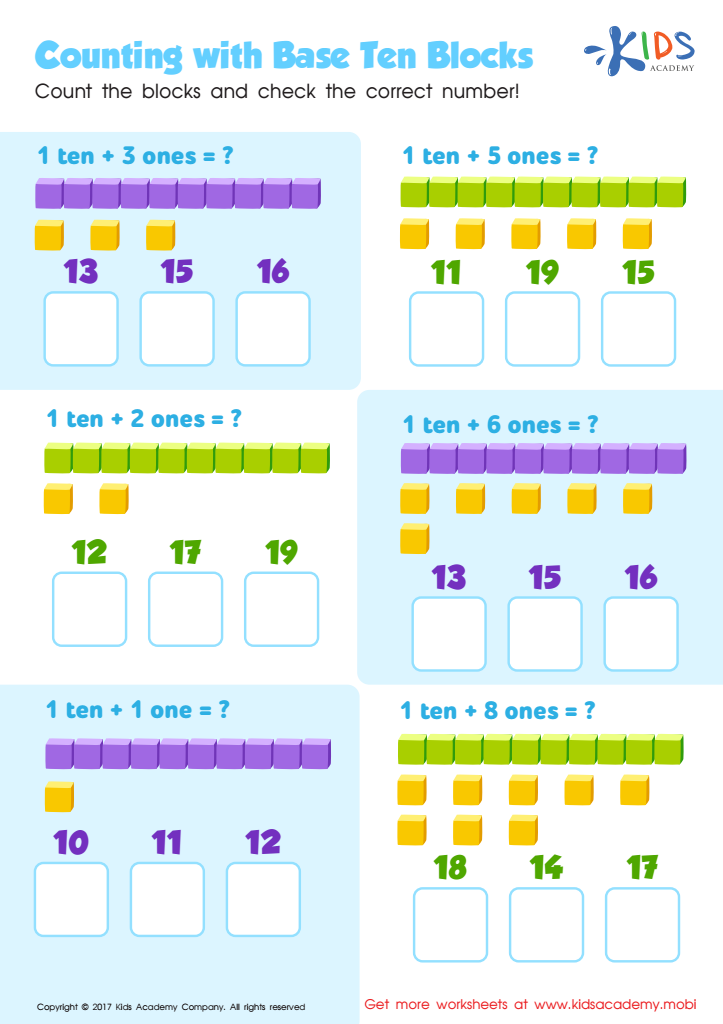
Counting with Base Ten Blocks Worksheet
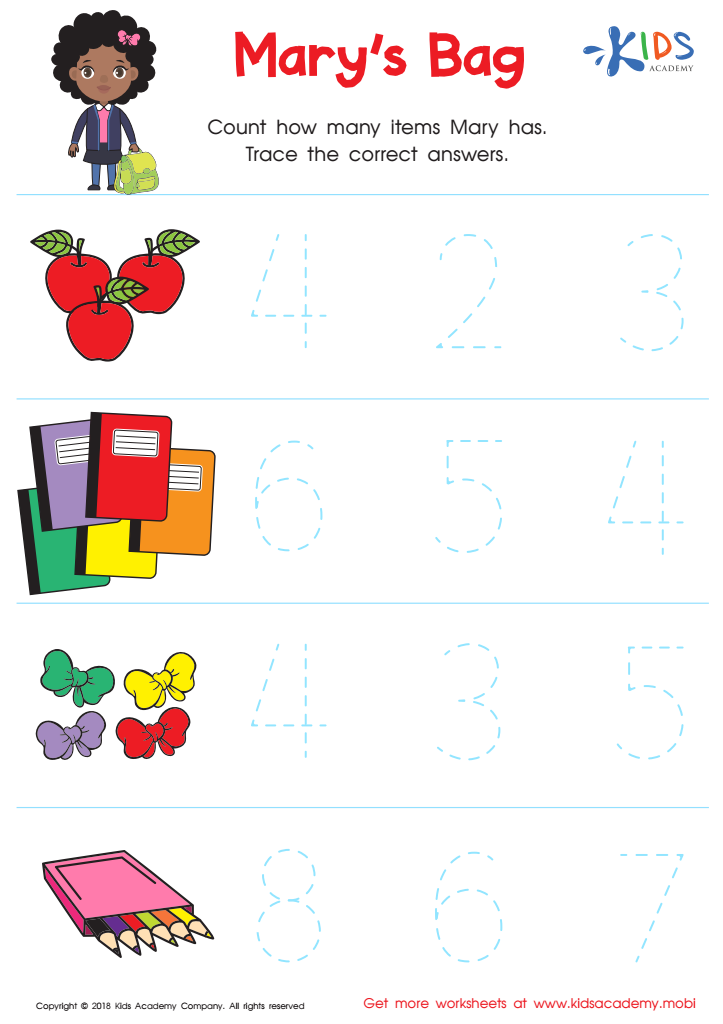
Kindergarten Number Tracing: Mary's Bag Worksheet
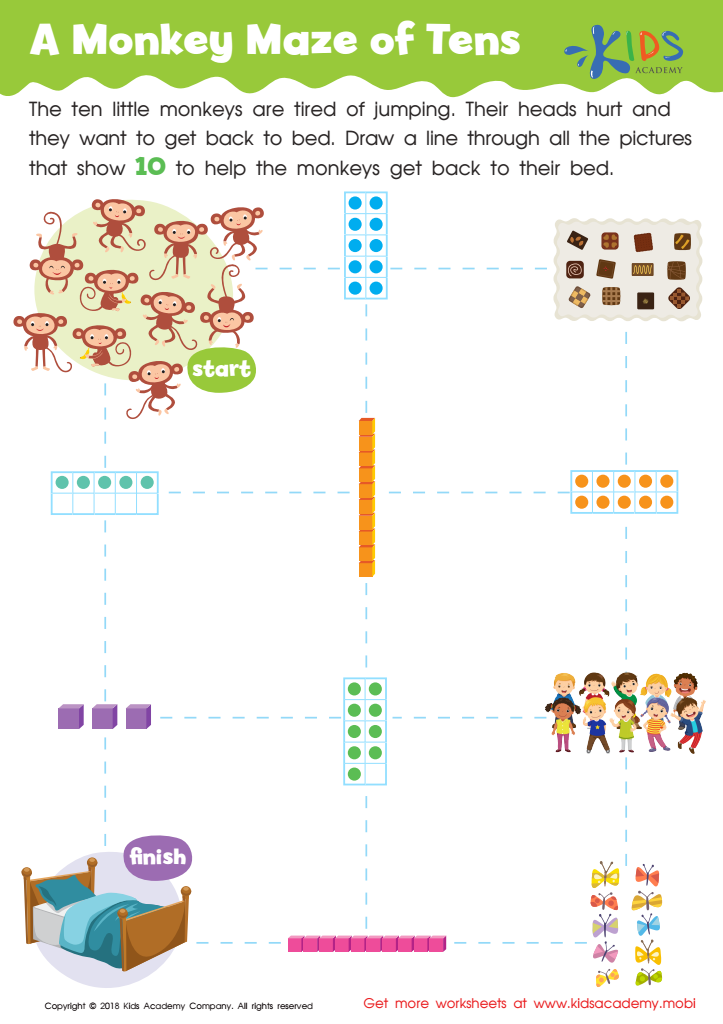
A Monkey Maze of Tens Worksheet
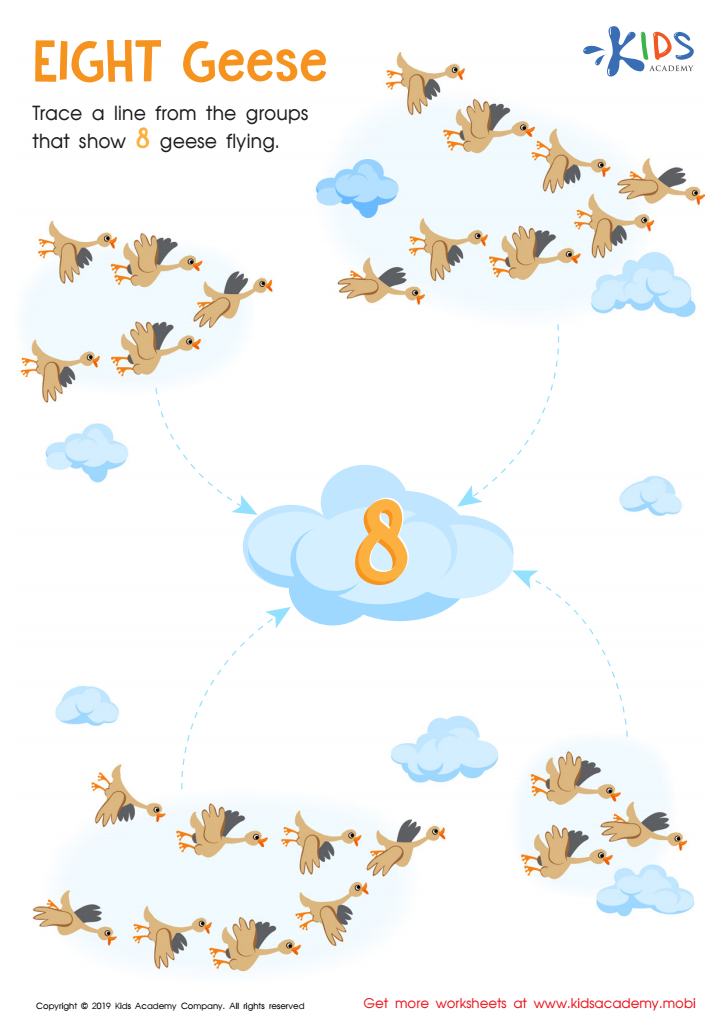
Eight Geese Worksheet
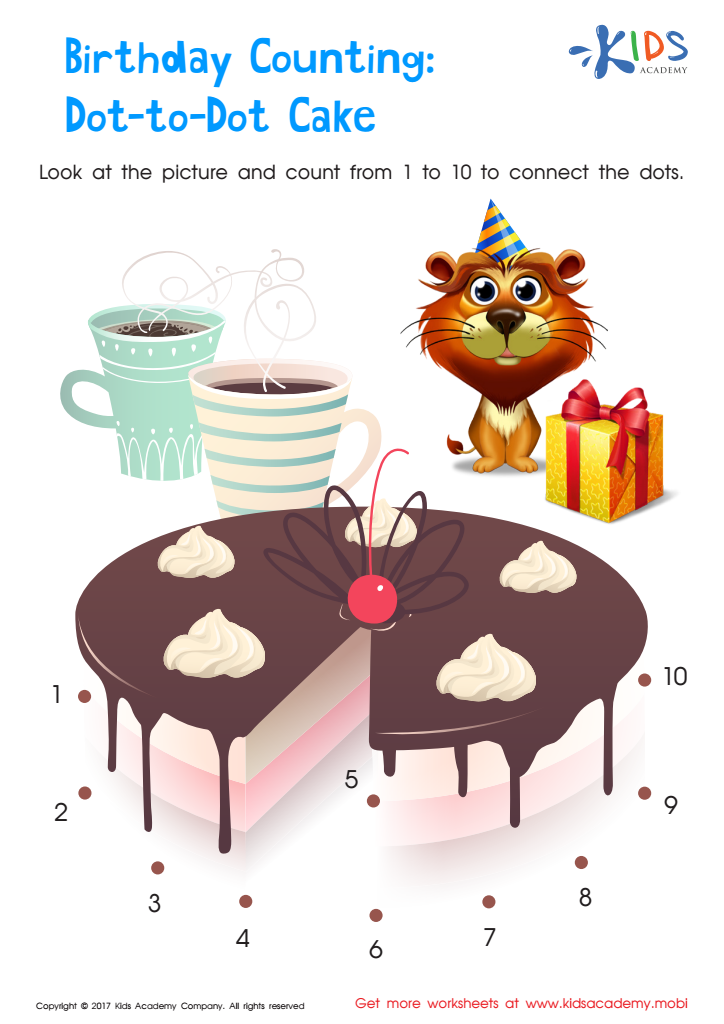
Birthday Counting Connect Dots Worksheet
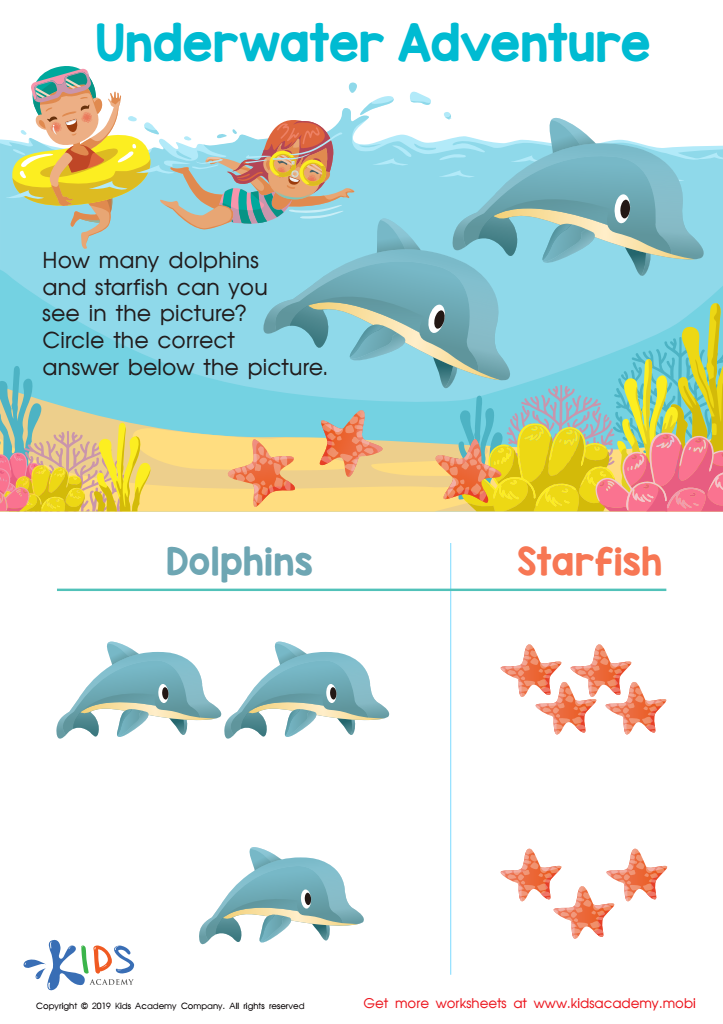
Underwater Adventure Worksheet
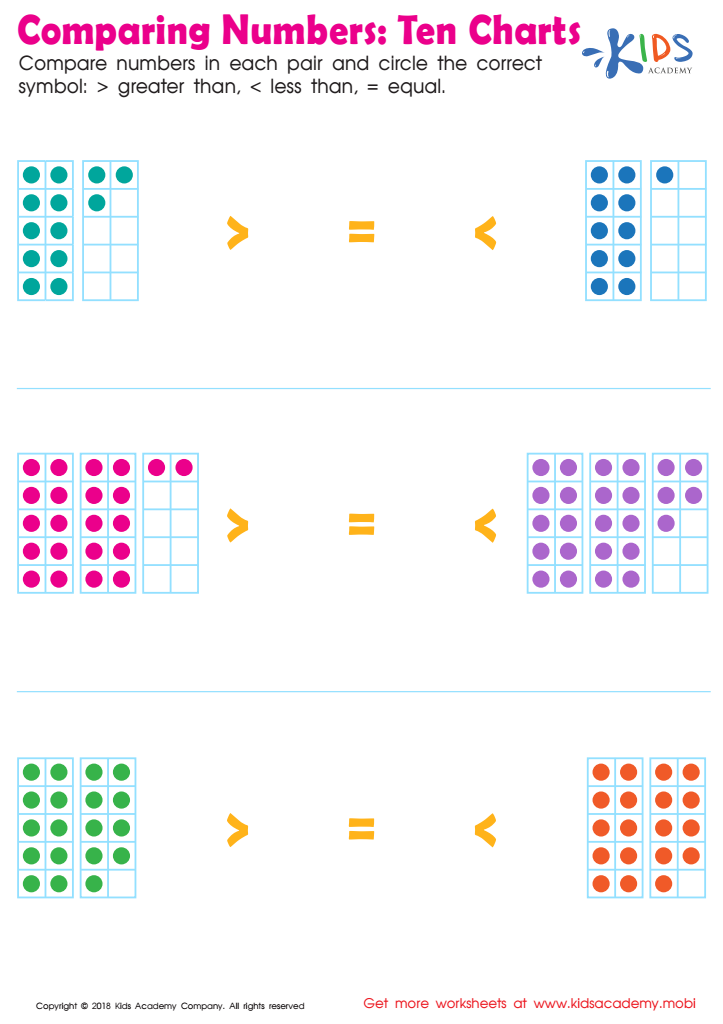
Ten Charts Worksheet
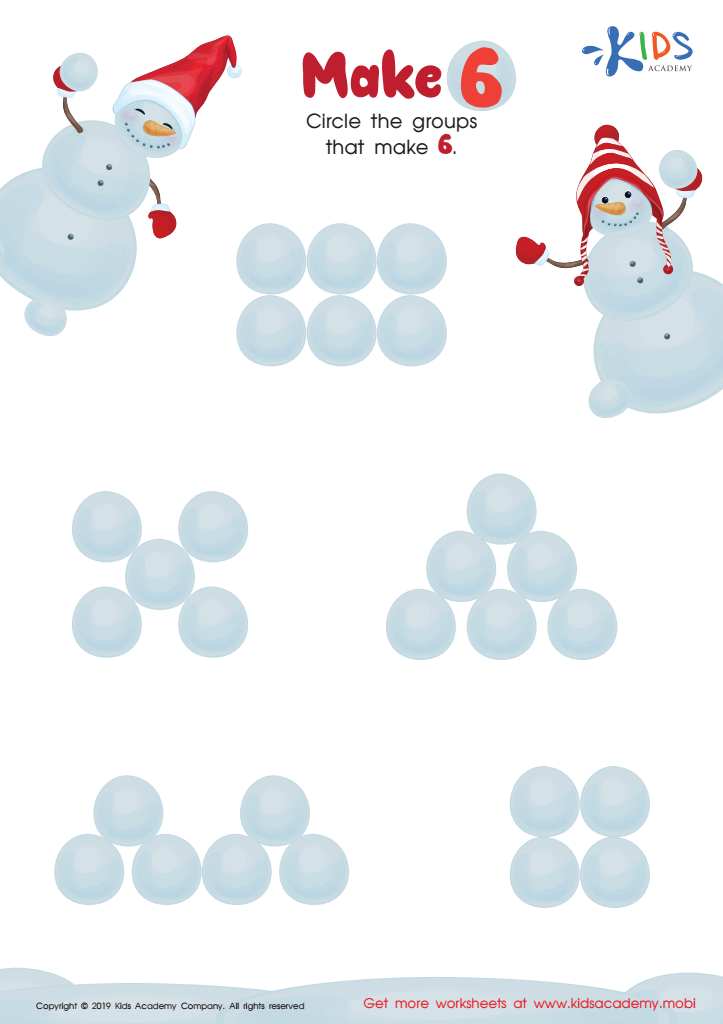
Make 6 Worksheet
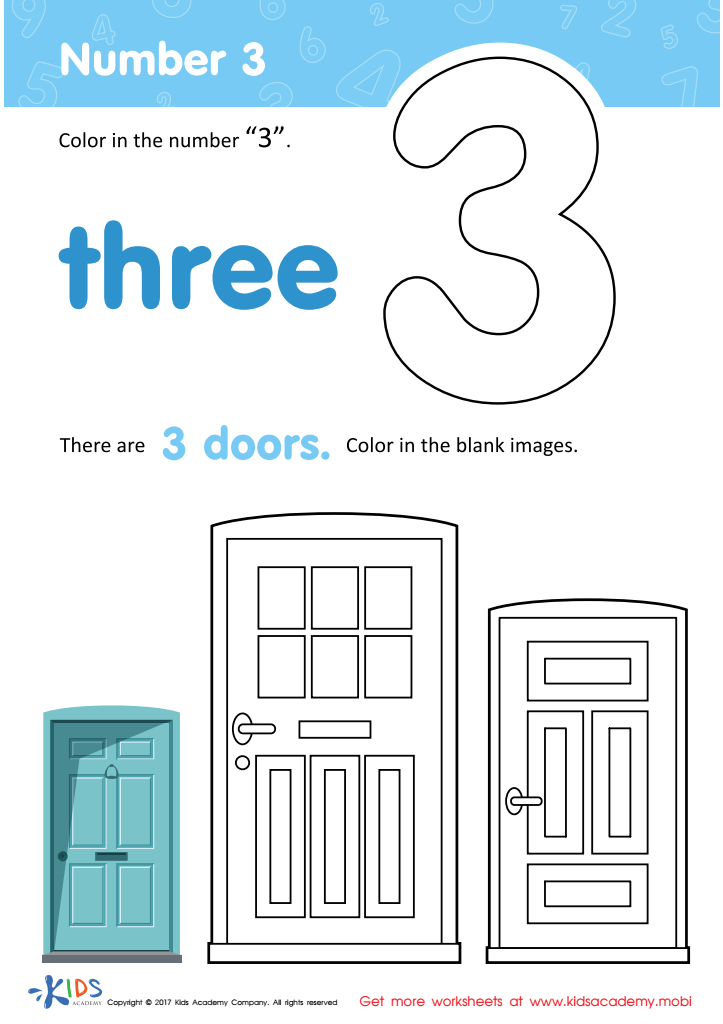
Number 3 Worksheet
Assign to My Students
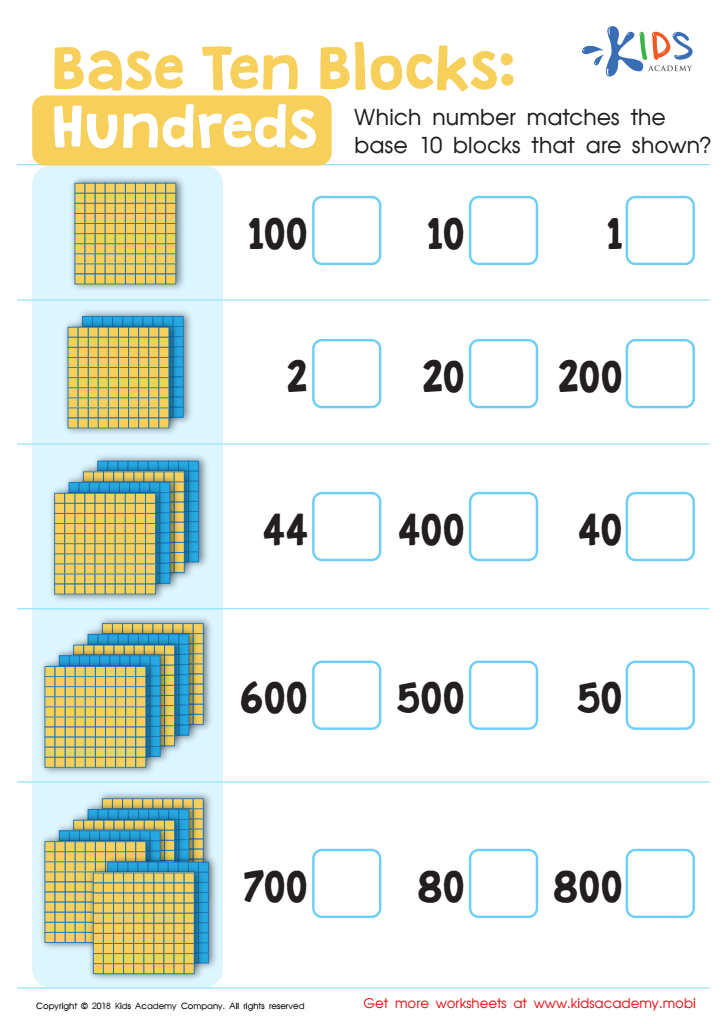
Base Ten Blocks: Hundreds Worksheet
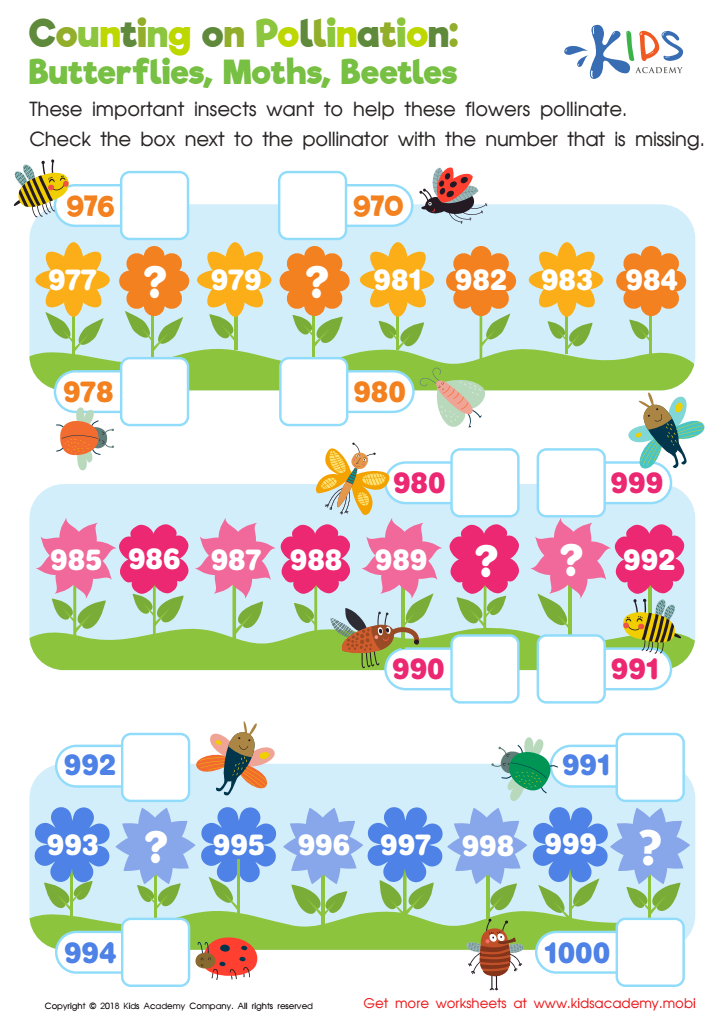
Counting on Pollination: Butterflies, Moths, Beetles Worksheet
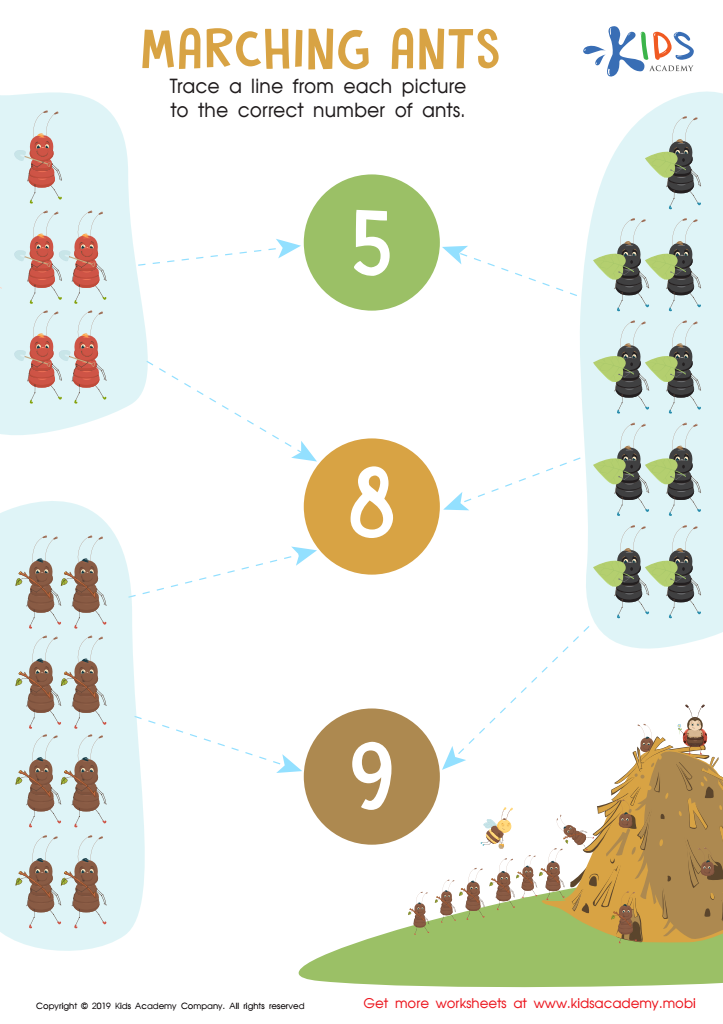
Marching Ants Worksheet
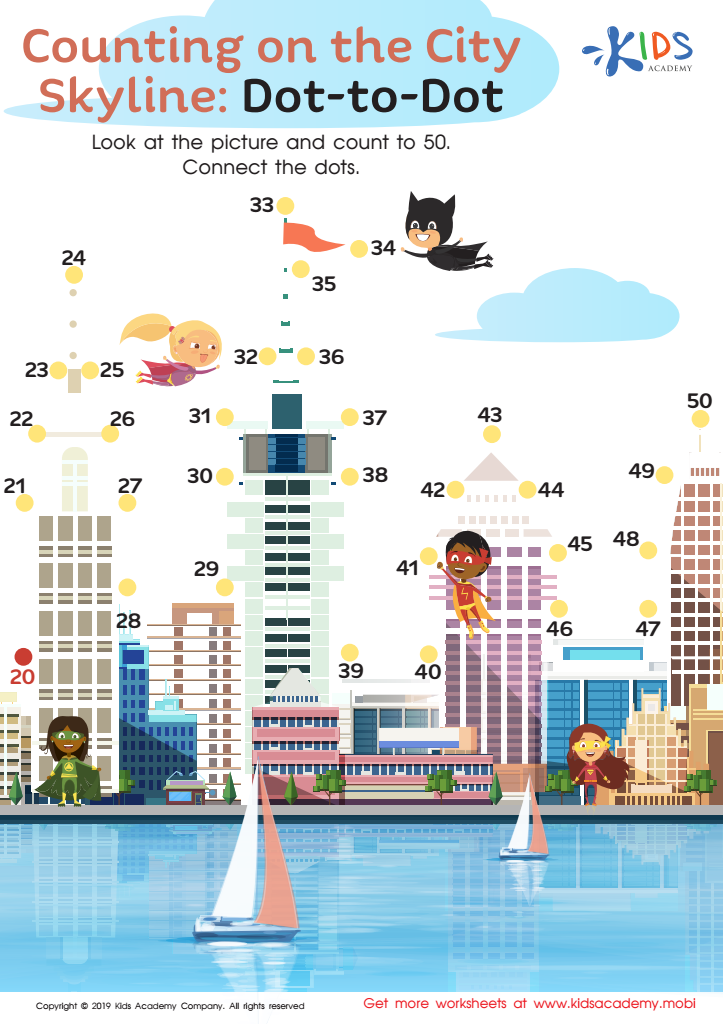
Counting on the City Skyline: Dot-to-Dot Worksheet
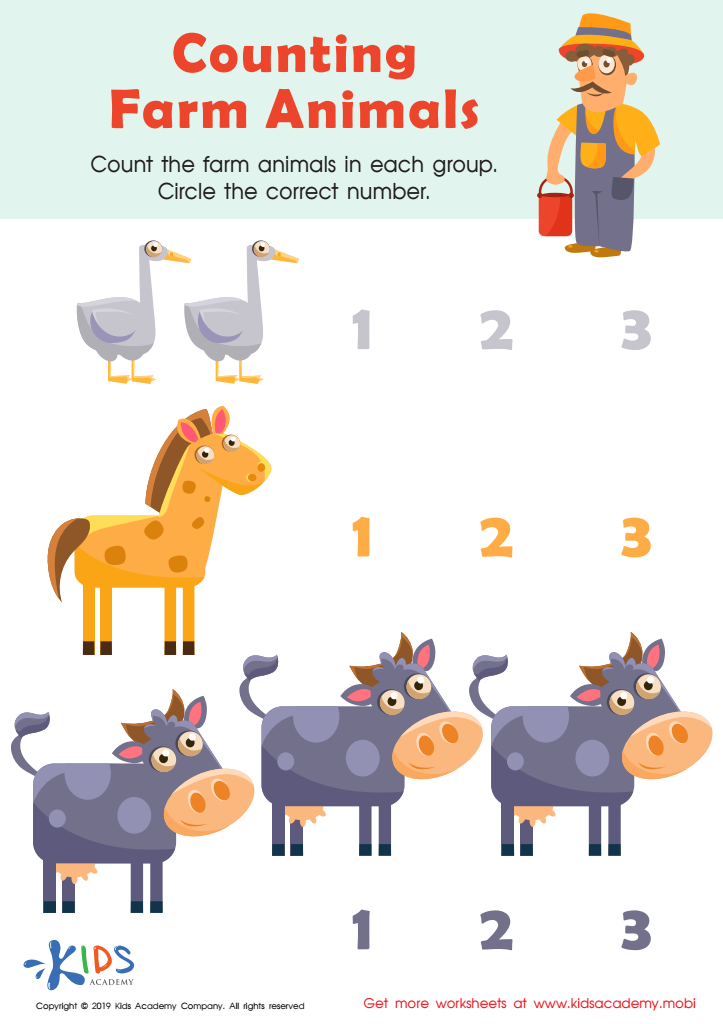
Counting Farm Animals Worksheet
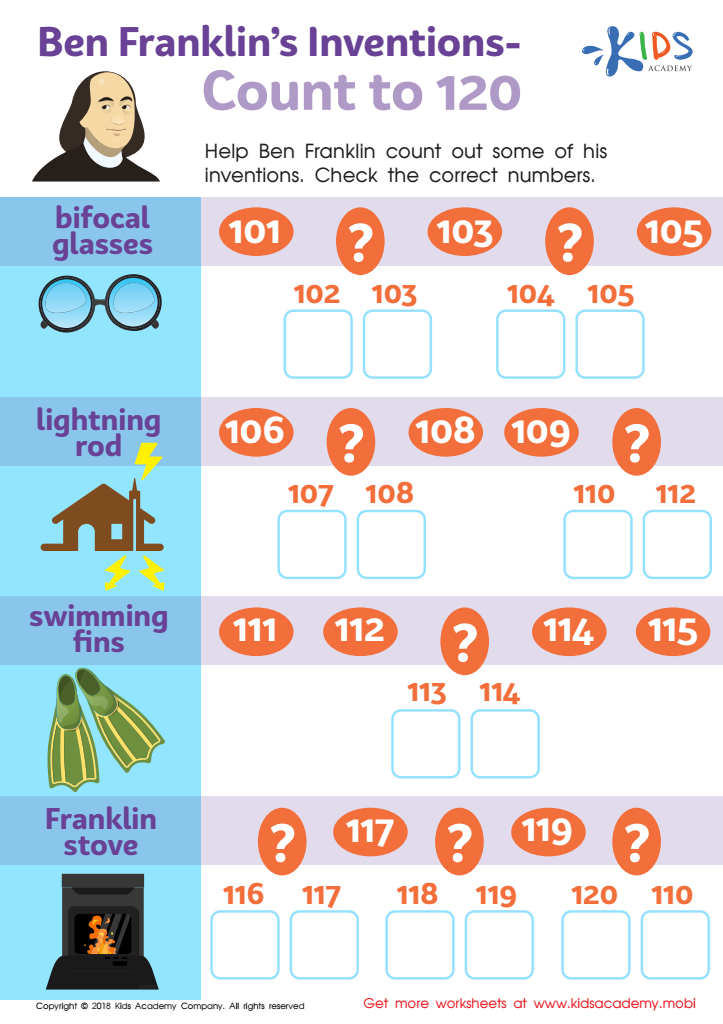
Ben Franklin’s Inventions – Count to 120 Worksheet





.jpg)

Counting practice for children aged 6 to 8 is crucial for their academic and cognitive development. During these formative years, children are building a foundational understanding of math that will influence their future learning. Mastery of numbers and counting supports not just mathematics but also promotes problem-solving and critical thinking skills. Parents and teachers should care about counting practice because it aids in the development of essential skills, such as one-to-one correspondence and number sense.
Engaging in counting activities helps children strengthen their ability to recognize patterns, compare quantities, and perform basic operations like addition and subtraction. This active participation promotes a sense of achievement, boosting confidence in their mathematical abilities and encouraging a positive attitude toward learning.
Moreover, consistent counting practice is an enjoyable and interactive way to bond with children. It can be woven into daily routines, such as counting objects at the grocery store, engaging in playful activities, or choosing familiar counting games. Teachers can enrich classroom learning with diverse counting activities that cater to different learning styles. By prioritizing counting practice, parents and teachers empower children with mathematical skills that serve as building blocks for future academic success and everyday life.








