Hand-eye Coordination Numbers Worksheets for Ages 6-8
27 filtered results
-
From - To
Enhance your child's hand-eye coordination while reinforcing their number skills with our engaging Hand-Eye Coordination Numbers Worksheets designed for ages 6-8. These interactive printables blend fun activities and essential learning, helping young learners connect physical movement with numerical concepts. Perfect for improving fine motor skills, each worksheet is thoughtfully crafted to make learning enjoyable and effective. Whether your child is tracing numbers or completing fun exercises, these worksheets offer the ideal balance of challenge and excitement. Foster your child's confidence in math and motor skills simultaneously. Explore our collection today and watch your child's learning journey come to life!
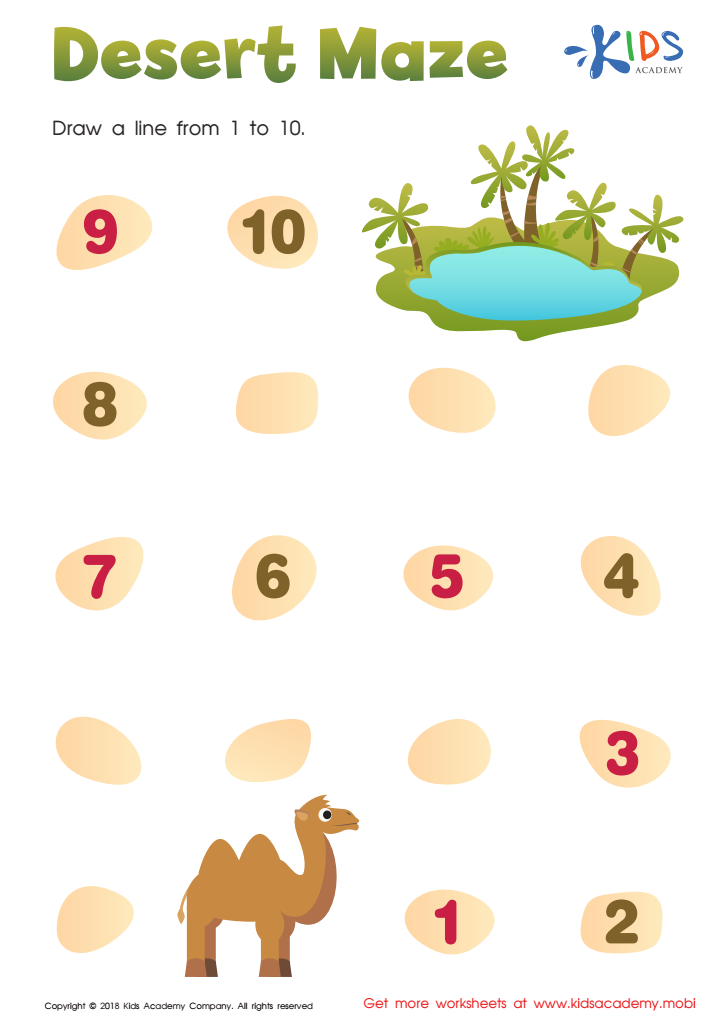
Desert Maze Worksheet
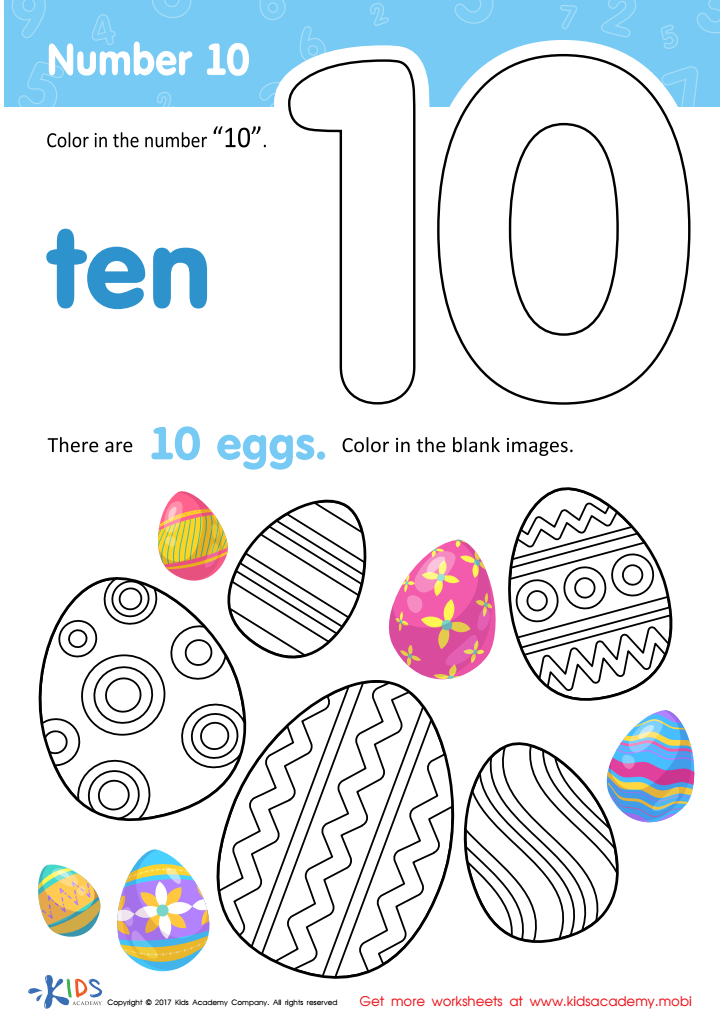
Number 10 Printable
 Assign to My Students
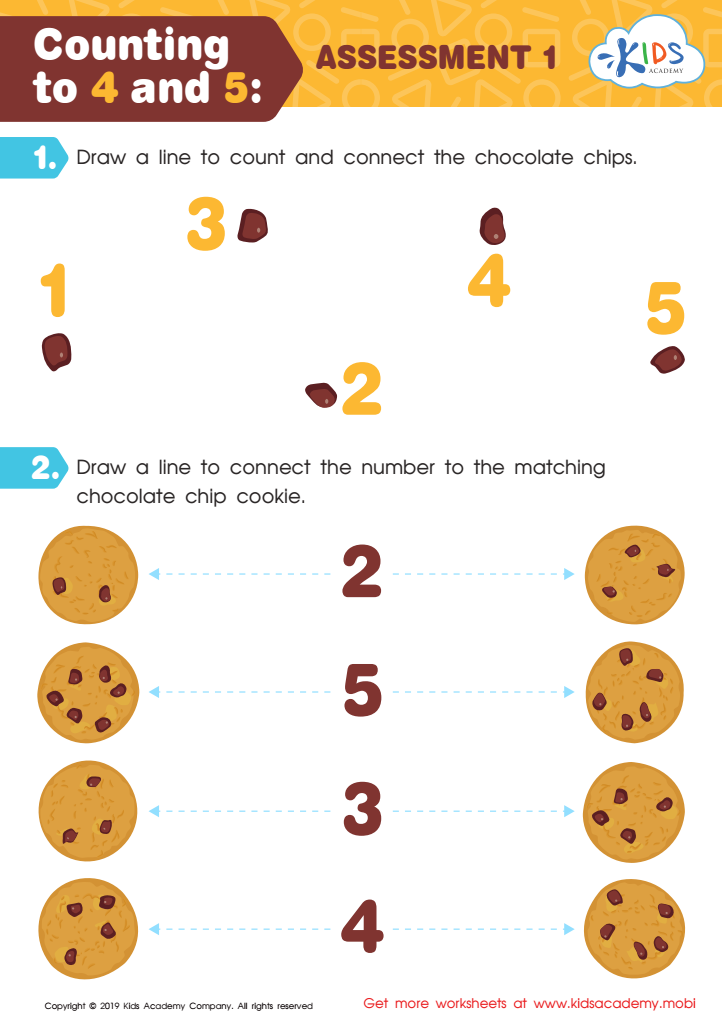
Counting to 4 and 5: Assessment 1 Worksheet
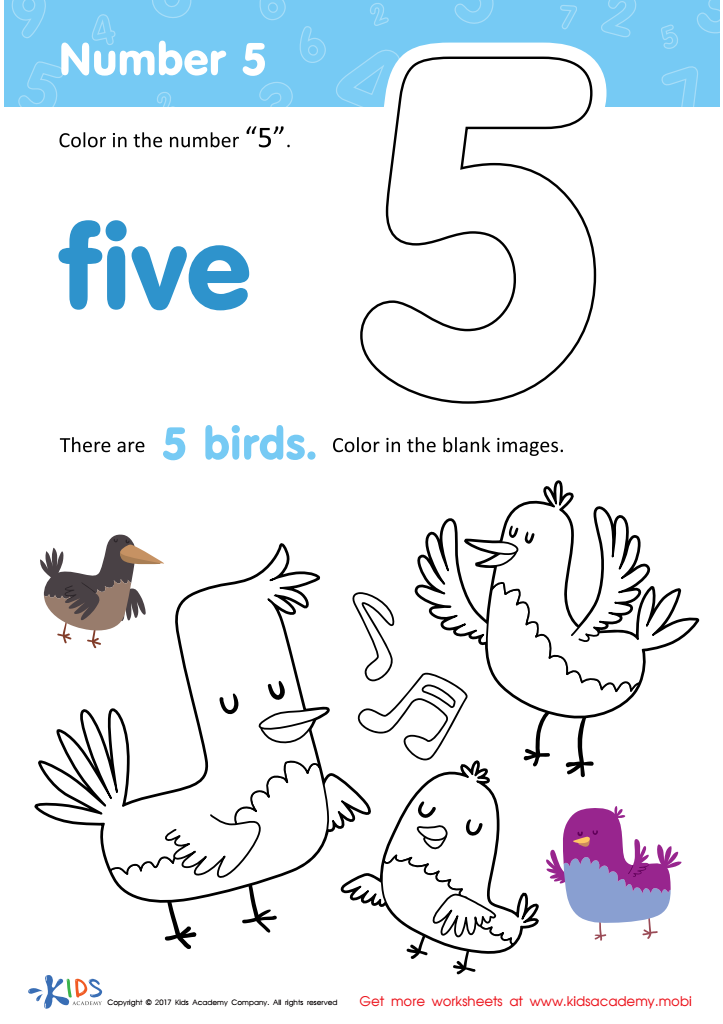
Number 5 Printable
Assign to My Students
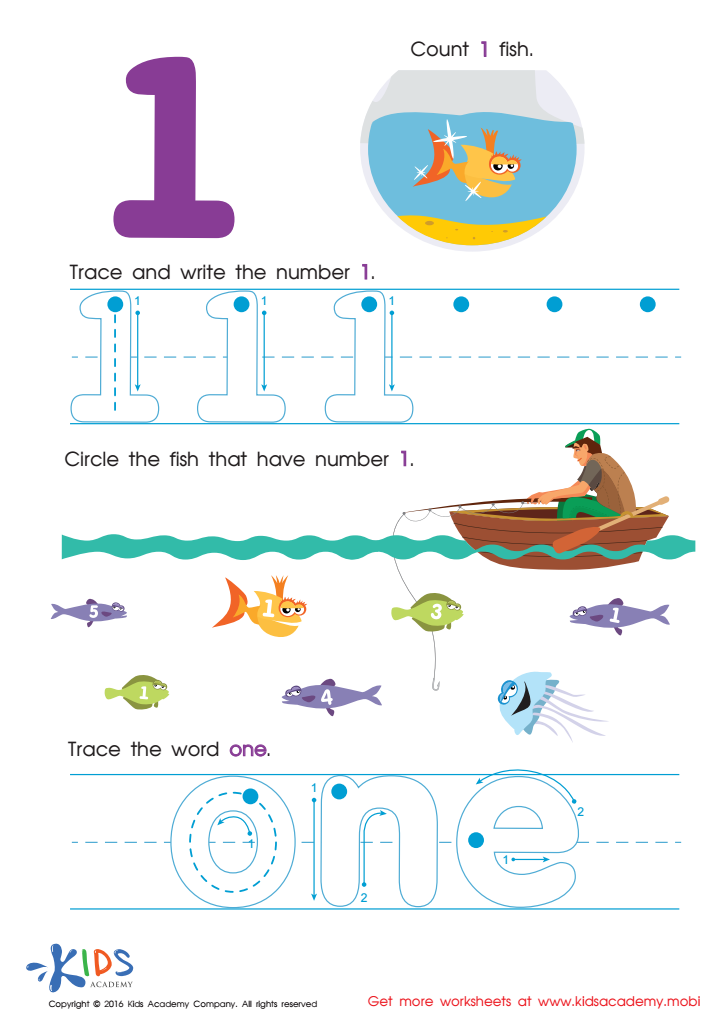
Learning to Write 1 Worksheet
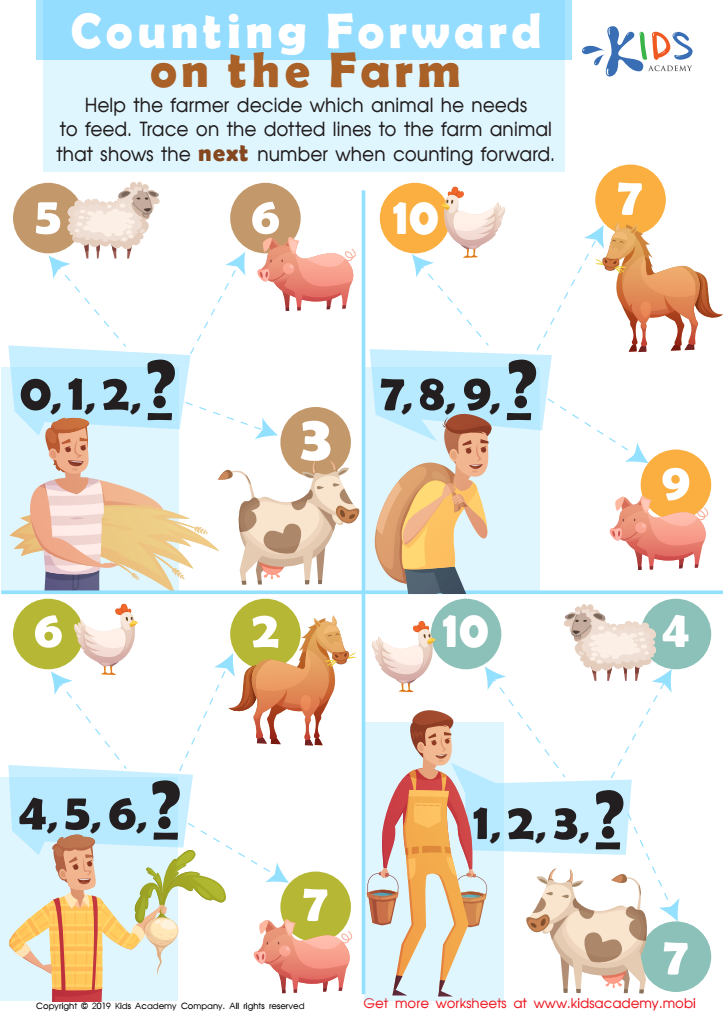
Counting Forward On the Farm Worksheet
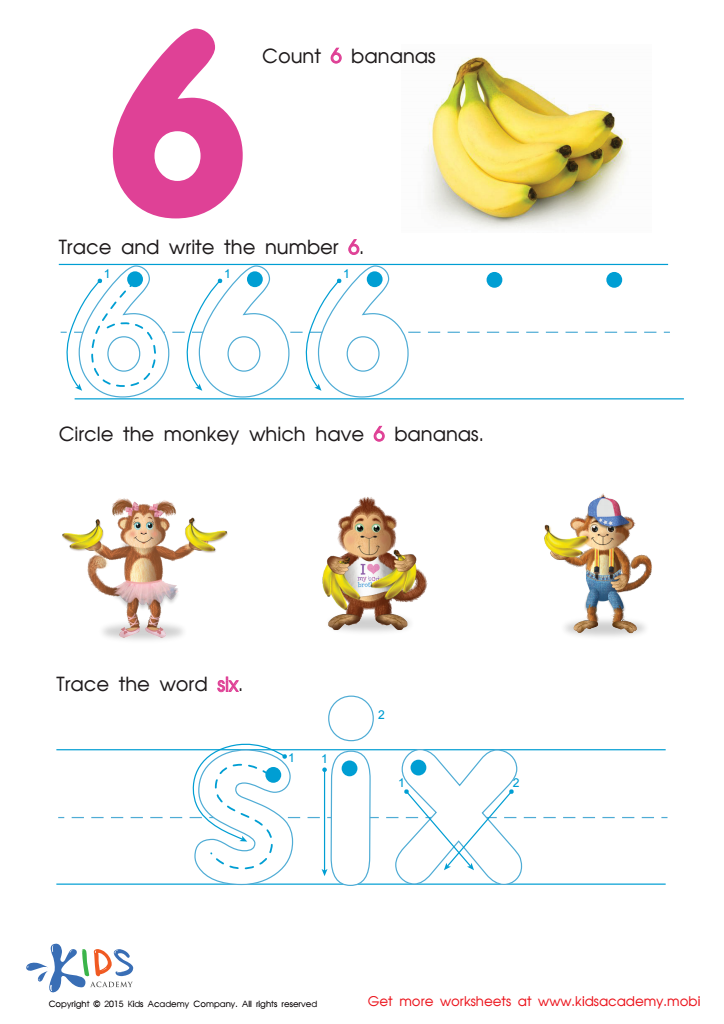
Tracing And Writing Number 6 Worksheet
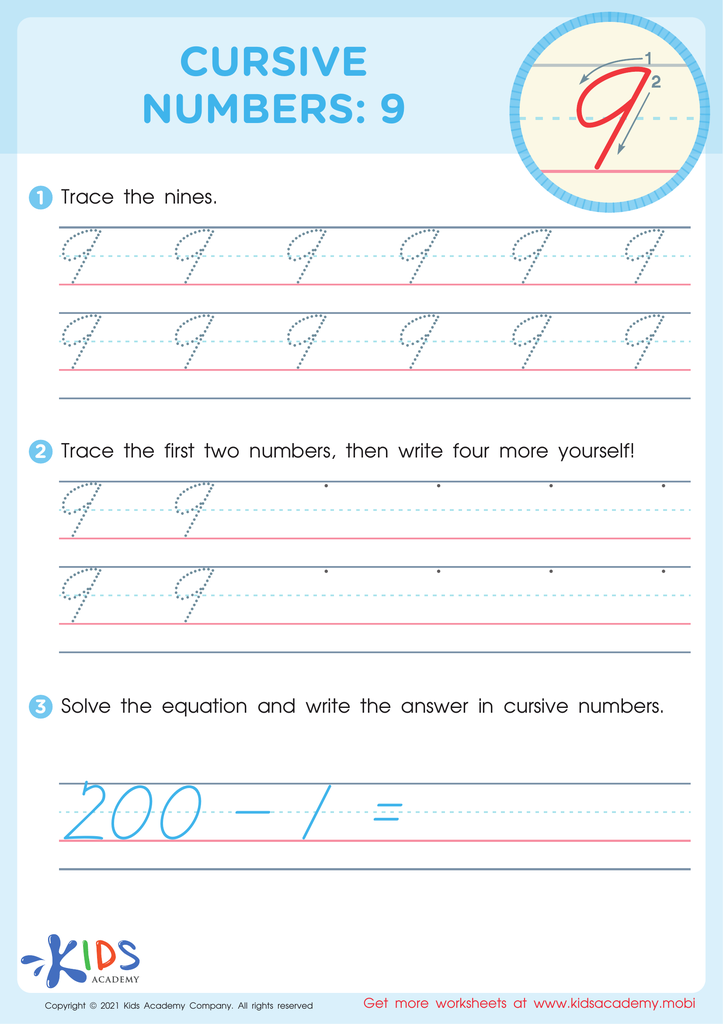
Cursive Numbers: 9 Worksheet
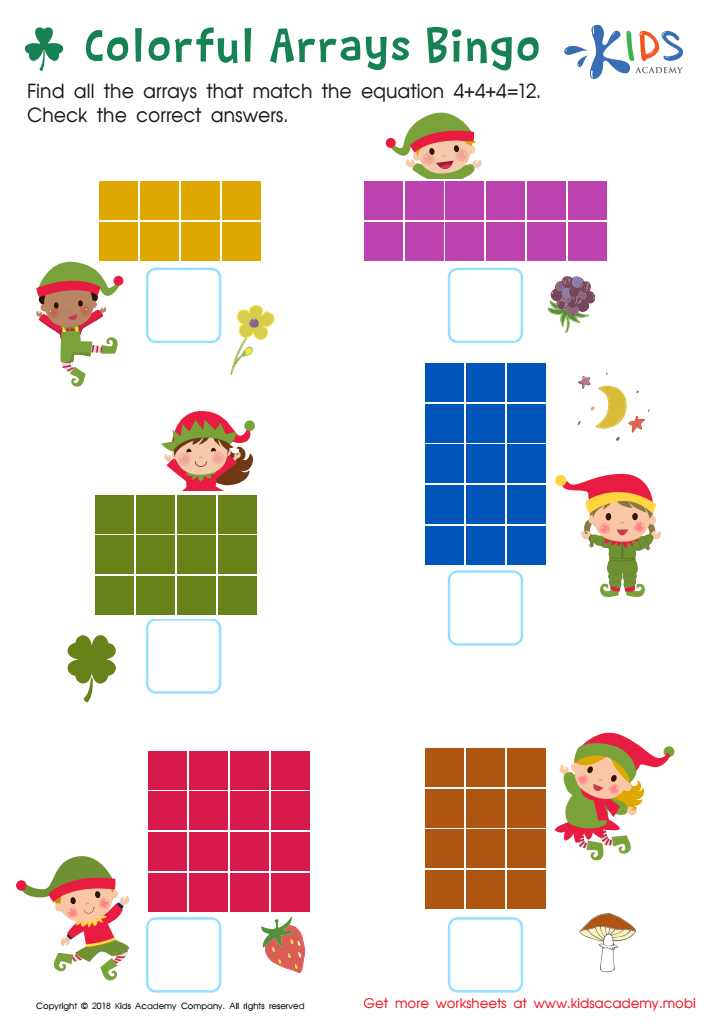
Colorful Arrays Bingo Worksheet
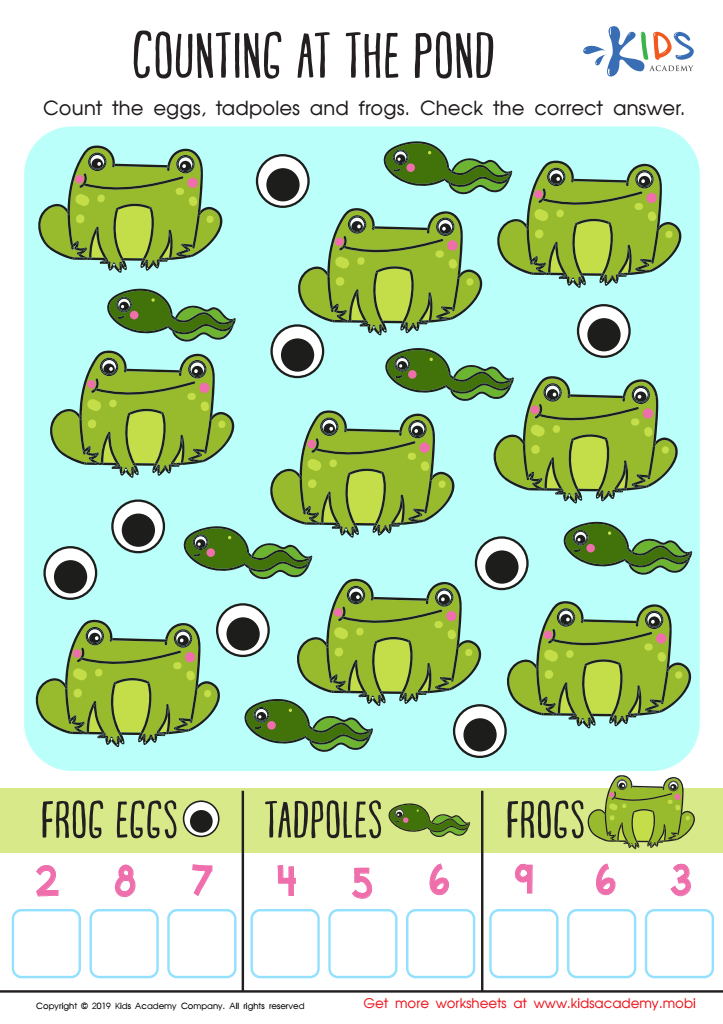
Counting at the Pond Worksheet
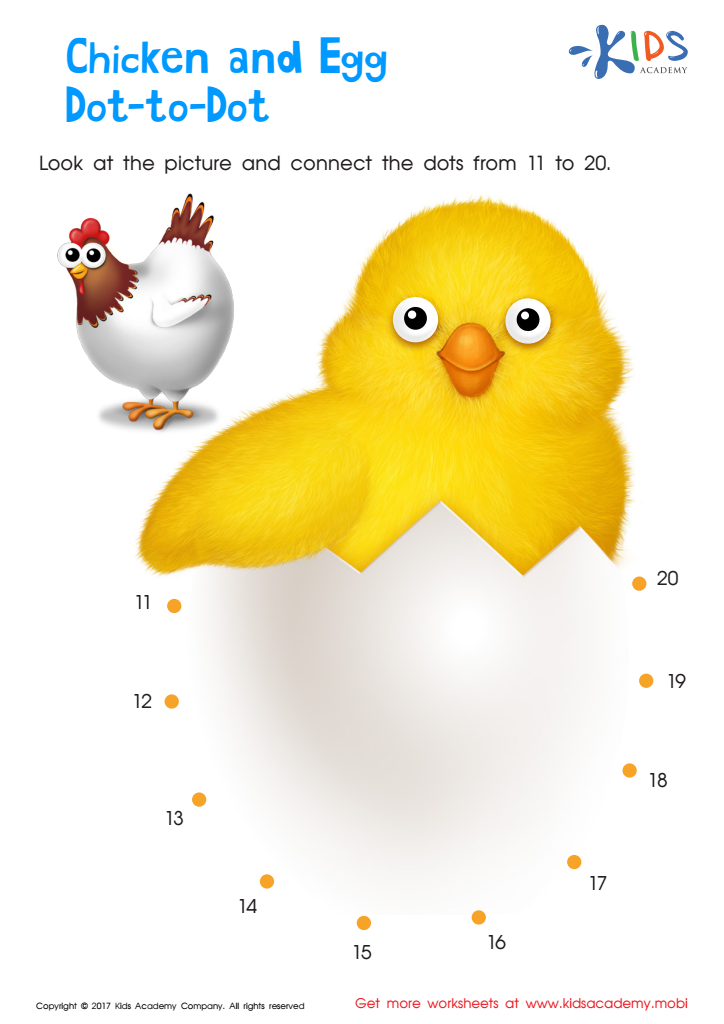
Ordering 11–20: Chicken & Egg Dot–to–dot Worksheet
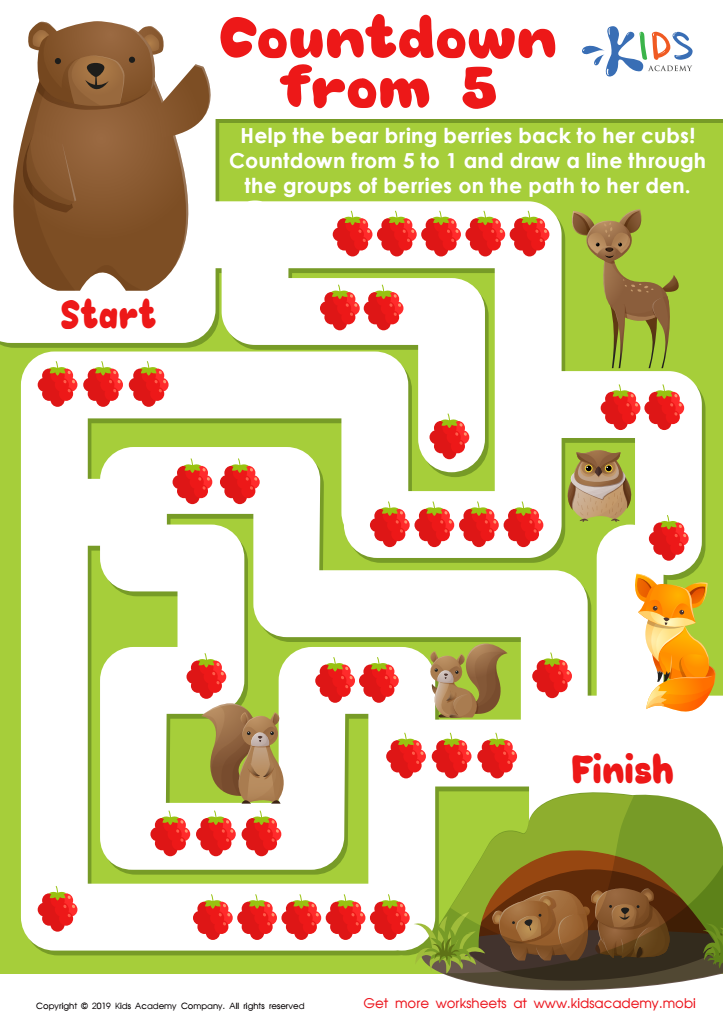
Countdown from 5 Worksheet
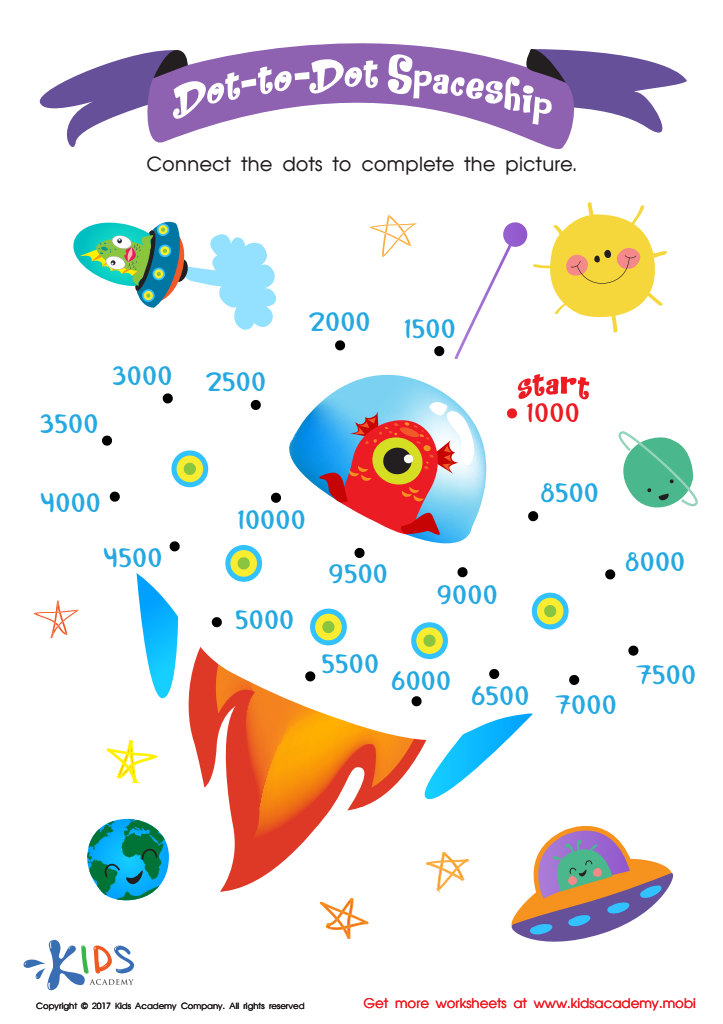
Dot to Dot Worksheet for 3rd Grade
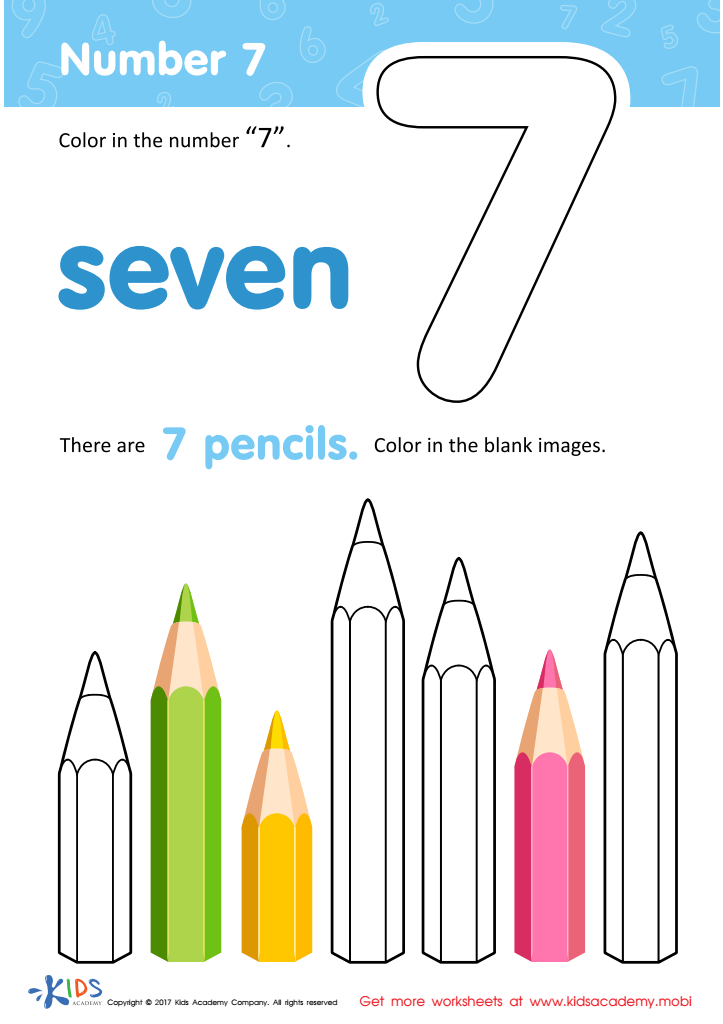
Number 7 Worksheet
Assign to My Students
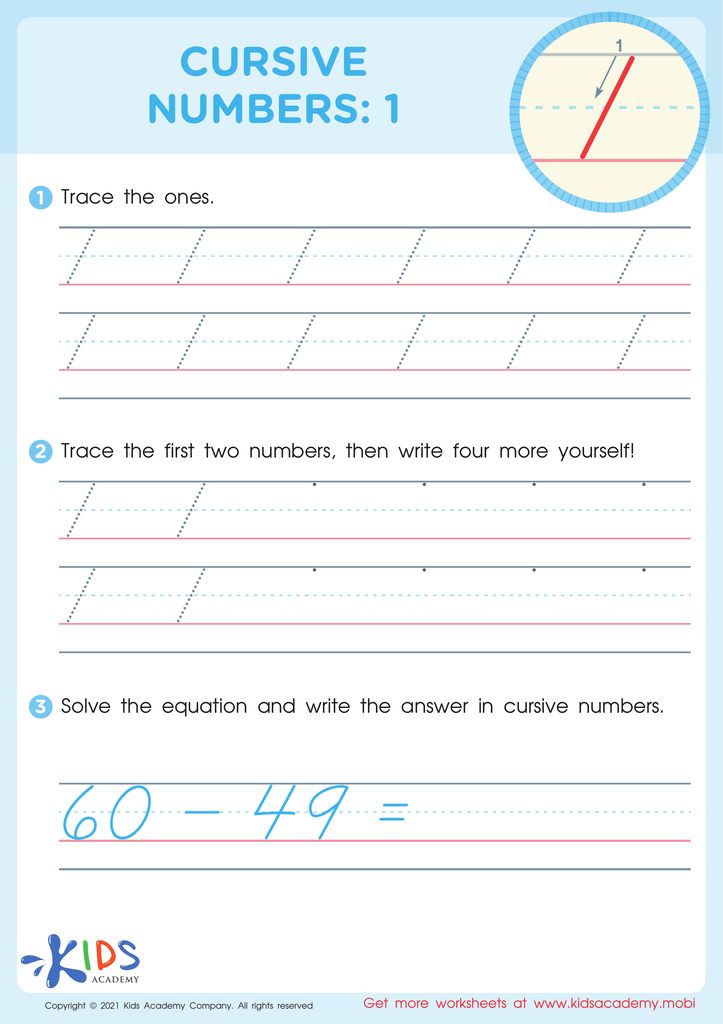
Cursive Numbers: 1 Worksheet
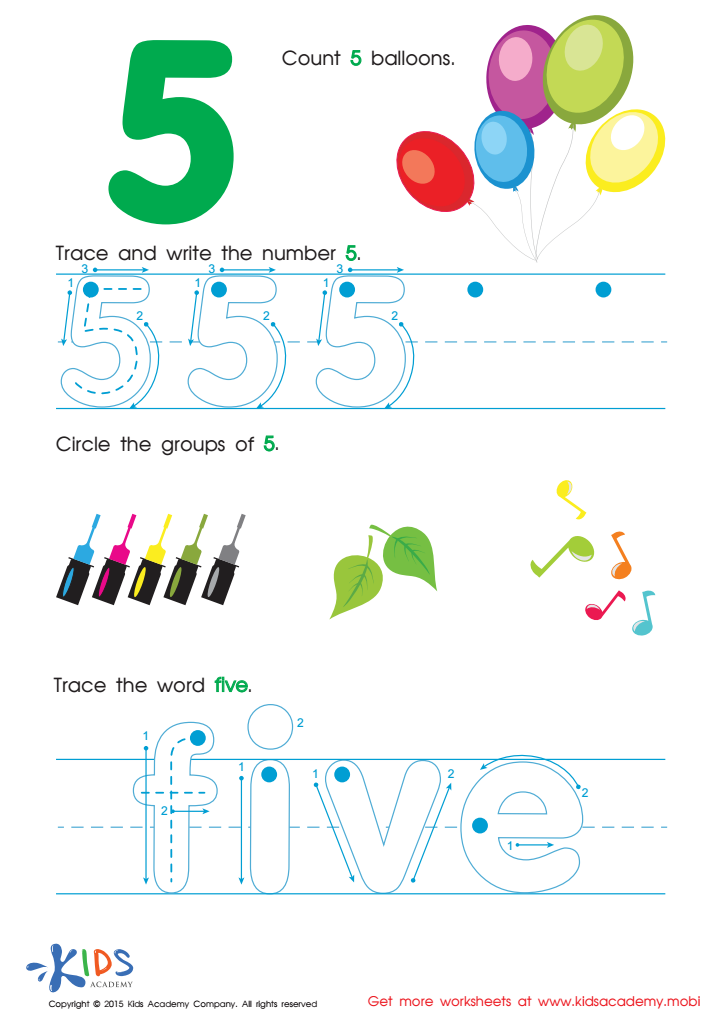
Practice Writing Number 5 Worksheet
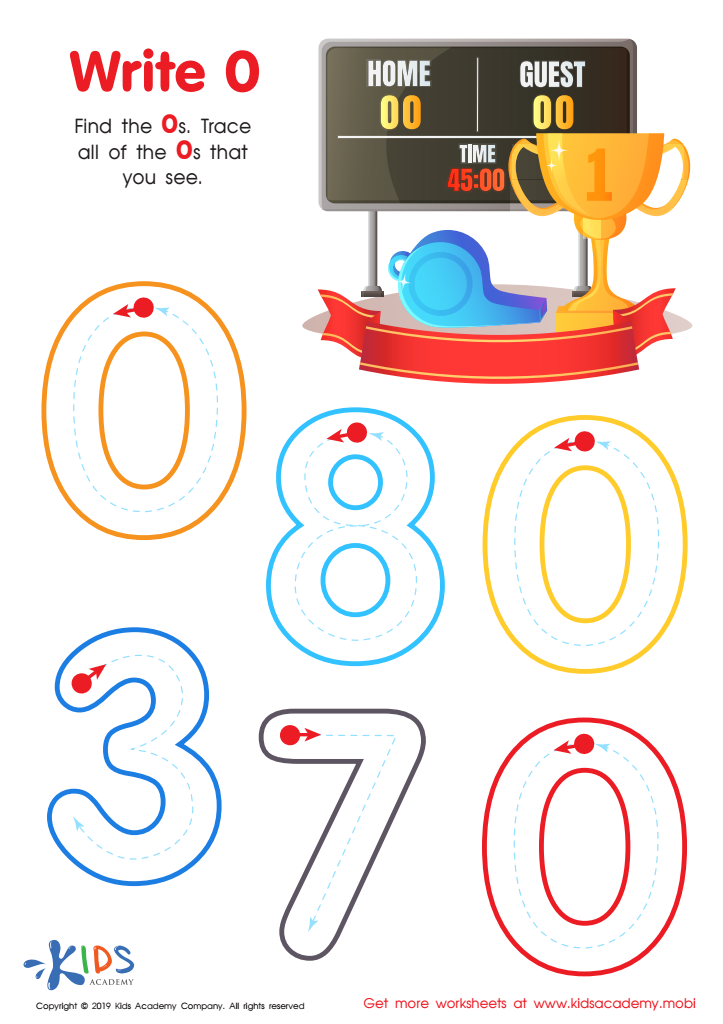
Write 0 Worksheet
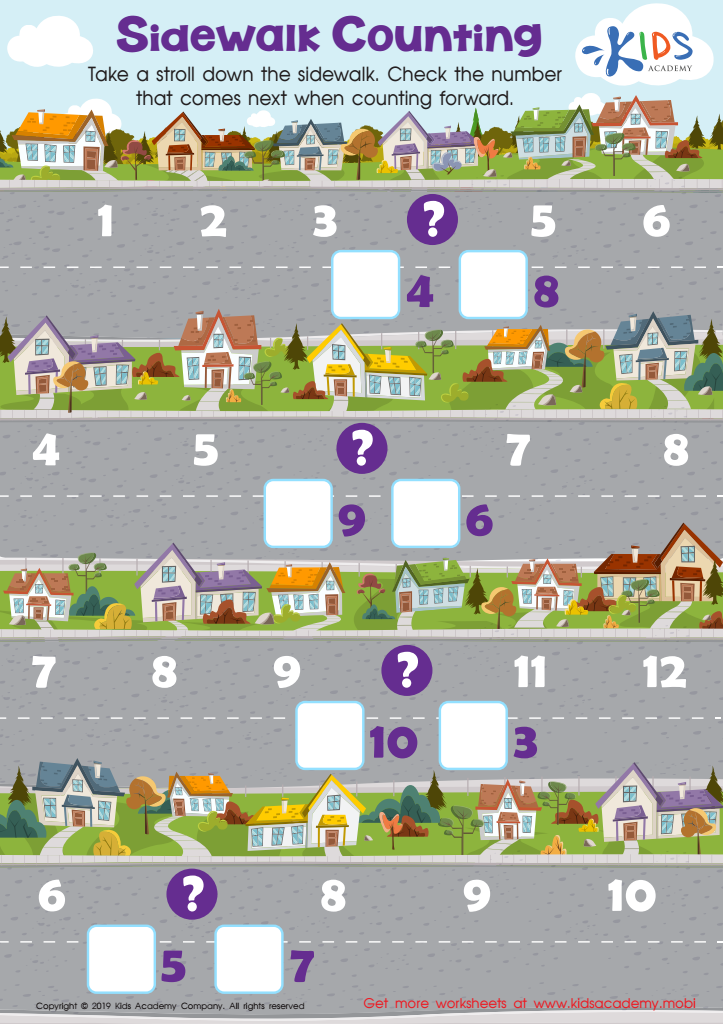
Sidewalk Counting Worksheet
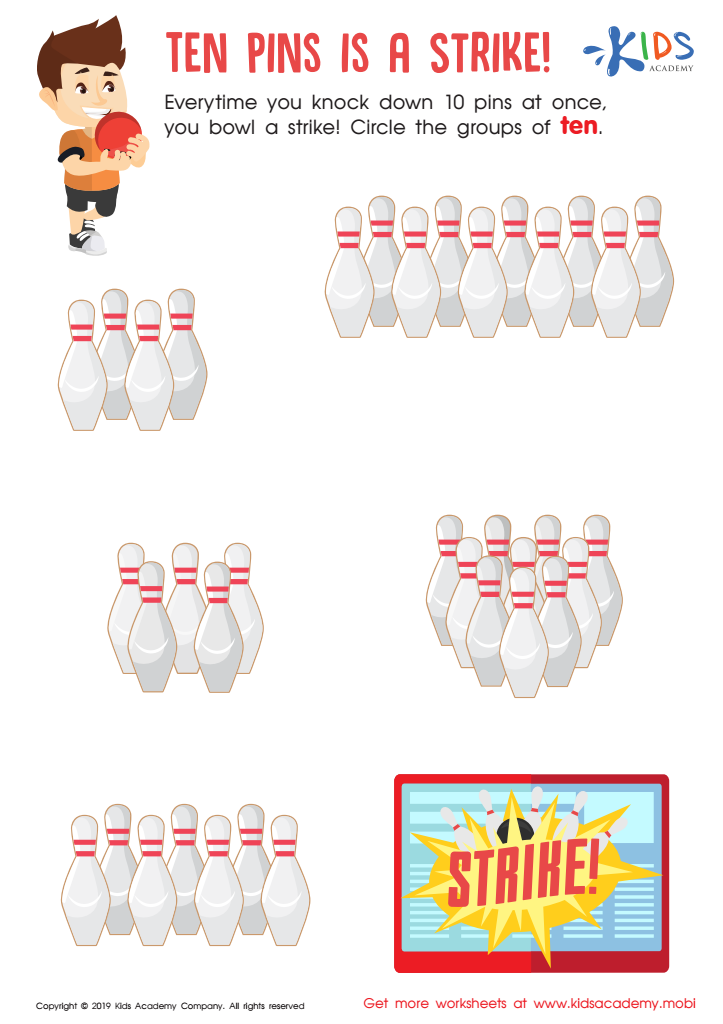
Ten Pins is a Strike Worksheet
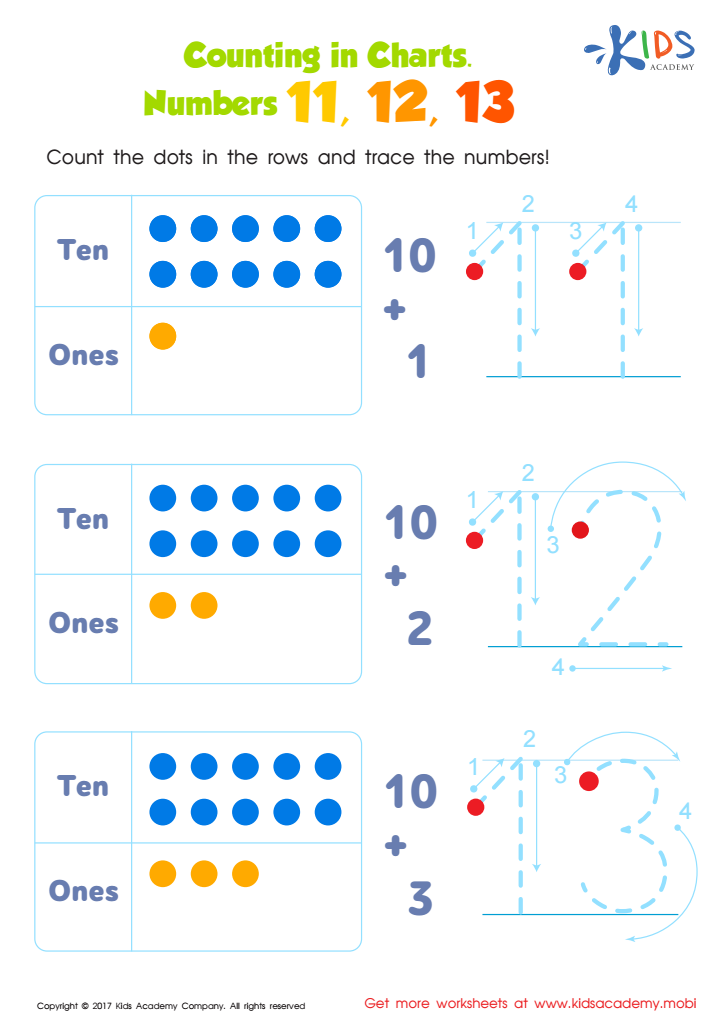
Number Tracing Worksheet For Kindergarten
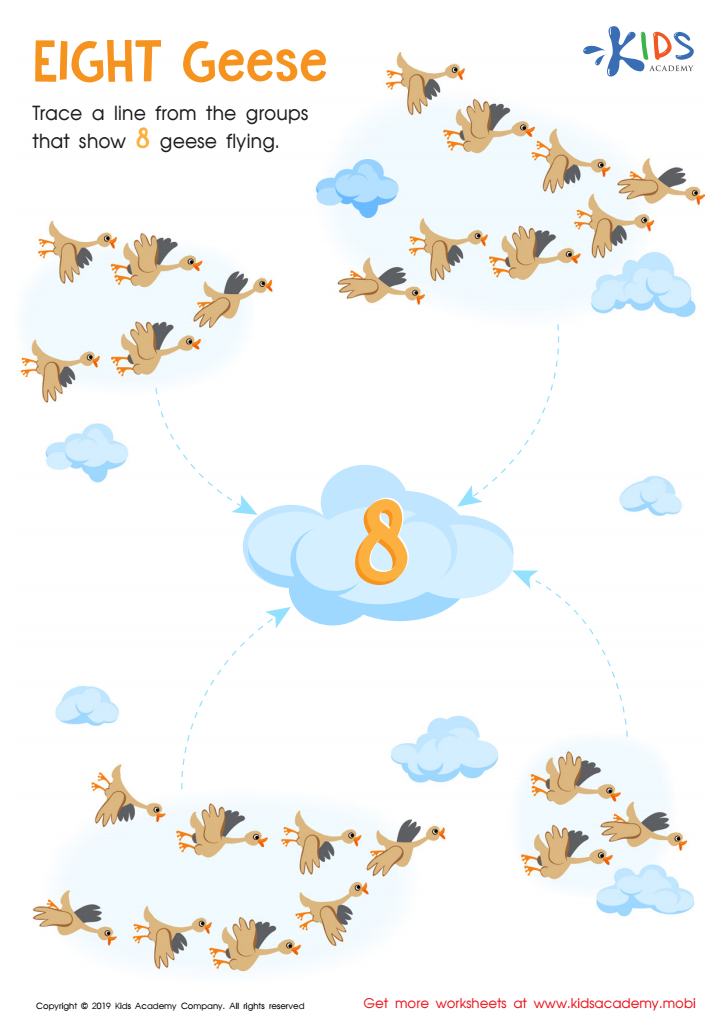
Eight Geese Worksheet
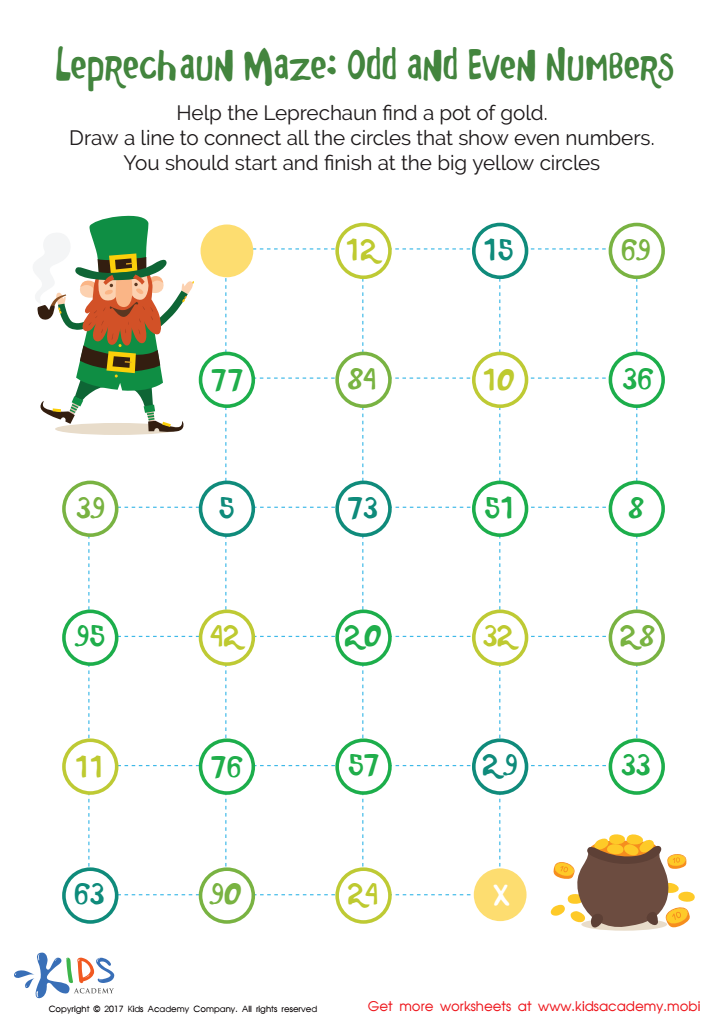
Leprechaun Maze Printable
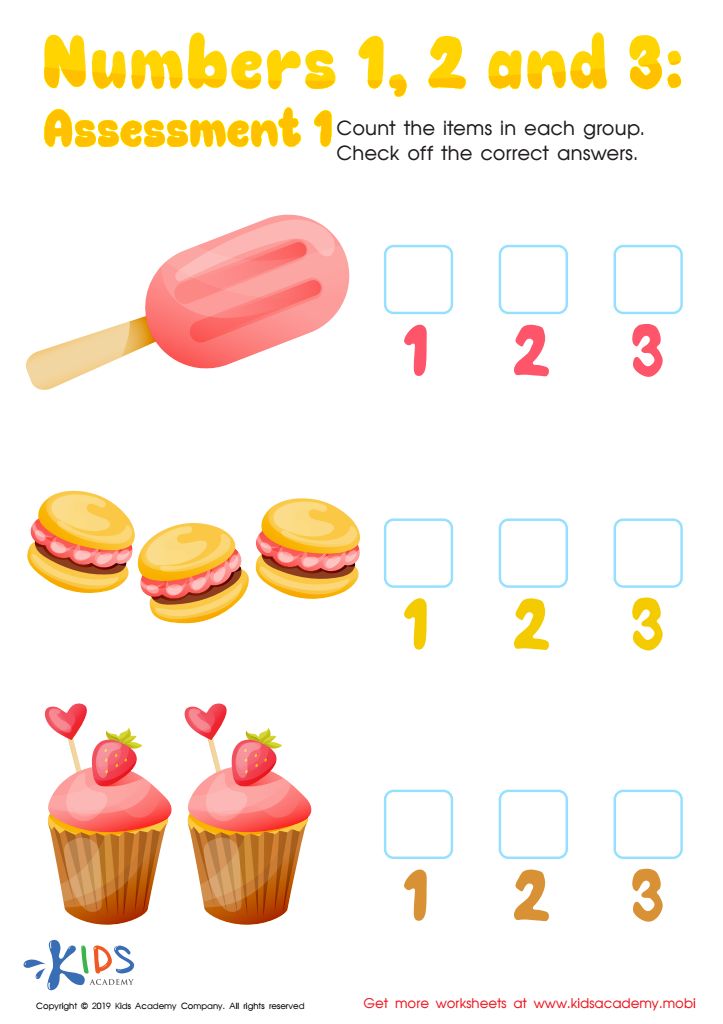
Numbers 1, 2 and 3: Assessment 1 Worksheet
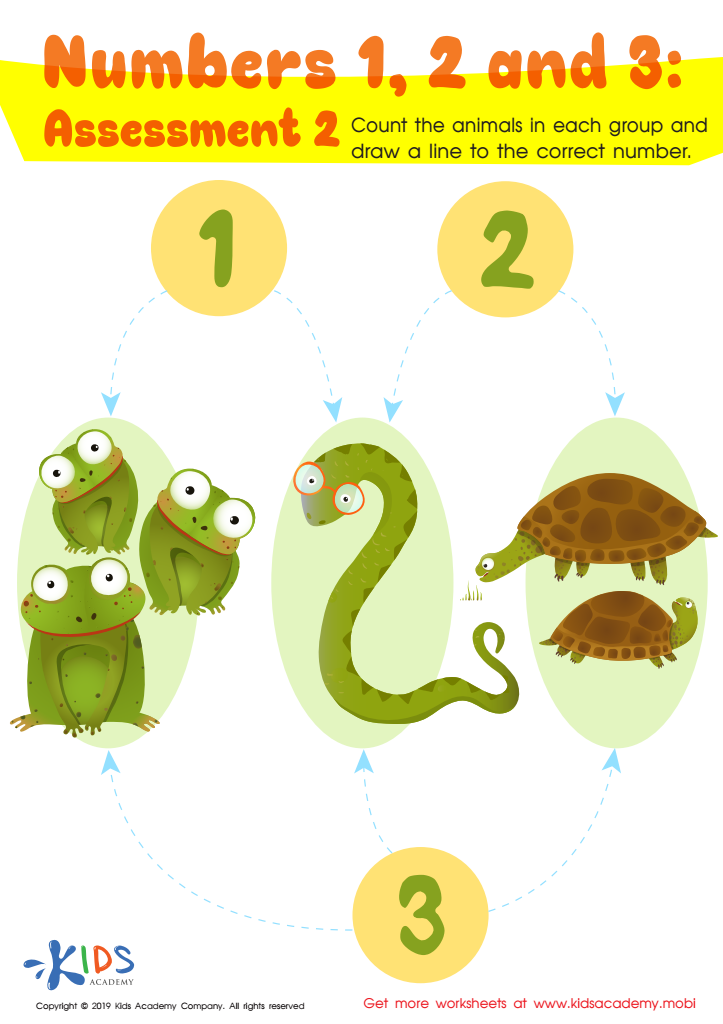
Numbers 1, 2 and 3: Assessment 2 Worksheet








Hand-eye coordination is a critical skill that develops rapidly in children aged 6 to 8, significantly impacting their physical, cognitive, and social development. Parents and teachers should care about monitoring this skill because it is foundational for various everyday activities and learning experiences. At this age, children engage in more complex tasks, such as writing, drawing, and participating in sports, all of which require good hand-eye coordination.
Improving hand-eye coordination can enhance academic performance by facilitating effective handwriting, aiding in the use of tools like scissors, and contributing to proficiency in computer skills. Moreover, this skill is closely linked to a child’s self-esteem and confidence as they master physical tasks and gain independence.
Engaging in activities that promote hand-eye coordination, like playing catch, assembling puzzles, or crafting, also fosters social skills as children collaborate and share experiences with peers. Additionally, strong hand-eye coordination supports overall motor development, influencing balance, agility, and coordination in all physical activities.
Investing time and attention into fostering this essential skill is crucial during these formative years, ensuring that children are well-equipped for both academic challenges and active play. Thus, focusing on hand-eye coordination supports holistic child development.








