Pattern recognition Matching Worksheets for Ages 6-8
5 filtered results
-
From - To
Discover our engaging "Pattern Recognition Matching Worksheets for Ages 6-8" designed to enhance your child's cognitive development and problem-solving skills. Ideal for early learners, these worksheets feature fun and educational activities that help children identify, analyze, and match patterns with ease. Each worksheet presents a variety of colorful, interactive exercises that make learning enjoyable and effective. Encourage critical thinking and boost your child's confidence in math and logical reasoning by integrating these carefully crafted worksheets into their daily learning routine. Perfect for both classroom and at-home learning, these pattern recognition resources will delight and educate young minds.
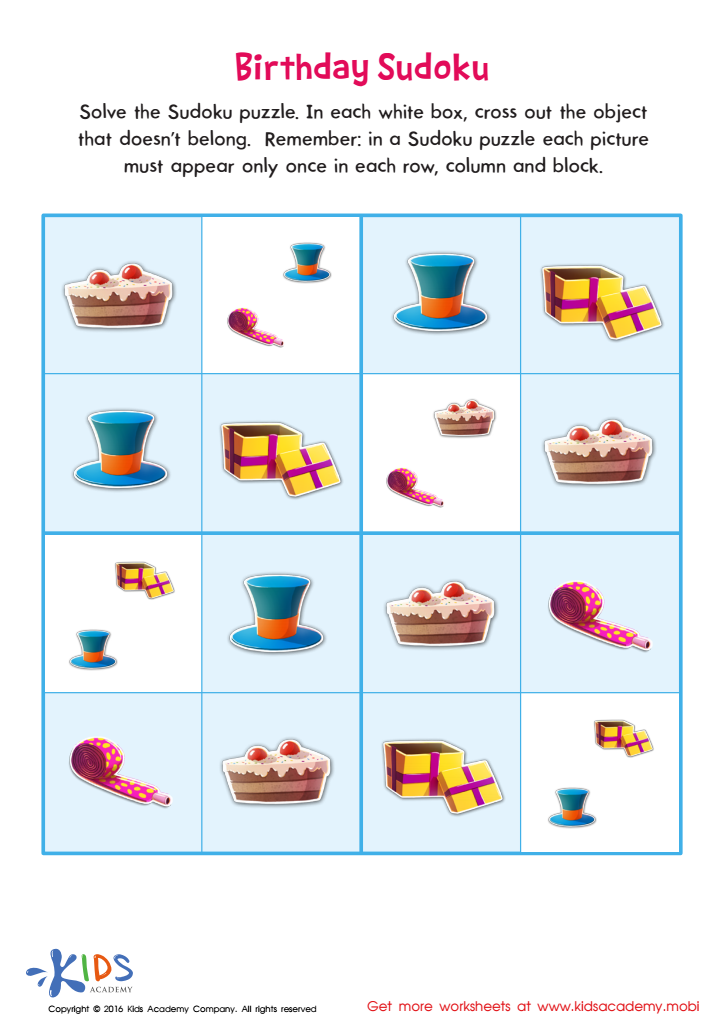
Birthday Sudoku Sorting Worksheet
 Assign to My Students
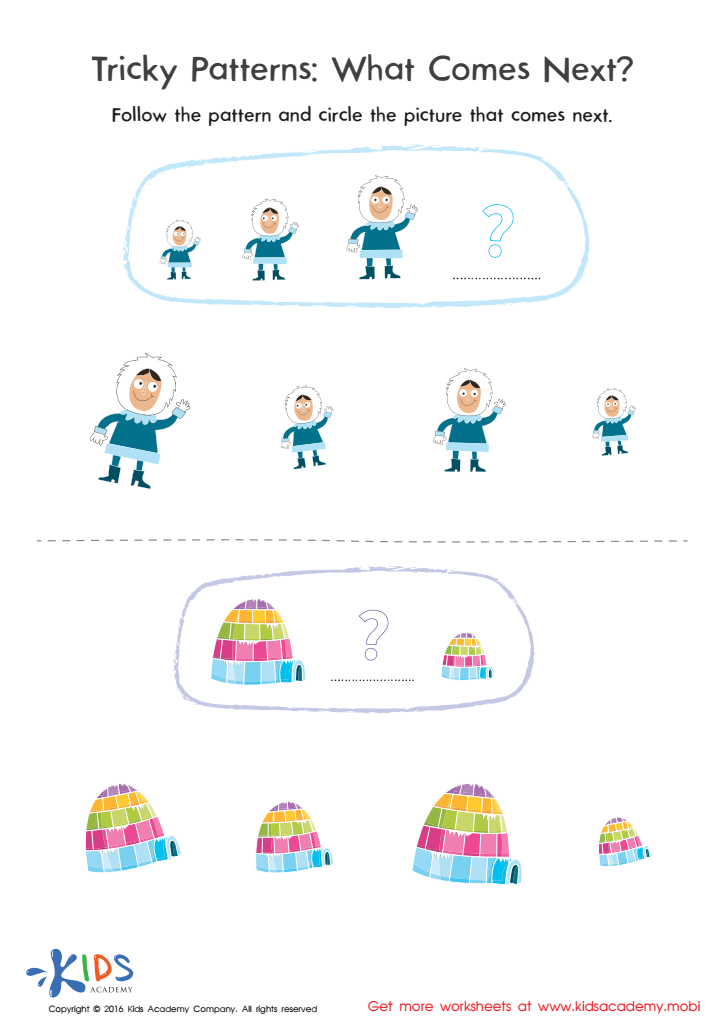
Tricky Patterns Size Worksheet
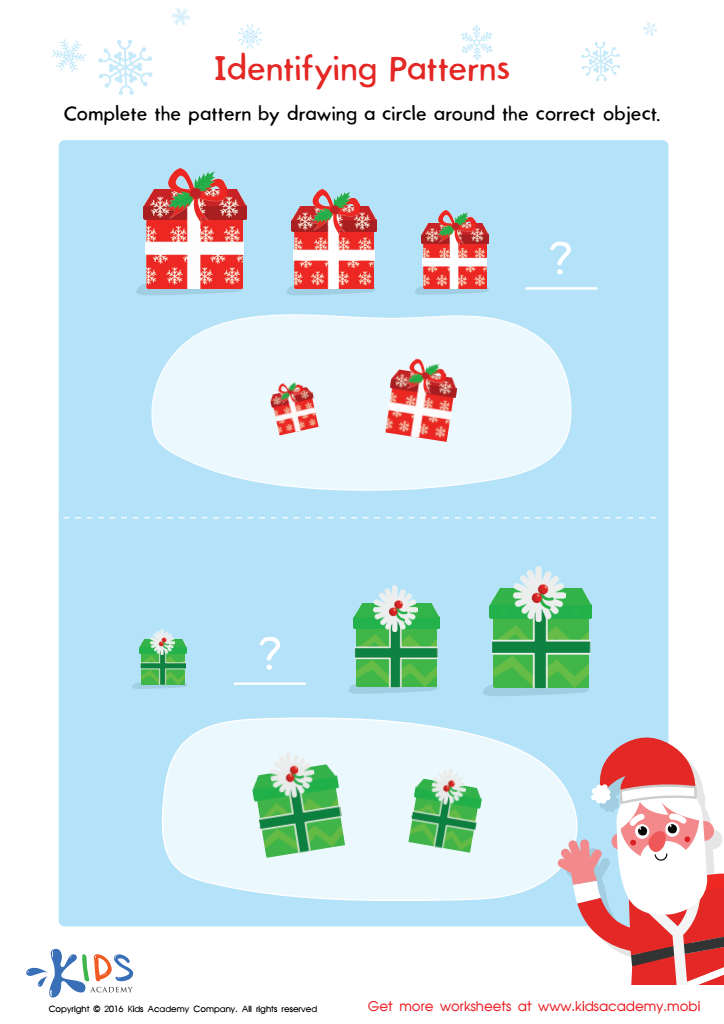
Identifying Patterns Worksheet
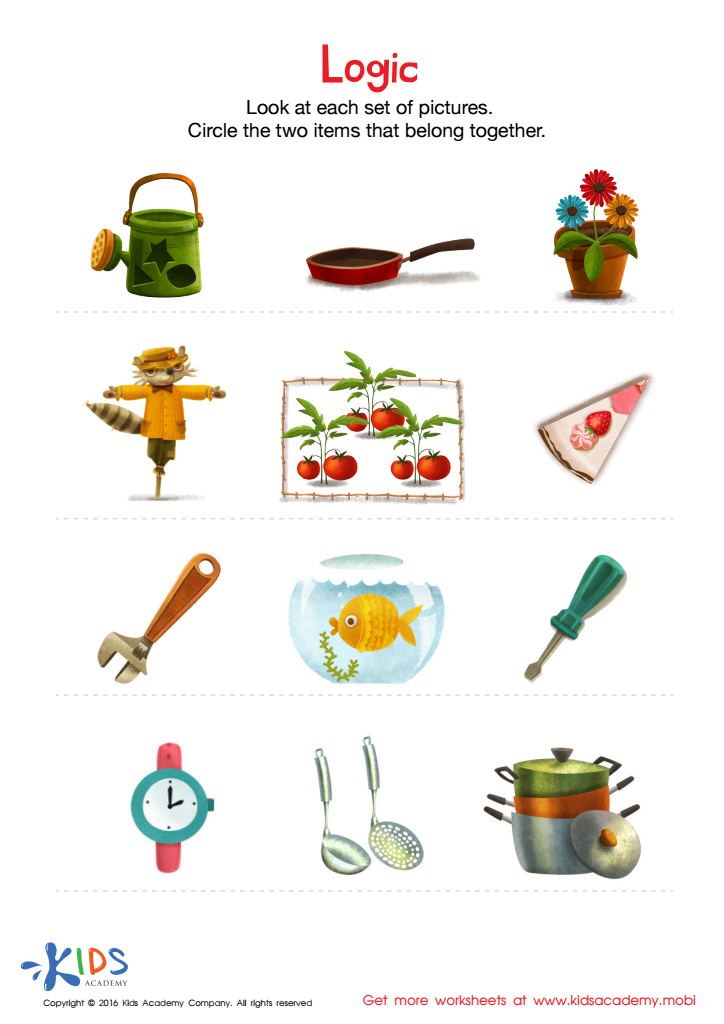
Logic Game Sorting Worksheet
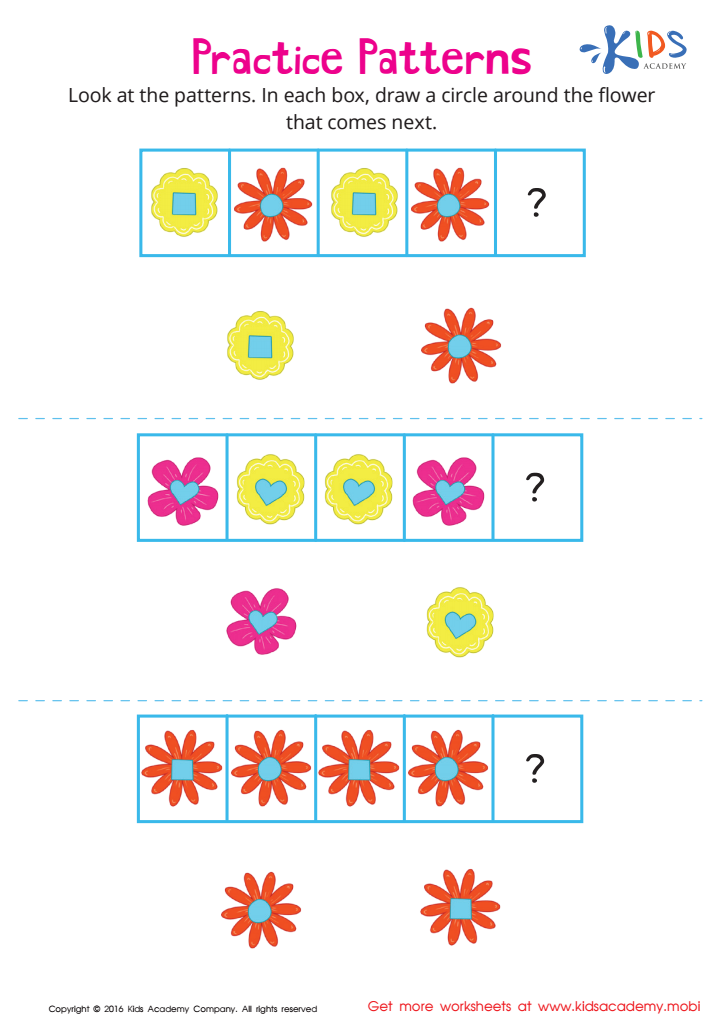


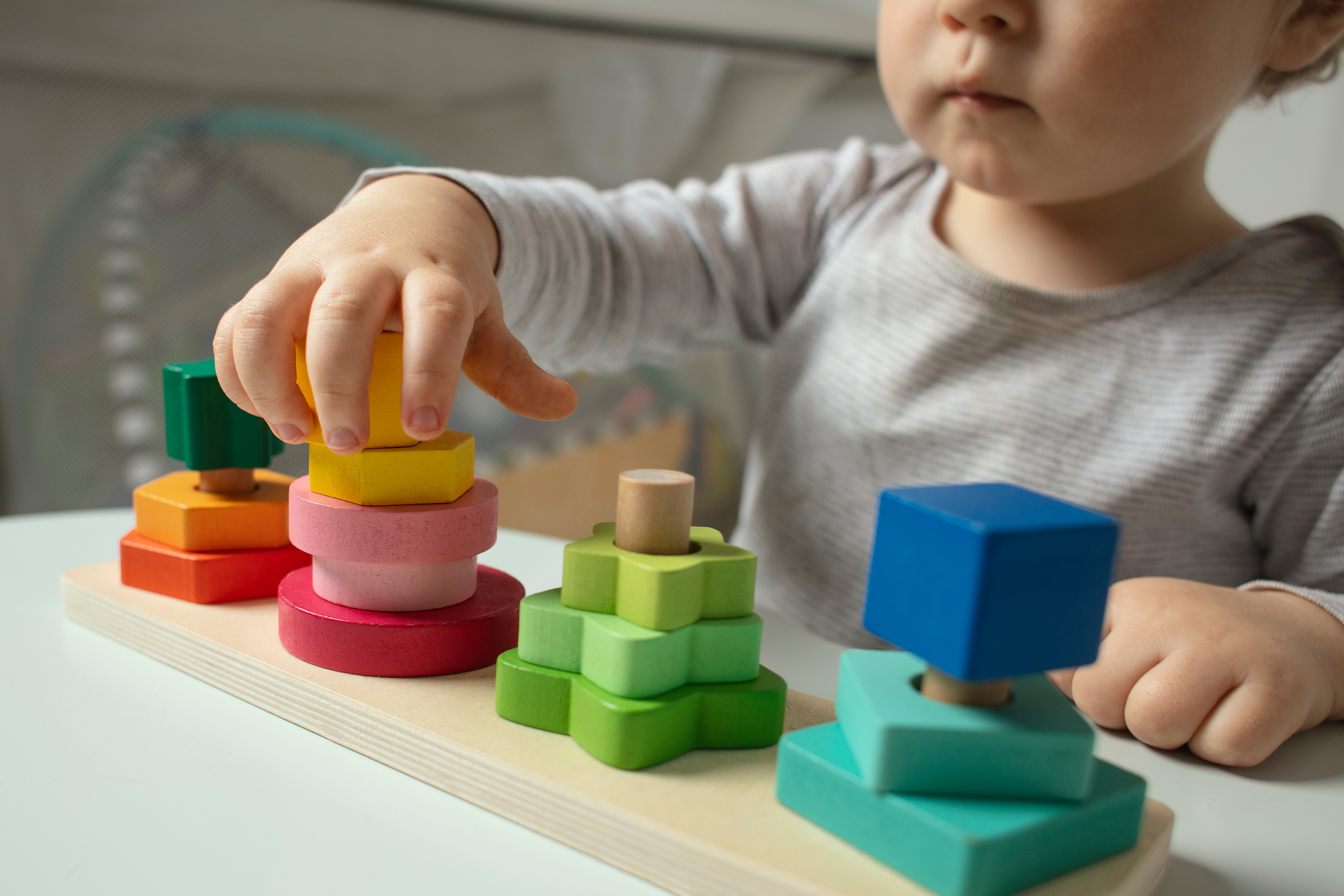





Pattern recognition is a crucial cognitive skill, particularly for children aged 6-8, and should be a primary focus for parents and teachers. At this age, kids are rapidly developing their cognitive abilities, including critical thinking, problem-solving, and logical reasoning. Pattern recognition lays the groundwork for these higher-order thinking skills.
By identifying and understanding patterns, children learn to predict outcomes, establish connections between different concepts, and organize information more effectively. For instance, recognizing patterns in numbers aids in basic arithmetic and more complex mathematical reasoning. Similarly, discerning patterns in letters and sounds is essential for reading and language development, helping children decode new words, enhance vocabulary, and improve comprehension.
Moreover, engaging in pattern recognition activities enhances memory and concentration, critical components for academic success. Activities like sorting objects by size, color, or shape; completing sequences; and solving puzzles make learning immersive and enjoyable. These tasks can also foster creativity, allowing children to see relationships in the world around them.
Investing time in supporting and developing this skill not only boosts children’s confidence in their academic abilities but also equips them with foundational tools necessary for lifelong learning and real-world problem-solving. Thus, parents and teachers should highly prioritize pattern recognition in their educational strategies for young children.








