Vocabulary Building Matching Worksheets for Ages 6-8
3 filtered results
-
From - To
Enhance your child's vocabulary with our engaging Vocabulary Building Matching Worksheets, tailored for ages 6-8! These worksheets are designed to foster language development through fun, interactive matching exercises. Children will match words to pictures, synonyms, and definitions, reinforcing comprehension and retention in an enjoyable way. With vibrant illustrations and thoughtfully crafted activities, learning becomes an adventure. Ideal for home or classroom use, our worksheets provide a foundation for confident communication skills. Encourage your child's love for words and expand their vocabulary in a playful and effective manner. Explore the joy of language learning today with our curated resources!
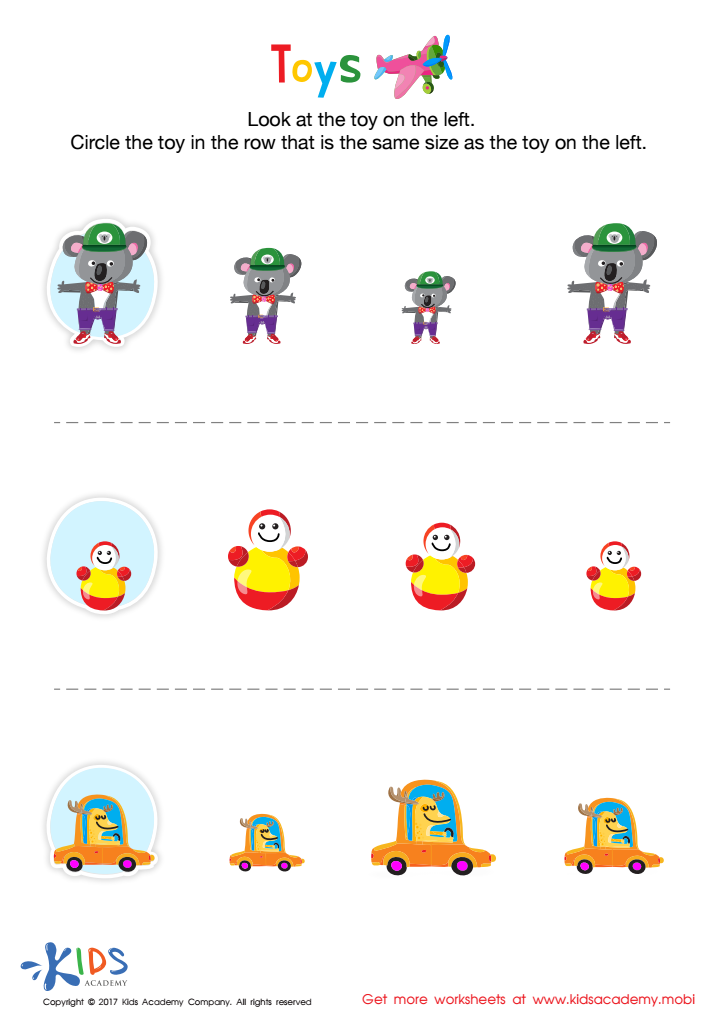
Matching: Classifying Toys by Size Worksheet
 Assign to My Students
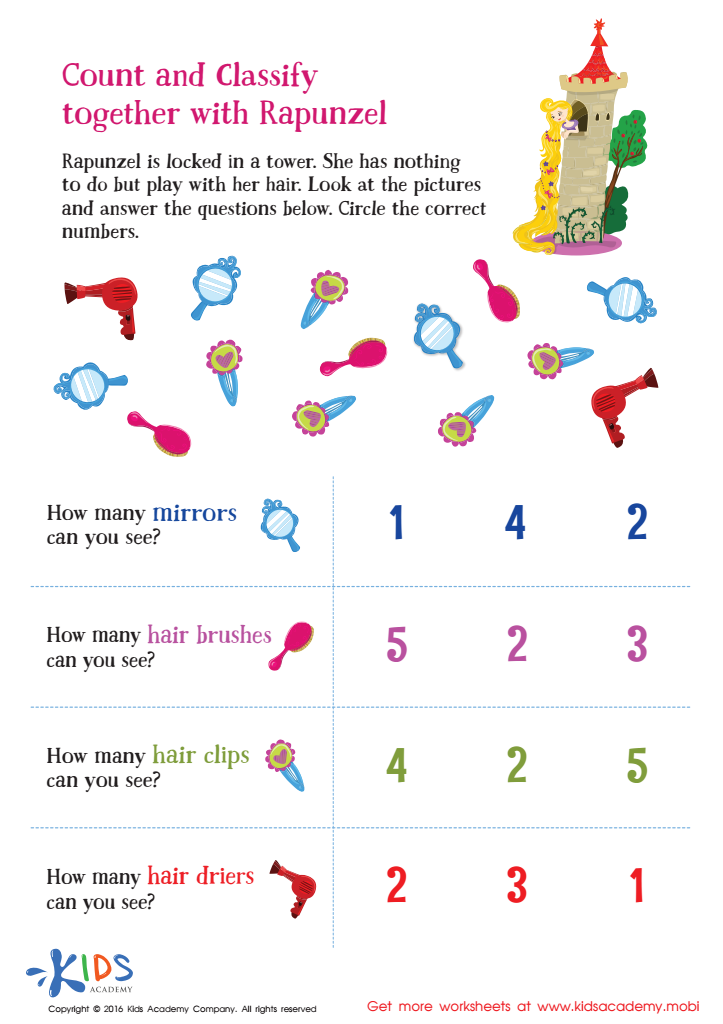
Fairy Tale Worksheet: Count and Classify with Rapunzel







Vocabulary building is a crucial aspect of a child's development, particularly for those aged 6-8. This age range is a pivotal time for language acquisition, and engagement with vocabulary not only enriches communication skills but also enhances reading comprehension and cognitive abilities.
Parents and teachers should care about vocabulary building activities, such as matching exercises, because they provide a structured and interactive way to enhance word recognition and understanding. Matching activities can engage children's curiosity and interest while encouraging them to make connections between words, meanings, and contexts. This reinforcement promotes retention and application of new vocabulary in everyday conversations and academic settings.
Furthermore, strong vocabulary skills in early childhood correlate with better academic performance as children progress through school. By investing time in vocabulary building, parents and teachers are equipping children with essential tools for literacy, critical thinking, and lifelong learning.
Moreover, a robust vocabulary boosts confidence, allowing children to express themselves more clearly and assertively. In a diverse world, being able to communicate effectively is paramount. Therefore, vocabulary building through fun, matching activities should be a priority in any early education approach.








