Color Identification Science Worksheets for Ages 6-8
4 filtered results
-
From - To
Enhance your child's scientific exploration with our engaging Color Identification Science Worksheets, designed specifically for ages 6-8! These interactive resources help young learners discover the fascinating world of colors through hands-on activities and fun exercises. Students will develop essential observation skills while identifying, categorizing, and mixing colors. Our worksheets not only spark curiosity but also support early science education, making learning enjoyable and impactful. Perfect for home or classroom use, these colorful materials will inspire creativity and foster a love for science. Dive into the magical world of colors and watch your child’s understanding blossom with these captivating worksheets!
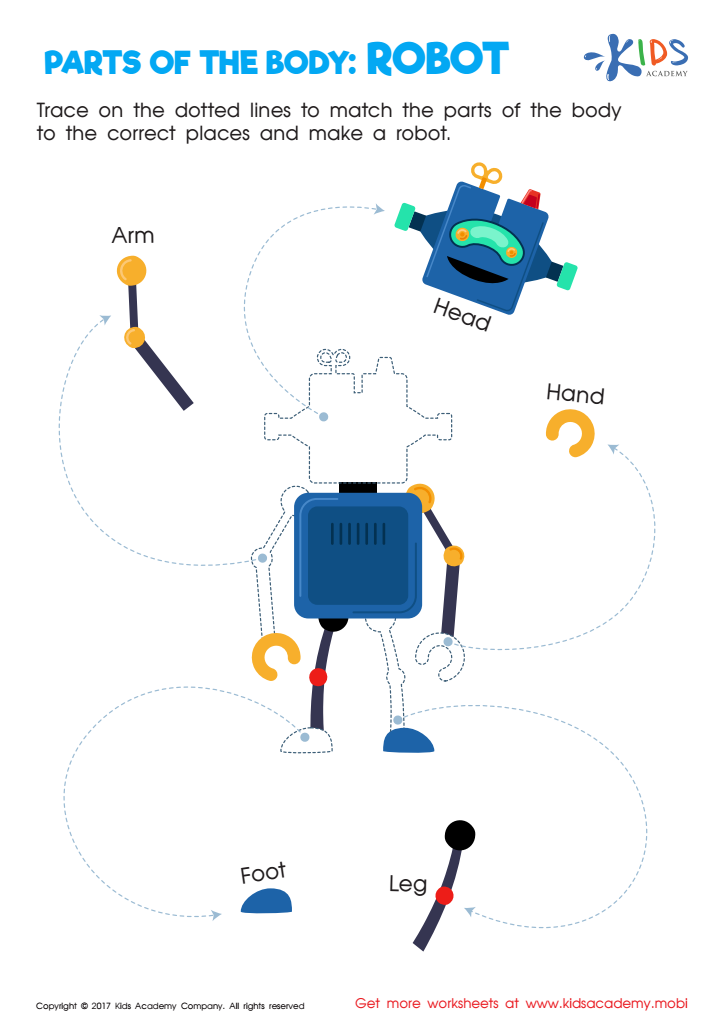
Robot Printable
 Assign to My Students
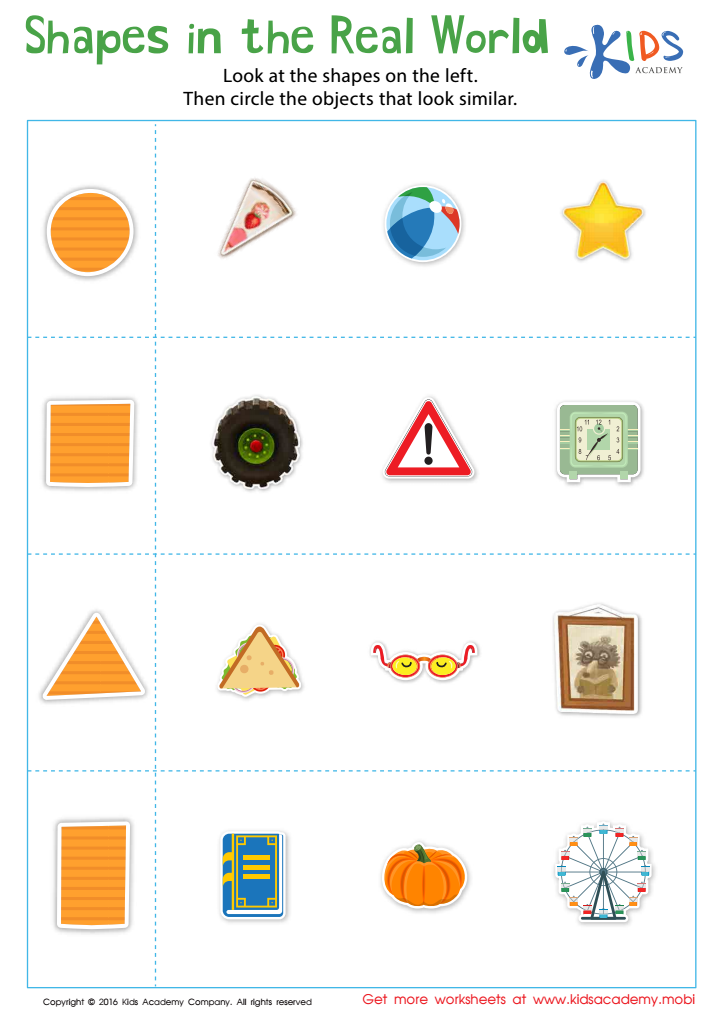
Shapes in the Real World Worksheet
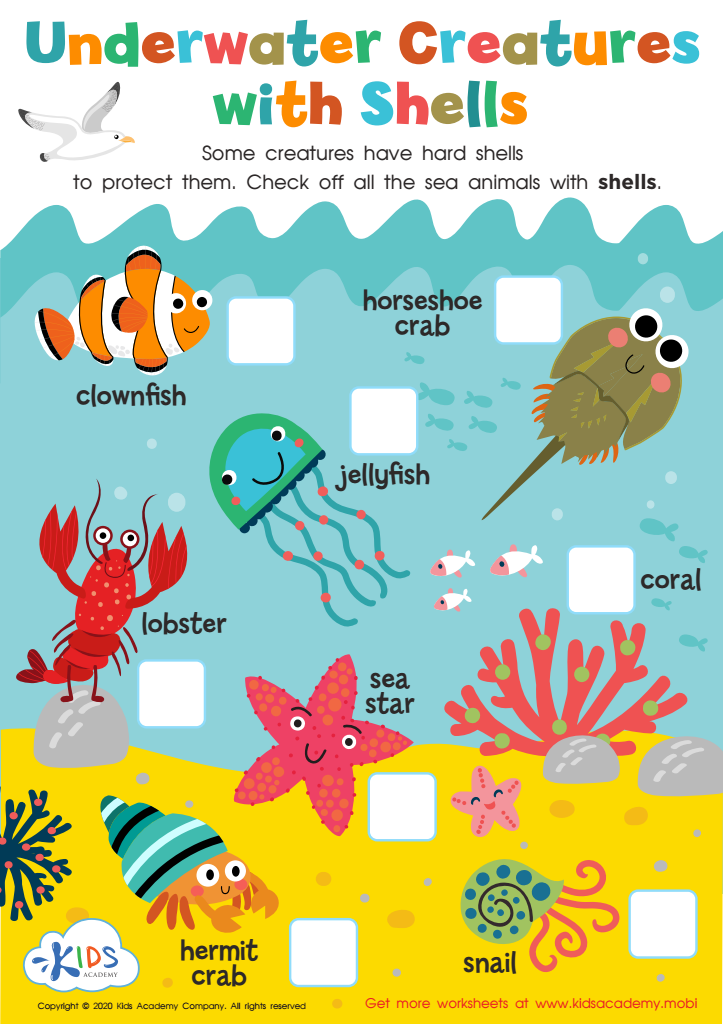
Underwater Creatures with Shells Worksheet
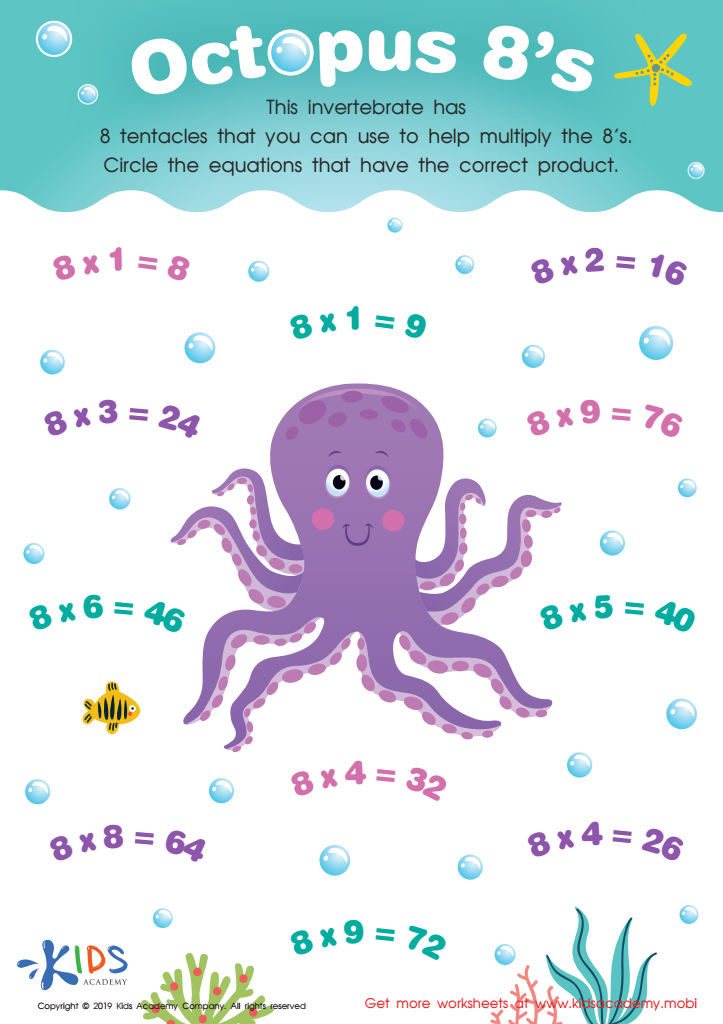
Octopus 8’s Worksheet








Color identification is a fundamental aspect of early learning, particularly for children aged 6-8. During this developmental stage, children are not only expanding their vocabularies but also enhancing their cognitive skills. Understanding colors helps to foster visual perception, which is essential for recognizing patterns and making connections in various subjects, from art to mathematics.
Parents and teachers should care about color identification because it supports a child's ability to express thoughts, emotions, and observations. By naming colors, children develop language skills and learn to communicate more effectively about their environment. Additionally, color identification encourages creativity; it allows children to engage artistically, whether they are painting, drawing, or even exploring the world around them.
In a broader context, color recognition plays a role in early science education. It equips children with skills that promote observation and exploration—foundational elements for inquiry-based learning. Understanding color also has real-world applications, such as safety awareness (like traffic lights) and organization skills. Ultimately, prioritizing color identification enriches a child's learning experience, making it crucial for parents and educators to embrace and facilitate this vibrant aspect of early childhood development.







