Learning about ecosystems Science Worksheets for Ages 6-8
4 filtered results
-
From - To
Discover the fascinating world of ecosystems with our engaging Science Worksheets designed for children aged 6-8! These interactive resources encourage young learners to explore the intricate relationships between living organisms and their environments. Through colorful visuals and fun activities, children will understand the importance of biodiversity, the roles of various species, and how ecosystems function. Our worksheets promote essential skills such as critical thinking and observation while fostering a love for science. Perfect for the classroom or at-home learning, these materials provide an exciting foundation for environmental awareness and appreciation. Start your child's journey into ecosystems today!
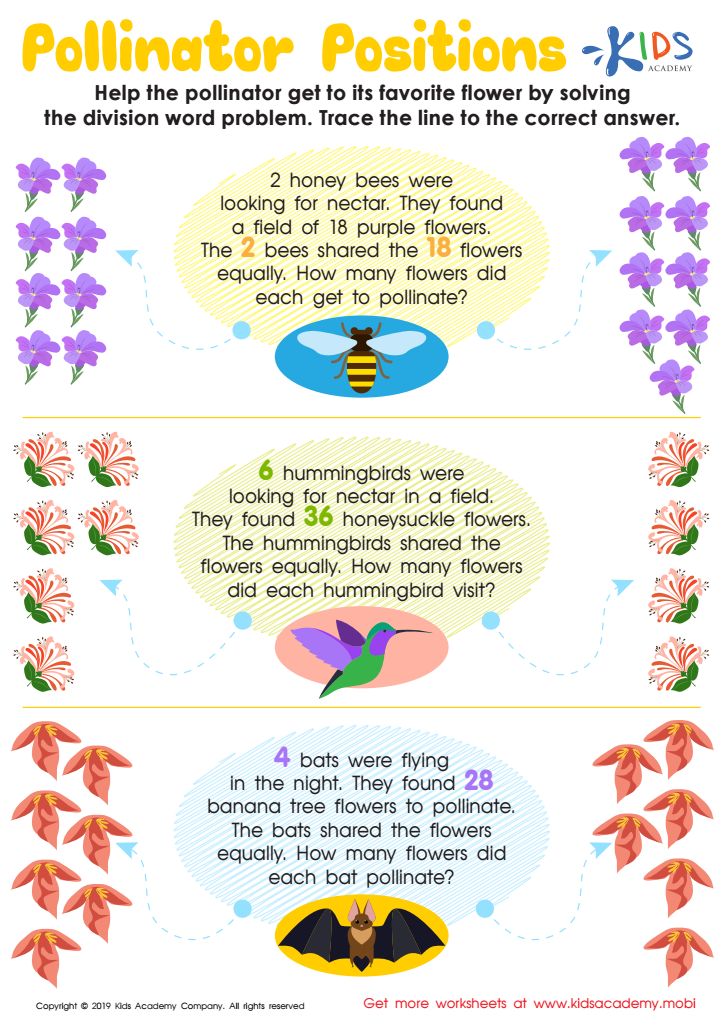
Pollinator Positions Worksheet
 Assign to My Students
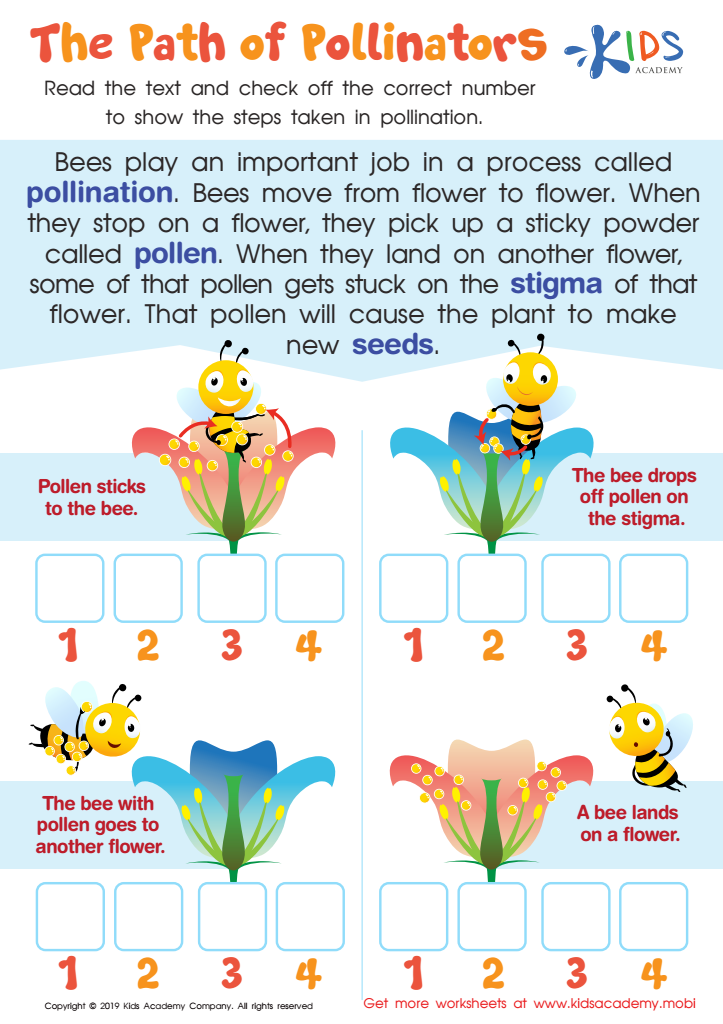
The Path of Pollinators Worksheet
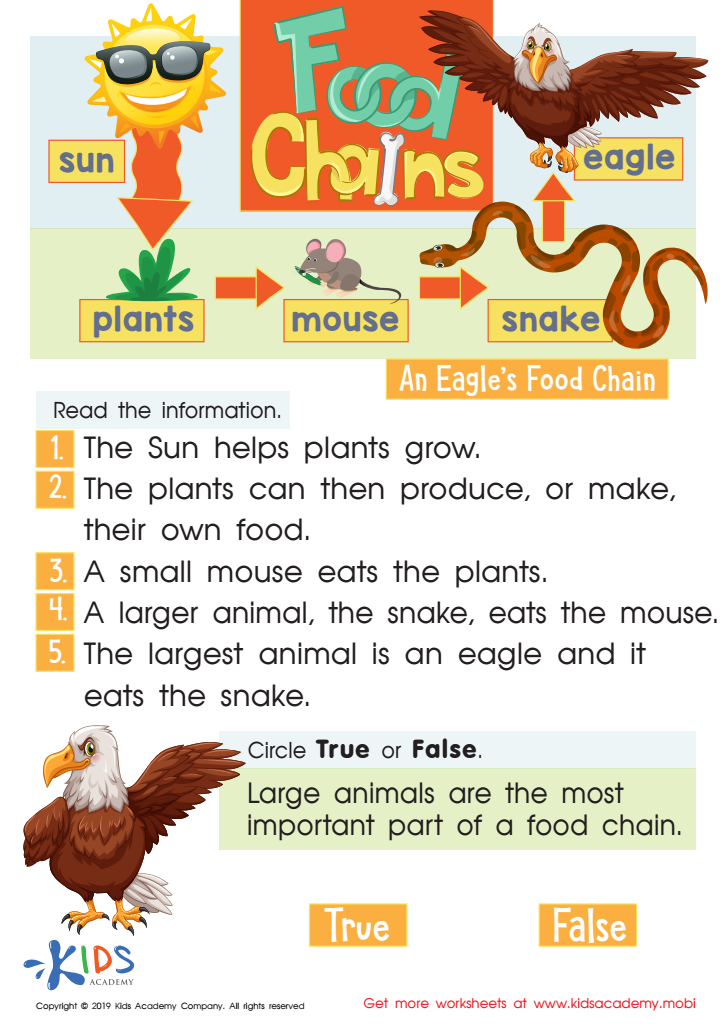
Food Chains Worksheet
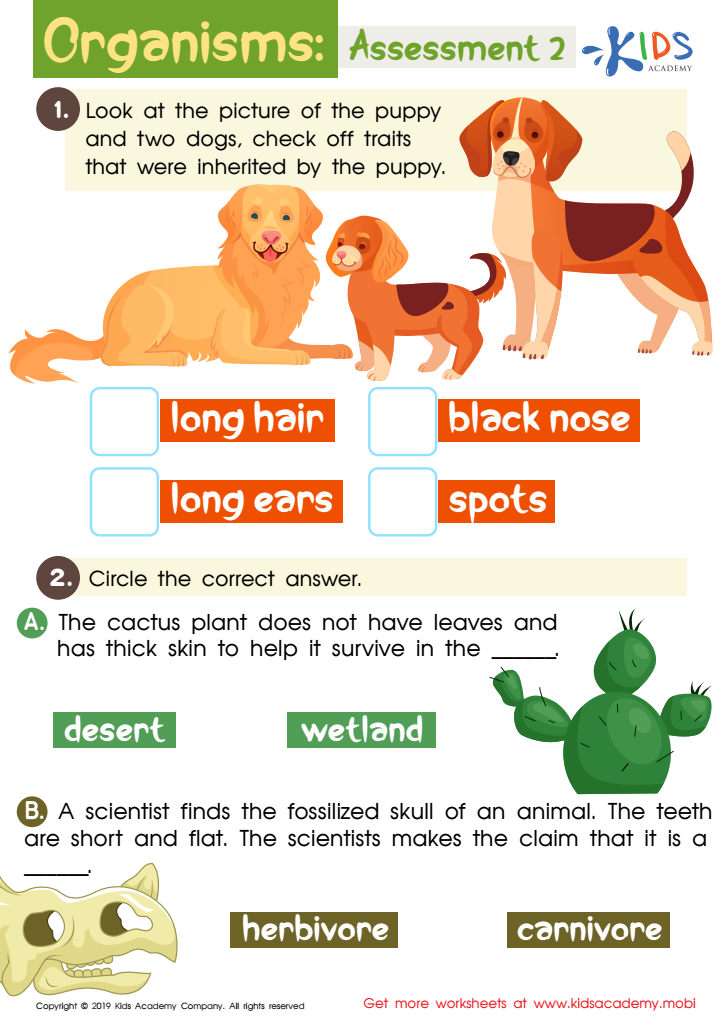
Organisms: Assessment 2 Worksheet





Parents and teachers should care about teaching ecosystems science to children aged 6-8 because it lays a crucial foundation for environmental awareness and stewardship. At this developmental stage, children are naturally curious and eager to learn about the world around them. Introducing them to ecosystems helps to cultivate critical thinking skills as they explore interconnections within nature, such as the relationships between plants, animals, and their habitats.
Understanding ecosystems fosters a sense of responsibility for the environment. As children learn about biodiversity, food chains, and the importance of conserving natural resources, they become empowered to make informed decisions that positively impact their communities and the planet. By engaging with ecology through hands-on activities like nature walks, habitat exploration, or gardening, educators and parents can ignite a lifelong passion for science and discovery.
Furthermore, incorporating ecosystems science into learning promotes teamwork and social skills, as children often collaborate on investigative projects. This early exposure not only enriches their knowledge but also instills values of empathy and respect for all living things, which is essential for future generations. Ultimately, cultivating an interest in ecosystems science prepares children to become informed and active advocates for environmental sustainability.







