Learning about ecosystems Plants and Animals Worksheets for Ages 6-8
4 filtered results
-
From - To
Explore the fascinating world of ecosystems with our engaging "Plants and Animals Worksheets" designed specifically for ages 6-8! These interactive worksheets offer young learners an intuitive introduction to the relationships between plants and animals within their habitats. Packed with fun activities and illustrations, children will discover various ecosystems, their inhabitants, and the vital roles each organism plays. Our worksheets encourage critical thinking and creativity, making learning enjoyable and effective. Empower your child's knowledge of nature while developing essential skills in observation and comprehension. Ideal for home or classroom use, these resources will inspire a love for science and the environment!
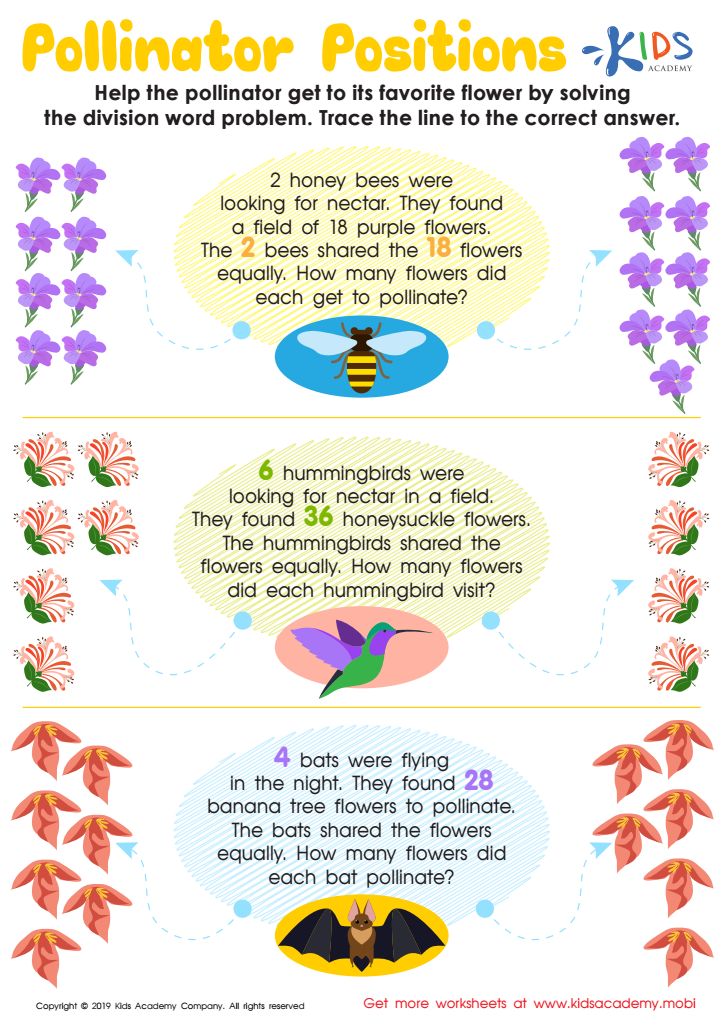
Pollinator Positions Worksheet
 Assign to My Students











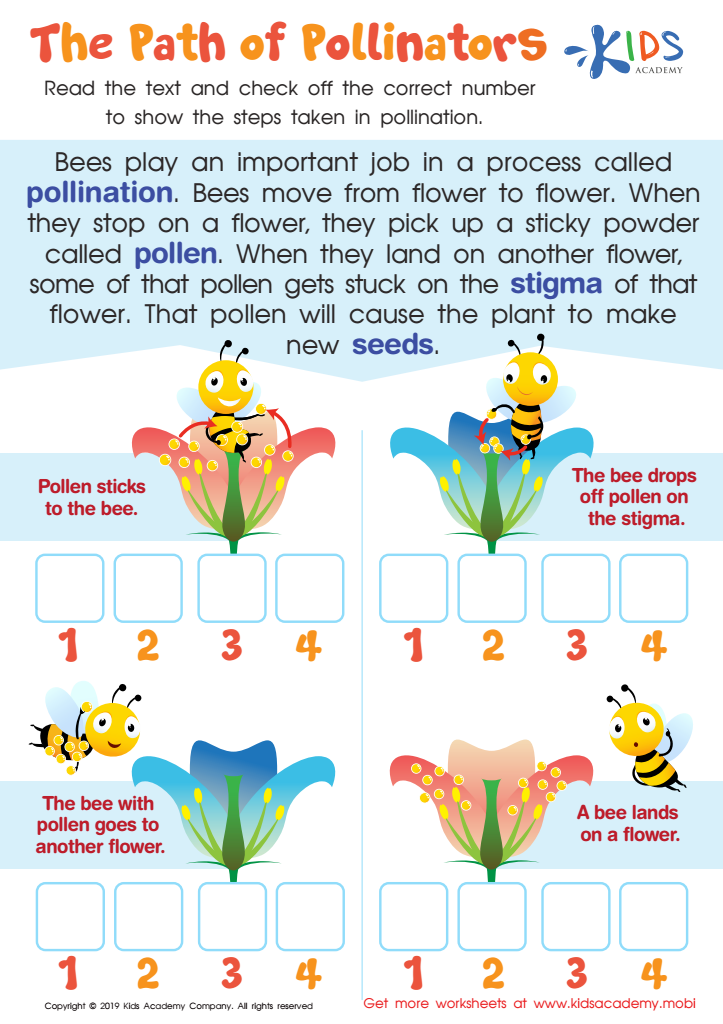
The Path of Pollinators Worksheet
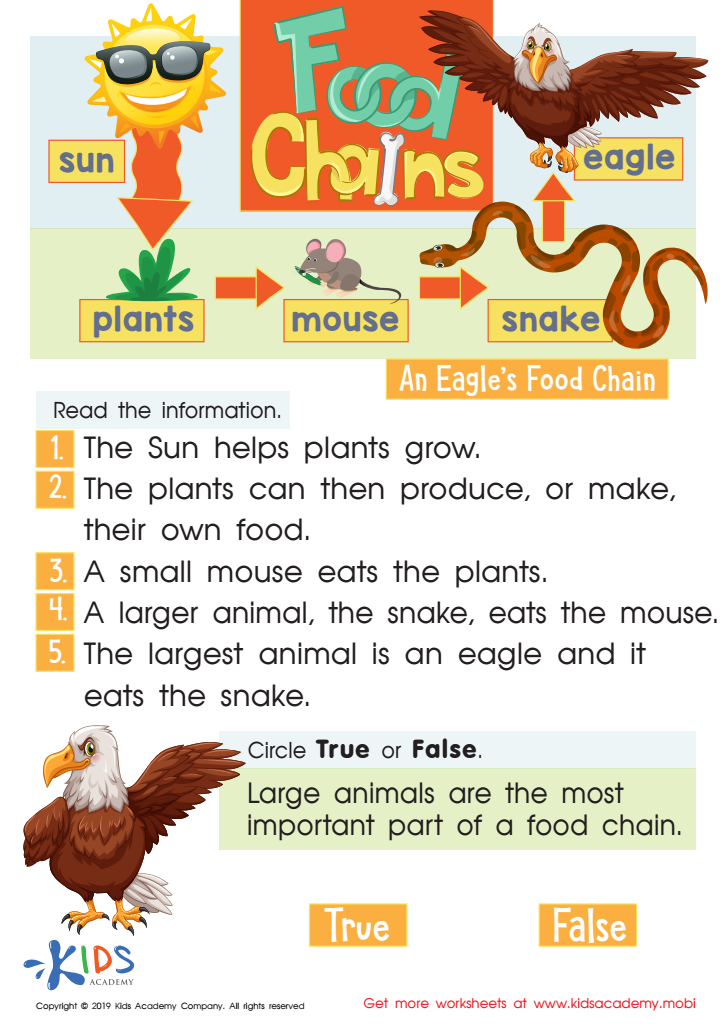
Food Chains Worksheet
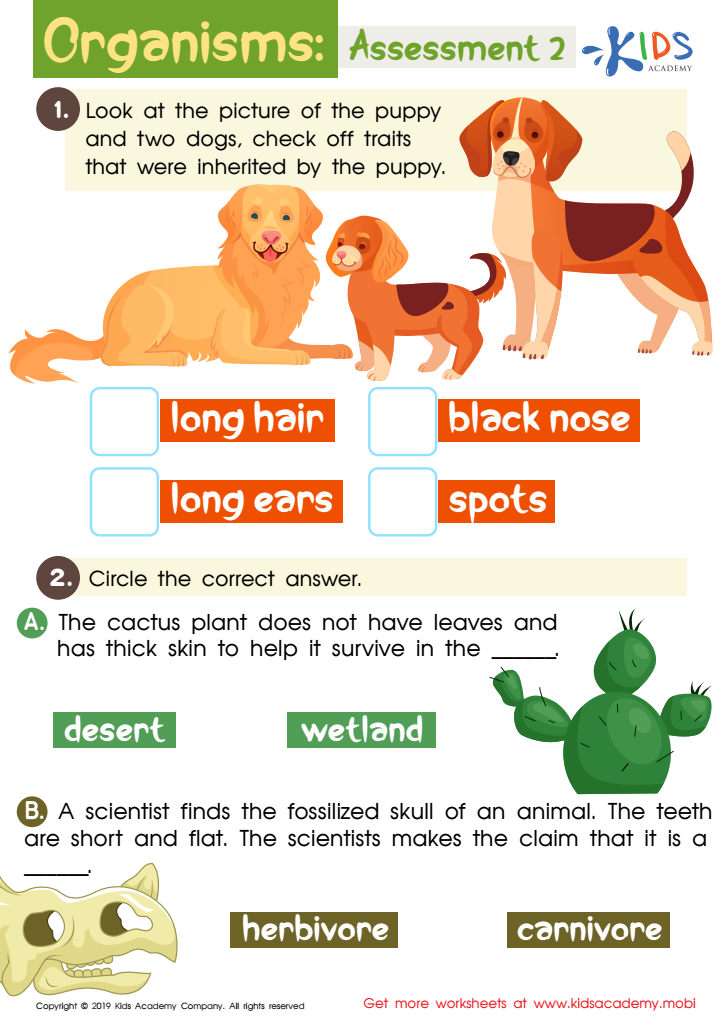
Organisms: Assessment 2 Worksheet








Learning about ecosystems, plants, and animals is vital for children aged 6-8 for several reasons. First, this knowledge fosters a sense of curiosity and wonder about the natural world. At this age, children are particularly receptive to learning through exploration, making it an opportune time to instill an appreciation for nature.
Understanding ecosystems teaches important concepts about interdependence, such as how plants and animals rely on each other for survival. This introduces children to the idea of balance and the impact of environmental changes, nurturing a sense of responsibility for the planet. Additionally, learning about different species supports cognitive development, promoting critical thinking as they discuss habitats and food chains.
Moreover, outdoor activities that involve observing plants and animals increase physical activity, positively impacting children’s health. Collaborative projects, like creating a garden or conducting nature walks, reinforce teamwork and communication skills, essential for social development.
Parents and teachers play a vital role in shaping children’s environmental awareness, which can lead to lifelong appreciation and advocacy for conservation. By engaging children in ecosystem education, we empower them as informed stewards of the Earth, preparing them to address future environmental challenges. Ultimately, such learning cultivates both knowledge and responsibility toward our planet.








