
Sequencing Skills Plants and Animals Worksheets for Ages 6-8
4 filtered results
Difficulty Level
Grade
Age
-
From - To
Subject
Activity
Standards
Discover our engaging "Sequencing Skills Plants and Animals Worksheets" designed for children ages 6-8! These worksheets foster critical thinking and enhance students' understanding of life cycles and nature's processes. Through fun, interactive activities, young learners will explore how plants grow and how animals develop, improving their ability to sequence events logically. Each worksheet is crafted to make learning enjoyable, promoting both scientific knowledge and literacy skills. Ideal for classrooms or home study, these resources create a dynamic way for kids to connect with the natural world while mastering essential sequencing skills. Start your child's educational journey today!
Favorites
With answer key
Interactive
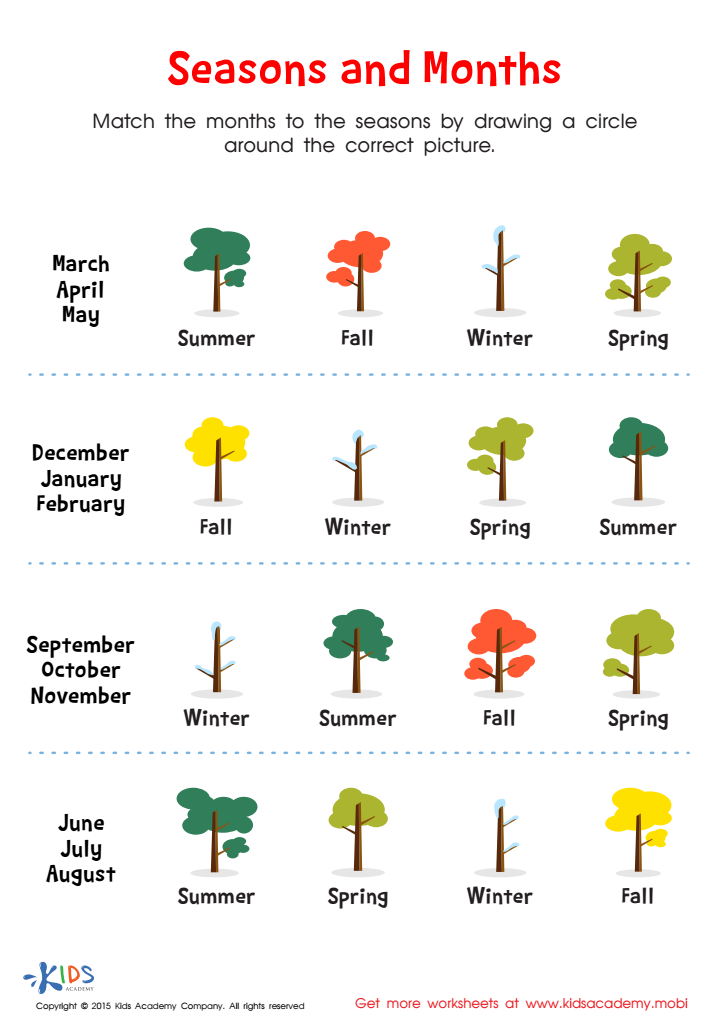
Seasons and Months Worksheet
Help your child explore the world around them with this fun seasons and months printable worksheet. It'll help them understand the months of the year and the seasons connected to them, teaching valuable science knowledge and skills. Plus, engaging in conversations about the current month and season will extend their learning!
 Assign to My Students
Seasons and Months Worksheet
Worksheet











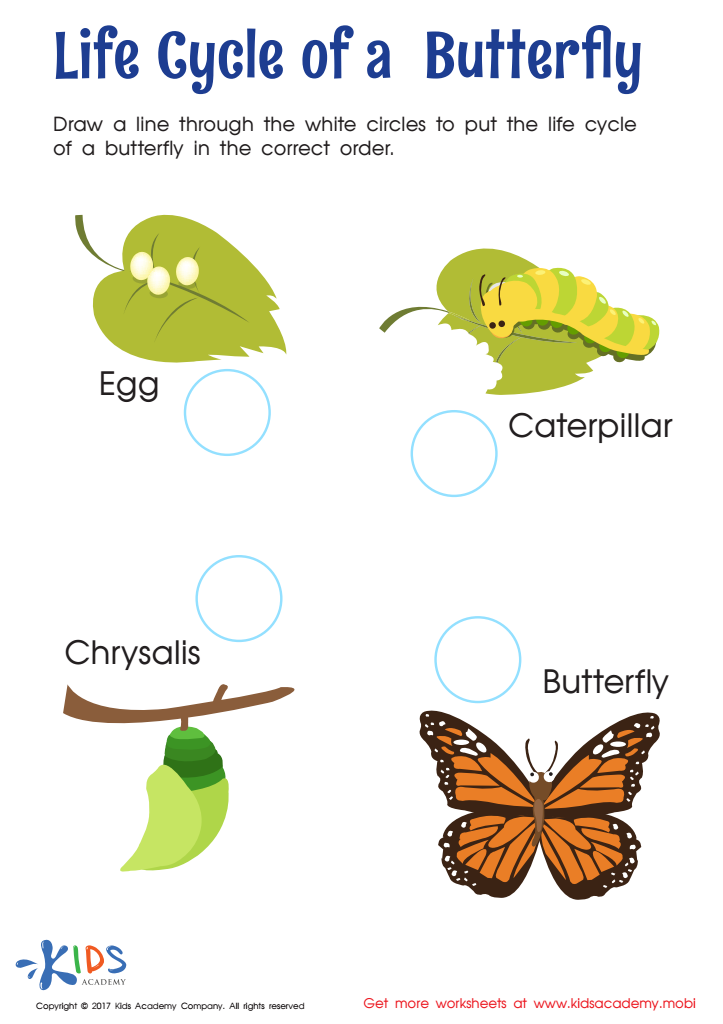
Life Cycle of Butterfly Worksheet
Kids Academy offers an exciting activity – a Life Cycle of a Butterfly Worksheet PDF. It shows four stages in the lifecycle of a butterfly with vivid pictures. Kids put the stages in the correct order to study the lifecycle.
Life Cycle of Butterfly Worksheet
Worksheet
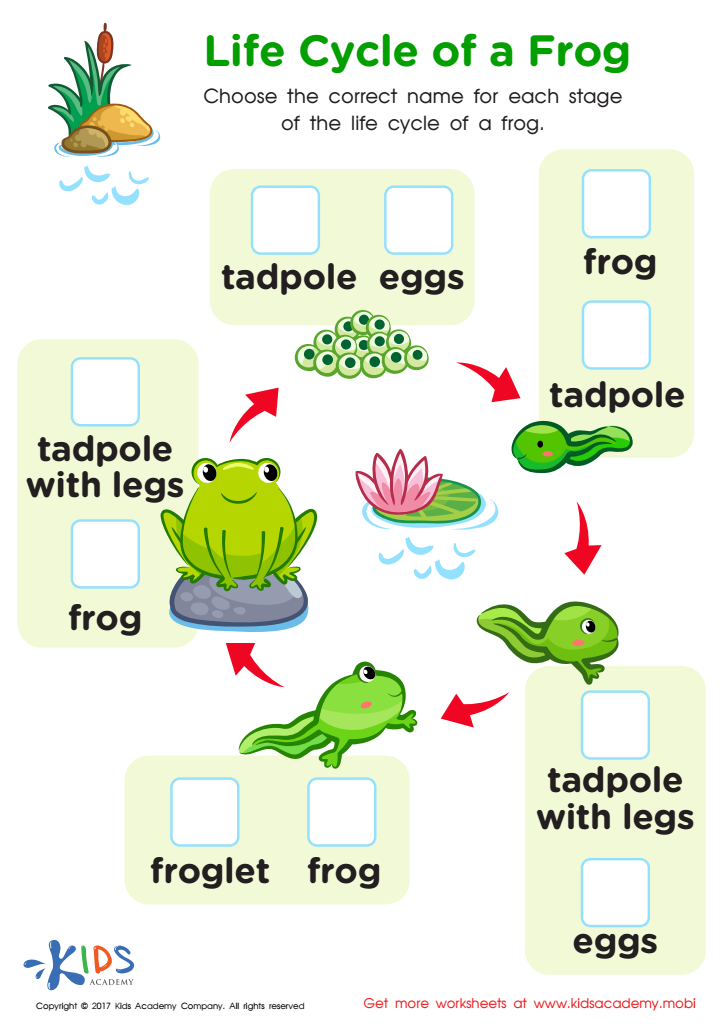
Life Cycle Frog Printable
Kids can explore the life cycle of frog with this fun worksheet! Draw lines from one stage to the next to follow the transformation from tadpole to frog and learn about the cycle of life.
Life Cycle Frog Printable
Worksheet
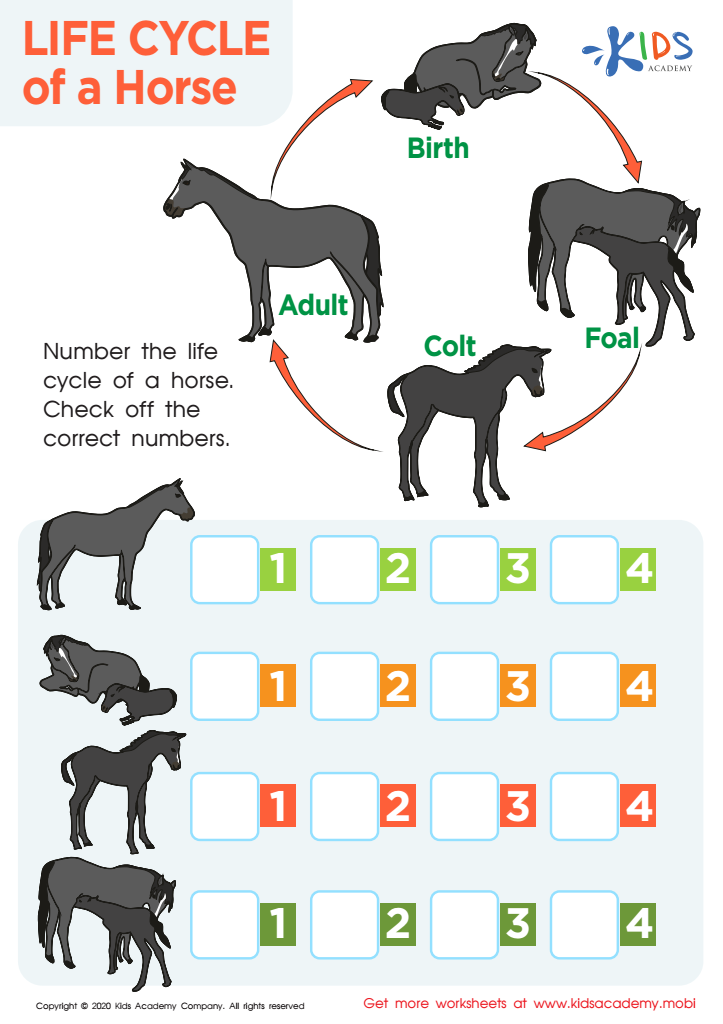
Life Cycle of a Horse Worksheet
Kids Academy's science worksheet on horses' lifecycles offers an engaging way for kids to learn! They'll study the diagram and label each stage of life, from birth to adulthood, and then number the pictures to mark the correct sequence. Fun and educational - a perfect way to get your kids learning!
Life Cycle of a Horse Worksheet
Worksheet
Join Kids Academy for Free
Who is primarily going to use this learning content?







Sequencing skills are essential for children aged 6-8 as they develop critical thinking and comprehension abilities. When learning about plants and animals, understanding the sequence of life cycles, habitats, and food chains helps children grasp fundamental biological concepts. For instance, knowing the stages of a plant's growth from a seed to a fully developed structure not only illustrates the process of life but also instills a sense of respect for nature.
Teachers and parents should care about enhancing these skills, as they are closely tied to literacy and cognitive development. Sequencing activities, such as arranging pictures depicting stages of animal growth or plant development, promote logical thinking and help children understand cause-and-effect relationships. Such activities also foster language development, as children learn vocabulary related to various biological processes.
Additionally, sequencing helps children enhance their organizational skills and focus, competencies that are essential for their overall academic success. Engaging students with hands-on materials and interactive learning experiences around plants and animals solidifies their understanding and appreciation for science and nature. Nurturing sequencing skills prepares children not only for success in future academic pursuits but also equips them with the necessary tools for problem-solving in everyday life.








