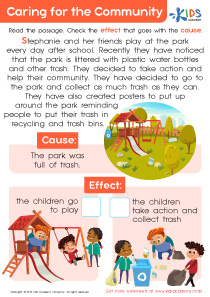
Governance and Civics Worksheets for Ages 6-8 - Page 3
51 filtered results
-
From - To
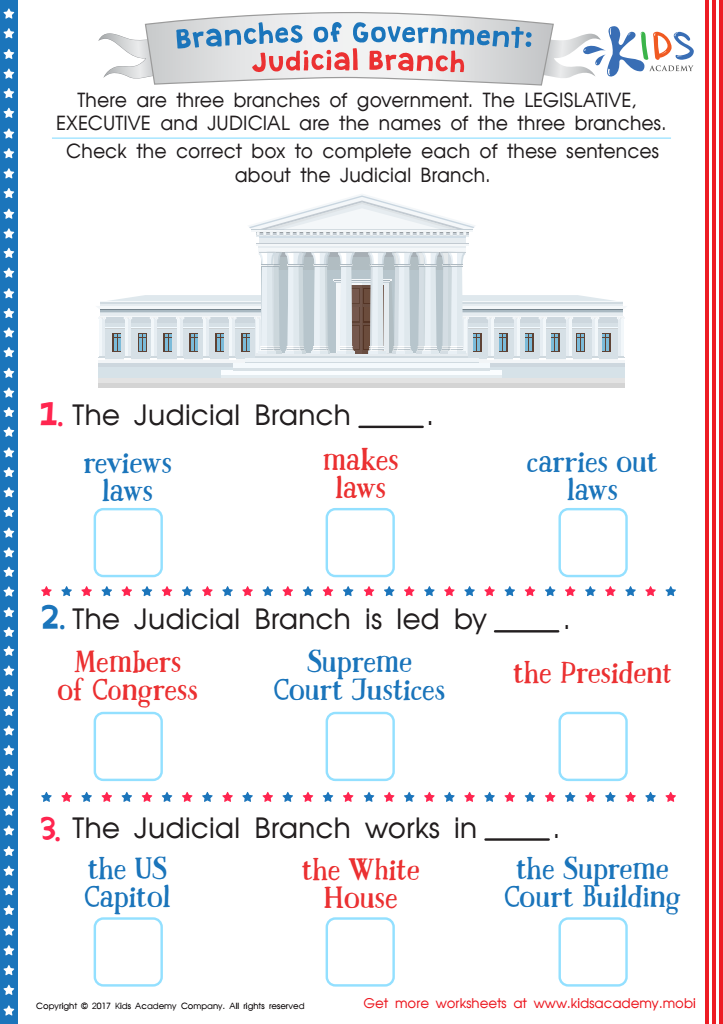
Braches of the Government: Judicial Branch Worksheet
 Assign to My Students
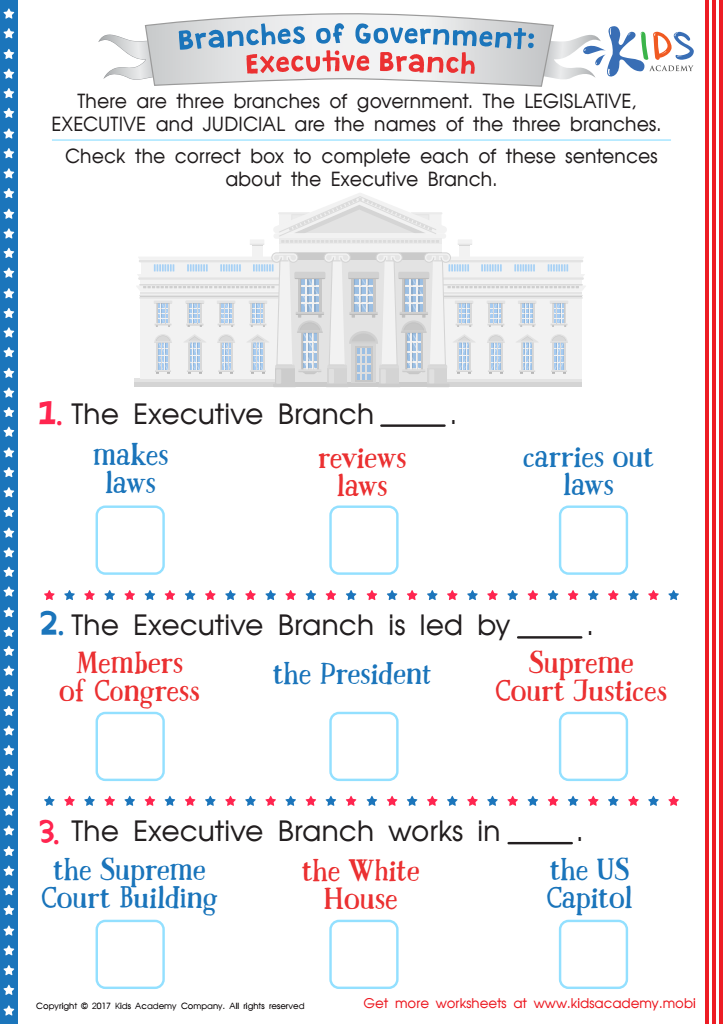
Branches of the Government: Executive Branch Printable
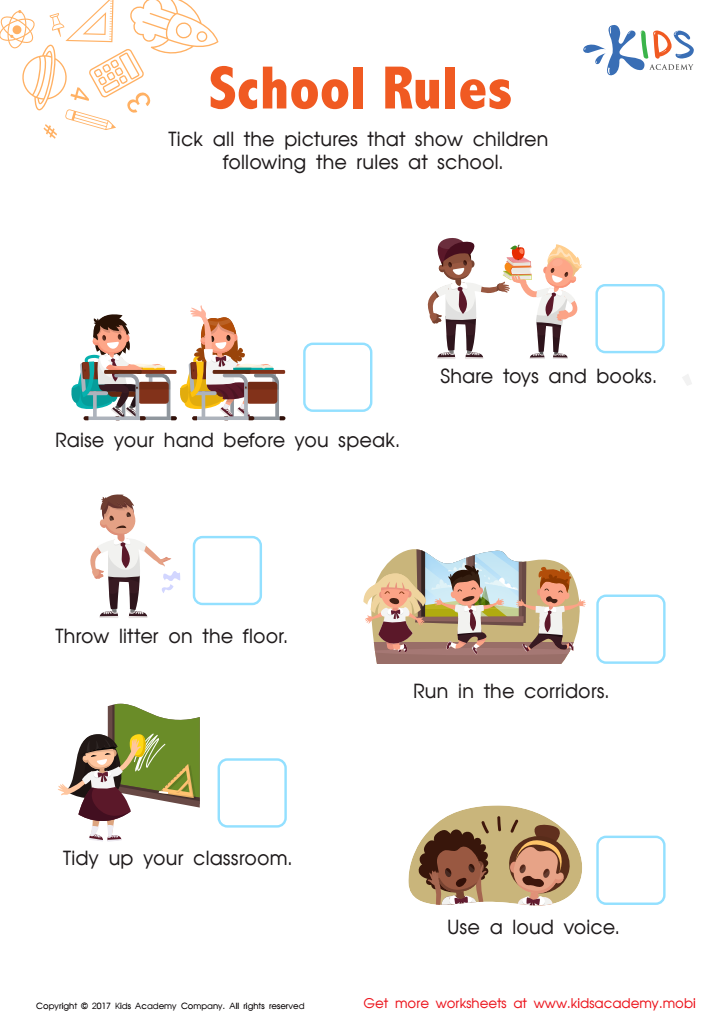
School Rules Worksheet


Parents and teachers should invest in Governance and Civics education for young children (ages 6-8) because it lays the foundation for responsible citizenship and critical thinking. At this formative age, children are curious and eager to learn about the world around them, making it an ideal time to introduce basic concepts of governance, such as rules, community roles, and fairness. Understanding civics helps them grasp the importance of rules in creating an orderly and safe environment, both in the classroom and beyond.
Teaching civics encourages children to understand their rights and responsibilities within different institutions, be it school or society. It nurtures a sense of belonging and cooperation, promoting teamwork and respect for diverse perspectives. Learning about leaders and historical milestones can inspire them with role models and teach them the impact of responsible leadership and decision-making.
Moreover, early exposure to these concepts fosters critical thinking and problem-solving skills. It can also empower children to become active participants in their community, advocating for positive change. By understanding the basics of how societies function, they grow up to be informed, engaged citizens who value democracy and justice. Therefore, prioritizing governance and civics education for young children helps cultivate a knowledgeable, empathetic, and proactive future generation.