Vocabulary enhancement Social Studies Worksheets for Ages 6-8 - Page 2
28 filtered results
-
From - To
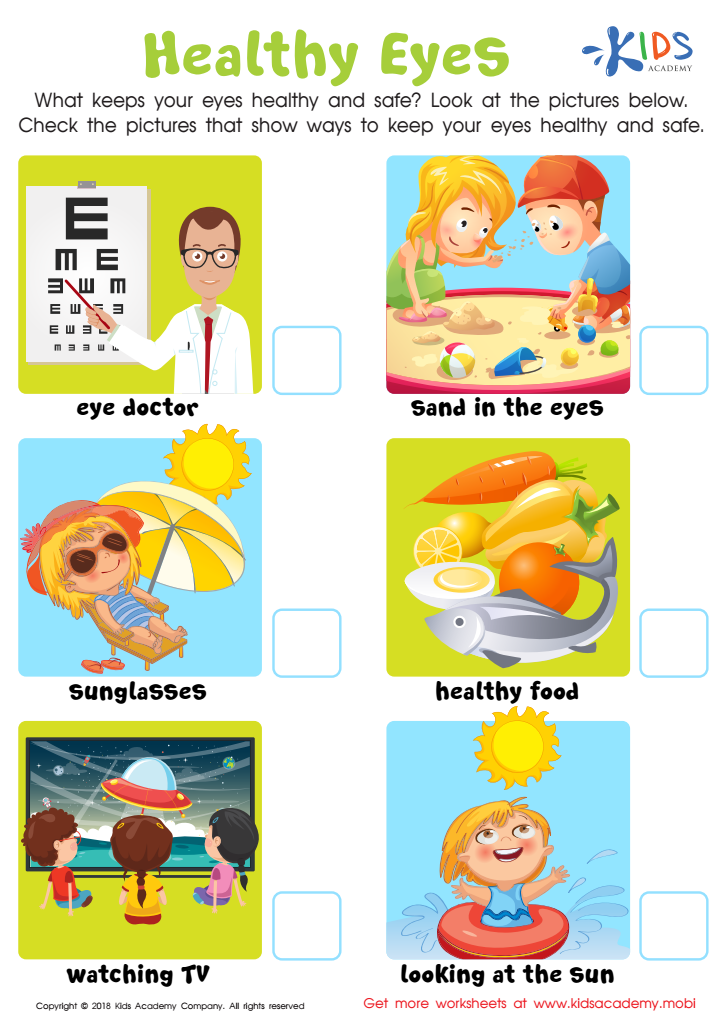
Healthy Eyes Worksheet
 Assign to My Students
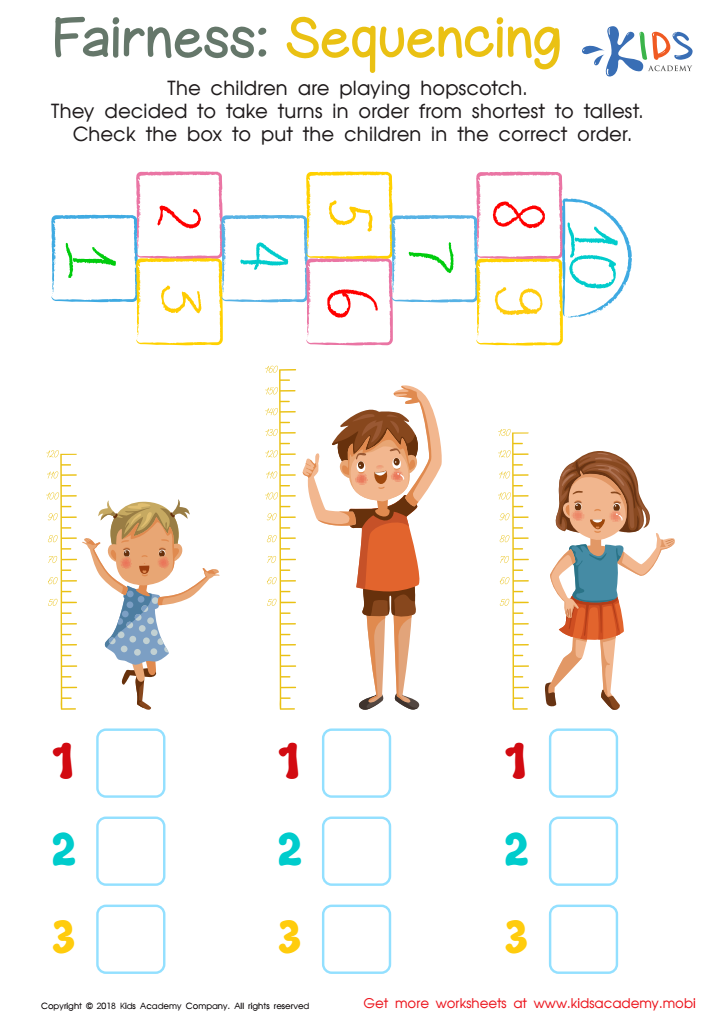
Fairness: Sequencing Worksheet
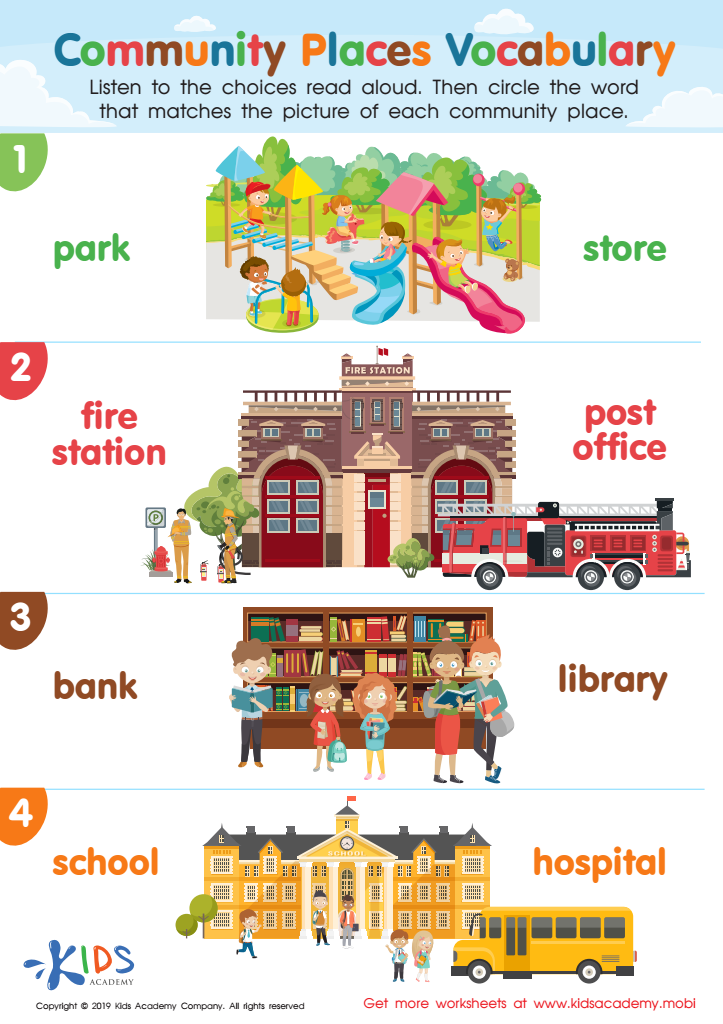
Community Places Vocabulary Worksheet
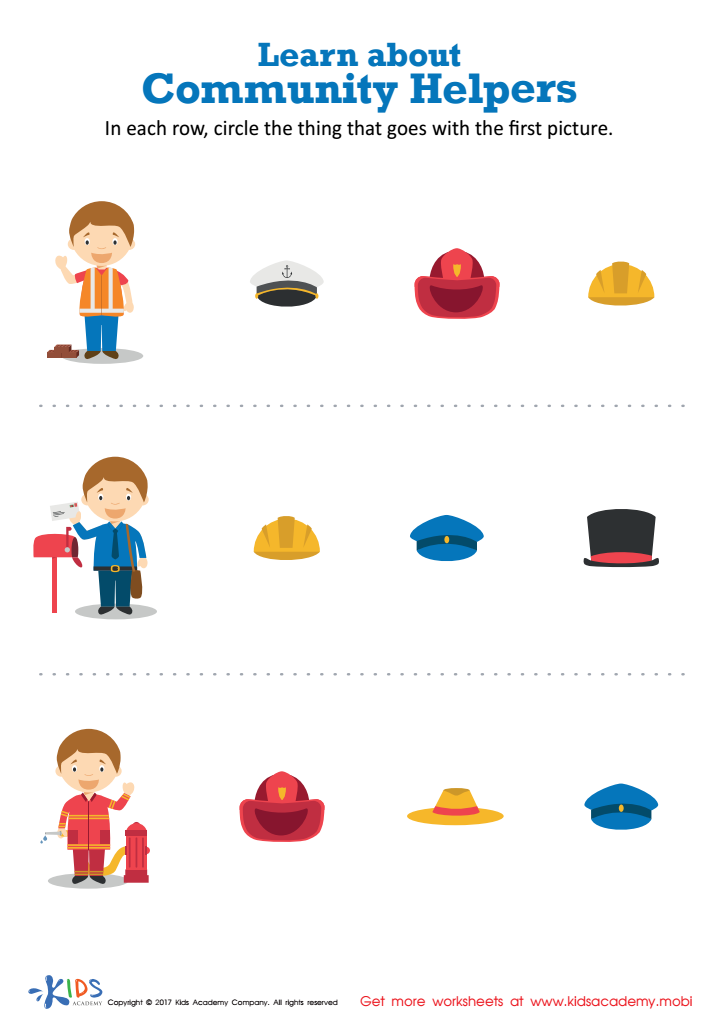
Learn about Community Helpers Printable







Parents and teachers should prioritize vocabulary enhancement in social studies for children aged 6-8 because it forms the bedrock of academic development and understanding of the world. At this developmental stage, children's brains are highly adaptable and primed for language acquisition. Introducing specific social studies vocabulary helps children comprehend key concepts such as community, culture, history, and geography. As children become familiar with terms like “citizen,” “tradition,” or “map,” they start to grasp how societies function, fostering critical thinking and practical understanding.
Enhancing vocabulary also significantly boosts reading comprehension and overall communication skills. When children encounter words across different contexts – in stories, classroom discussions, or multimedia resources – they build connections that deepen their learning. This interdisciplinary approach not only enriches their knowledge but also prepares them for deeper academic inquiries in later years.
Moreover, gaining social studies vocabulary helps children engage more meaningfully in conversations about current events, histories, and moral lessons. This encourages civic literacy and social responsibility from an early age. By investing in vocabulary enhancement in social studies, parents and teachers enable children to become more effective communicators, critical thinkers, and informed citizens, setting a strong foundation for their future educational and life endeavors.