Pattern recognition Worksheets for Ages 6-9
22 filtered results
-
From - To
Discover our engaging Pattern Recognition Worksheets designed specifically for children aged 6-9! These worksheets offer fun and interactive activities that help young learners identify, create, and extend patterns using various shapes, colors, and objects. Enhancing critical thinking and cognitive skills, our worksheets foster creativity and build a strong foundation in math and logical reasoning. Perfect for home or classroom use, these printable resources support early education by making learning enjoyable and accessible. Empower your child’s learning journey with appealing visual challenges, and watch them thrive as they master the art of pattern recognition! Explore our selection today!
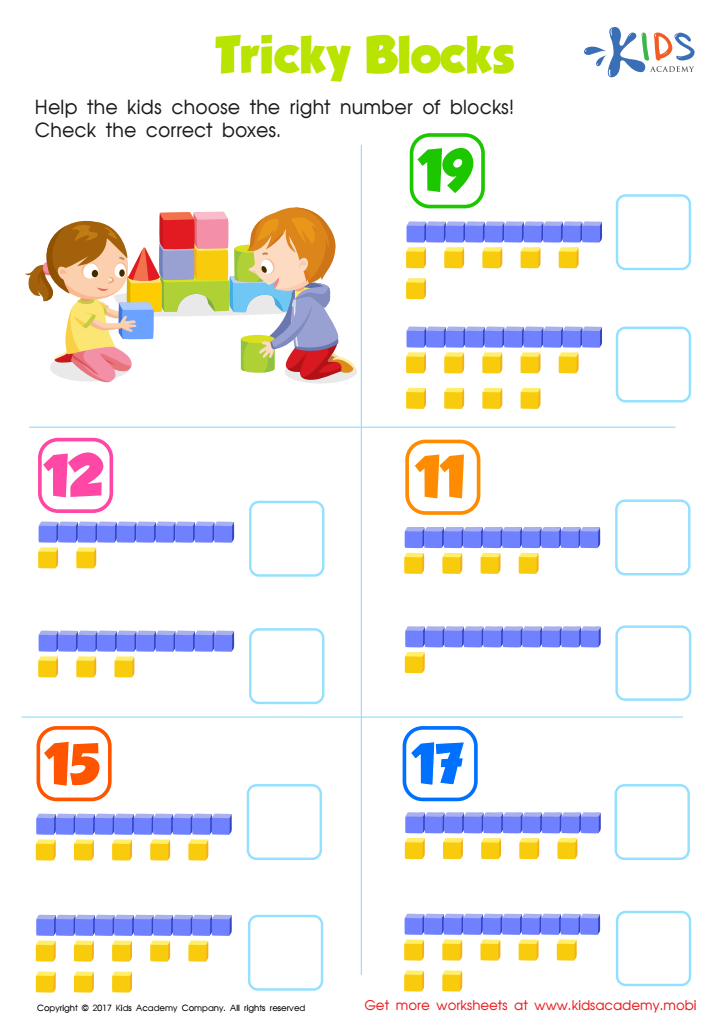
Tricky Blocks Worksheet
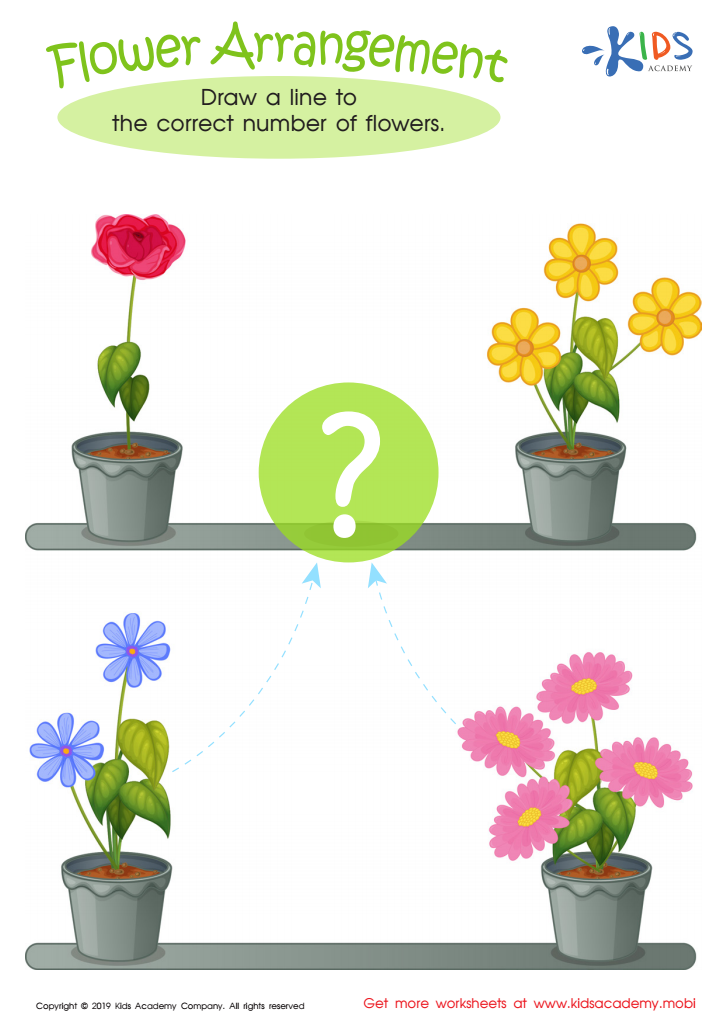
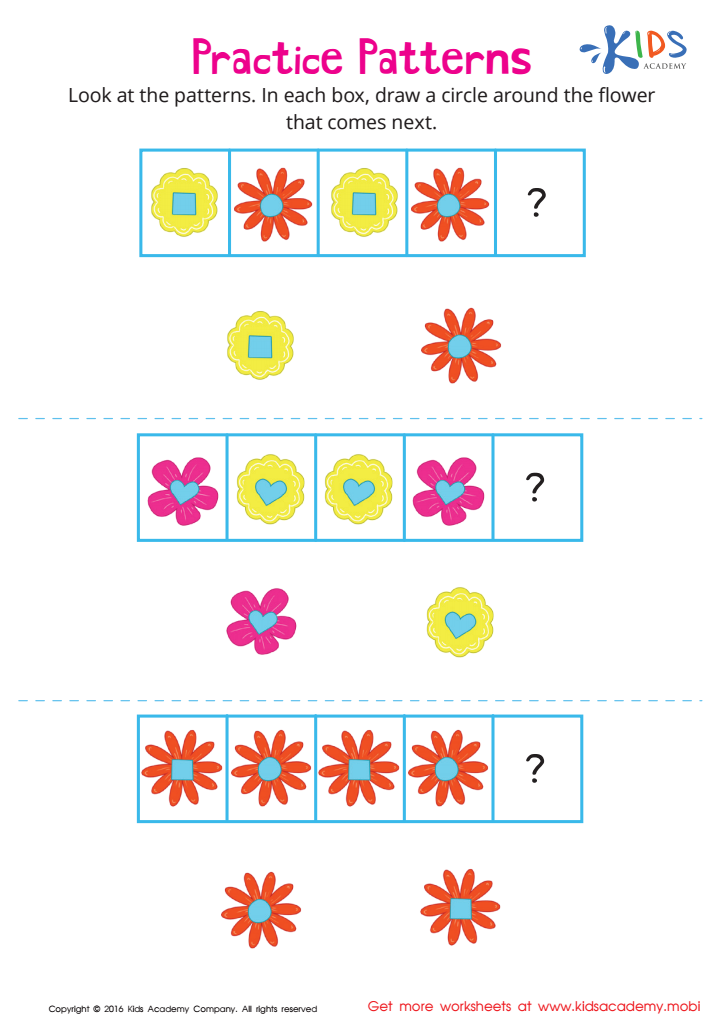
Flower Arrangement Worksheet
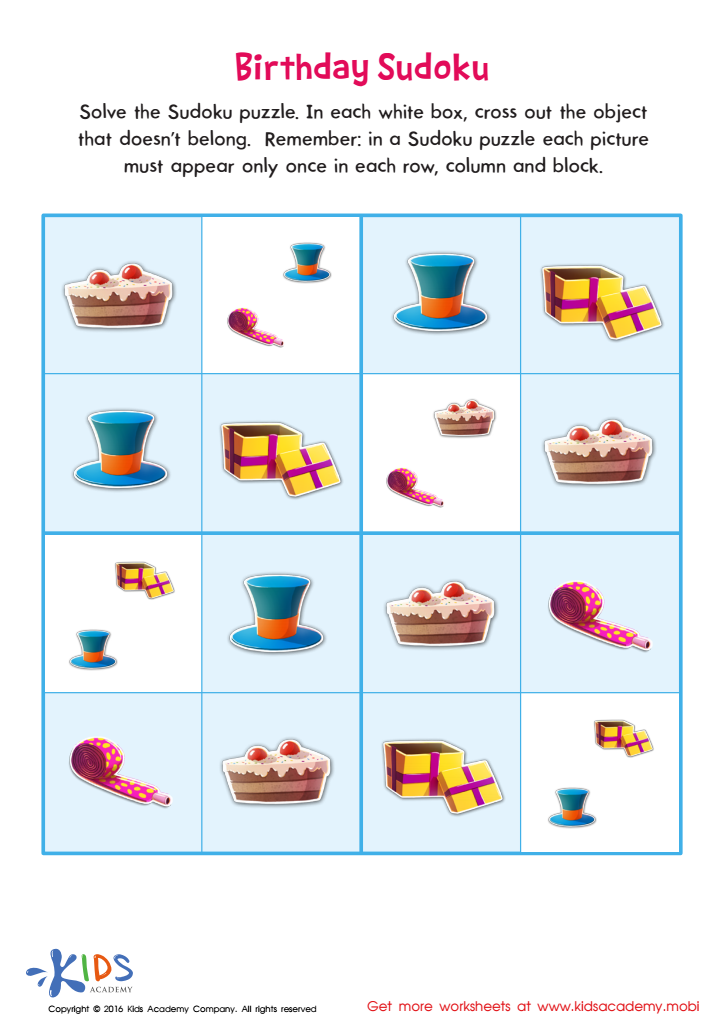
Birthday Sudoku Sorting Worksheet
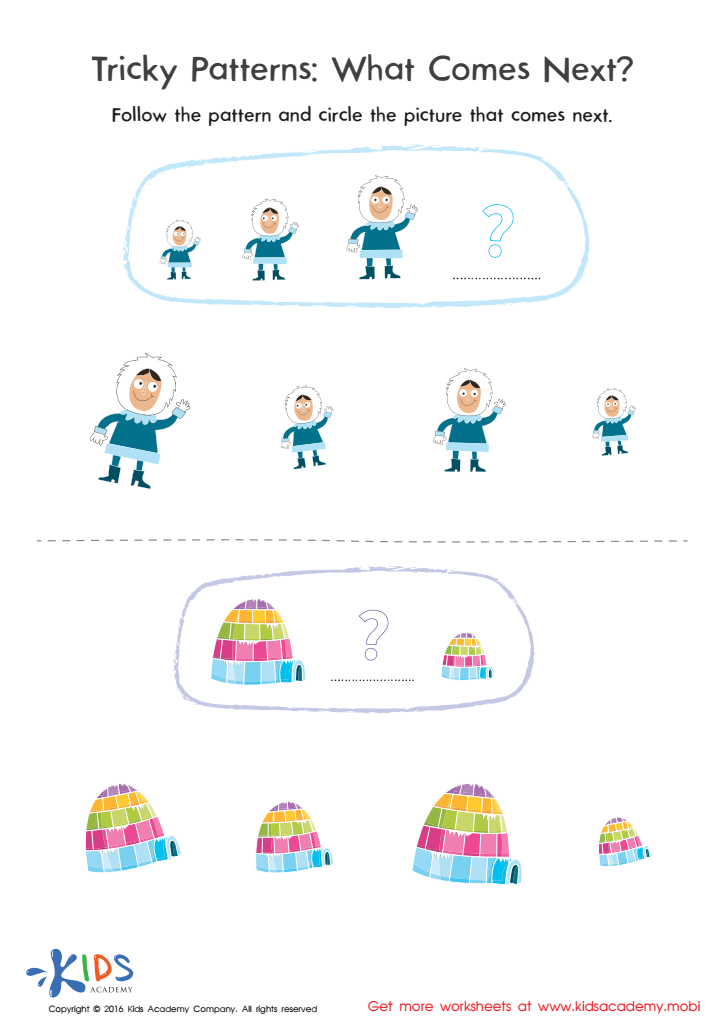
Tricky Patterns Size Worksheet
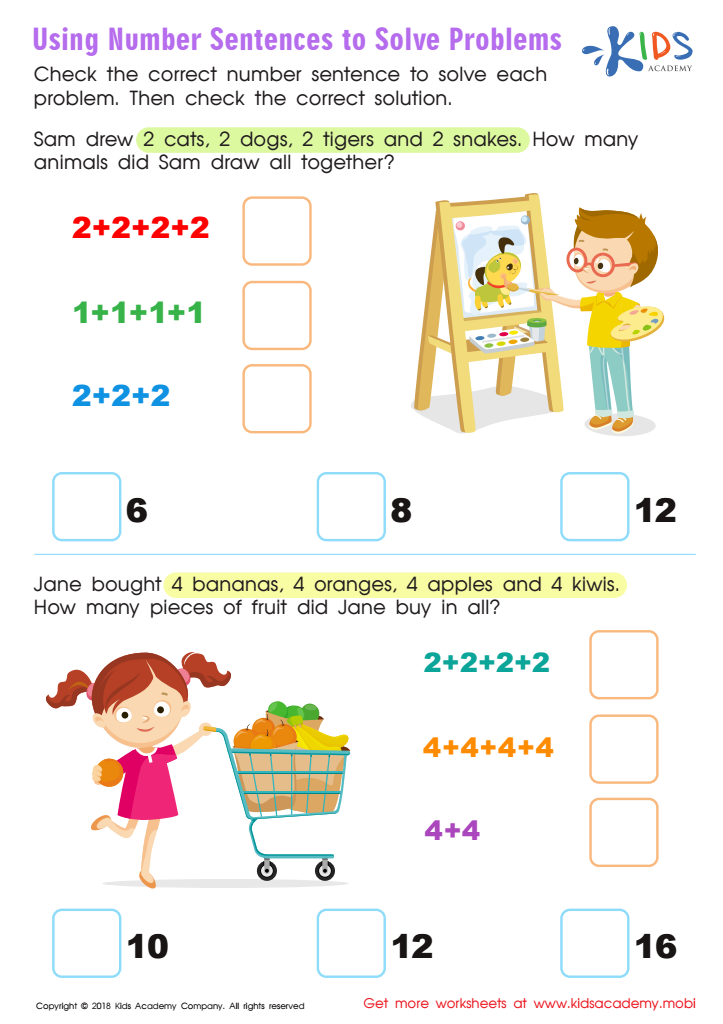
Using Number Sentences to Solve Problems Worksheet
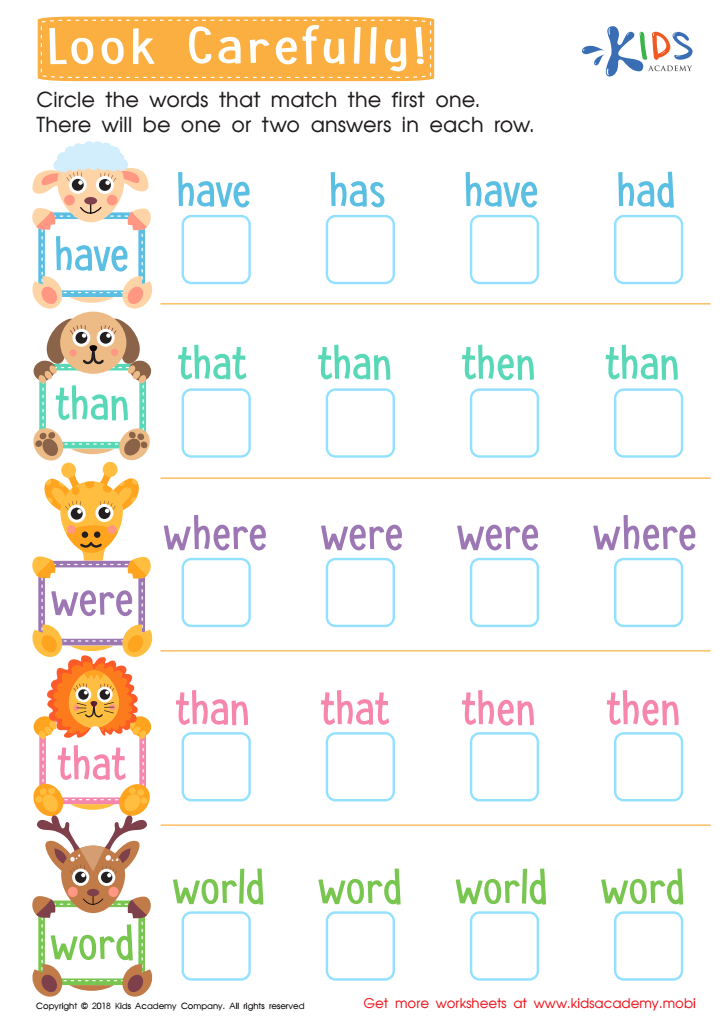
Look Carefully Worksheet
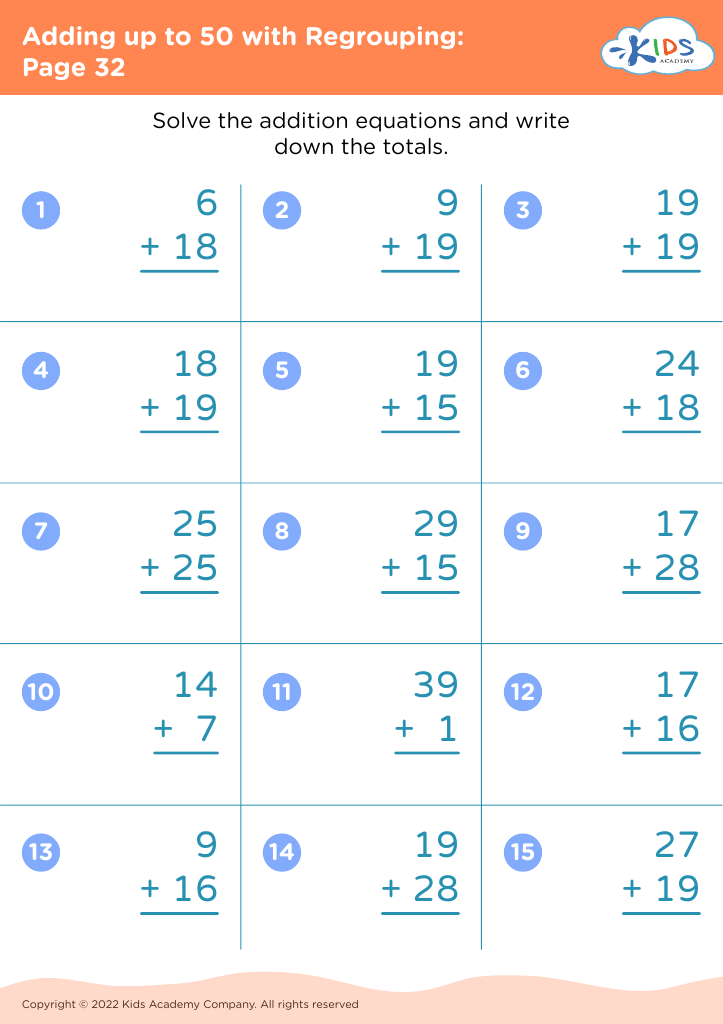
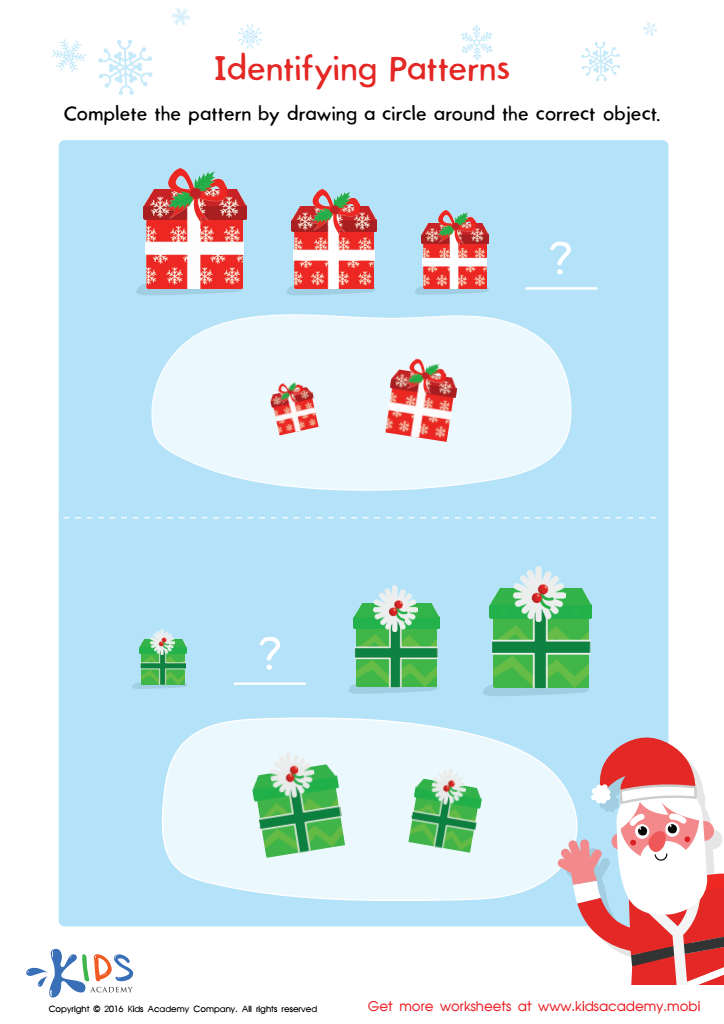
Identifying Patterns Worksheet
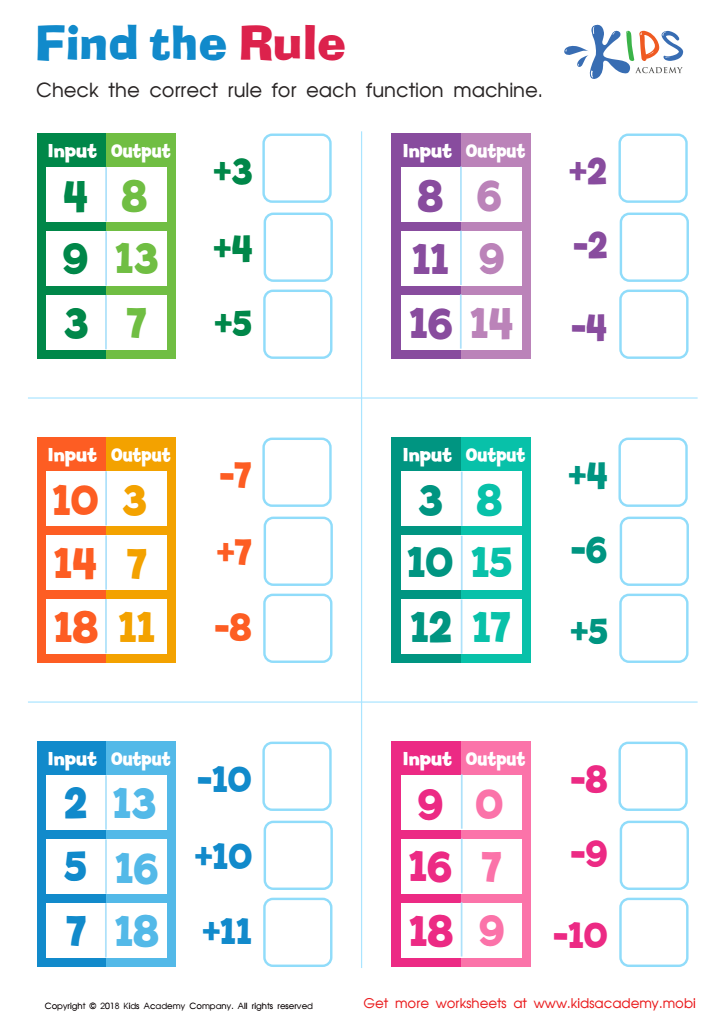
Find the Rule Worksheet
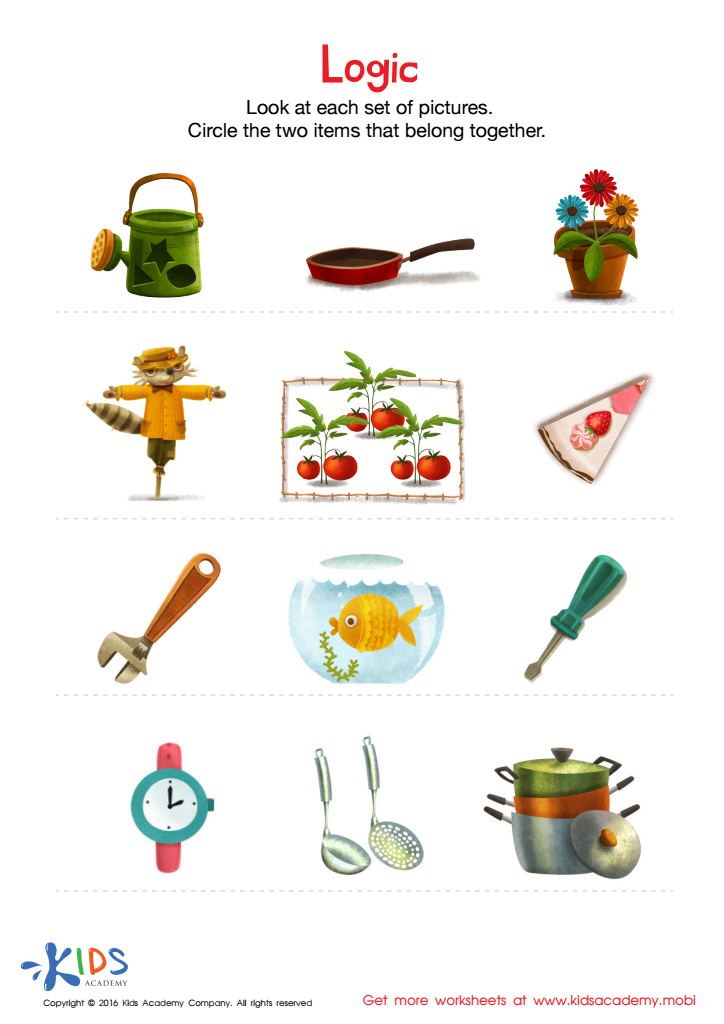
Logic Game Sorting Worksheet
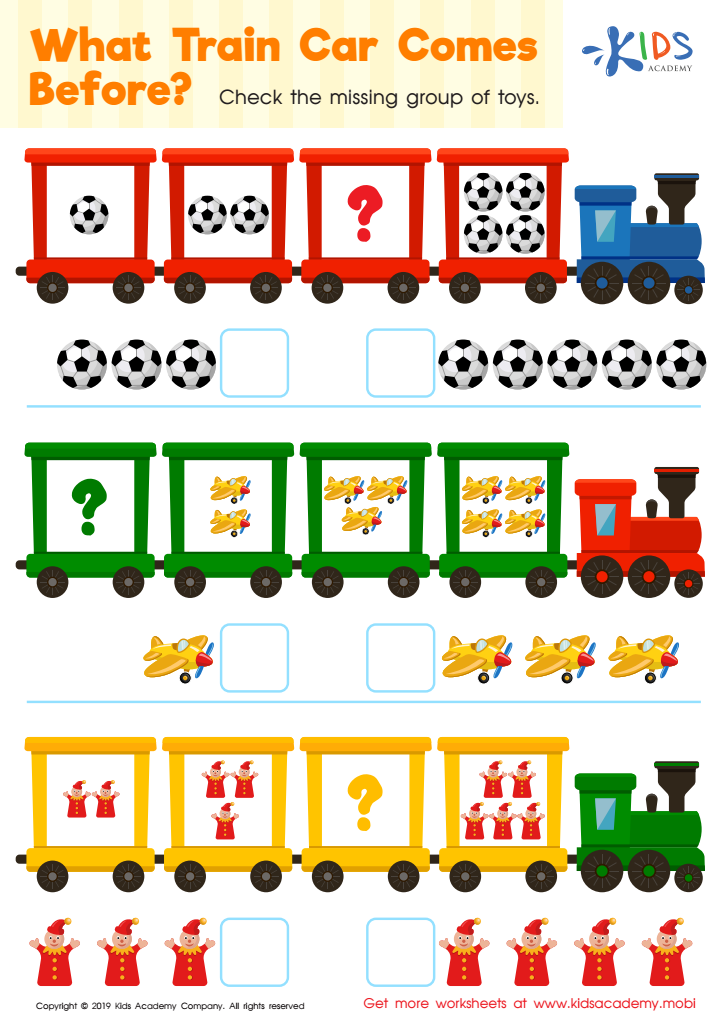
What Train Car Comes Before? Worksheet
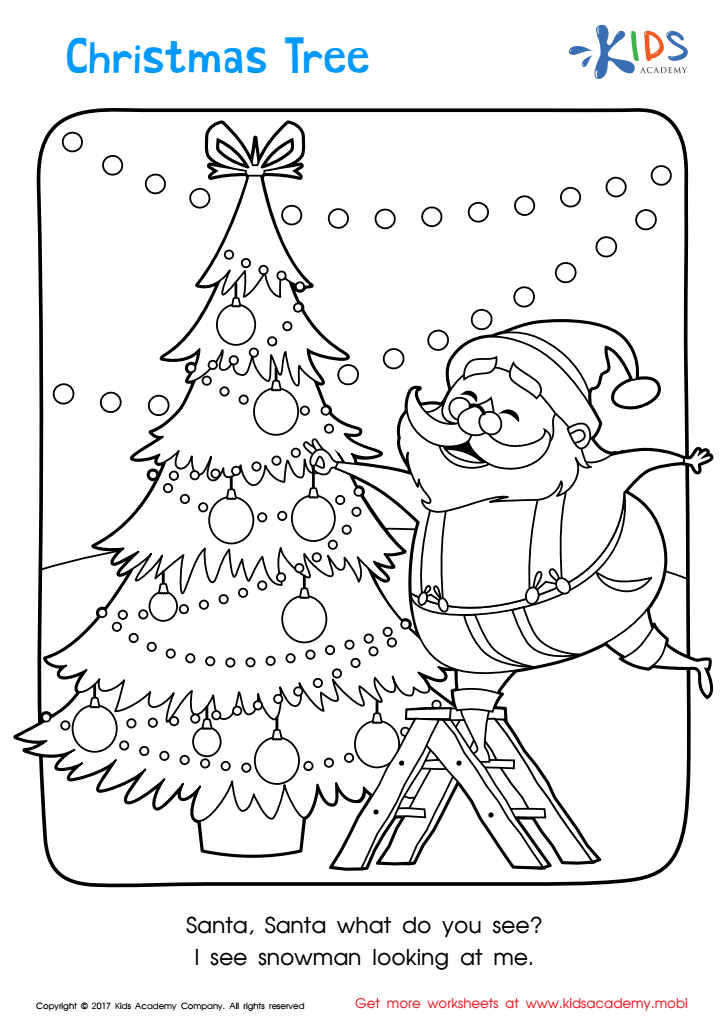
Christmas: Christmas Tree Printable
 Assign to My Students
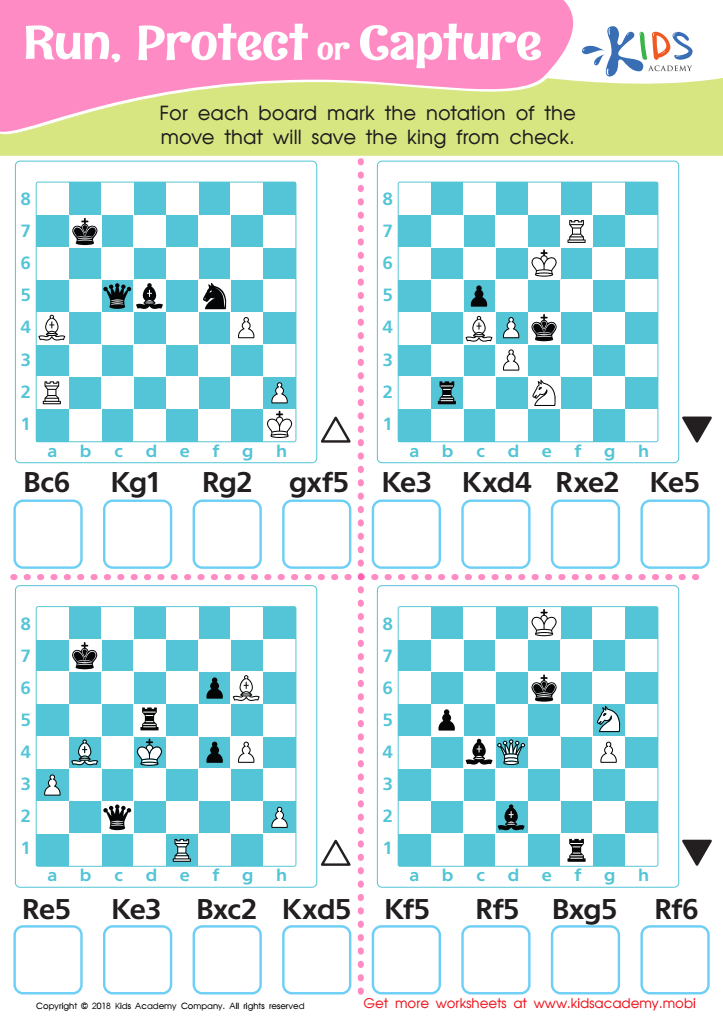
Run, Protect or Capture Worksheet
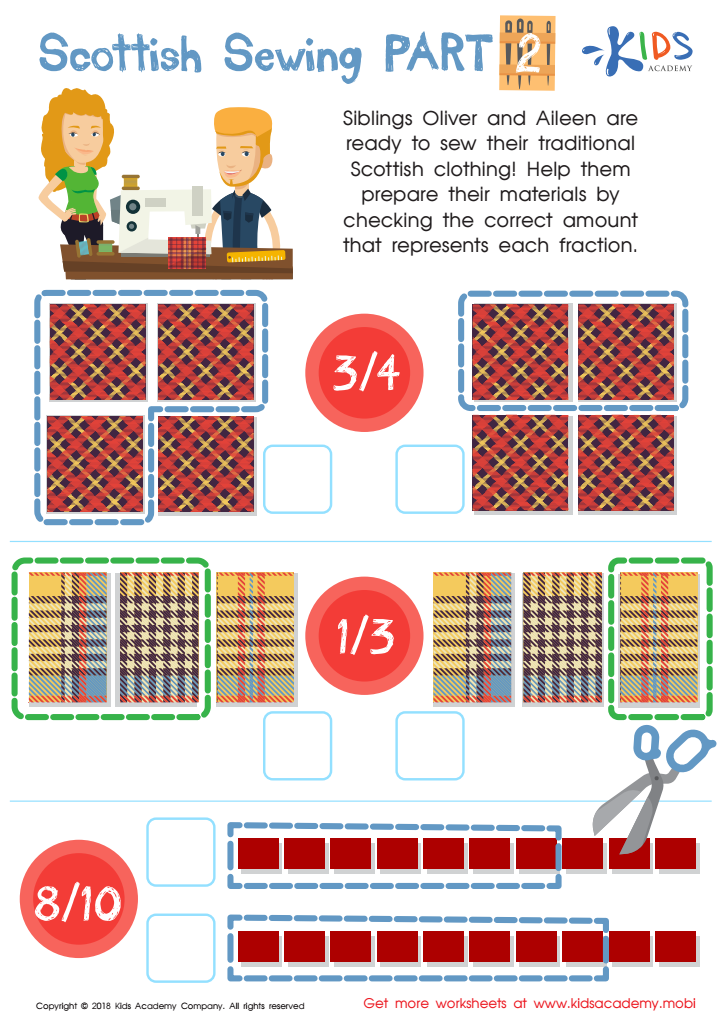
Scottish Sewing Part 2 Worksheet
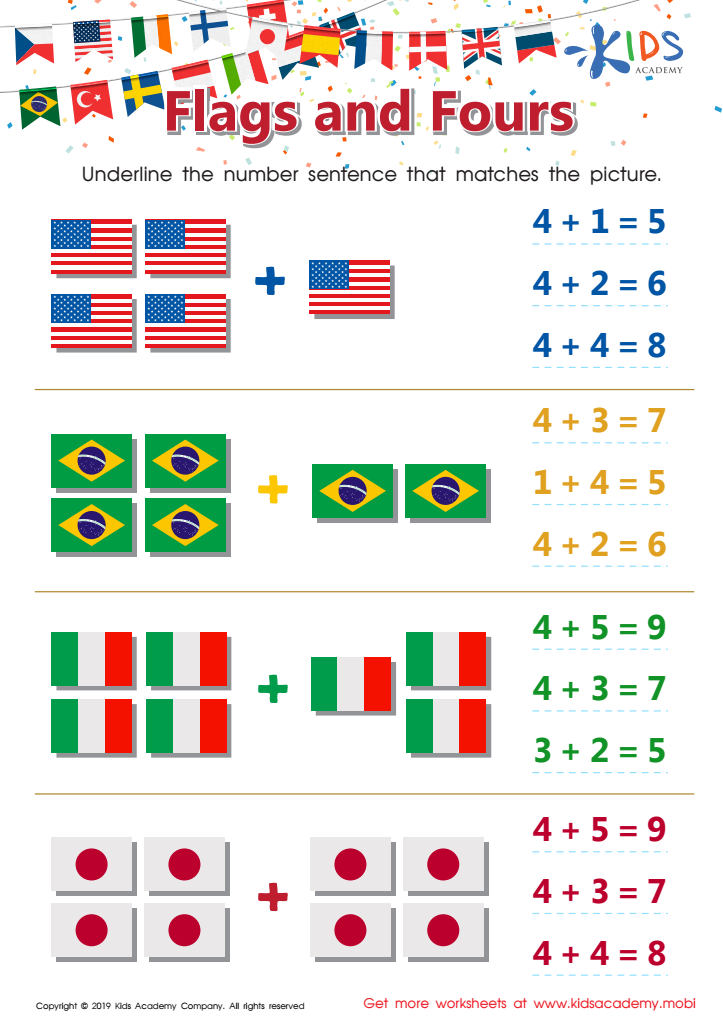
Flags and Fours Worksheet
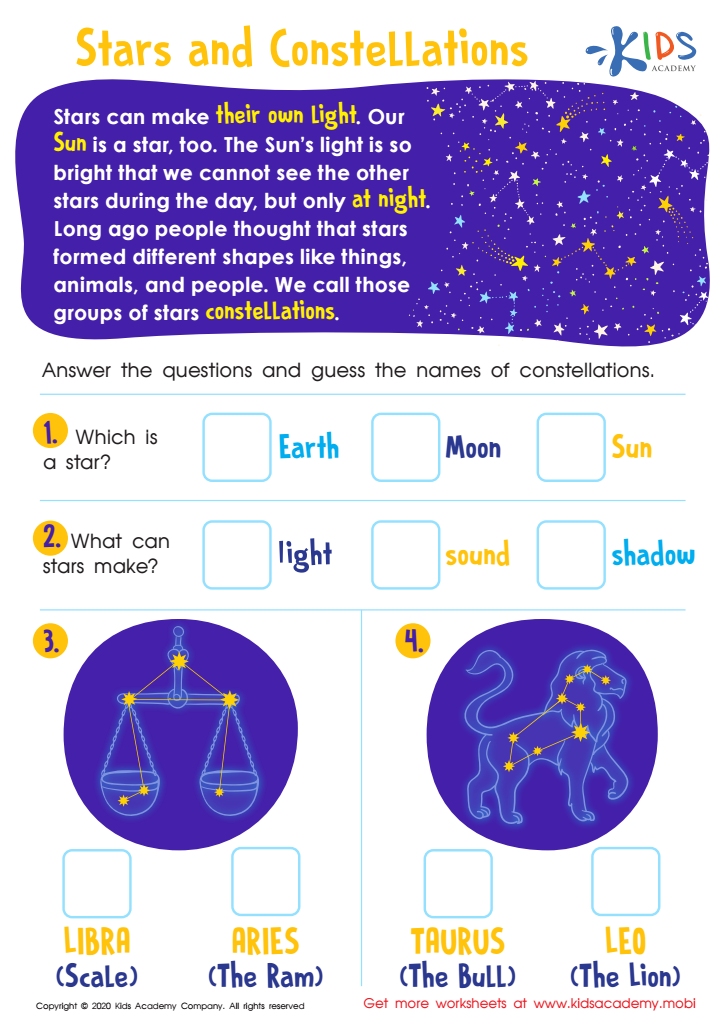
Stars and Constellations Worksheet
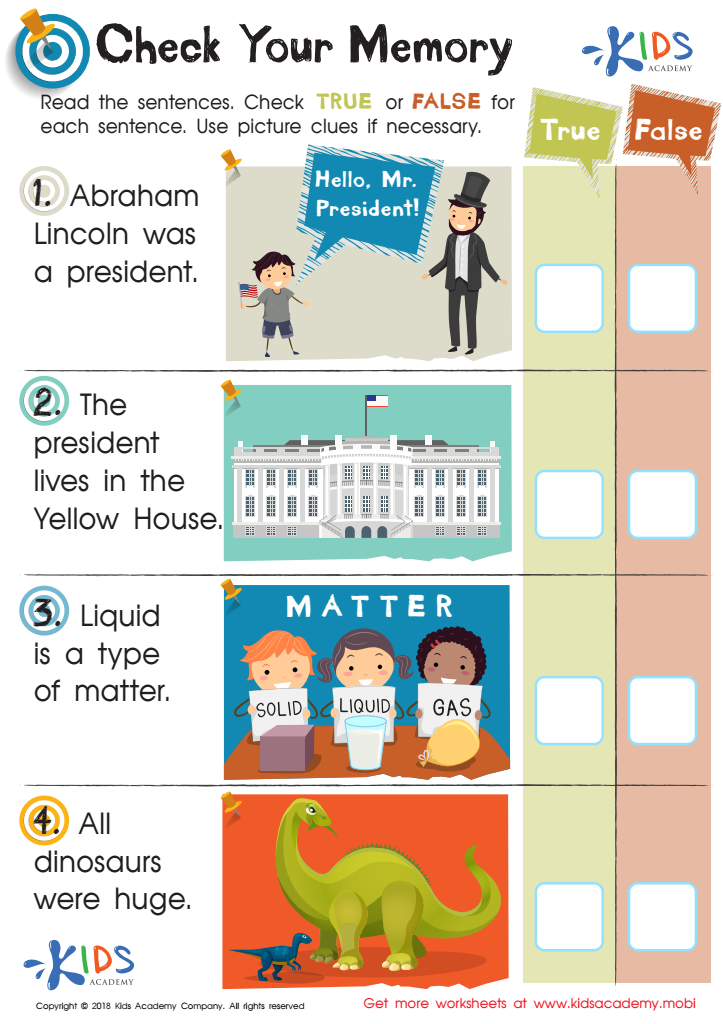
Check Memory Worksheet







Pattern recognition is a crucial cognitive skill that significantly impacts children's learning and development, especially for ages 6-9. During these formative years, kids begin to understand the world through observations, frequently recognizing and predicting patterns in their environment. This skill lays the groundwork for advanced mathematical reasoning and critical thinking abilities essential for future academic success.
In early education, recognizing patterns helps children grasp concepts in subjects such as mathematics, science, and reading. For example, understanding numerical patterns aids in grasping addition and subtraction, while recognizing patterns in texts improves reading fluency and comprehension. Furthermore, pattern recognition enhances problem-solving skills—students learn to identify trends and make predictions based on relationships, which nurtures logical thinking.
Parents and teachers should care deeply about fostering this skill because it also supports emotional and social growth. By recognizing and responding to patterns in social interactions, children develop better communication skills and emotional intelligence. Engaging children in activities focusing on patterns — through art, music, games, and nature exploration — not only enhances their cognitive abilities but also enriches their creativity and curiosity about the world. Ultimately, promoting pattern recognition opens doors to lifelong learning, equipping children with the tools they need for future challenges.








