Cognitive Development Numbers Worksheets for Ages 6-9 - Page 2
37 filtered results
-
From - To

Pirate Ship Connect Dots Worksheet
 Assign to My Students
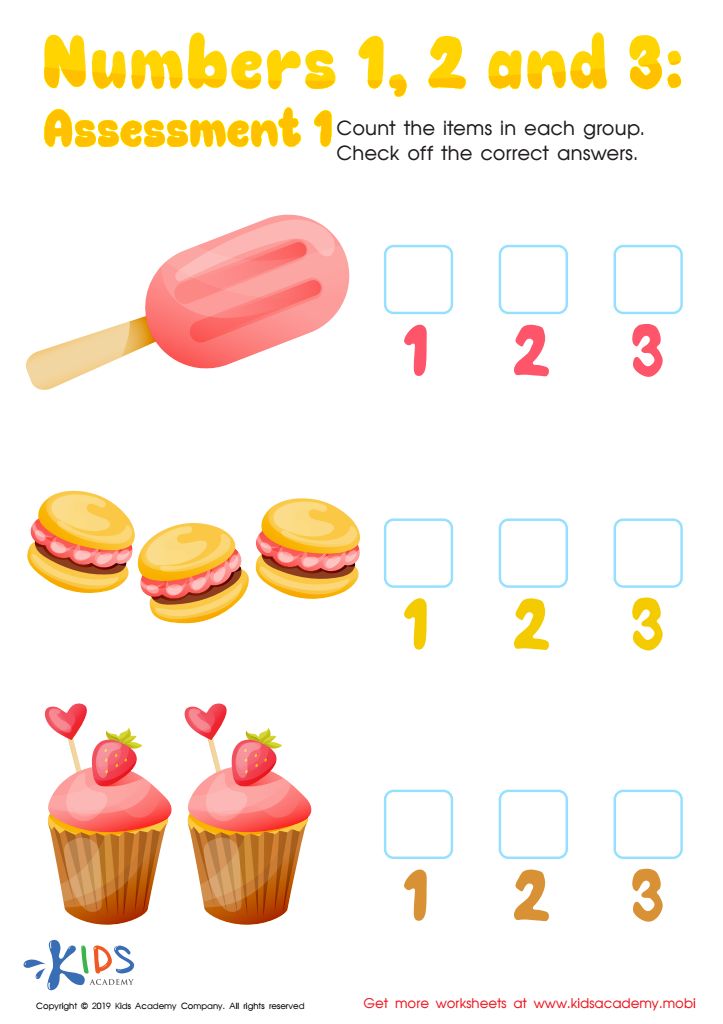
Numbers 1, 2 and 3: Assessment 1 Worksheet
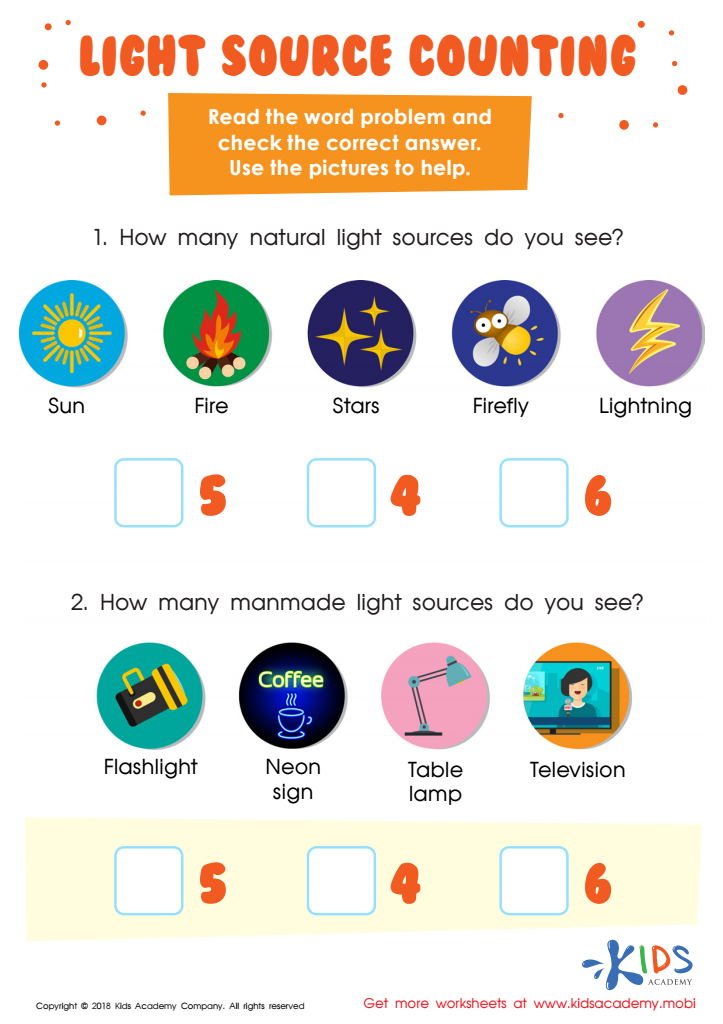
Light Source Counting Worksheet

Jungle Counting Connect Dots Worksheet

Build with 9 Worksheet
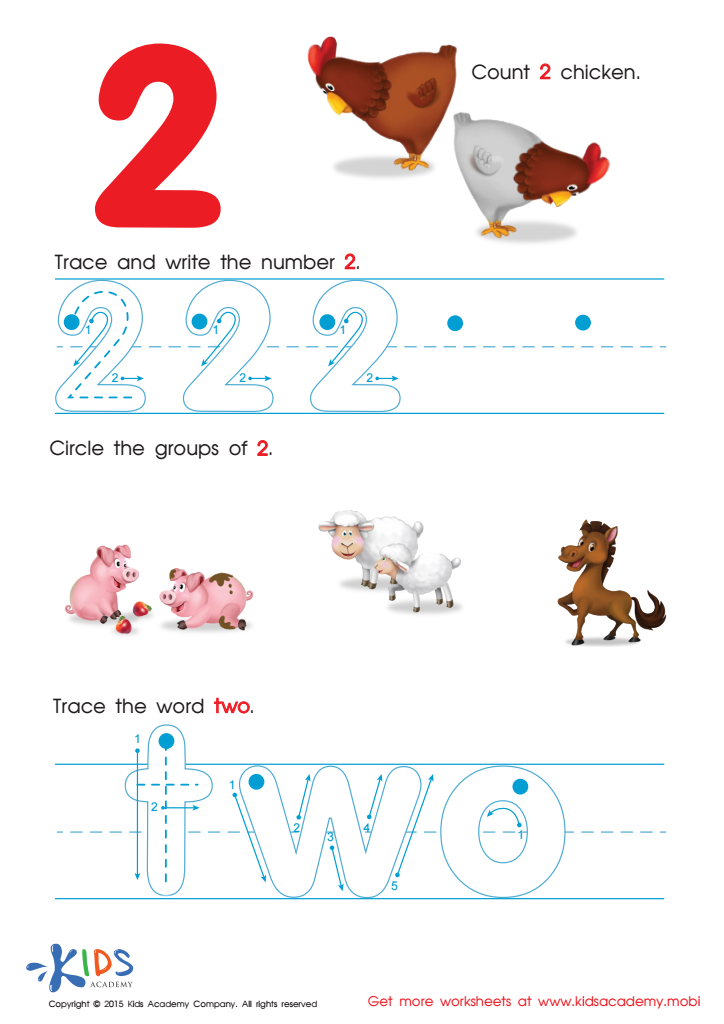
Learn to Write the Number 2 Worksheet
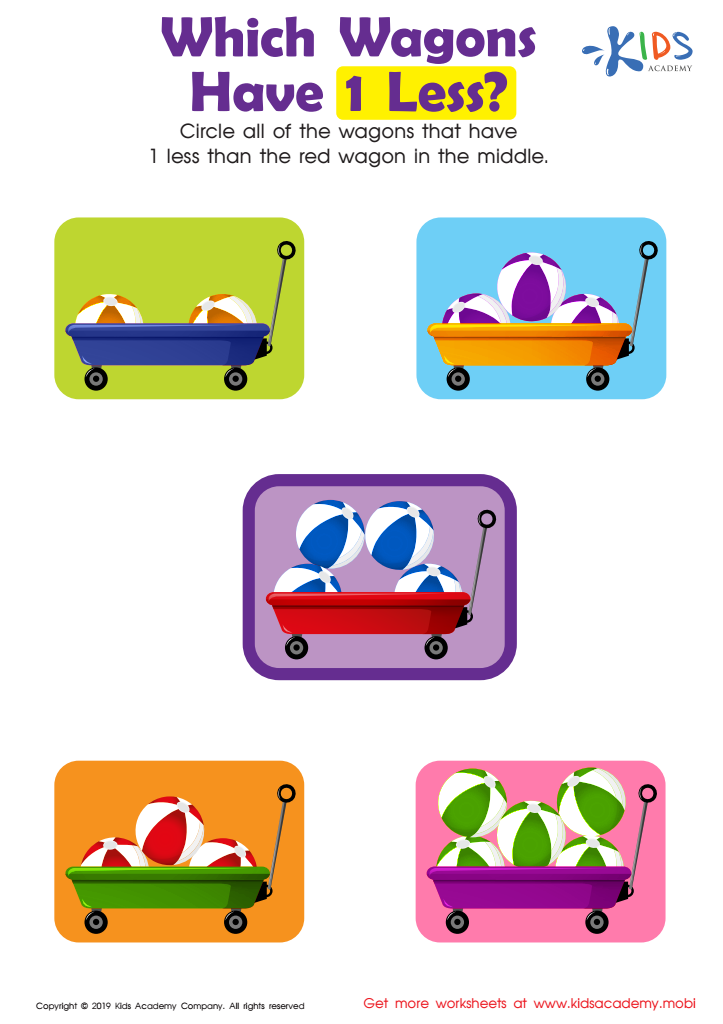
Which Wagons Have 1 Less? Worksheet
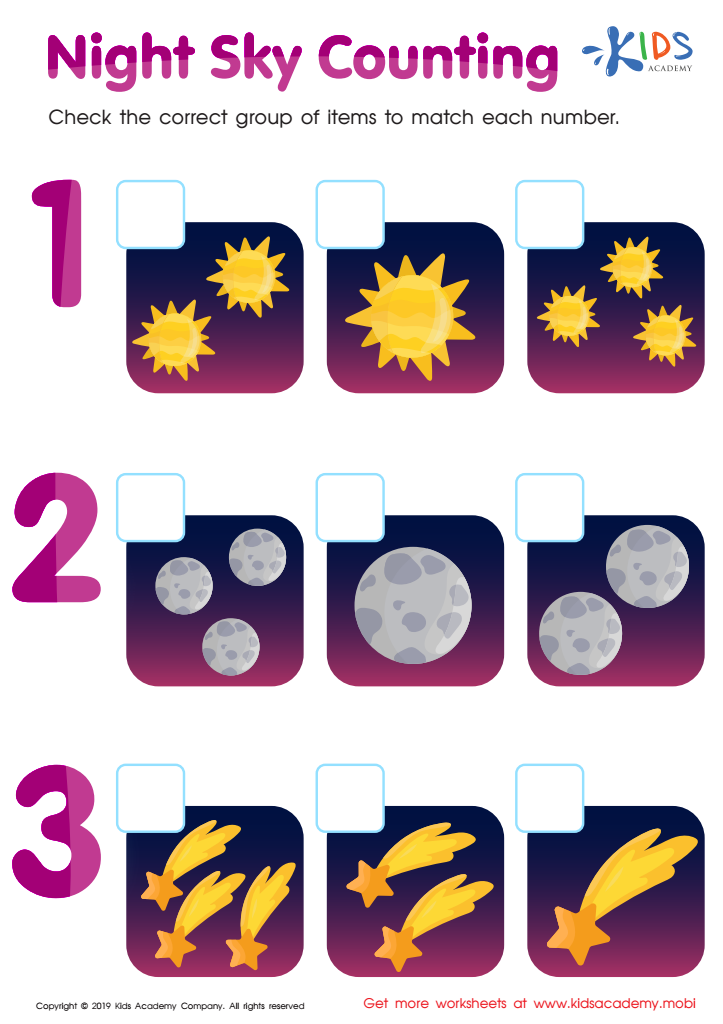
Night Sky Counting Worksheet
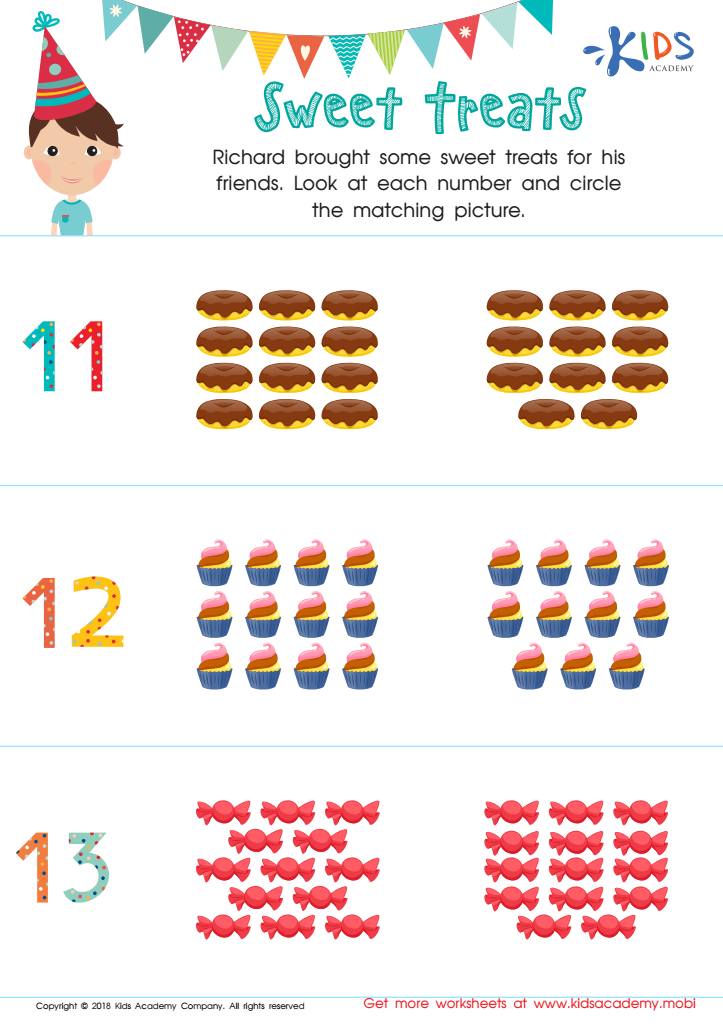
Kindergarten Math Worksheet Matching Numbers

Count and Match: Feed the Animals Worksheet
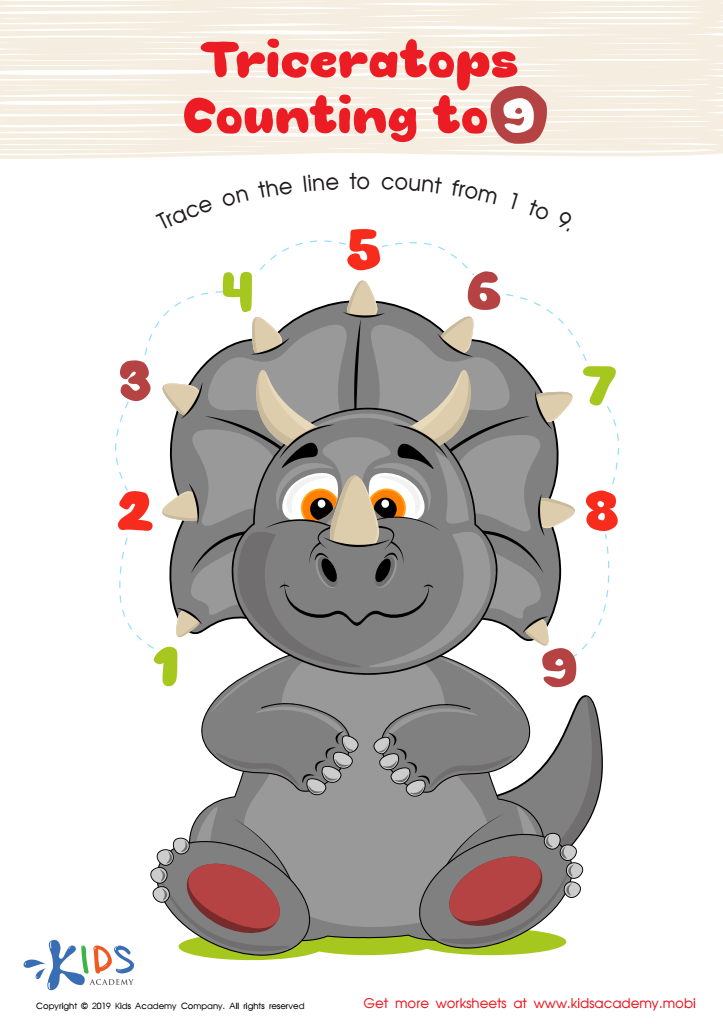
Triceratops Counting to 9 Worksheet
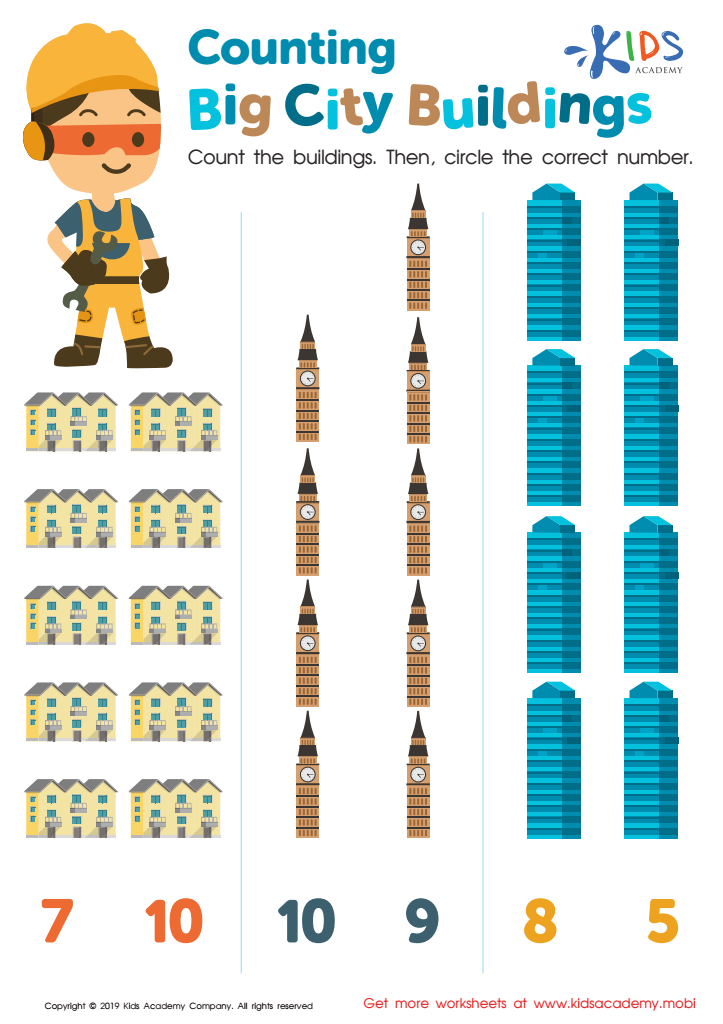
Counting Big City Buildings Worksheet

Night Sky Numbers Worksheet








When children are between the ages of 6 and 9, their brains are developing rapidly, making it a crucial period for cognitive growth. Attention to cognitive development in numeracy during these years sets the foundation for future academic and everyday life skills.
For parents, ensuring their child is developing strong number skills means providing them with the tools they need for future success. Mathematics and numeracy are essential for various daily tasks — from managing money to critical thinking and problem-solving in personal and professional contexts. When children understand numbers well, they cultivate confidence in dealing with more complex math and logic tasks as they progress in their education.
For teachers, focusing on cognitive development in numbers is critical because it influences how efficiently children grasp other subjects, such as science and technology. Mastery in primary school numerical skills correlates strongly with later academic achievement. Teachers who monitor and support cognitive development in numeracy help create an engaging learning environment that encourages curiosity and analytical thinking.
Moreover, strong foundation skills in numeracy can improve a child's self-esteem and reduce anxiety related to math. High engagement levels in learning when interest and competence in numbers are nurtured can make students more enthusiastic learners overall. Attention to cognitive development numbers thus isn’t just about academic performance—it's about equipping children with life skills and confidence that will benefit them long term.








