Critical Thinking Reading Comprehension Worksheets for Ages 6-9 - Page 2
44 filtered results
-
From - To
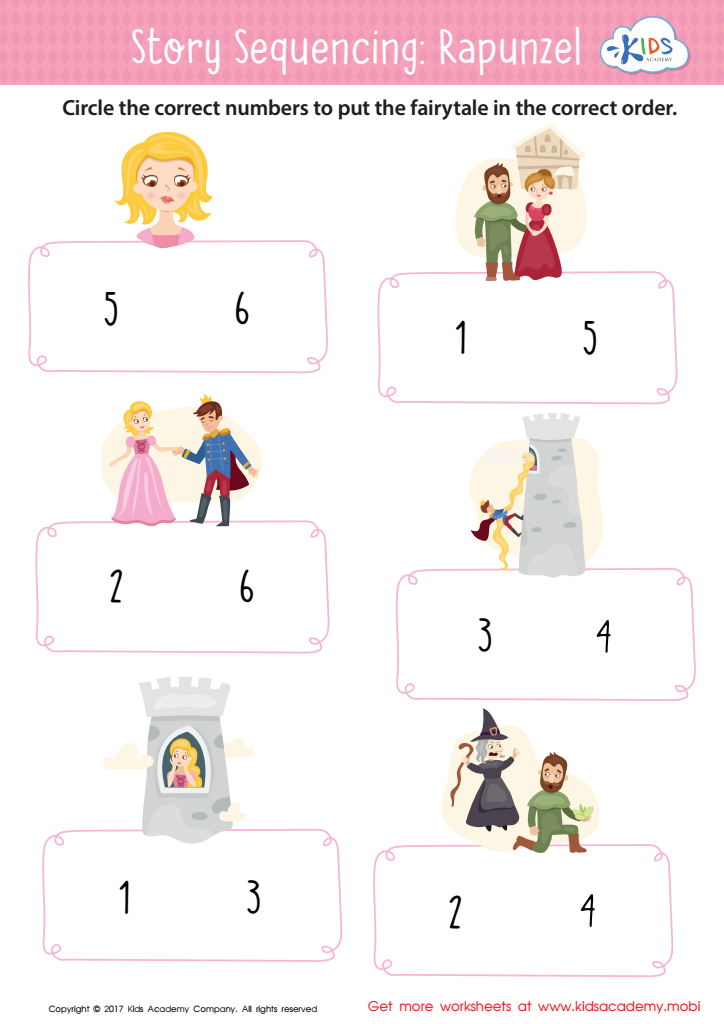
Rapunzel Story Sequencing Worksheet
 Assign to My Students
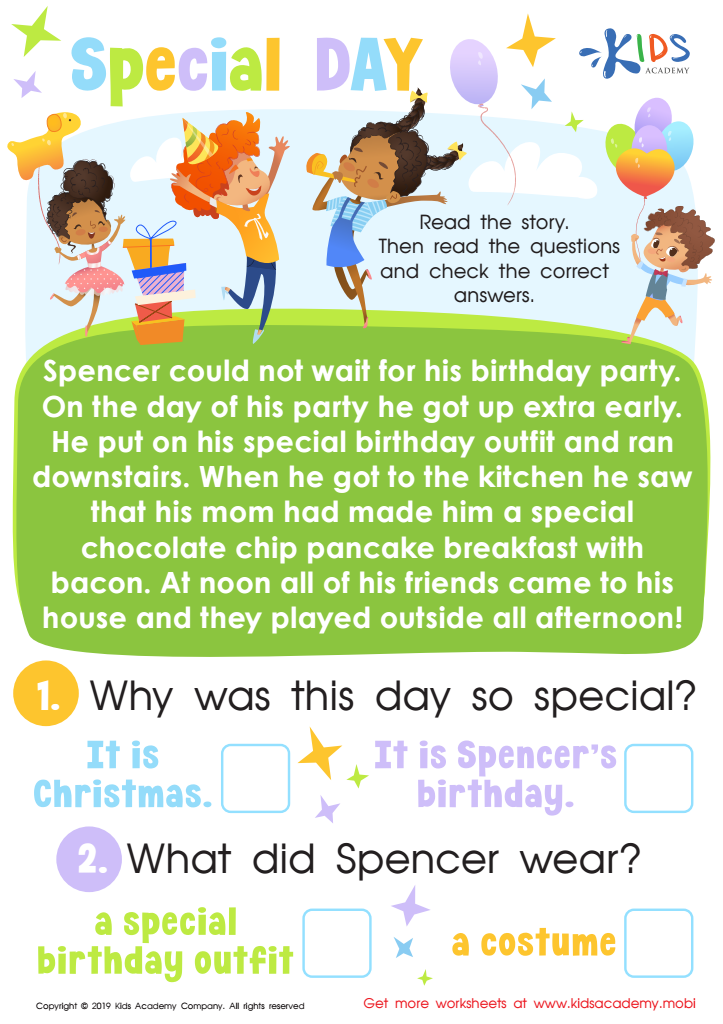
Special Day Worksheet
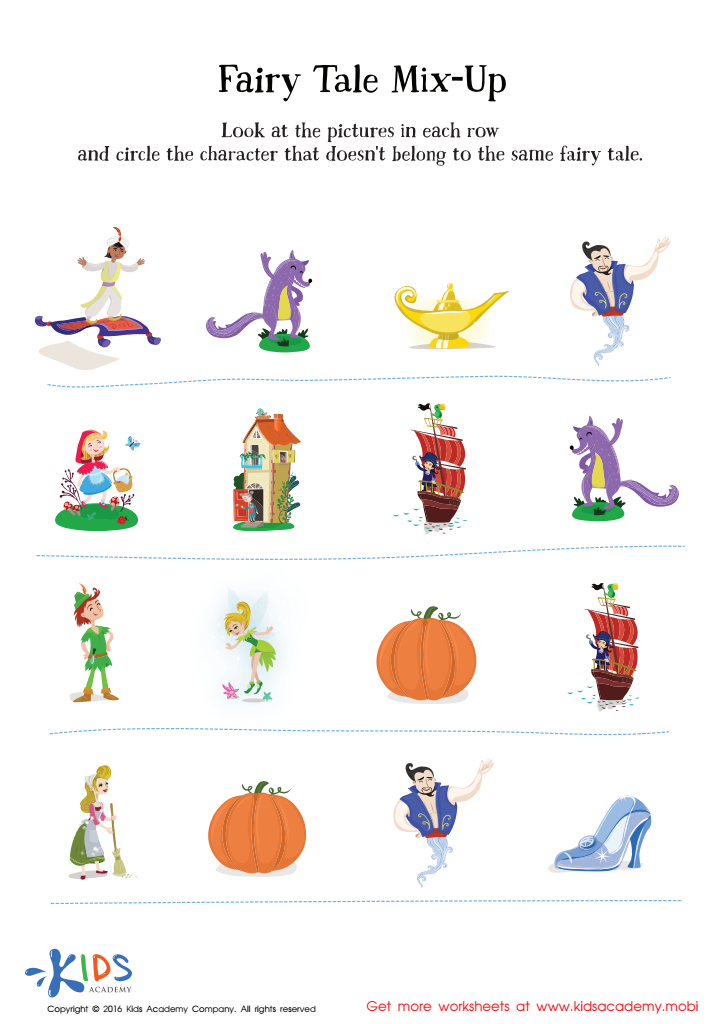
Fairy Tale Worksheet: Story Mix Up
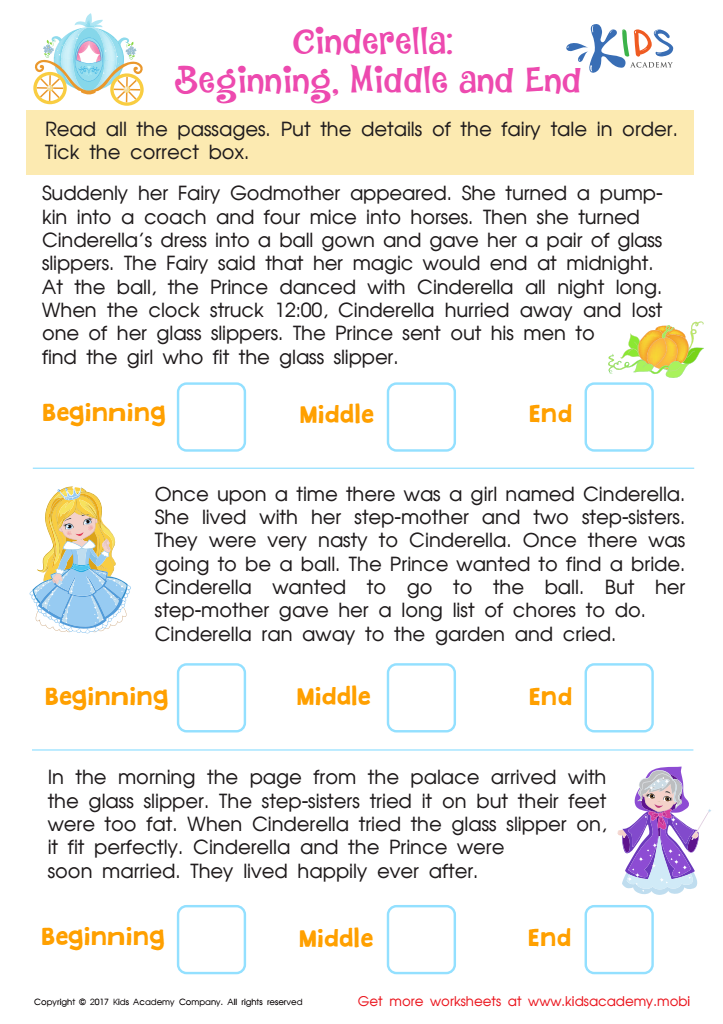
Cinderella: Beginning, Middle and End Worksheet
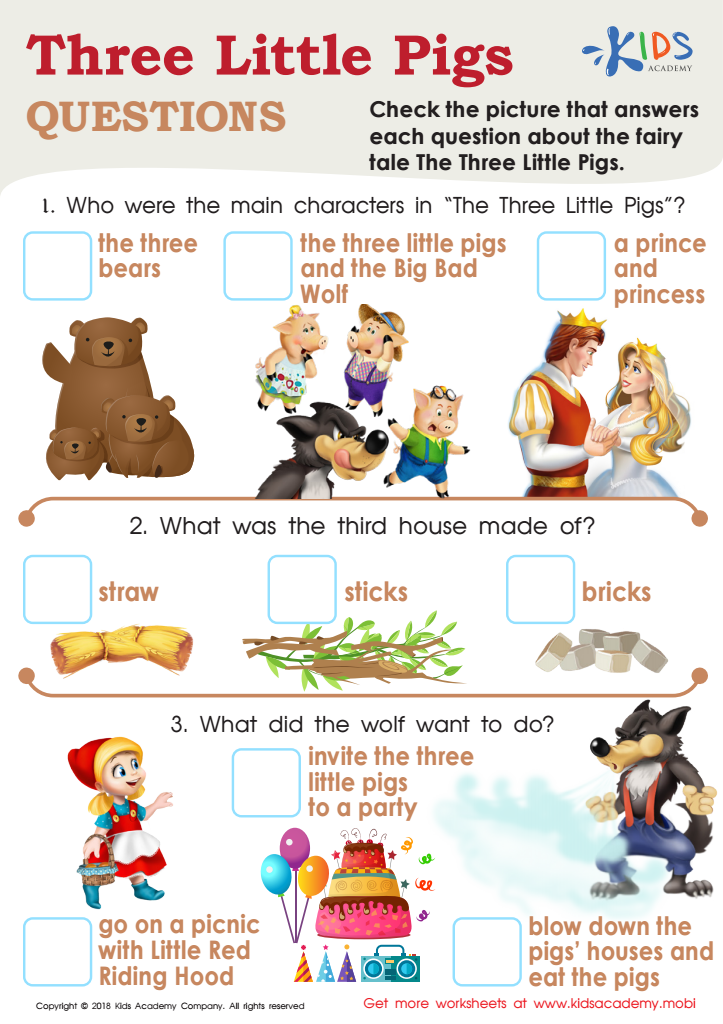
Three Little Pigs Questions Worksheet
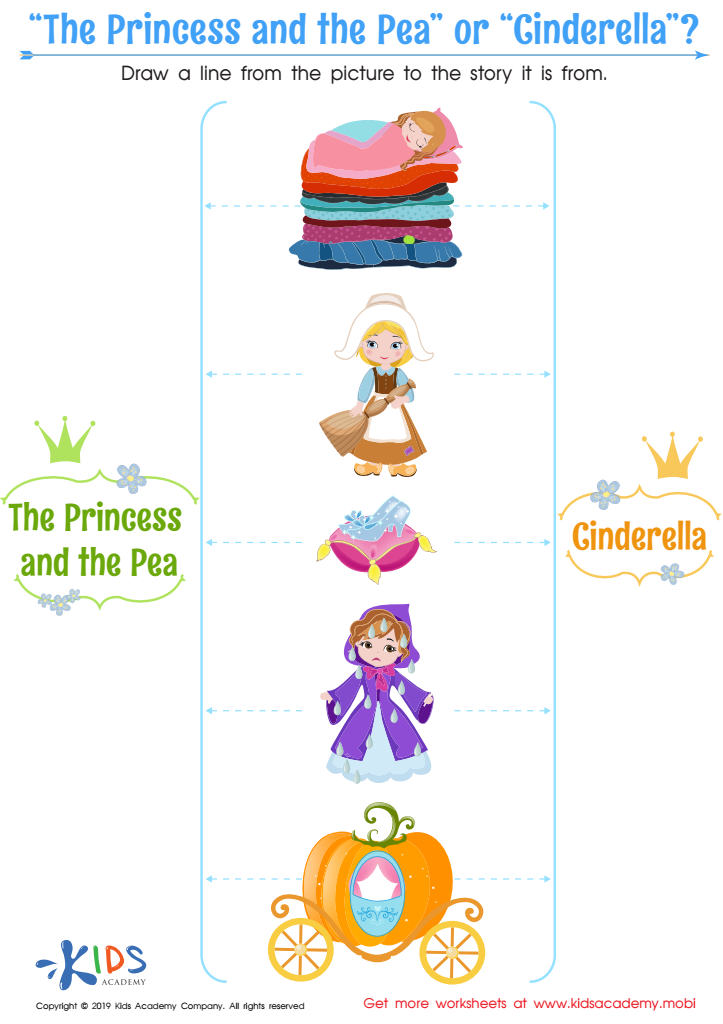
“The Princess and the Pea” or “Cinderella” Worksheet
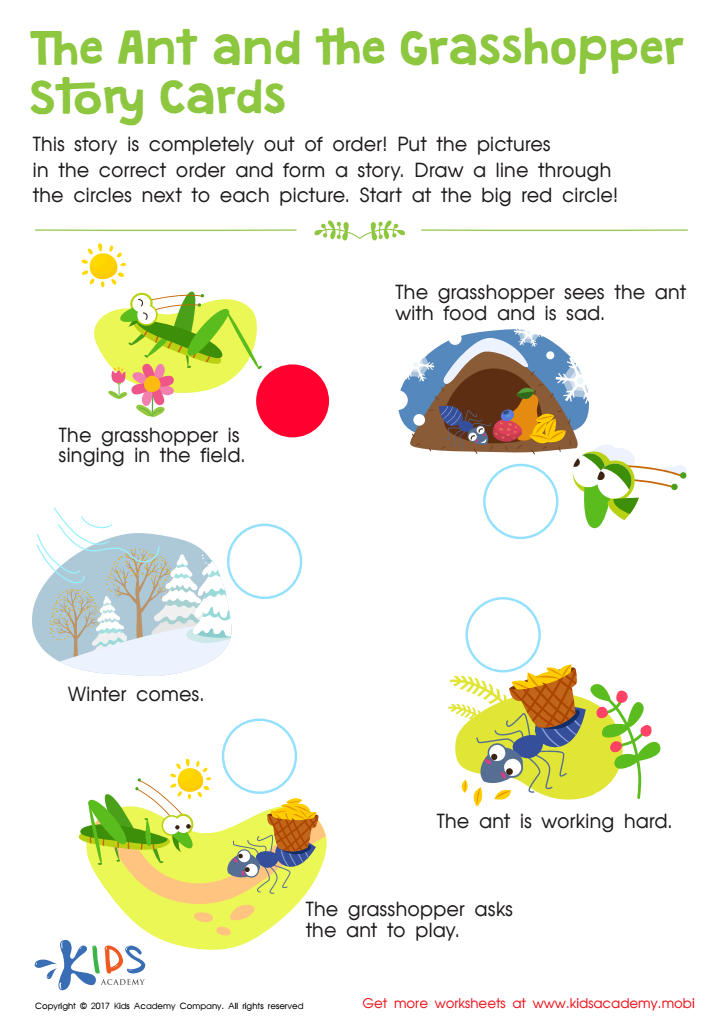
The Ant and The Grasshopper Worksheet
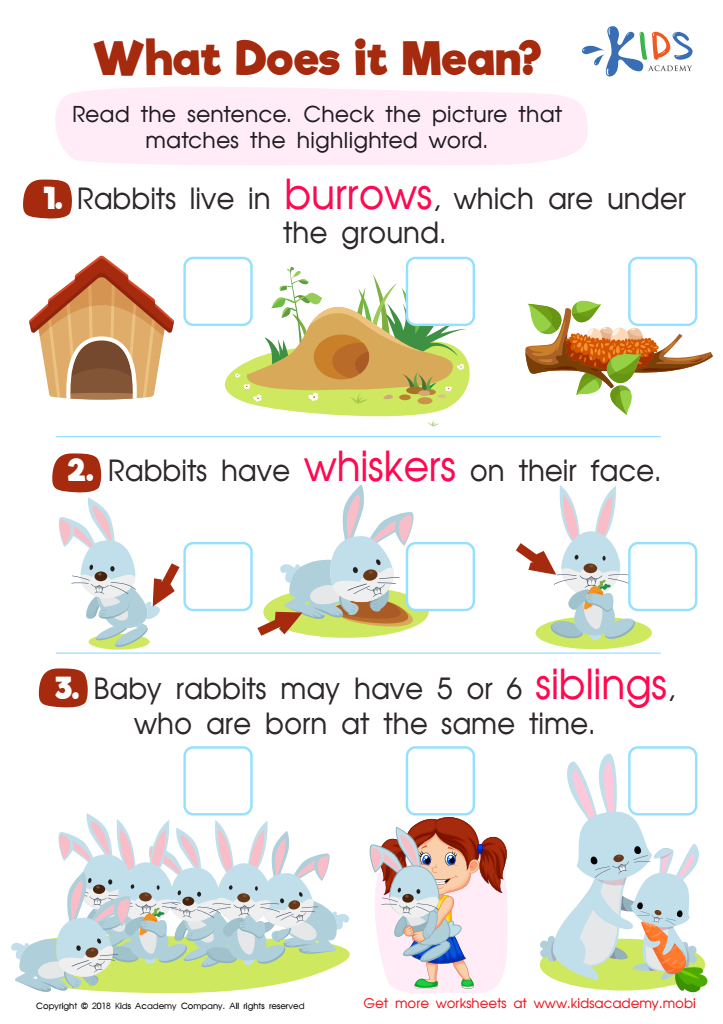
What Does It Mean? Worksheet
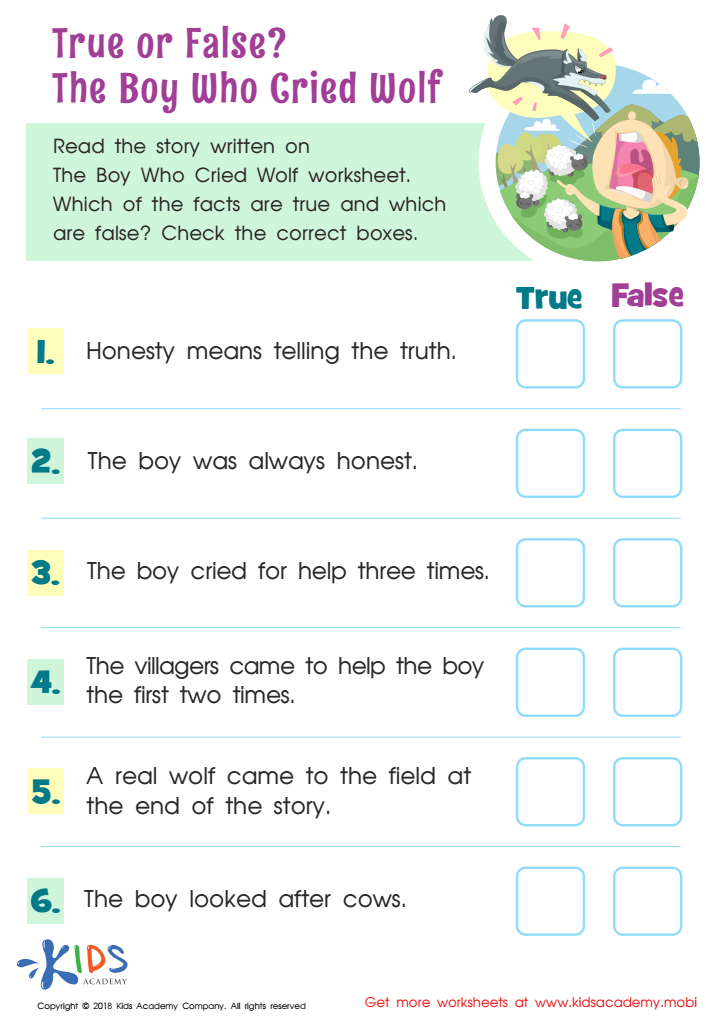
True or False? The Boy Who Cried Wolf Worksheet
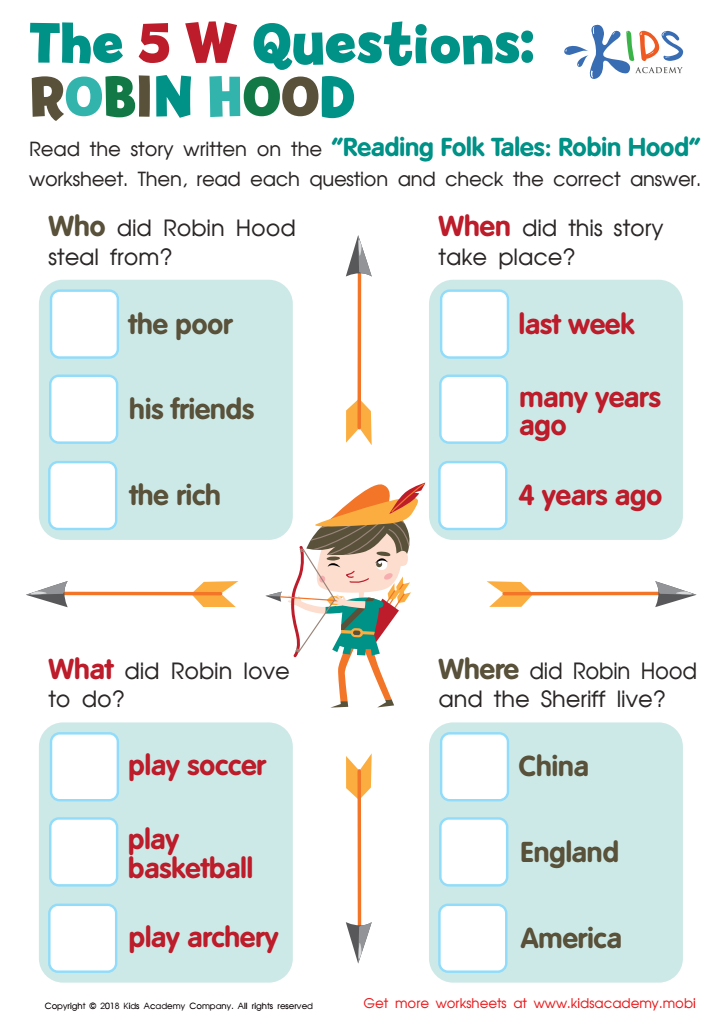
The 5 W Questions: Robin Hood Worksheet
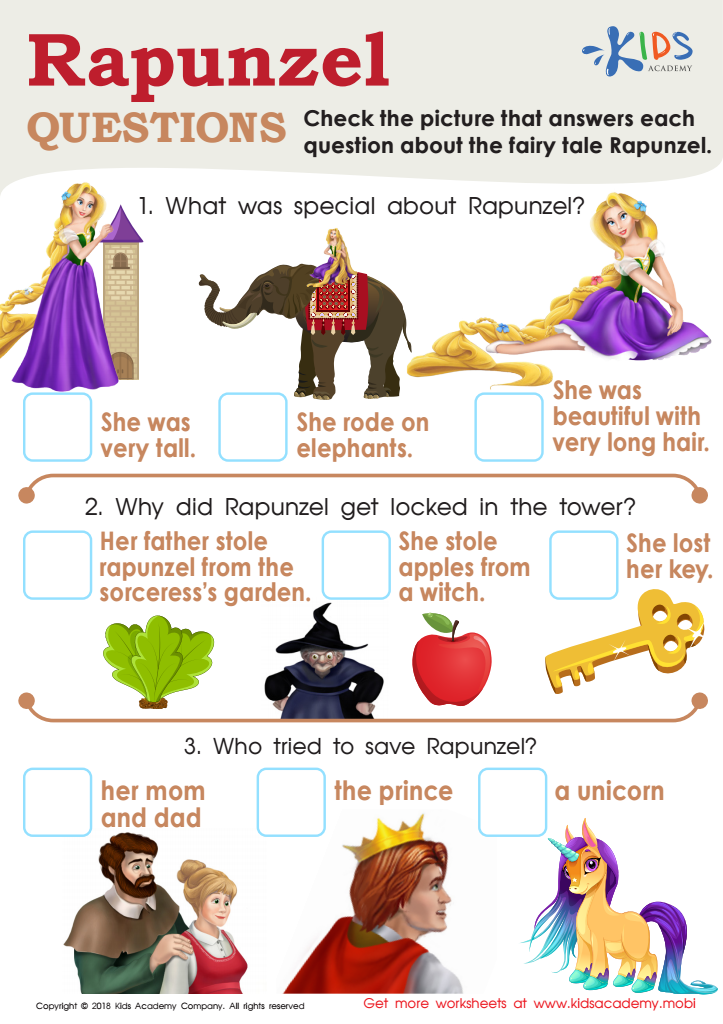
Rapunzel Questions Worksheet
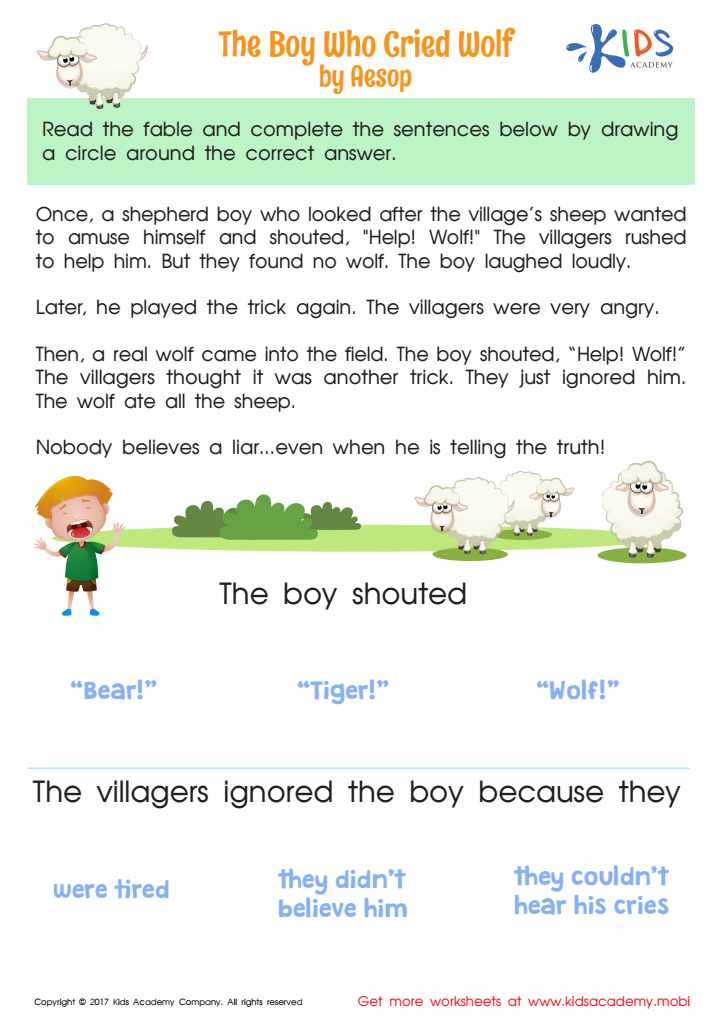
The Boy Who Cried Wolf Worksheet
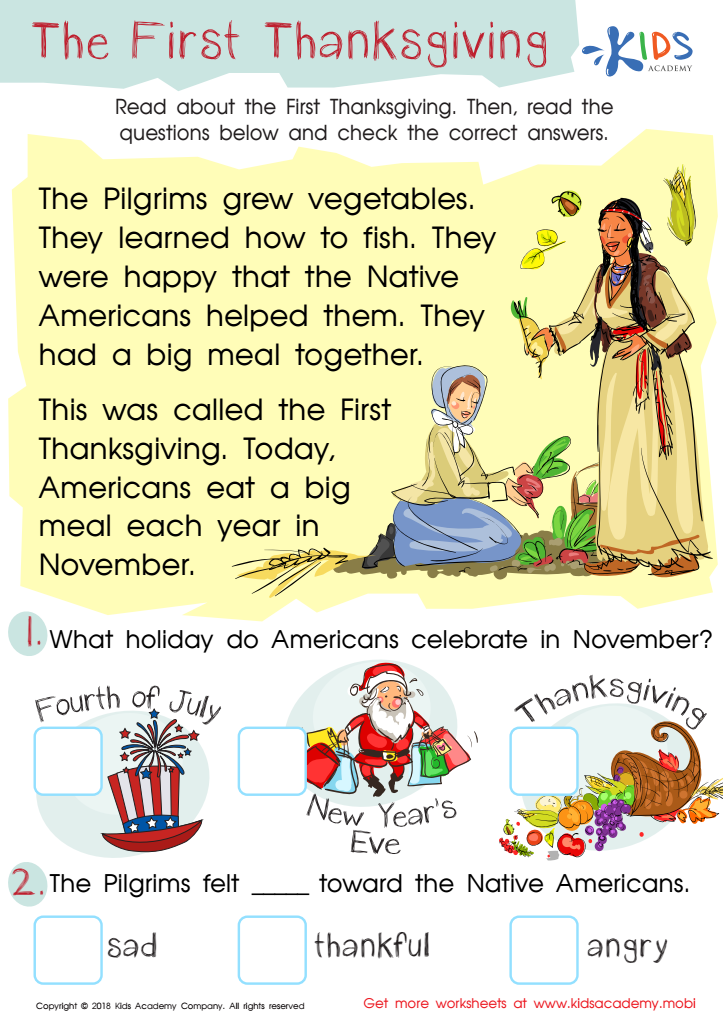
Assessment: First Thanksgiving Worksheet
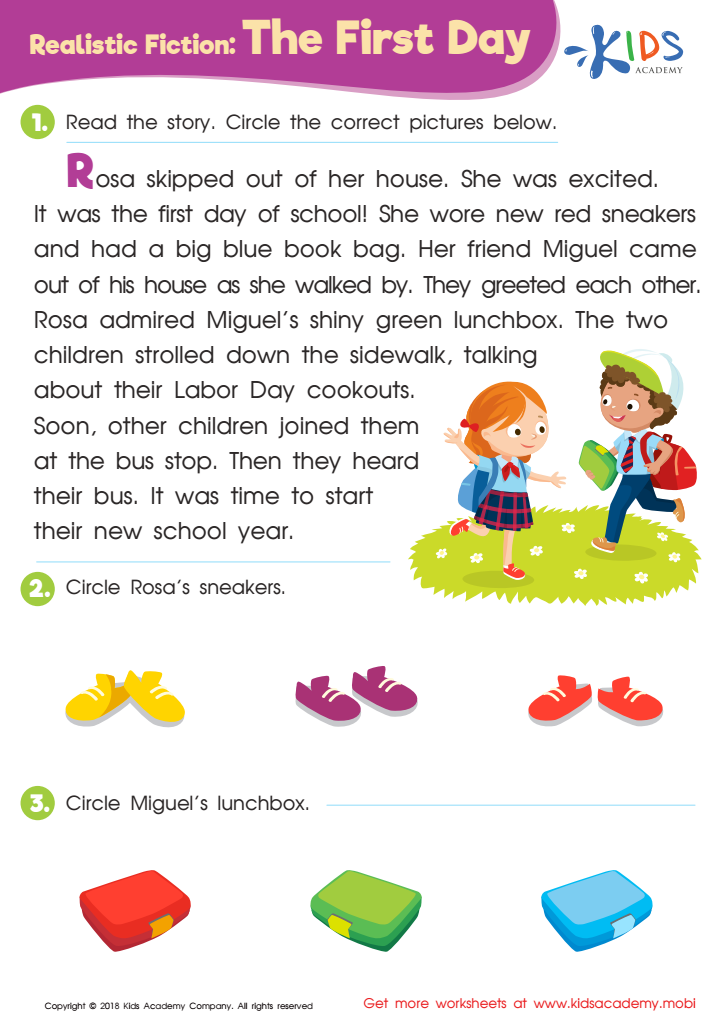
Realistic Fiction: The First Day Worksheet
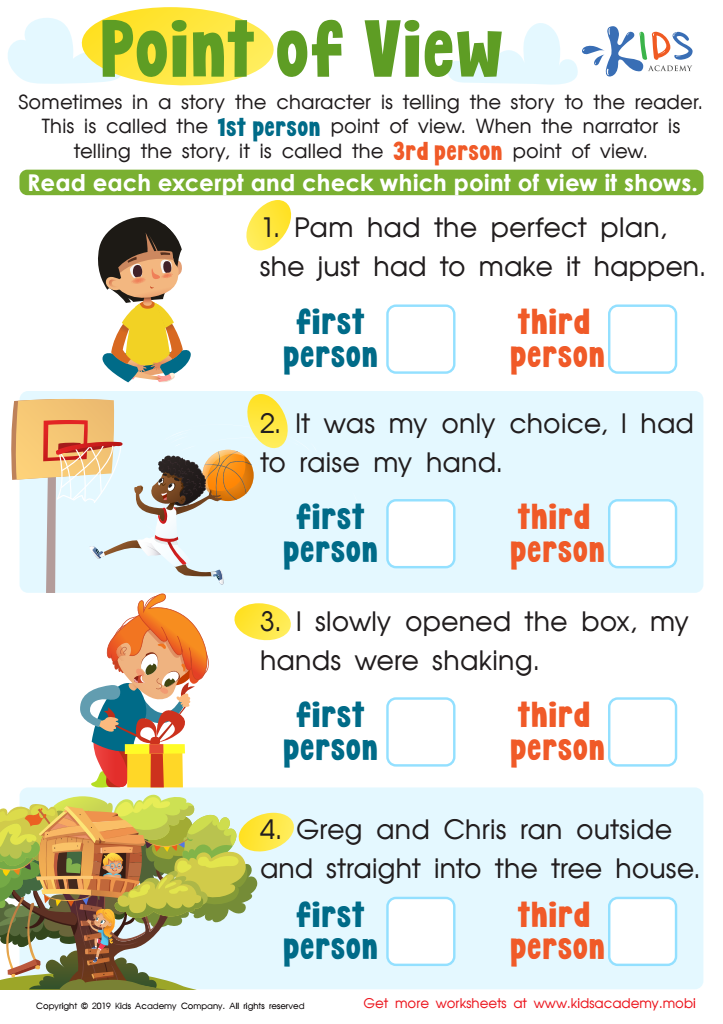
Point of View Printable
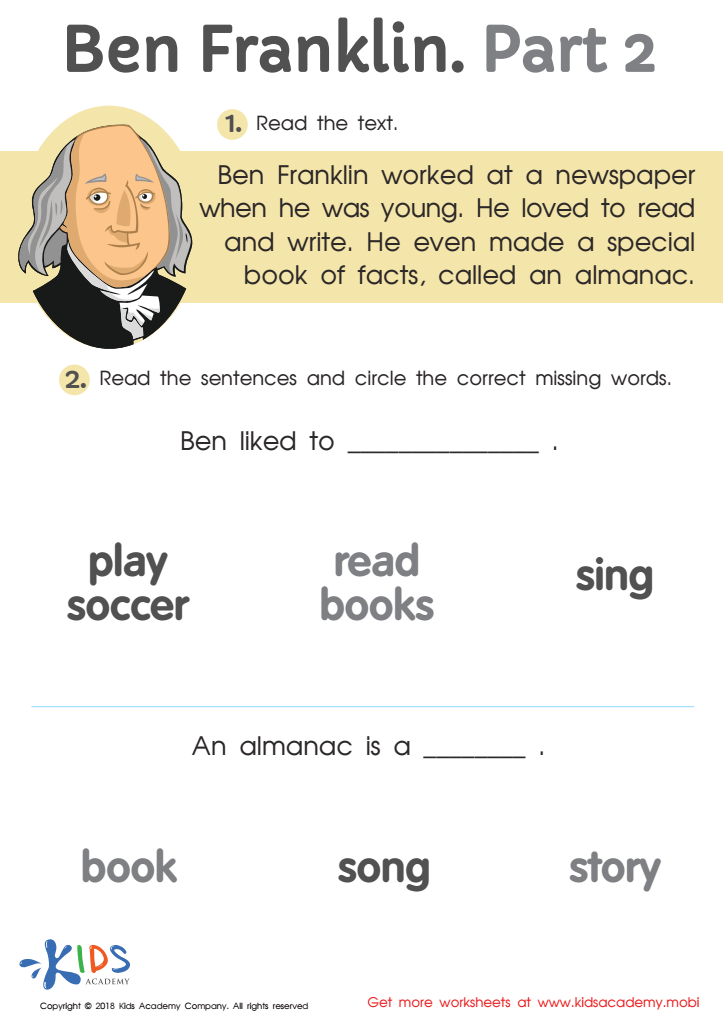
Ben Franklin Part 2 Worksheet
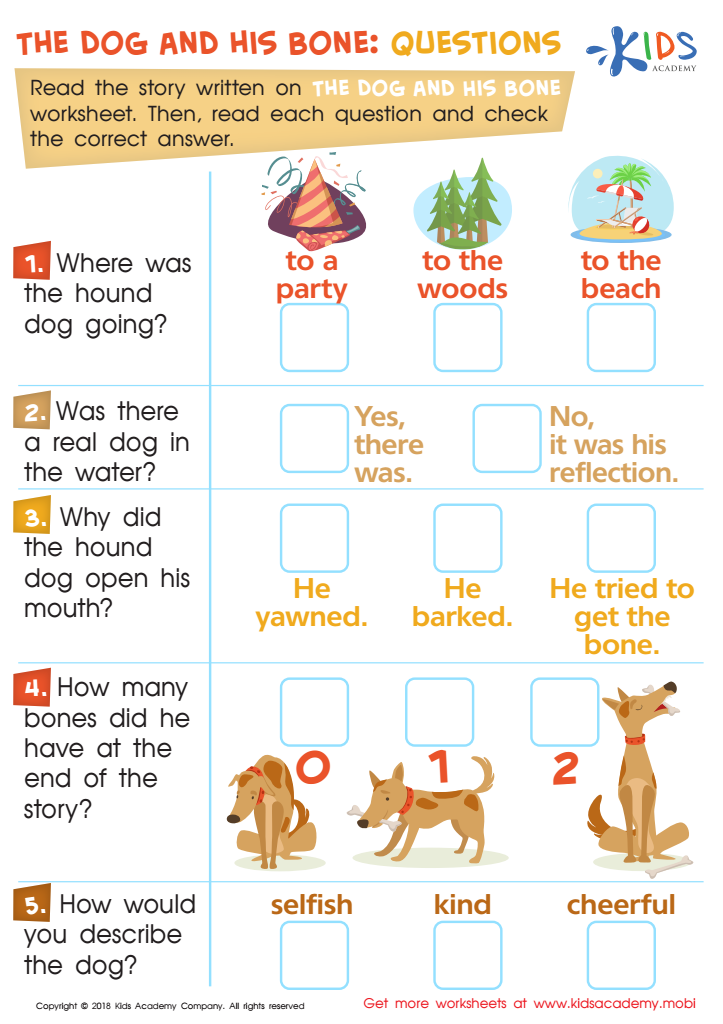
The Dog and His Bone: Questions Worksheet
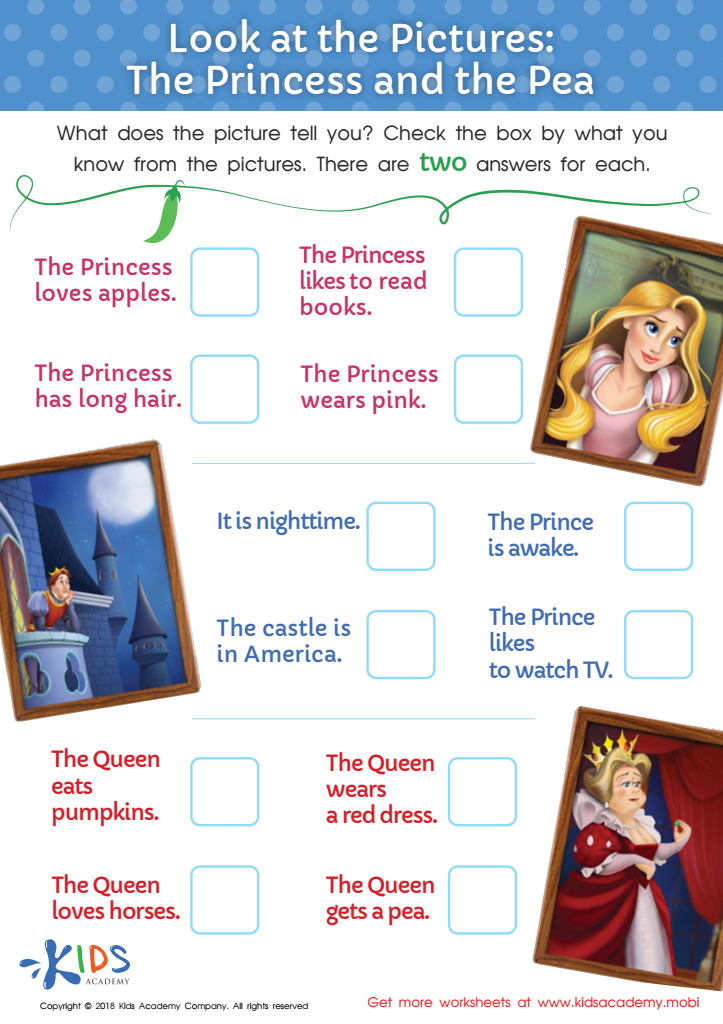
Look at the Pictures: The Princess and the Pea Worksheet
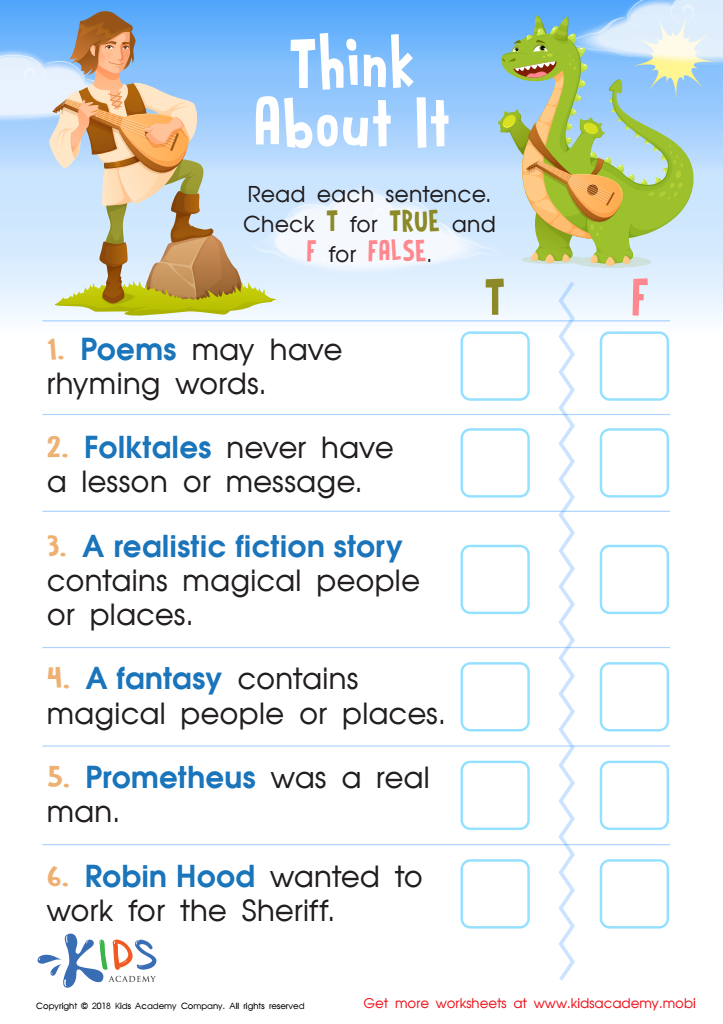
Think About It: Assessment Worksheet
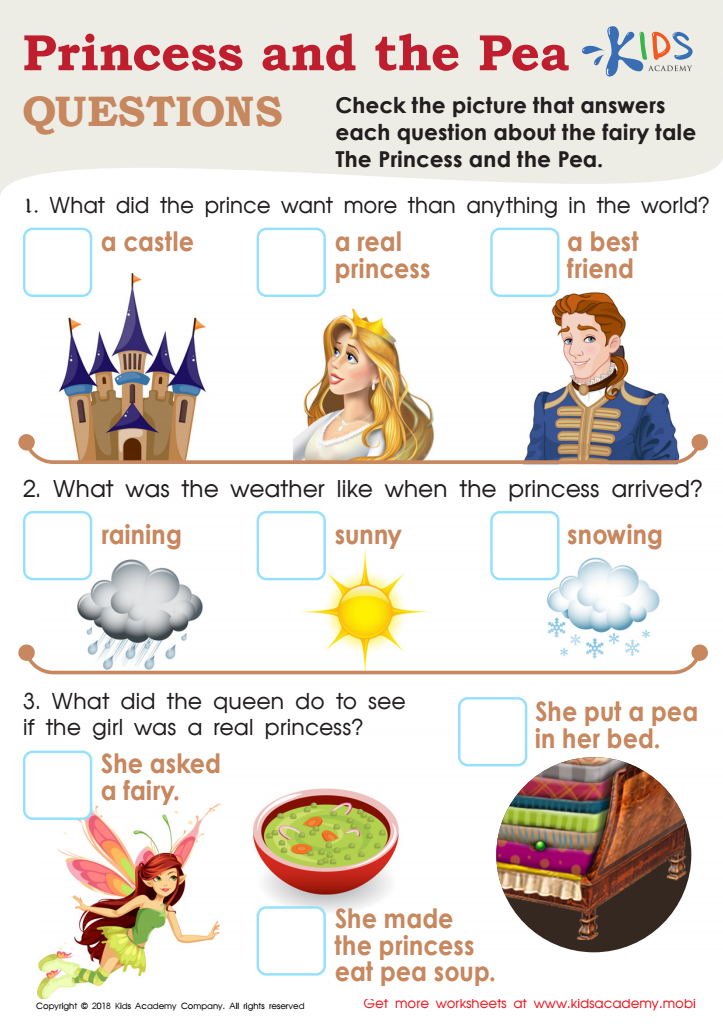
Princess and the Pea Questions Worksheet








Critical thinking reading comprehension is vital for children aged 6-9 as it lays the foundation for their future academic success and overall cognitive development. At this stage, children are beginning to engage with texts in more complex ways. Teaching them to analyze, synthesize, and evaluate information fosters independent thinking and equips them with essential skills for navigating a world inundated with information.
Parents and teachers should care about this because strong reading comprehension skills encourage curiosity and a love for learning. When children learn to ask questions about what they read, make connections to their own experiences, and draw inferences, they become active learners rather than passive consumers of information. This level of engagement not only enhances literacy but also promotes social-emotional growth, as children learn to consider different perspectives.
Moreover, critical thinking helps children develop problem-solving skills, enabling them to tackle challenges both in and out of the classroom. As they learn to articulate their thoughts and defend their opinions with evidence, they build confidence and communication skills. Ultimately, fostering critical thinking reading comprehension during these formative years equips children with the intellectual tools necessary for their future educational endeavors and lifelong learning.








