Learning about ecosystems Science Worksheets for Ages 6-9
4 filtered results
-
From - To
Unlock the wonders of nature with our "Learning about Ecosystems Science Worksheets" designed for kids aged 6-9! These engaging and interactive worksheets help young learners explore the intricate web of life within our ecosystems. From understanding food chains to identifying different habitats, our resources encourage critical thinking and spark curiosity about the environment. Perfect for at-home learning or classroom activities, these worksheets blend fun and education, making science accessible and enjoyable. Foster a love for nature while building essential knowledge with vibrant illustrations and easy-to-follow activities. Start your child's journey into the world of ecosystems today!
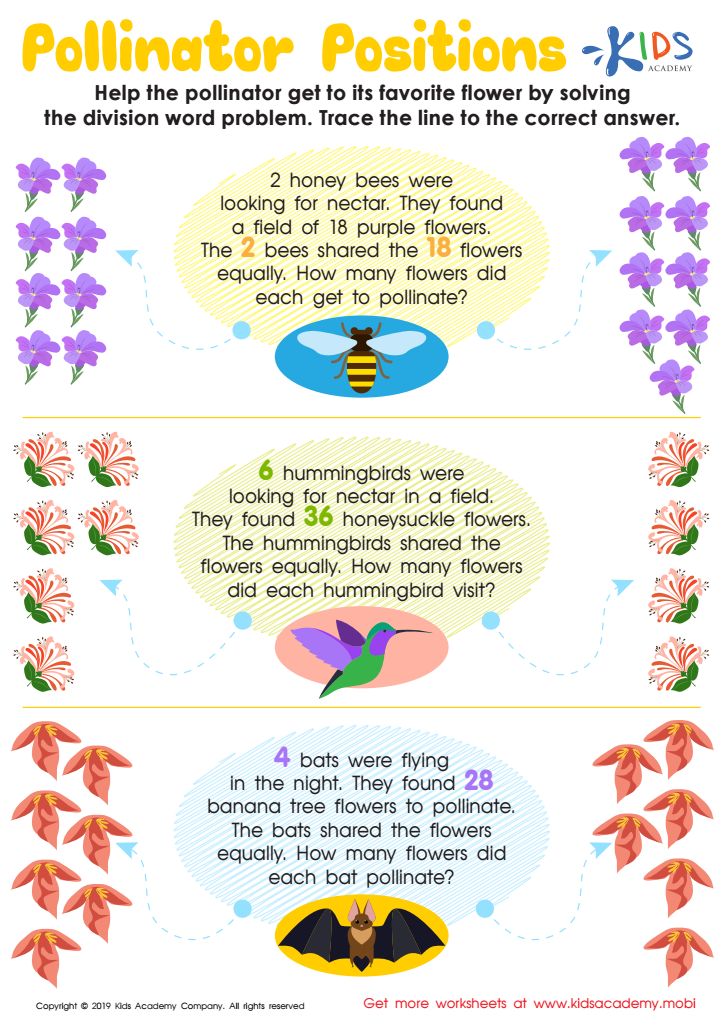
Pollinator Positions Worksheet
 Assign to My Students
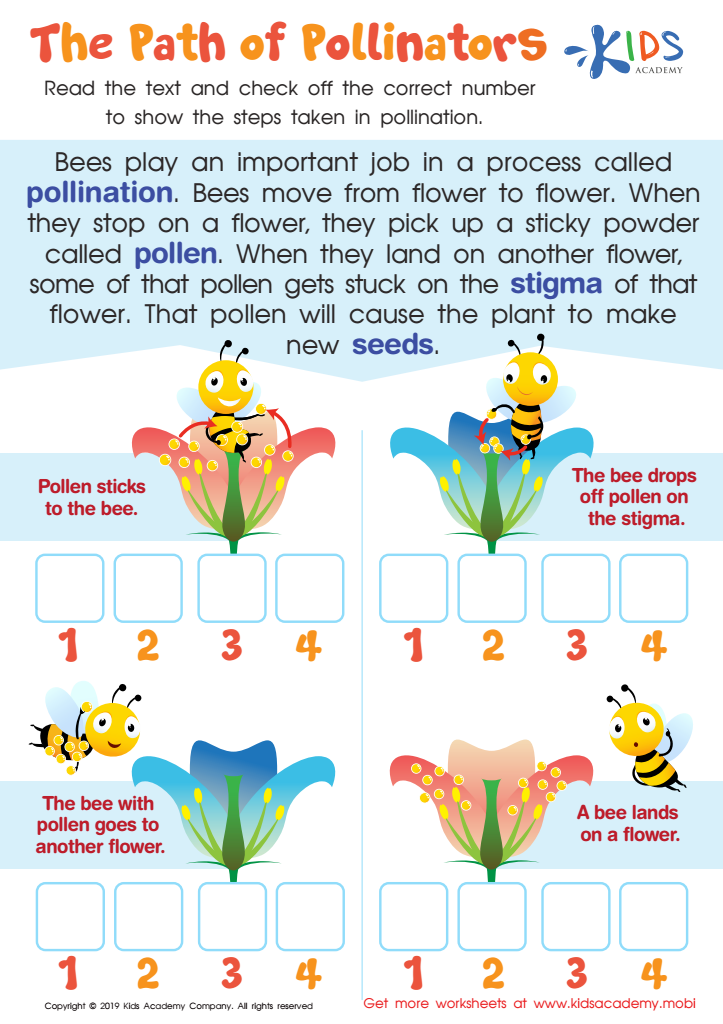
The Path of Pollinators Worksheet
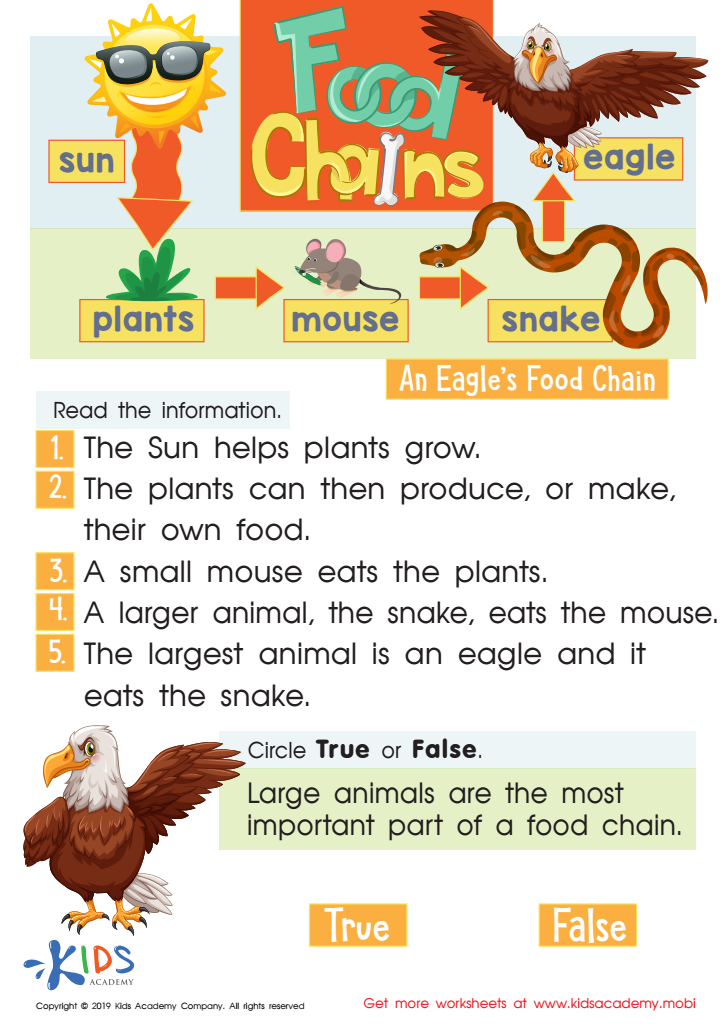
Food Chains Worksheet
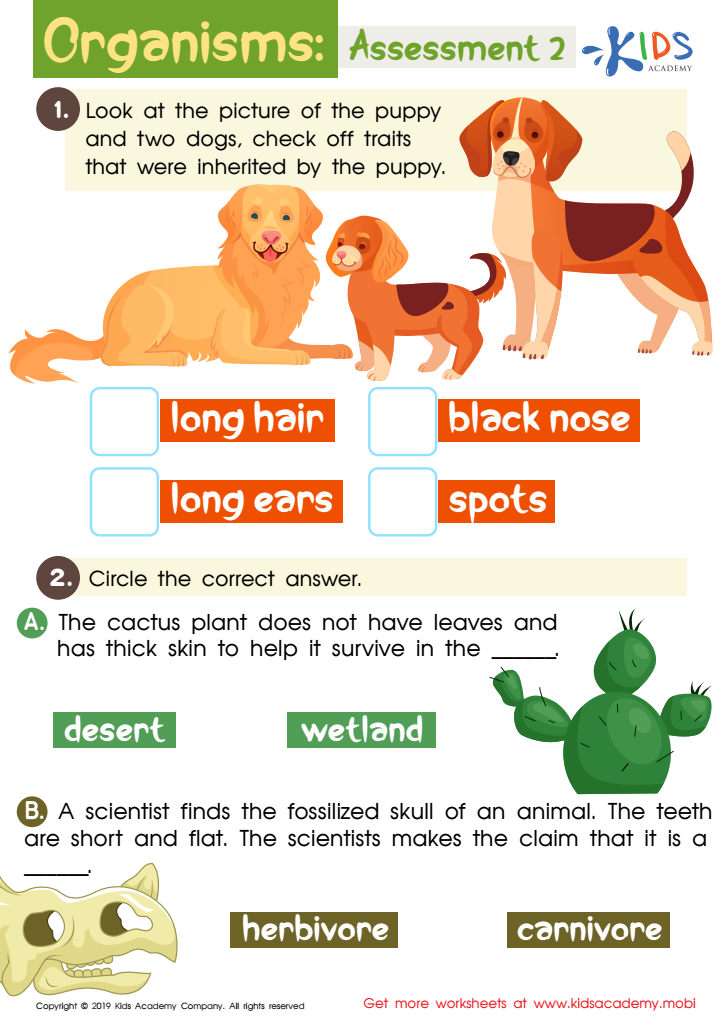
Organisms: Assessment 2 Worksheet







Understanding ecosystems is essential for children aged 6-9, as it fosters critical thinking about the environment and instills values of responsibility and stewardship. At this developmental stage, children are naturally curious about the world around them. Learning about ecosystems allows them to explore the intricate relationships between living organisms, their habitats, and the physical world they inhabit, making science relatable and engaging.
Parents and teachers should emphasize ecosystem education as it nurtures a sense of wonder and connection to nature, laying the groundwork for lifelong appreciation. It teaches children about biodiversity and the importance of preserving various species, highlighting that every creature, no matter how small, plays a critical role in maintaining balance.
Furthermore, learning about ecosystems promotes essential skills like observation, inquiry, and problem-solving. Children can engage in hands-on activities, such as building a mini-ecosystem, encouraging teamwork and creativity. This science foundation can empower them to become environmentally conscious individuals capable of making informed decisions.
Ultimately, promoting ecosystem science in young learners not only enhances their academic skills but also helps cultivate a caring attitude towards the planet, ensuring future generations are equipped to tackle environmental challenges.







