Fine Motor Skills Plants and Animals Worksheets for Ages 6-9
5 filtered results
-
From - To
Discover our engaging Fine Motor Skills Plants and Animals Worksheets designed specifically for children aged 6-9! These interactive worksheets not only foster essential hand-eye coordination and fine motor skills, but they also integrate fun themes of plants and animals. Each activity encourages kids to practice crucial movements such as cutting, tracing, and assembling while exploring the fascinating world of nature. Perfect for home or classroom use, our worksheets provide a creative way to support early childhood development. Enhance your child's learning experience and watch their skills flourish through engaging and playful tasks that ignite curiosity about the beauty of plants and animals!
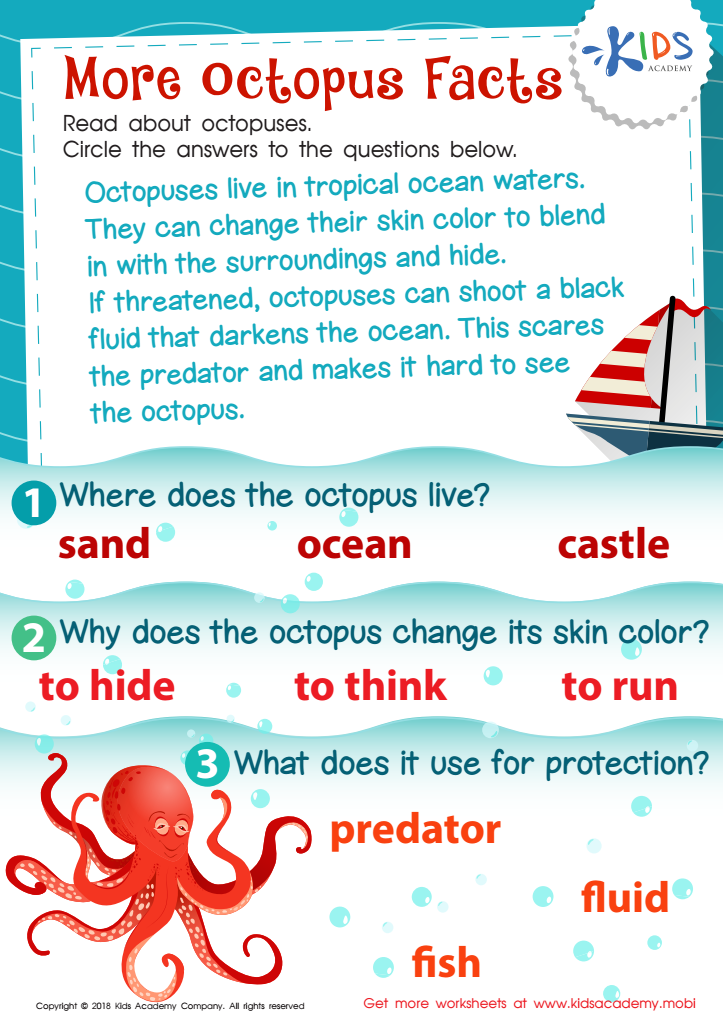
More Octopus Facts Worksheet
 Assign to My Students
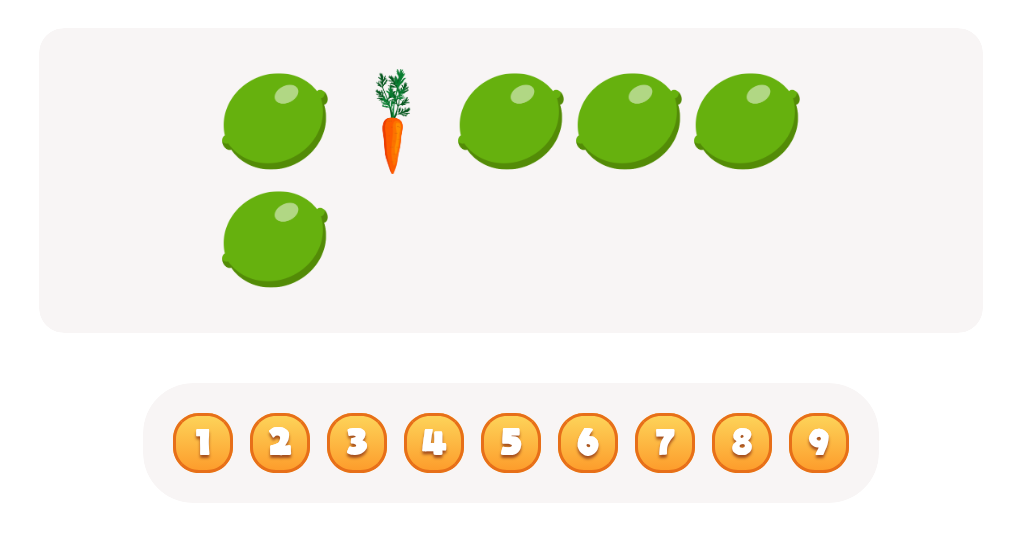

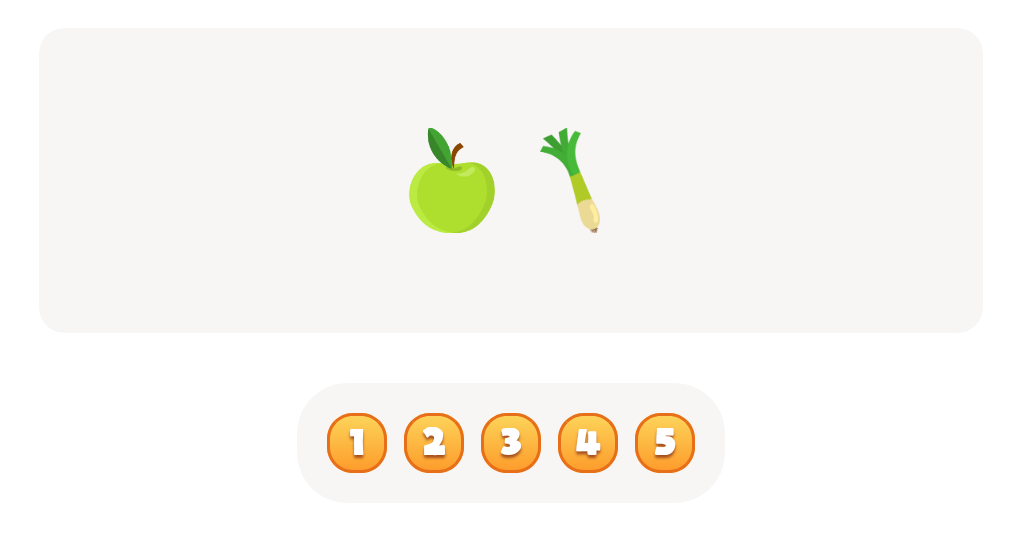
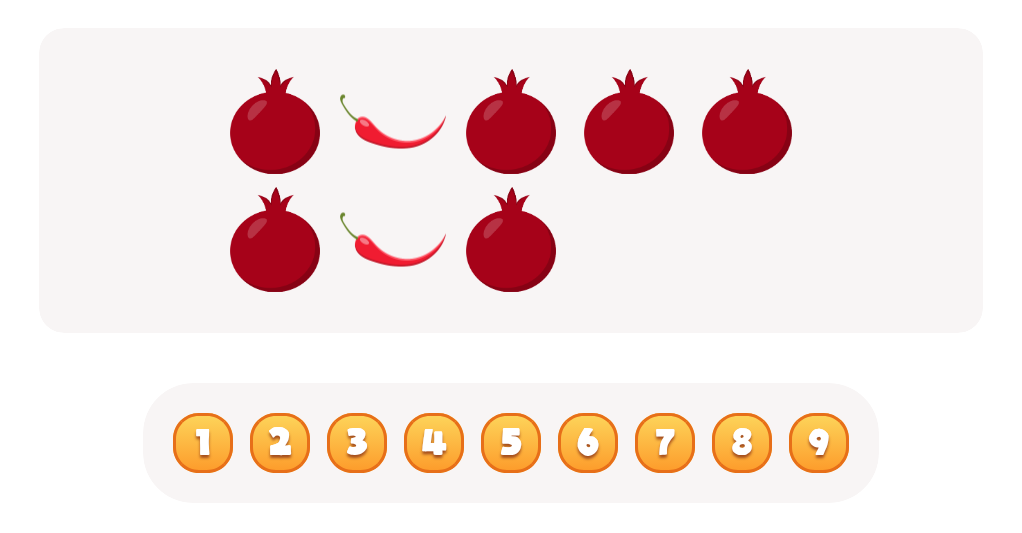


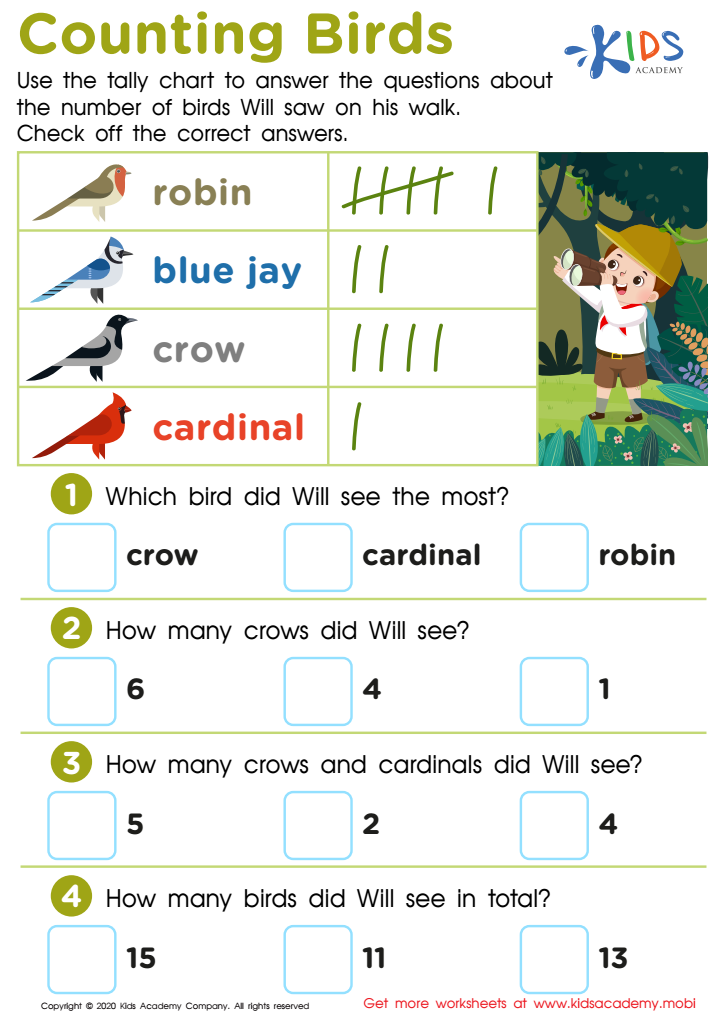
Counting Birds Worksheet
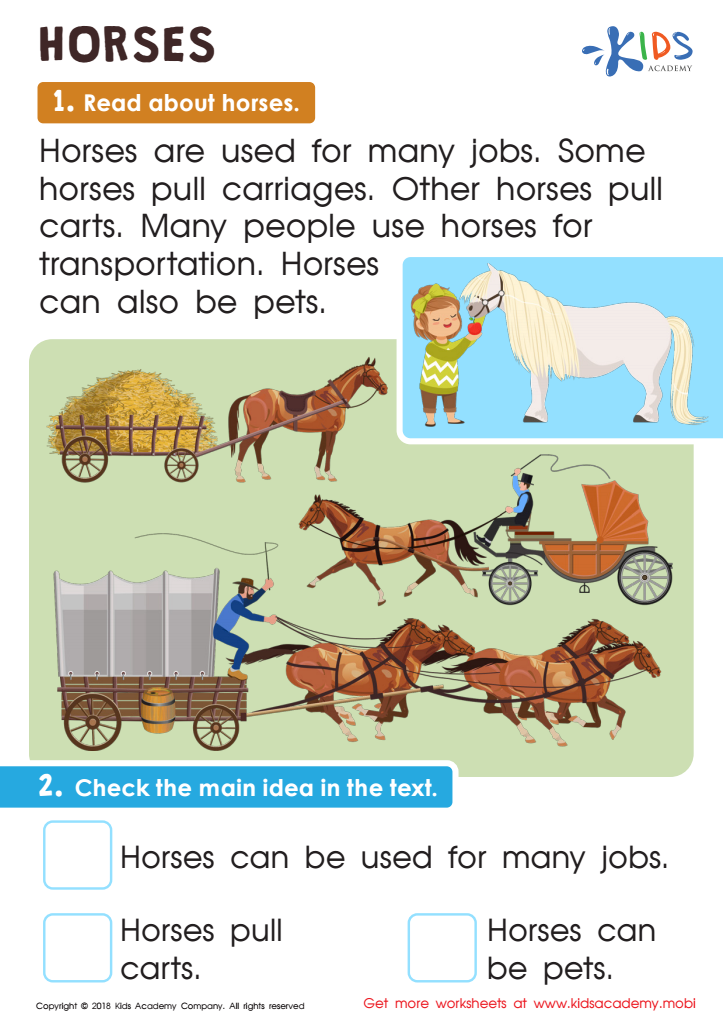
Horses Worksheet
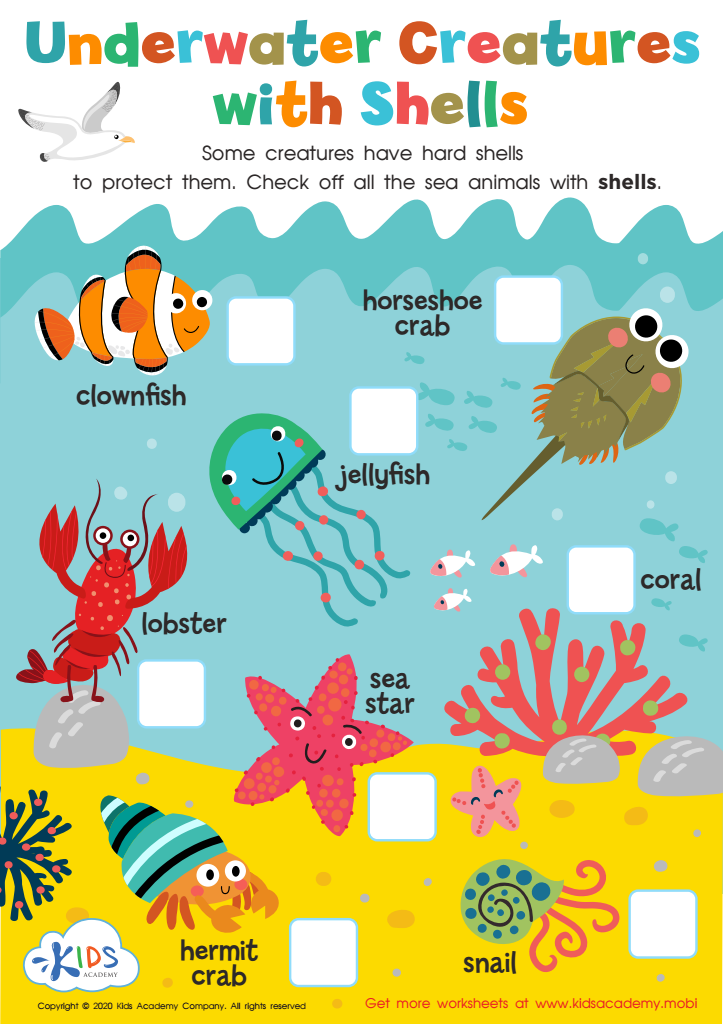
Underwater Creatures with Shells Worksheet
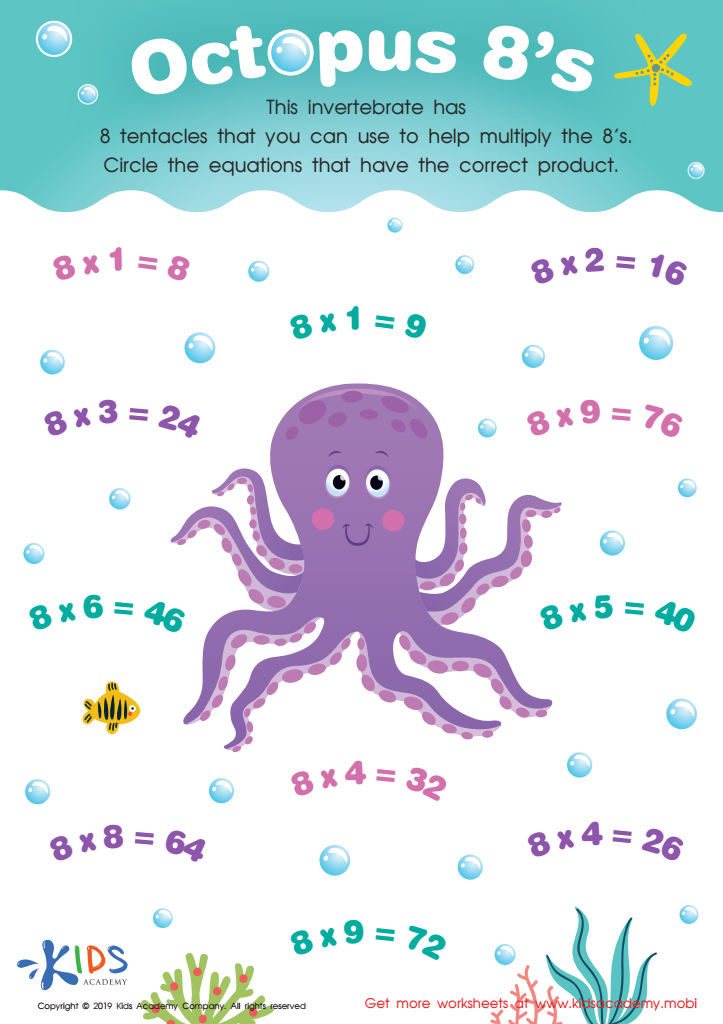
Octopus 8’s Worksheet




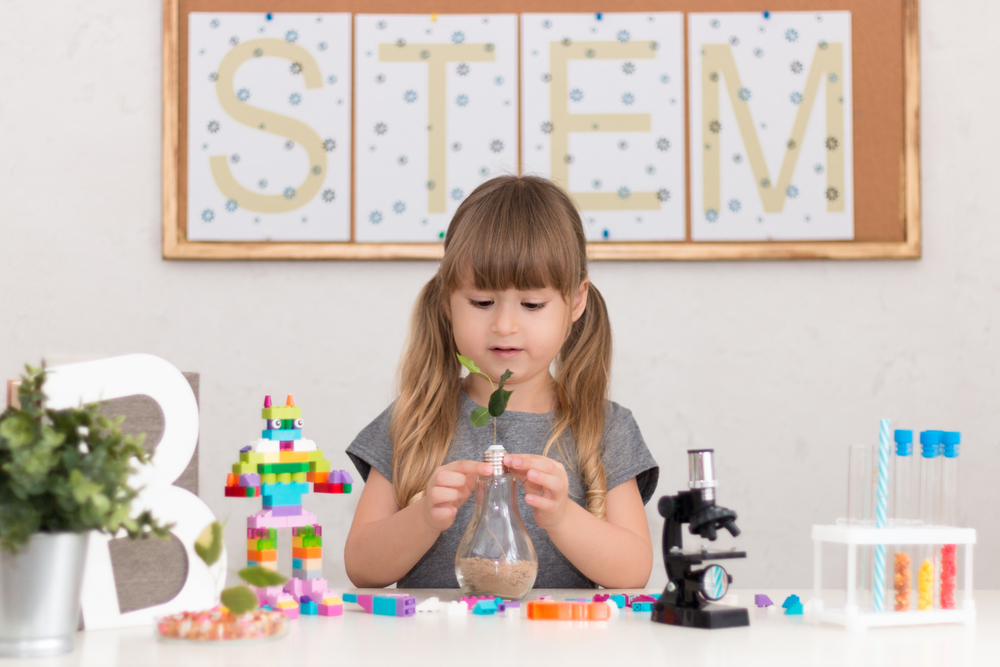



Fine motor skills are crucial for children ages 6-9, as they form the foundation for many everyday tasks and academic skills. These skills involve the coordinated movement of small muscles in the hands and fingers, which are essential for tasks such as writing, drawing, cutting, and working with small objects. When teaching about fine motor skills, incorporating themes like plants and animals can be particularly engaging and beneficial.
Understanding plants and animals stimulates curiosity and cognitive development, reinforcing fine motor skills through activities like planting seeds, creating animal cutouts, or assembling simple terrariums. Such hands-on activities don’t just develop fine motor skills but also enhance observation, creativity, and a connection to nature.
Furthermore, children learn responsibility and empathy through caring for living things, while also discovering the biomechanics of plant properties and animal movements. By integrating fine motor practice within these themes, children are likely to grasp essential academic concepts more effectively, ensuring a well-rounded development. Engaging parents and teachers in these activities promotes a supportive learning environment that nurtures not only physical skills but also a lifelong appreciation for the natural world. Prioritizing this development ultimately fosters a child's independence and prepares them for future challenges.








