Reading comprehension Community Worksheets for Ages 6-9
29 filtered results
-
From - To
Explore our engaging collection of Reading Comprehension Community Worksheets for Ages 6-9, designed to enhance your child's social studies expertise. Our carefully curated activities help young learners grasp essential concepts about their communities while developing critical reading comprehension skills. From understanding various community roles to recognizing local landmarks, these worksheets offer interactive, informative content catered to your child's educational needs. Whether at home or in the classroom, our resources ensure that learning about communities is both fun and effective. Spark curiosity and foster a love for reading with Kids Academy printable worksheets today!
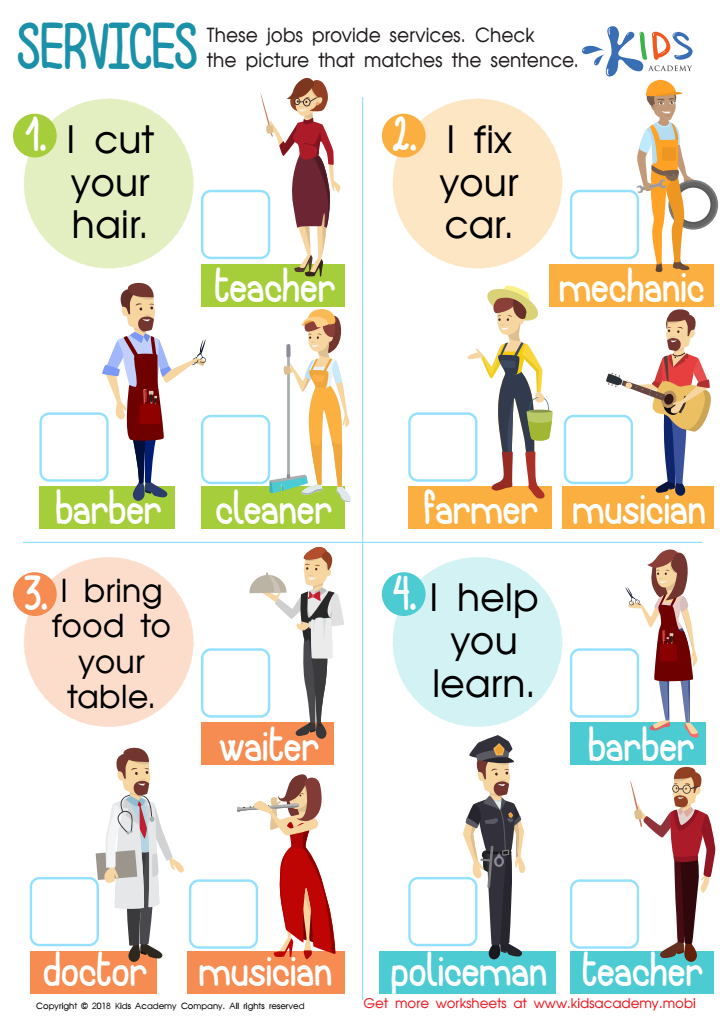
Services Worksheet
 Assign to My Students
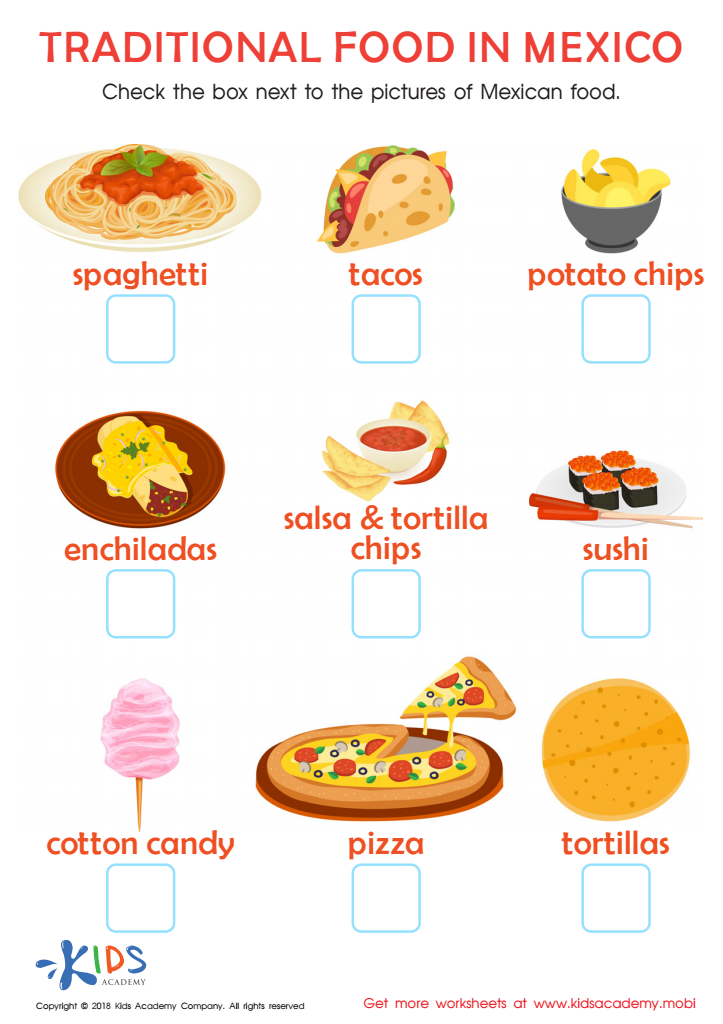
Traditional Food in Mexico Worksheet
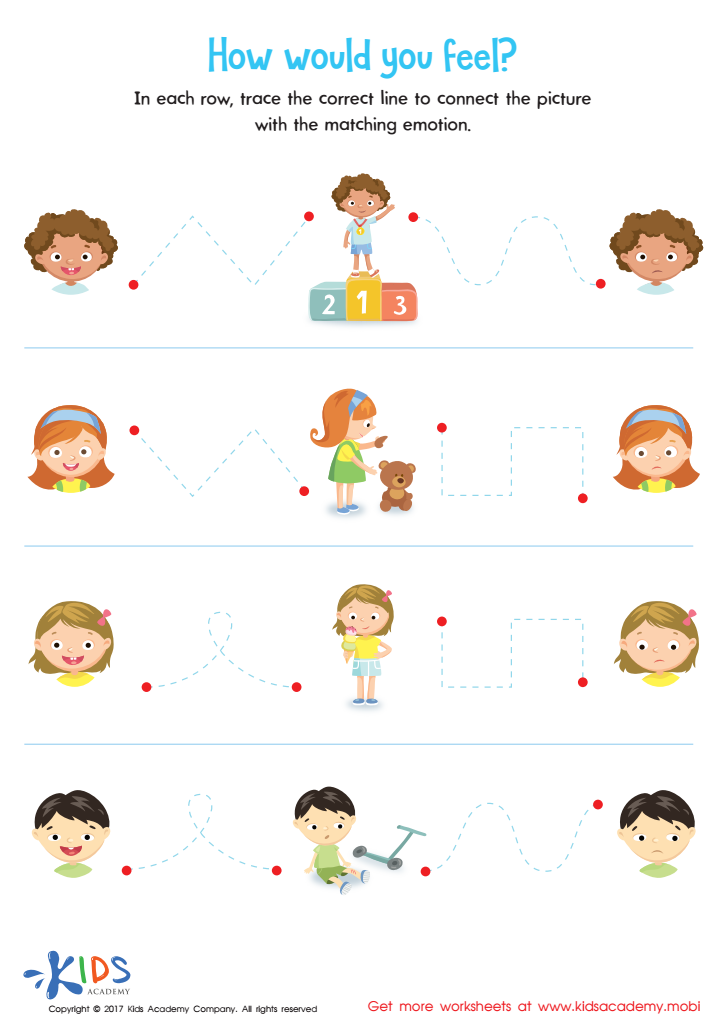
Feelings and Emotions Worksheet
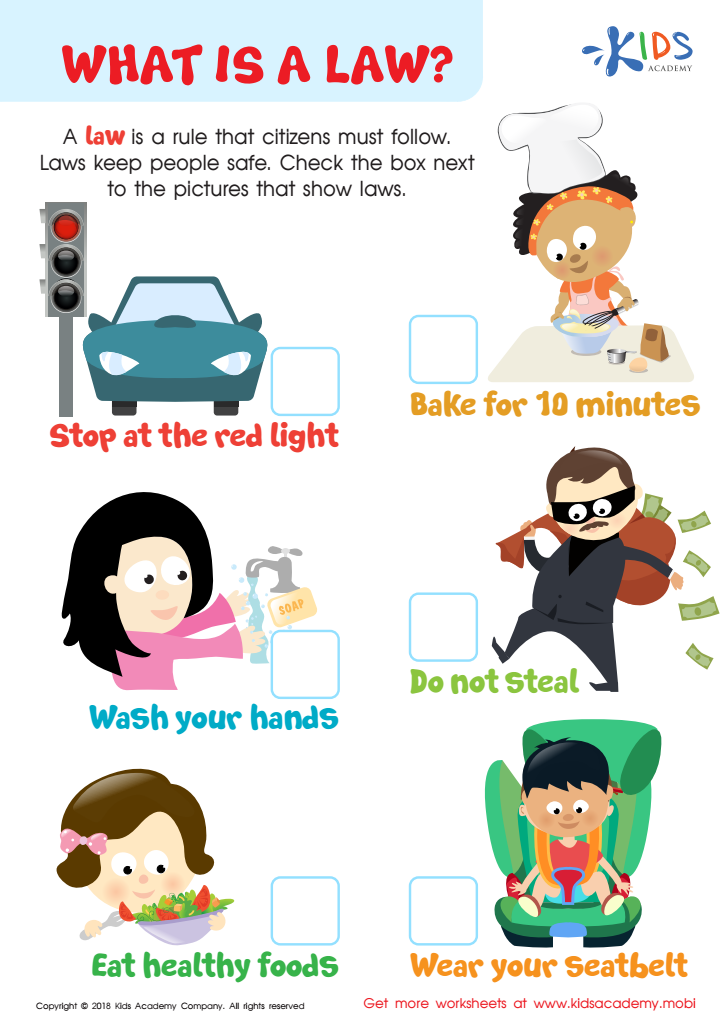
What is a Law? Worksheet
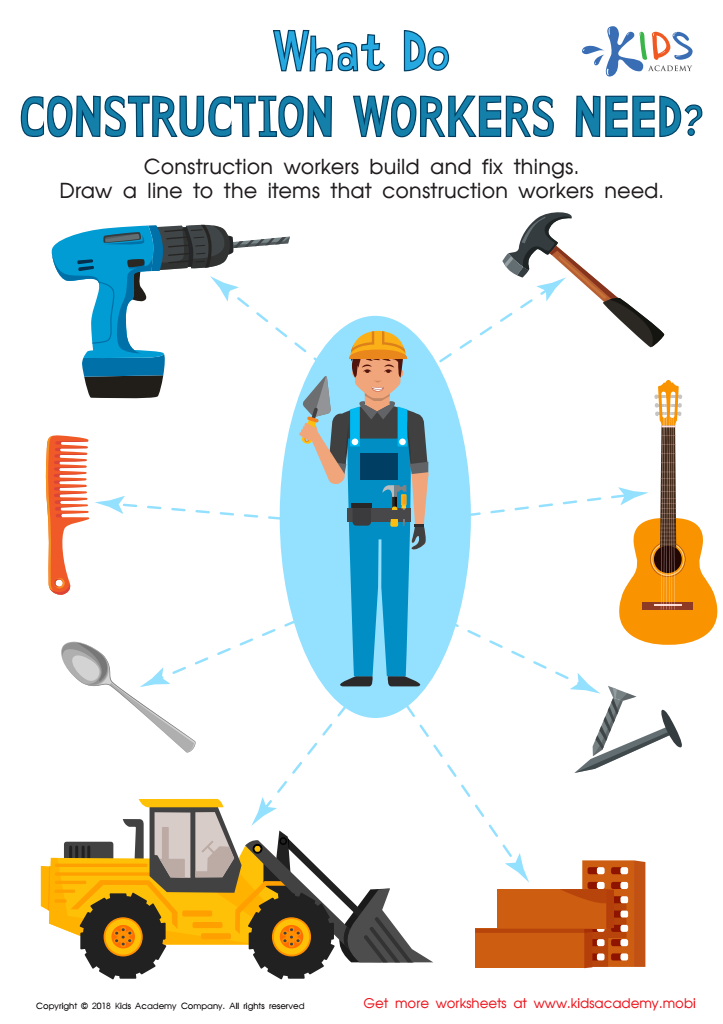
What Do Construction Workers Need? Worksheet
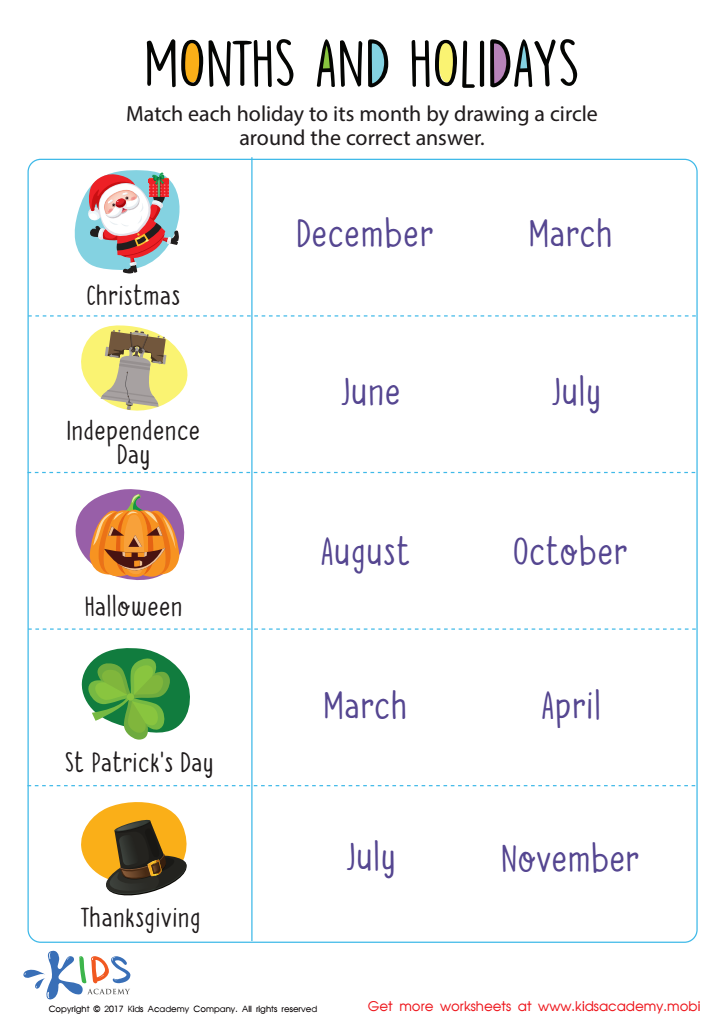
Months and Holidays Worksheet
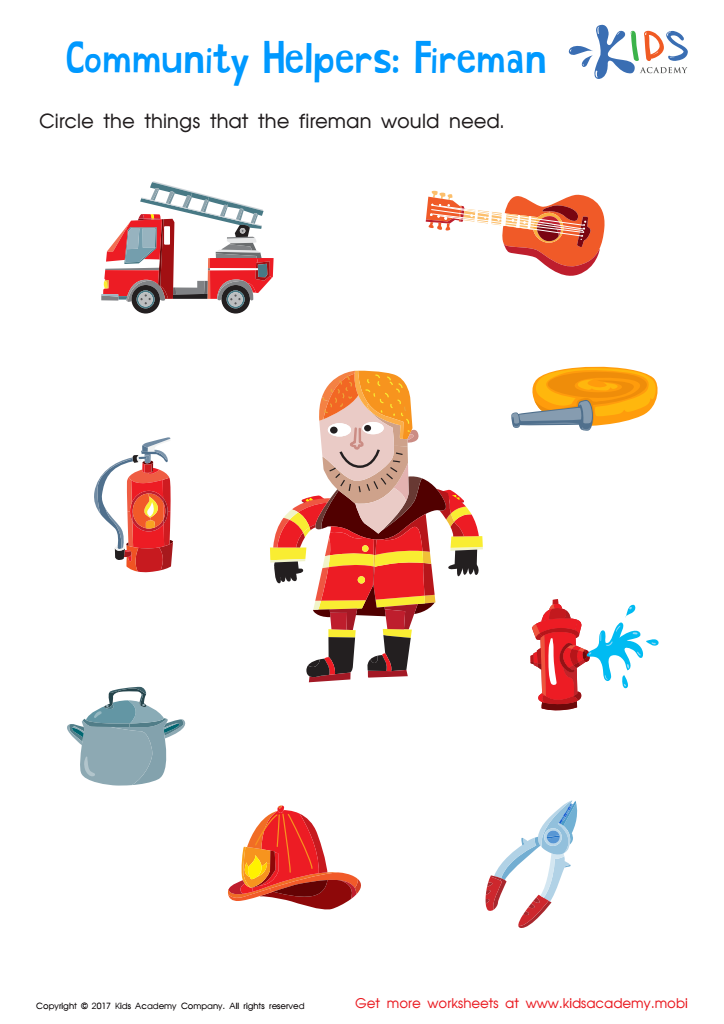
Fireman Worksheet
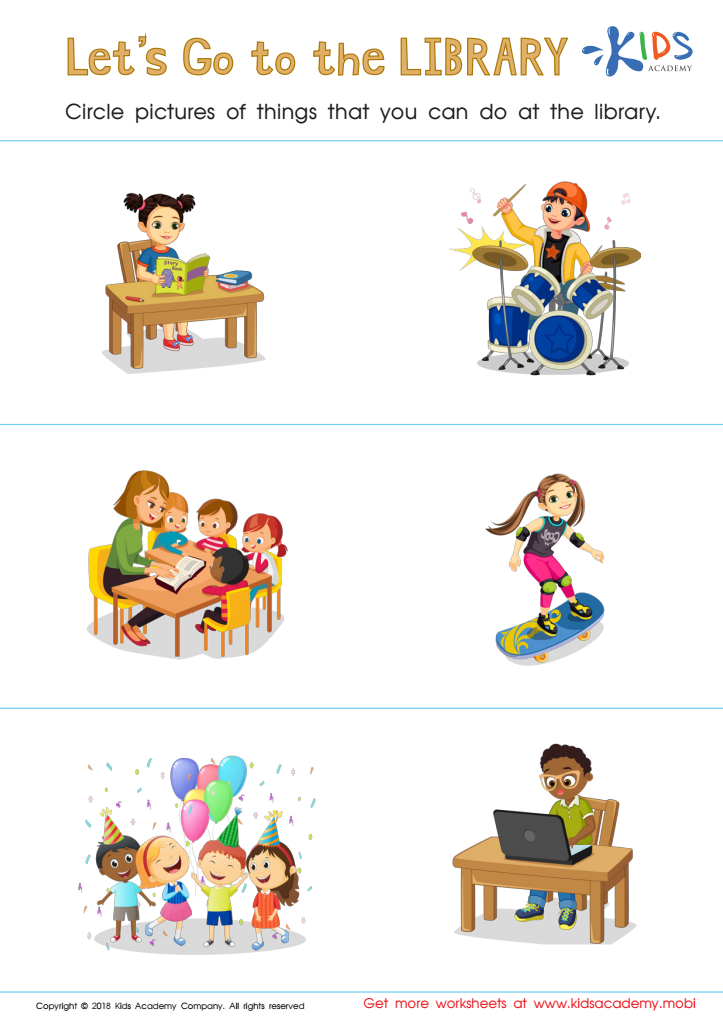
Let's Go to the Library! Worksheet
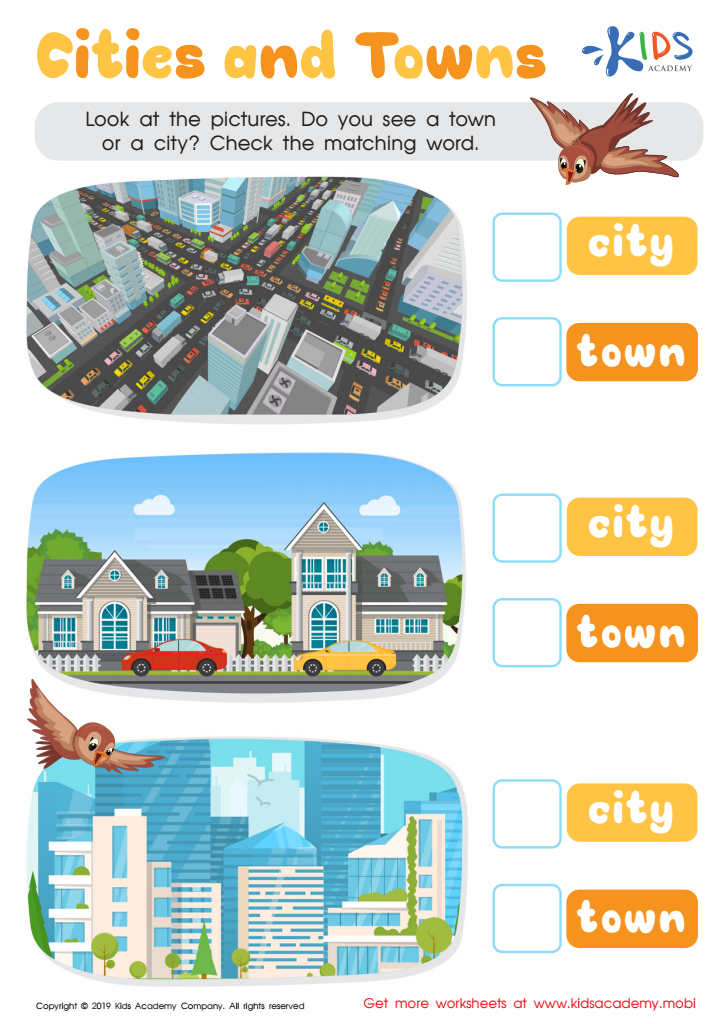
Cities and Towns Worksheet
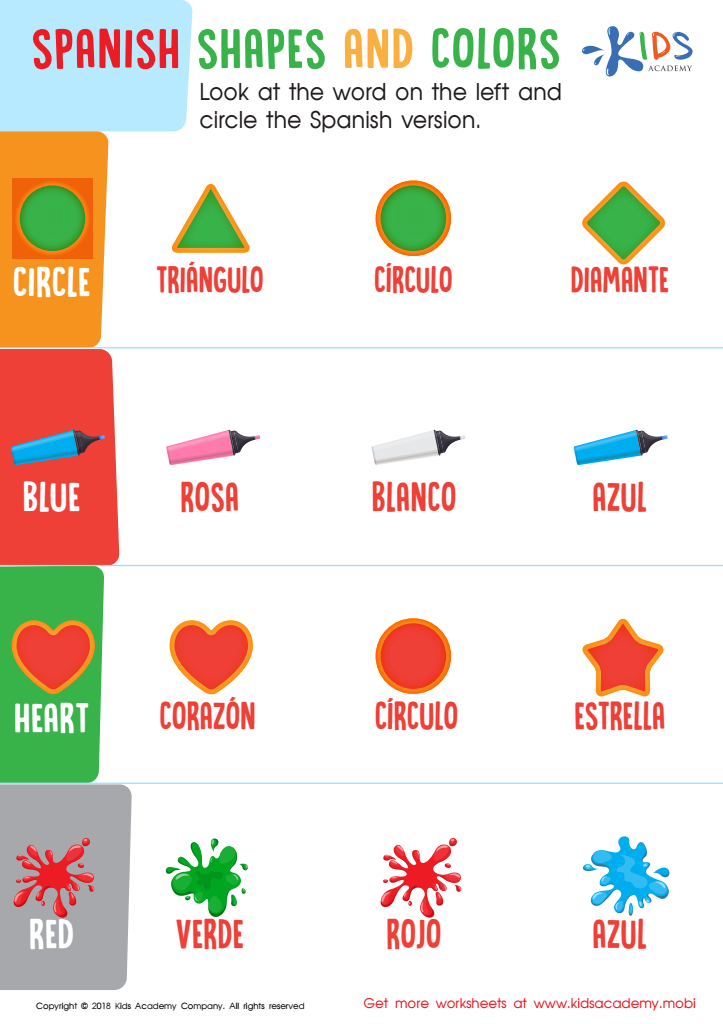
Spanish Shapes and Colors Worksheet
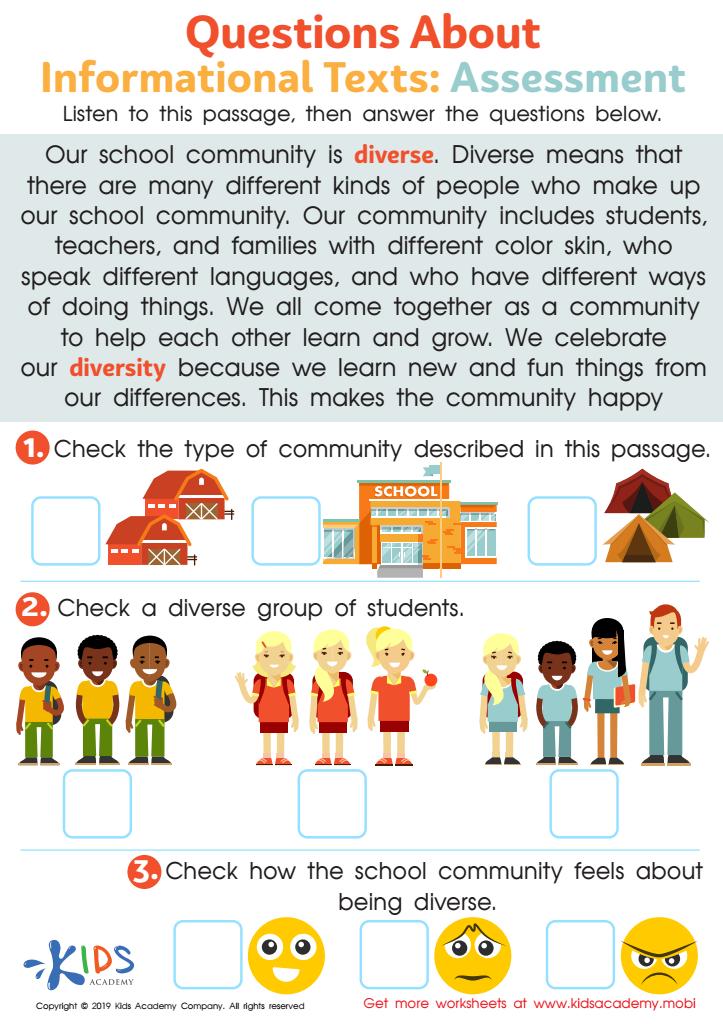
Questions About Informational Texts: Assessment 1 Worksheet
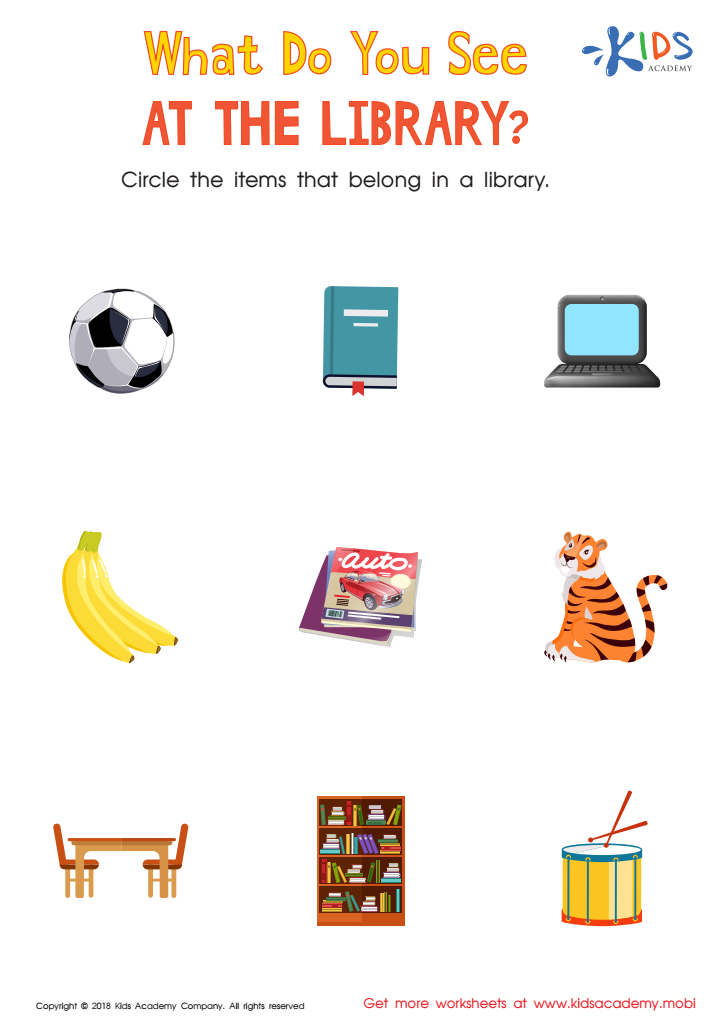
What Do you See at the Library? Worksheet
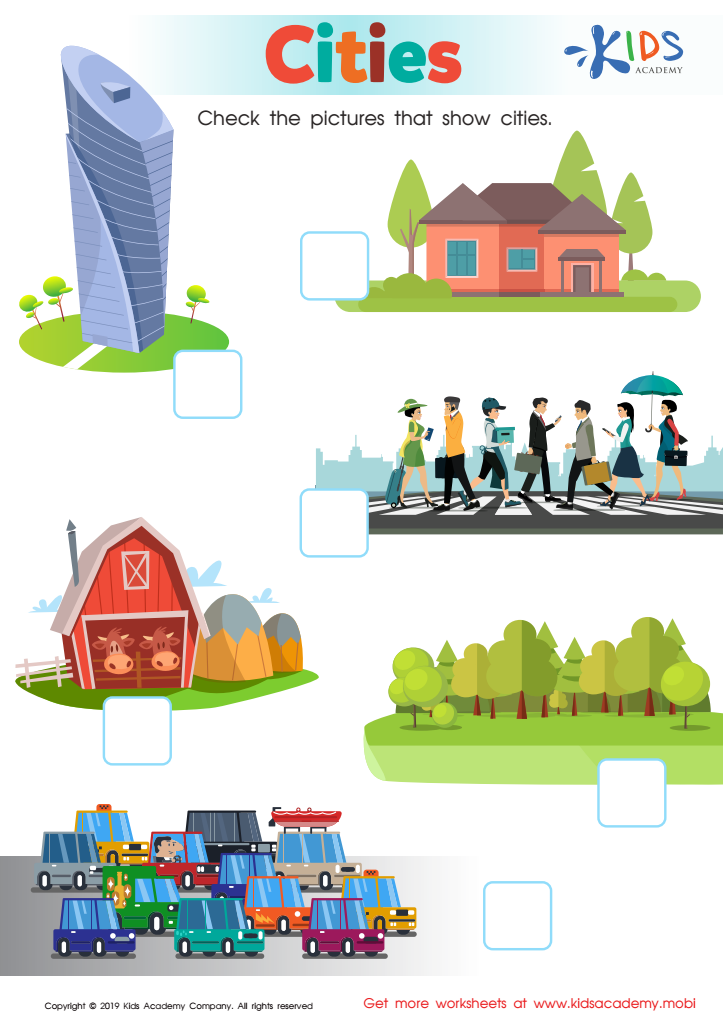
Cities Worksheet
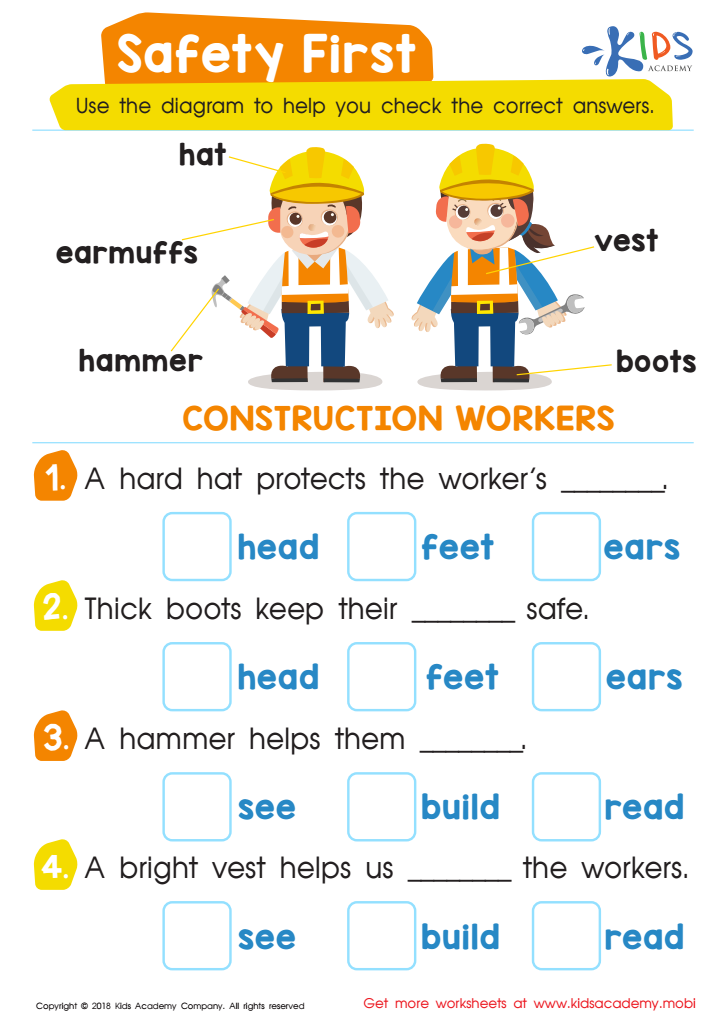
Safety First Worksheet
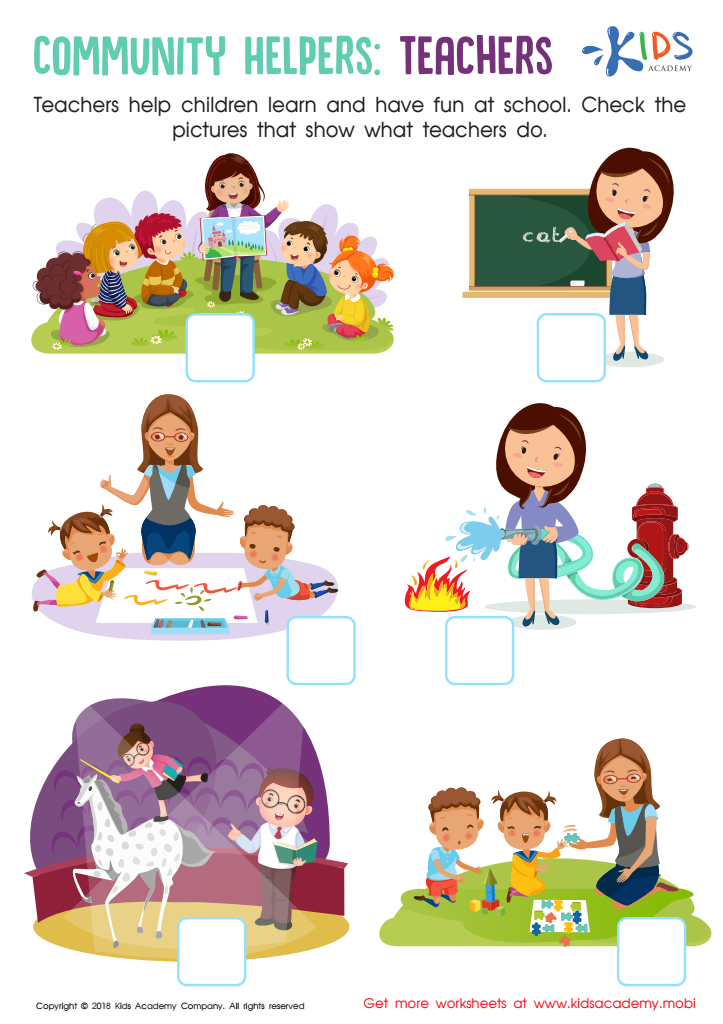
Teachers Community Helpers Worksheet
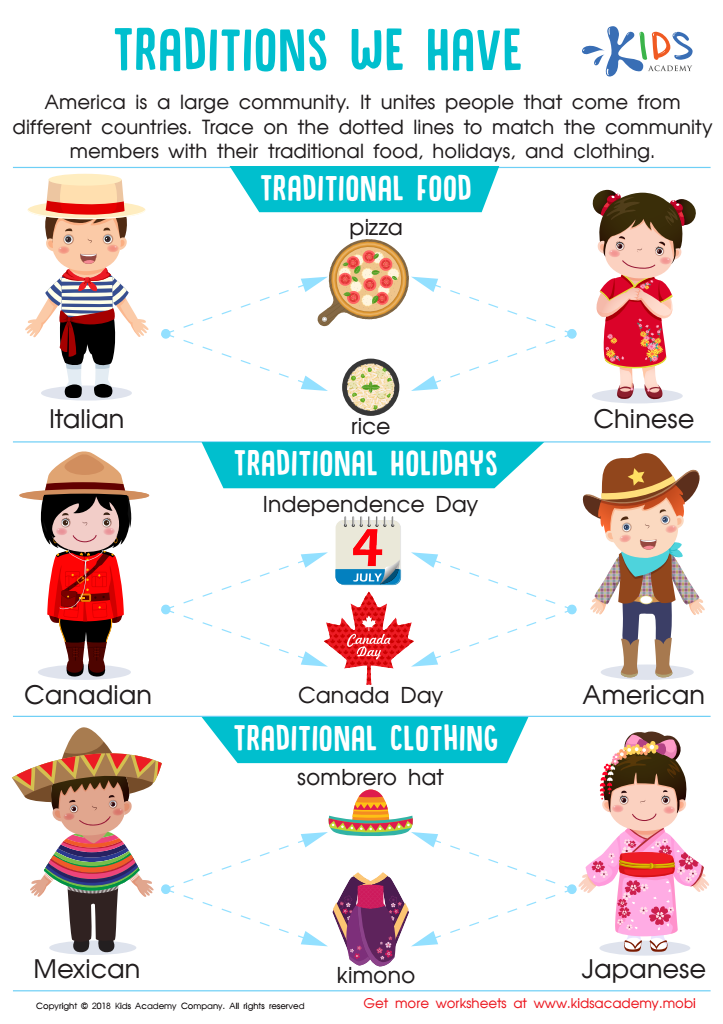
Traditions We Have Worksheet
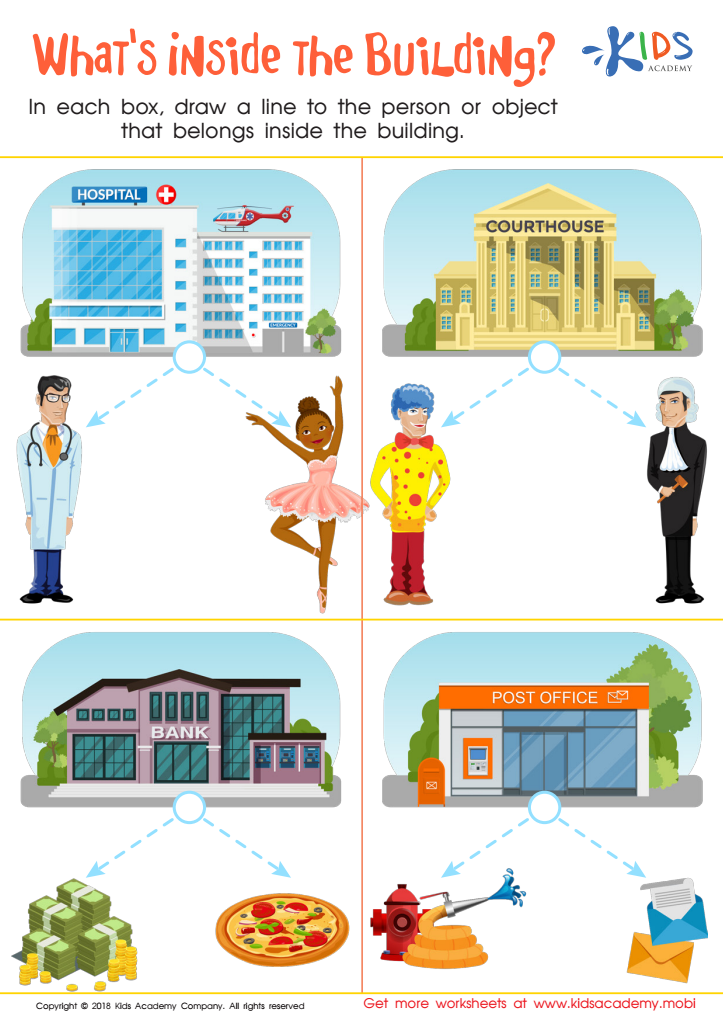
What's Inside the Building? Worksheet
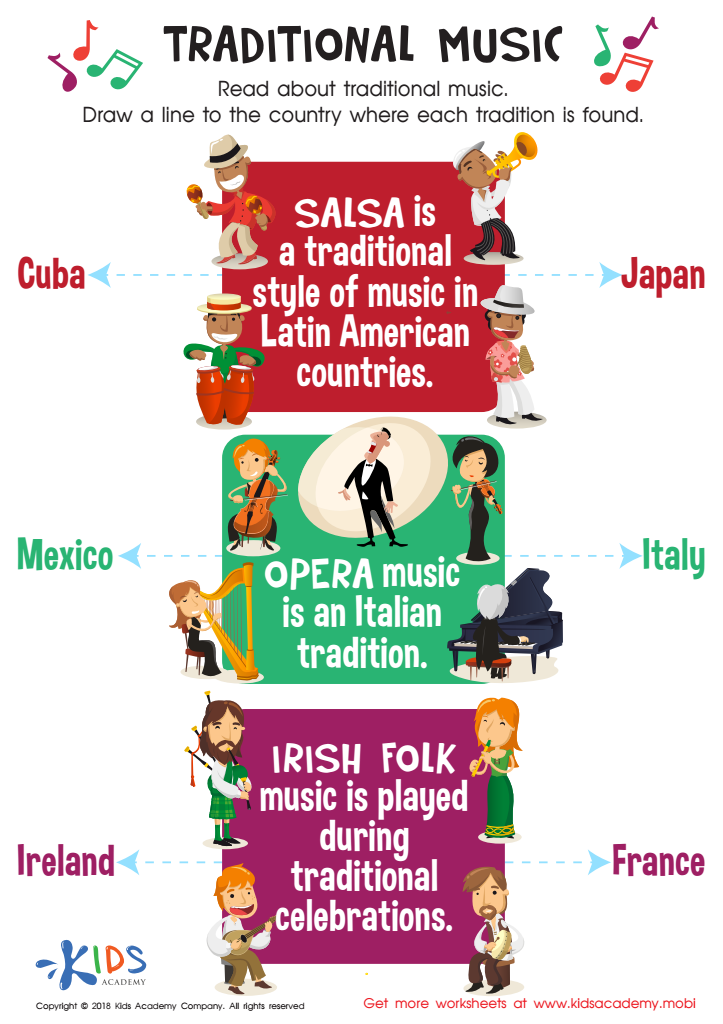
Traditional Music Worksheet
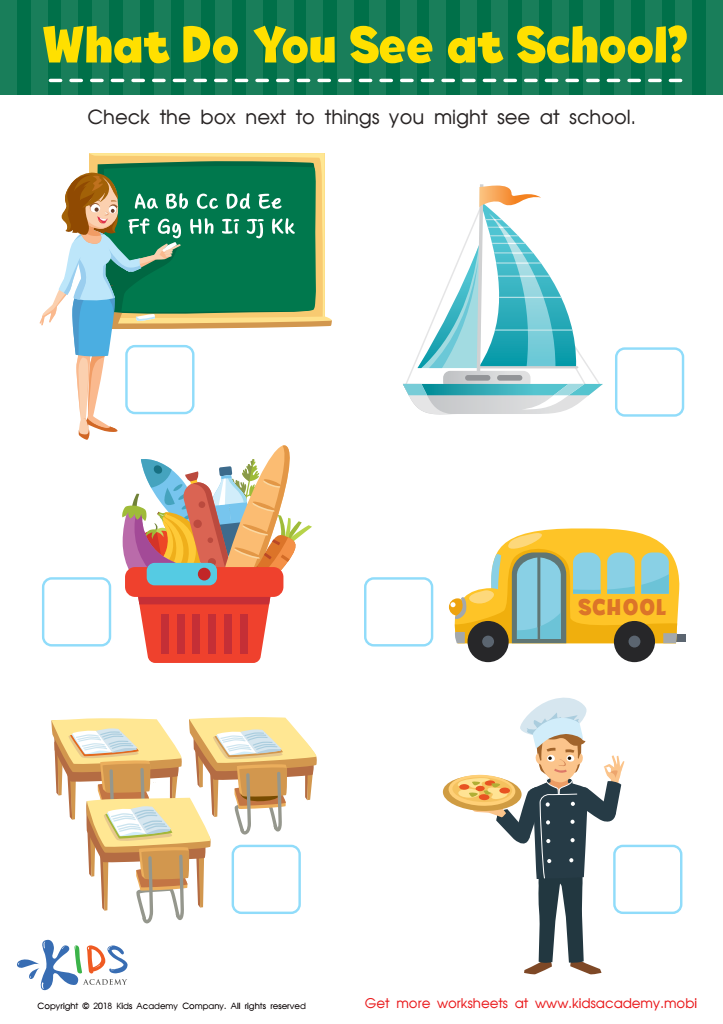
What Do you See at School? Worksheet
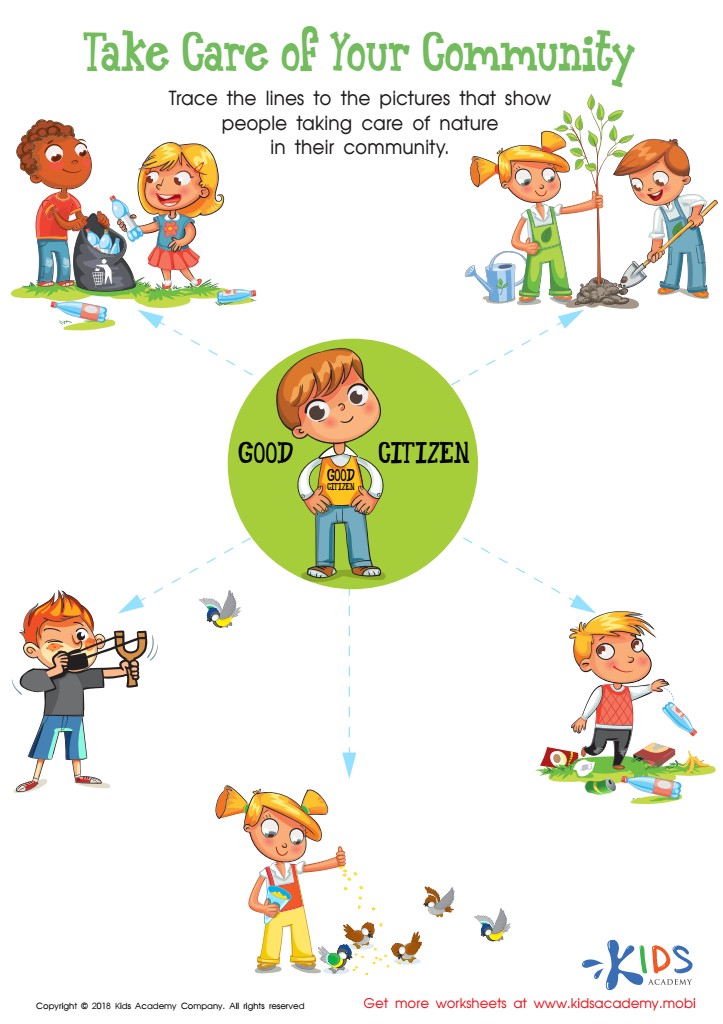
Take Care of your Community Worksheet
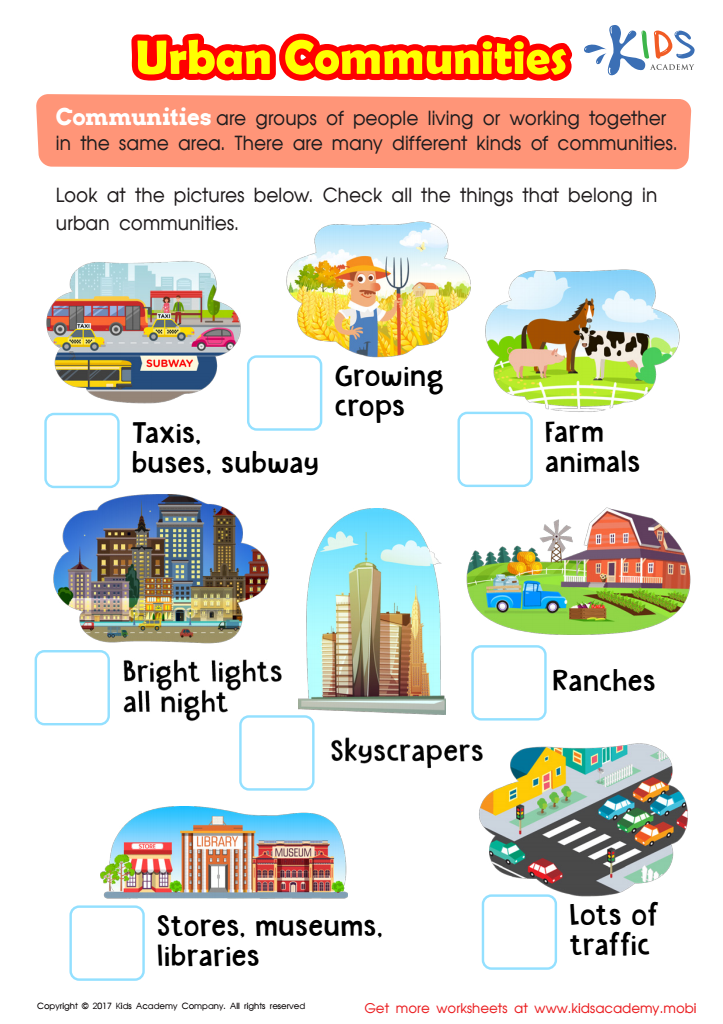
Urban Communities Printable
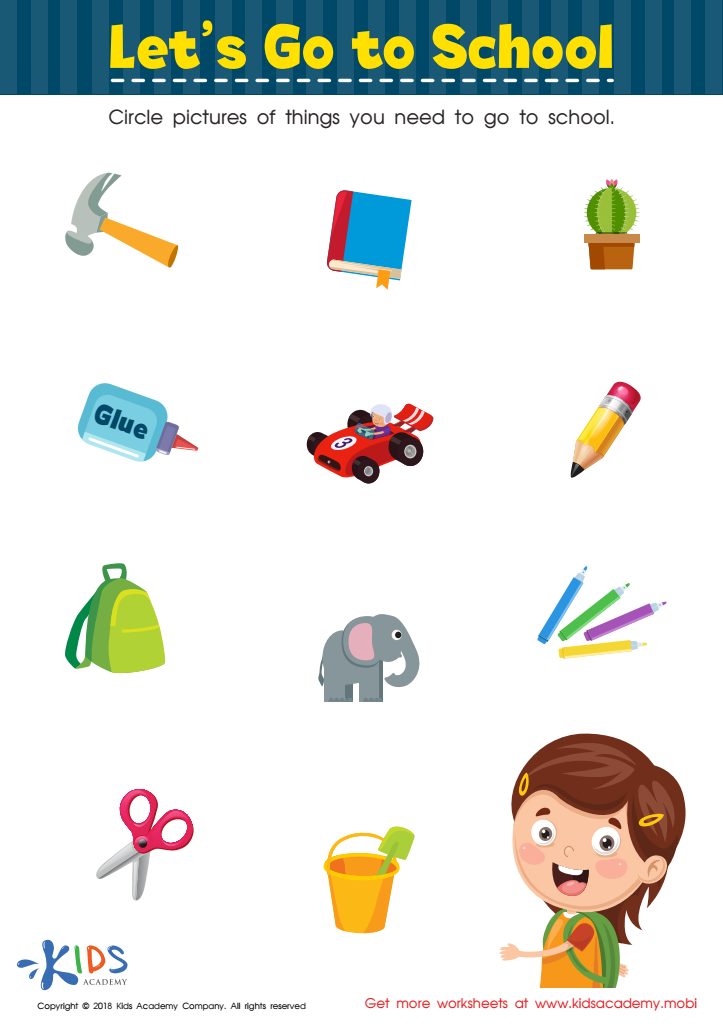
Let's Go to School! Worksheet
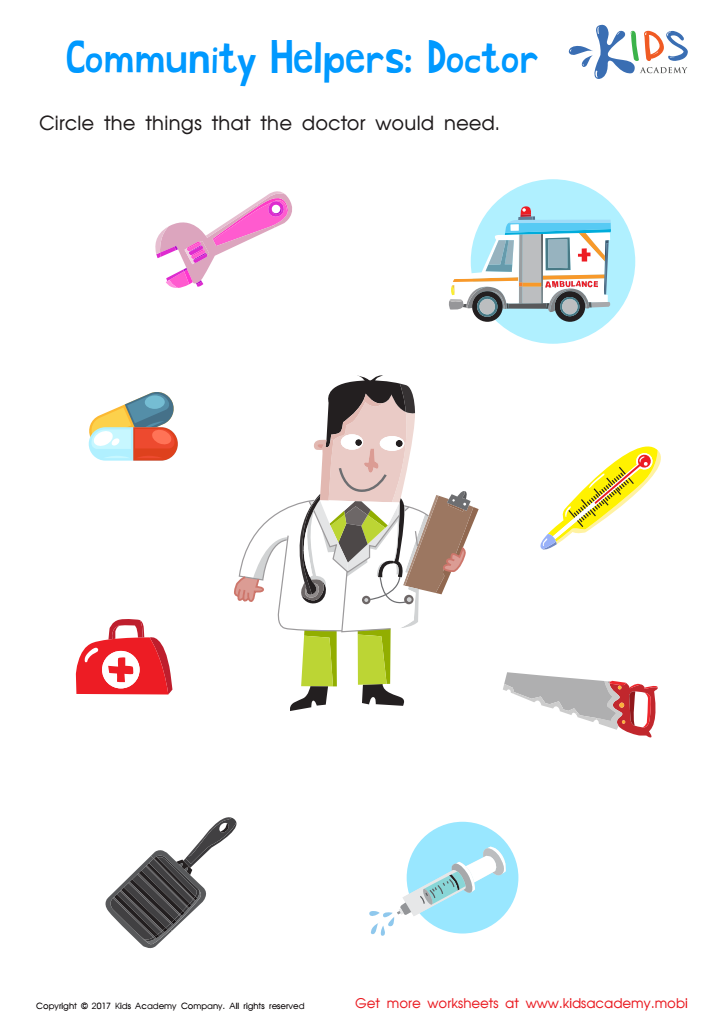
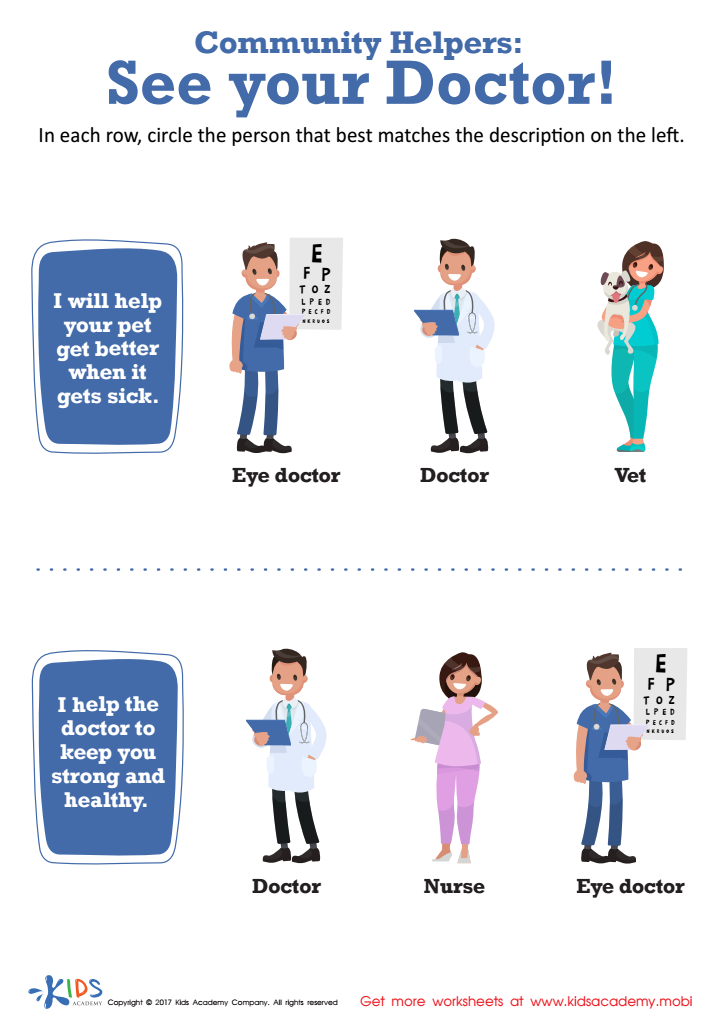
See Your Doctor (Part 2) Printable







Parents and teachers should deeply care about a reading comprehension community for children ages 6-9 because these formative years are crucial in a child's educational development. At this age, kids transition from 'learning to read' to 'reading to learn.' Reading comprehension is not just about recognizing words, but understanding and interpreting texts, which lays the foundation for all future learning.
A strong reading comprehension community provides children with diverse reading materials and interactive activities that foster a love for reading while enhancing understanding. These communities encourage collaborative reading, where children discuss stories with peers and adults, deepening their comprehension through conversation and different perspectives.
Additionally, reading comprehension impacts academic success across all subjects. Mathematics, science, and social studies often require reading and interpreting complex instructions and concepts. Early mastery of reading skills can lead to better academic performance, bolstering a child's confidence and classroom participation.
Socially, being part of a reading community helps children develop communication skills, empathy, and imaginative thinking by exposing them to various cultures, characters, and scenarios. Engagement in such communities often results in higher retention rates and positive attitudes towards learning, ensuring that children are not just literate but also critical thinkers and lifelong learners.








