Critical Thinking Plants and Animals Worksheets for 6-Year-Olds
5 filtered results
-
From - To
Unlock the magic of learning with our Critical Thinking Plants and Animals Worksheets for 6-Year-Olds! Designed specifically for young explorers, these engaging worksheets encourage kids to delve into the wonderful world of nature, sharpening their critical thinking skills along the way. Each activity challenges curious minds to compare, contrast, and analyze the fascinating intricacies of plants and animals. With vibrant illustrations and stimulating exercises, learning becomes an exciting adventure. Perfect for parents and teachers alike, our worksheets foster a love for science while building essential cognitive skills. Discover endless fun and growth with our thoughtfully crafted resources!
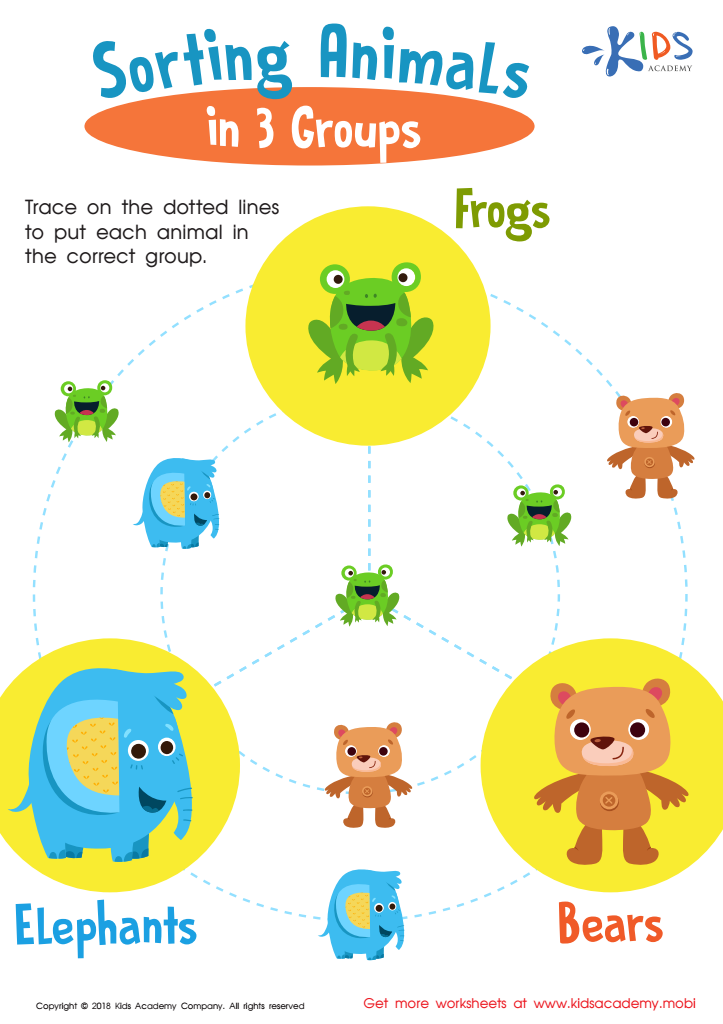
Sorting Animals in 3 Groups Worksheet
 Assign to My Students











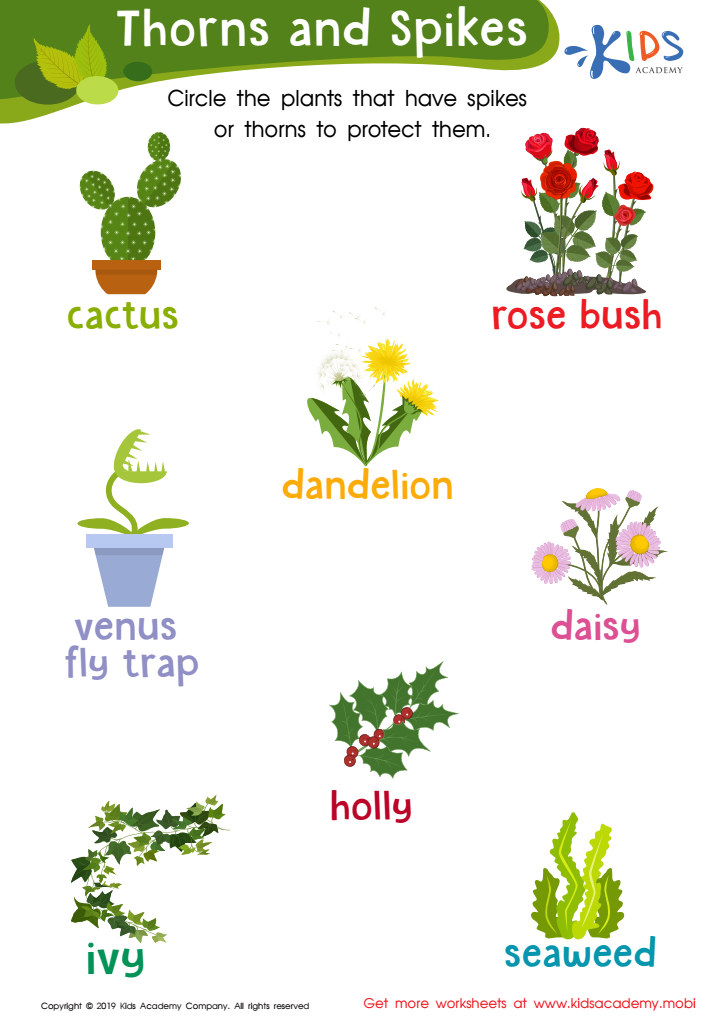
Thorns and Spikes Worksheet
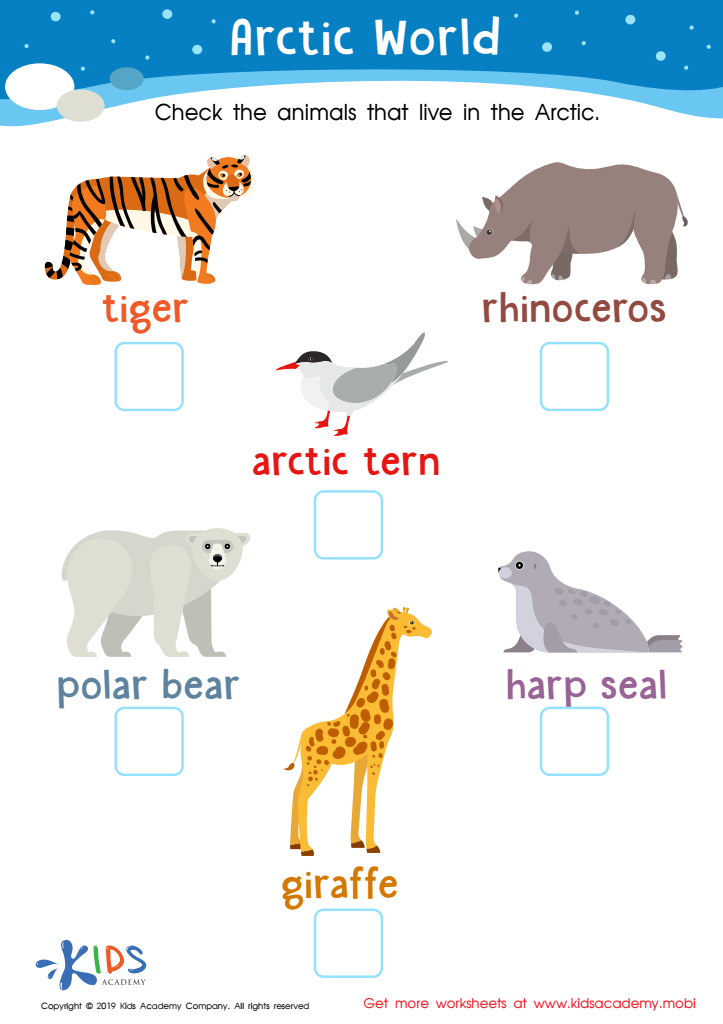
Arctic World Worksheet
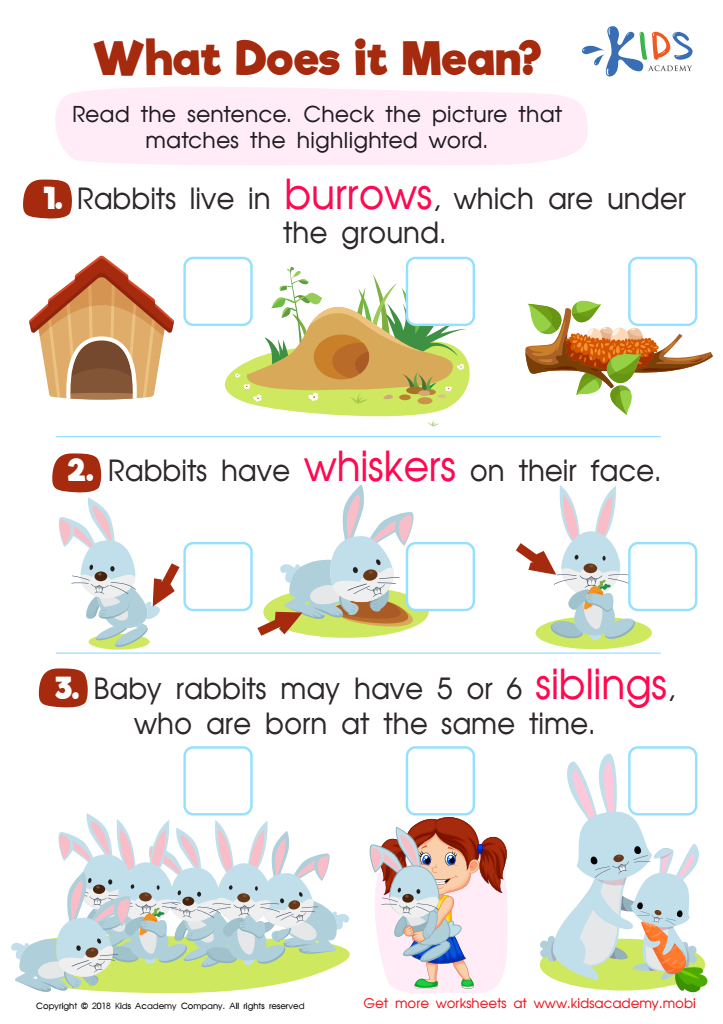
What Does It Mean? Worksheet
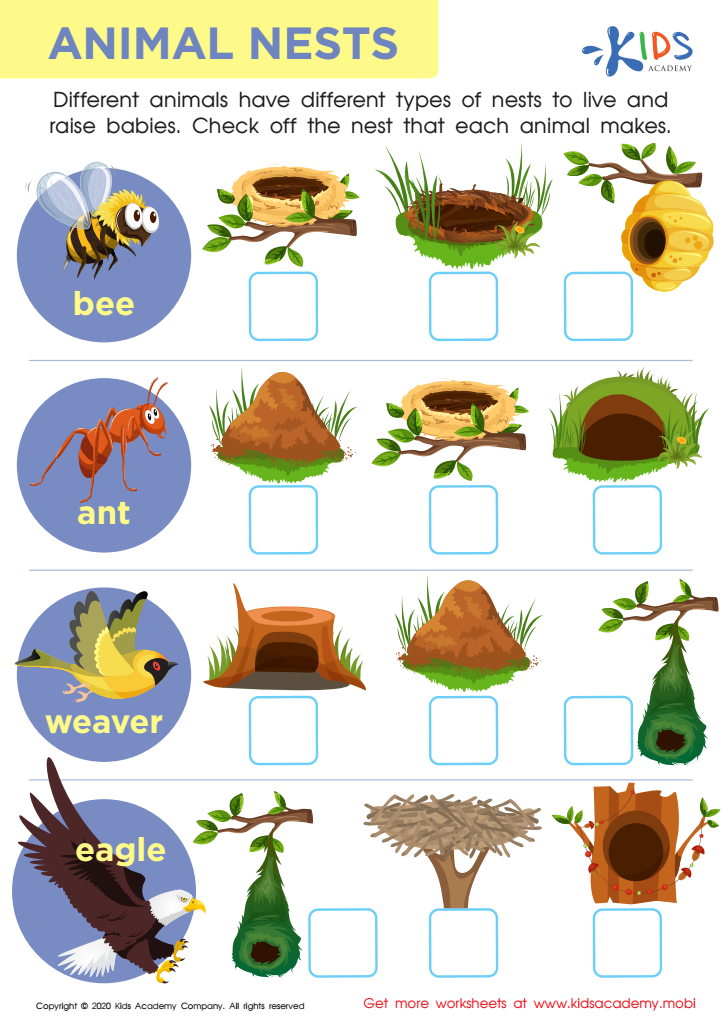
Animal Nests Worksheet








Promoting critical thinking in young children, especially through topics like plants and animals, is essential for their cognitive and emotional development. For parents and teachers, fostering these skills equips children with the ability to analyze information, solve problems, and make informed decisions, which forms the cornerstone of lifelong learning.
When six-year-olds engage with topics like plants and animals, they're naturally curious and eager to explore. This curiosity can be leveraged to develop their critical thinking skills. By asking questions such as, "Why does a plant need sunlight?" or "How does a bird know where to find food?" children learn to observe, hypothesize, and draw conclusions. These cognitive processes stimulate their brain development and enhance their ability to think logically.
Moreover, discussing plants and animals helps children understand their environment and the interconnectedness of life, cultivating a sense of empathy and responsibility towards nature. It instills a fundamental appreciation for biodiversity and environmental stewardship from an early age.
Parents and teachers play a pivotal role in guiding these explorations. By creating an engaging and supportive learning environment, they can encourage children to think deeply and critically about the world around them, laying a solid foundation for academic success and informed, compassionate citizenship.








