Cognitive Development Math Worksheets for Ages 7-8 - Page 2
46 filtered results
-
From - To
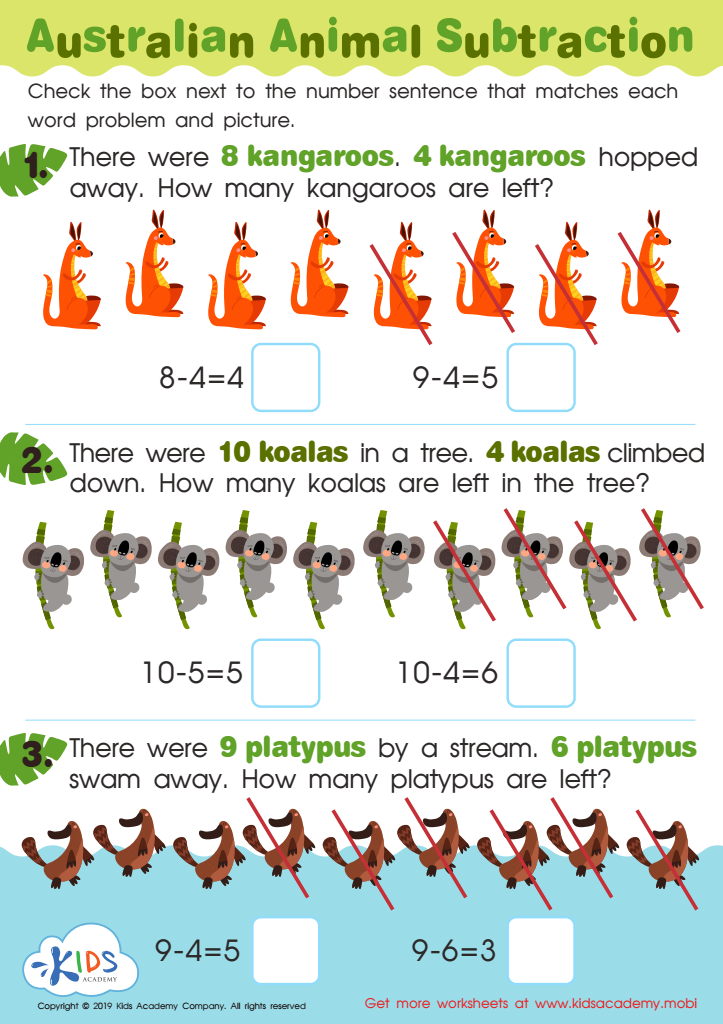
Australian Animal Subtraction Worksheet
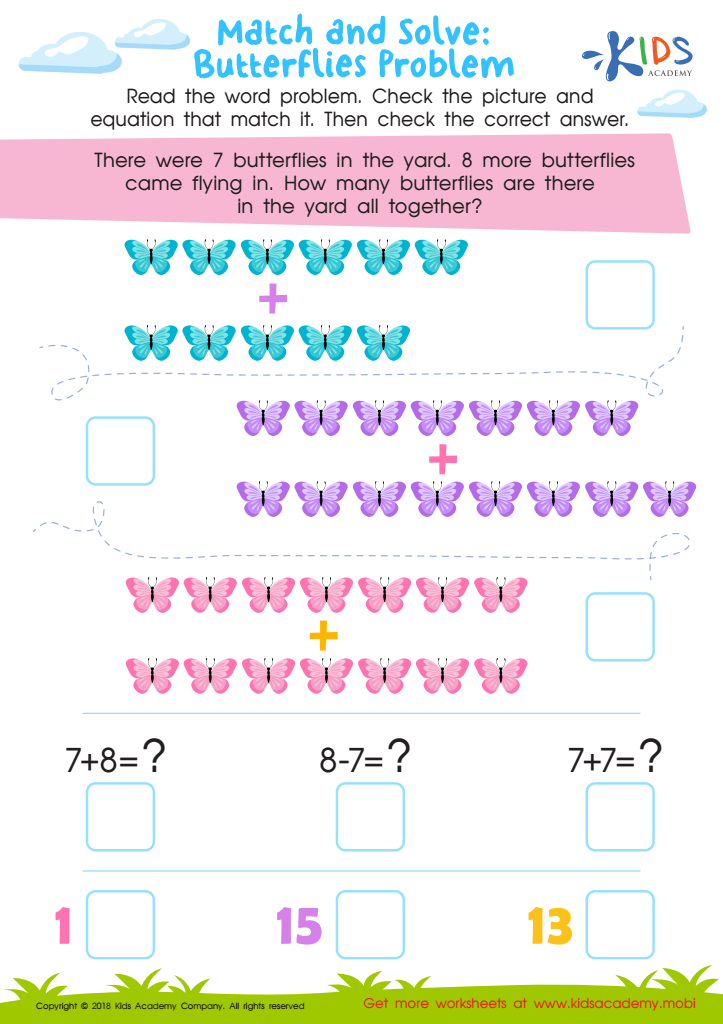
Match and Solve: Butterfly Problem Worksheet
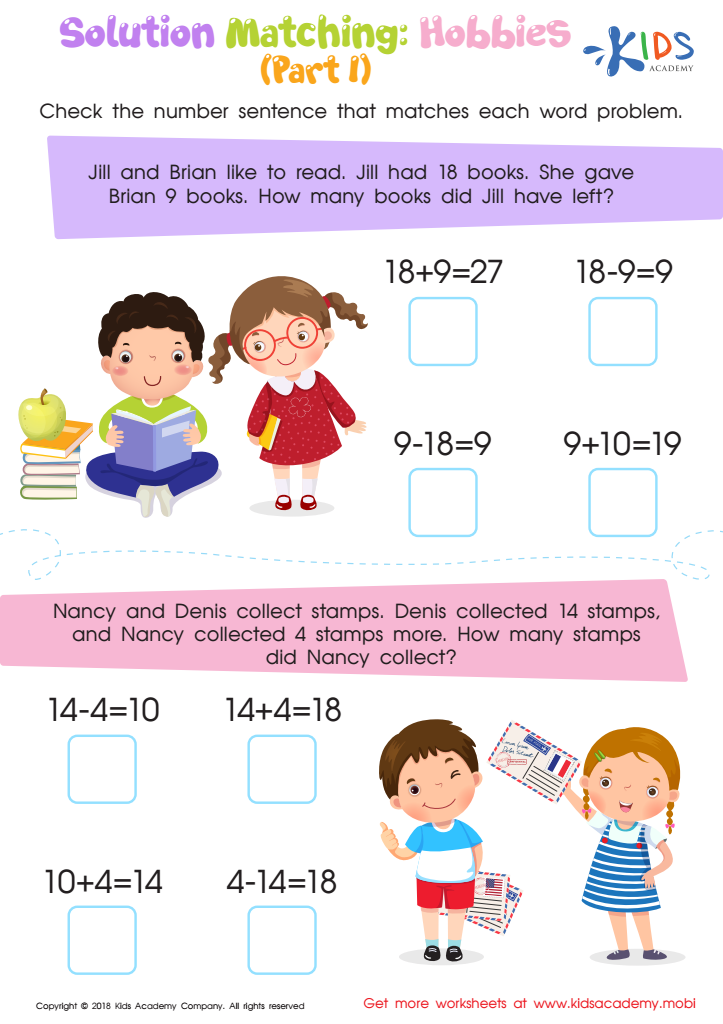
Solution Matching: Hobbies. Part 1 Worksheet

Shape Explosion Worksheet
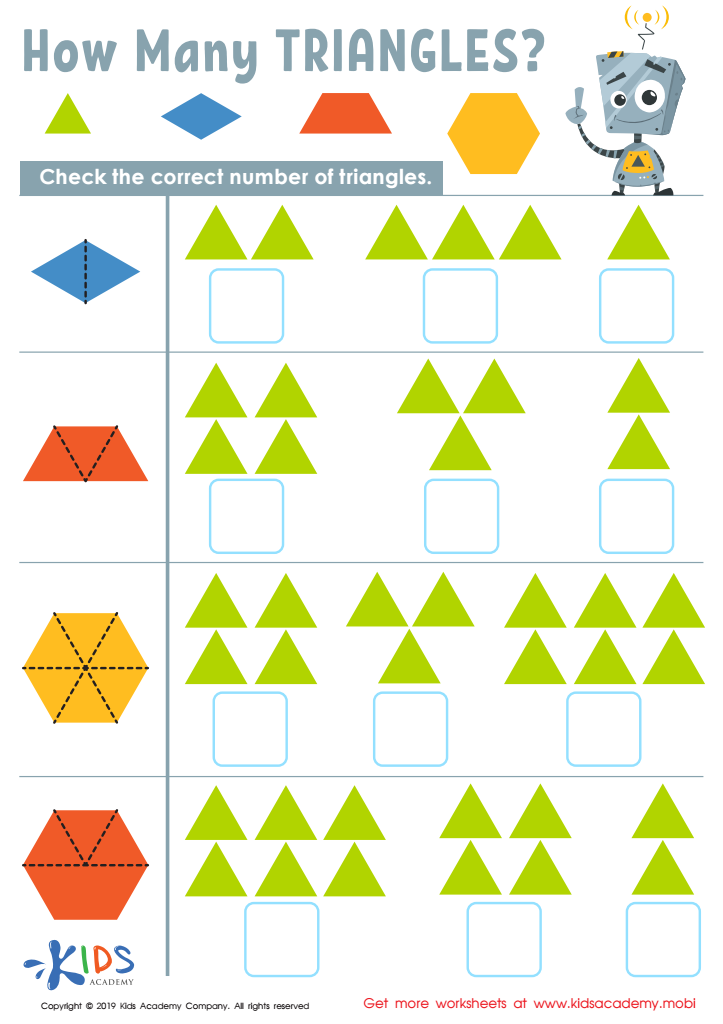
How Many Triangles Worksheet



Number 9 Printable
 Assign to My Students
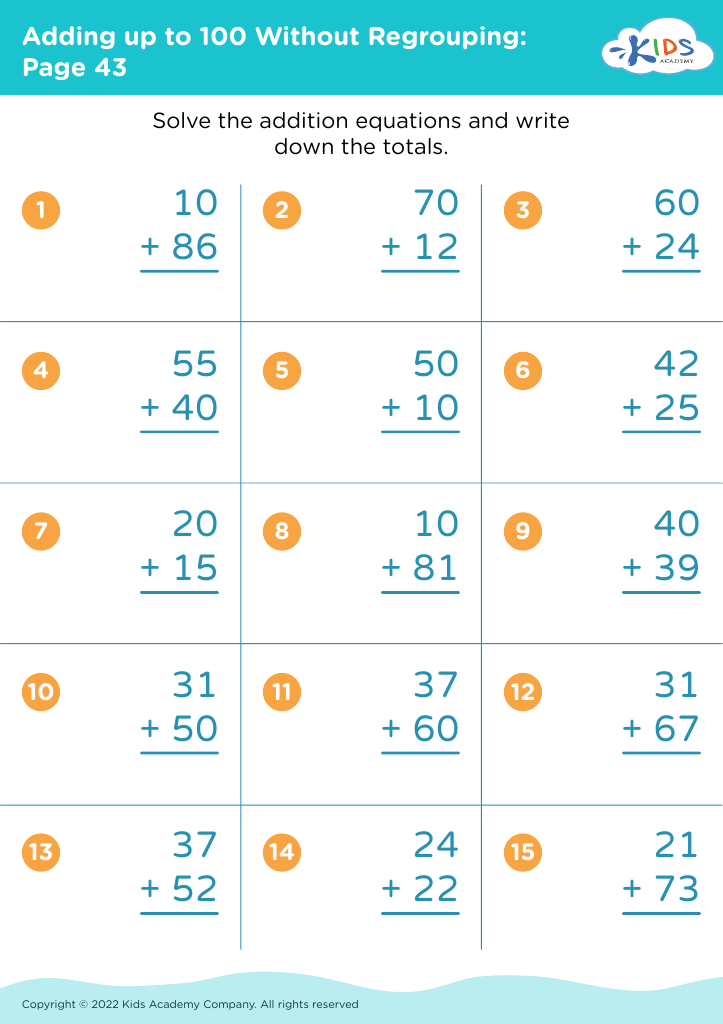

Cursive Numbers: 1 Worksheet
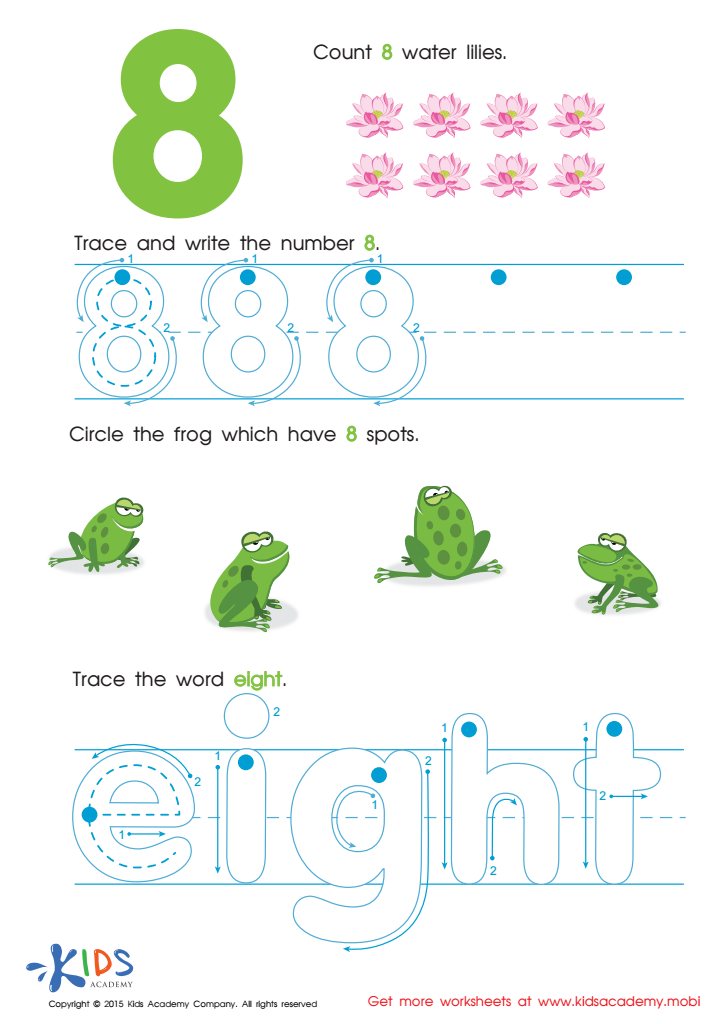
Learn Number 8 Easily Worksheet

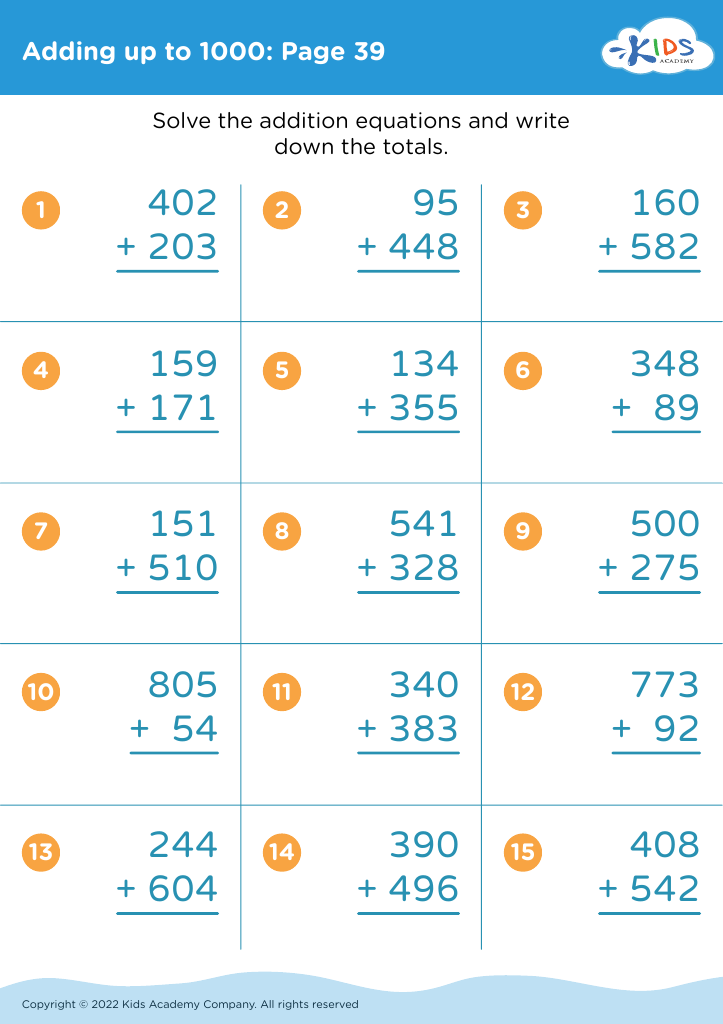

Legislature Maze Through the 7’s Worksheet
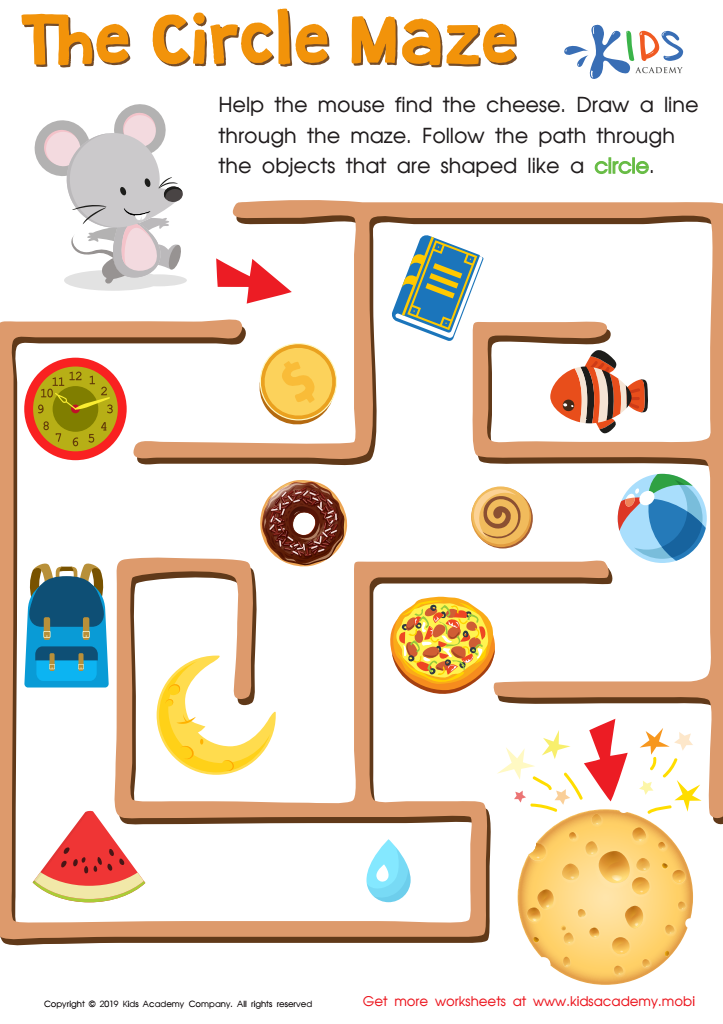
The Circle Maze Worksheet
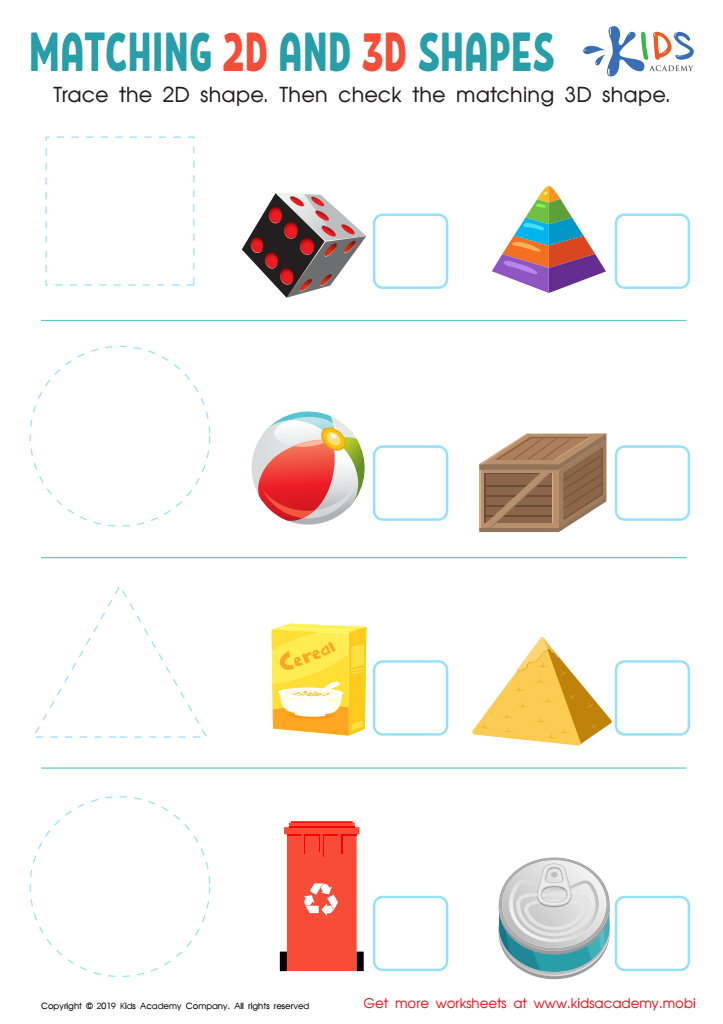
Matching 2D and 3D Shapes Worksheet

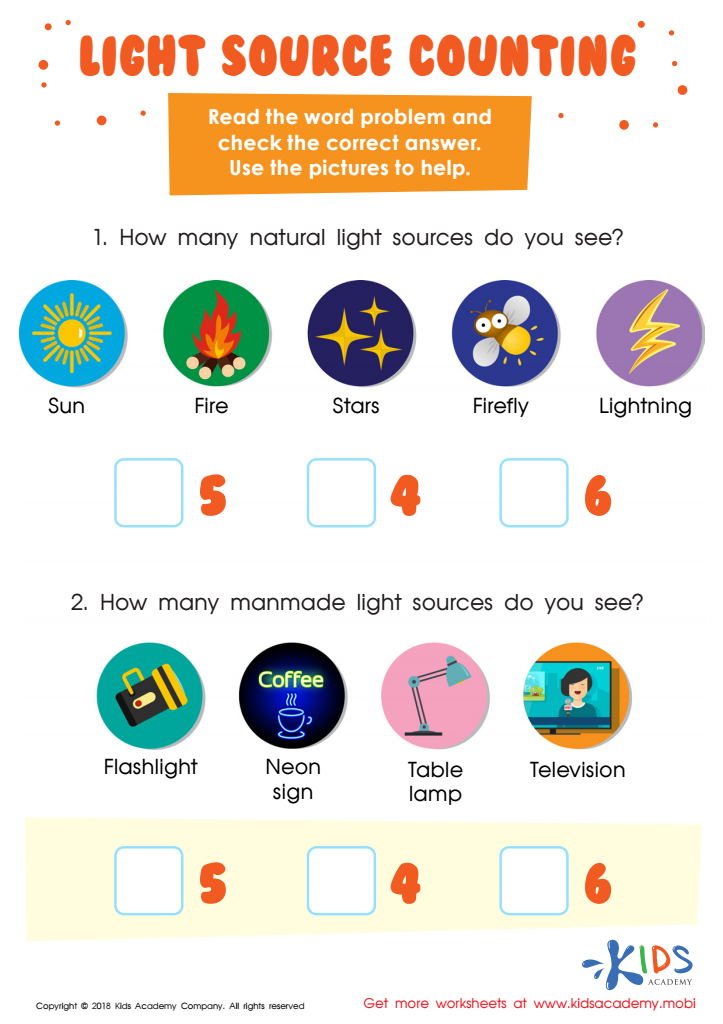
Light Source Counting Worksheet
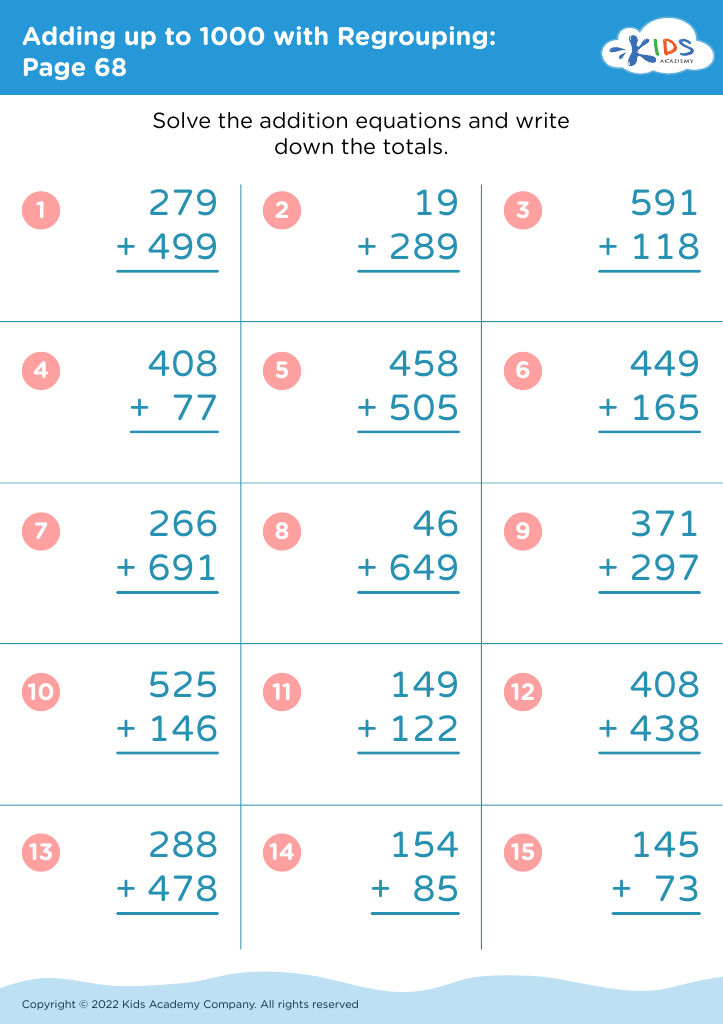

Learn to Write the Number 2 Worksheet

Subtract With The Little Penguin Substraction Worksheet









Parents and teachers should deeply care about cognitive development in math for children aged 7-8 because this stage is critical in laying the foundation for future academic and life skills. At this age, children's brains are highly adaptable and primed for learning, making it the ideal time to develop mathematical thinking, which includes problem-solving, pattern recognition, logical reasoning, and spatial awareness.
Fostering strong math skills early on can boost confidence and foster a positive attitude towards the subject, countering any potential math anxiety. Moreover, these skills extend beyond mathematics, influencing performance in science, engineering, technology, and even enhancing everyday decision-making skills.
Additionally, early competency in math is correlated with future academic success in various disciplines. Children who are proficient in math tend to develop better analytical and critical thinking skills. These abilities are essential in an increasingly data-driven world where logical reasoning and quantitative literacy are invaluable.
By prioritizing cognitive development in math, parents and teachers are not just helping kids with numbers; they're equipping them with a toolkit for lifelong learning, critical thinking, and problem-solving. This holistic approach ultimately contributes to a child’s overall intellectual growth, self-confidence, and readiness to tackle complex challenges as they grow.








