Critical Thinking Plants and Animals Worksheets for Ages 7-8
10 filtered results
-
From - To
Enhance your child's critical thinking skills with our engaging Plants and Animals worksheets, designed specifically for ages 7-8. These educational resources combine fun and learning, helping young learners explore the fascinating world of nature. Through a variety of activities, children will develop the ability to analyze, compare, and draw conclusions about different plants and animals. Our worksheets foster curiosity and deeper understanding, making science both interactive and enjoyable. Perfect for home or classroom use, these printable sheets are a great way to support your child's educational journey while promoting essential critical thinking abilities. Start exploring today!
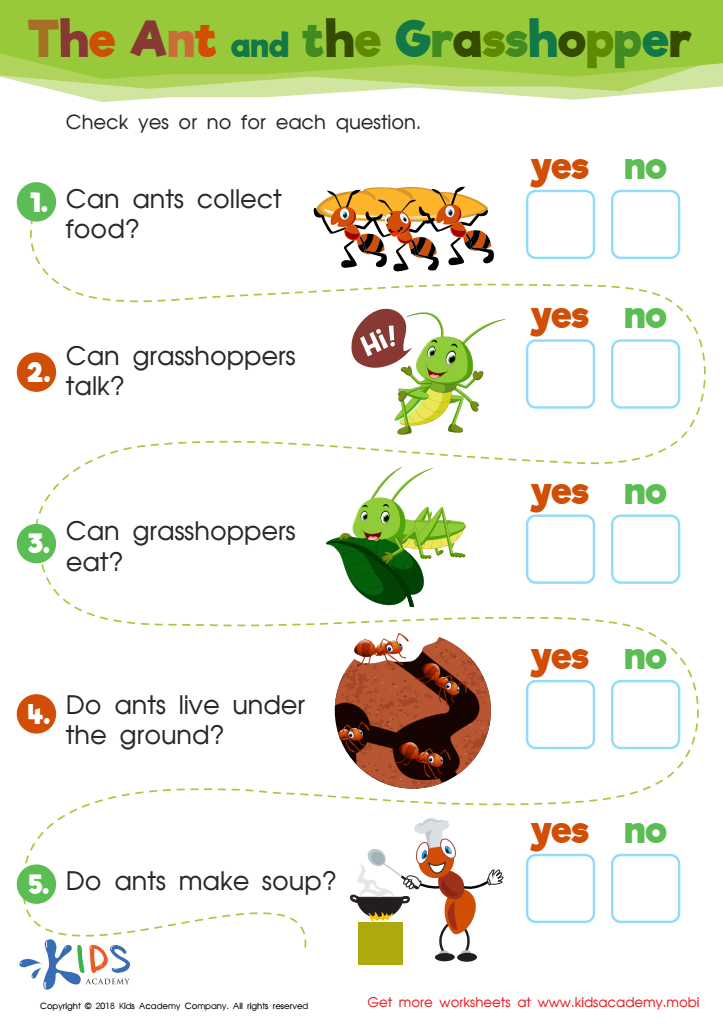
The Ant and The Grasshopper Worksheet
 Assign to My Students











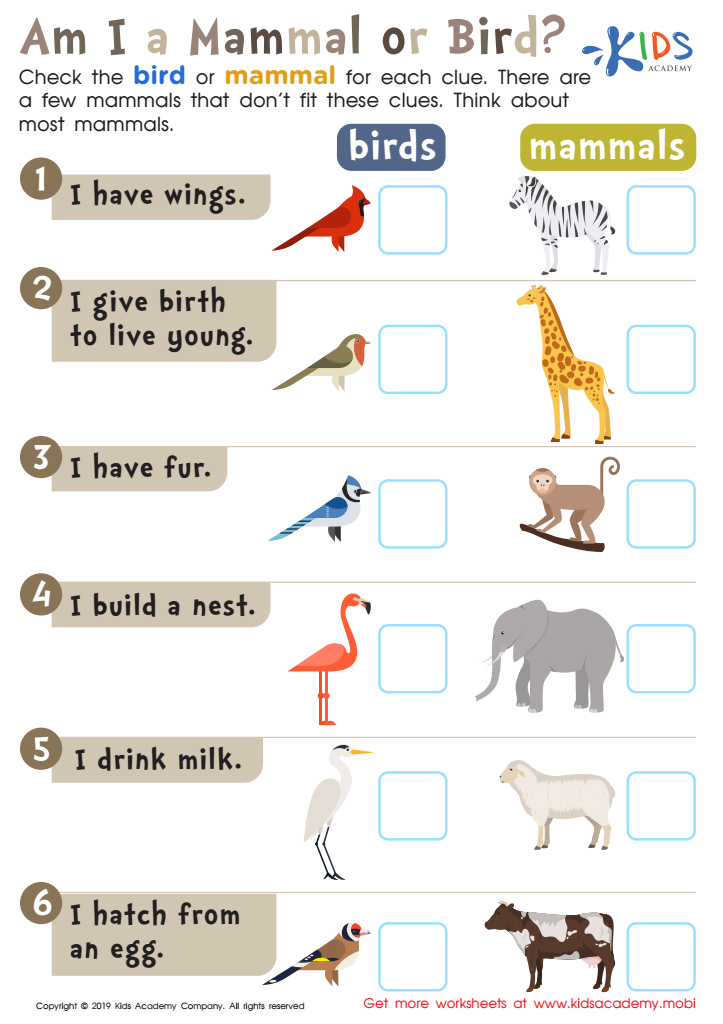
Am I a Mammal or Bird? Worksheet
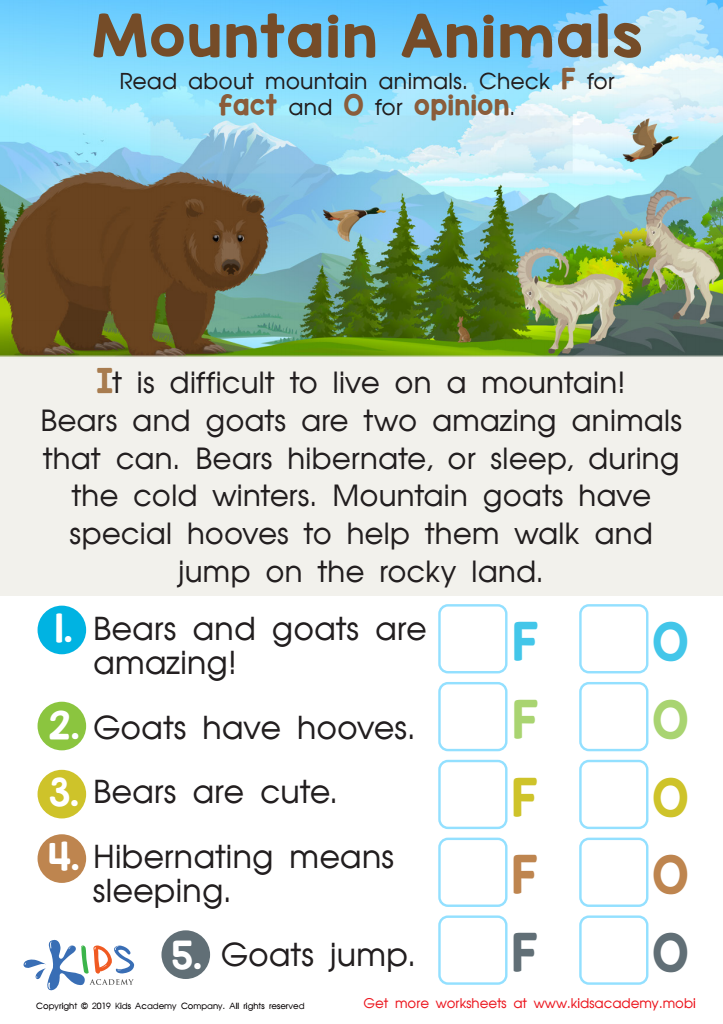
Mountain Animals Worksheet
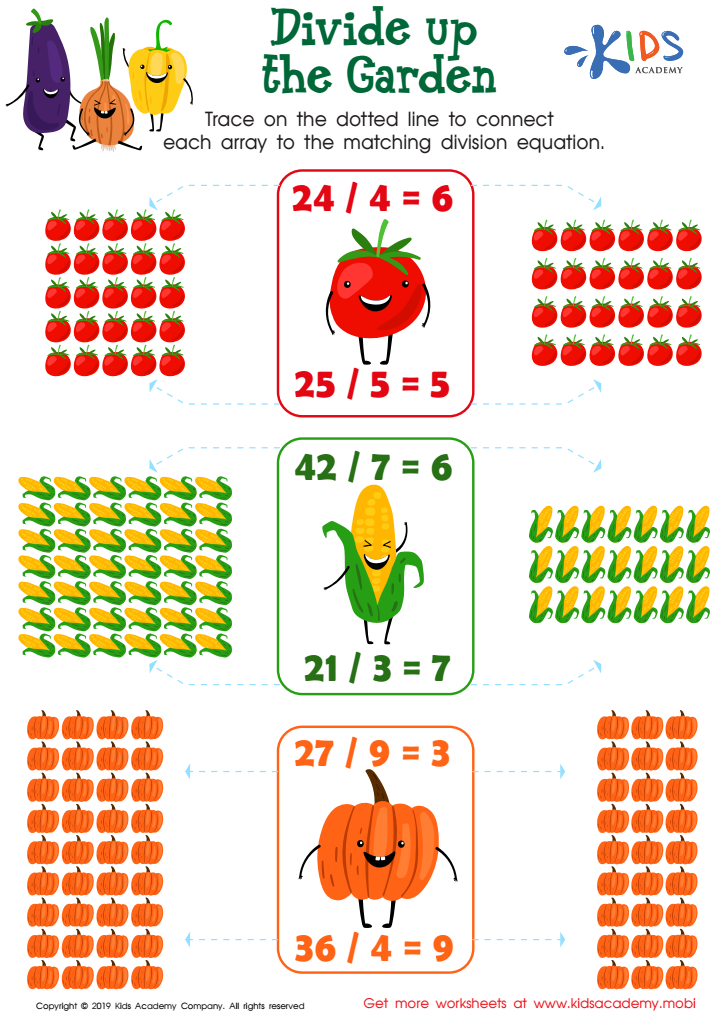
Divide up the Garden Worksheet
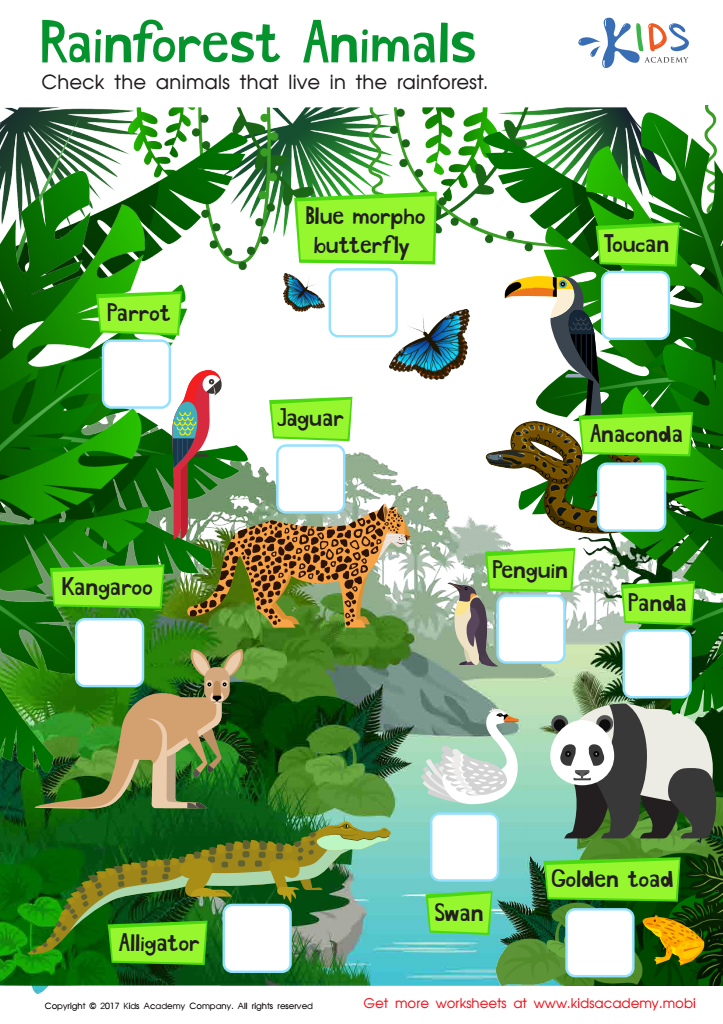
Rainforest Animals Worksheet
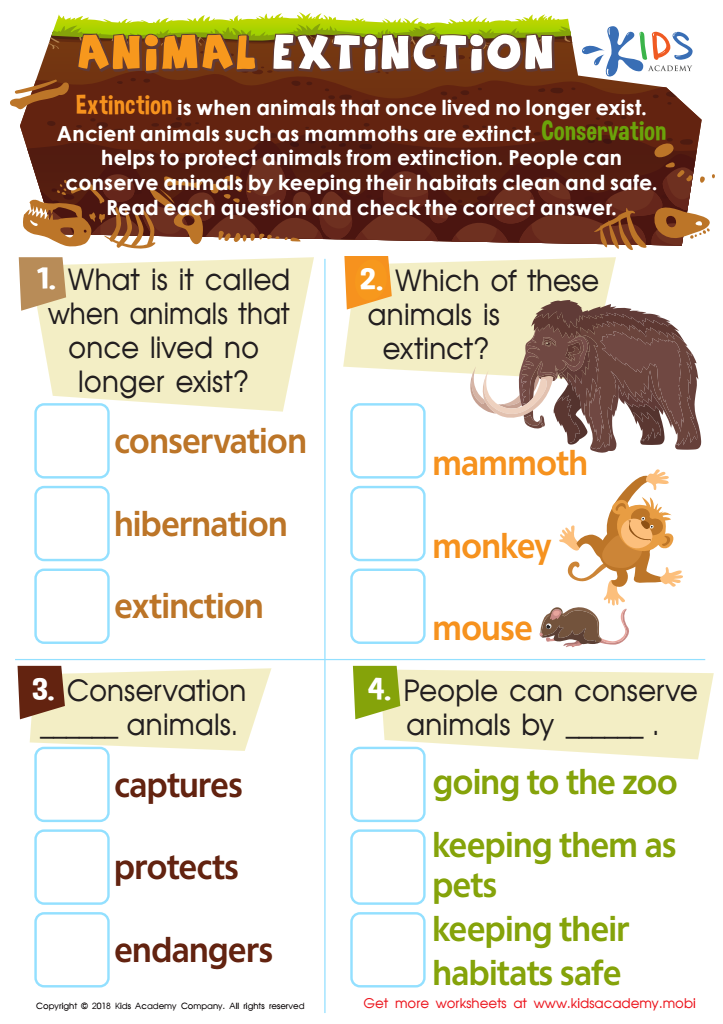
Animal Extinction Worksheet
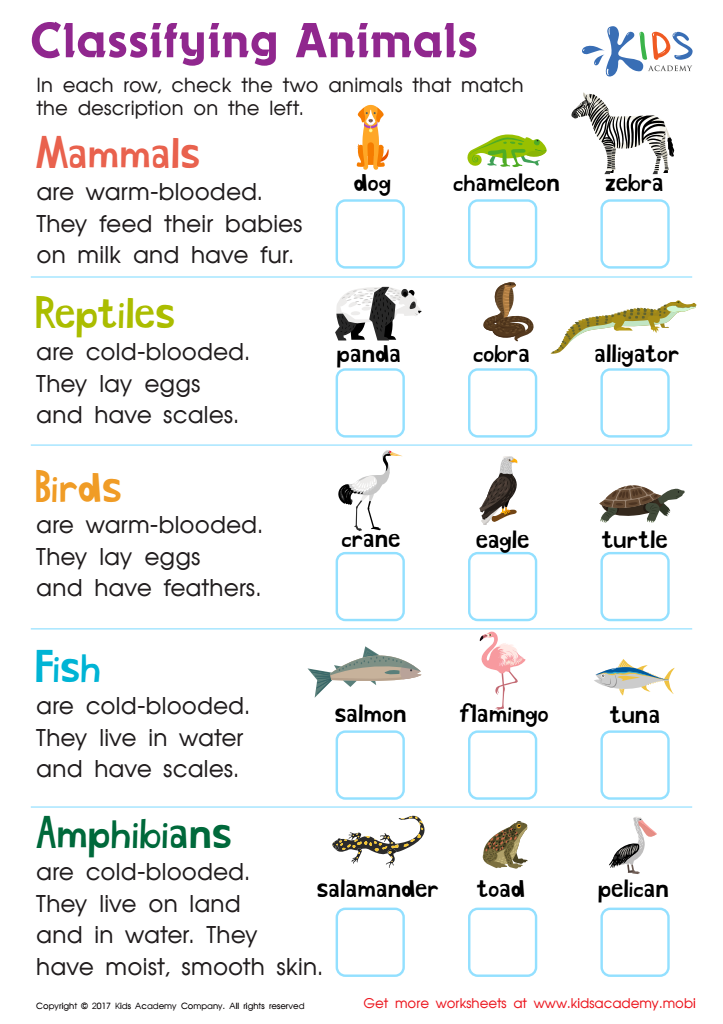
Classifying Animals Worksheet
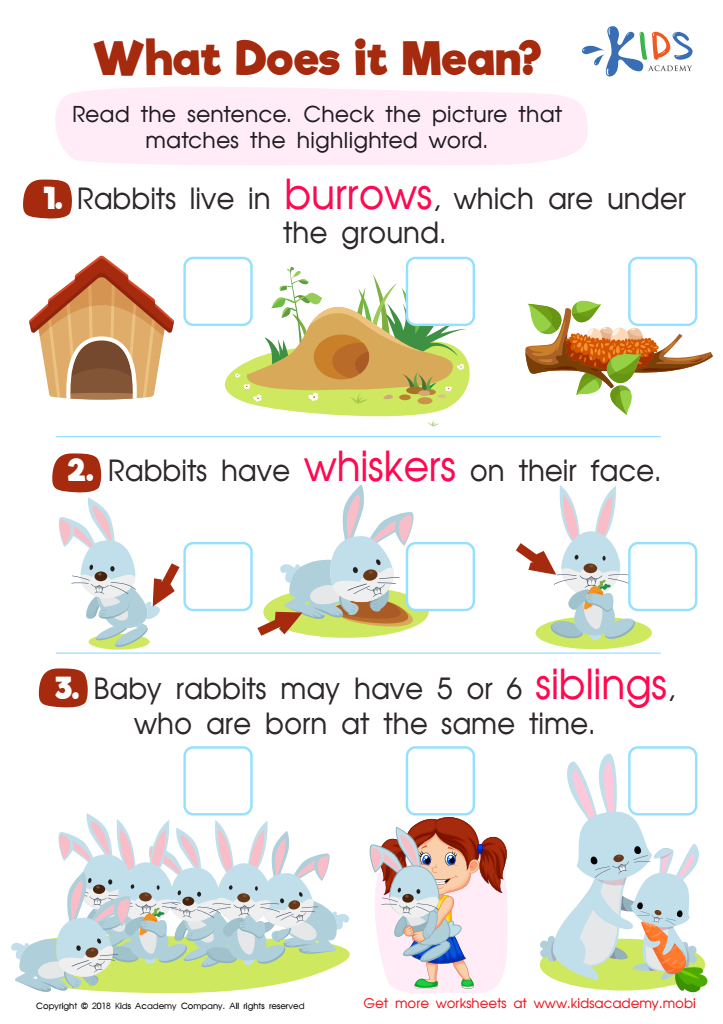
What Does It Mean? Worksheet
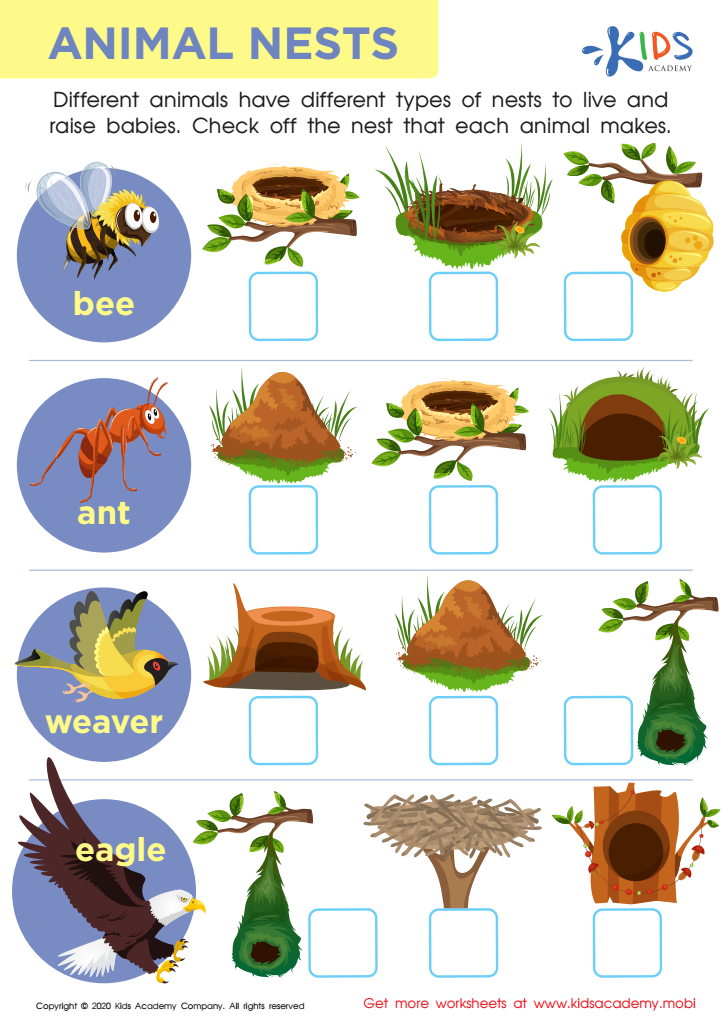
Animal Nests Worksheet
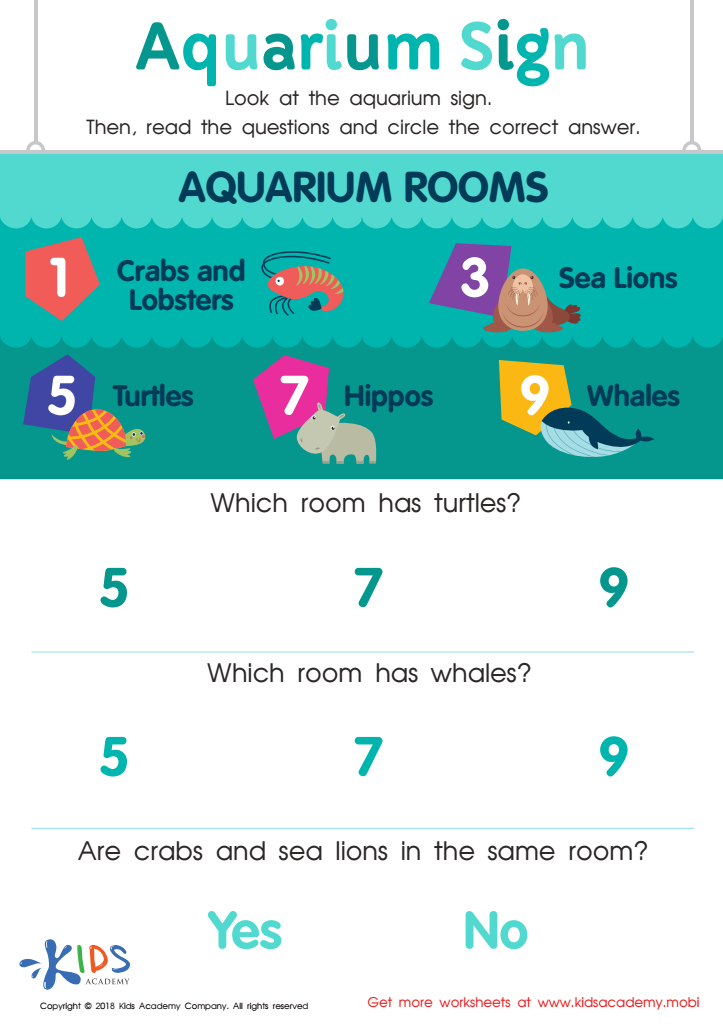
Assessment: Aquarium Sign Worksheet







Critical thinking in kids aged 7-8 is essential because this developmental stage is rife with curiosity and the capacity for learning complex ideas through concrete experiences. Teaching them about plants and animals provides an engaging way to develop these skills. When children study plants and animals, they don't just learn factual information; they also learn to ask questions, analyze data, make observations, and draw conclusions. These skills are the backbone of critical thinking.
For instance, considering why plants need sunlight or how animals adapt to their environments encourages children to contemplate cause-and-effect relationships and develop reasoning skills. Understanding these biological interactions fosters a sense of ecological literacy, critical in a world grappling with environmental issues.
Additionally, early exposure to biology strengthens children’s engagement with STEM fields, setting a foundational interest that can flourish. This can lead to improved problem-solving skills, higher academic performance, and the ability to think logically and systematically in varied contexts.
For parents and teachers, focusing on critical thinking also means preparing children for future challenges by enhancing their ability to analyze information critically and make informed decisions. Nurturing these skills early equips them with a toolkit for lifelong learning and responsible, thoughtful engagement with the world around them.








