Tracing Letters Worksheets for Ages 7-9 - Page 2
43 filtered results
-
From - To
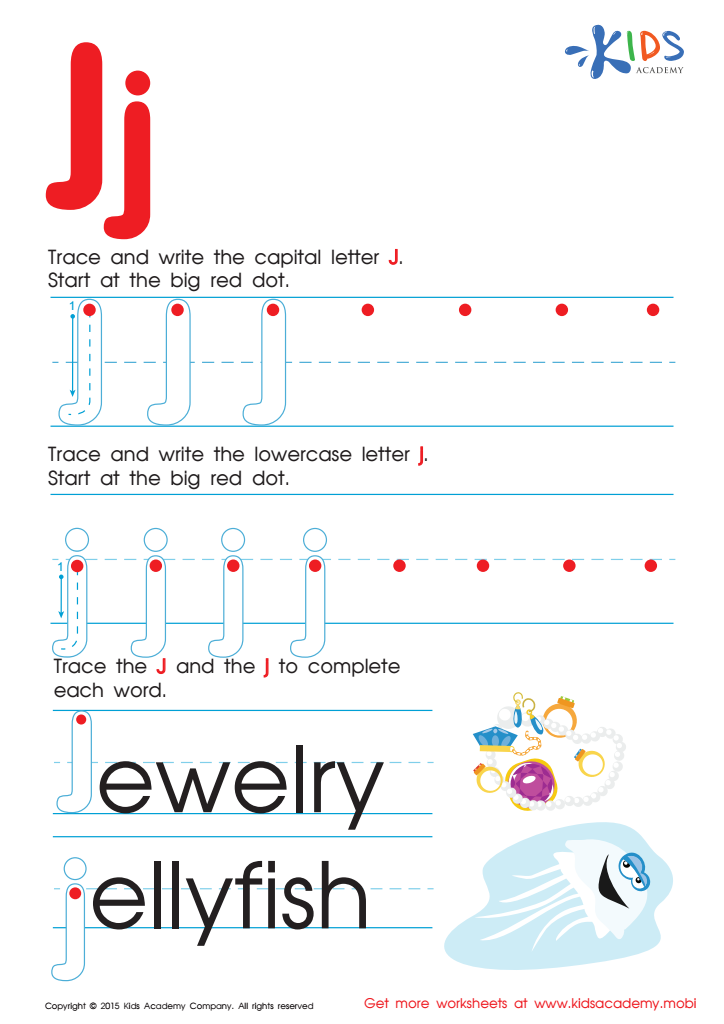
Letter J Tracing Page
 Assign to My Students
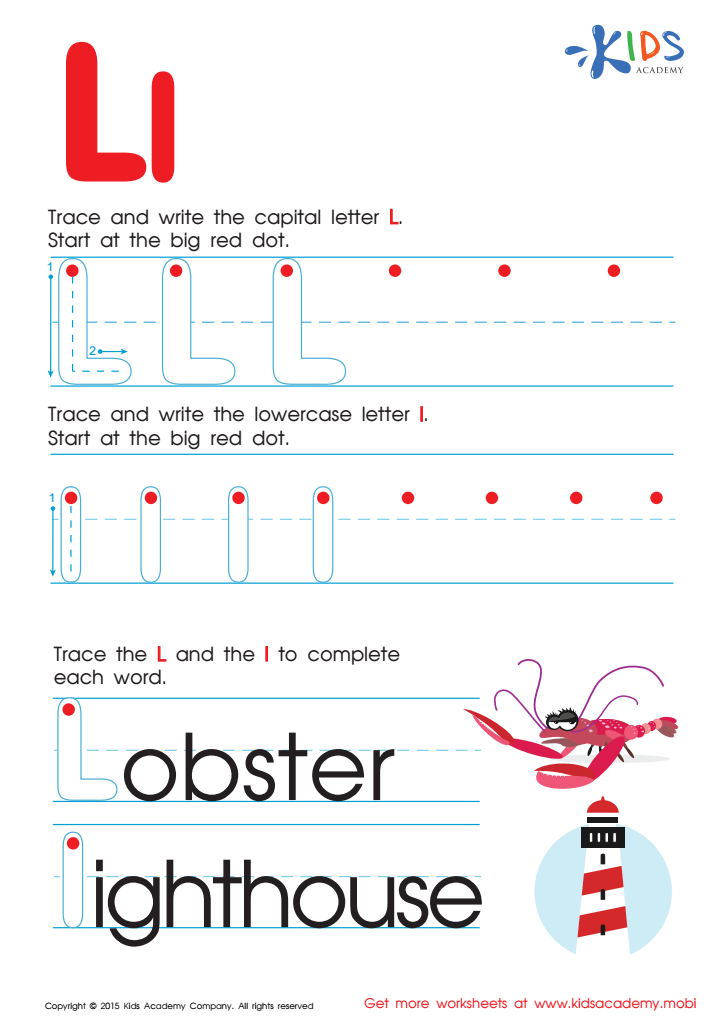
Letter L Tracing Page
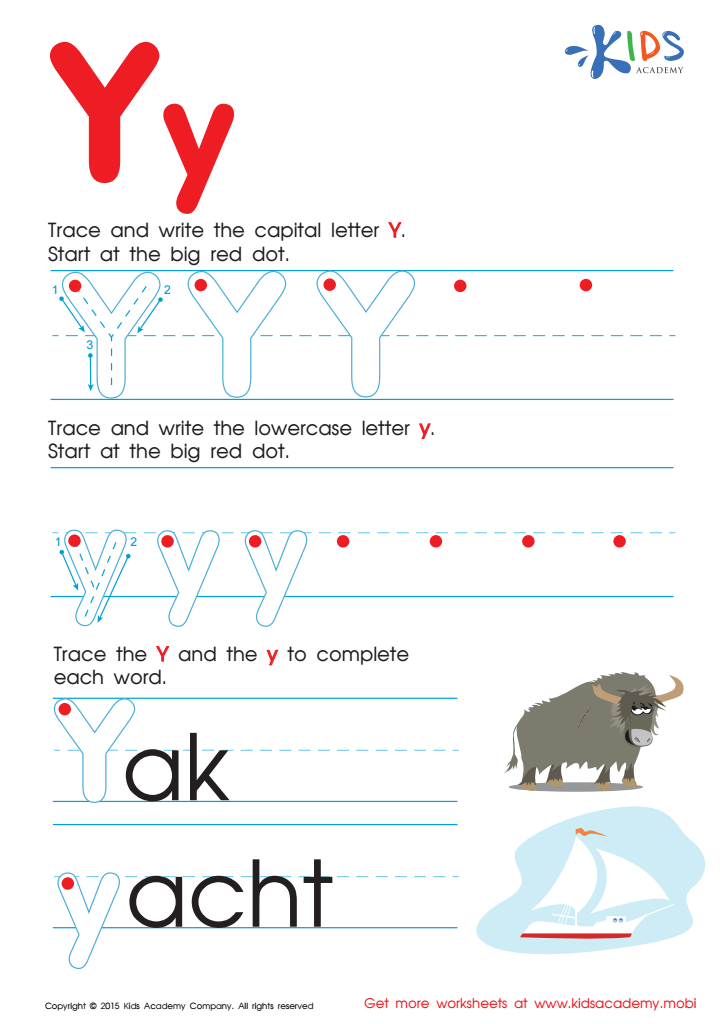
Letter Y Tracing Page
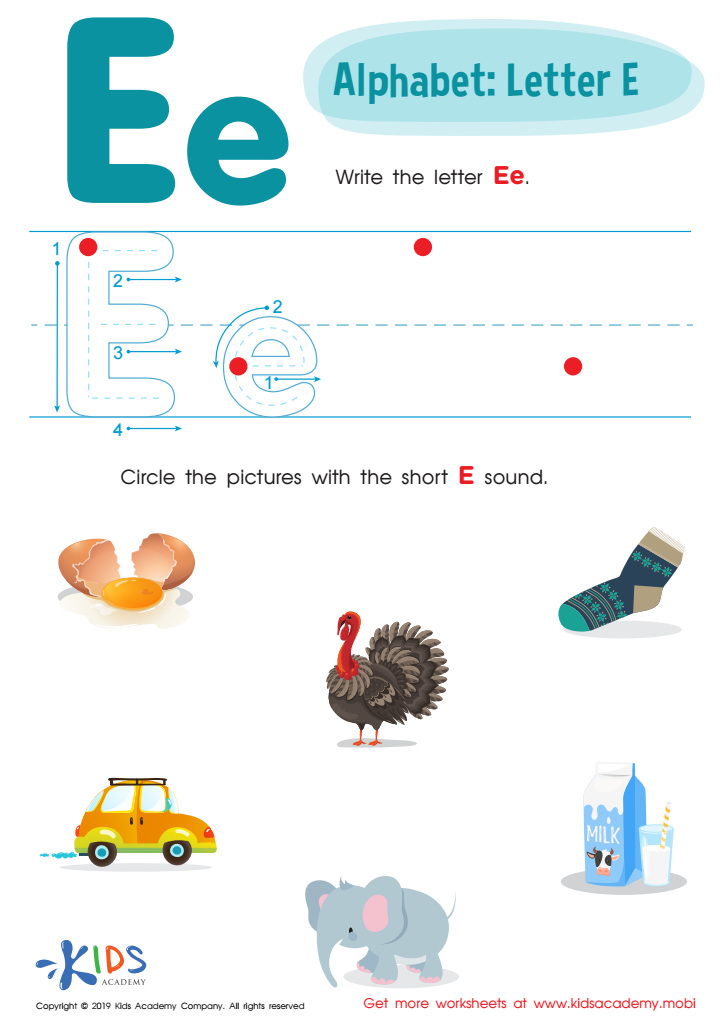
Letter E Tracing Worksheet
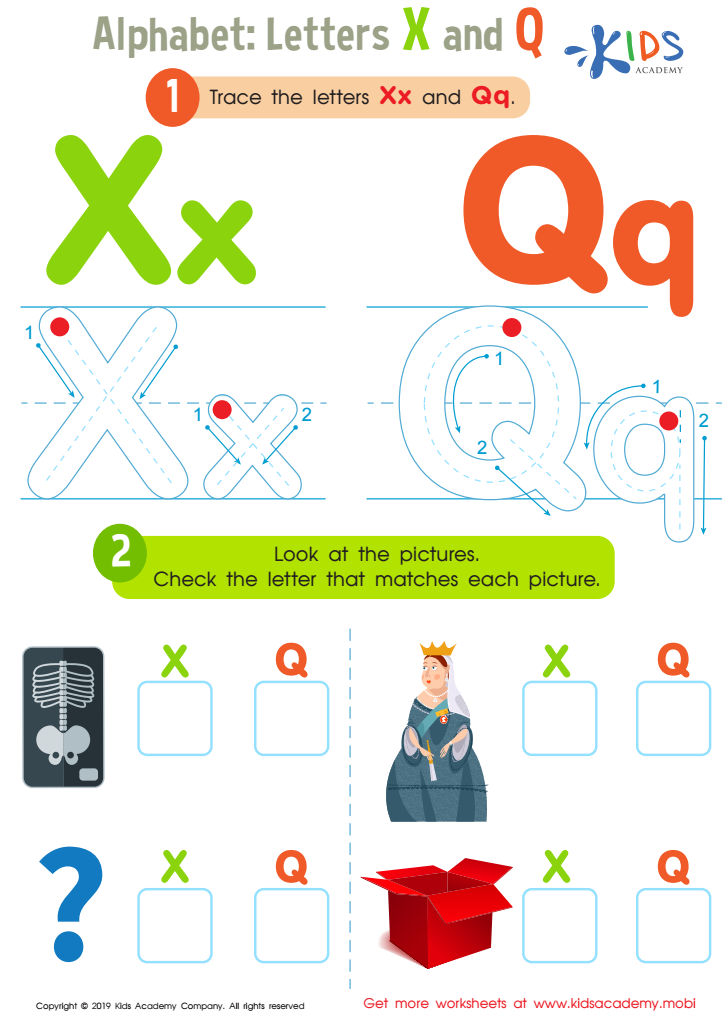
Letters X and Q Tracing Worksheet
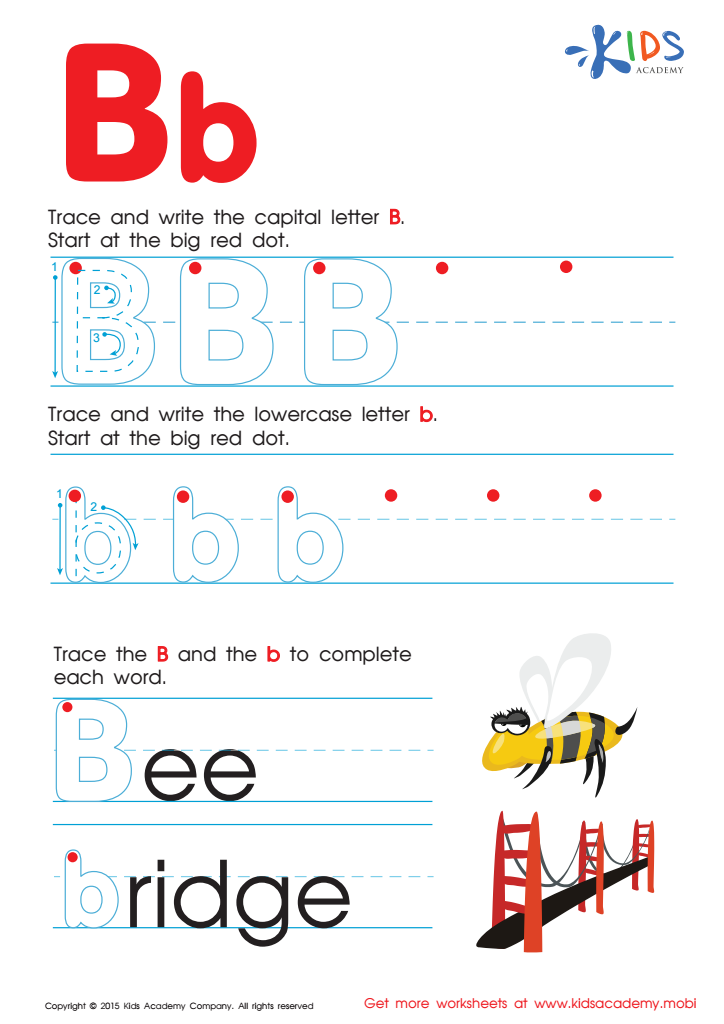
Letter B Tracing Page
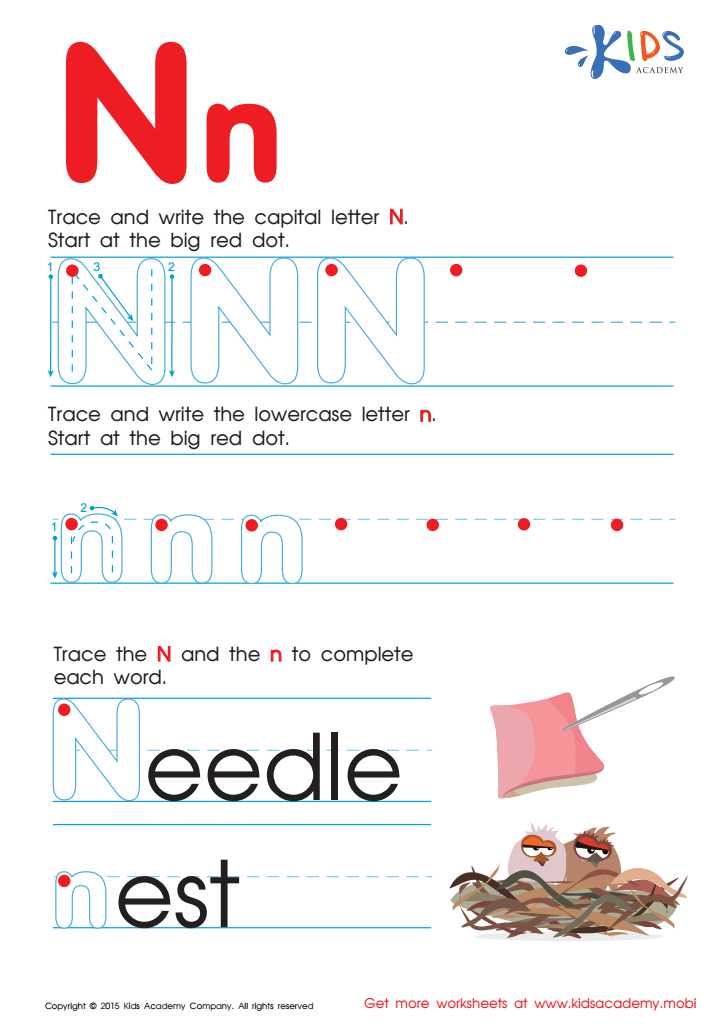
Letter N Tracing Page
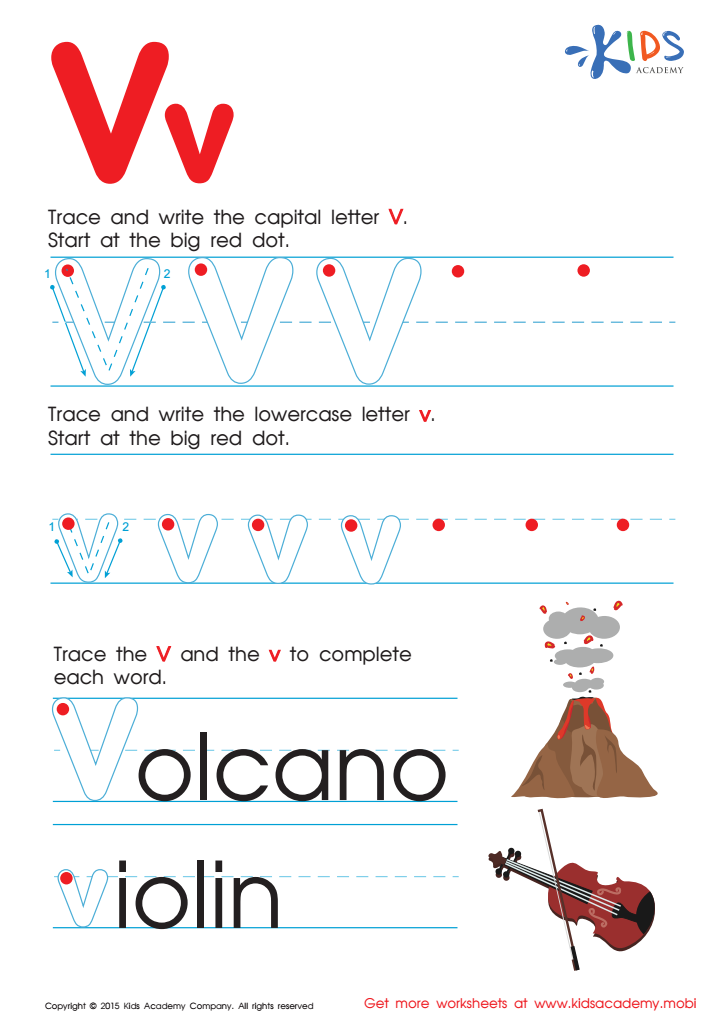
Letter V Tracing Page
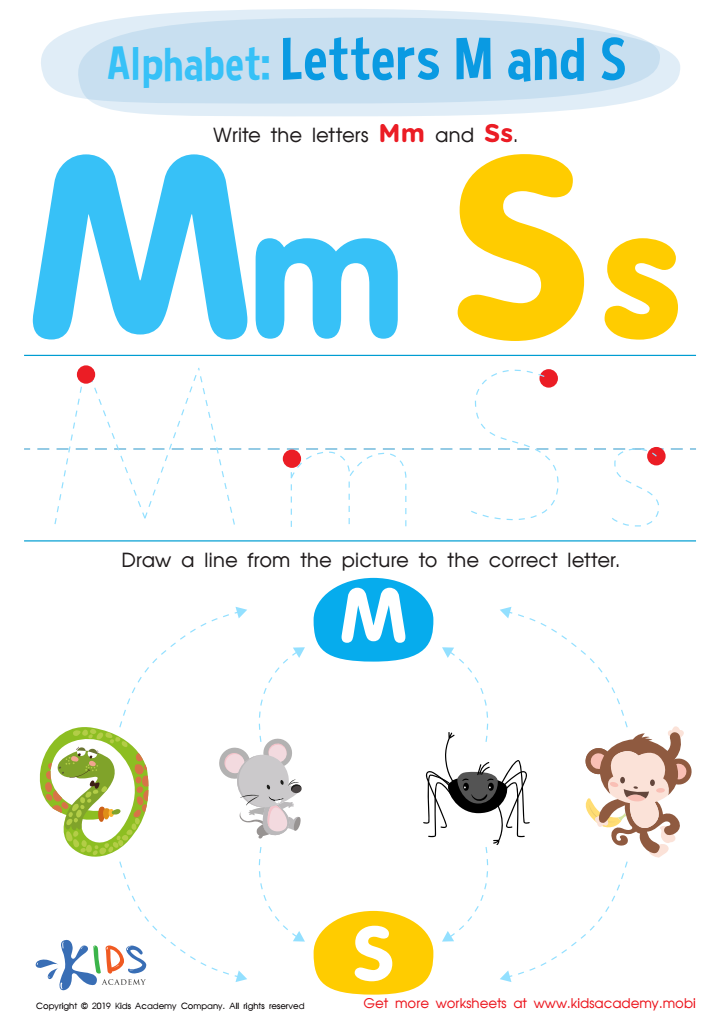
Letters M and S Tracing Worksheet

Letter E Tracing Page
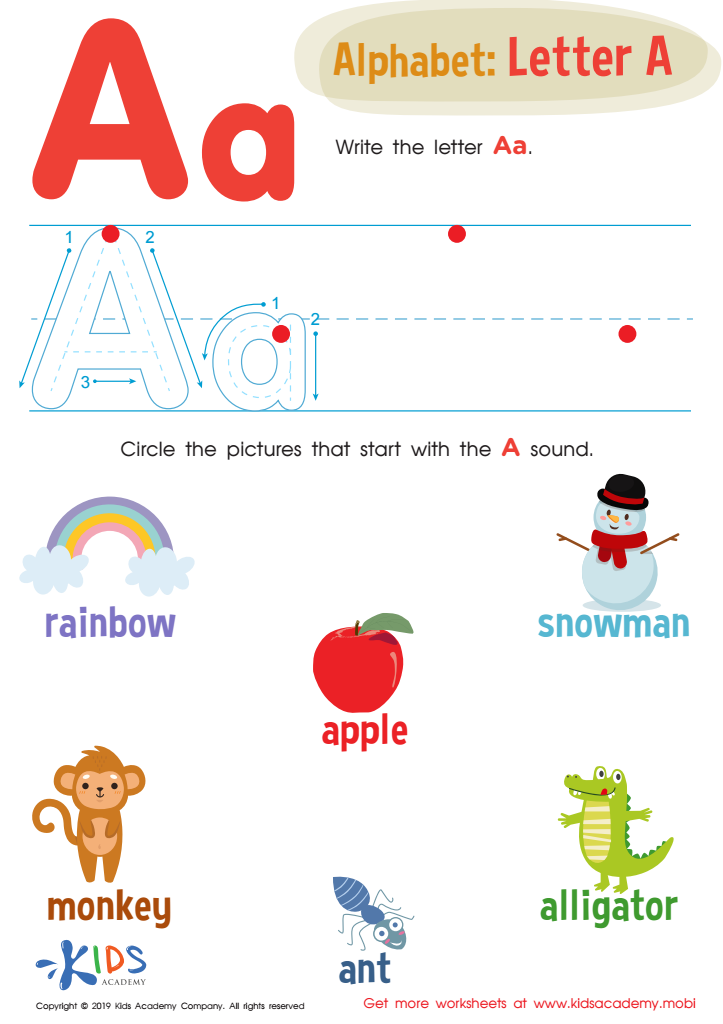
Letter A Tracing Worksheet
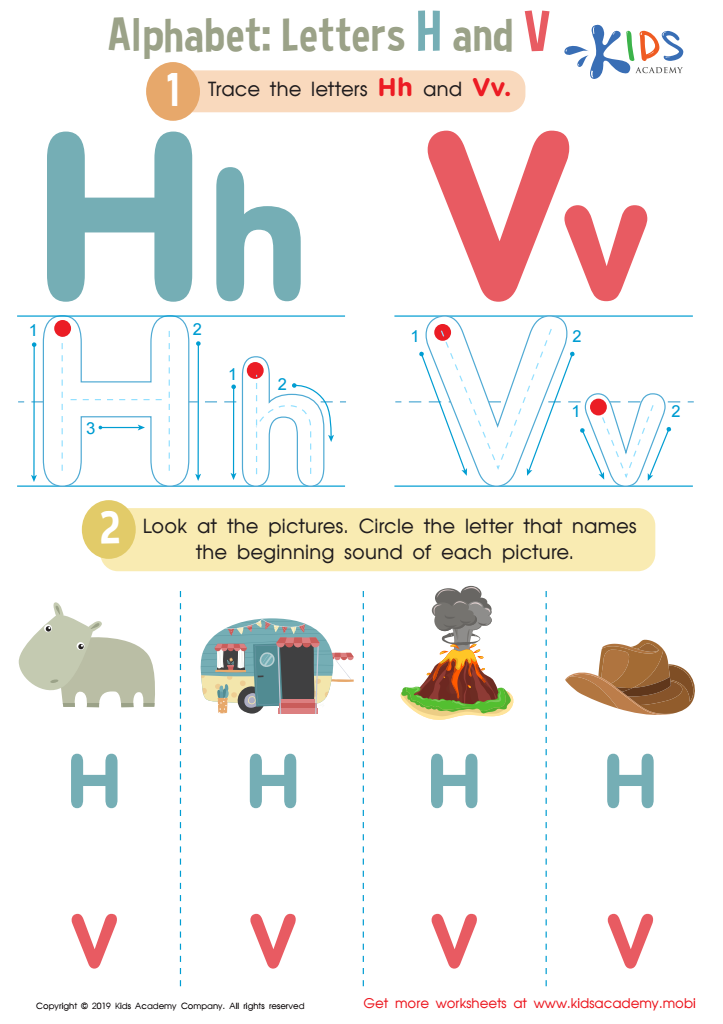
Letters H and V Tracing Worksheet
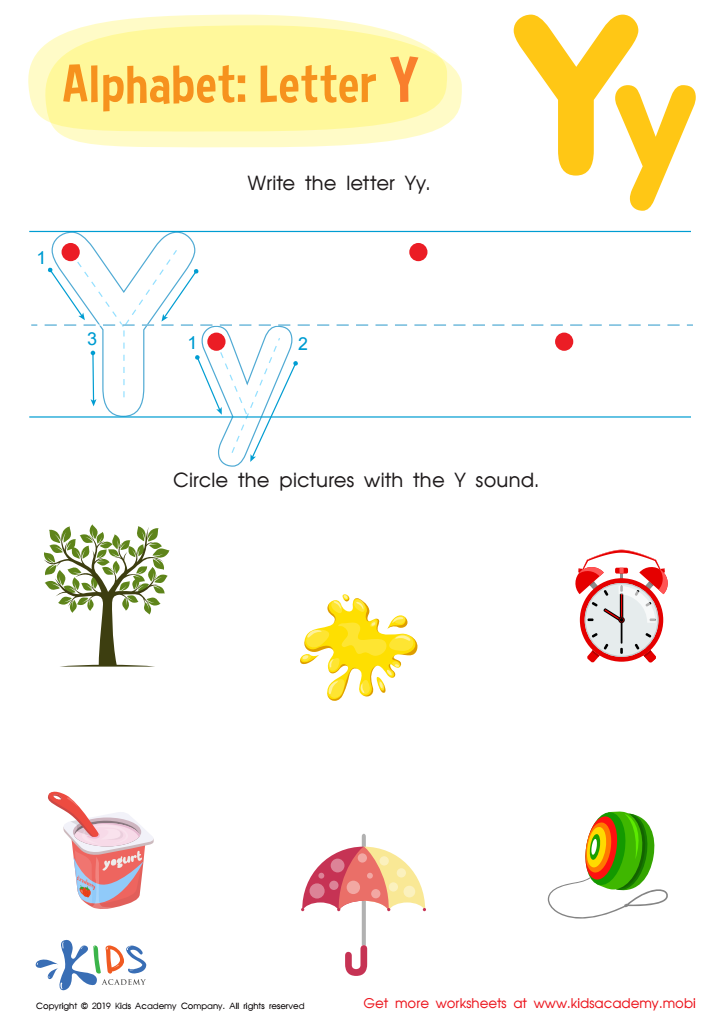
Letter Y Tracing Worksheet
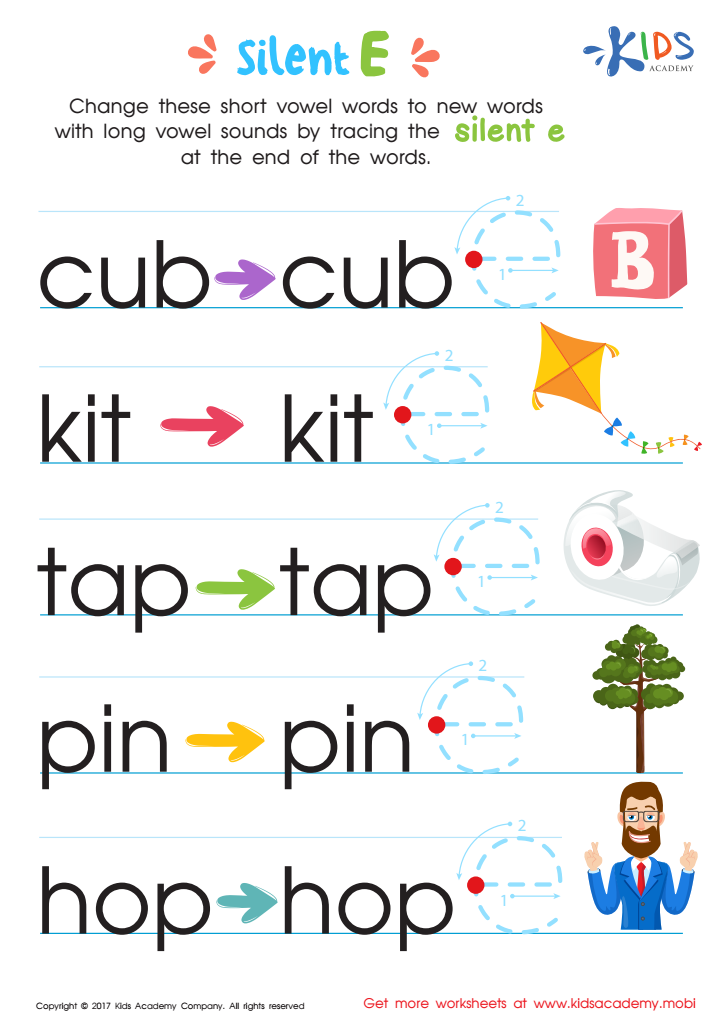
Silent E Words Worksheet
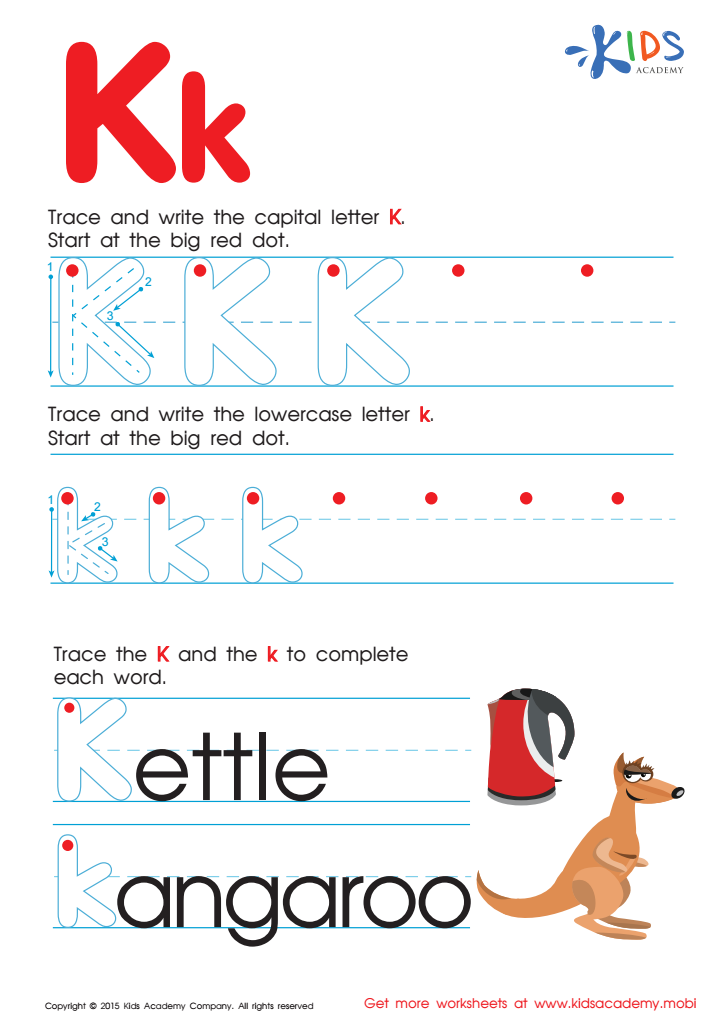
Letter K Tracing Page

Letter F Tracing Page
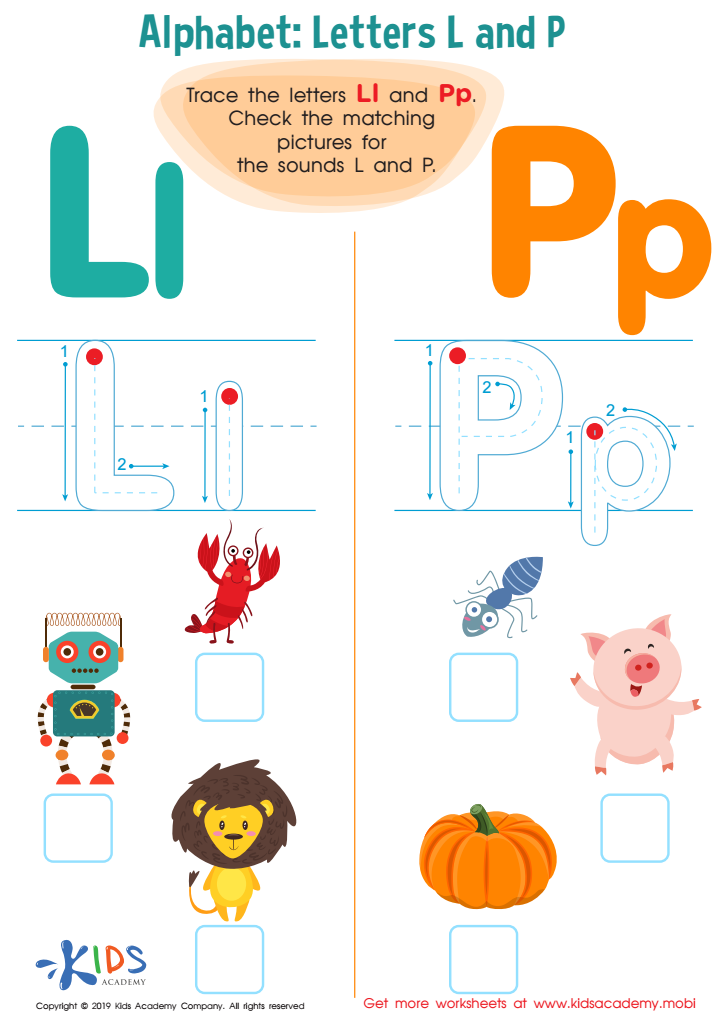
Letter L and P Tracing Worksheet
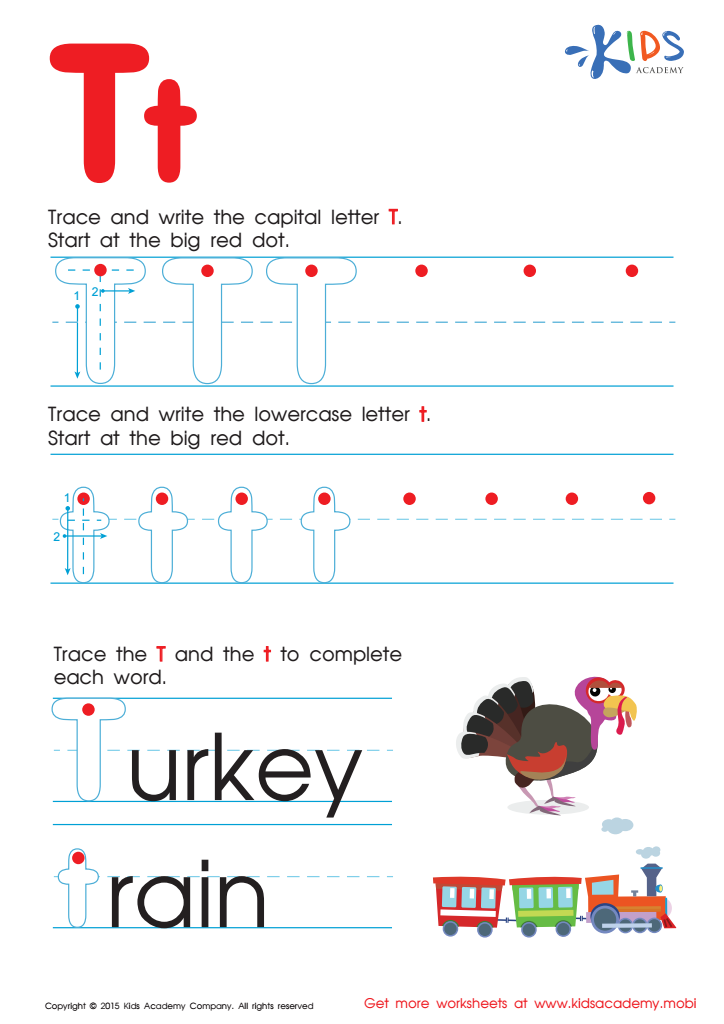
Letter T Tracing Page

Letter D Tracing Page







Tracing letters for children aged 7-9 can be incredibly beneficial for several developmental reasons. At this stage, children are refining their motor skills and improving their handwriting. Tracing helps reinforce proper letter formation and spacing, which is crucial for legibility and neatness in their writing. By providing a structured way to practice these skills, tracing promotes the development of muscle memory, making it easier for children to write comfortably and efficiently.
Moreover, tracing letters also aids in enhancing their fine motor skills and hand-eye coordination, both of which are essential for various everyday tasks beyond writing. It encourages focus and concentration as children pay attention to detail and follow patterns carefully, fostering discipline and patience.
In addition to physical benefits, tracing contributes significantly to cognitive development. It strengthens the brain-hand connection, solidifies letter recognition, and laying a strong foundation for reading and writing fluency. When children trace, they simultaneously engage in multi-sensory learning, combining visual, tactile, and kinesthetic experiences, which can enhance their overall learning processes.
Investing time in letter tracing can provide a solid groundwork, preparing children for more advanced literacy and academic tasks. Both parents and teachers should recognize its value and incorporate tracing activities as part of their routine educational practices.








