Vowels Worksheets for Ages 7-9 - Page 3
72 filtered results
-
From - To
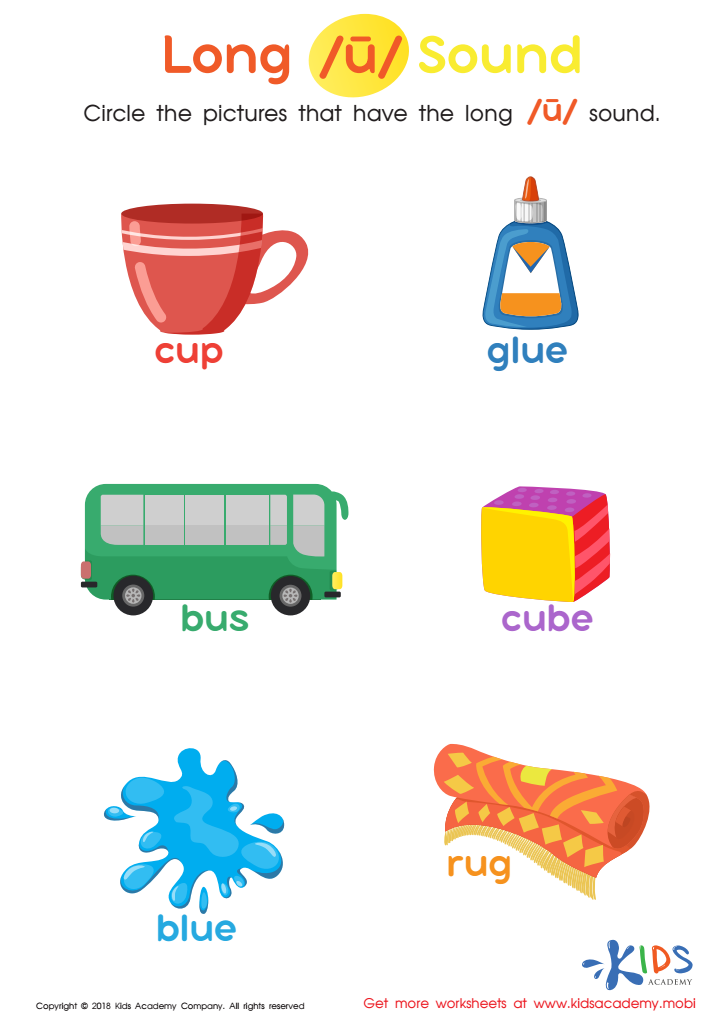
Long «u» Sound Worksheet
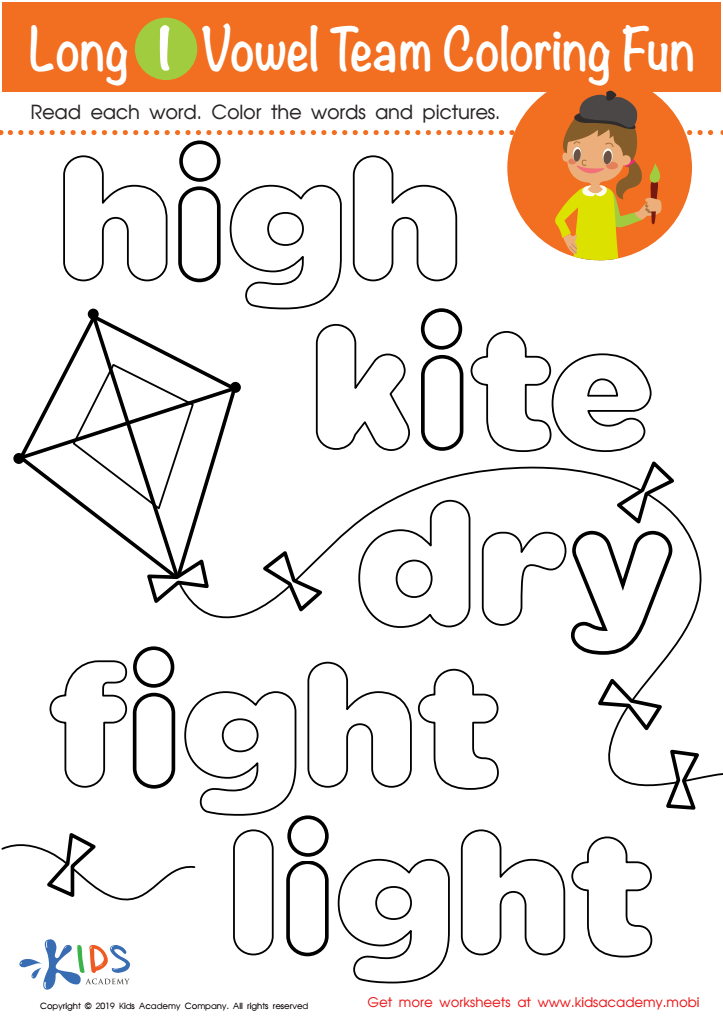
Long I Vowel Team Coloring Worksheet
 Assign to My Students
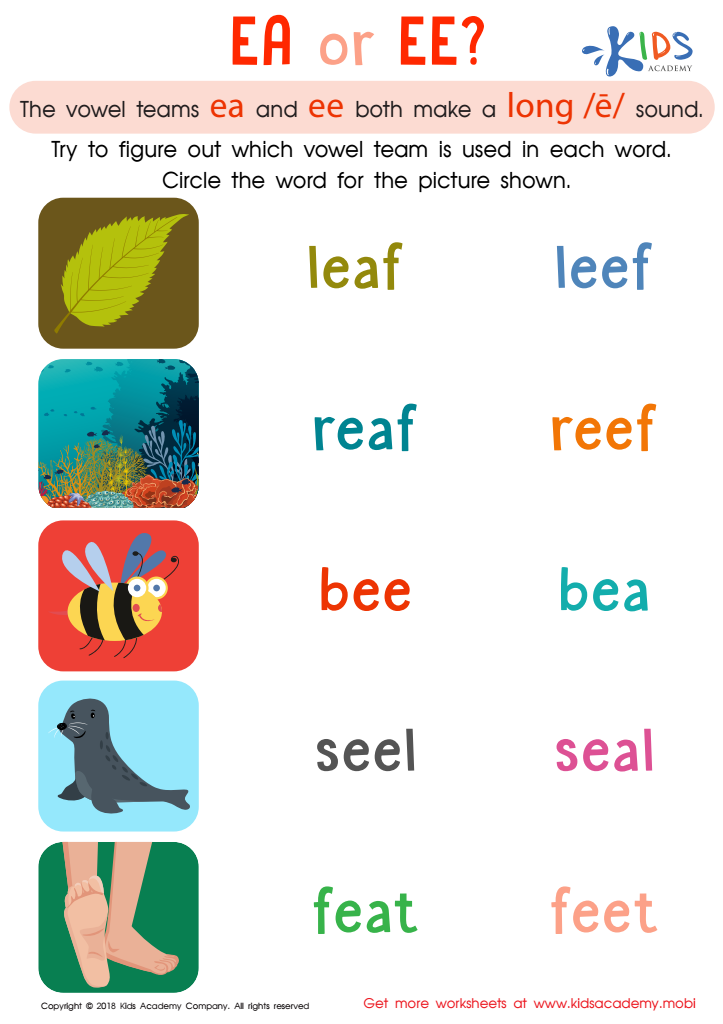
Reading: EA and EE Worksheet
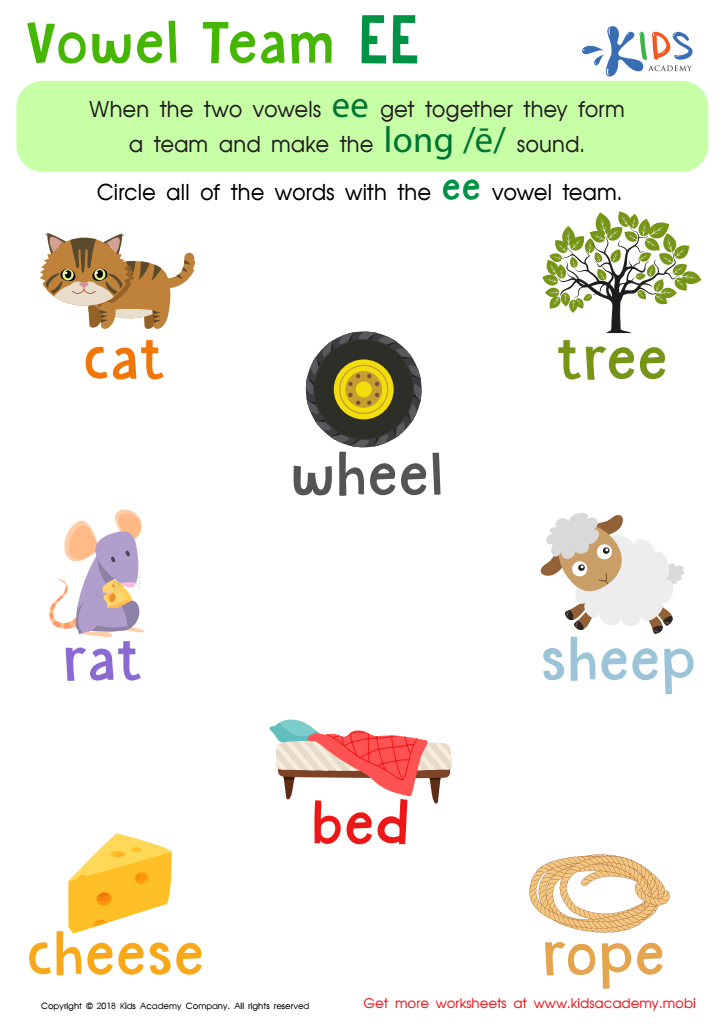
Reading: Vowel Team EE Worksheet
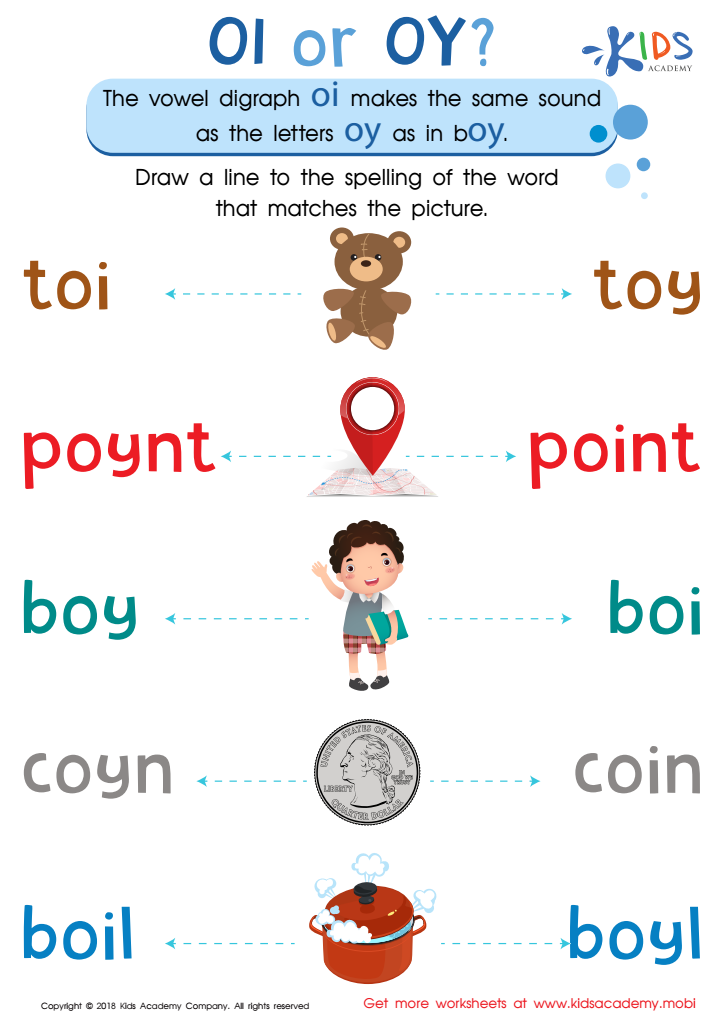
Reading: OI and OY Worksheet
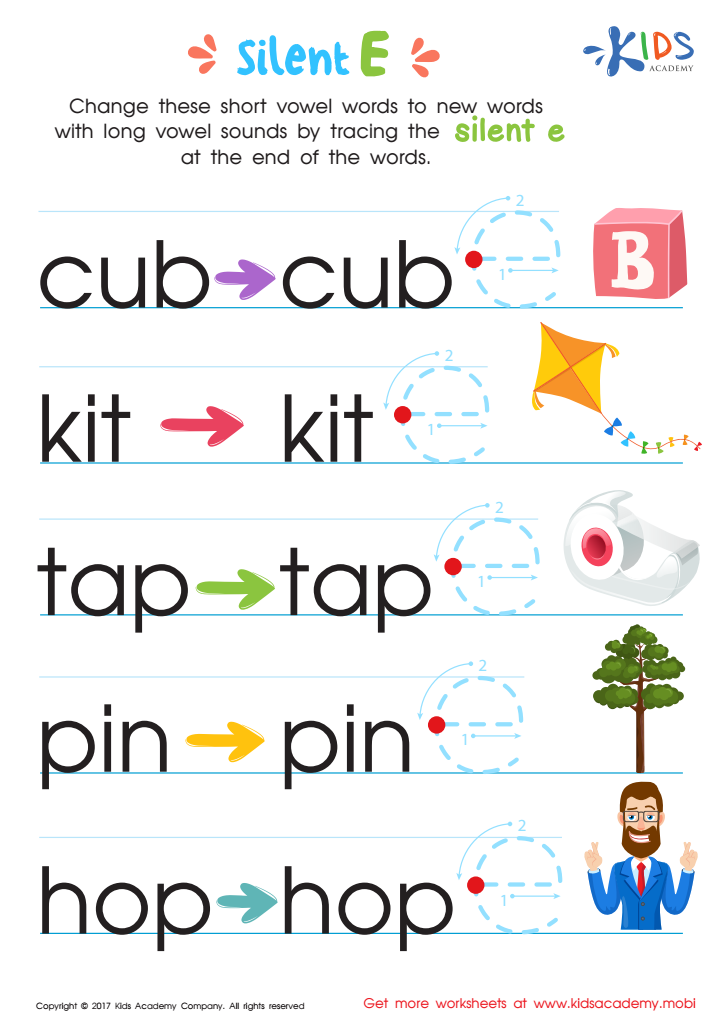
Silent E Words Worksheet
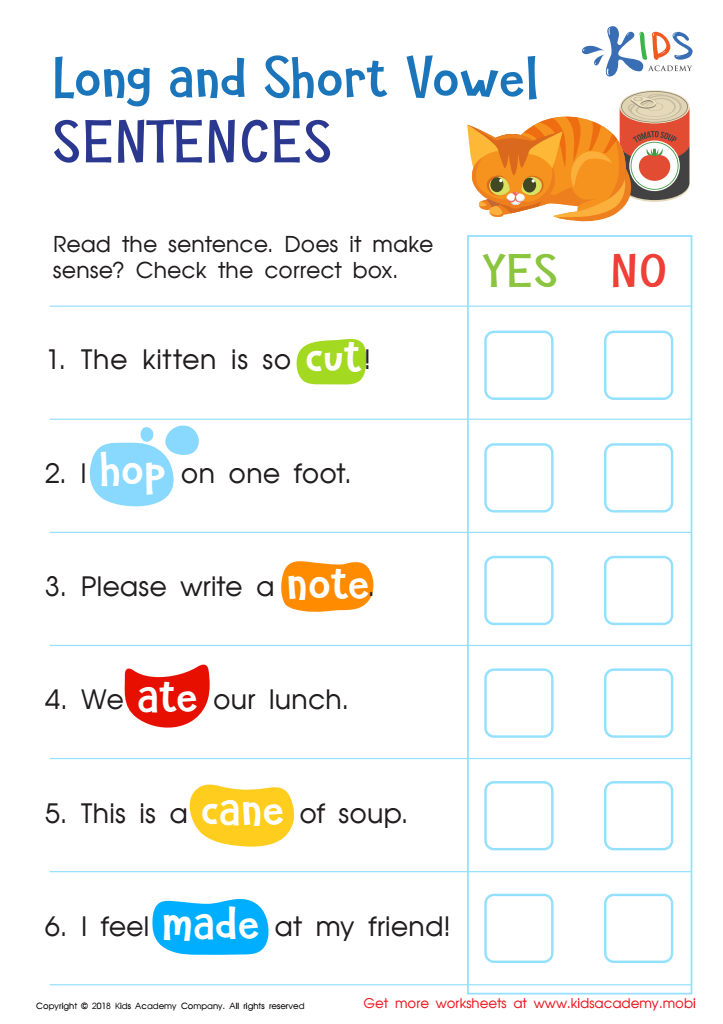
Long and Short Vowel Sentences: Assessment Worksheet
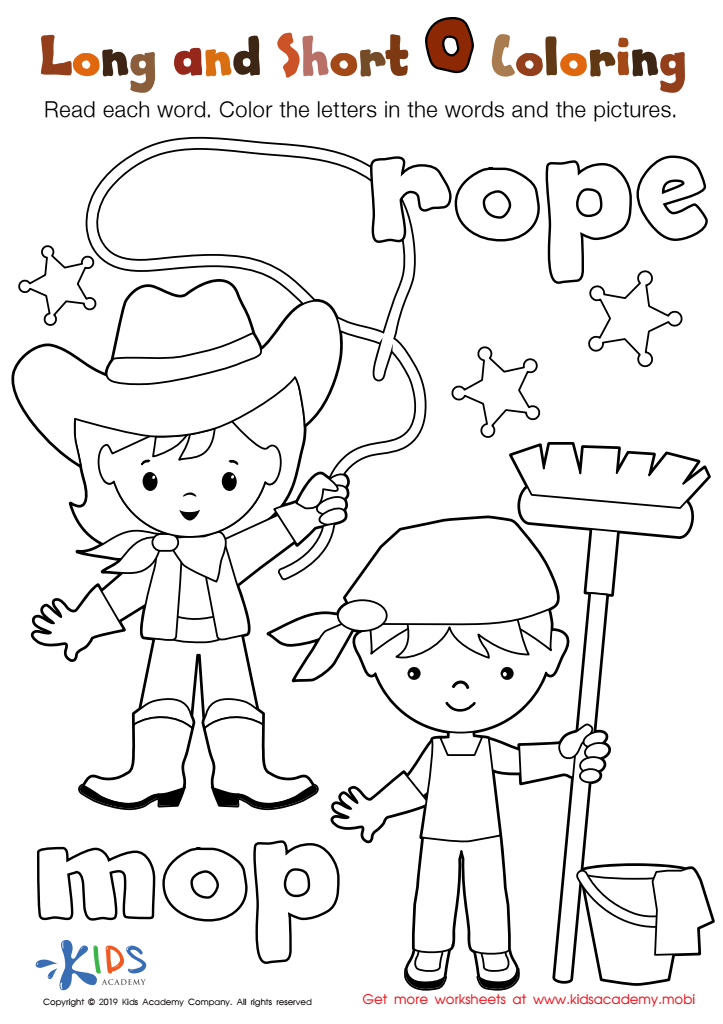
Long and Short O Worksheet
Assign to My Students
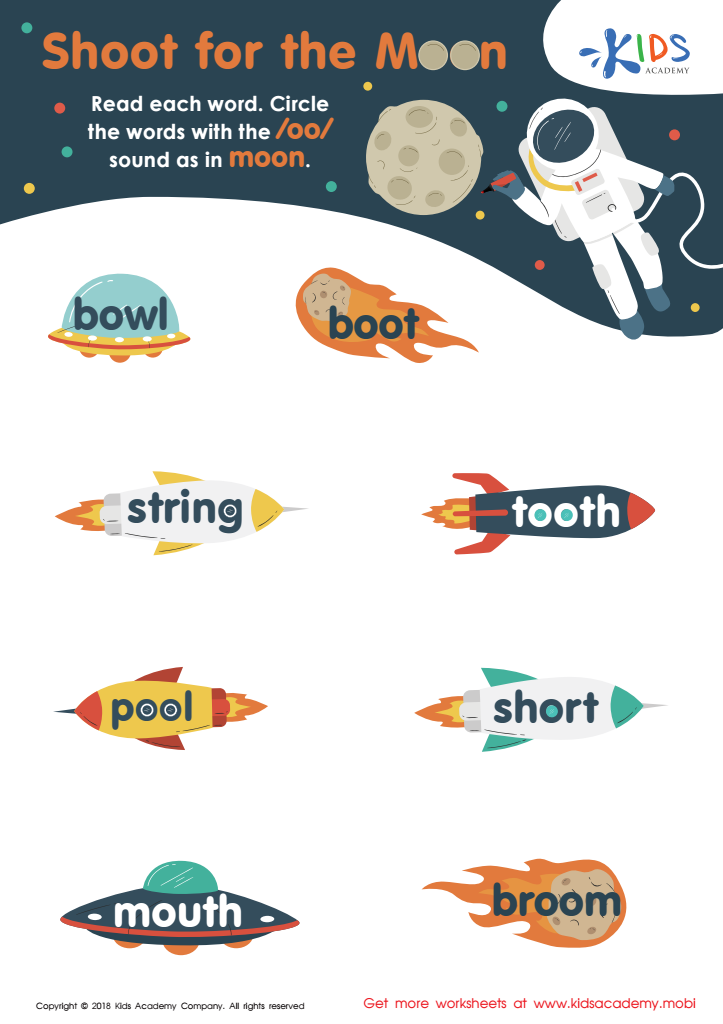
Reading: Shoot for the Moon Worksheet
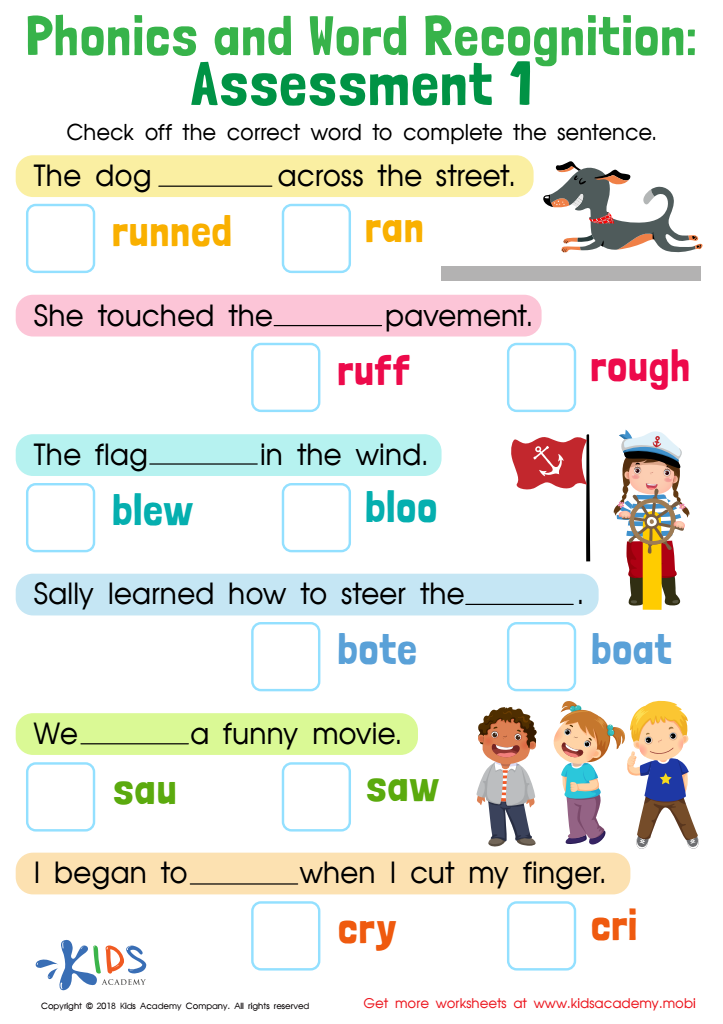
Phonics and Word Recognition: Assessment 1 Worksheet
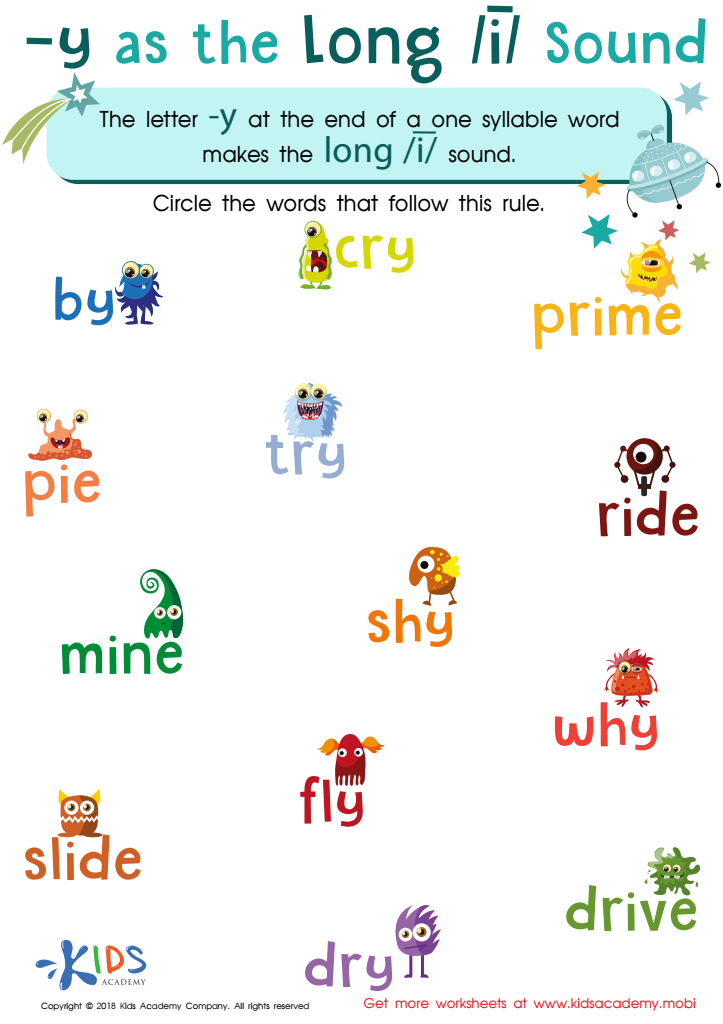
Reading: Y as Long I Worksheet
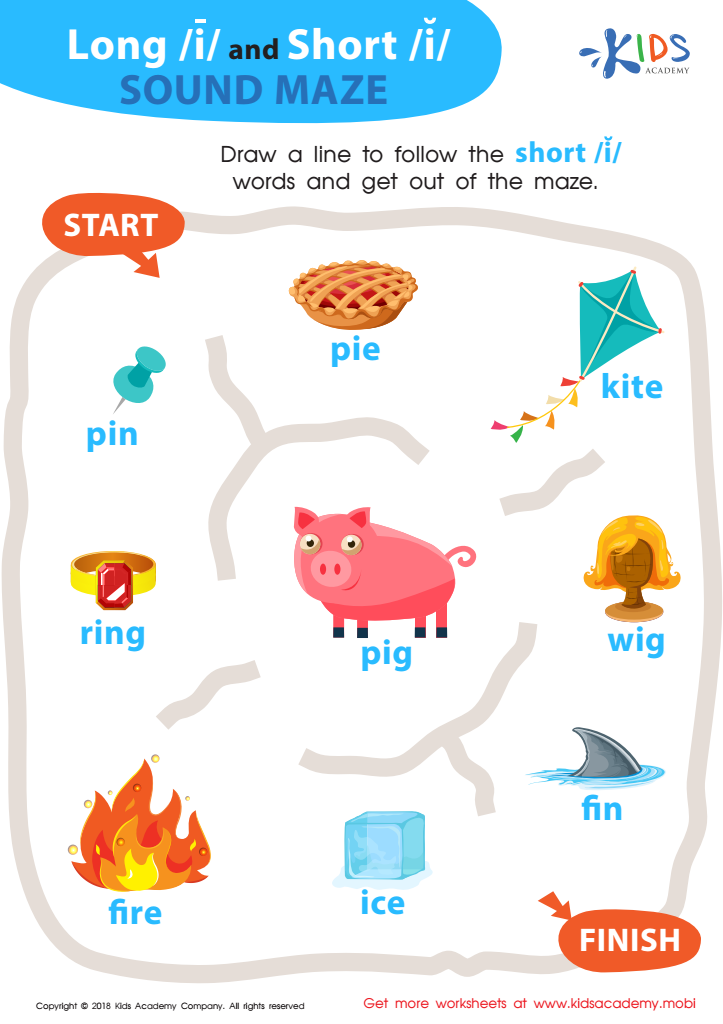
Reading: Long I and Short I Sound Maze Worksheet
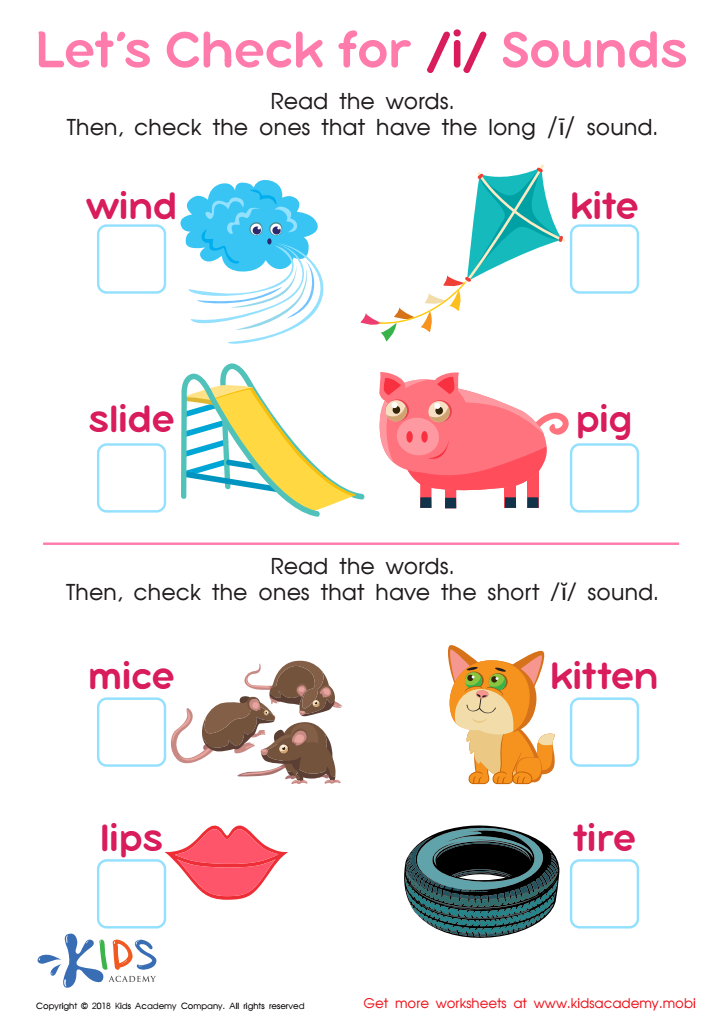
Let's Check for «i» Sounds Worksheet
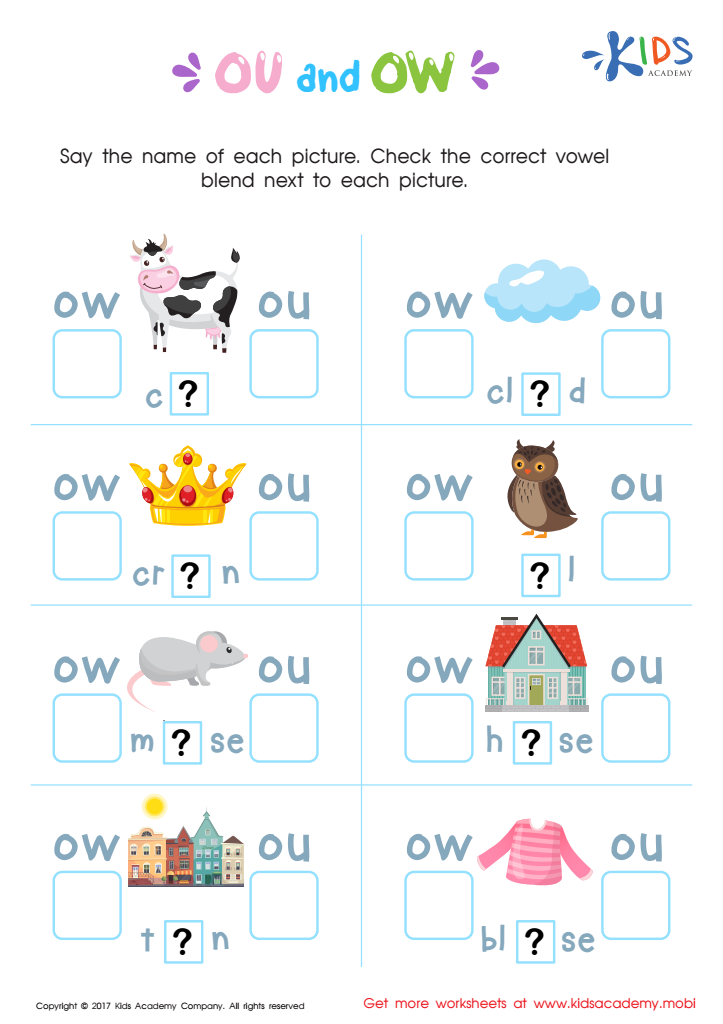
OU and OW Words Worksheet
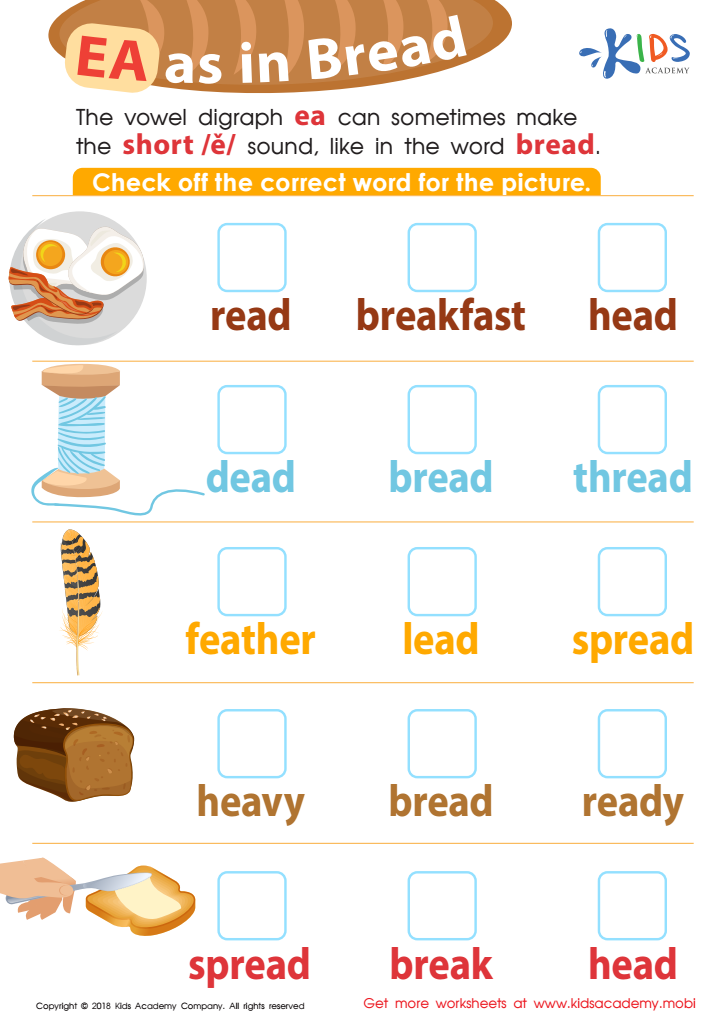
Reading: EA as in Bread Worksheet
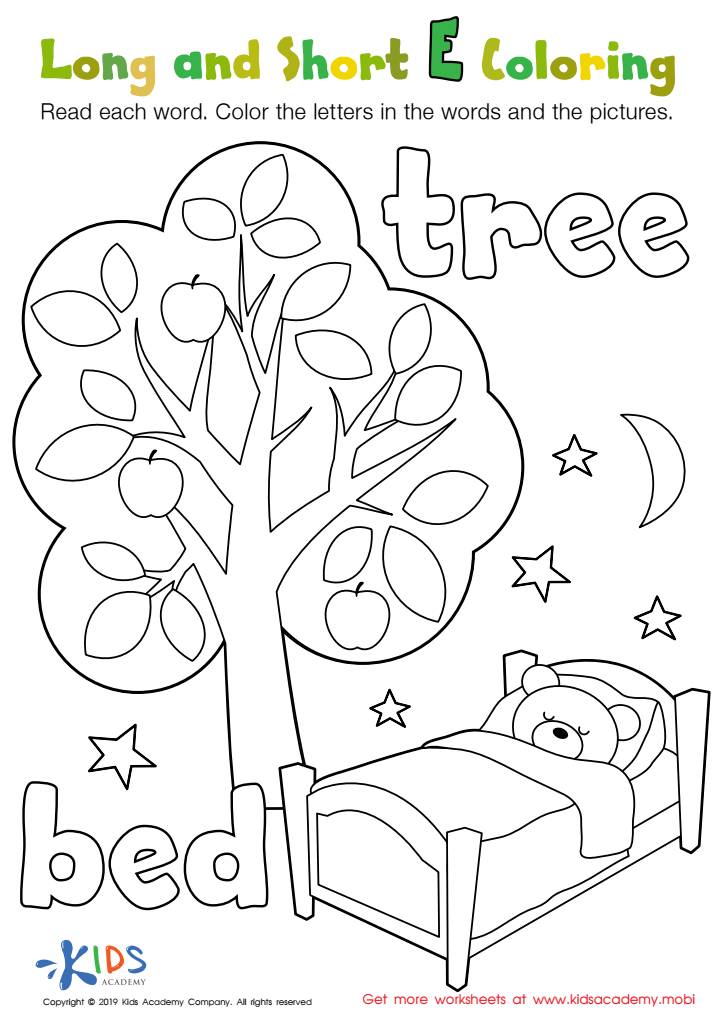
Long and Short E Worksheet
Assign to My Students
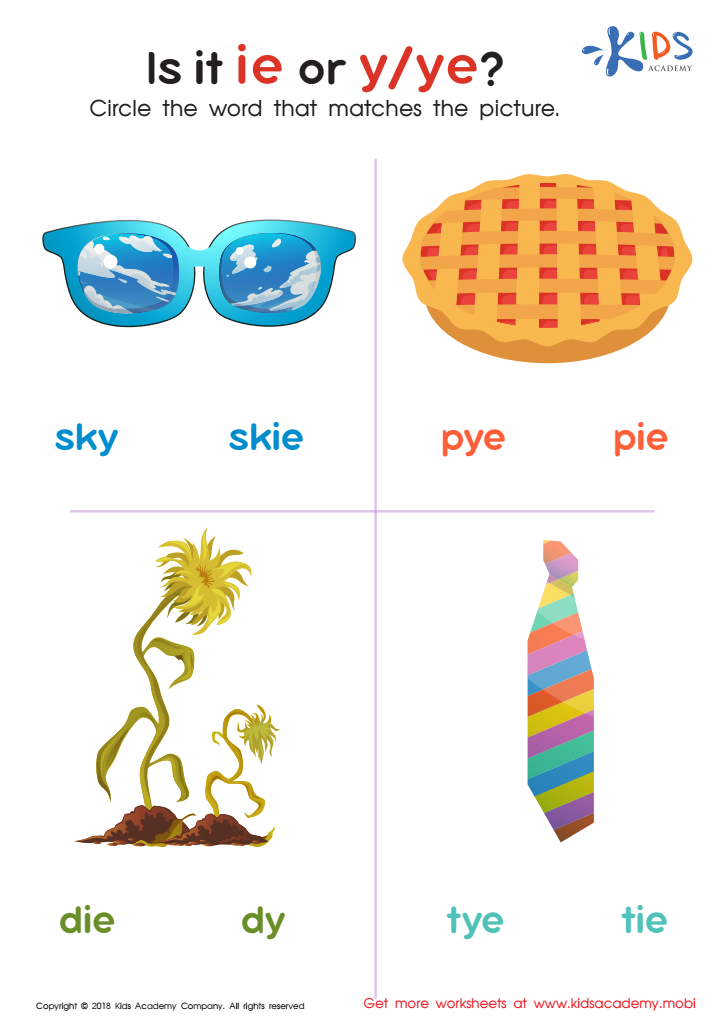
Is It IE or Y/Ye? Worksheet
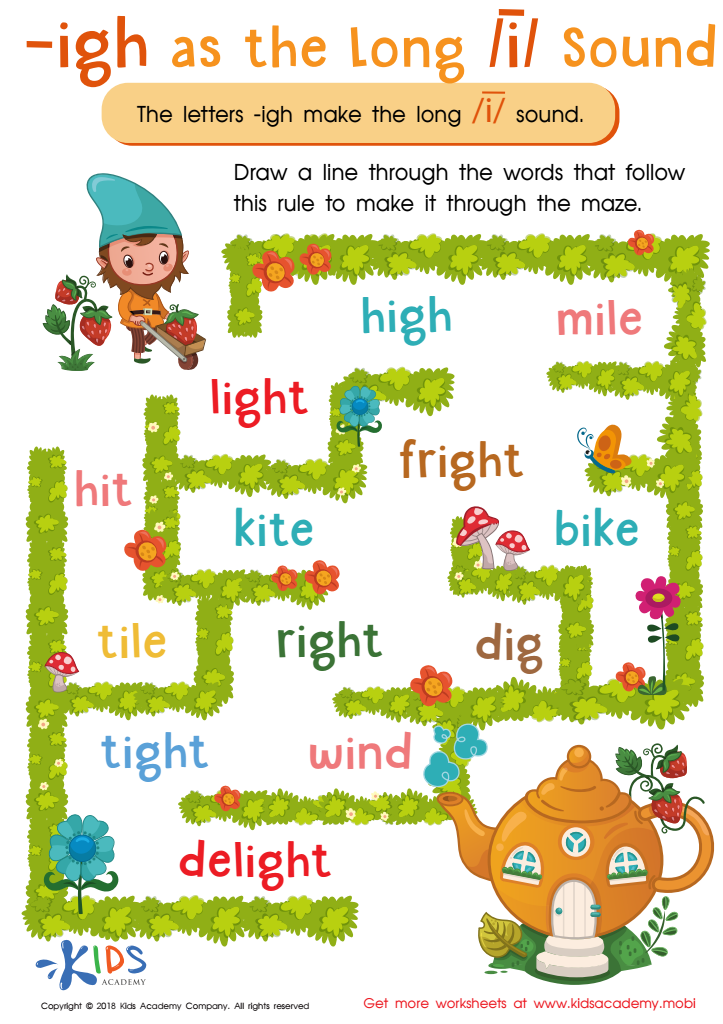
Reading: IGH as Long I Worksheet
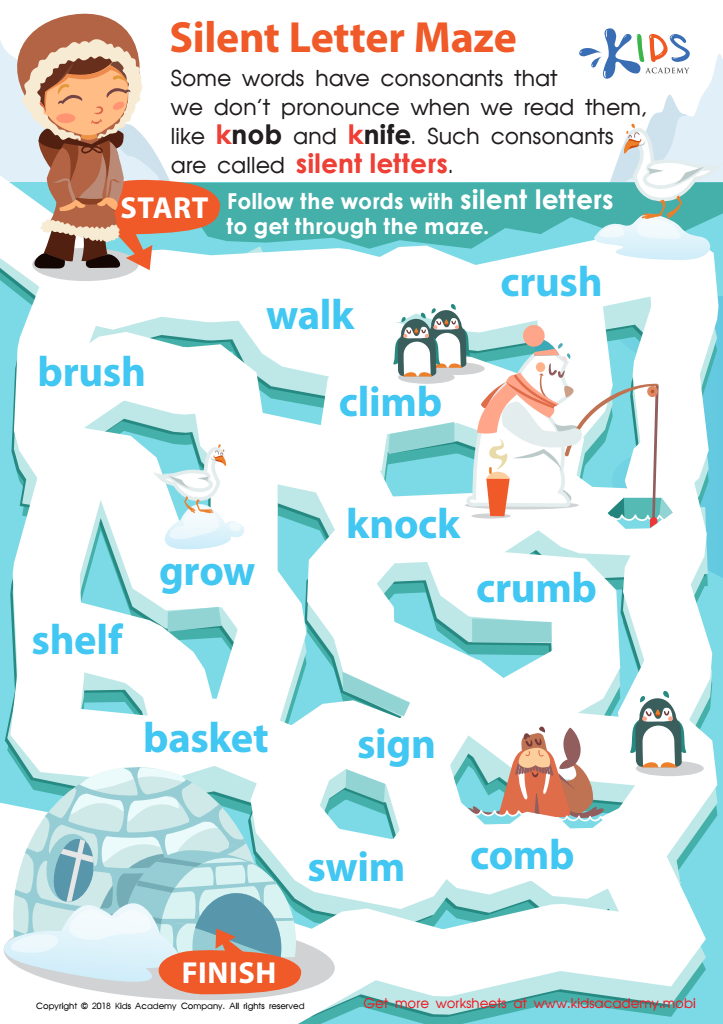
Silent Letter Maze Worksheet
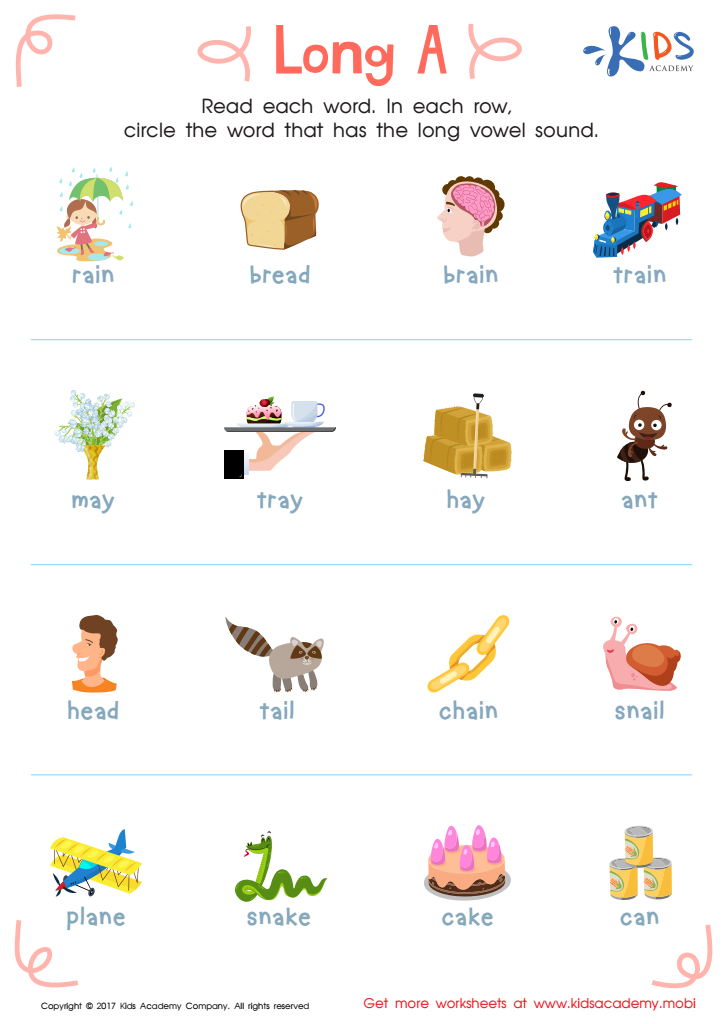
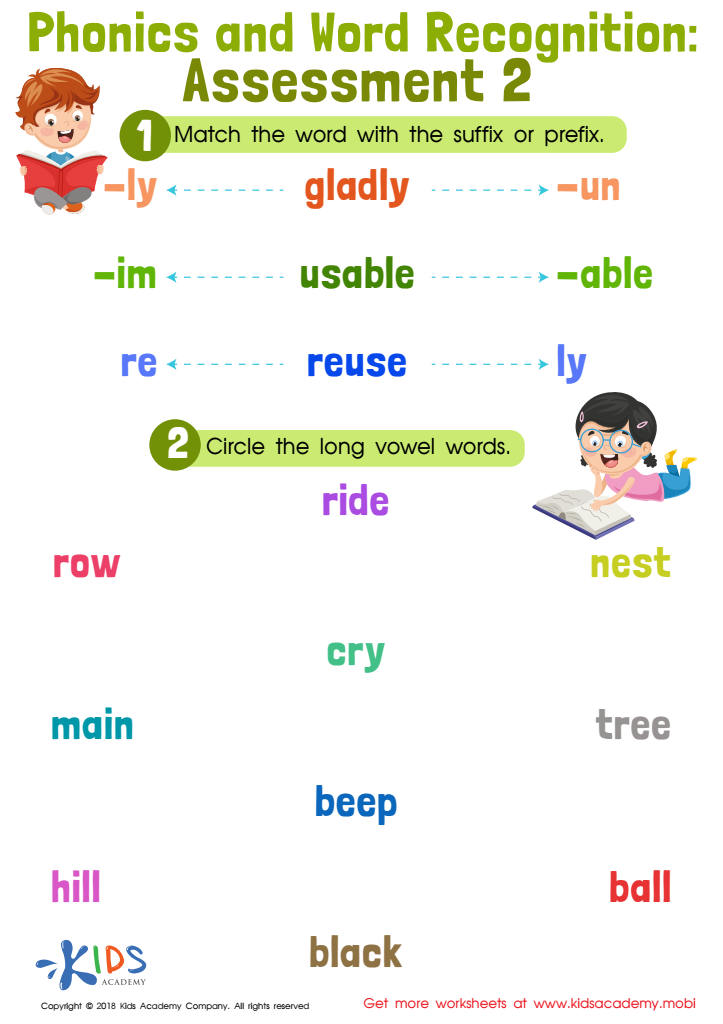
Phonics and Word Recognition: Assessment 2
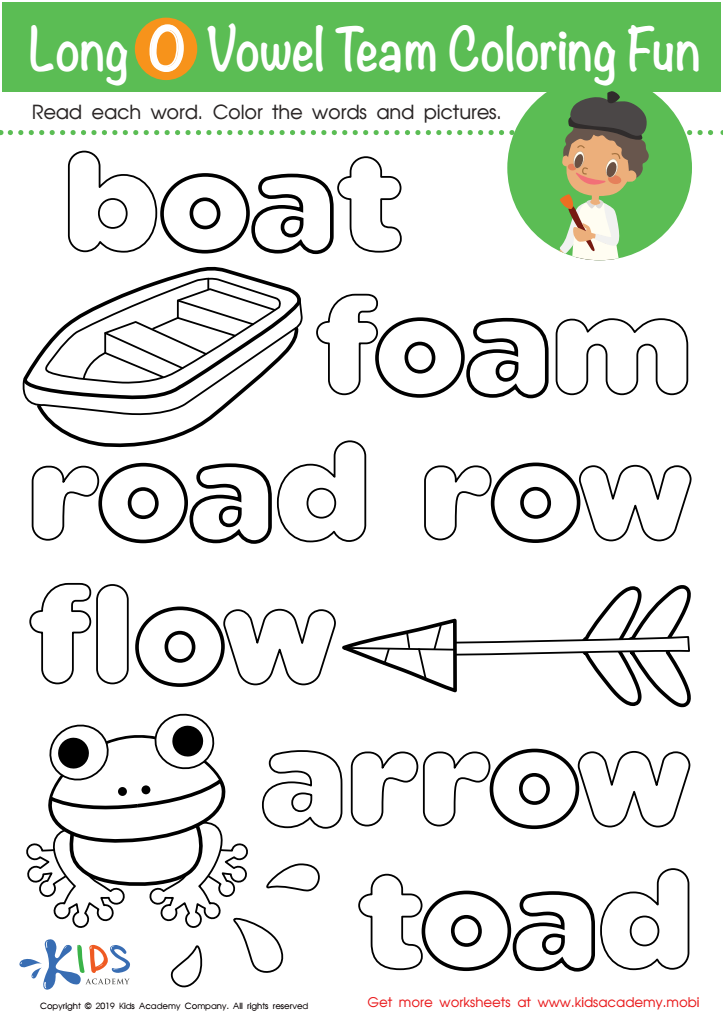
Long O Vowel Team Coloring Worksheet
Assign to My Students
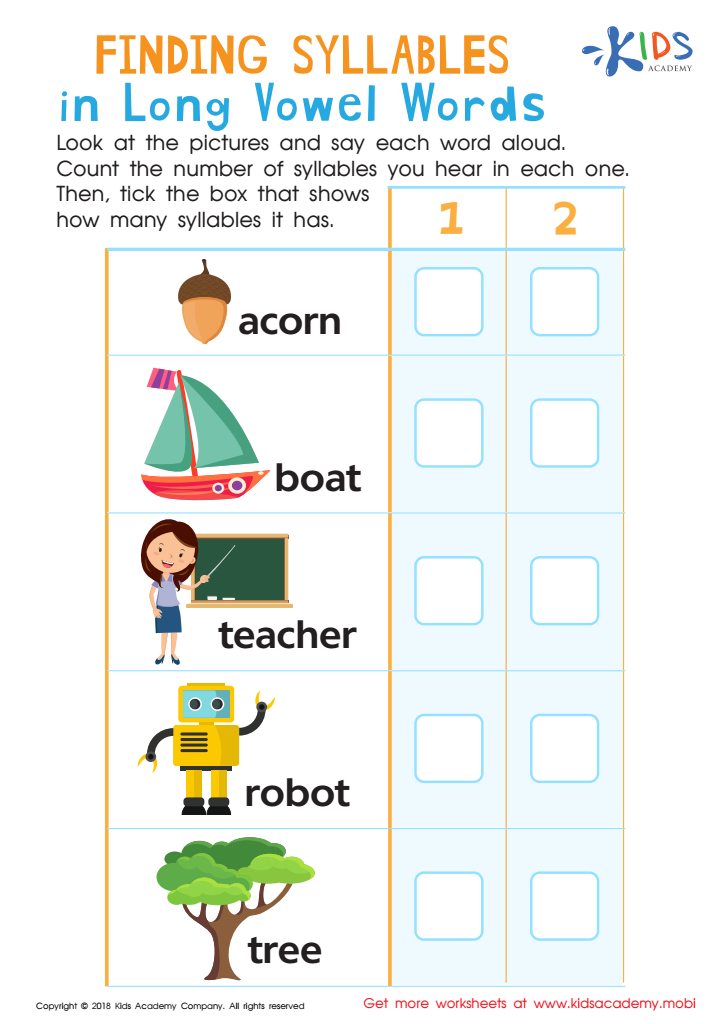
Finding Syllables in Long Vowel Words Worksheet
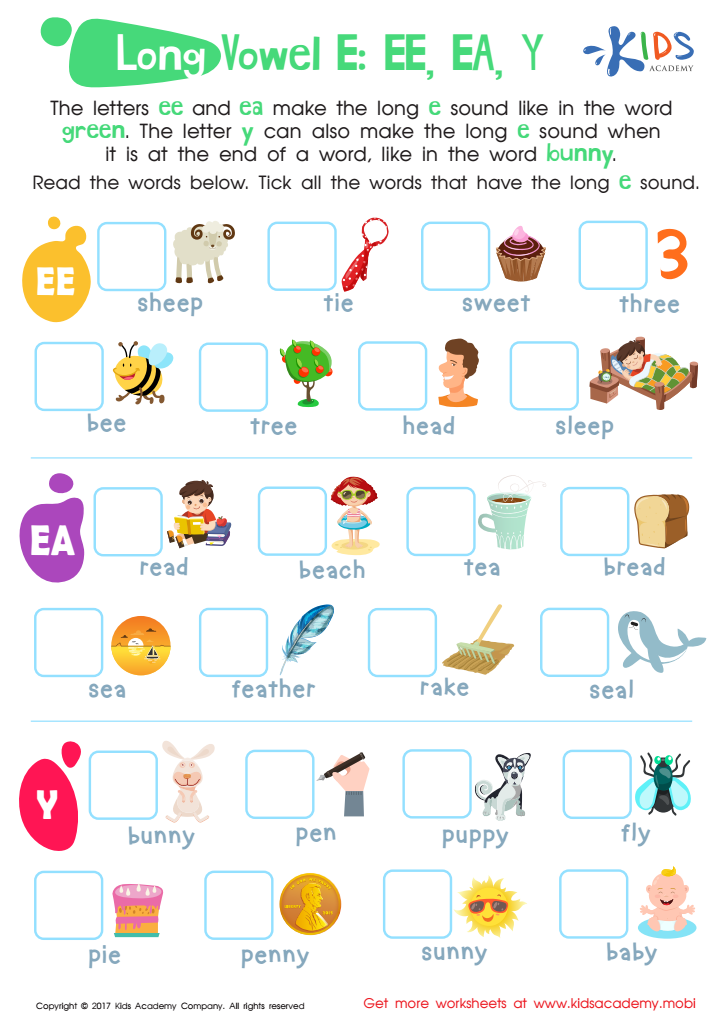
Long Vowel E Printable





Vowels are foundational components of language, critical for reading and writing skills in children aged 7-9. At this stage, children are advancing in their literacy and beginning to tackle more complex texts. Mastery of vowels helps them decode words, recognize patterns, and develop phonemic awareness—essential for fluent reading.
Understanding vowels also aids in spelling. Children learning vowel sounds can better predict how words are constructed, reducing frustrations with writing tasks. Given that many words in the English language are vowel-dependent, an emphasis on this area provides them with essential tools for literacy.
Additionally, exploring vowels can enhance vocabulary. When children learn to manipulate vowels, they discover how changing a vowel can alter a word’s meaning; for example, changing “cat” to “cot.” This exploration not only deepens their understanding but also fosters curiosity about language.
Moreover, engaging activities that focus on vowels can make learning enjoyable. Creative games, songs, or stories highlight their significance, turning what could be a daunting task into an interactive experience.
Ultimately, parents and teachers should prioritize vowels to ensure kids develop strong literacy skills, setting the stage for lifelong learning and communication success.







