Fine Motor Skills English for Beginners Worksheets for Ages 7-9 - Page 2
62 filtered results
-
From - To
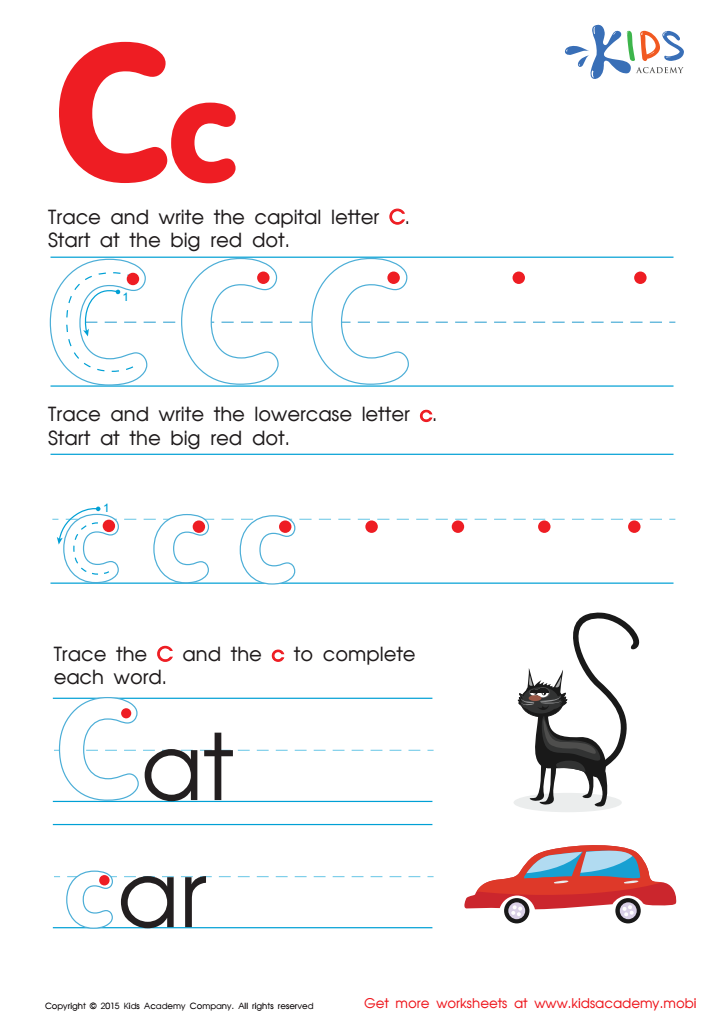
Letter C Tracing Page

Black and Brown Coloring Fun Worksheet
 Assign to My Students
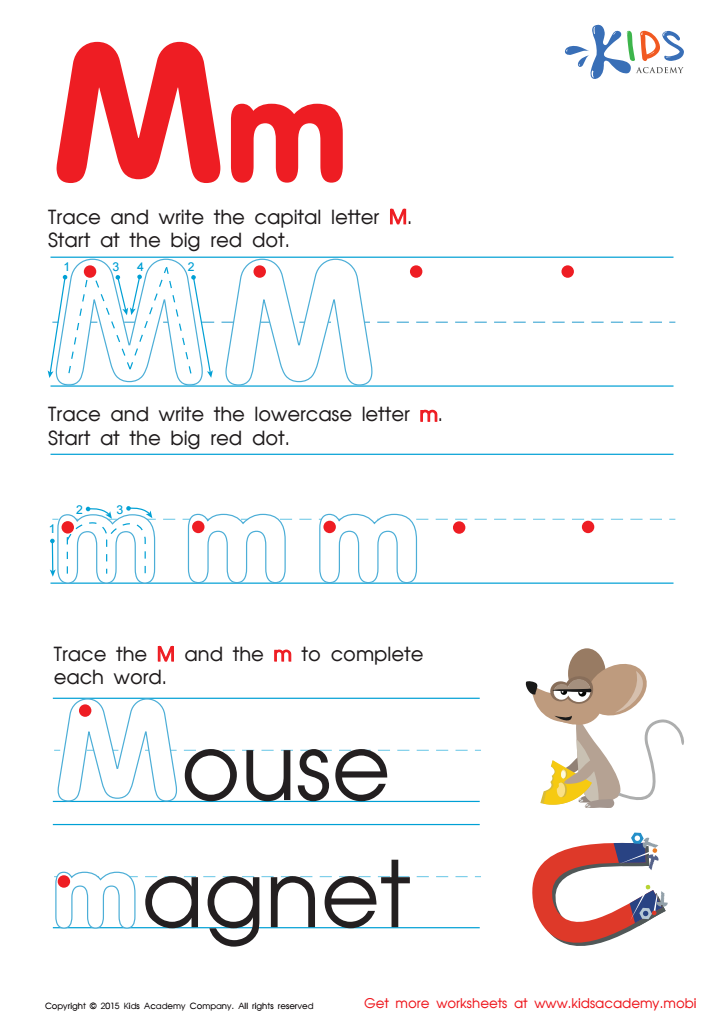
Letter M Tracing Page
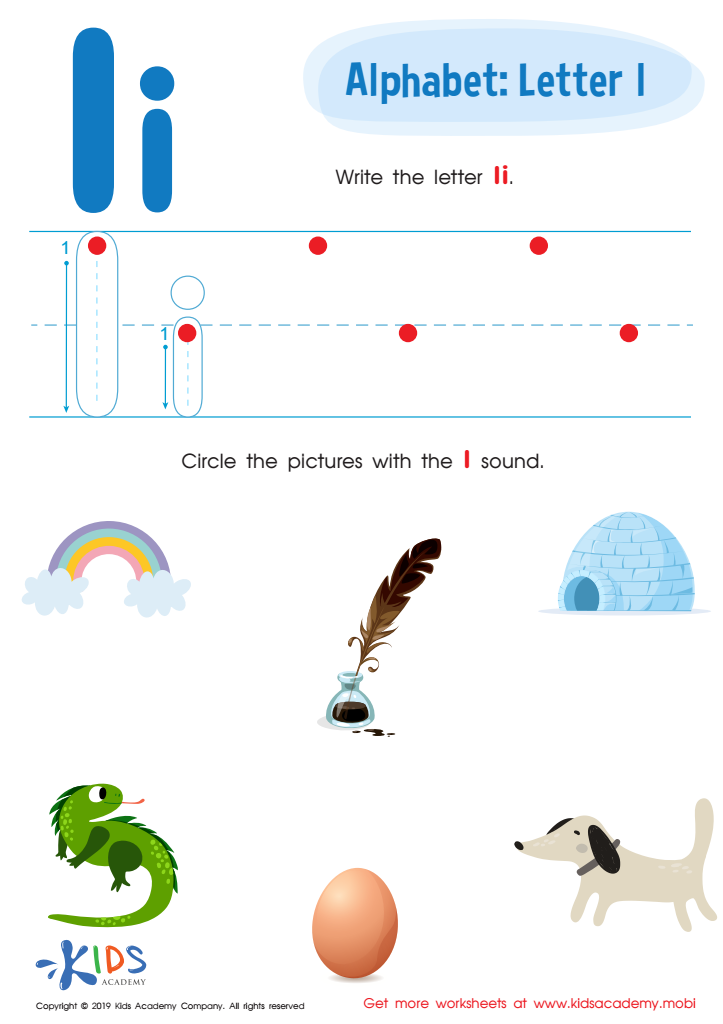
Letter I Tracing Worksheet

Letter G Tracing Page
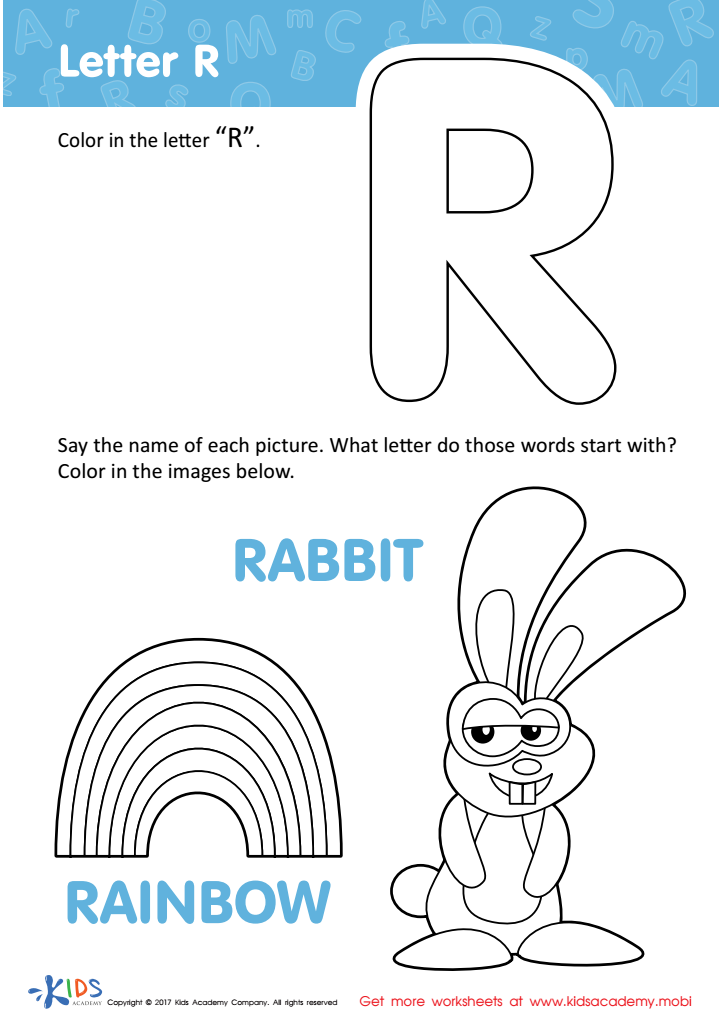
Letter R Coloring Sheet
Assign to My Students
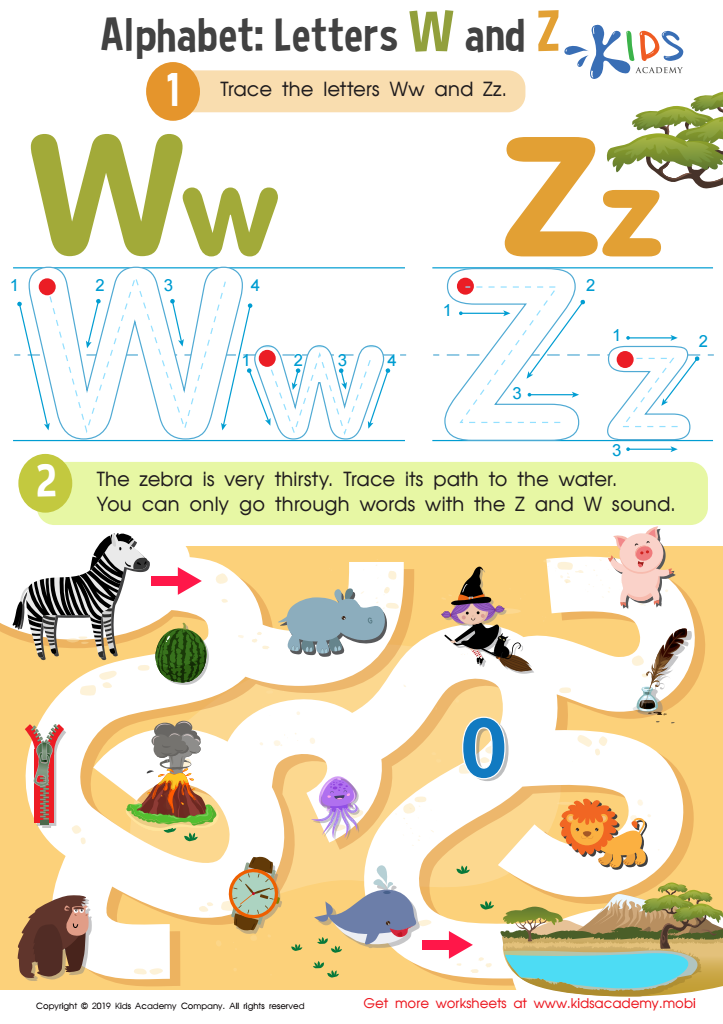
Letters W and Z Tracing Worksheet
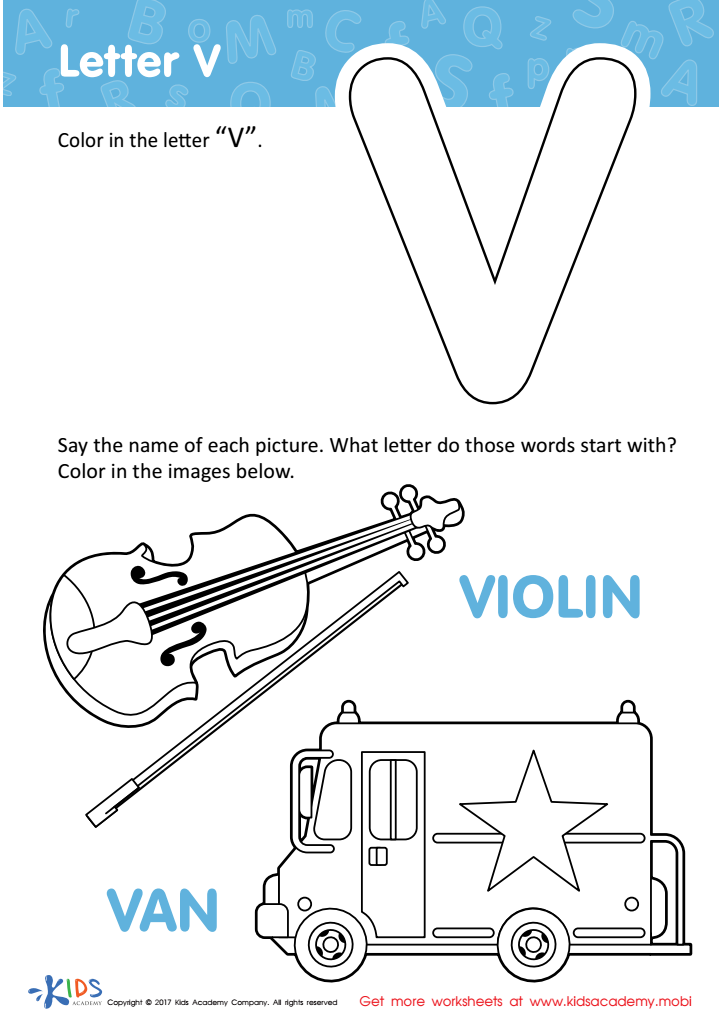
Letter V Coloring Sheet
Assign to My Students
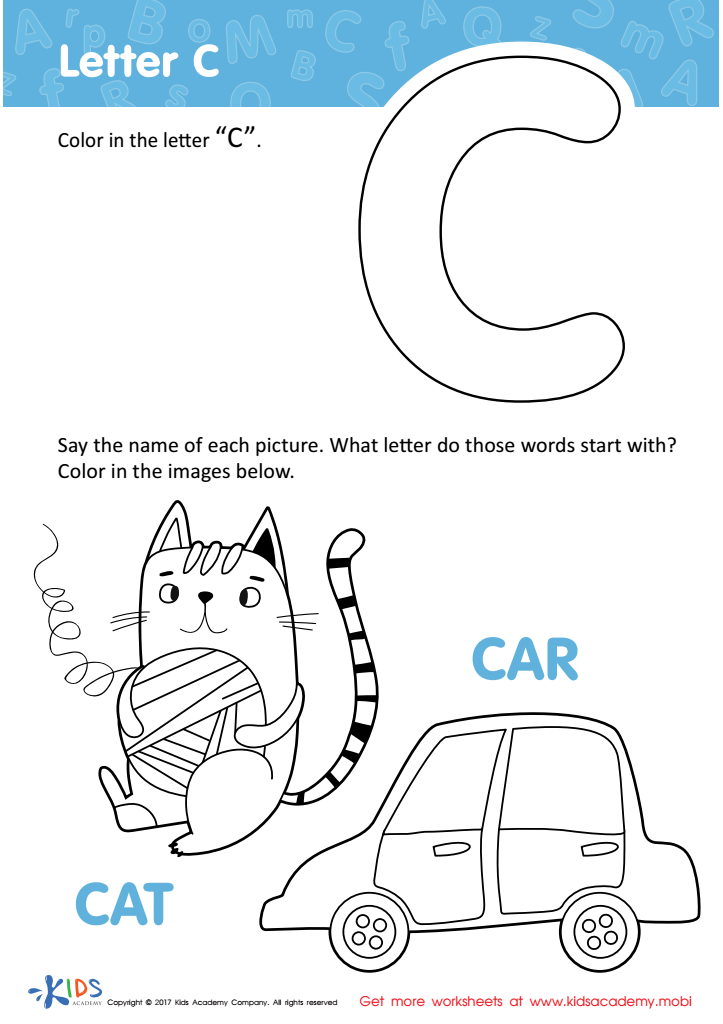
Letter C Coloring Sheet
Assign to My Students
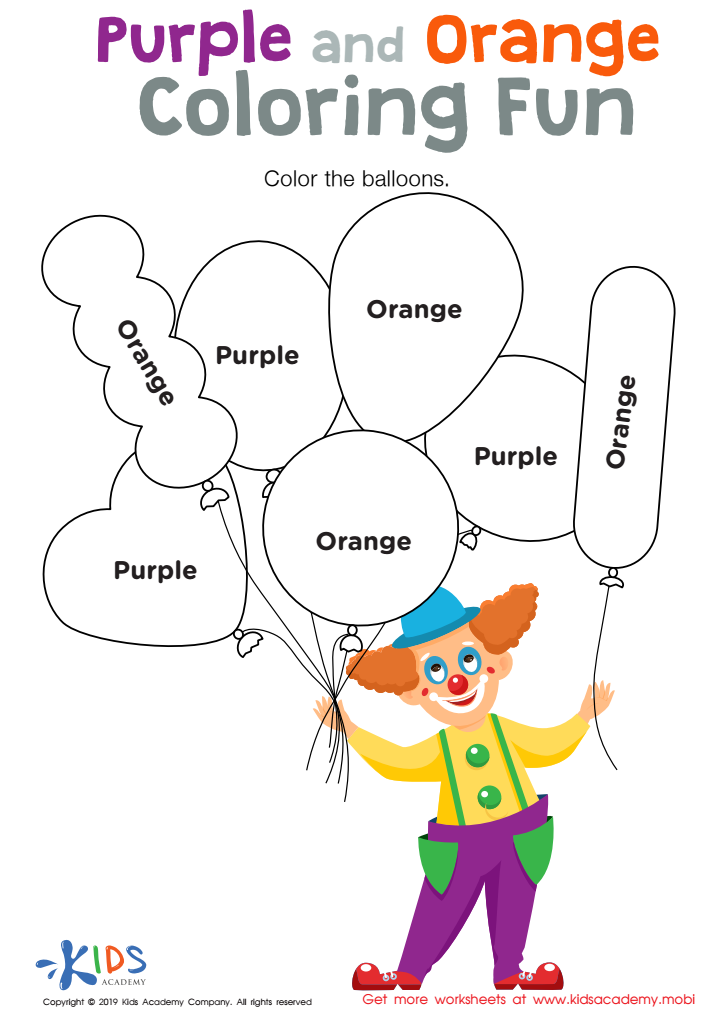
Purple and Orange Coloring Fun Worksheet
Assign to My Students
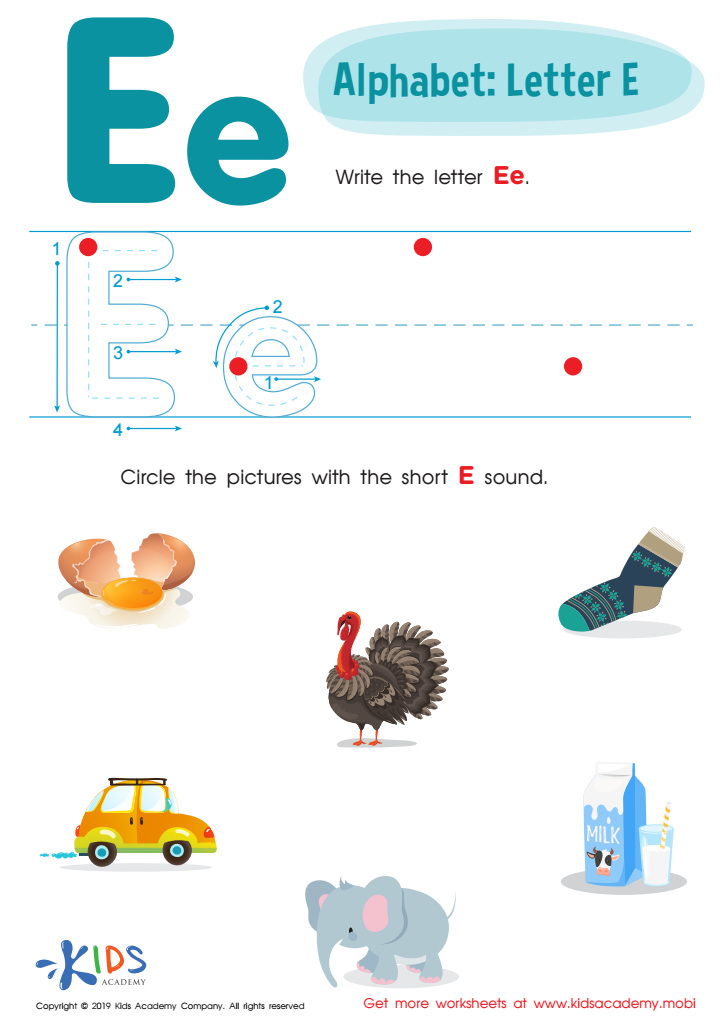
Letter E Tracing Worksheet
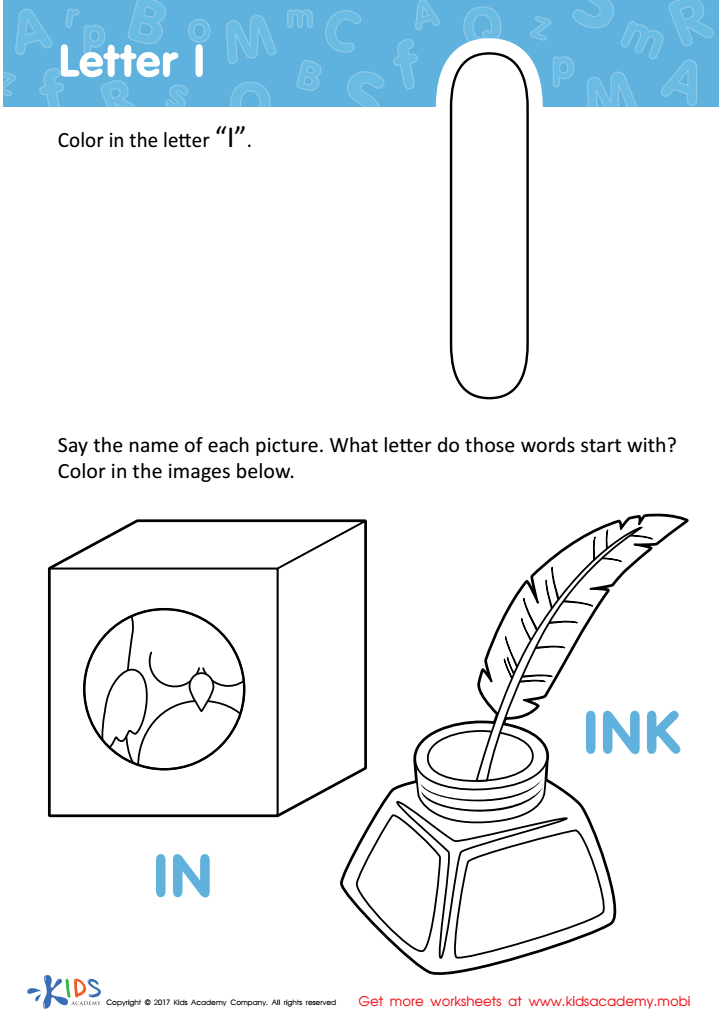
Letter I Coloring Sheet
Assign to My Students
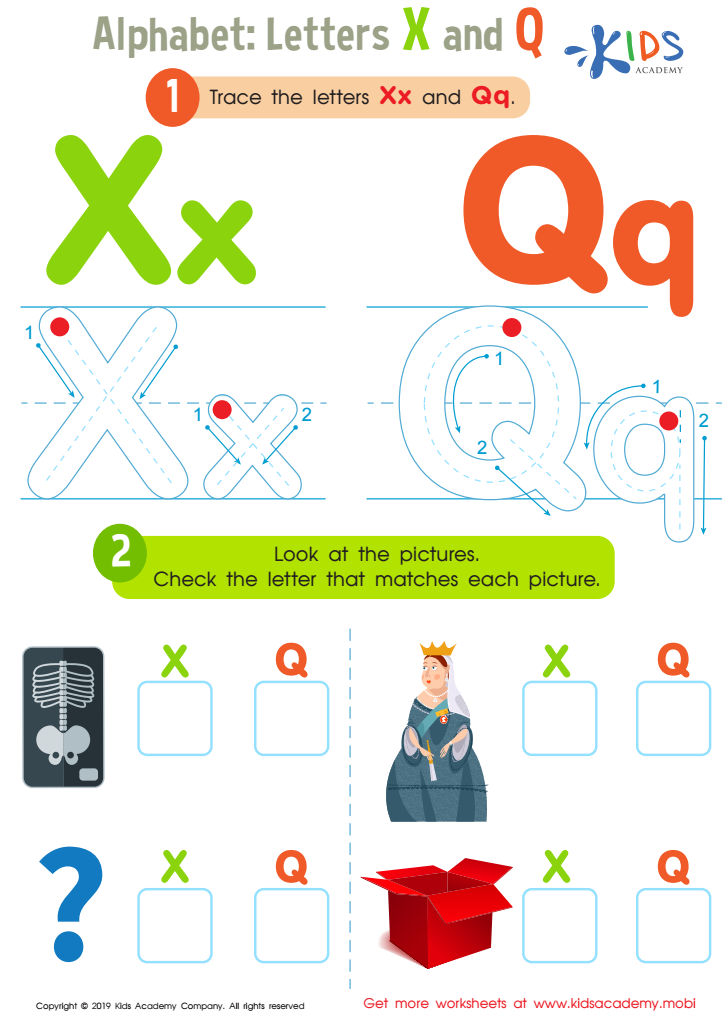
Letters X and Q Tracing Worksheet

Long and Short U Worksheet
Assign to My Students
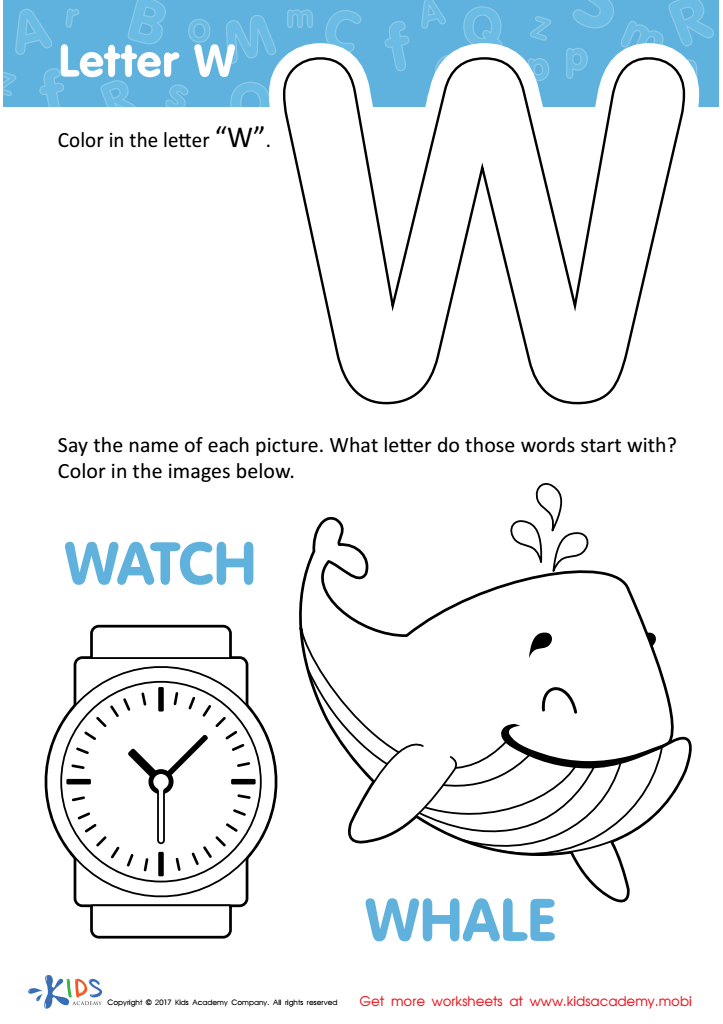
Letter W Coloring Sheet
Assign to My Students
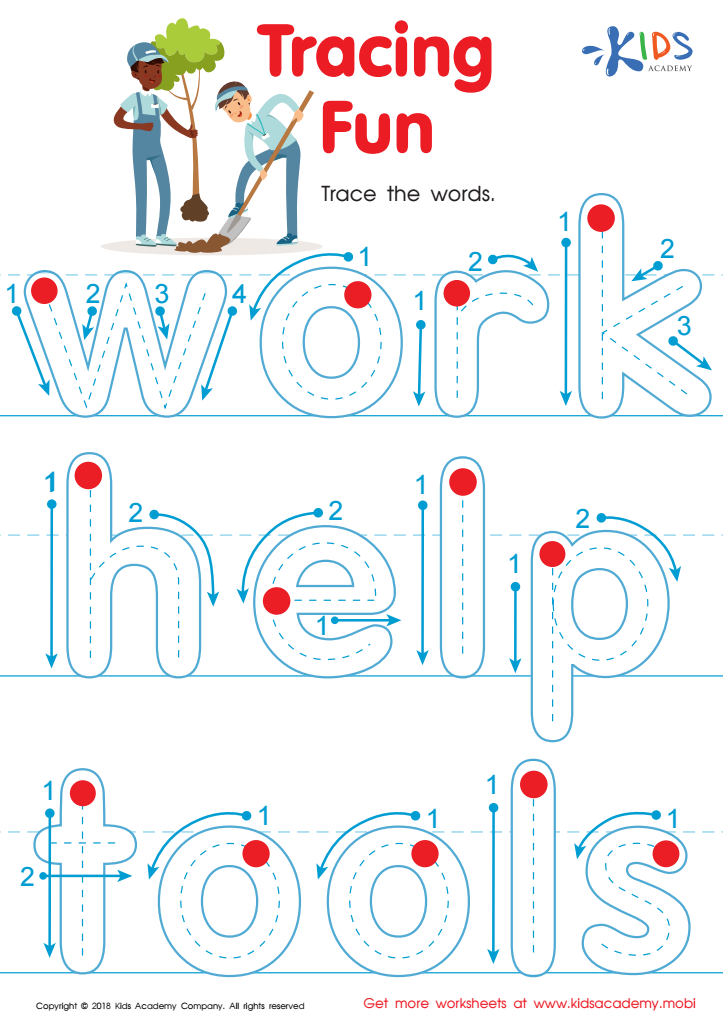
Tracing Fun Worksheet
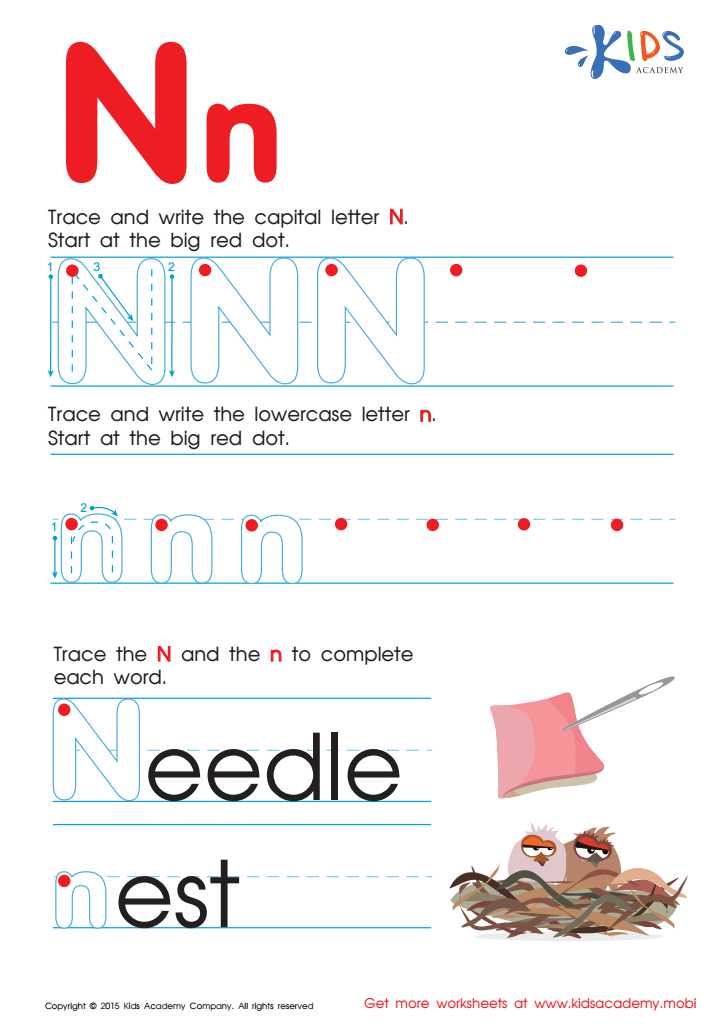
Letter N Tracing Page
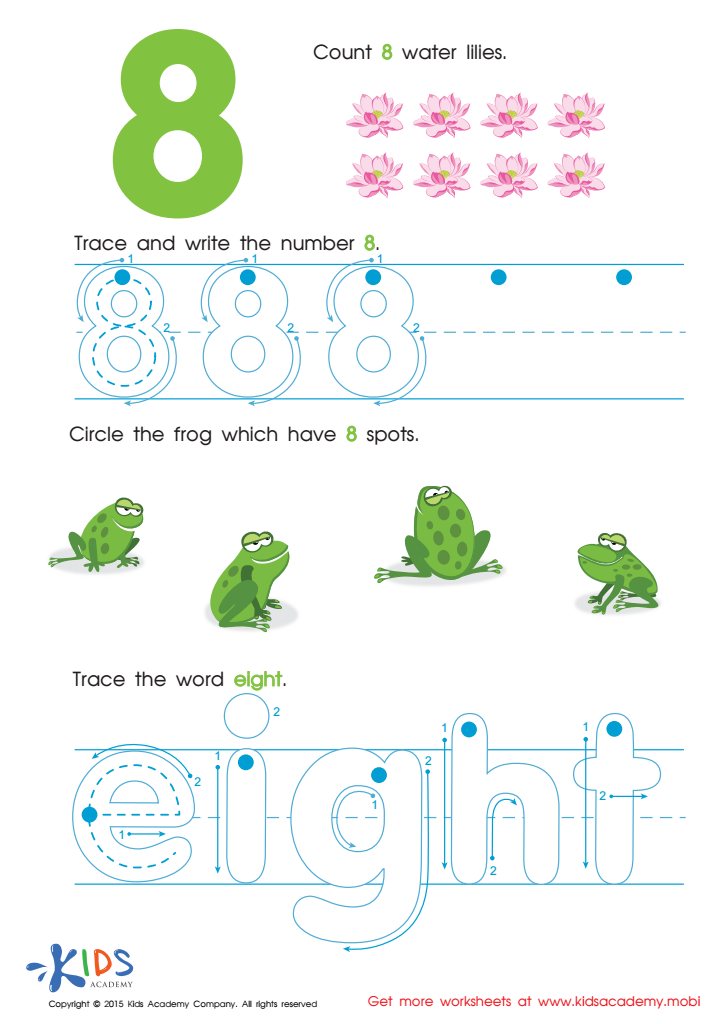
Learn Number 8 Easily Worksheet
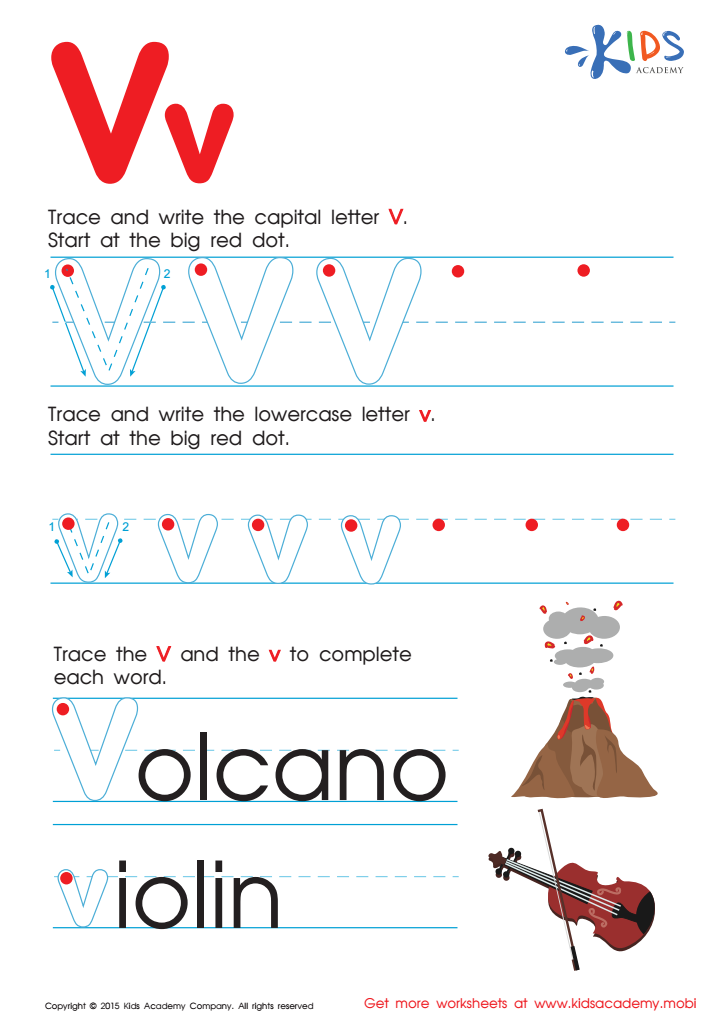
Letter V Tracing Page
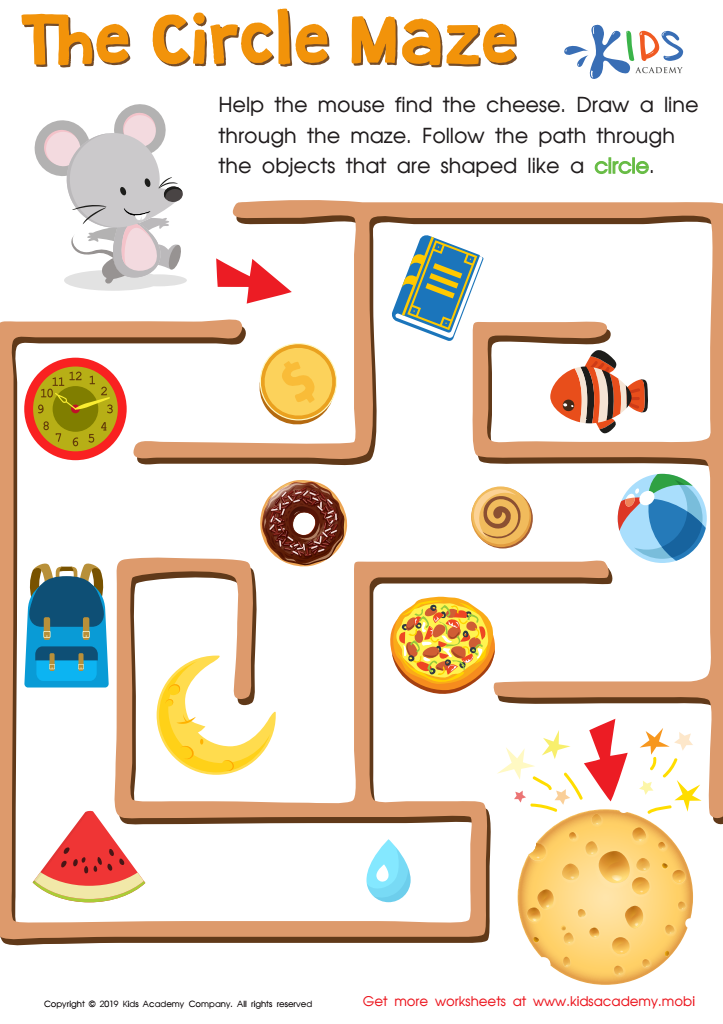
The Circle Maze Worksheet
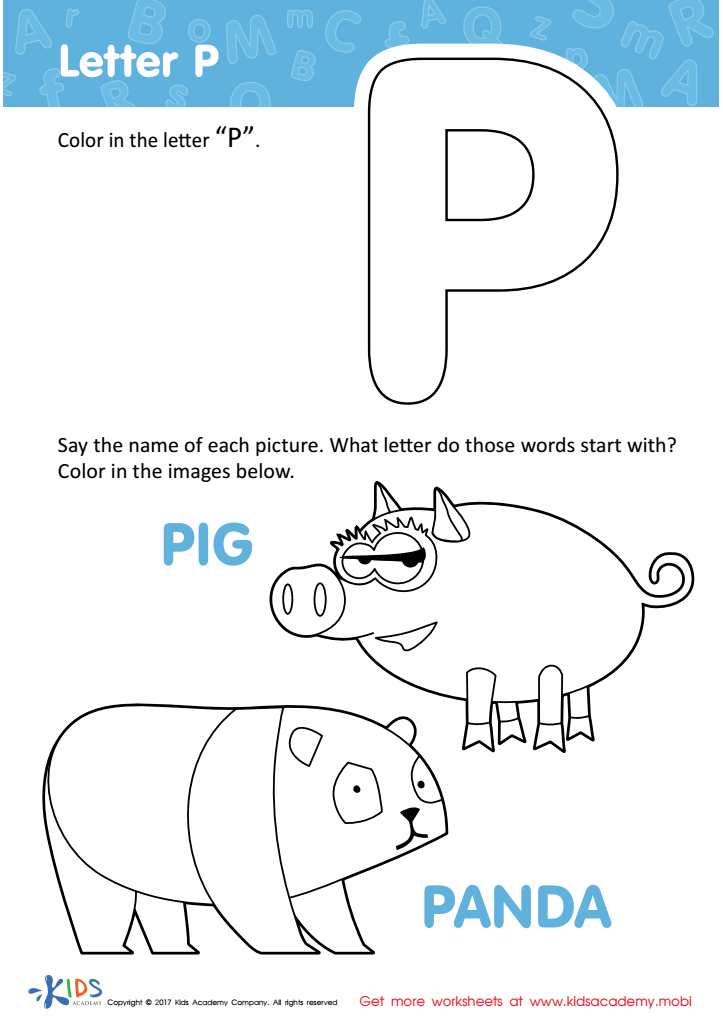
Letter P Coloring Sheet
Assign to My Students
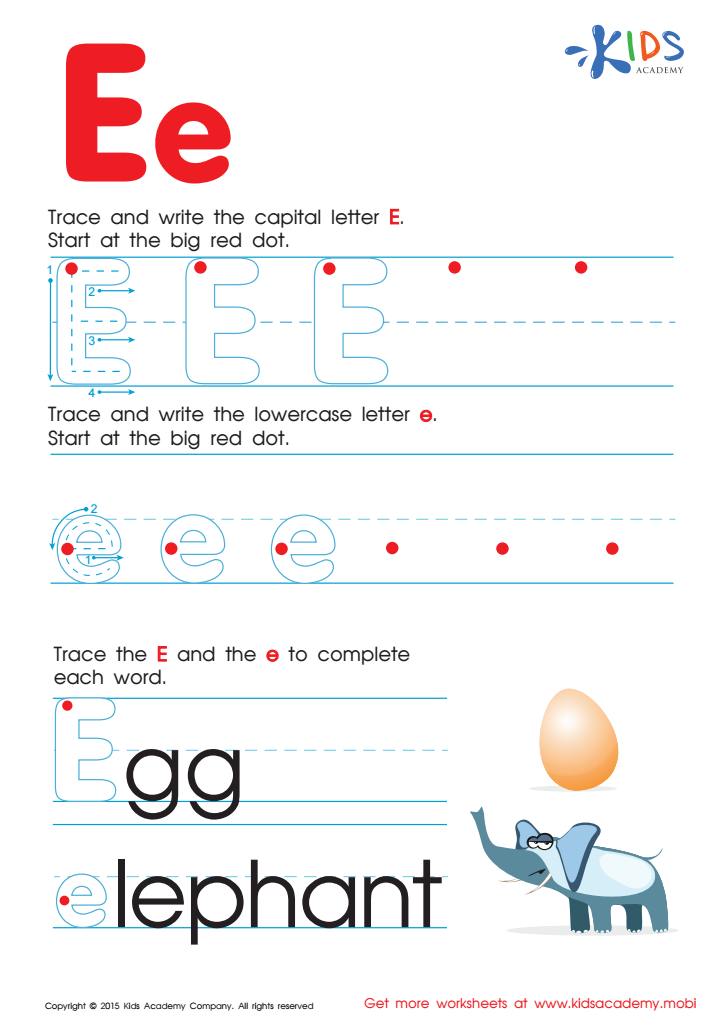
Letter E Tracing Page
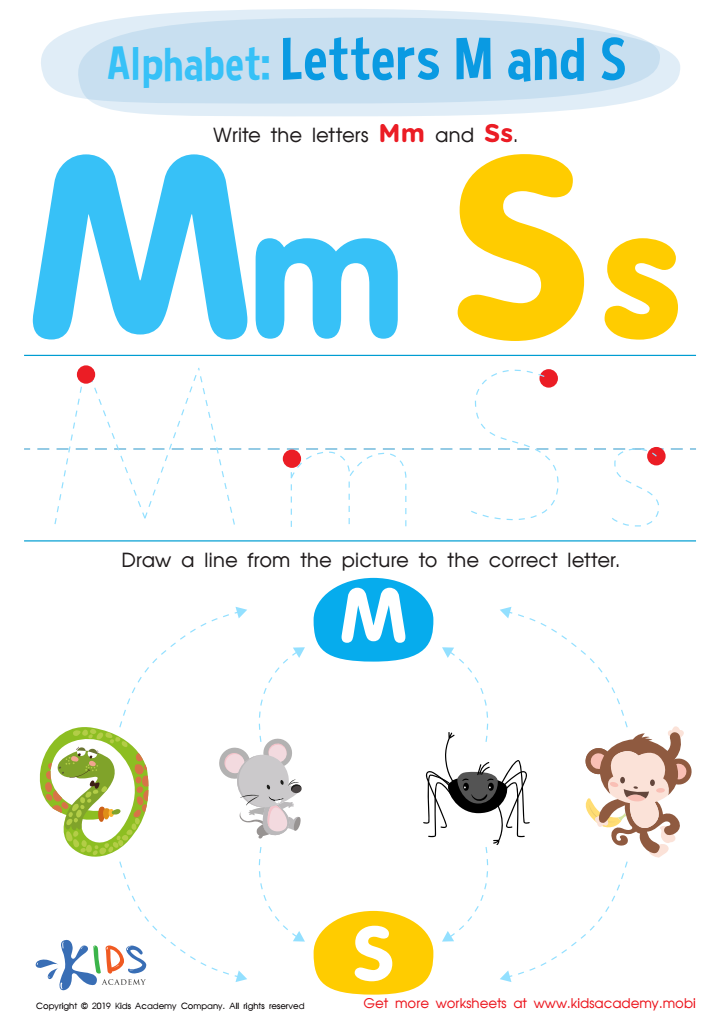
Letters M and S Tracing Worksheet
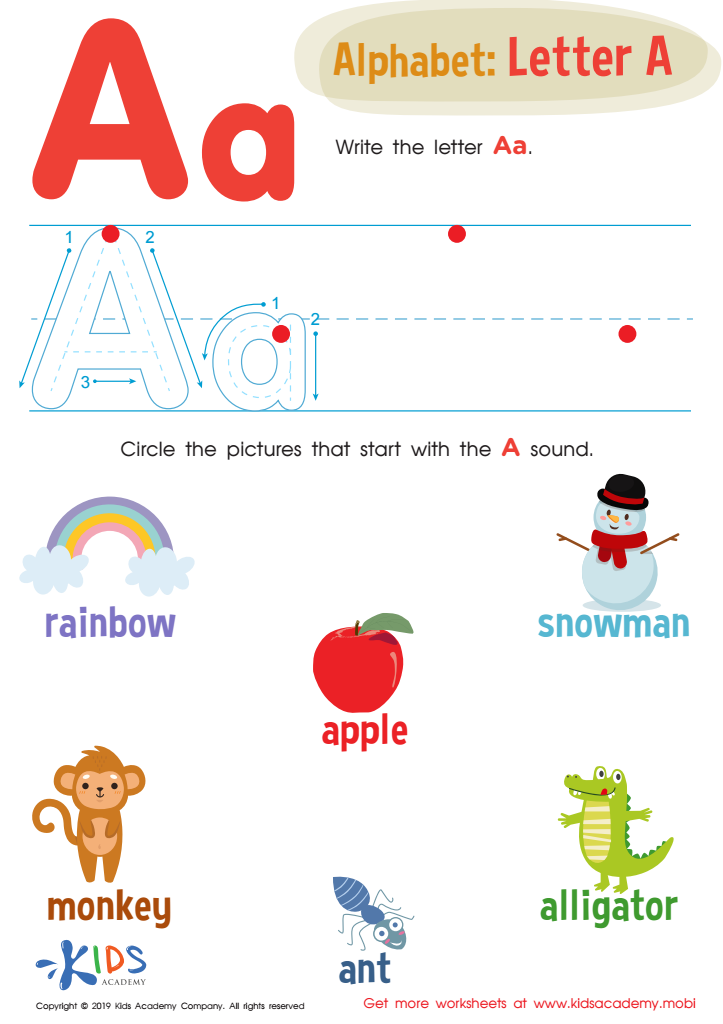
Letter A Tracing Worksheet





Fine motor skills are essential for children aged 7-9 as they form the foundation for various academic and daily life activities. During this stage, children are refining their abilities to use small muscles in their hands and fingers, which is crucial for tasks such as writing, drawing, and manipulating small objects. Strong fine motor skills enhance a child's ability to learn language and literacy, as writing letters and words becomes smoother and more legible.
Parents and teachers should prioritize fine motor skills in English for beginners because these abilities positively impact confidence and independence in young learners. Children who master fine motor skills are more likely to participate actively in classroom activities, leading to increased engagement and enthusiasm. Moreover, these skills support cognitive development by involving problem-solving and critical thinking as they build, create, and explore.
By fostering fine motor skills through fun and interactive activities—such as crafts, puzzles, or engaging writing exercises—adults can help children develop the dexterity needed for academic success. Ultimately, nurturing these abilities contributes to a child's overall growth, ensuring they feel capable and ready to explore the world around them as they learn English. Investing time in fine motor skill development shows commitment to a child's future success.