Addition Practice Reading Worksheets for Ages 7-9
5 filtered results
-
From - To
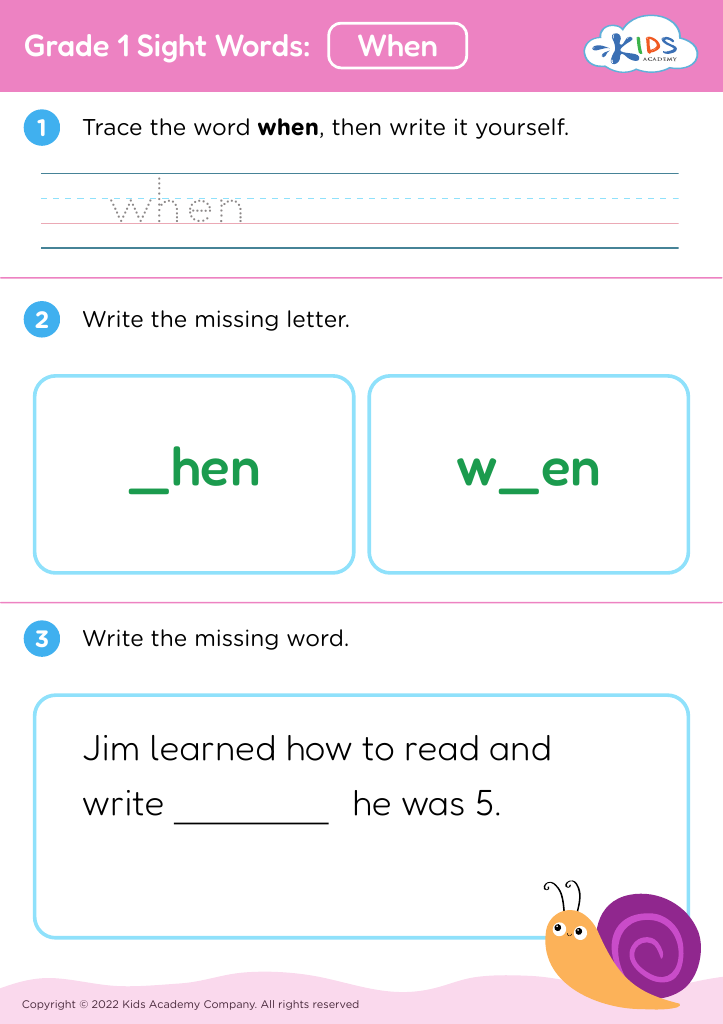
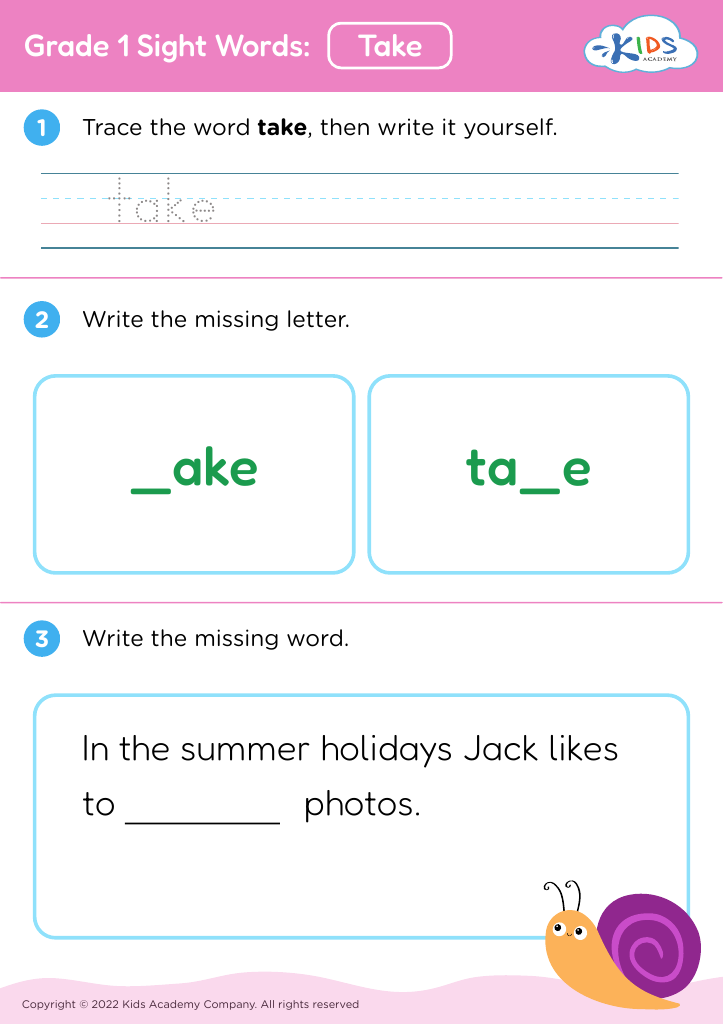
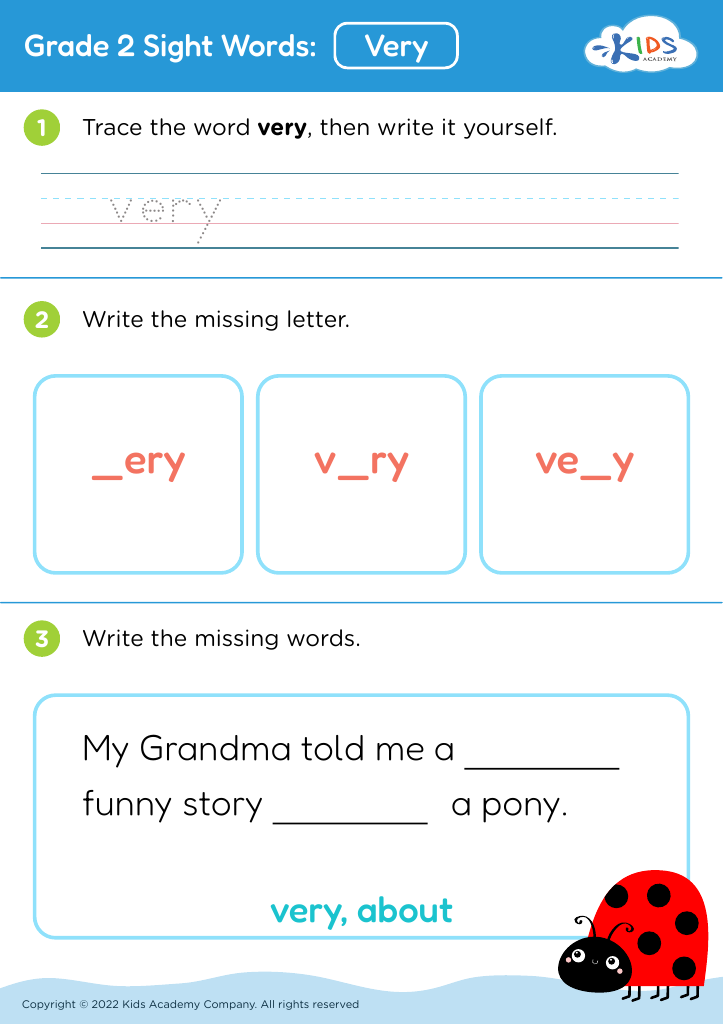
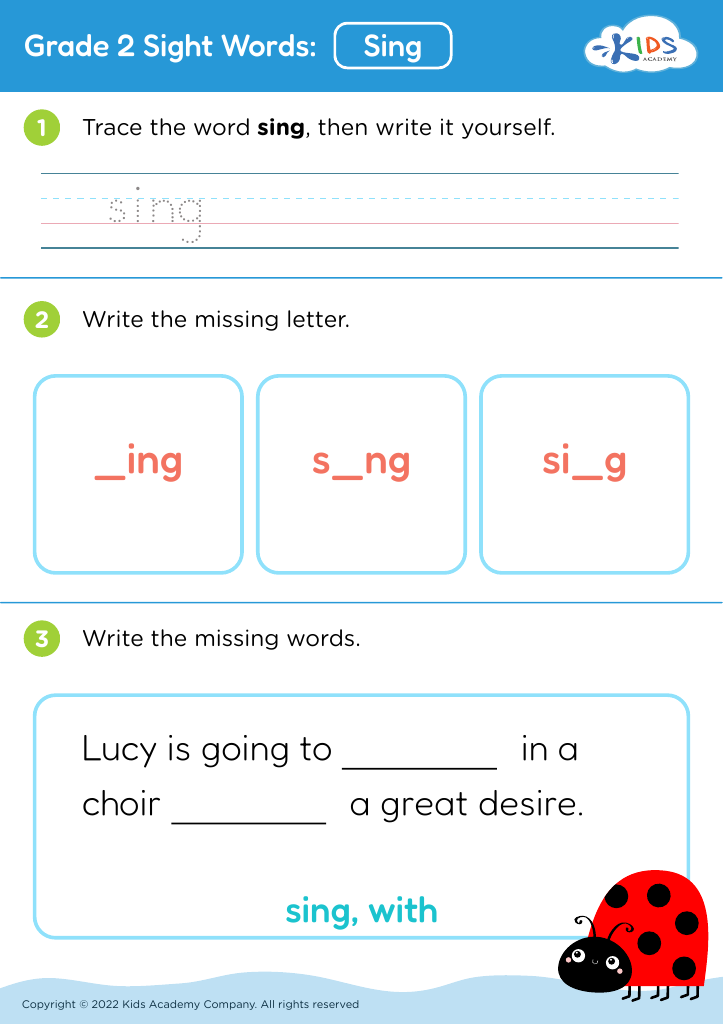
Discover our engaging Addition Practice Reading Worksheets, designed specifically for children ages 7 to 9! These worksheets seamlessly blend reading and math skills, offering young learners the opportunity to enhance their addition comprehension through fun and relatable stories. Ideal for classroom use or at-home enrichment, each worksheet fosters critical thinking, supports literacy, and reinforces numerical concepts in a creative way. With colorful illustrations and interactive exercises, kids will enjoy practicing their addition skills while boosting their reading fluency. Perfect for early grade teachers and parents alike, these resources make learning enjoyable and effective. Start your child's journey to mastery today!





.jpg)


Parents and teachers should prioritize addition practice reading for children aged 7-9 because this age group plays a critical role in establishing foundational mathematical skills. At this stage, children are typically enhancing their fluency in addition concepts, which are essential for their future success in more complex math subjects. By integrating reading with addition practice, children not only strengthen their math skills but also improve their comprehension and critical thinking abilities.
Moreover, addition practice reading simplifies learning by contextualizing mathematical concepts within stories or contexts that spark interest and engagement. This approach makes abstract math concepts more relatable, allowing children to grasp them more effectively. It also fosters a love for reading, promoting literacy alongside numeracy.
Additionally, reinforcement of these skills at this age helps prepare children for standardized testing and promotes confidence in their abilities. Finally, encouraging parents and teachers to work together in this practice can strengthen home-school connections, creating a unified support system tailored to the child's learning needs. This collaborative effort enriches the child's educational journey, ensuring they build a solid foundation for future academic challenges.








