Reading comprehension Life Science Worksheets for Ages 7-9
12 filtered results
-
From - To
Discover our engaging Reading Comprehension Life Science Worksheets tailored for children ages 7-9! These worksheets blend essential life science concepts with reading skills, encouraging young learners to explore topics like ecosystems, plants, animals, and human biology while enhancing their comprehension abilities. Each worksheet features fun activities and thought-provoking questions designed to boost critical thinking and foster a love for science. Perfect for classroom use or homeschooling, our resources are aligned with educational standards to ensure a fruitful learning experience. Empower your child with knowledge and critical analysis skills, making science both fun and informative through our captivating worksheets!
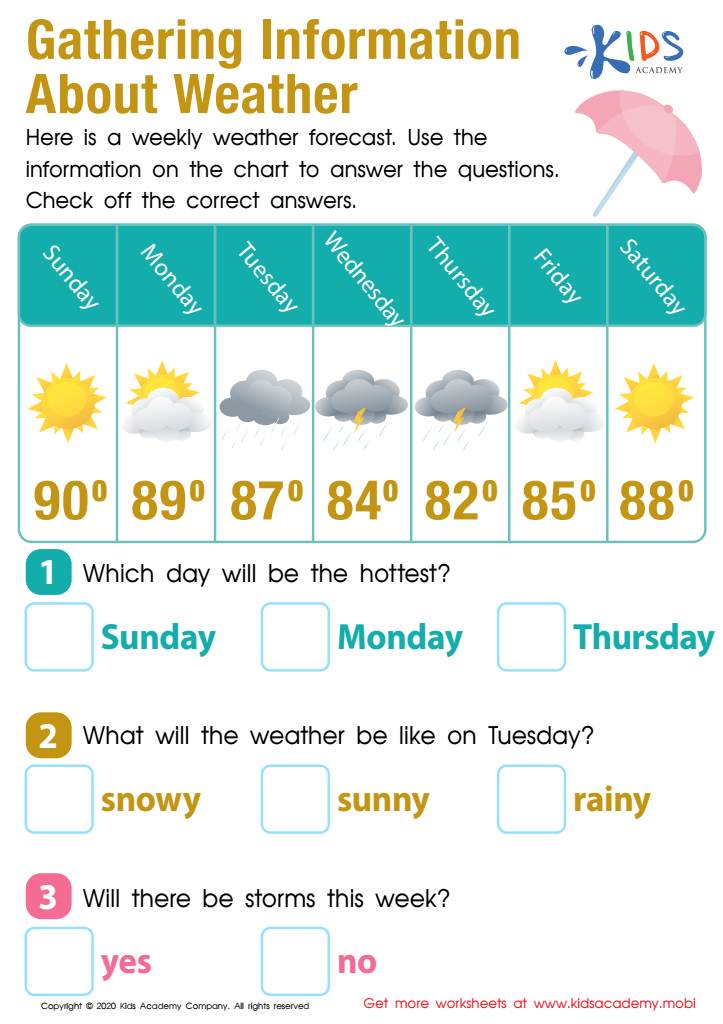
Gathering Information About the Weather Worksheet
 Assign to My Students
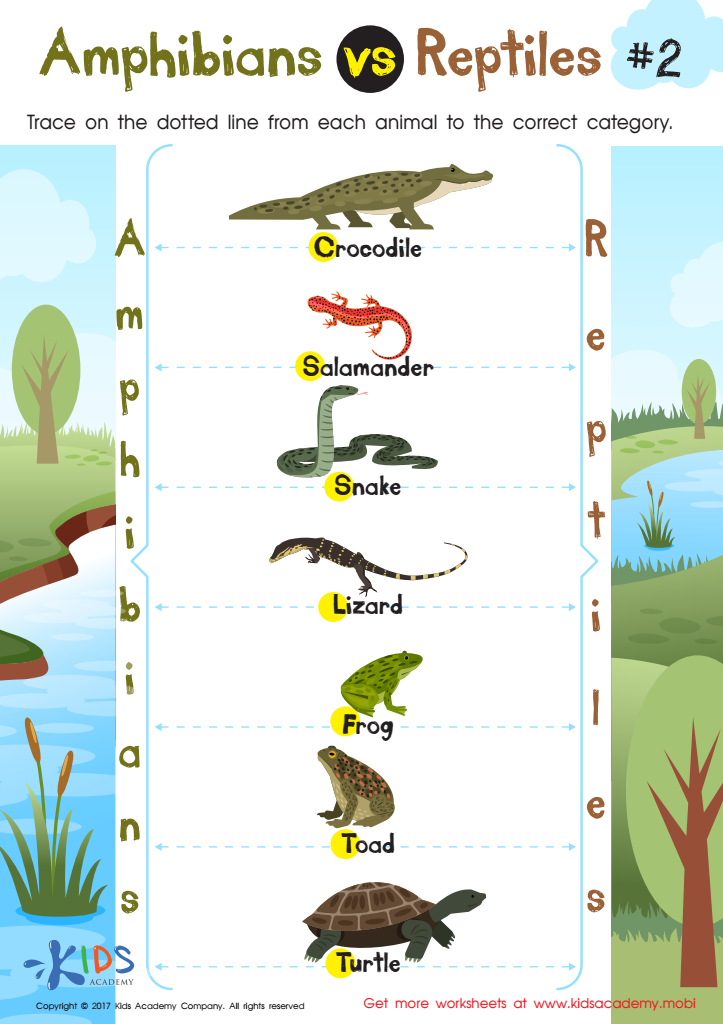
Amphibians vs Reptiles Worksheet for 3rd Grade
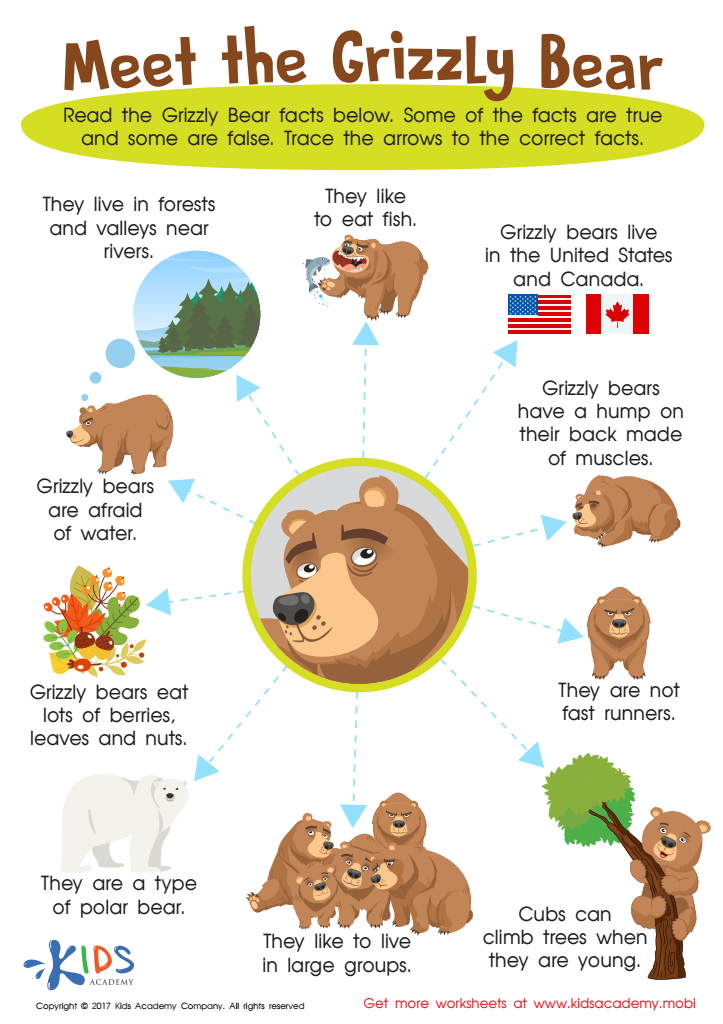
Grizzly Bear Facts Worksheet
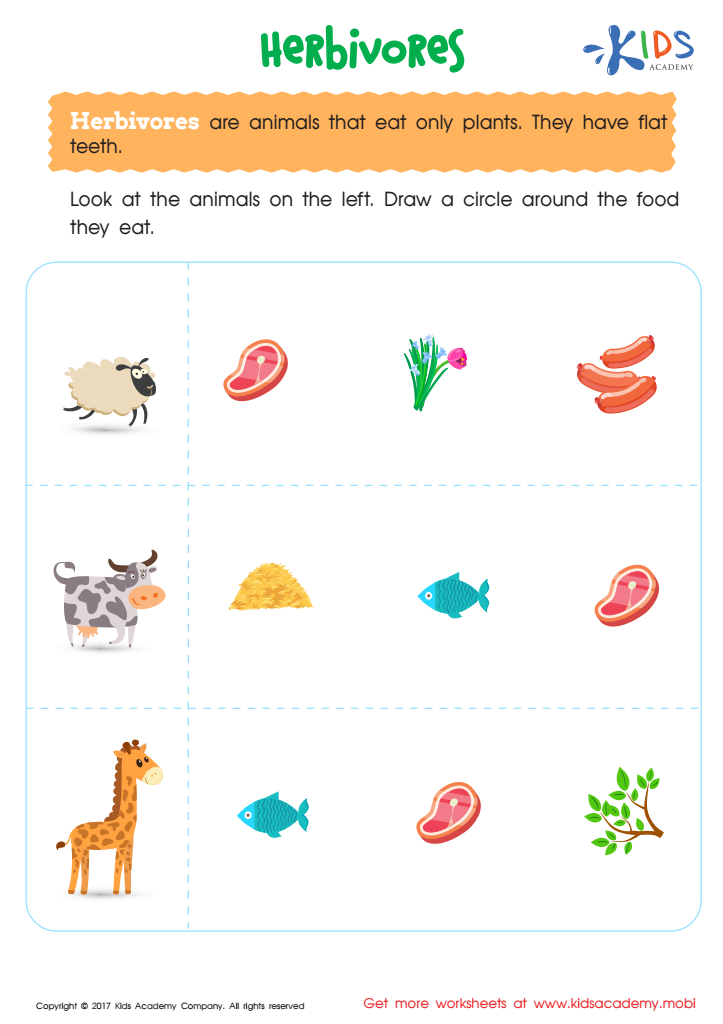
Herbivores Printable
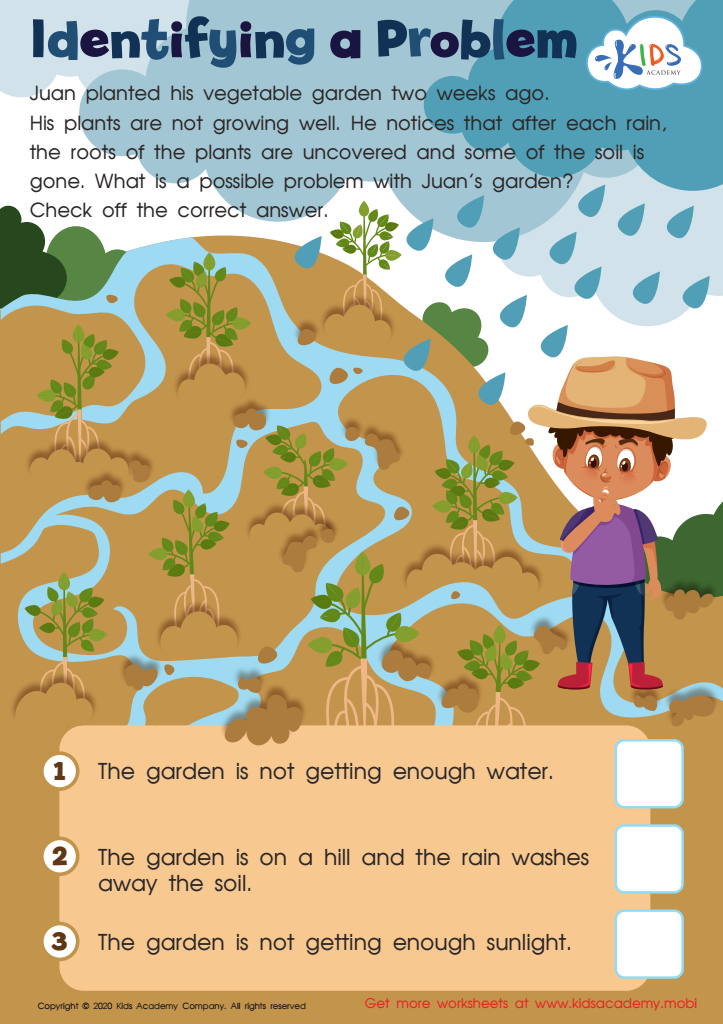
Identifying a Problem Worksheet
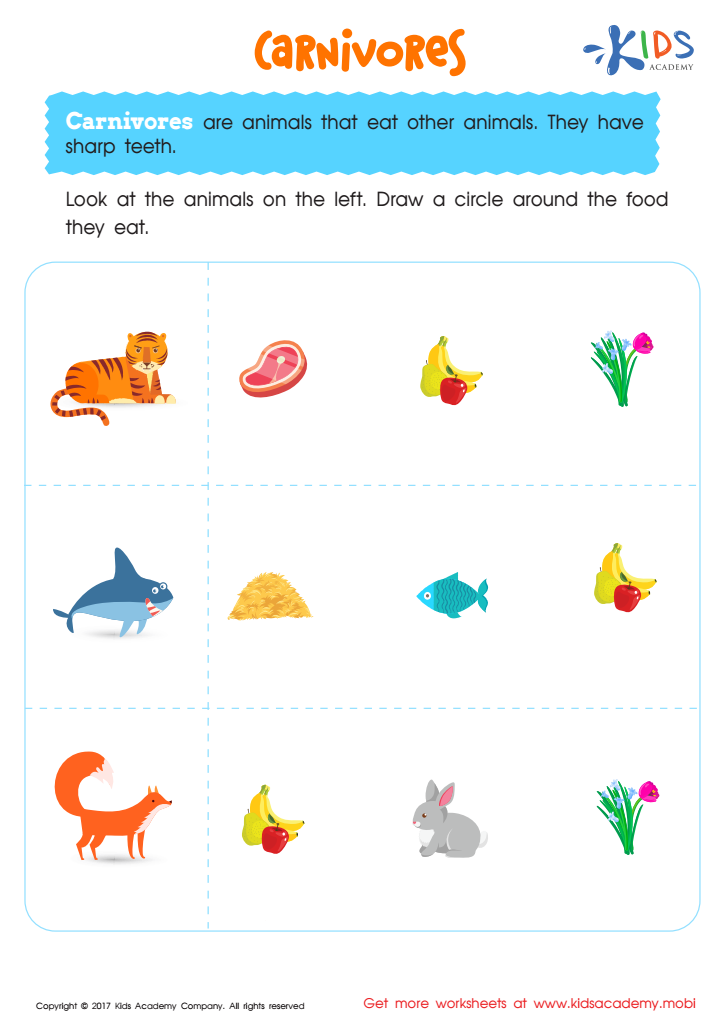
Carnivores Worksheet
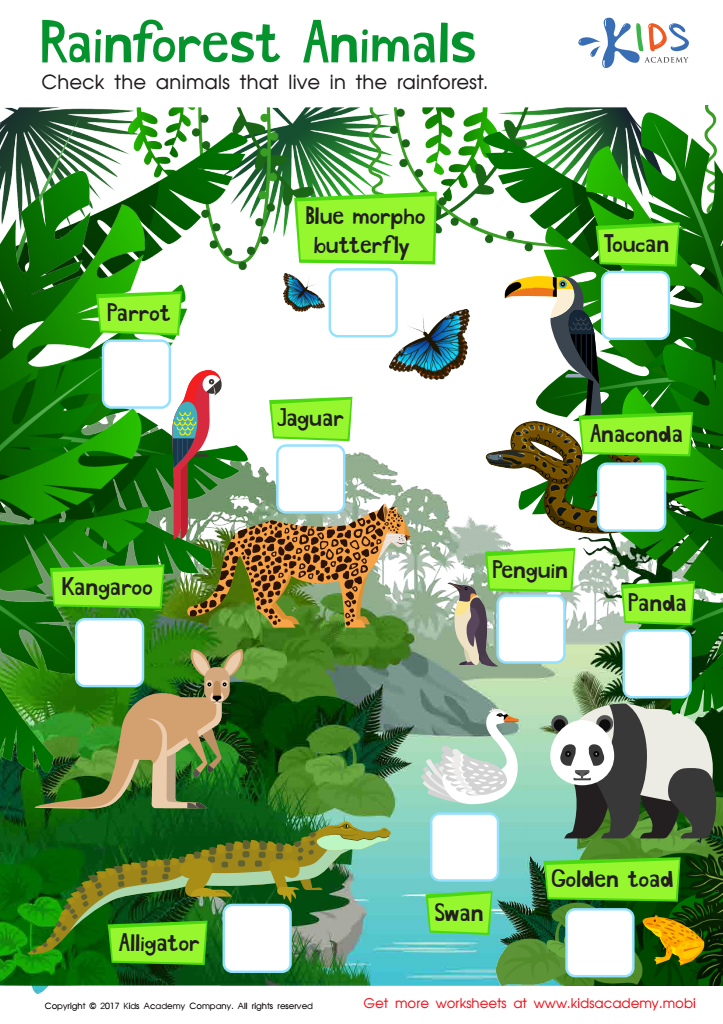
Rainforest Animals Worksheet
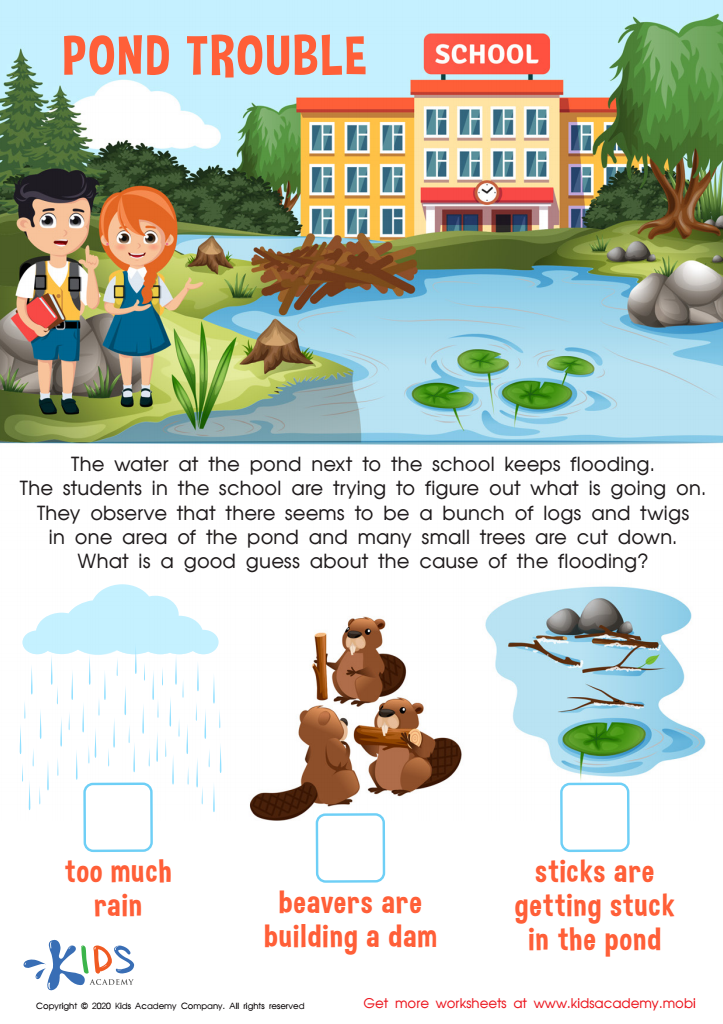
Pond Trouble Worksheet
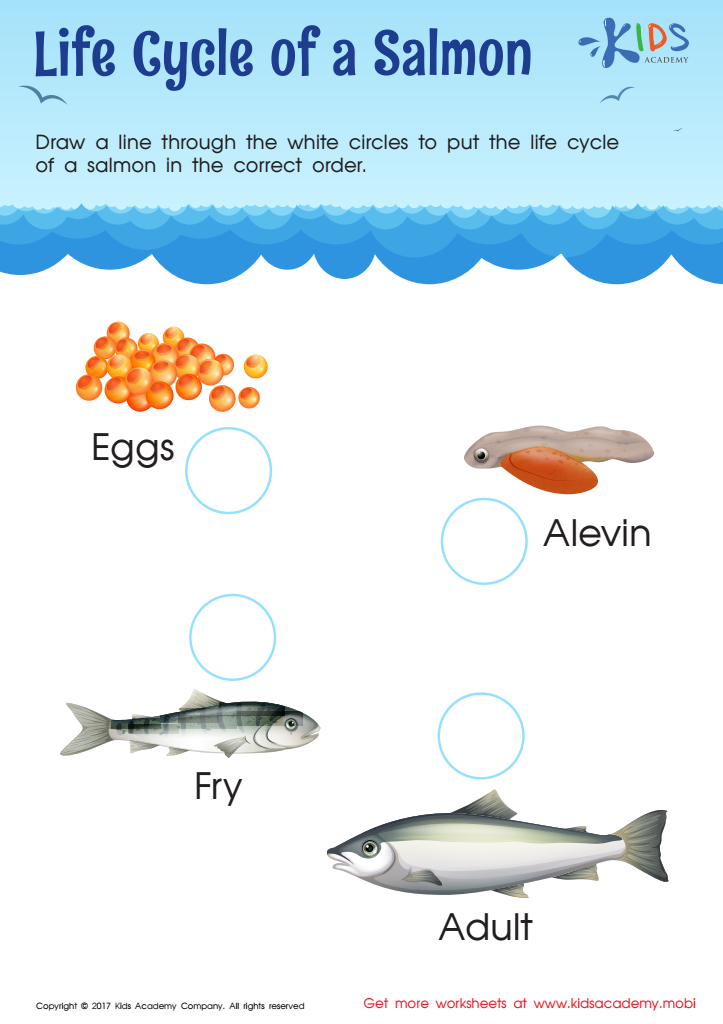
Cycle Of Salmon Worksheet
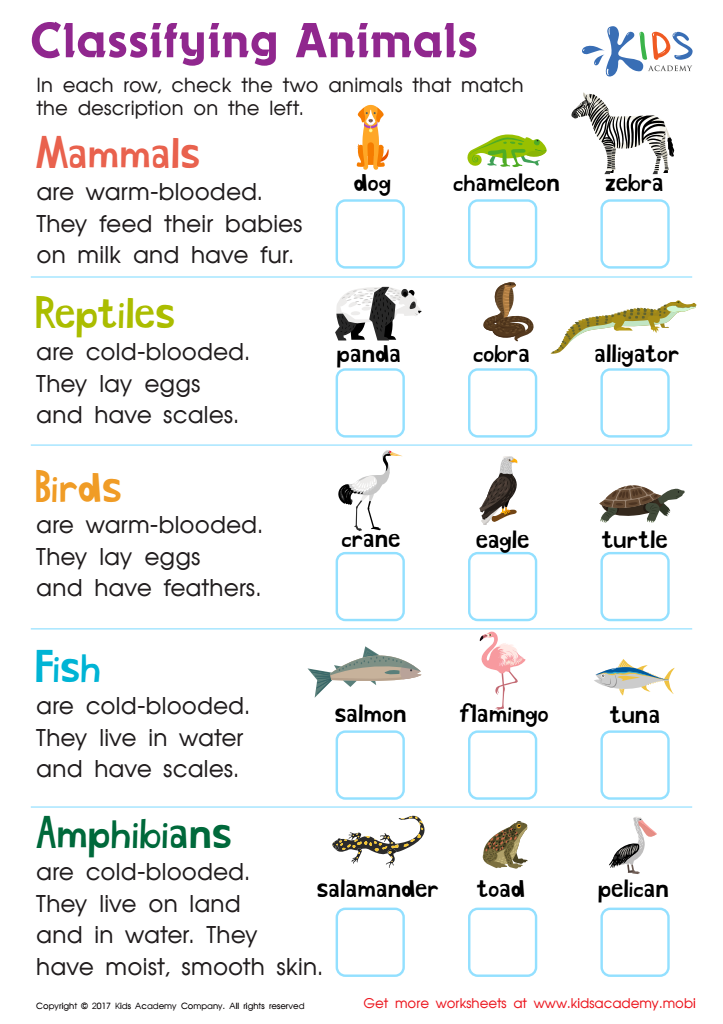
Classifying Animals Worksheet
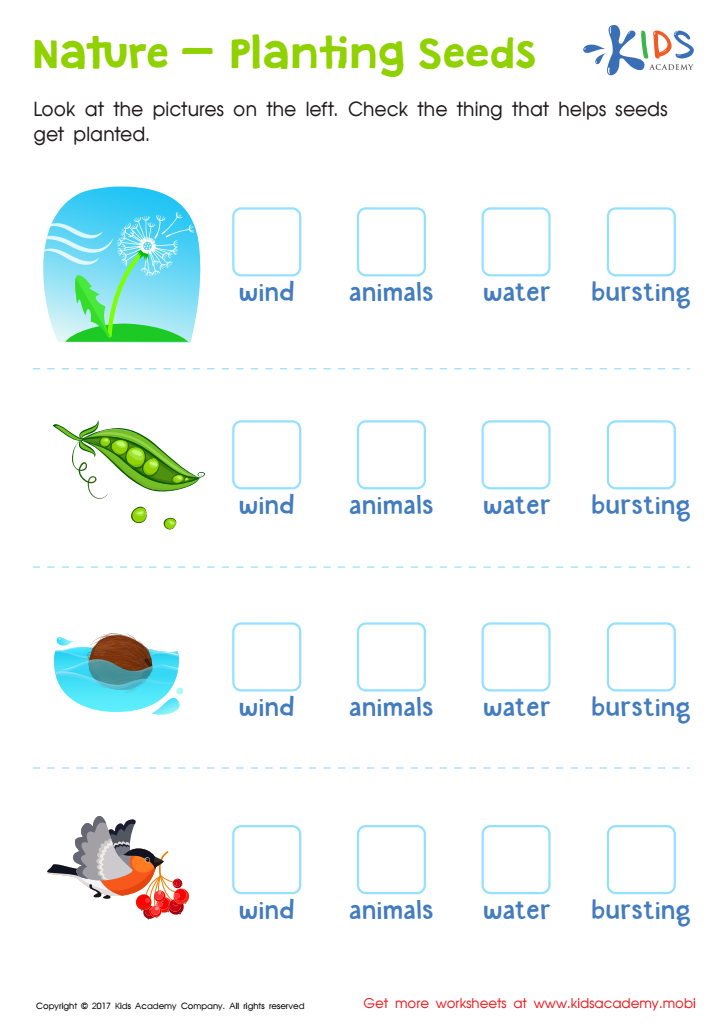
Nature Planting Seeds Worksheet
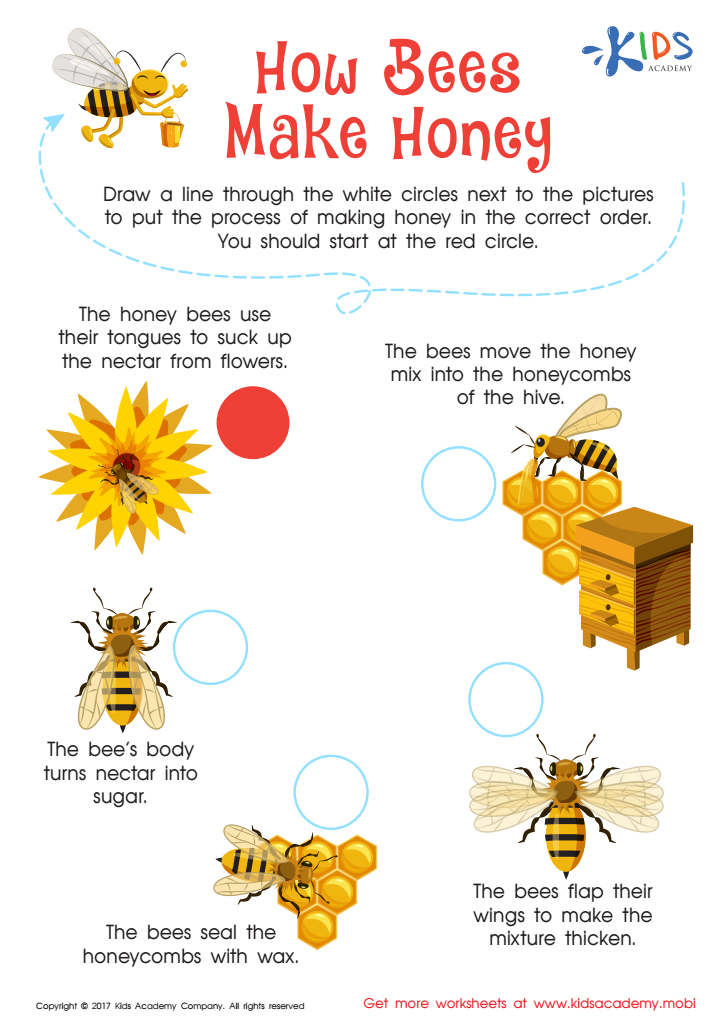
Honey Bee Worksheet








Reading comprehension in life sciences for children aged 7-9 is crucial for several reasons. First and foremost, it fosters critical thinking and curiosity about the world around them. At this age, children's natural inquisitiveness drives their desire to explore concepts such as ecosystems, habitats, and biological processes. By comprehending life science texts, they develop a deeper understanding of these topics, encouraging analytical skills as they ask questions and seek answers.
Moreover, proficient reading comprehension supports academic success across subjects. Life sciences often integrate vocabulary and concepts from math and language arts, aiding in a more interdisciplinary learning experience. This foundational knowledge instills scientific literacy, preparing students for advanced studies in later grades.
Engaging with life science texts also cultivates a sense of environmental responsibility. Children learn about the importance of ecosystems and conservation, instilling values that promote stewardship of the planet.
Furthermore, strong reading skills improve a child’s confidence and enthusiasm for learning, leading to a lifelong love of reading. By nurturing these skills early, parents and teachers play a vital role in shaping informed, responsible, and curious young individuals who are prepared to engage with increasingly complex scientific knowledge.








