Vocabulary development Social Studies Worksheets for Ages 7-9
4 filtered results
-
From - To
Boost your child's language skills with our engaging Vocabulary Development Social Studies Worksheets designed for ages 7-9! These vibrant resources combine essential social studies concepts with vocabulary-building exercises, ensuring your young learners grasp key terms while exploring history and geography. Each worksheet is interactive and encourages critical thinking, making learning both fun and effective. From matching games to fill-in-the-blank activities, our worksheets cater to diverse learning styles and reinforce vocabulary retention. Ideal for home or classroom use, these printable worksheets help cultivate a strong foundation in vocabulary, empowering students to communicate effectively in social studies and related subjects. Explore the possibilities today!
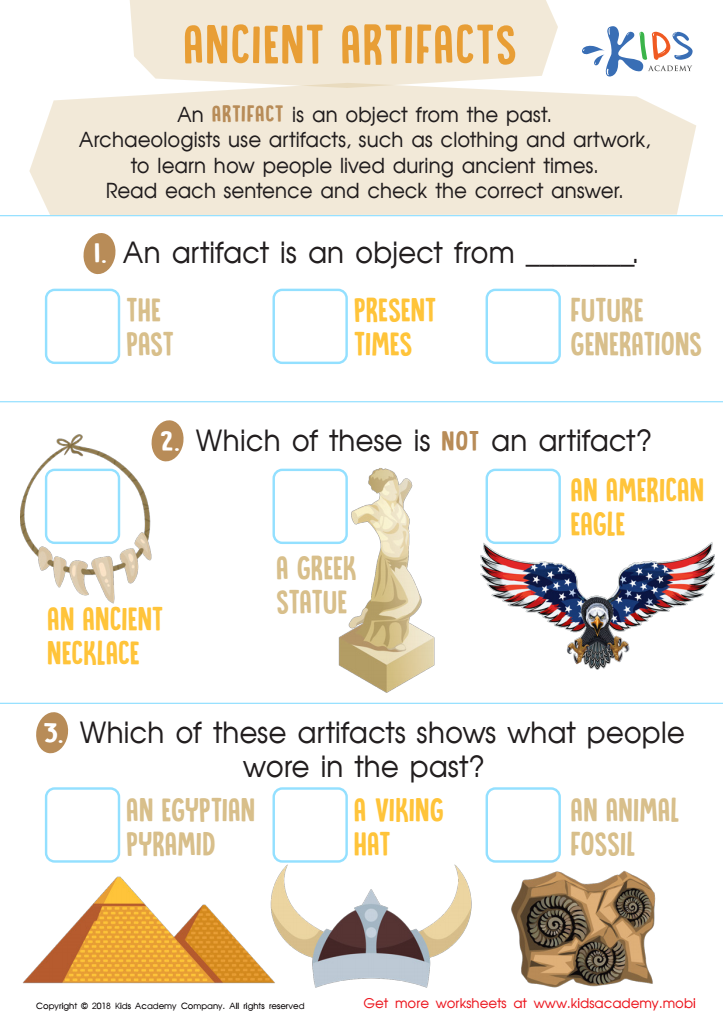
Ancient Artifacts Worksheet
 Assign to My Students

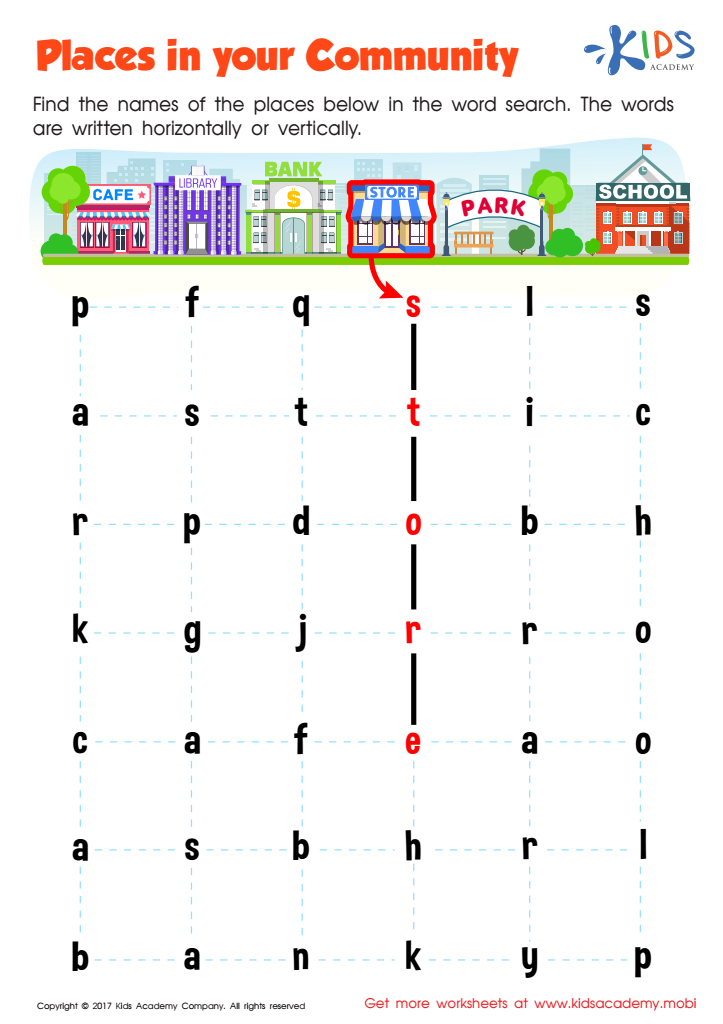
Places in Your Community Worksheet
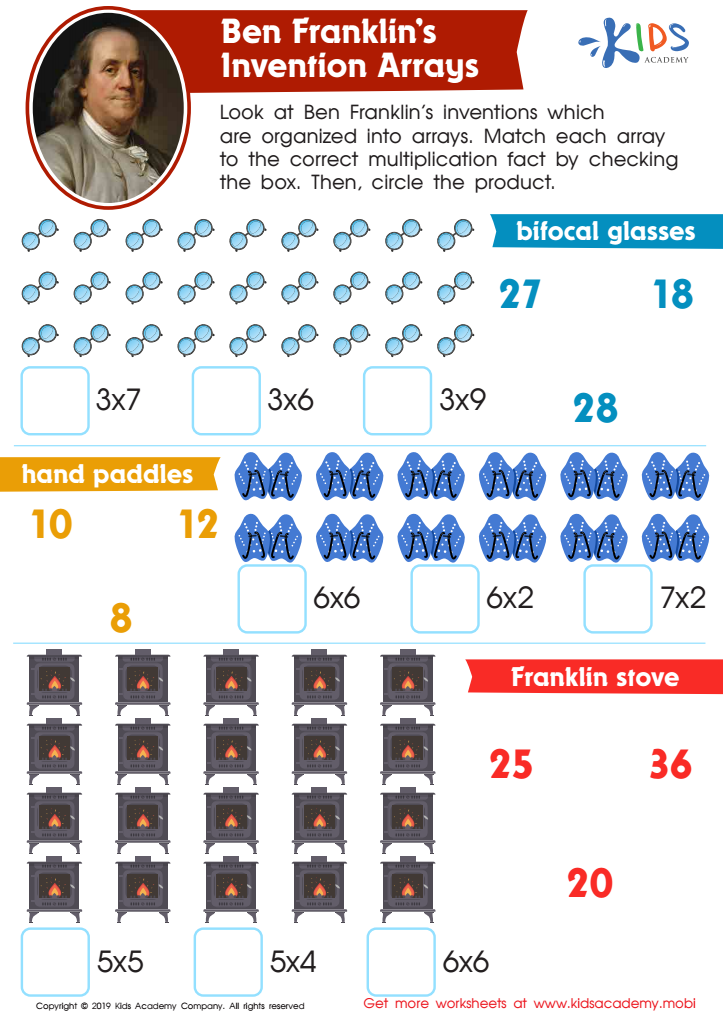
Ben Franklin’s Invention Arrays Worksheet








Vocabulary development is crucial for children aged 7-9 as it directly impacts their ability to understand and engage with Social Studies content. At this age, children are learning about diverse cultures, historical timelines, and civic responsibilities. A rich vocabulary allows them to grasp complex concepts and articulate their thoughts more clearly.
Parents and teachers play a vital role in this enhancement. By fostering vocabulary growth, they can help children articulate ideas related to civic duty, community values, and historical events, thus enhancing their comprehension of the world around them. For instance, when children can discuss terms like "democracy" or "culture," they become more informed citizens and develop critical thinking skills.
Moreover, vocabulary development boosts reading comprehension, enabling children to connect with texts in meaningful ways. This not only fosters an appreciation for literature but also encourages curiosity about social issues and empowerment to participate in discussions.
Encouraging vocabulary development complements academic achievement and personal development, making children better prepared for future societal roles. Involving parents through conversations, enriching activities, and real-world experiences makes learning expansive and relevant. Ultimately, investing in vocabulary development lays the groundwork for engaged, knowledgeable, and responsible participants in society.