Tracing Words Worksheets for Ages 7-9 - Page 2
29 filtered results
-
From - To
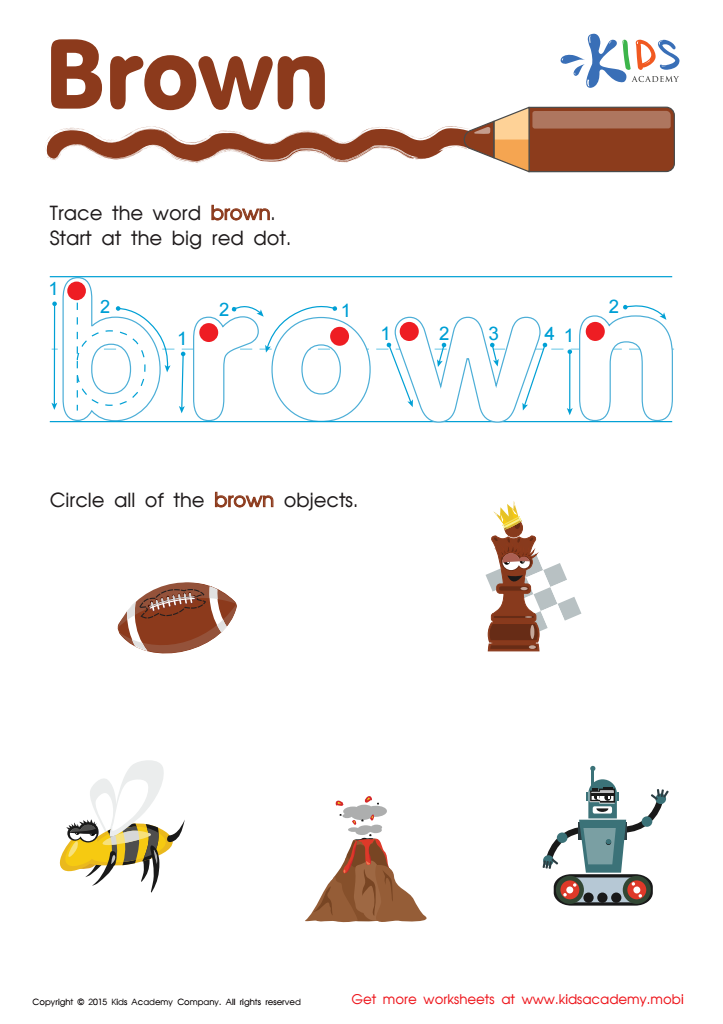
Brown Tracing Color Words Worksheet
 Assign to My Students
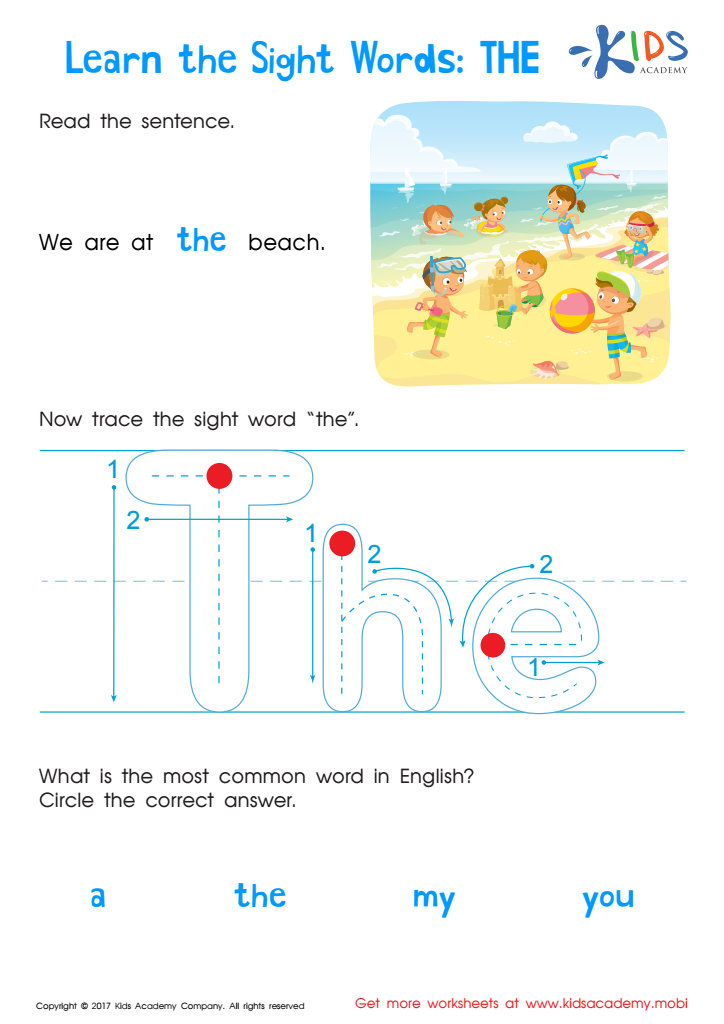
Sight Words: The Worksheet
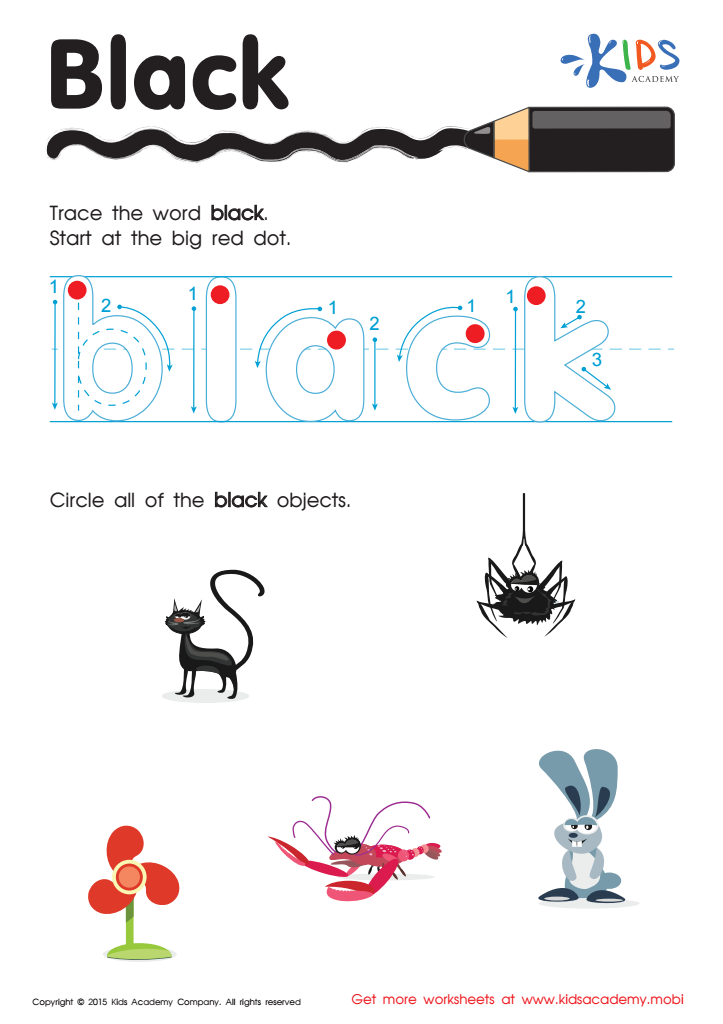
Black Tracing Color Words Printable
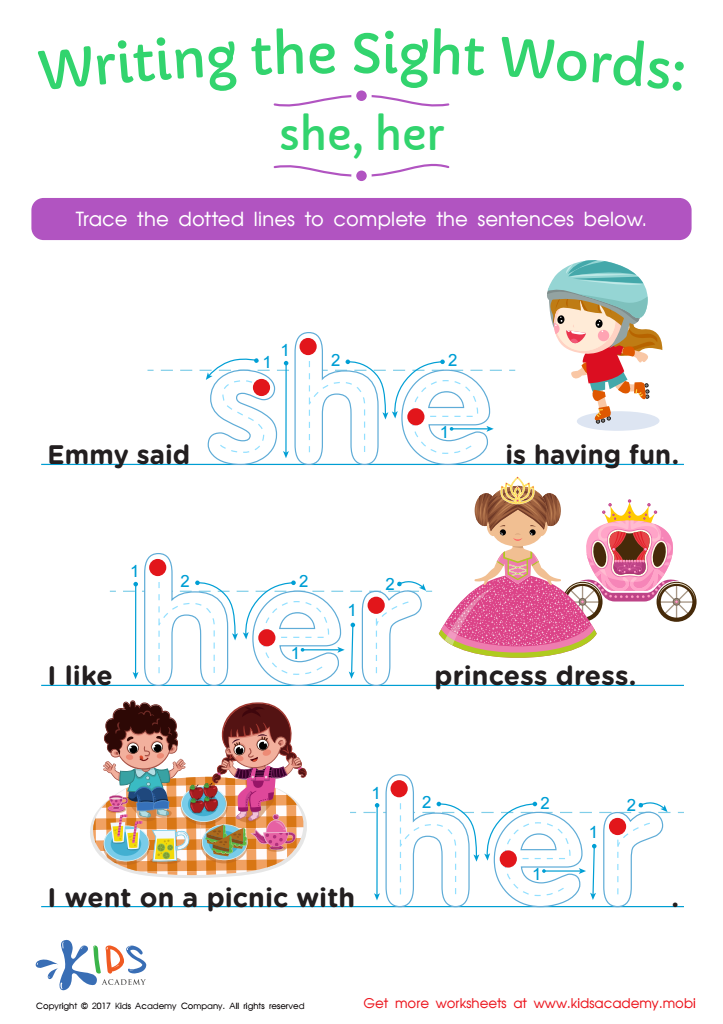
She, Her Printable Sight Words Worksheet
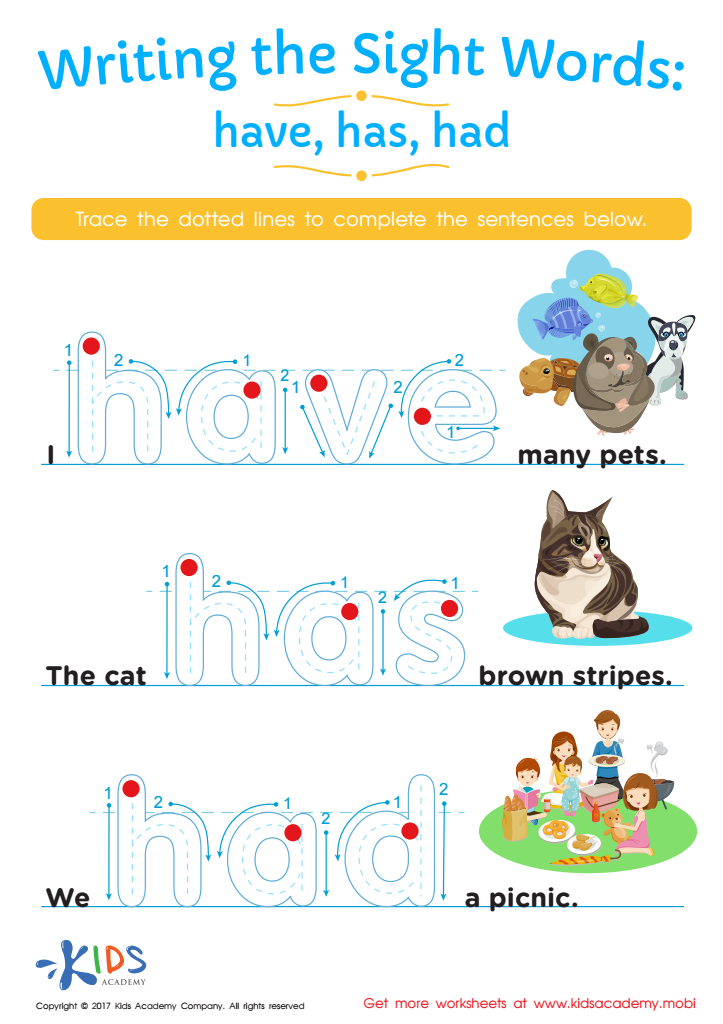
Have, Has, Had Worksheet Sight Words Worksheet







Tracing words is a valuable activity for children aged 7-9, as it directly supports their literacy development. This age group is pivotal in consolidating foundational reading and writing skills, making early interventions crucial. Tracing helps improve fine motor skills, which are essential for writing. As children trace letters and words, they enhance their hand-eye coordination and muscle control that hold significance in developing their overall writing proficiency.
Moreover, tracing words reinforces letter recognition and formation. Children start to associate letters with sounds, aiding in phonemic awareness, which is vital for reading fluency. The repetitive act of tracing can also help solidify memory retention, making it easier for children to recall spellings and vocabulary.
Additionally, tracing can instill a sense of achievement and motivation in young learners. By celebrating small wins, such as successfully tracing a word, children build confidence in their abilities, making them more inclined to engage with language activities.
In conclusion, parents and teachers should focus on tracing words as a fun and effective way to cultivate essential language skills, promote creativity, and keep children engaged in learning. This is especially important during the formative years, setting a strong foundation for future educational success.








