Problem-solving practice Worksheets for 7-Year-Olds
22 filtered results
-
From - To
Boost your child’s critical thinking skills with our Problem-Solving Practice Worksheets specifically designed for 7-year-olds! These engaging and interactive worksheets help young learners develop essential problem-solving strategies through fun activities. From word problems to puzzles, each worksheet encourages logical reasoning and creative thinking, making math and critical thinking enjoyable. Perfect for parents and educators alike, our resources foster independence and confidence in young students as they navigate challenges. Enhance your child's learning experience at home or in the classroom, and watch them thrive in their ability to tackle problems with ease and enthusiasm! Download now and start the adventure!
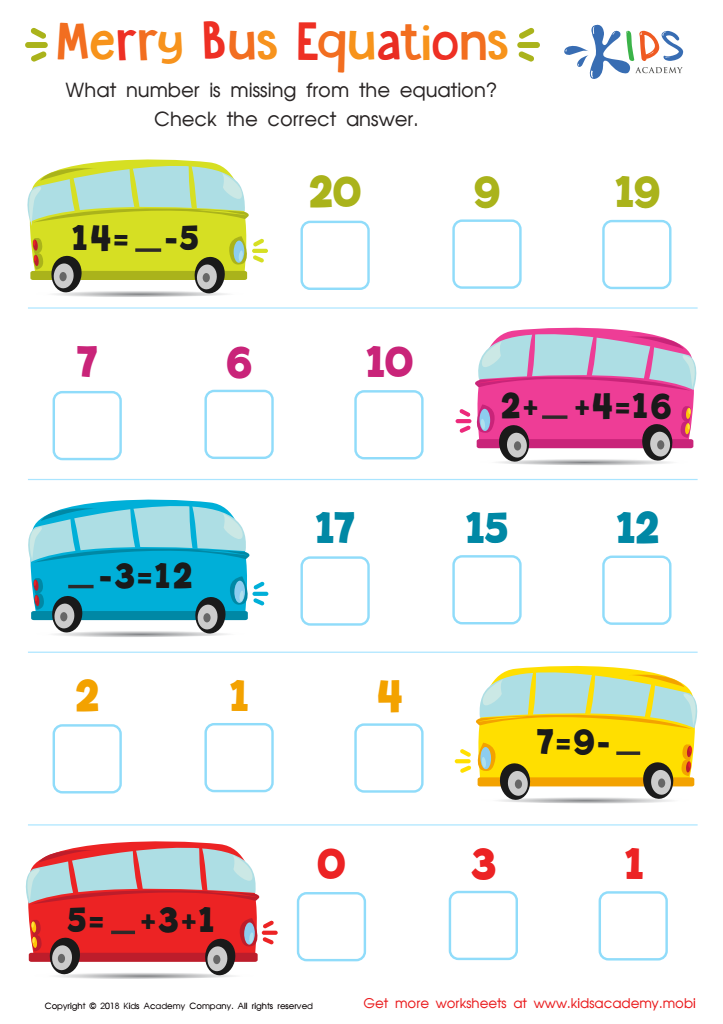
Merry Bus Equations Worksheet
 Assign to My Students
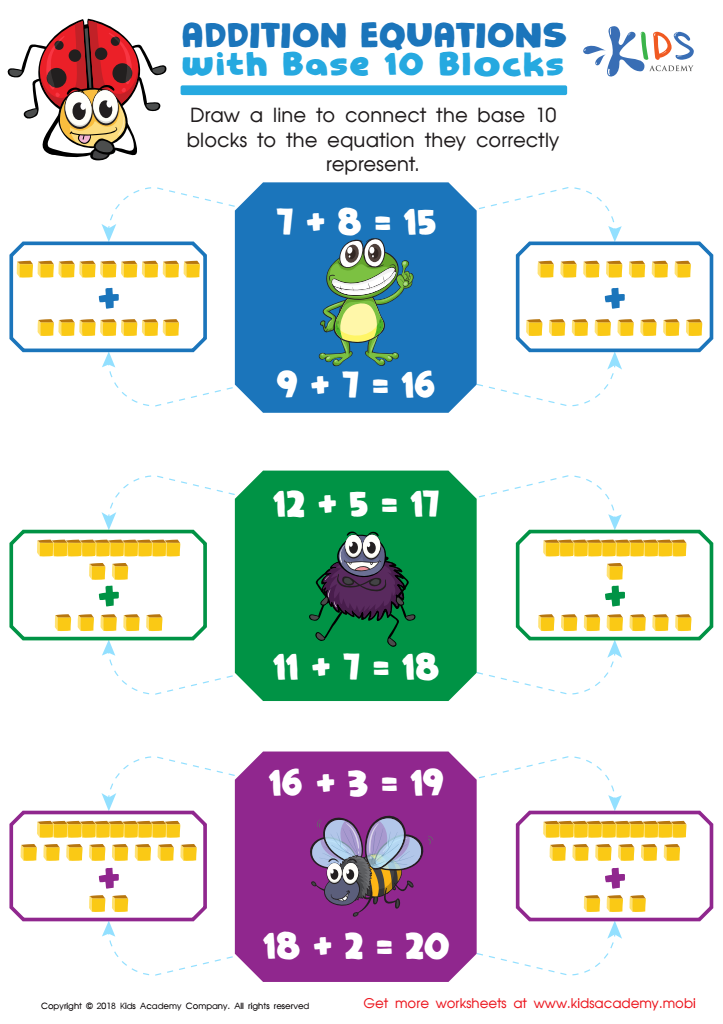
Addition Equations With Base 10 Blocks Worksheet
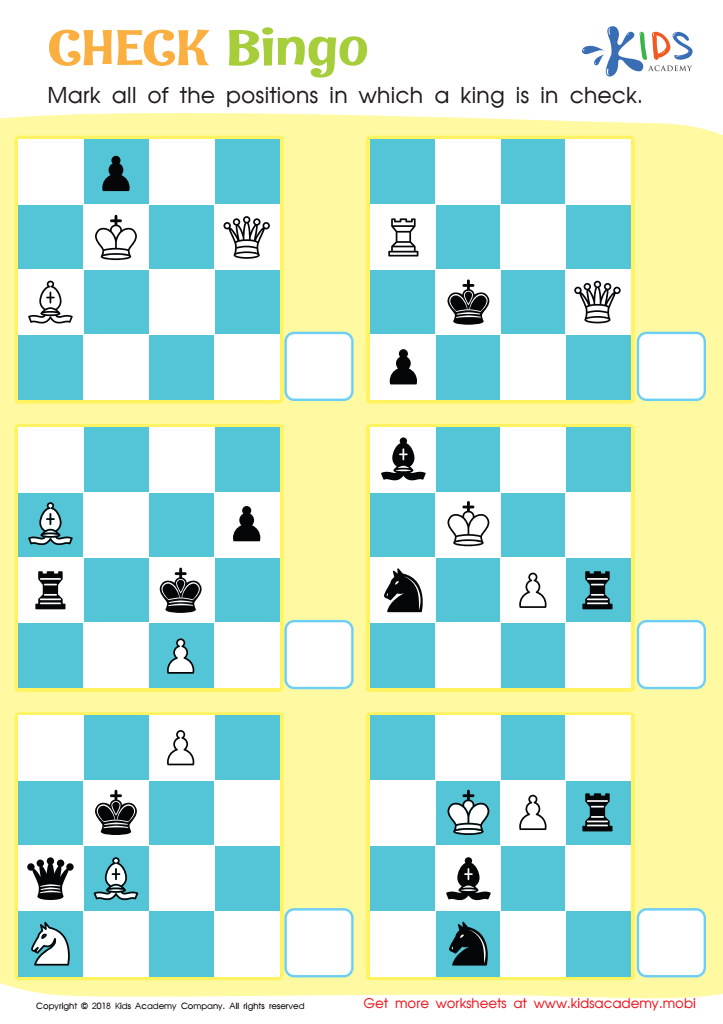
Check Bingo Worksheet
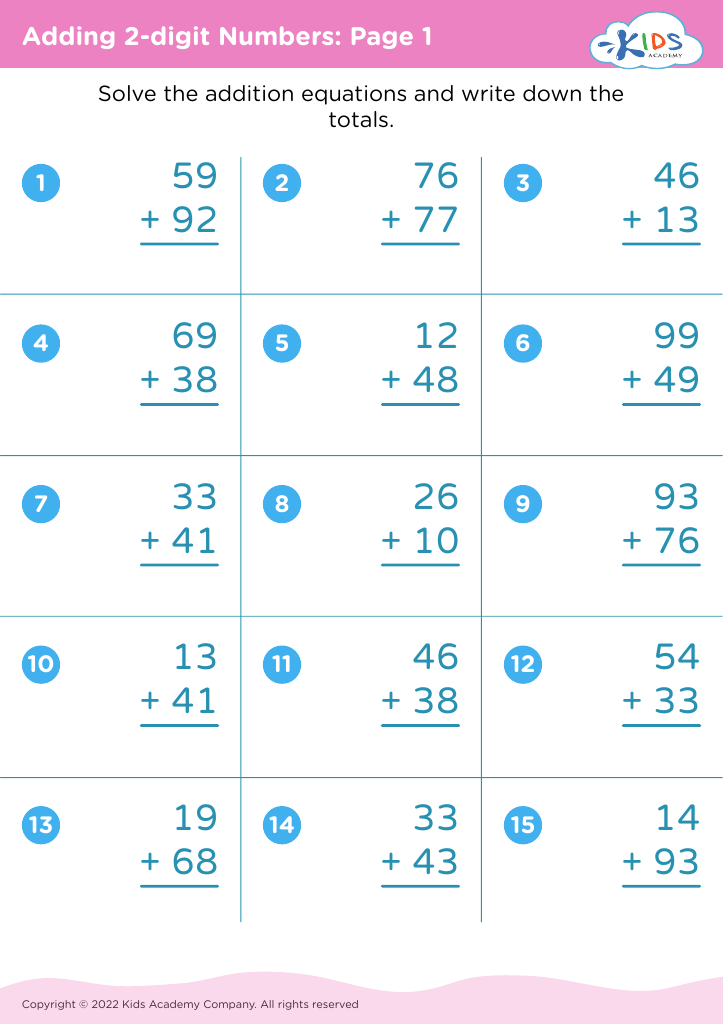
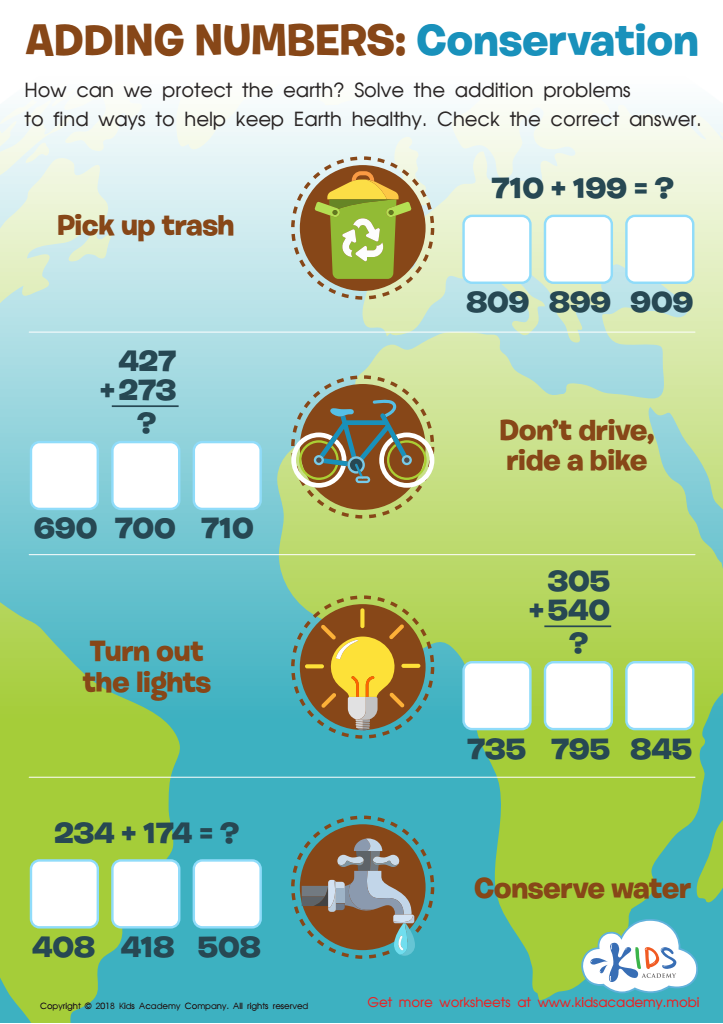
Adding Numbers: Conservation Worksheet
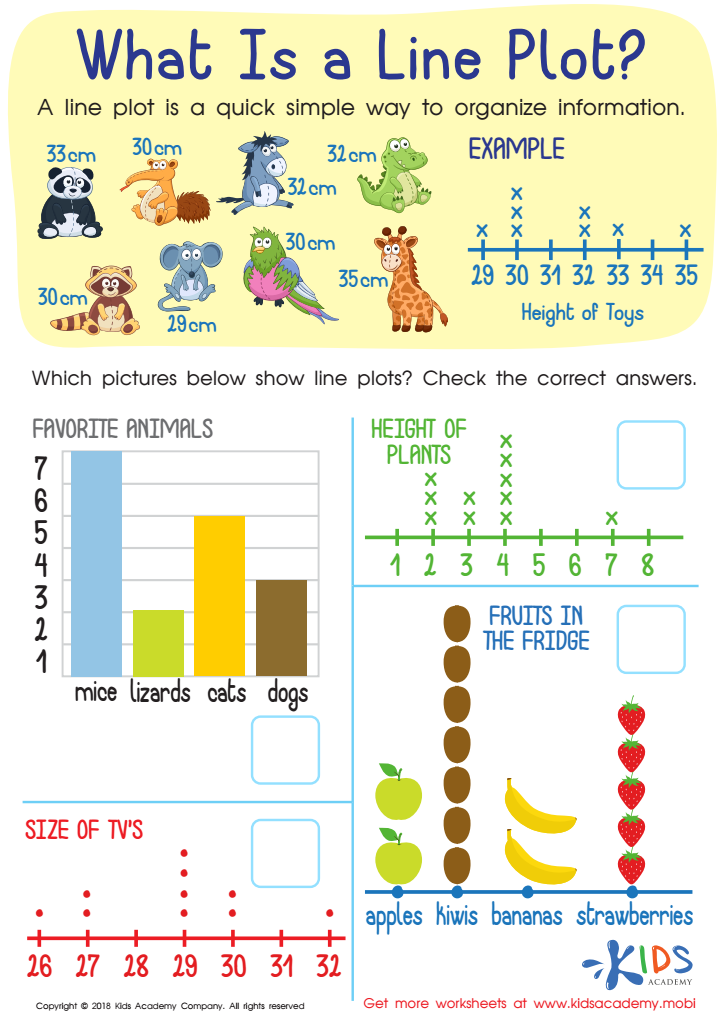
What Is a Line Plot? Worksheet
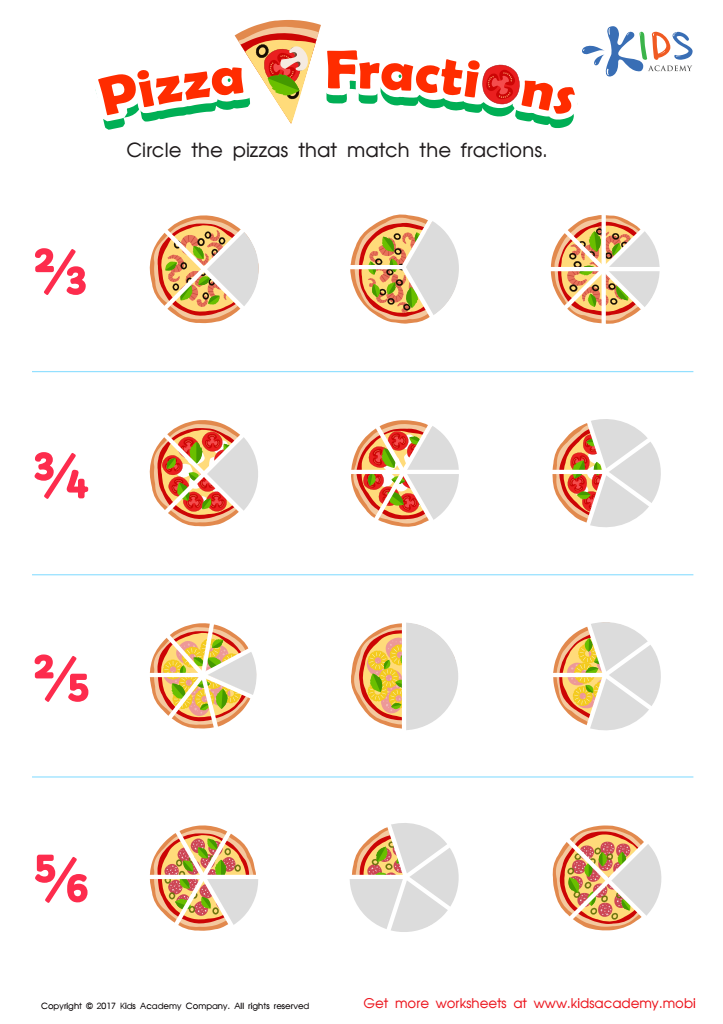
Fractions: Pizza Printable
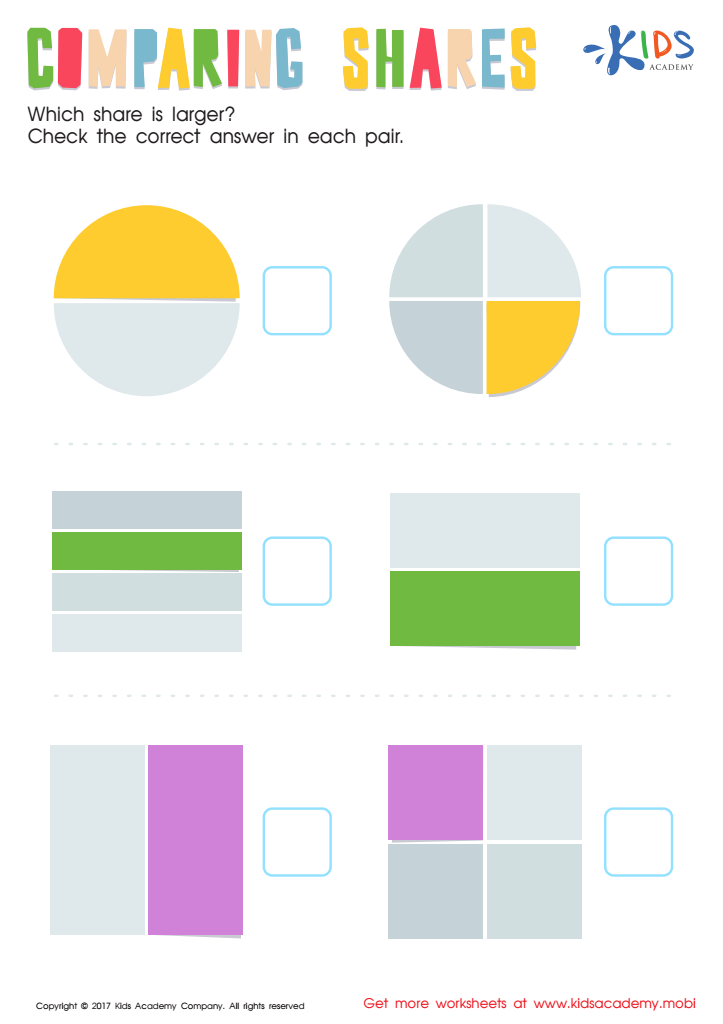
Comparing Shares Worksheet
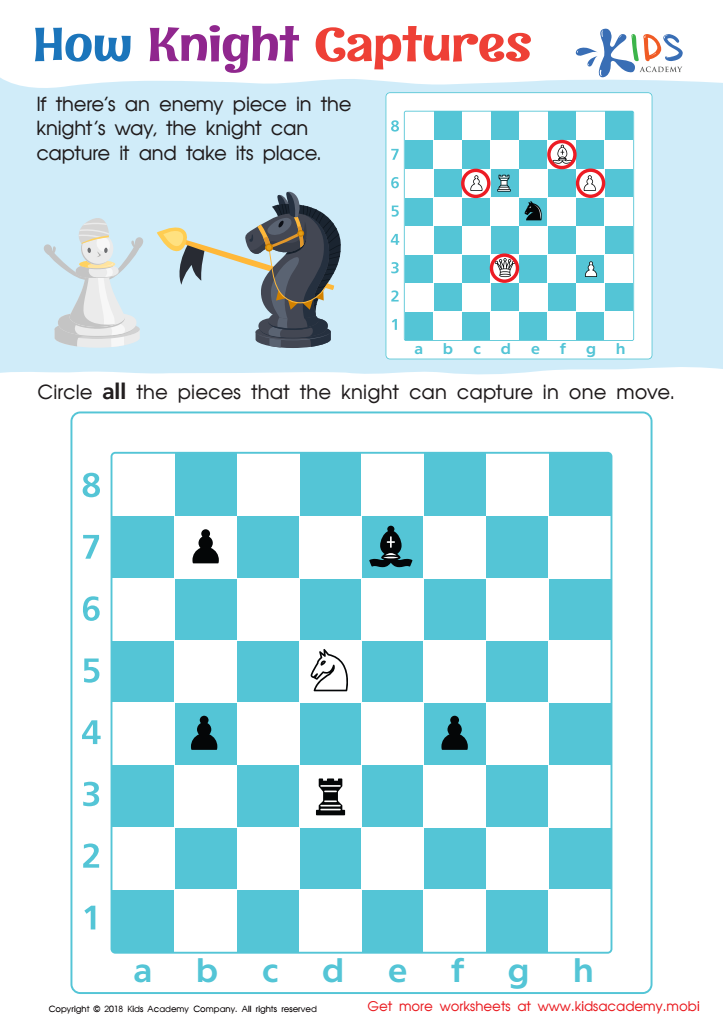
How Knight Captures Worksheet
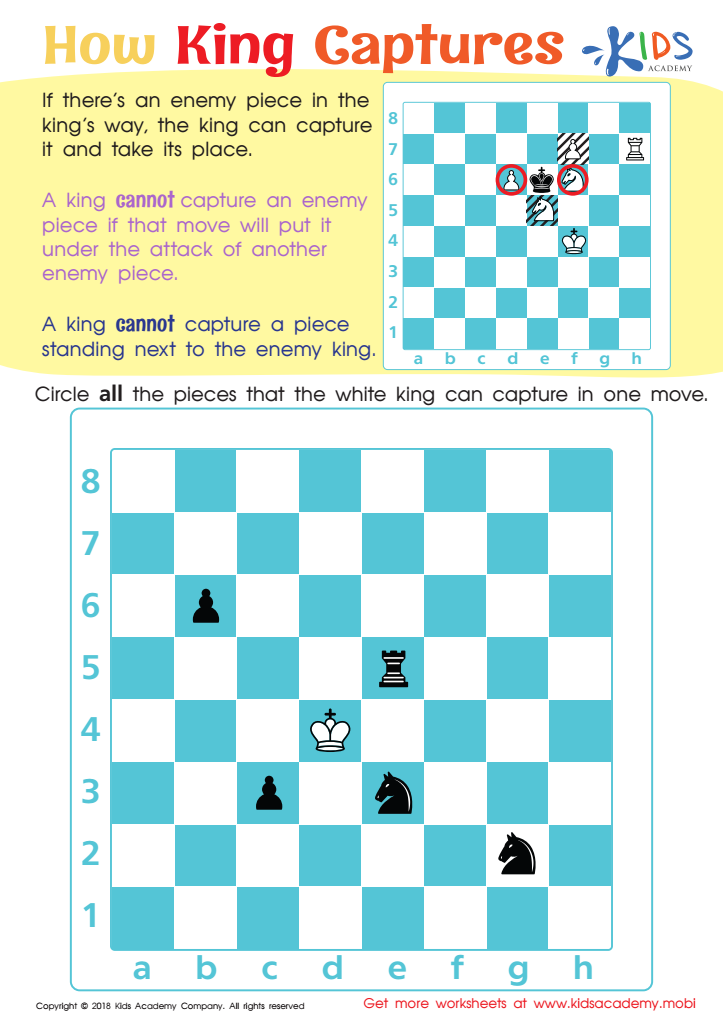
How King Captures Worksheet
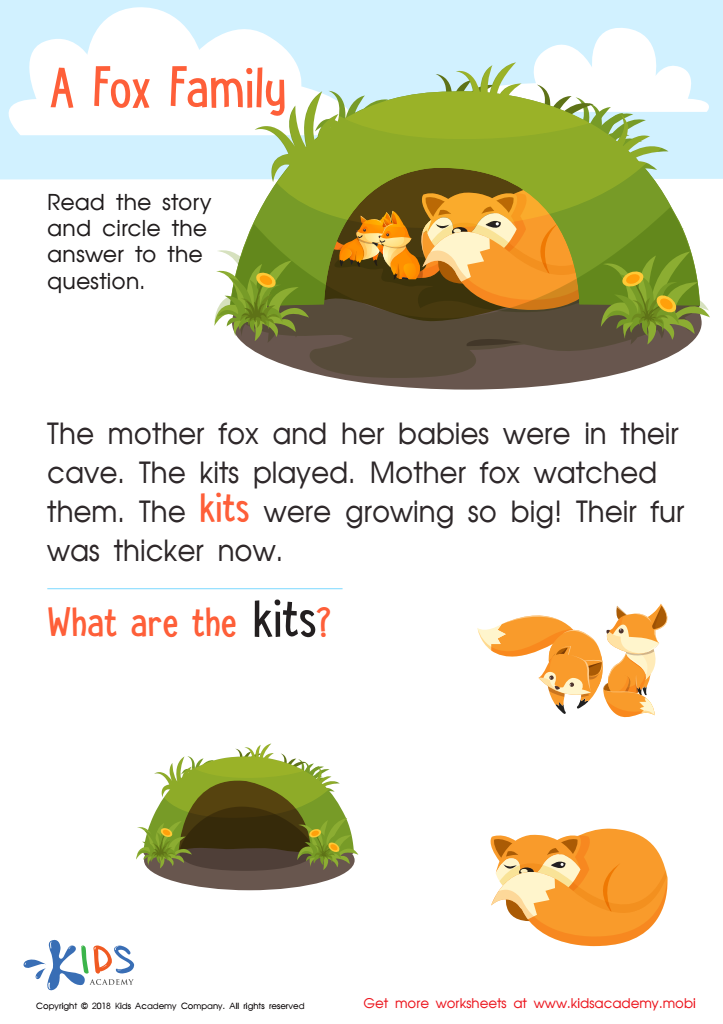
A Fox Family Worksheet







Problem-solving practice is crucial for the cognitive and emotional development of 7-year-olds. At this age, children begin to think more logically and enjoy tackling challenges. Engaging in problem-solving activities helps them develop critical thinking skills, enabling them to analyze situations, make decisions, and approach problems creatively. This foundational skill set is not just applicable in academic contexts but also in real-life scenarios.
Moreover, problem-solving fosters resilience and perseverance. When children encounter challenges, they learn that persistence leads to success, which boosts their self-confidence. Encouraging a growth mindset—when children believe their abilities can improve through effort—can be significantly enhanced through consistent problem-solving practice.
Additionally, collaborative problem-solving activities promote social skills. Working together in groups teaches children communication, teamwork, and conflict-resolution skills, all essential for social interactions. This practice creates an engaging learning environment where children can express their thoughts and consider diverse perspectives, laying the groundwork for empathy.
Ultimately, when parents and teachers prioritize problem-solving, they equip children with the tools necessary for academic achievement, emotional intelligence, and lifelong success. Thus, fostering comfortable and confident problem solvers today leads to capable and innovative thinkers tomorrow.








