Critical Thinking Worksheets for Ages 8-9 - Page 2
89 filtered results
-
From - To
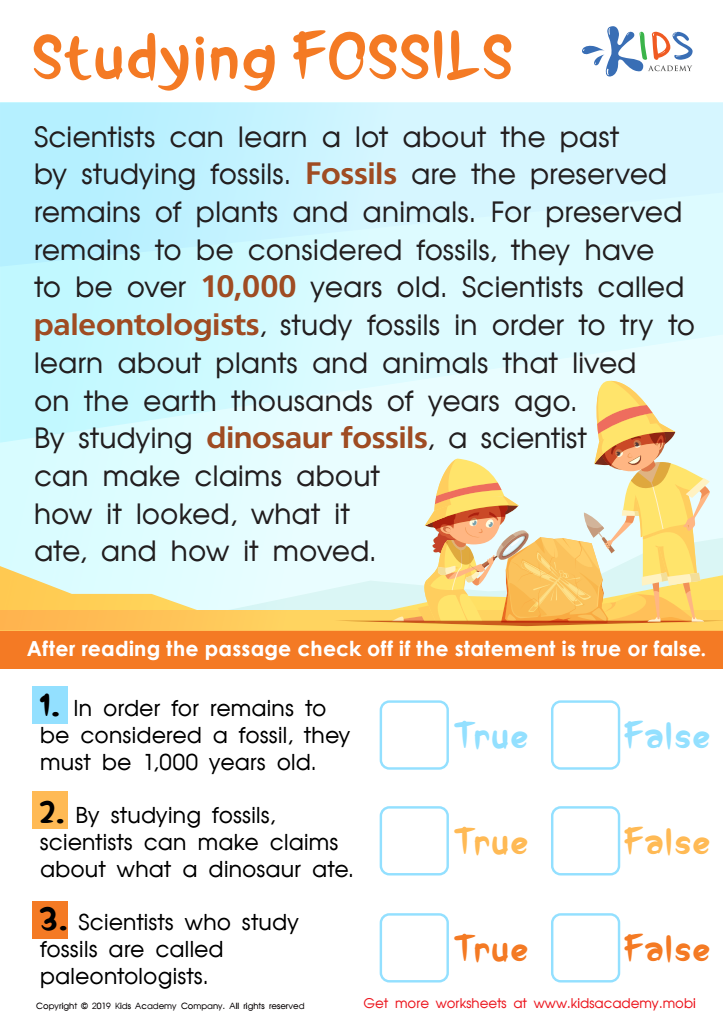
Studying Fossils Worksheet
 Assign to My Students
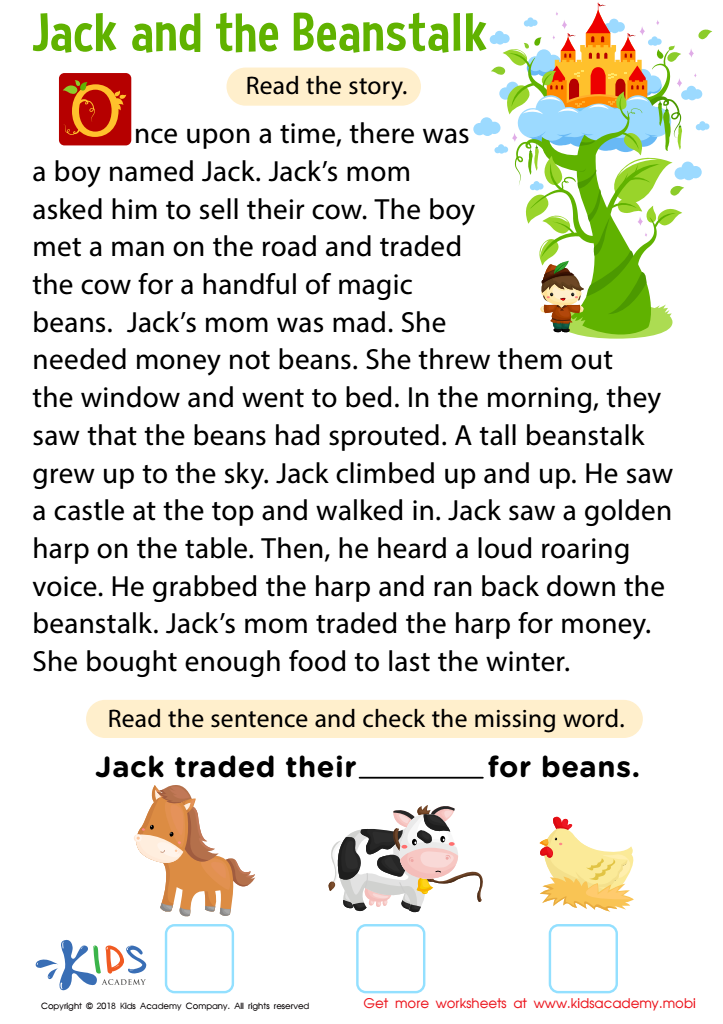
Jack and Beanstalk Worksheet

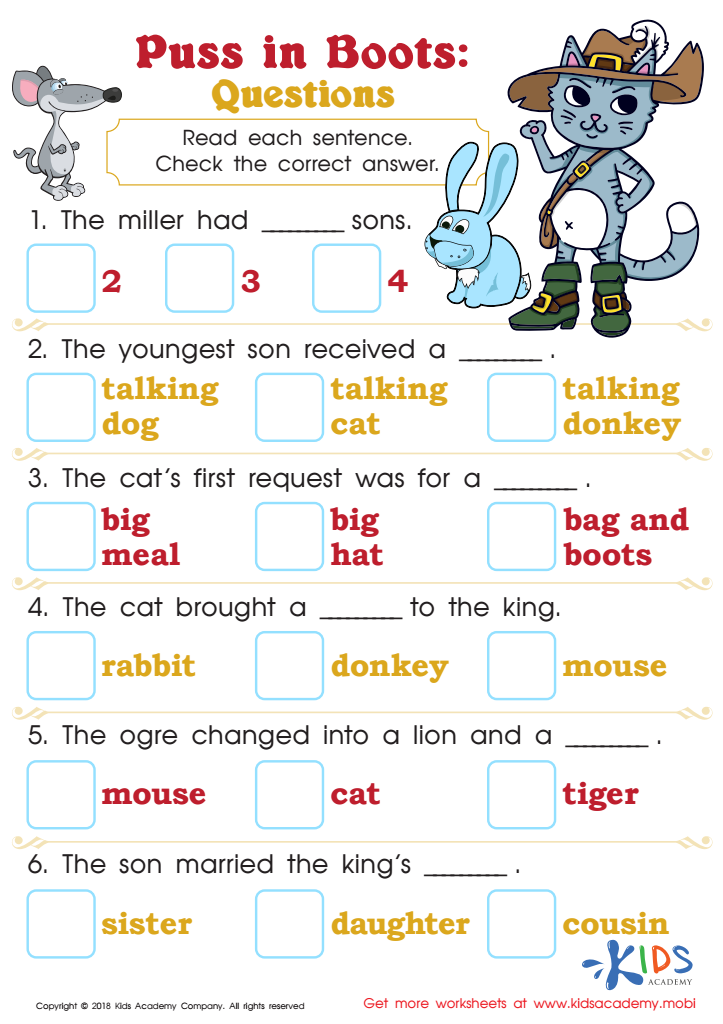
Puss in Boots: Questions Worksheet
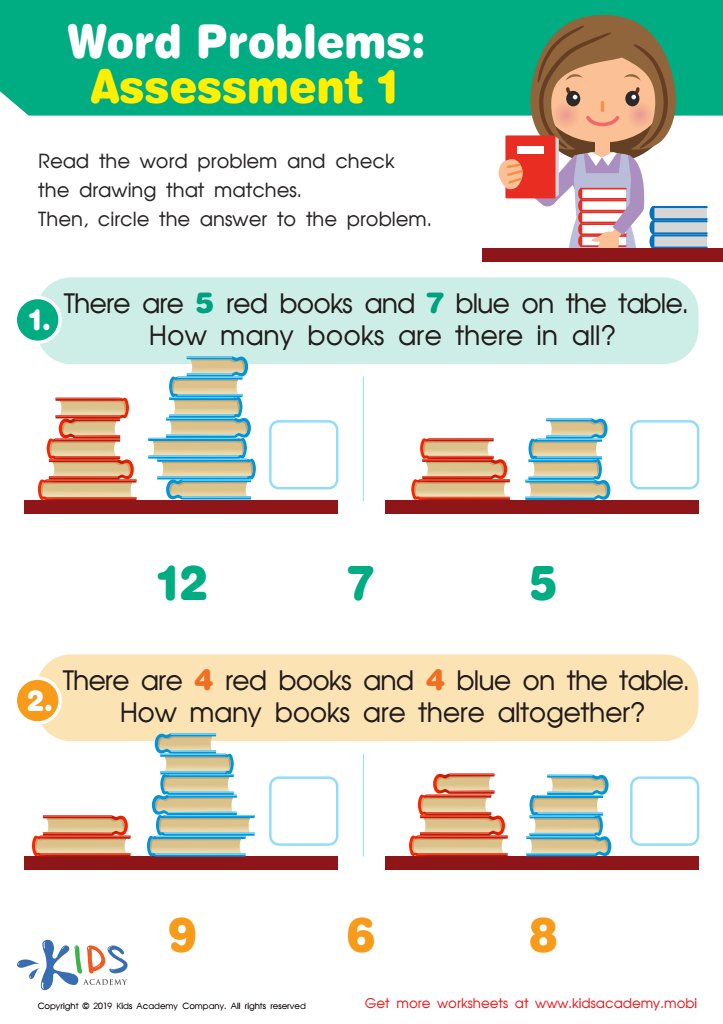
Word Problems: Assessment 1 Worksheet
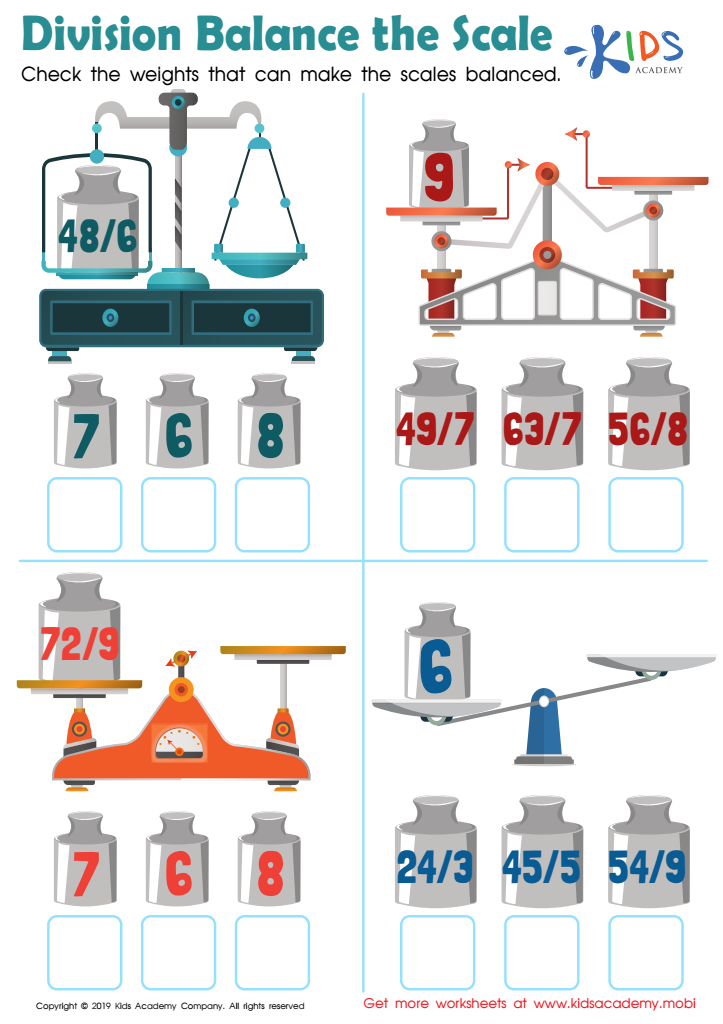
Division Balance the Scale Worksheet

Two-Step Problems Worksheet


The Big Surprise: Questions Worksheet
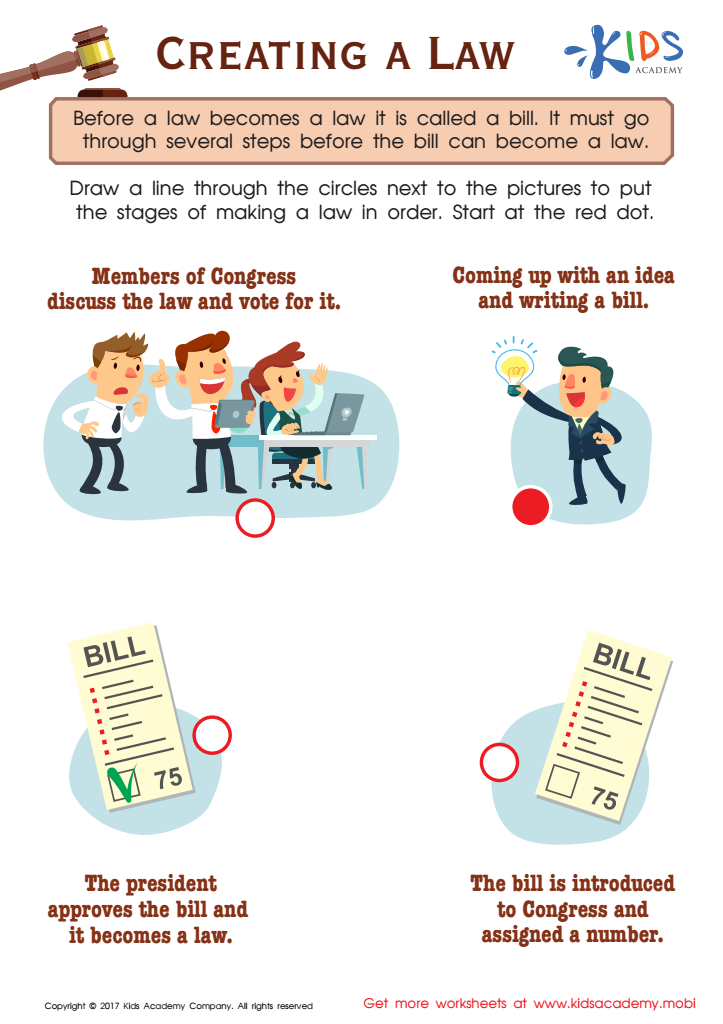
Creating a Law Worksheet
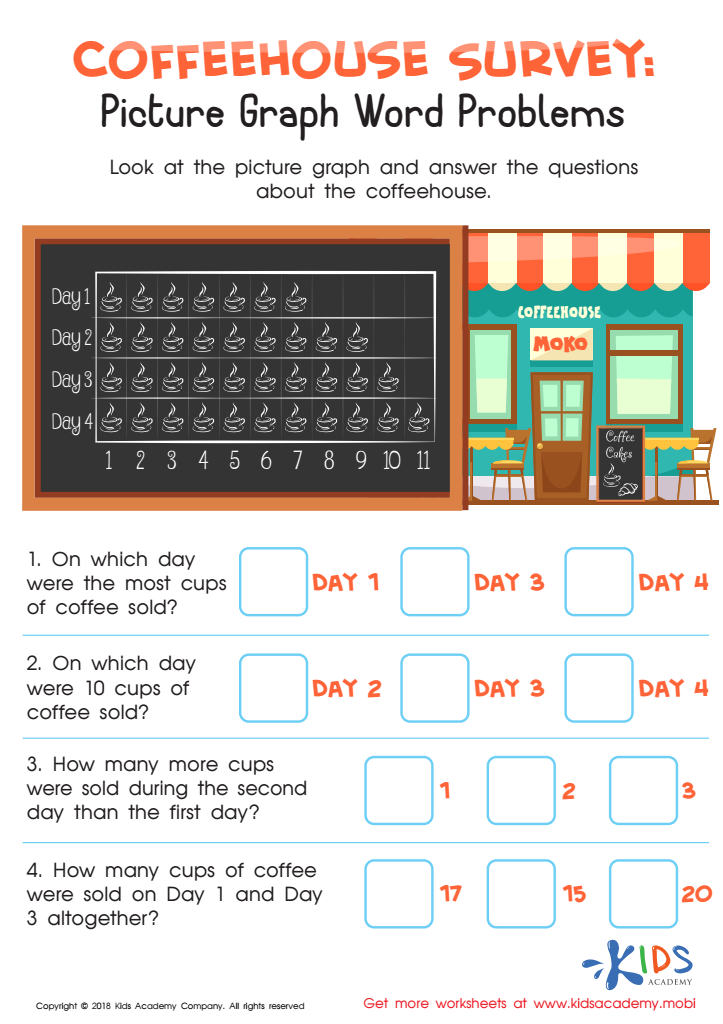
Coffeehouse Survey: Picture Graph Word Problems Worksheet
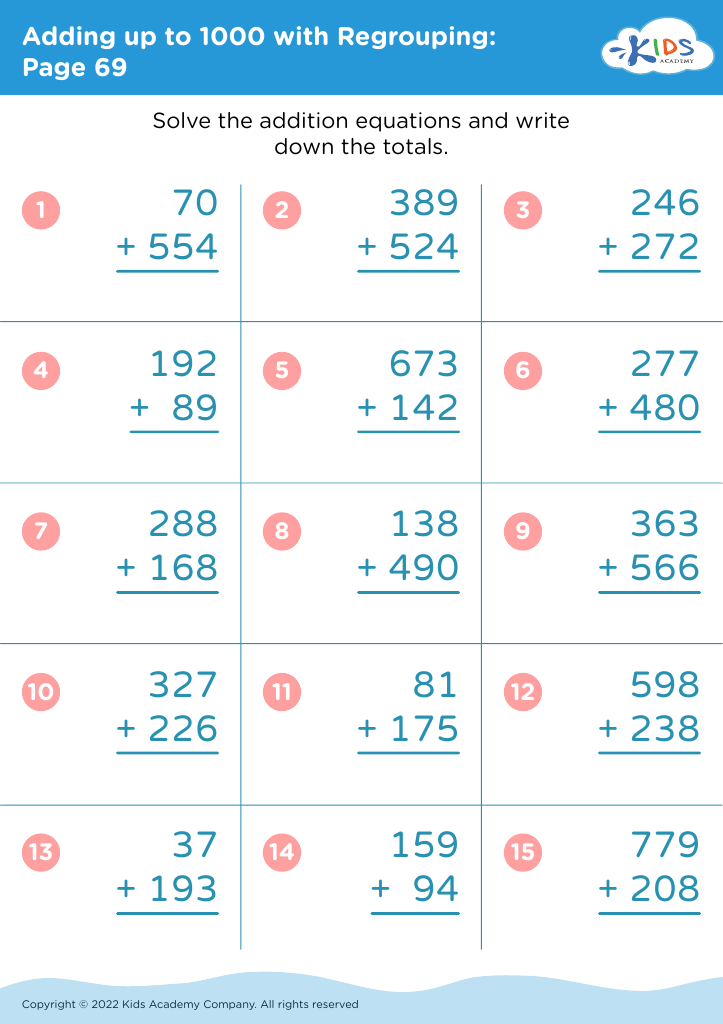

Thomas Edison’s Invention Arrays Worksheet

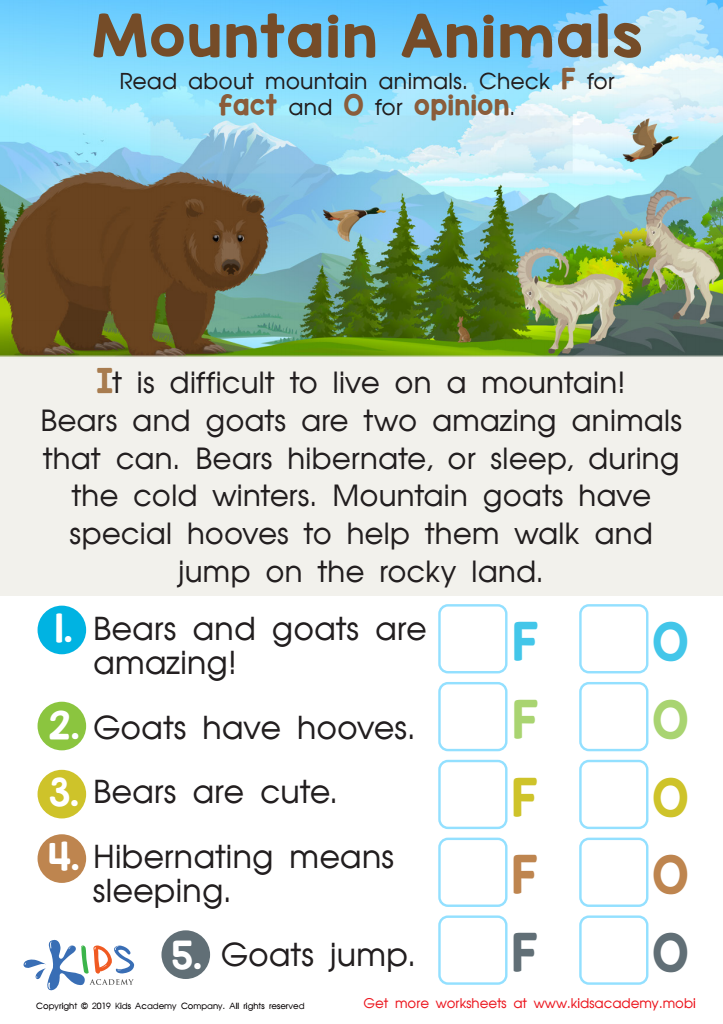
Mountain Animals Worksheet
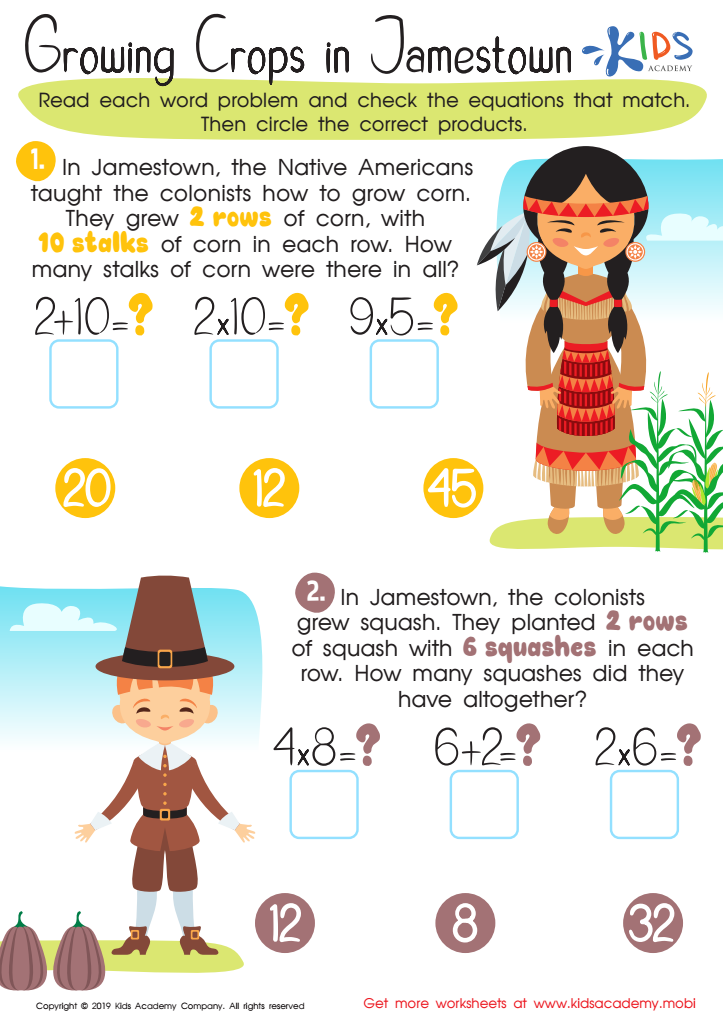
Growing Jamestown Worksheet
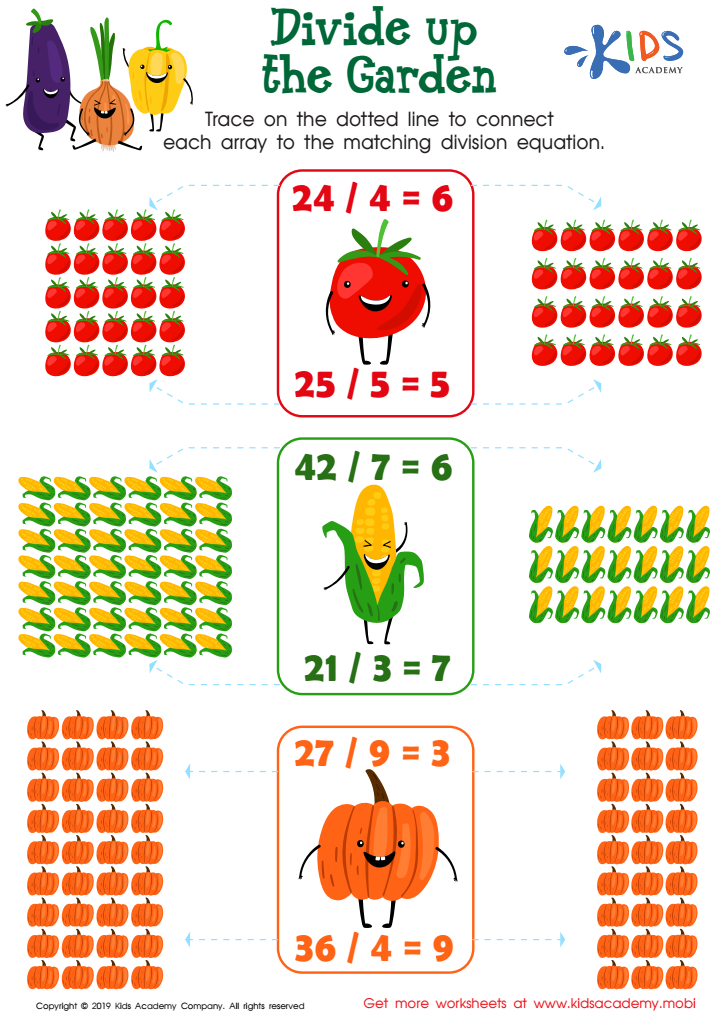
Divide up the Garden Worksheet
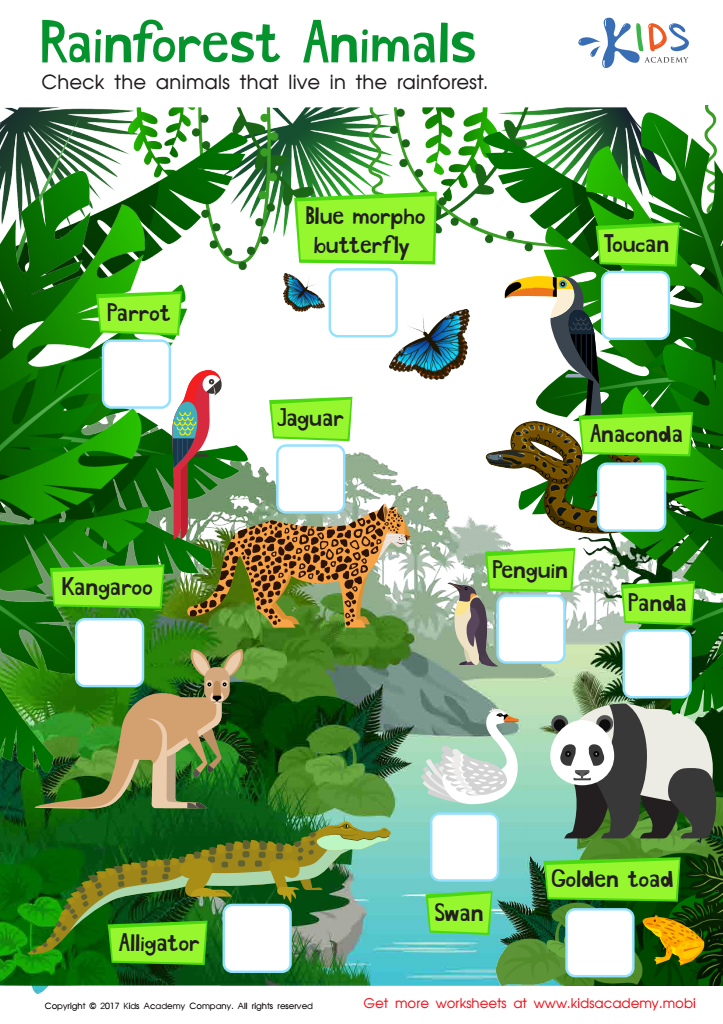
Rainforest Animals Worksheet


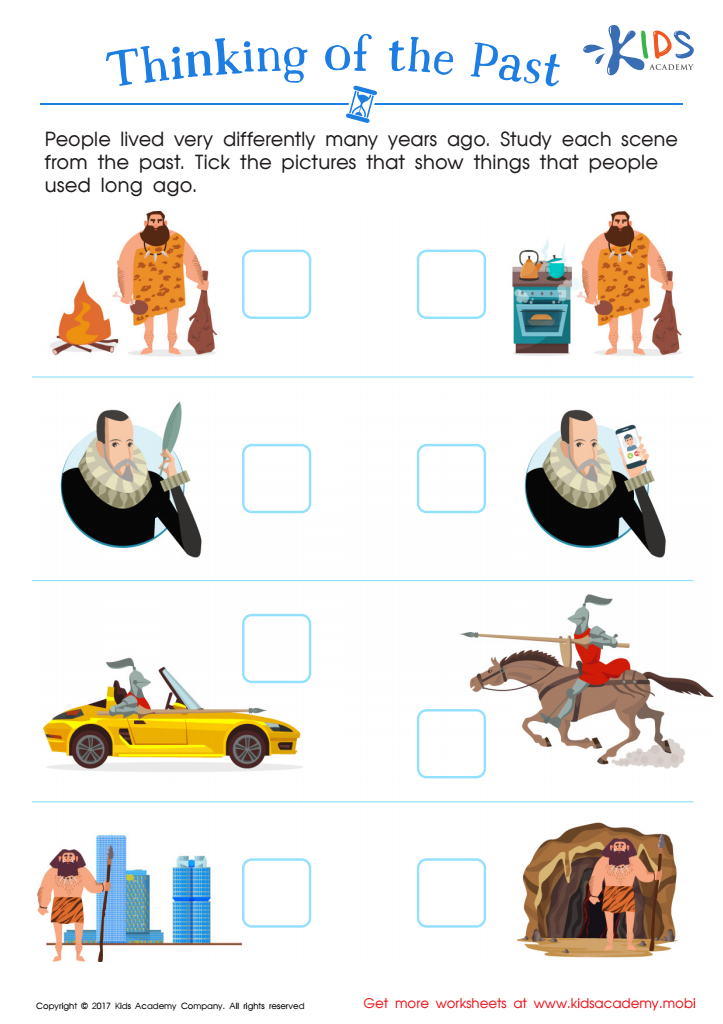
Thinking Past Printable







.jpg)
Critical thinking for children aged 8-9 is crucial as it lays the foundation for a lifetime of independent problem-solving and informed decision-making. At this developmental stage, children begin to form their own opinions and have the cognitive ability to understand cause and effect. Encouraging critical thinking helps them not only to comprehend facts but also to make connections between those facts, ask pertinent questions, and evaluate the efficacy and fairness of different solutions.
By fostering critical thinking, parents and teachers can help children develop essential skills such as reasoning, analysis, and open-mindedness. This is particularly important in our information-rich world, where the ability to distinguish between credible sources and misinformation is invaluable. For instance, a child who thinks critically will not blindly follow instructions but will understand underlying principles, maximizing their learning and retention of new information.
Moreover, critical thinking encourages creativity and curiosity. When children learn to question "why" things happen or "how" they work, they go beyond rote learning to an inquiry-based approach. This nurtures a deeper love of learning and boosts their confidence in tackling novel challenges. In short, critical thinking equips children with the toolset required for academic success, societal participation, and personal growth, thereby enriching their overall life experience.








