Visual Learning Worksheets for Ages 8-9
13 filtered results
-
From - To
Visual Learning Worksheets for Ages 8-9
Unlock your child's potential with our Visual Learning Worksheets specially designed for ages 8-9. At Kids Academy, we understand the power of visual aids in boosting academic skills. Our engaging activities cover core subjects such as math, reading, and science, turning complex ideas into vivid illustrations. These worksheets promote critical thinking, problem-solving, and help children internalize concepts quickly while making learning fun and effective. Ideal for both classroom and home settings, our worksheets are an excellent resource for nurturing a lifelong love of learning. Start your visual learning journey today and watch your child thrive!
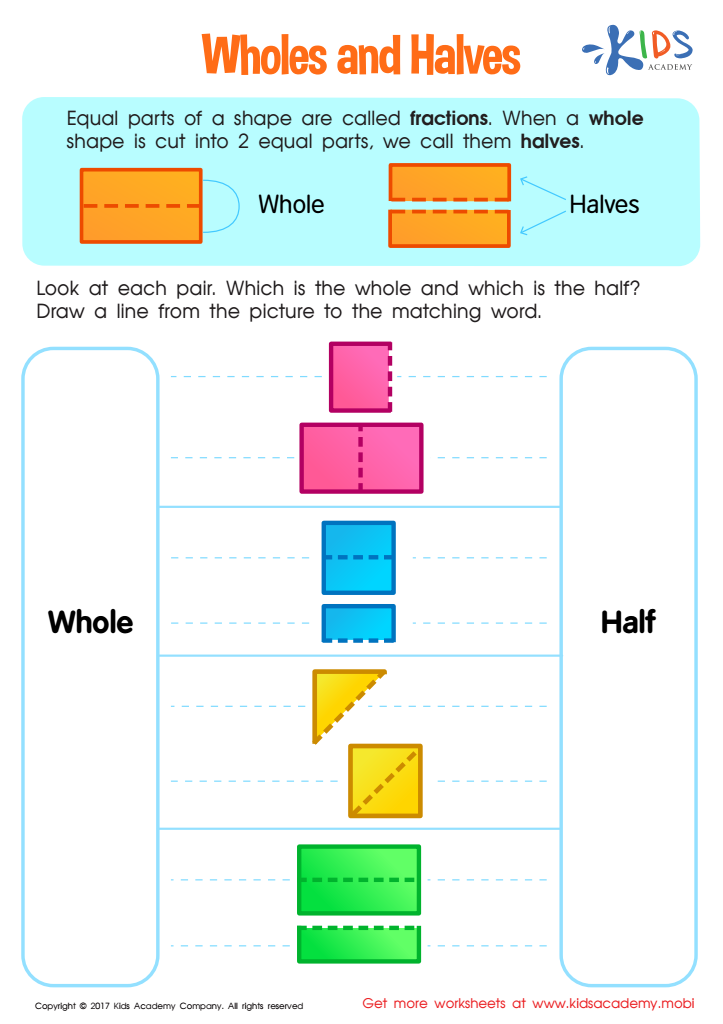
Wholes and Halves Worksheet
 Assign to My Students
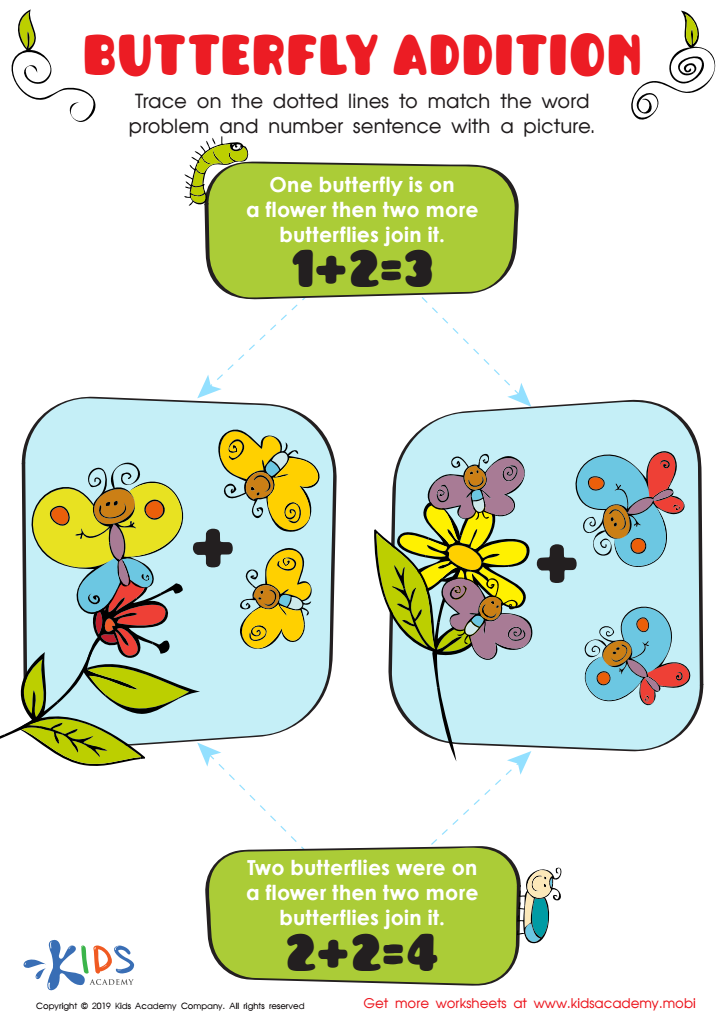
Butterfly Addition Worksheet
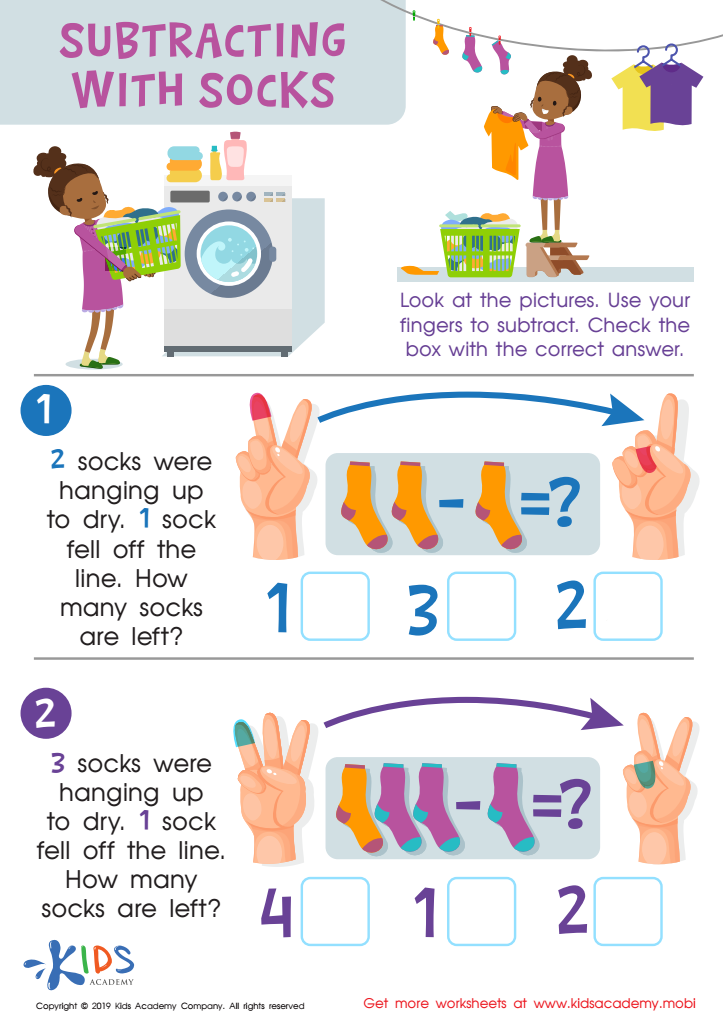
Subtracting Socks Worksheet
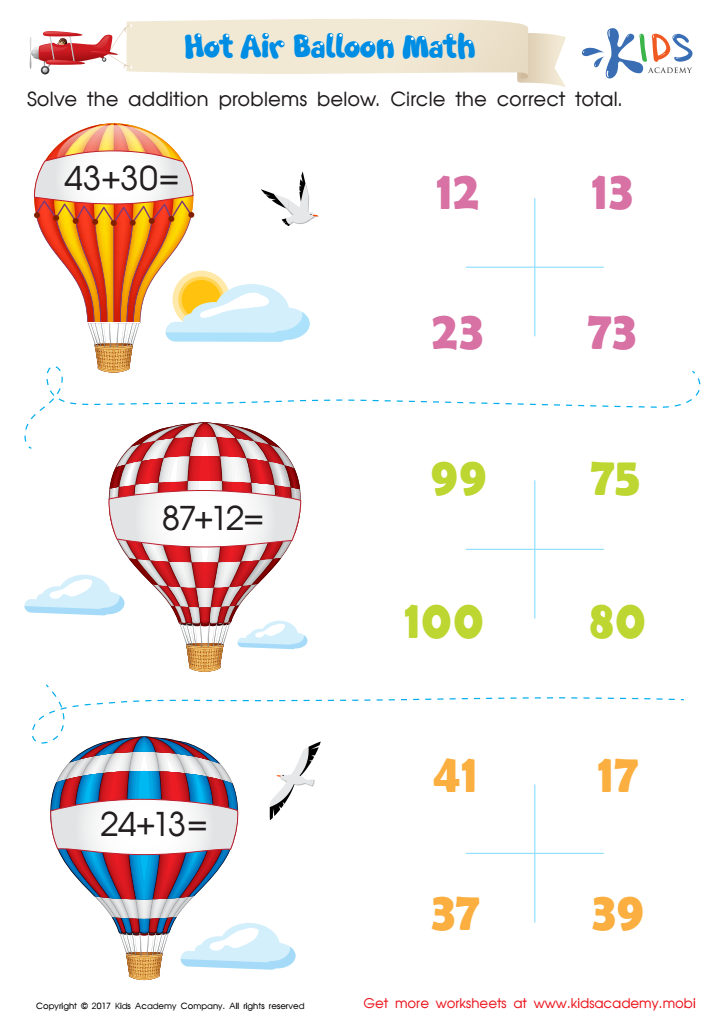
Hot Air Balloon Math Worksheet
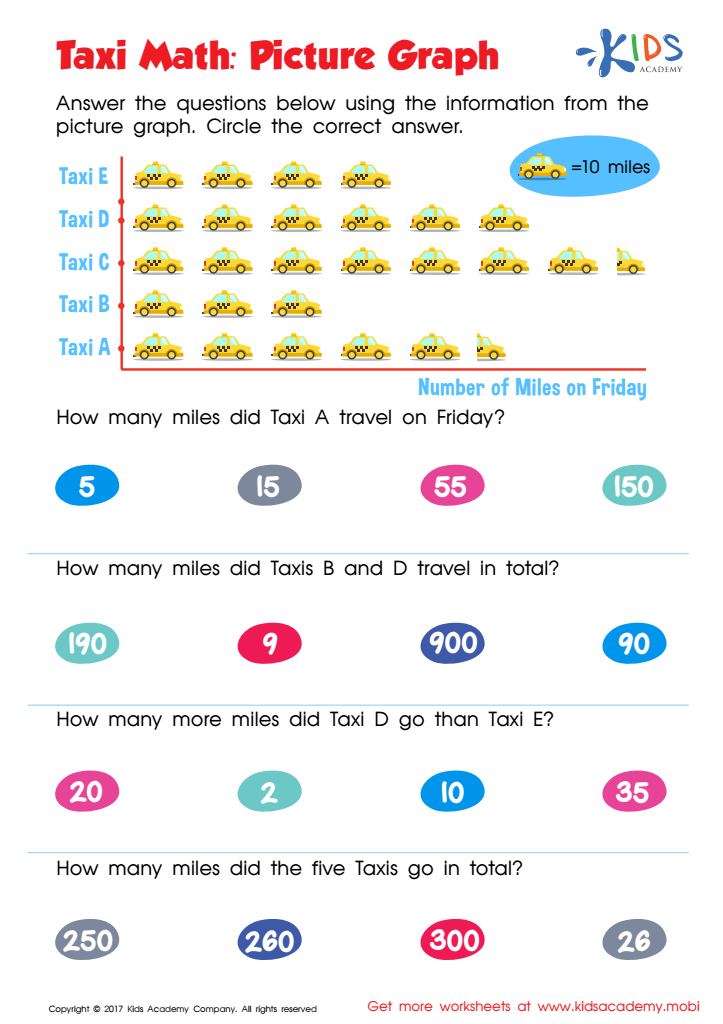
Taxi Math Worksheet
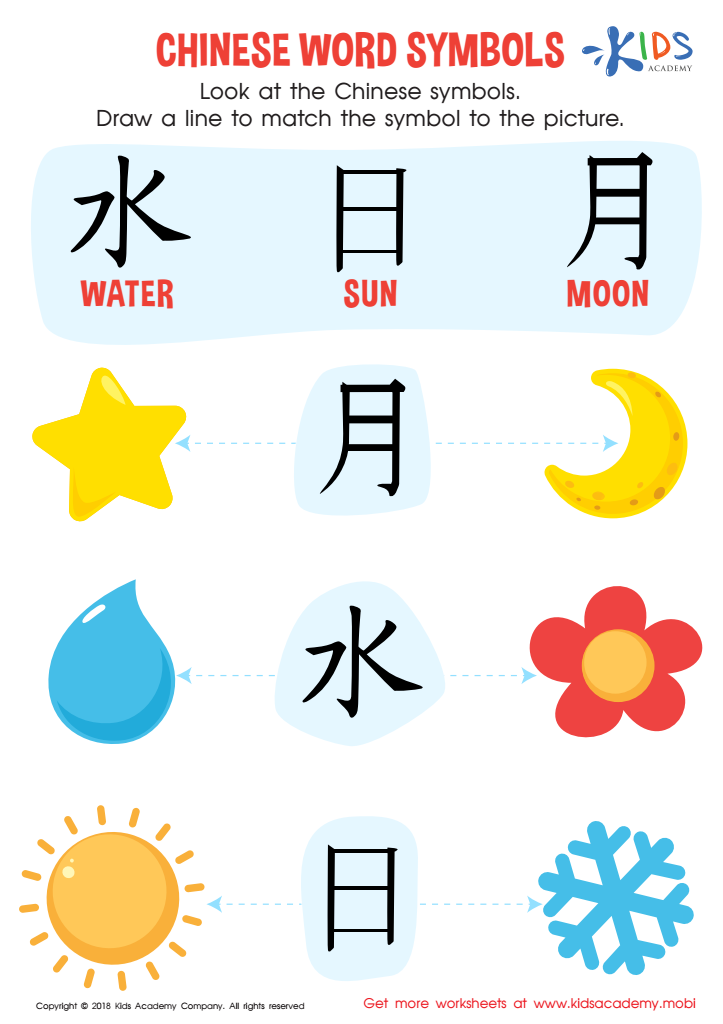
Chinese Word Symbols Worksheet
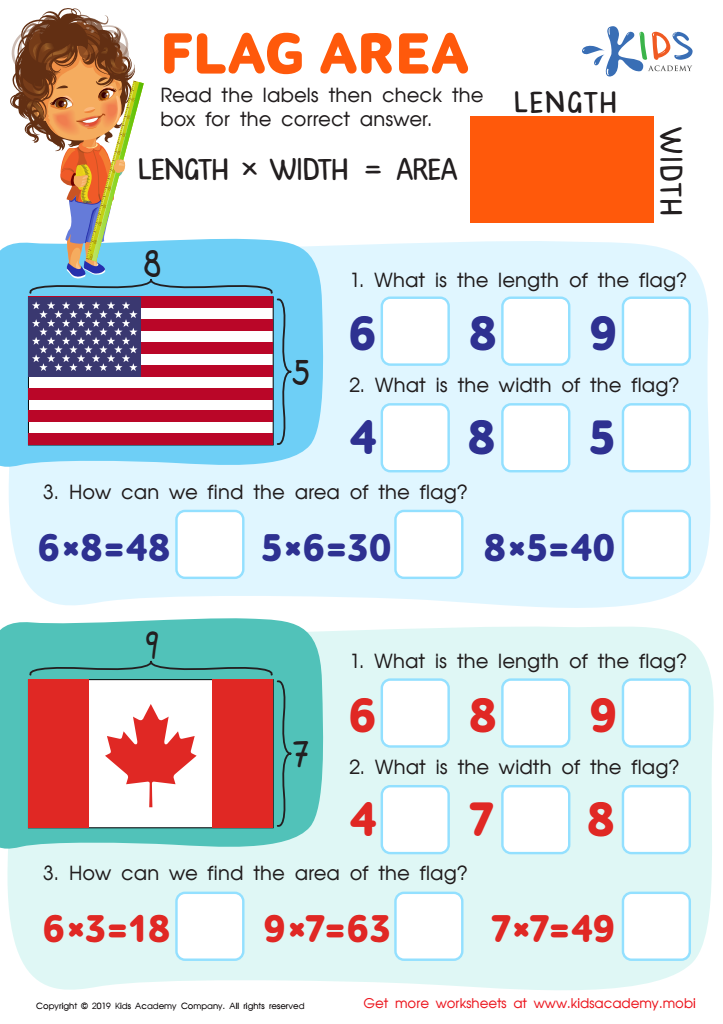
Flag Area Worksheet
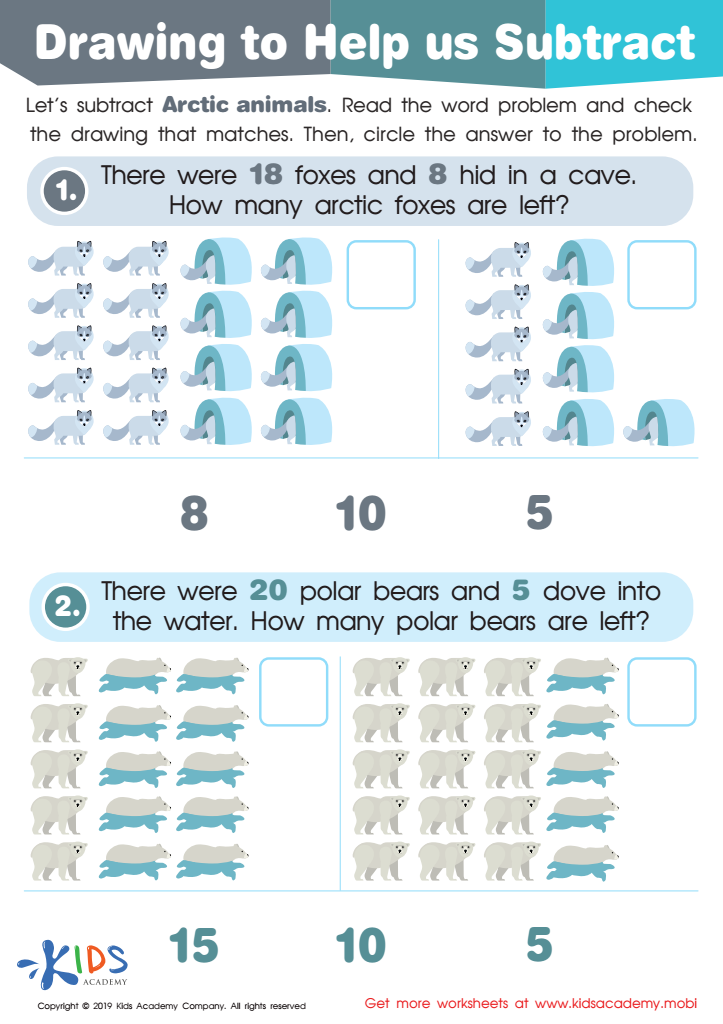
Drawing to Help Us Subtract Worksheet
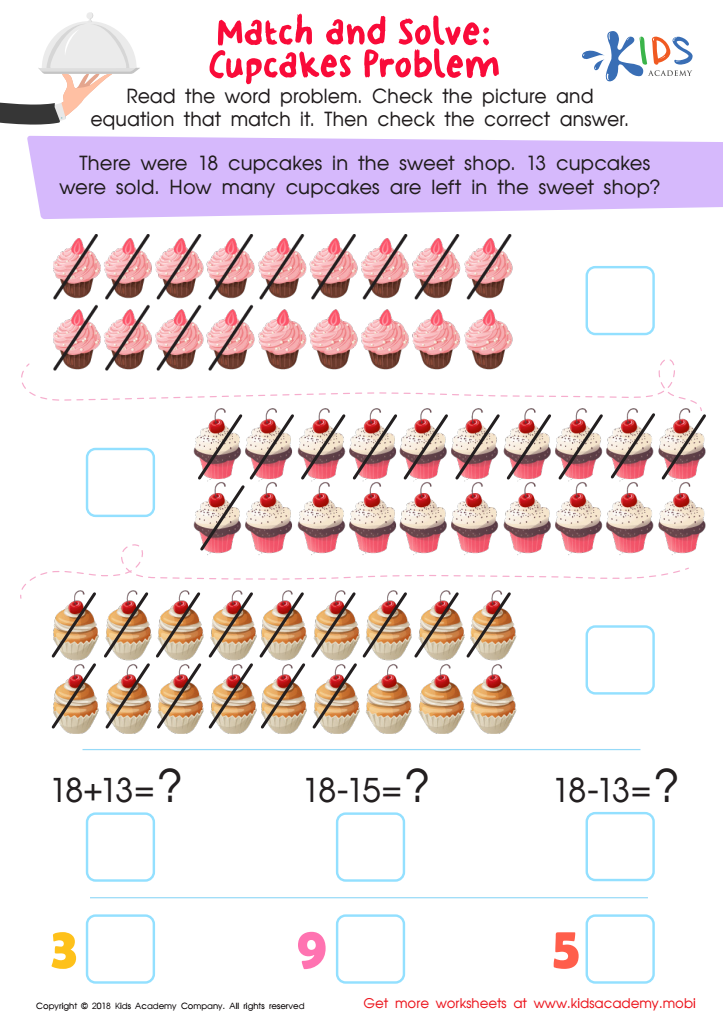
Match and Solve: Cupcakes Problem Worksheet
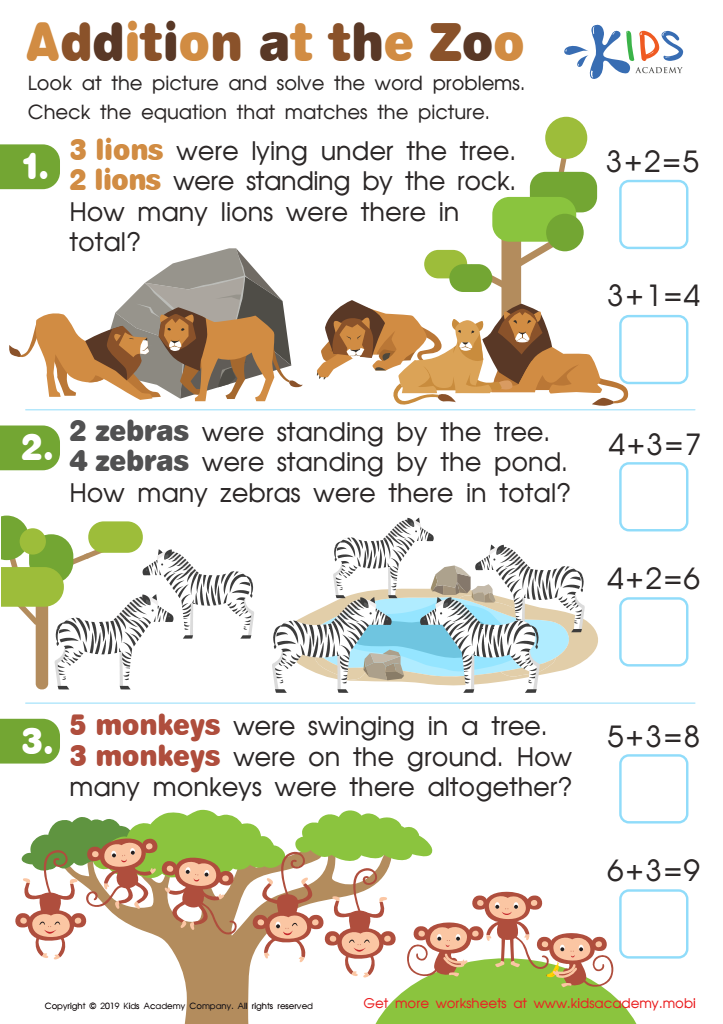
Addition at the Zoo Worksheet
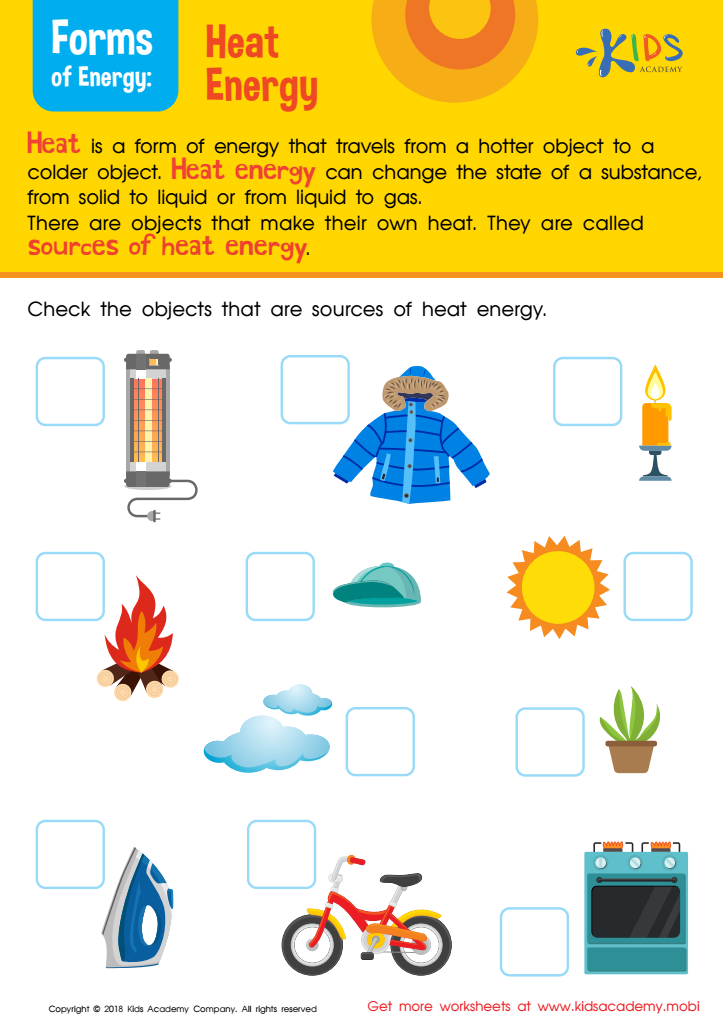
Sources of Heat Energy Worksheet
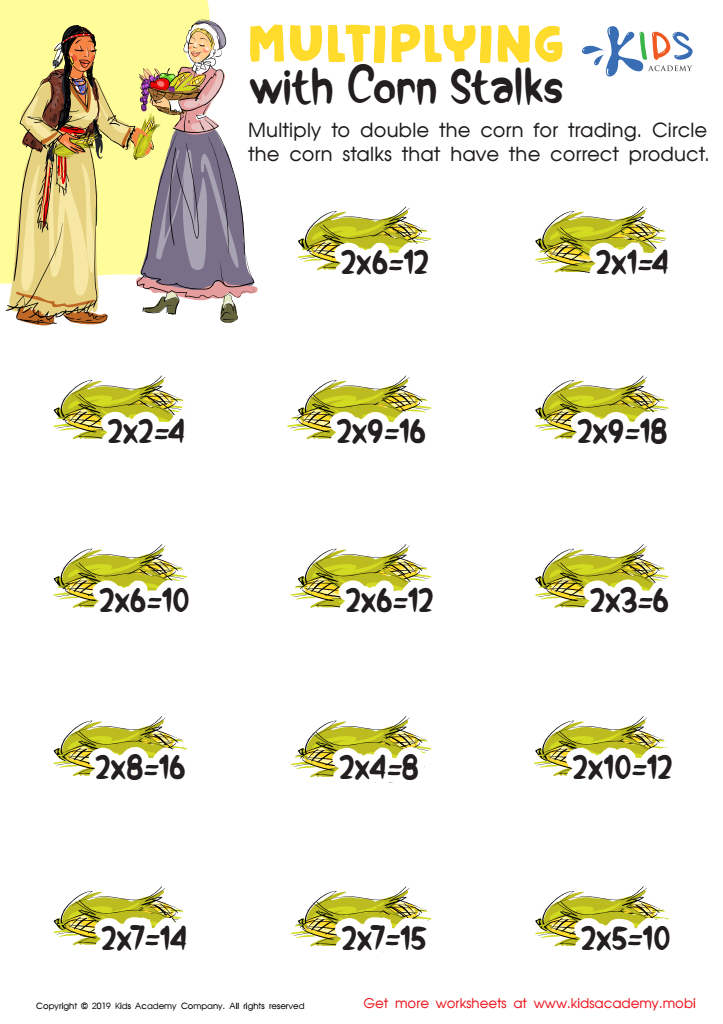
Multiplying With Corn Stalks Worksheet







Visual learning is incredibly important for children aged 8-9, as it aligns with their developmental stage and emerging cognitive abilities. At this age, children's brains are highly active in processing visual information, making visual aids an essential tool for effective learning. Parents and teachers should care about visual learning because it capitalizes on this natural predisposition, enhancing comprehension and retention of information.
First and foremost, visual aids such as charts, diagrams, and pictures can make abstract concepts more concrete. This helps children grasp challenging subjects in math, science, and language arts. For instance, visualizing fractions with pie charts or understanding story elements through graphic organizers makes these concepts more relatable and less intimidating.
Moreover, visual learning complements other learning styles, creating a more inclusive educational environment. It benefits not only visual learners but also helps reinforce concepts through repetition and multi-sensory engagement, which is beneficial for kinesthetic and auditory learners as well.
Additionally, incorporating visual elements fosters creativity and critical thinking. Engaging in activities like drawing mind maps or infographics encourages children to organize information logically, boosting their problem-solving skills and enhancing their ability to make connections between different concepts.
Ultimately, prioritizing visual learning supports a holistic educational approach, empowering children to become more effective and enthusiastic learners.








