Vocabulary enhancement Worksheets for Ages 8-9 - Page 3
144 filtered results
-
From - To
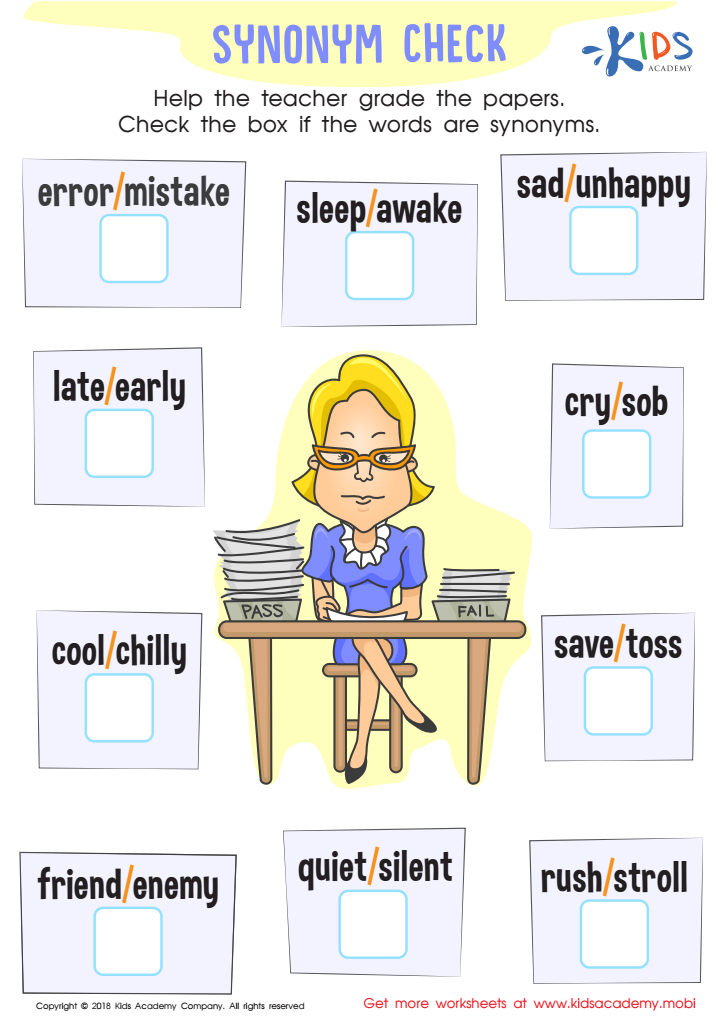
Synonym Check Worksheet
 Assign to My Students
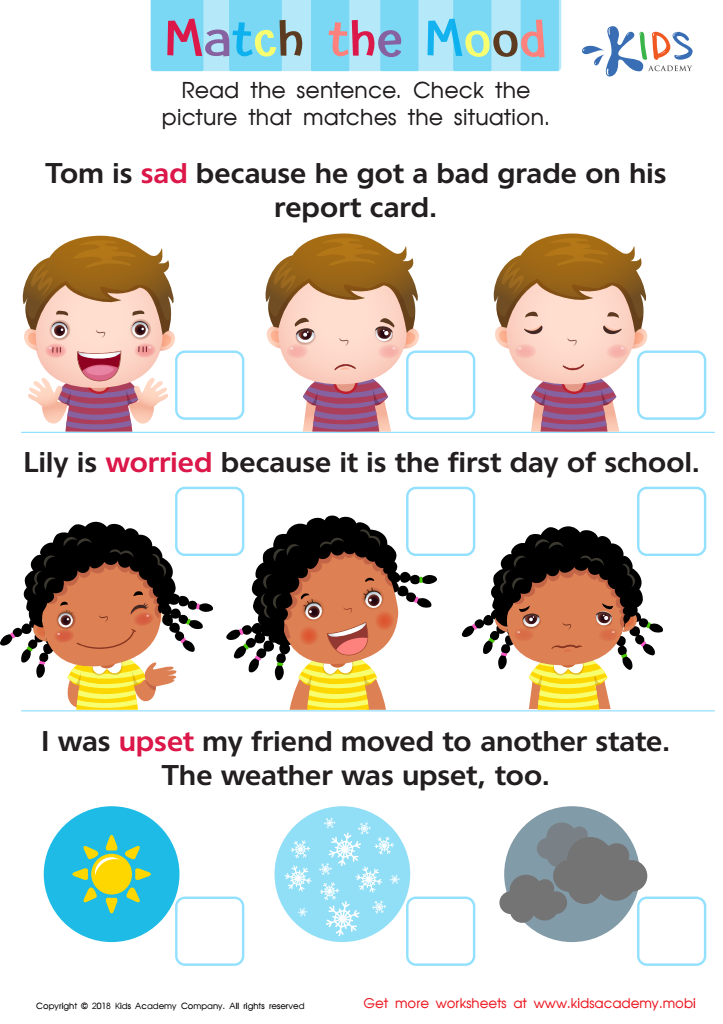
Match The Mood Worksheet
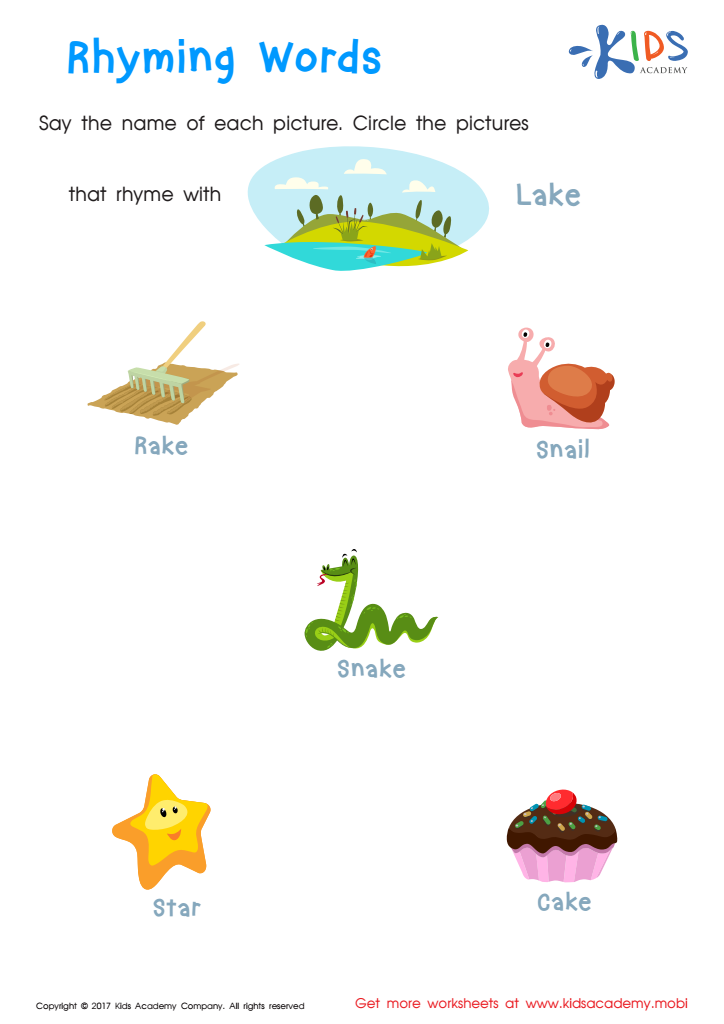
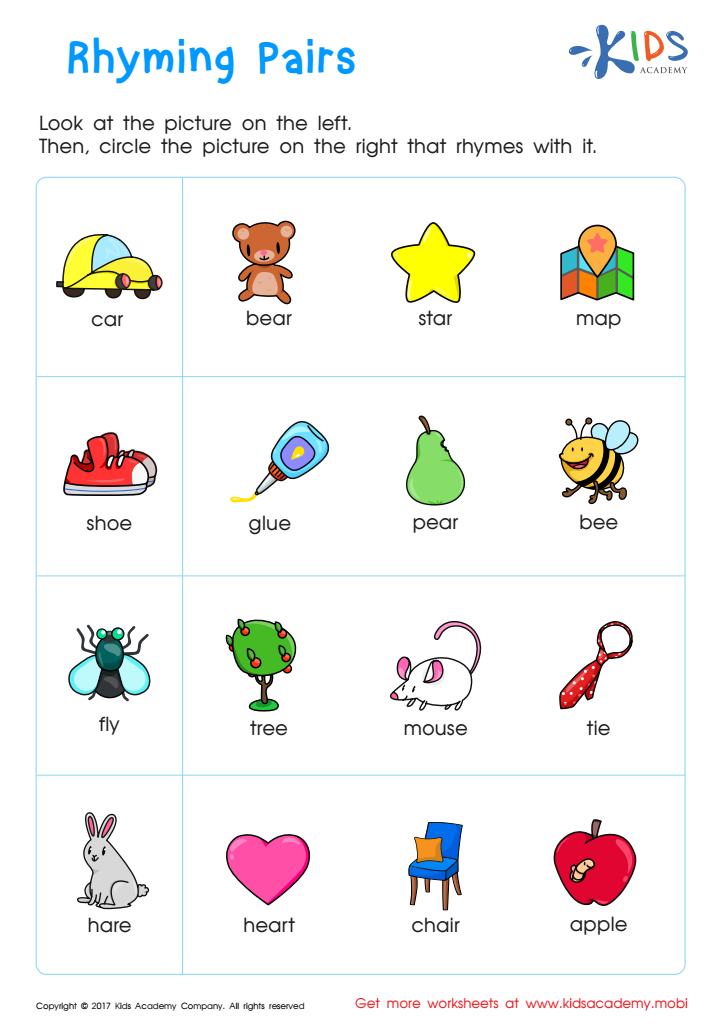
Rhyming Words Rhyming Worksheet
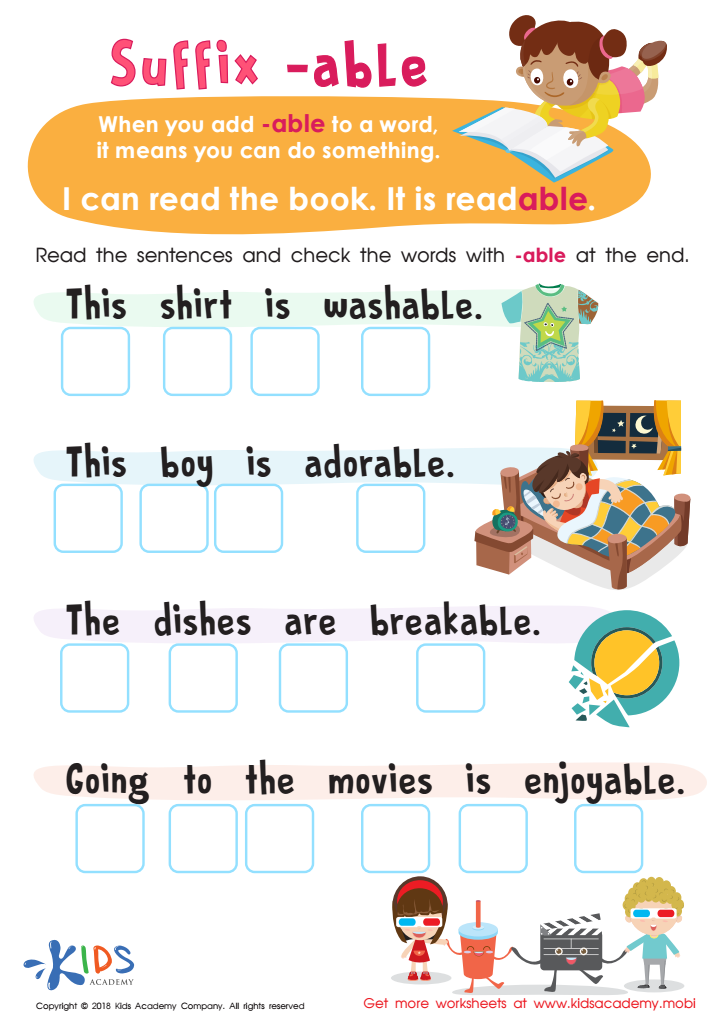
Suffix -Able Worksheet
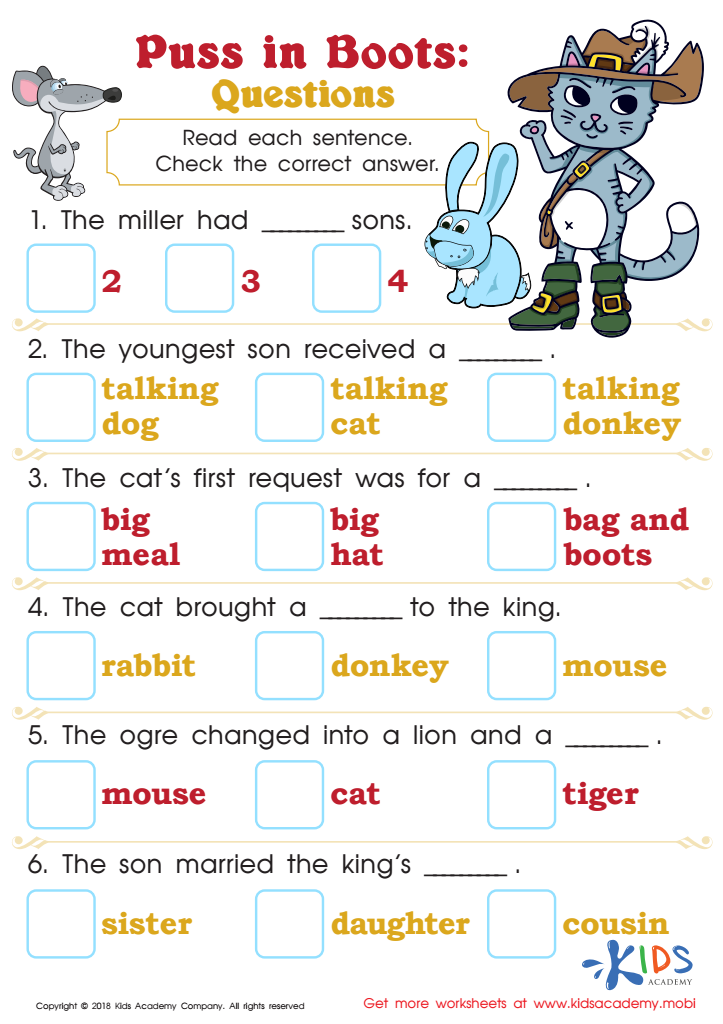
Puss in Boots: Questions Worksheet
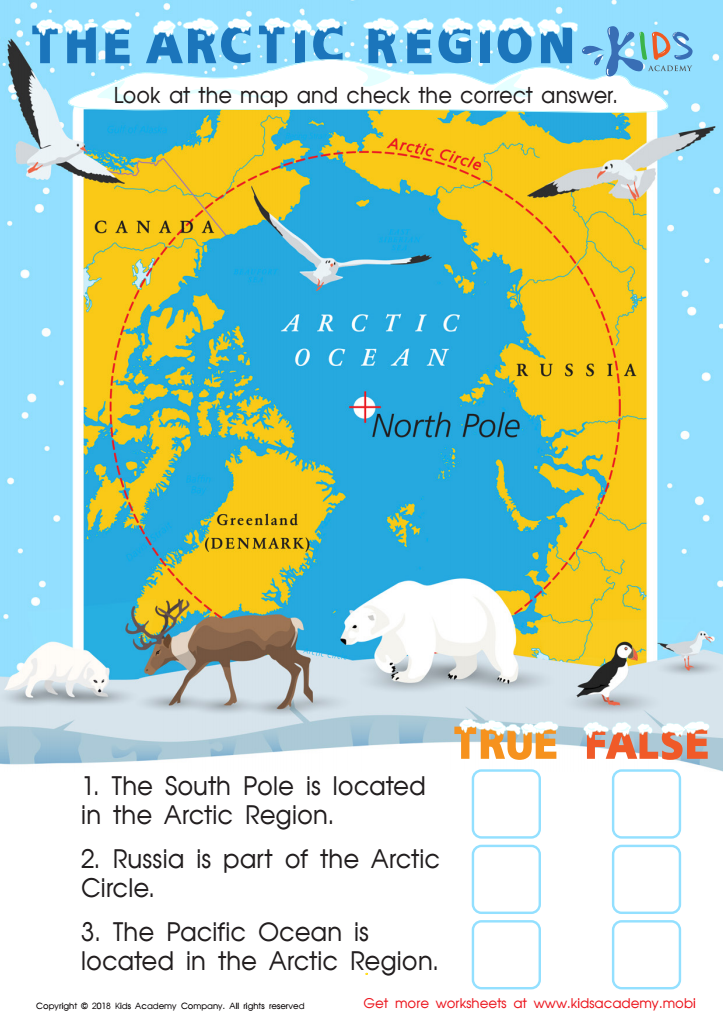
The Arctic Region Worksheet
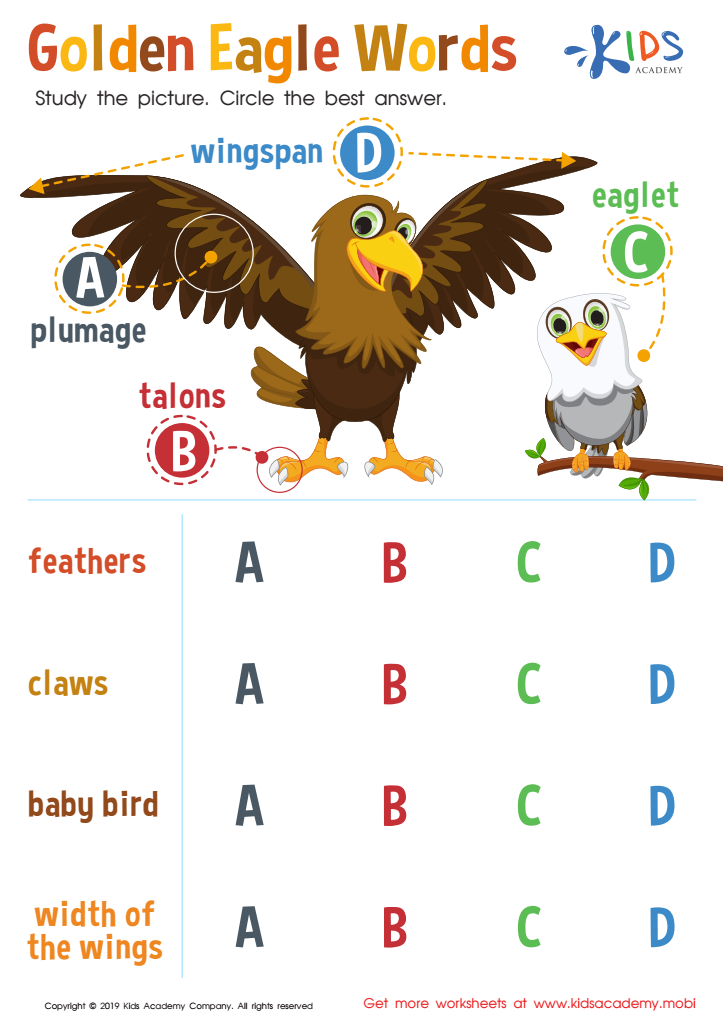
Golden Eagle Words Worksheet
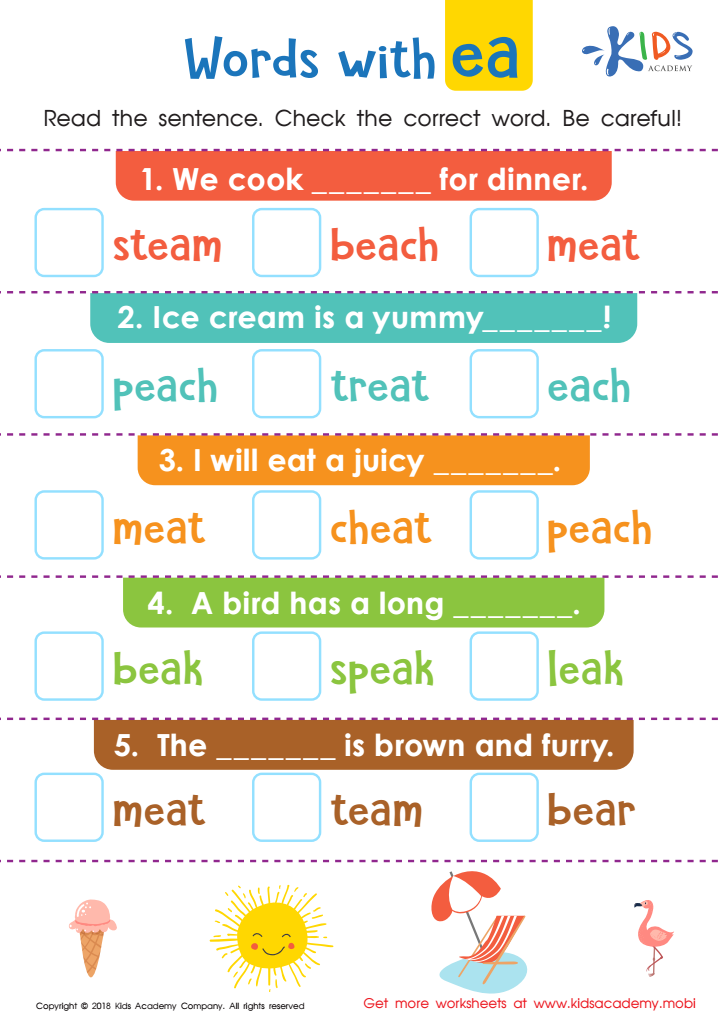
Words with ea Worksheet
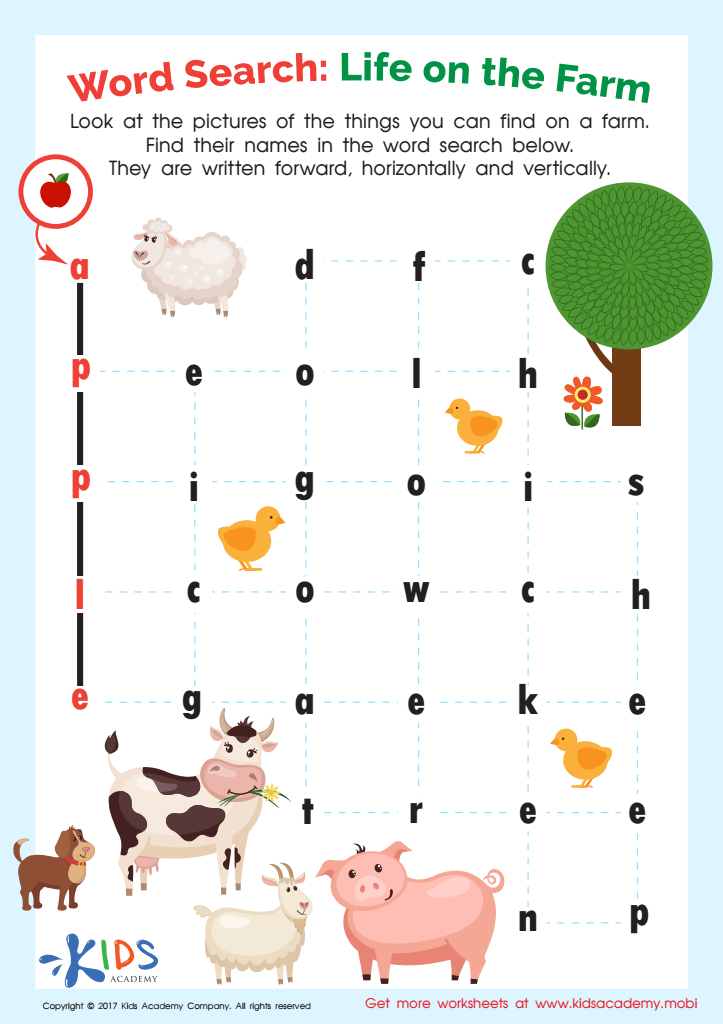
Word Search Puzzles Worksheet
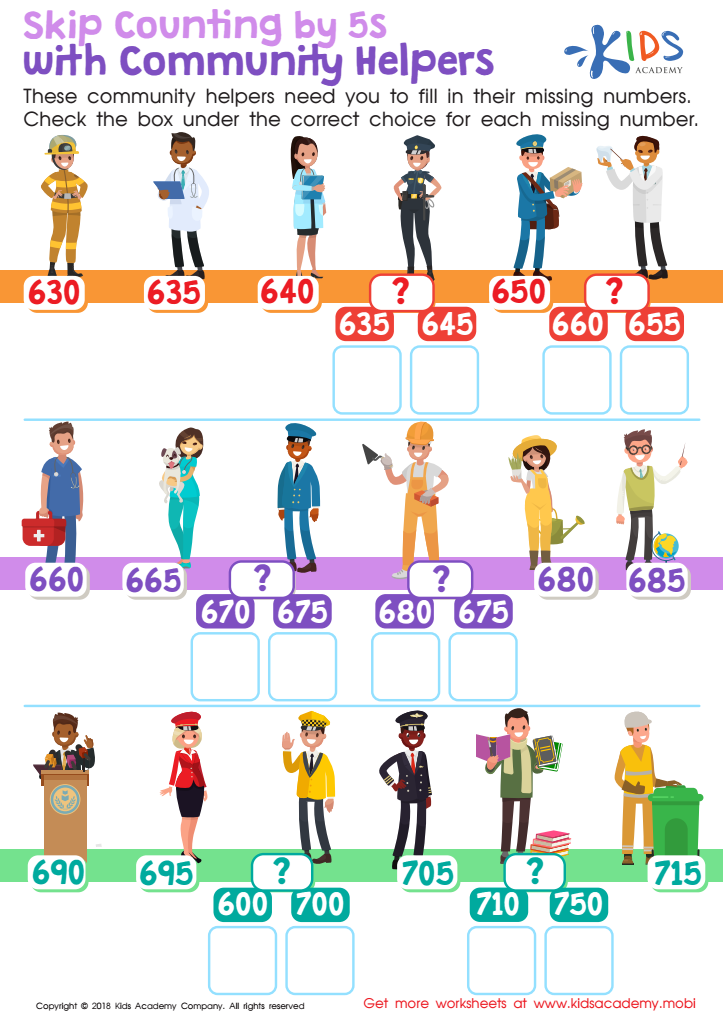
Skip Counting by 5s With Community Helpers Worksheet
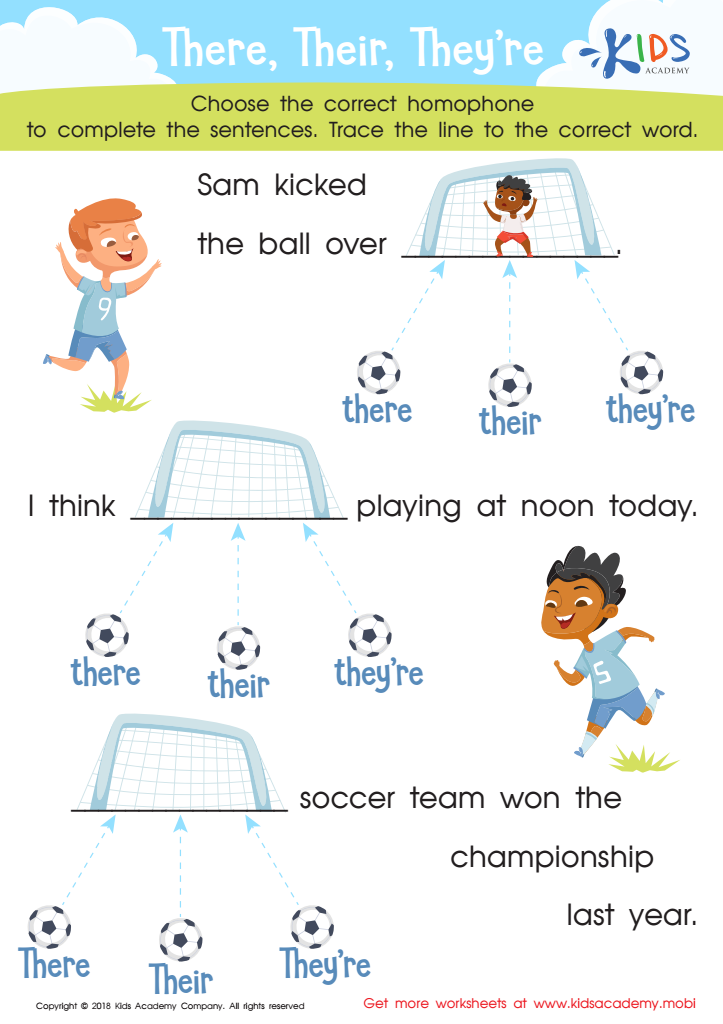
There, Their, They're Worksheet
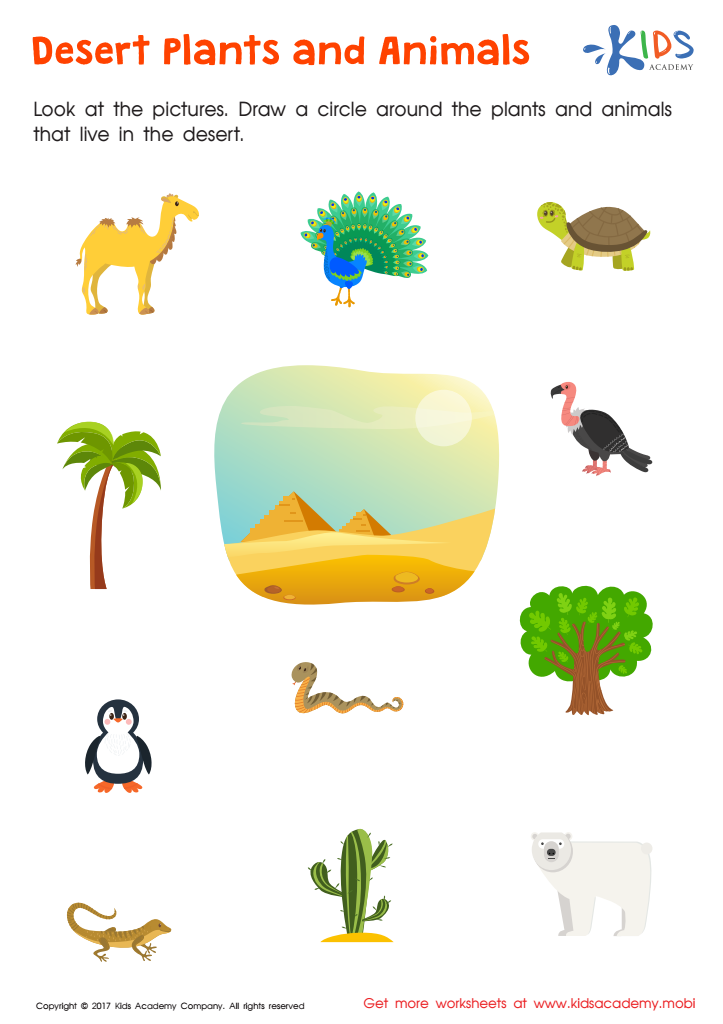
Desert Plants Animals Printable
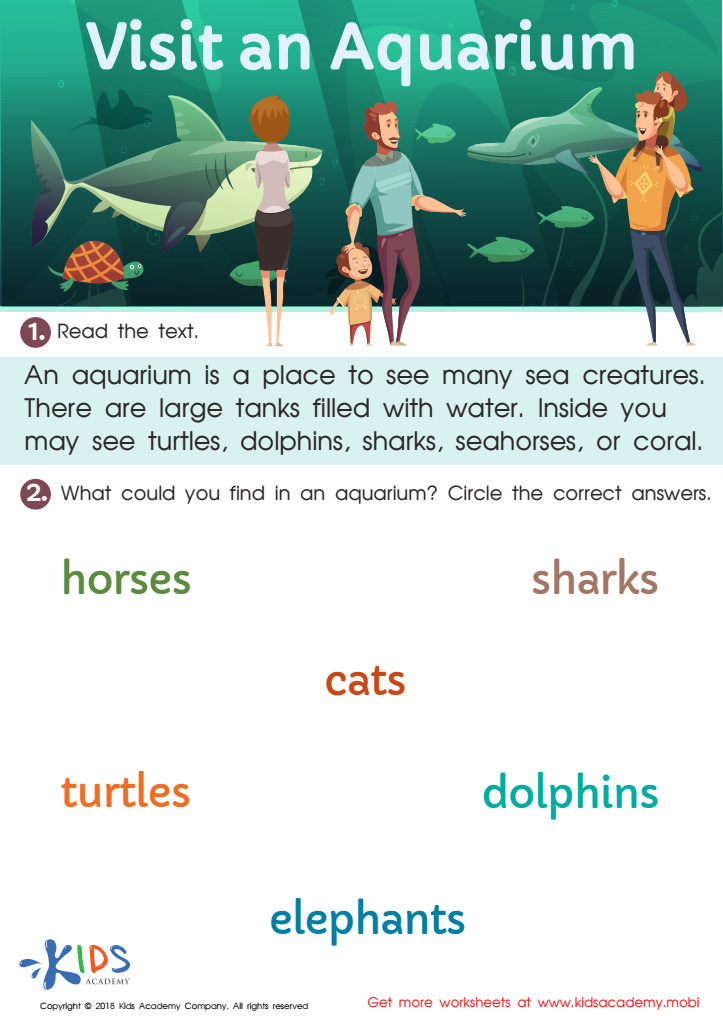
Visit an Aquarium Worksheet
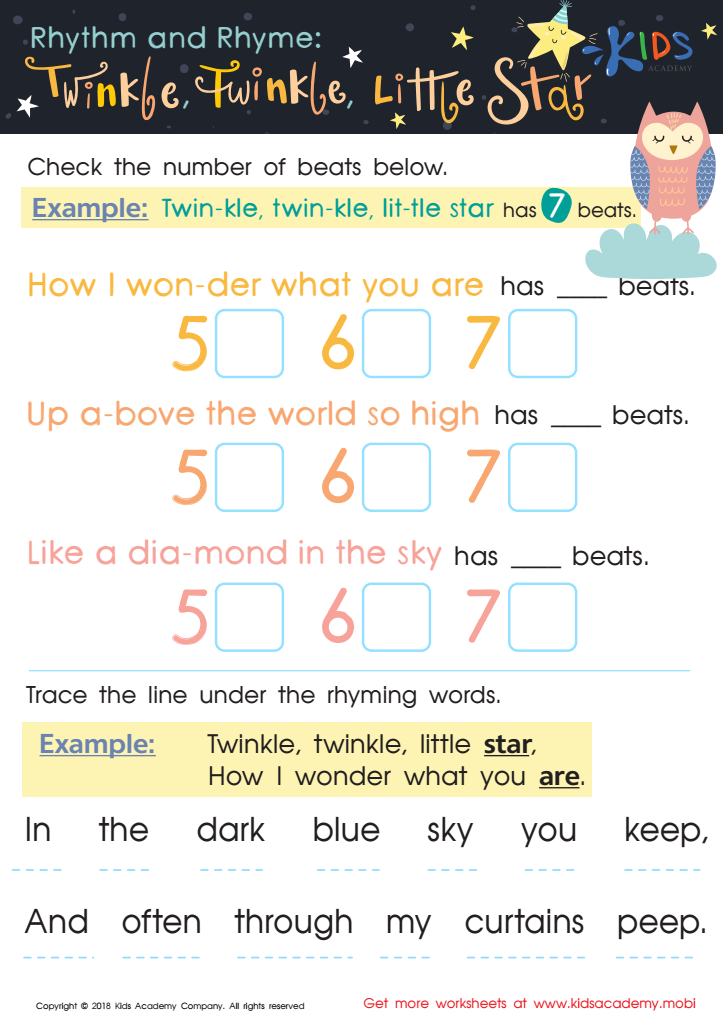
Rhythm and Rhyme: Twinkle, Twinkle, Little Star Worksheet
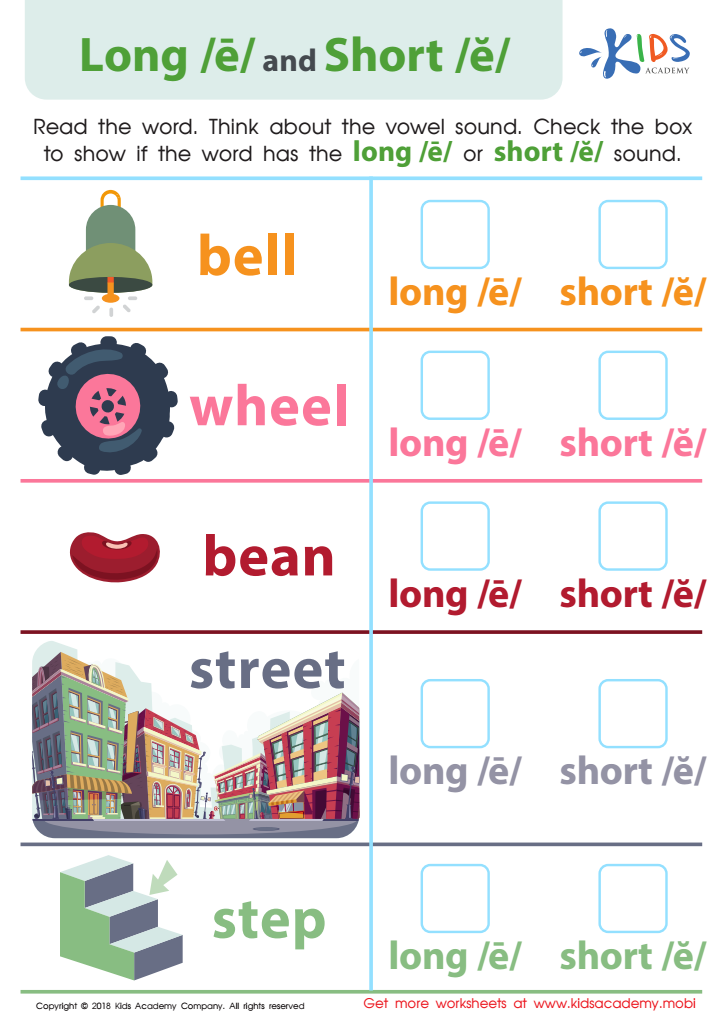
Reading: Long E and Short E Worksheet
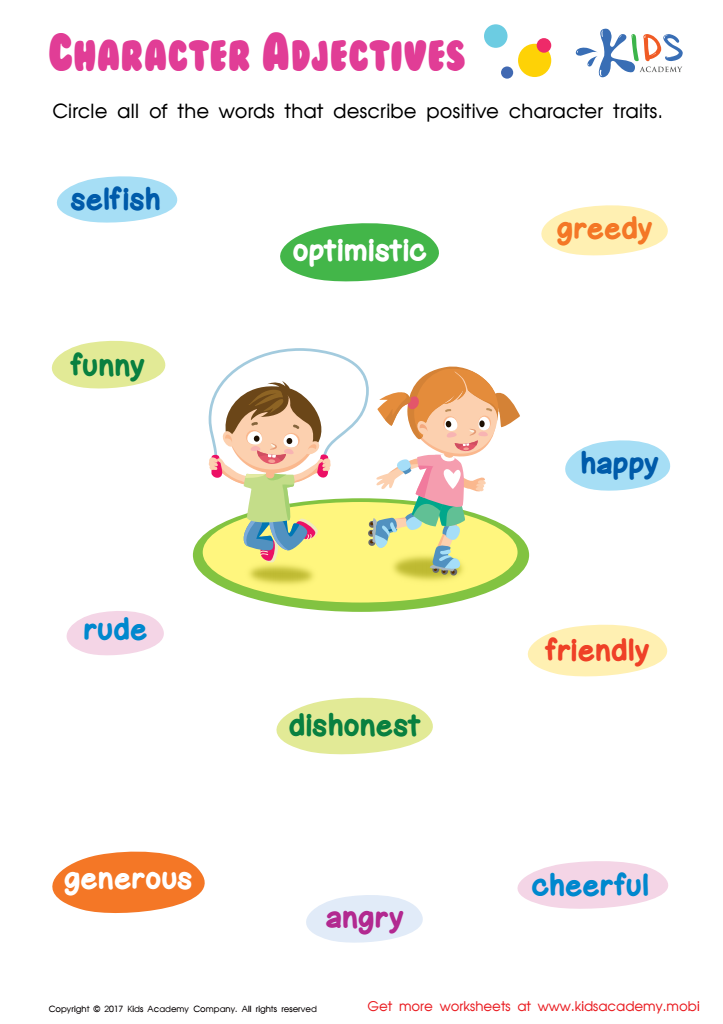
Character Adjectives Worksheet
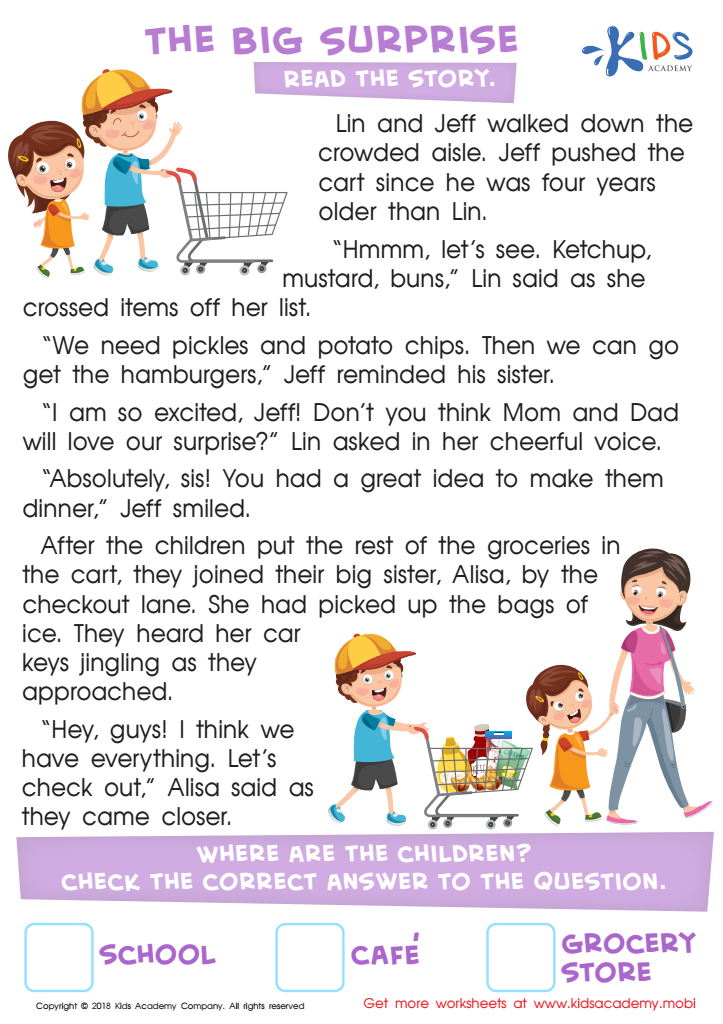
The Big Surprise Worksheet
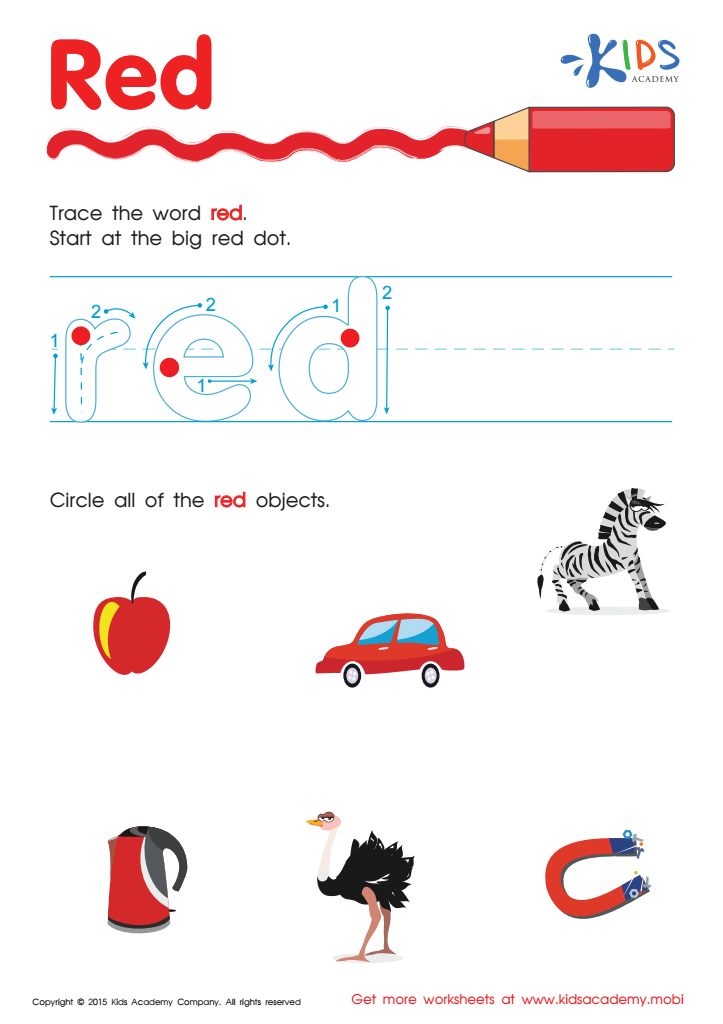
Red Tracing Color Words Printable
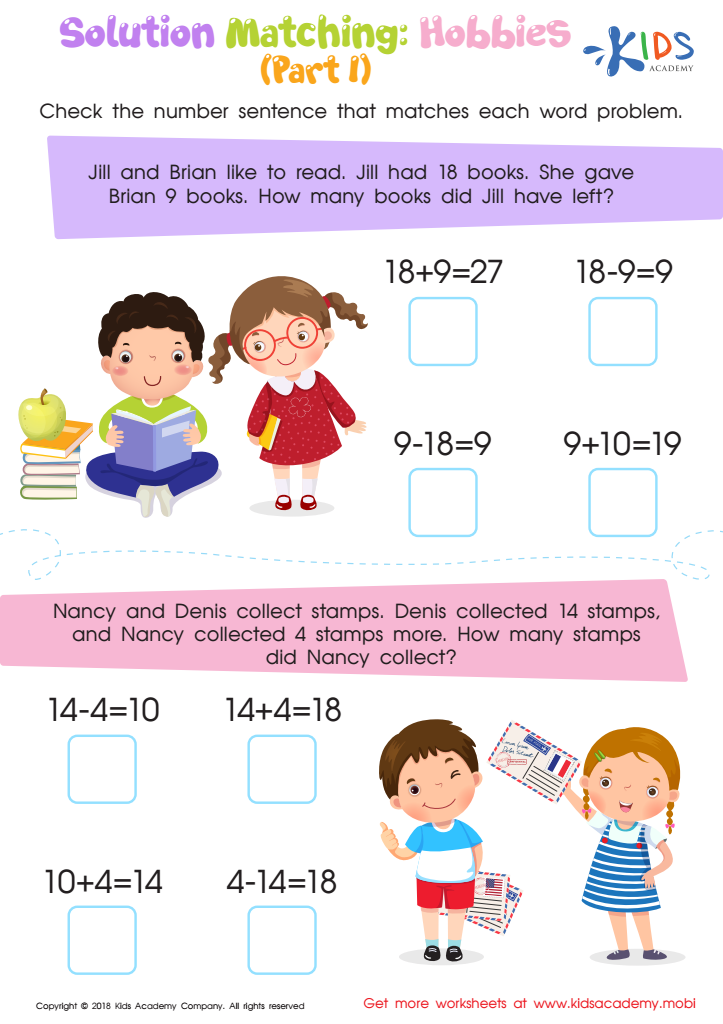
Solution Matching: Hobbies. Part 1 Worksheet
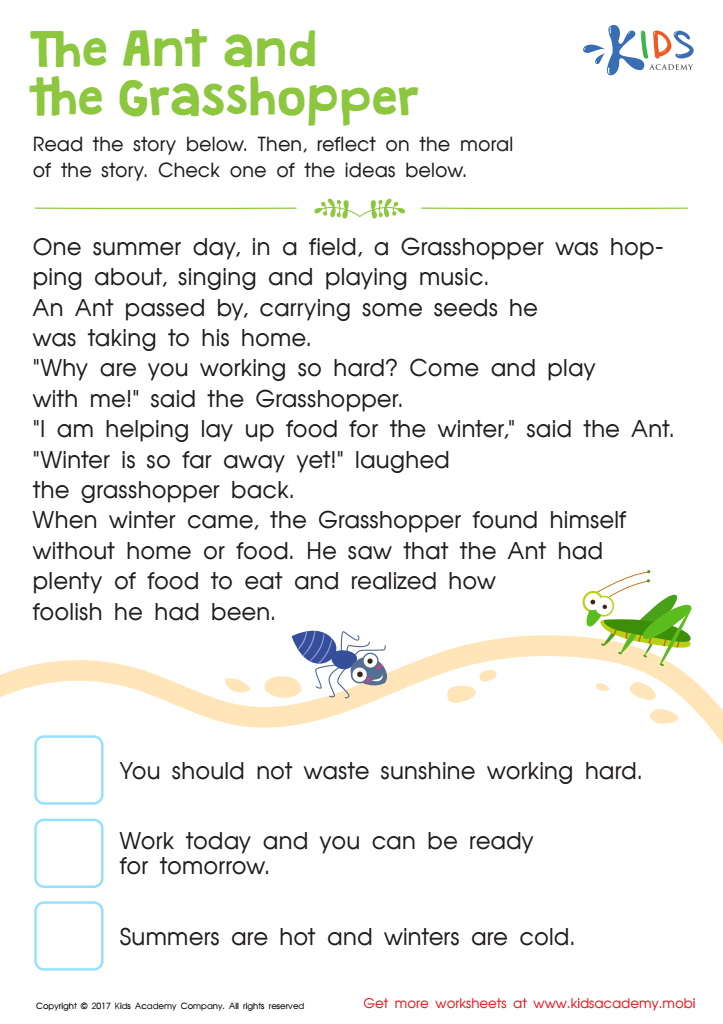
The Ant and The Grasshopper Printable
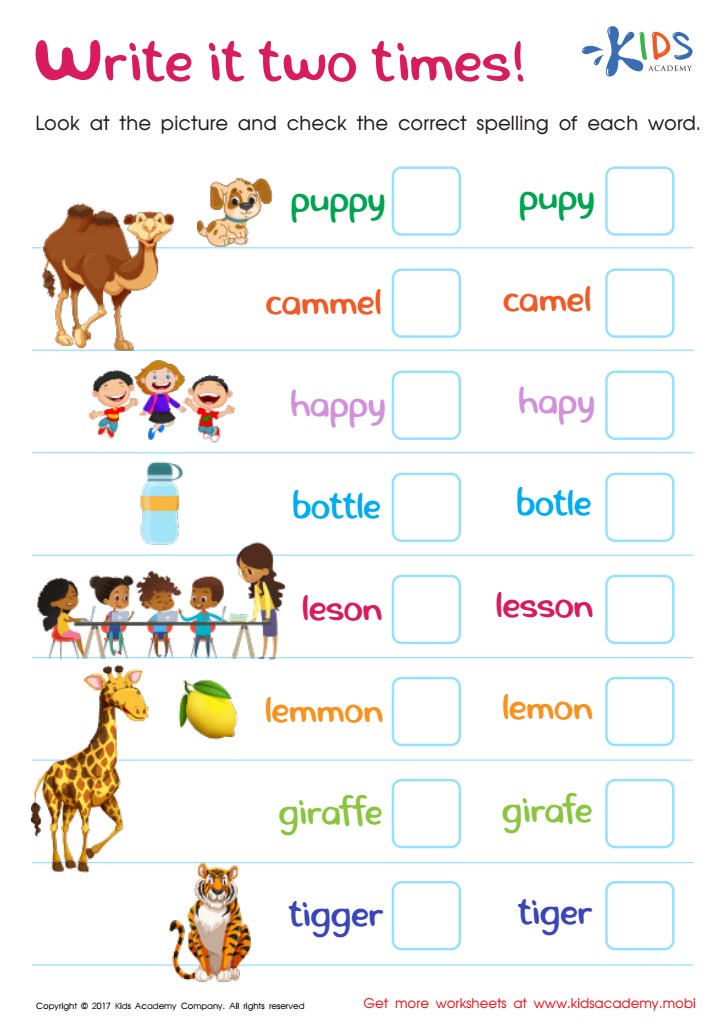
Spelling Practice Worksheet
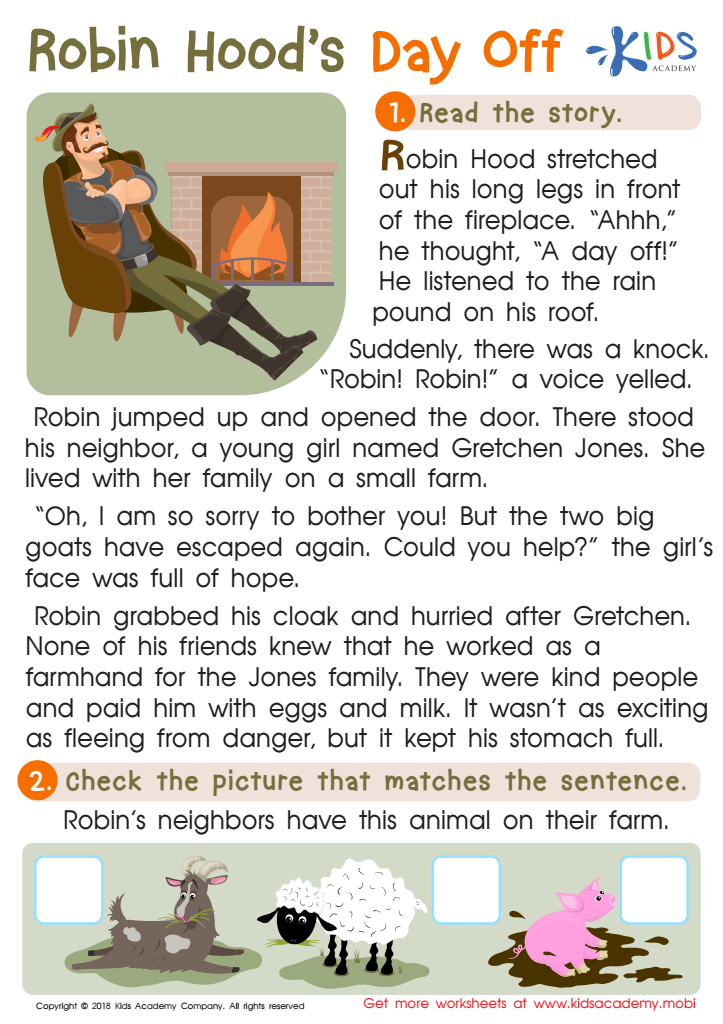
Robin Hood's Day Off Worksheet
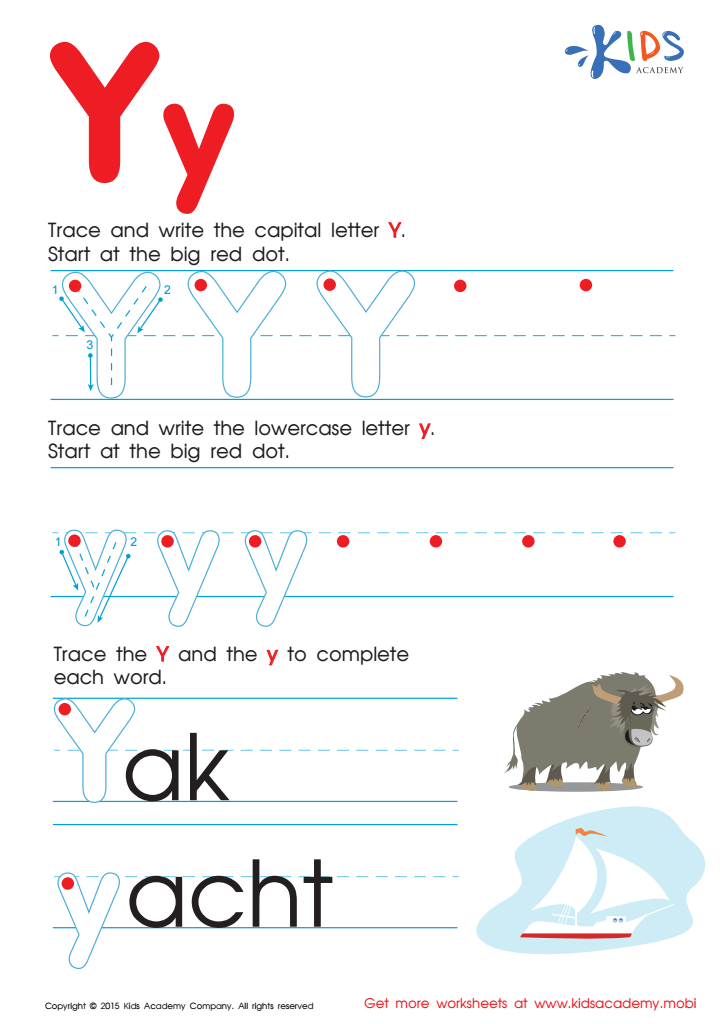
Letter Y Tracing Page







Vocabulary enhancement for children aged 8-9 is crucial for several reasons. At this stage, children are transitioning from learning to read to reading to learn, making a strong vocabulary essential for academic success. A rich vocabulary facilitates better comprehension of texts, enabling children to grasp complex concepts and ideas across subjects, from science to humanities. When students understand more words, they can engage with materials more deeply, fostering critical thinking and analytical skills.
Additionally, a robust vocabulary boosts written and verbal communication. Children learn to express themselves clearly and confidently, which is vital for both classroom participation and social interactions. Improvement in language skills at this age can promote better writing, creative expression, and even collaboration with peers.
Moreover, vocabulary enhancement can mitigate learning disparities. Children with a strong vocabulary tend to perform better academically, closing the gap that may exist due to socioeconomic factors. Parents and teachers play key roles in implementing effective vocabulary strategies, such as reading diverse literature, engaging in rich conversations, and incorporating word games into learning. Ultimately, prioritizing vocabulary enhancement cultivates lifelong learners equipped with the skills needed to thrive in an increasingly complex world.








