Problem-Solving Skills Word Problems Worksheets for Ages 8-9 - Page 2
42 filtered results
-
From - To
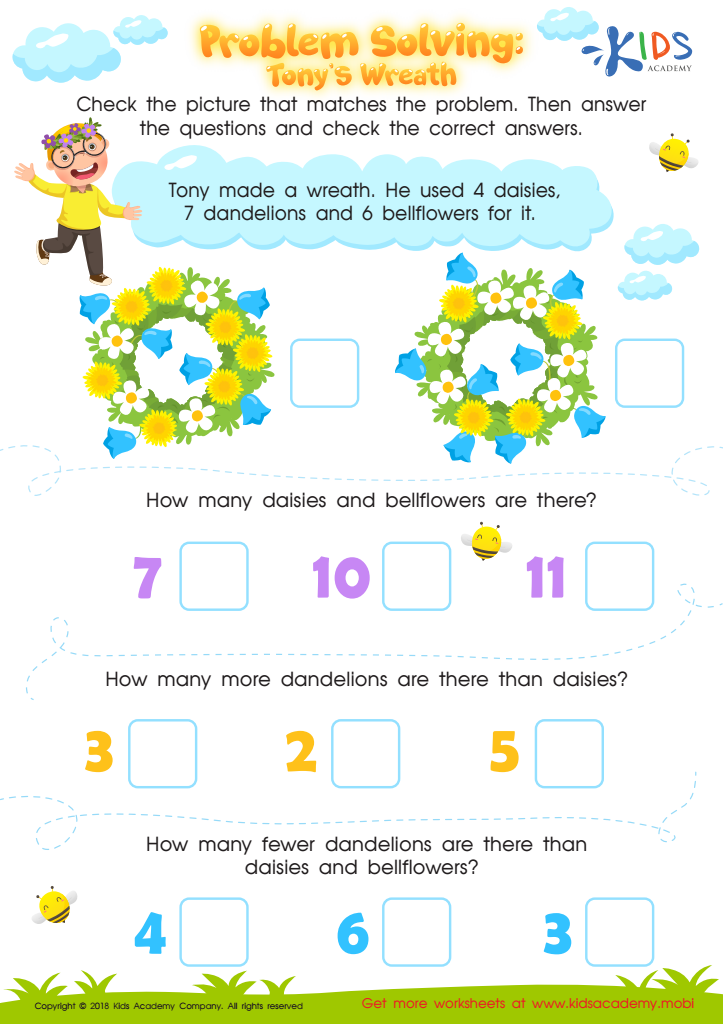
Problem Solving: Tony's Wreath Worksheet
 Assign to My Students
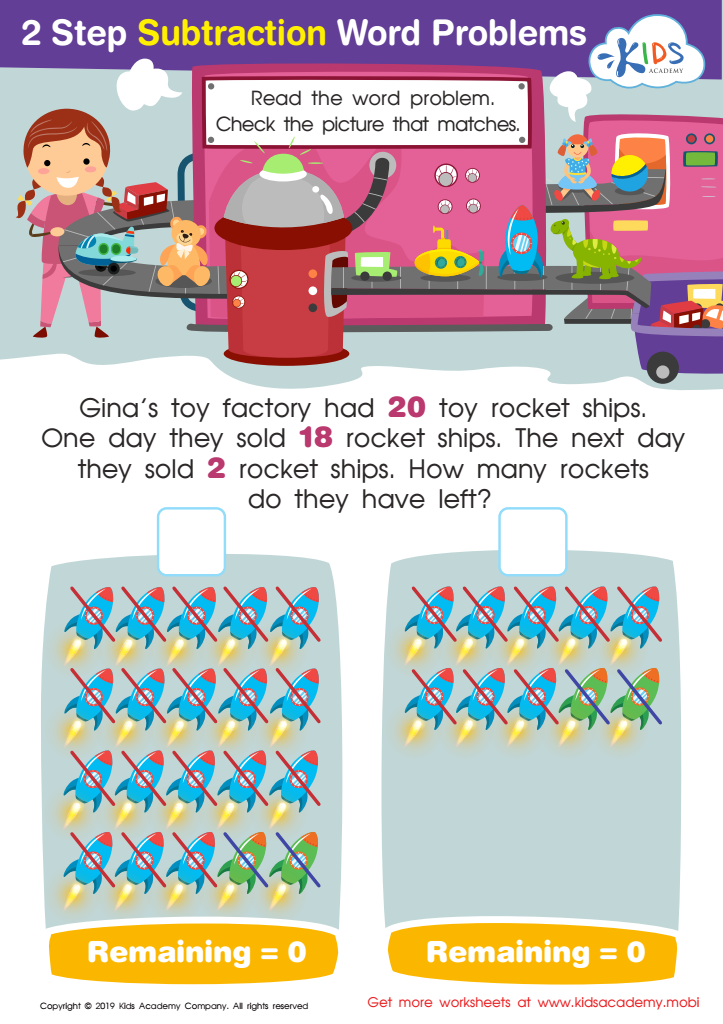
Step Subtraction Word Problems Worksheet
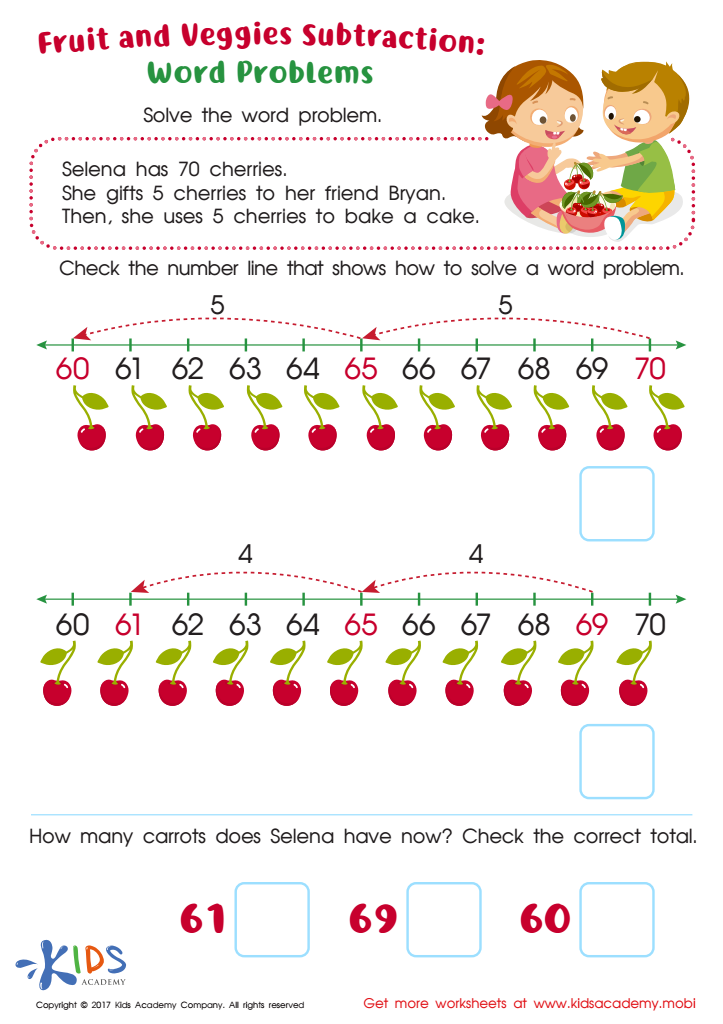
Subtraction Word Problems Free Printable
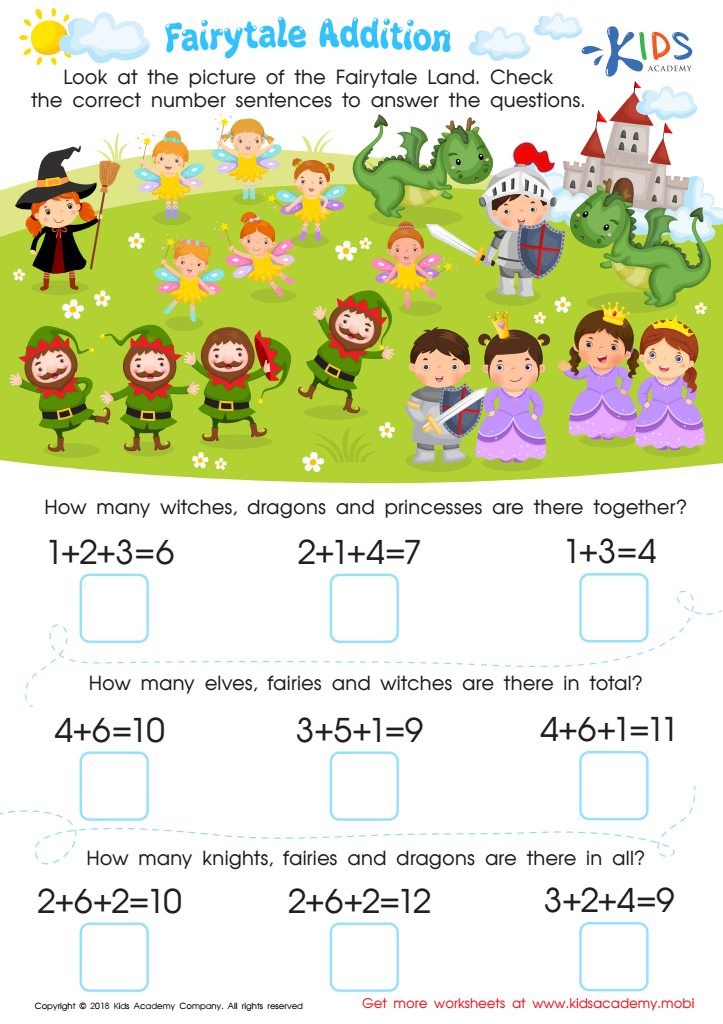
Fairytale Addition Worksheet
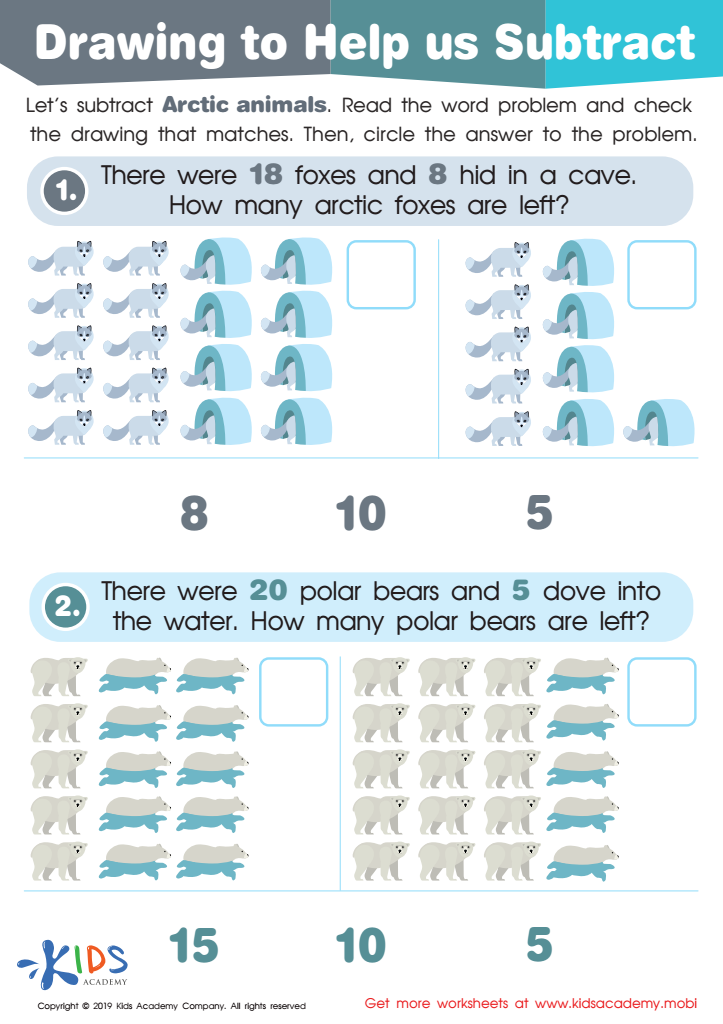
Drawing to Help Us Subtract Worksheet
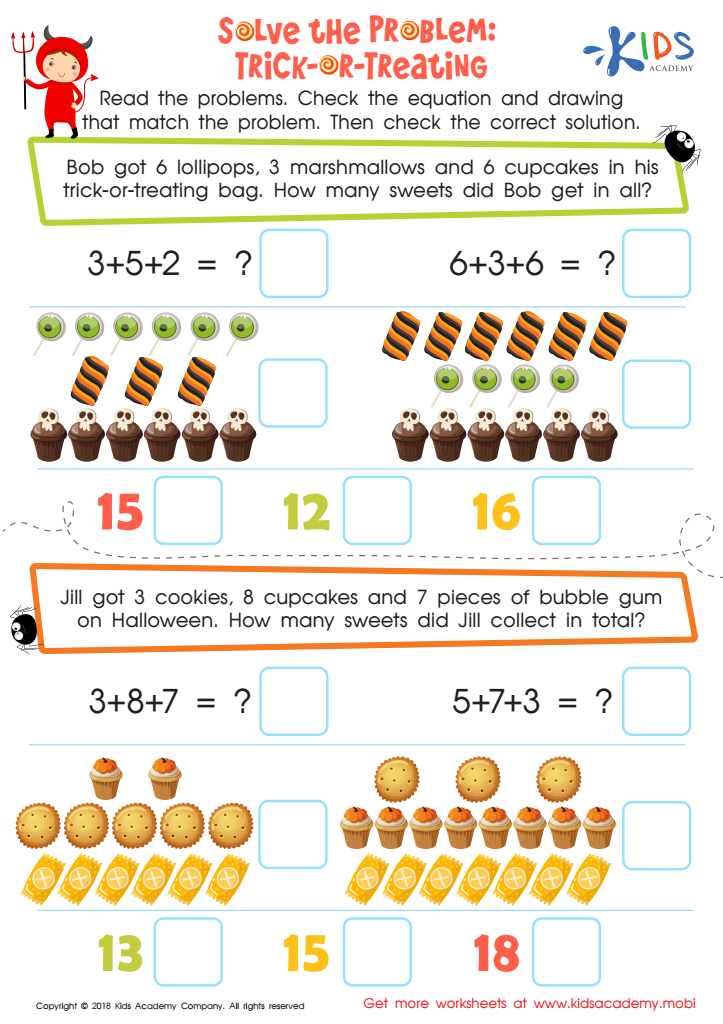
Solve the Problem: Trick–or–treating Worksheet
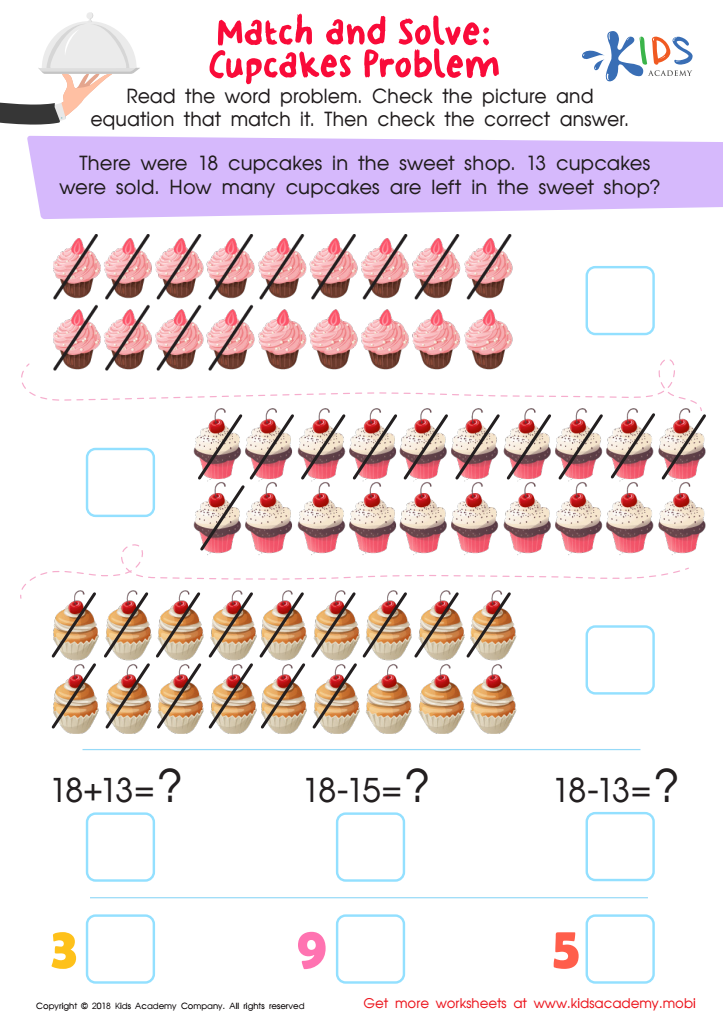
Match and Solve: Cupcakes Problem Worksheet
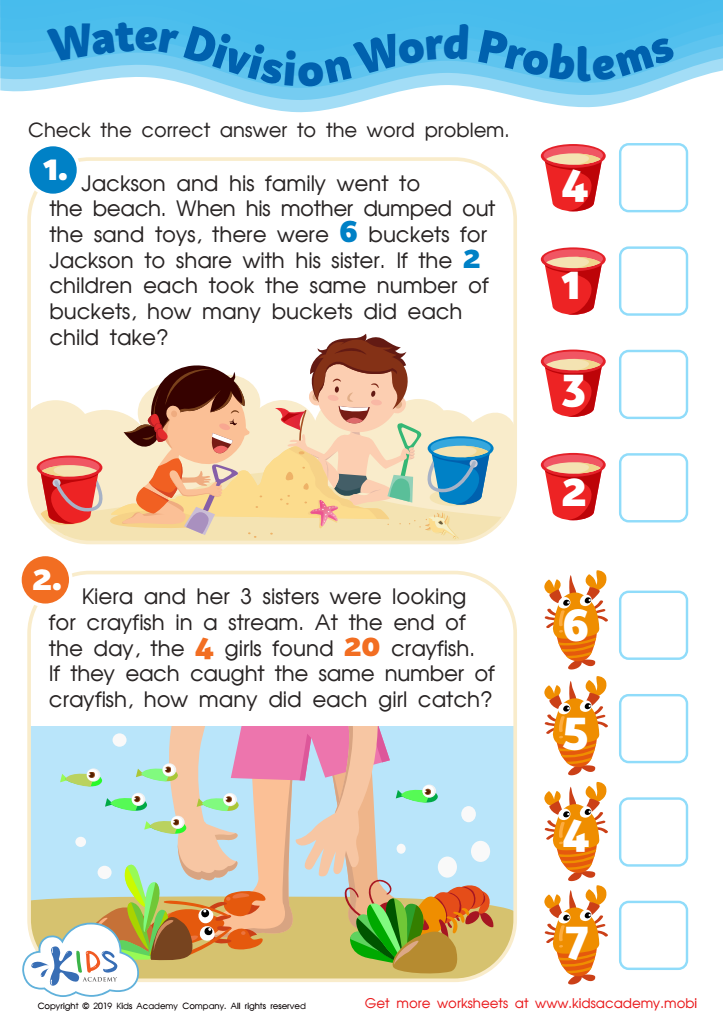
Water Division Word Problems Worksheet
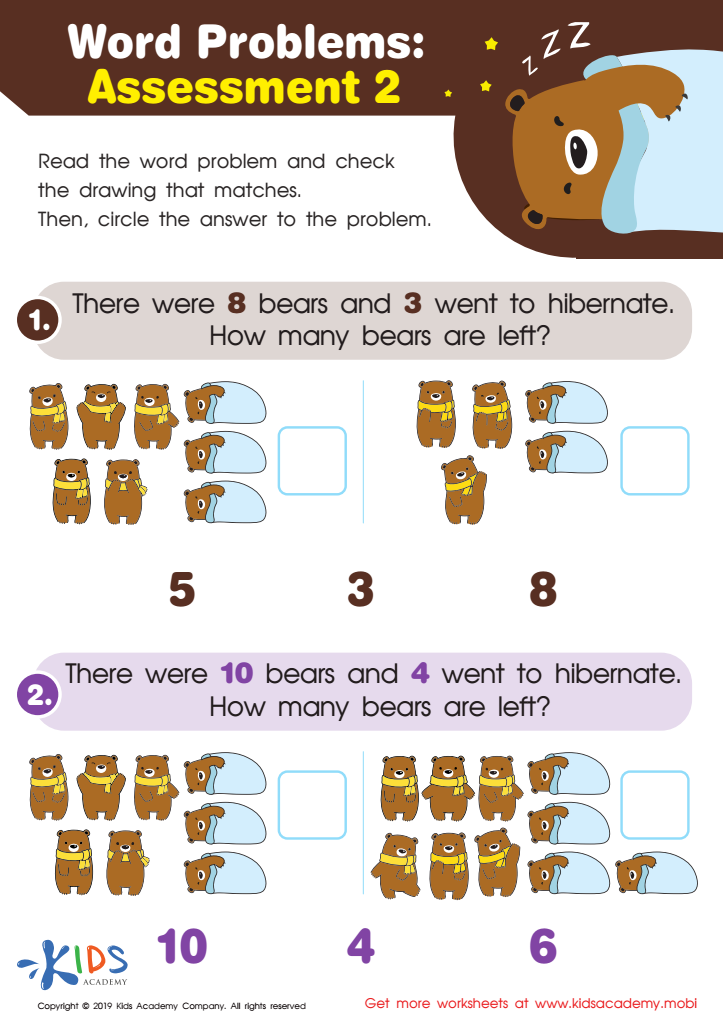
Word Problems: Assessment 2 Worksheet
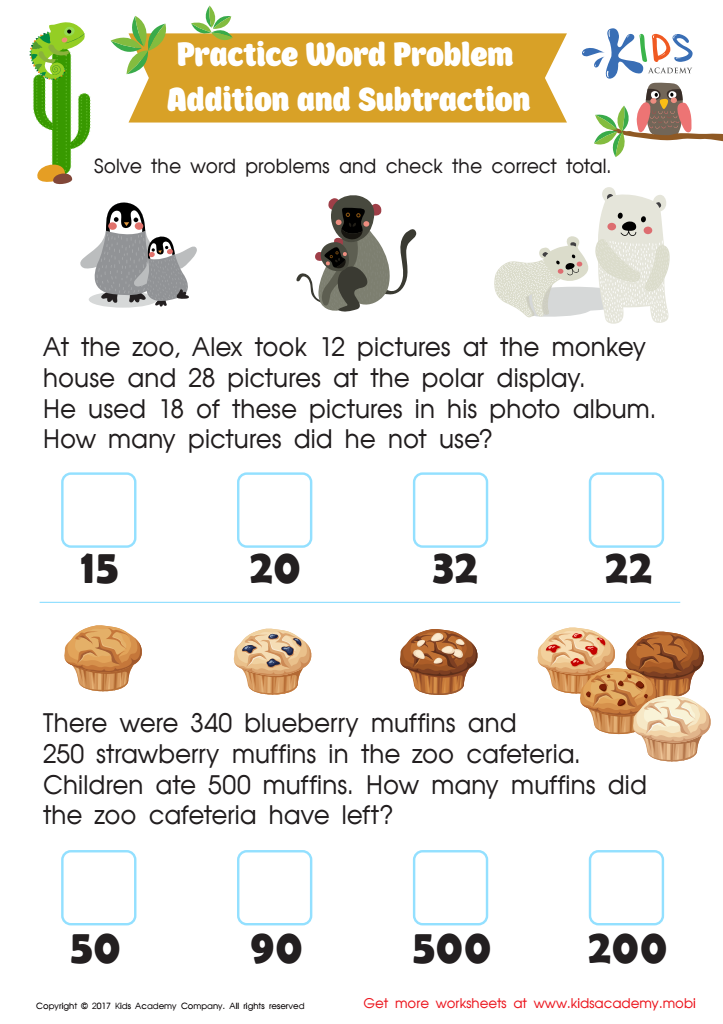
Addition and Subtraction: Word Problems Worksheet

Vegetable Gardens Worksheet
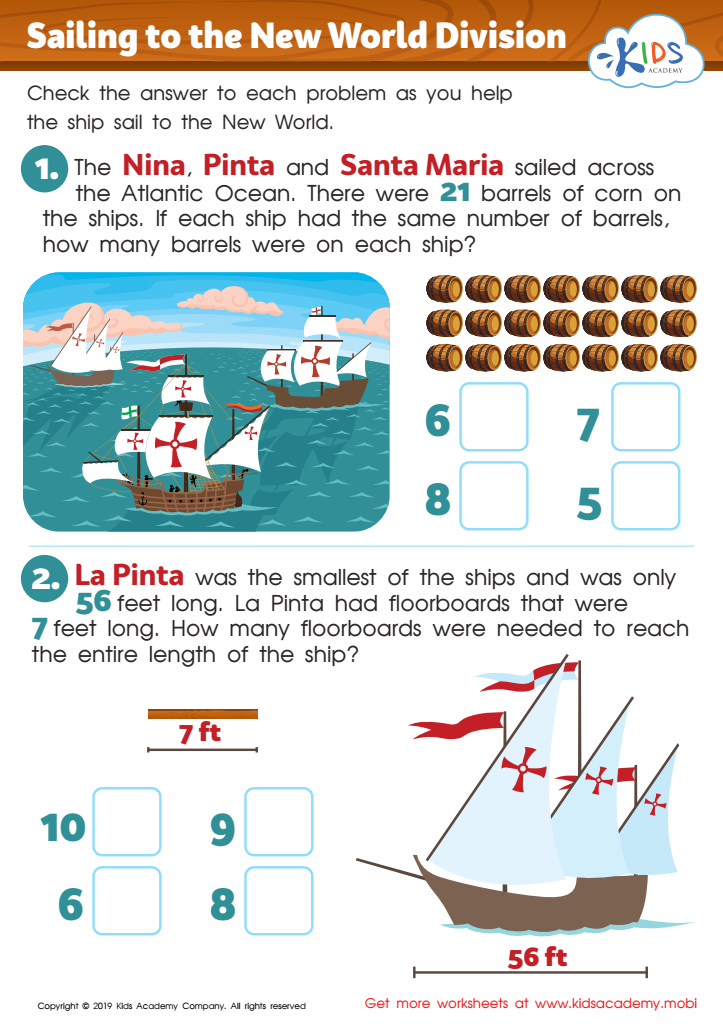
Sailing to the New World Division Worksheet
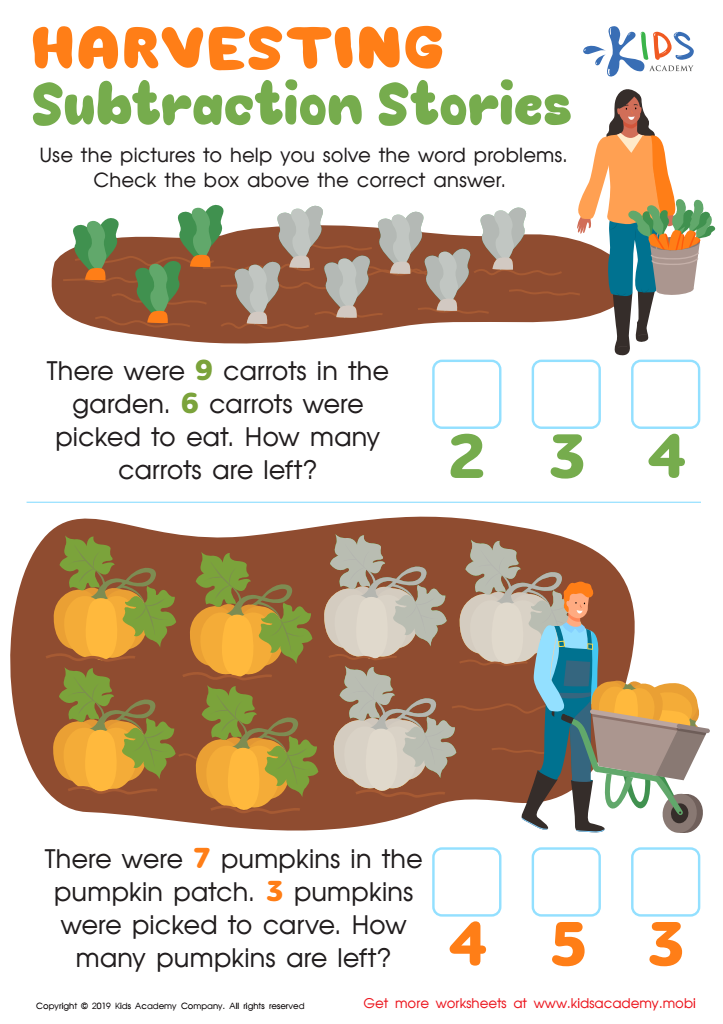
Harvesting Subtraction Stories Worksheet
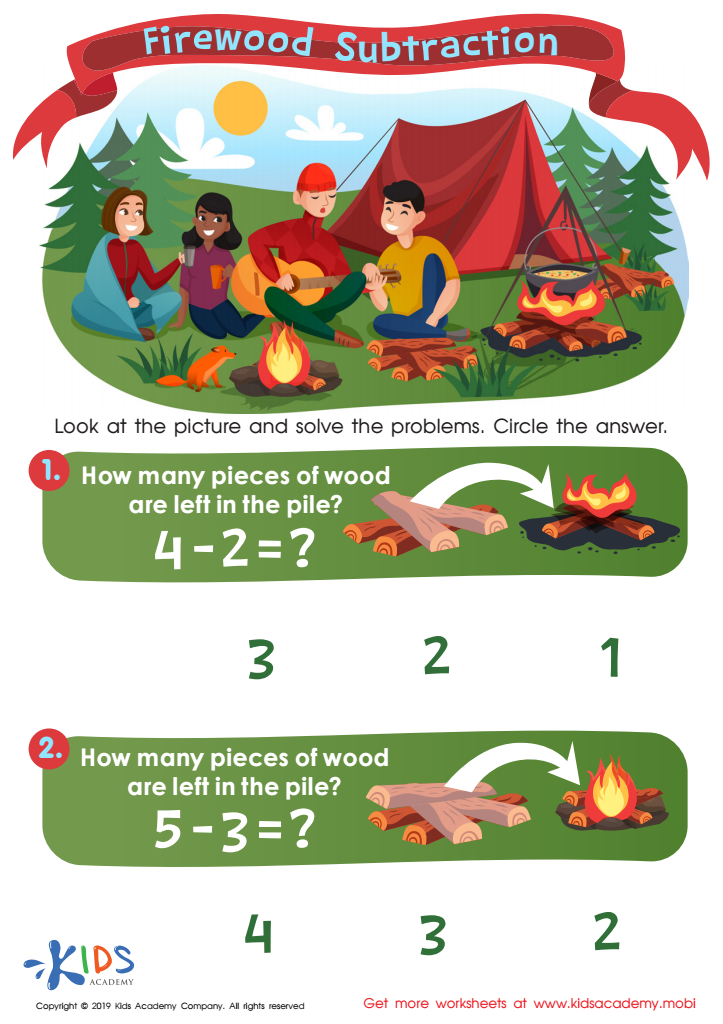
Firewood Subtraction Worksheet
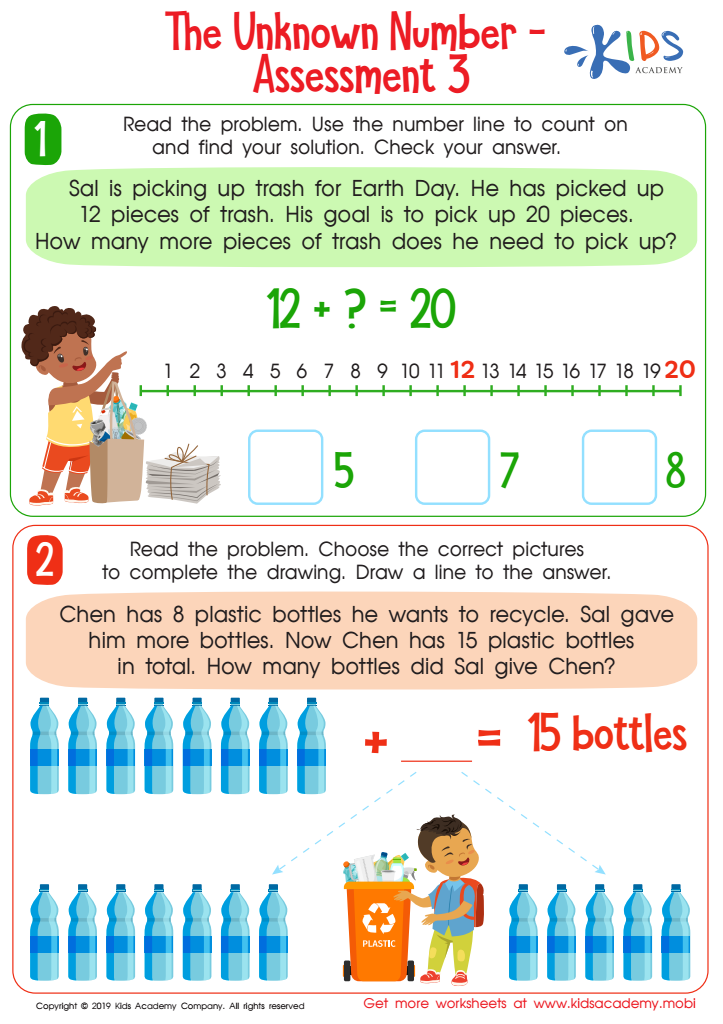
The Unknown Number - Assessment 3 Worksheet
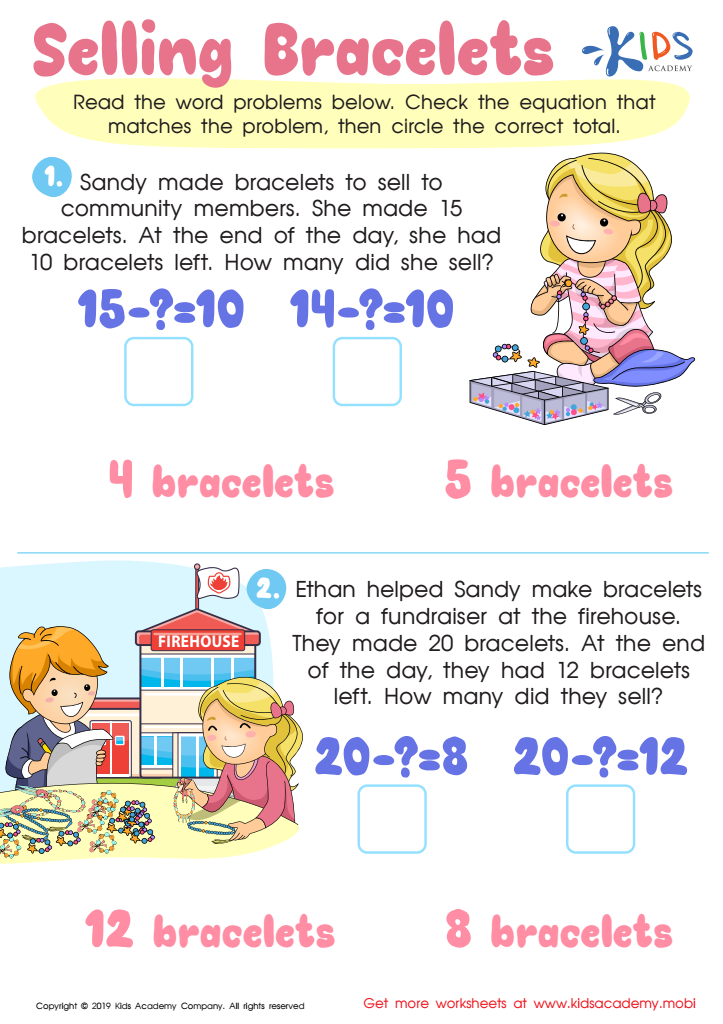
Selling the Bracelets Worksheet
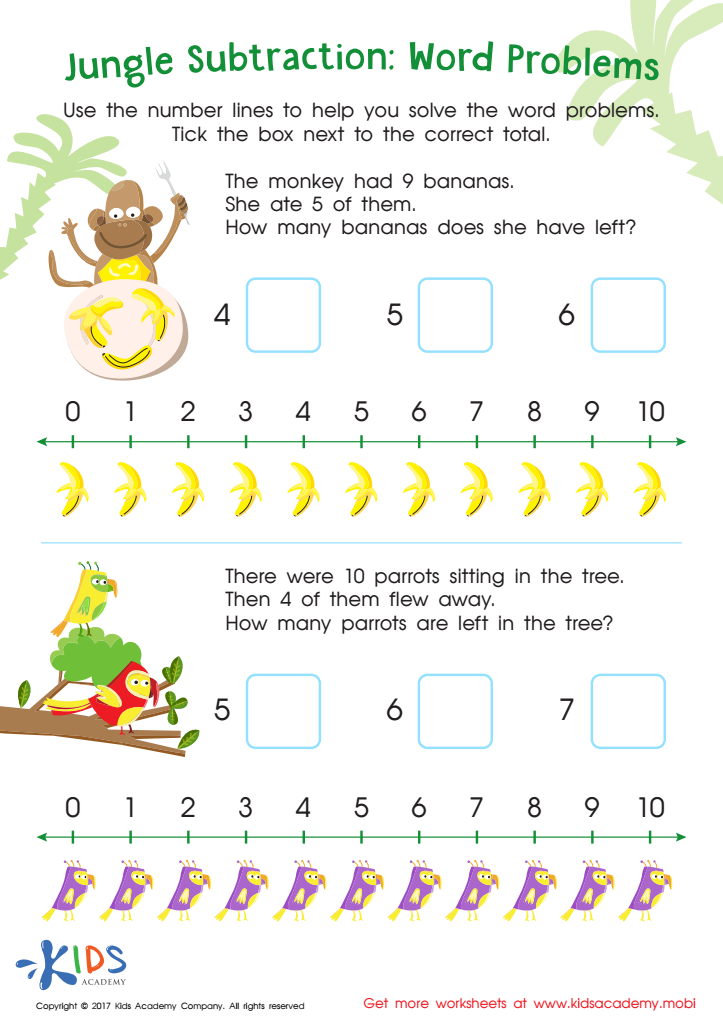
Jungle Subtraction Word Problems Substraction Worksheet
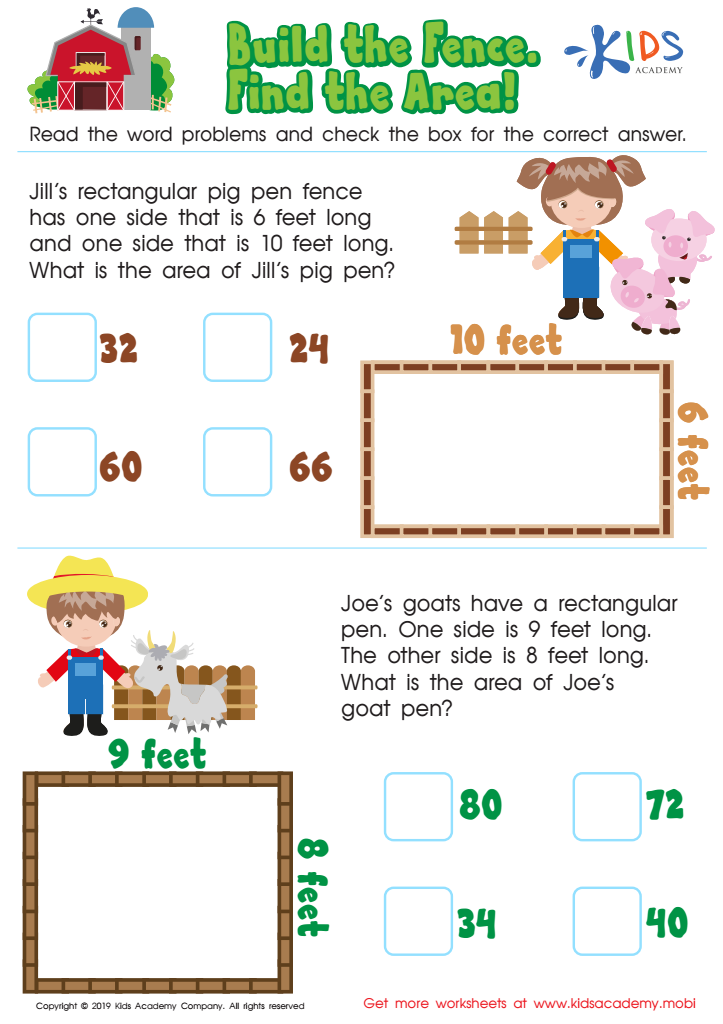
Build the Fence, Find the Area Worksheet




.jpg)



Problem-solving skills are crucial in the developmental stages of children aged 8-9, as they lay the foundation for critical thinking, practical application, and decision-making abilities that are essential throughout life. At this age, children are at a cognitive stage where they can begin to understand and manipulate abstract concepts. By engaging with word problems, they move beyond mere calculation to apply their math skills in real-world situations, fostering a deeper comprehension of the subject.
Parents and teachers should prioritize problem-solving skills because they teach children to approach challenges methodically and think creatively to find solutions. This nurtures resilience and adaptability, essential traits in both academic and everyday scenarios. Furthermore, tackling word problems improves reading comprehension, as children must understand the context and details of the problem to solve it.
Moreover, these skills are directly linked to higher academic achievement. Children who are adept at problem-solving tend to perform better in standardized tests and classroom assessments, where questions often require more than rote memorization. By encouraging problem-solving from a young age, parents and teachers build a foundation for lifelong learning and equip students with essential tools to navigate complex problems in the future.








