Learning about ecosystems Plants and Animals Worksheets for Ages 8-9
4 filtered results
-
From - To
Discover the world of plants and animals with our engaging "Learning about Ecosystems Plants and Animals Worksheets" tailored for ages 8-9. These printable worksheets offer an exciting approach to understanding ecosystems, fostering curiosity about nature. Dive deep into various habitats, food chains, and the vital roles plants and animals play in our environment. Our expertly designed activities promote critical thinking and scientific learning, making it fun and educational for young explorers. Unlock the wonders of nature and help your child build a strong foundation in science with our easy-to-use resources, perfect for both classroom and at-home learning.
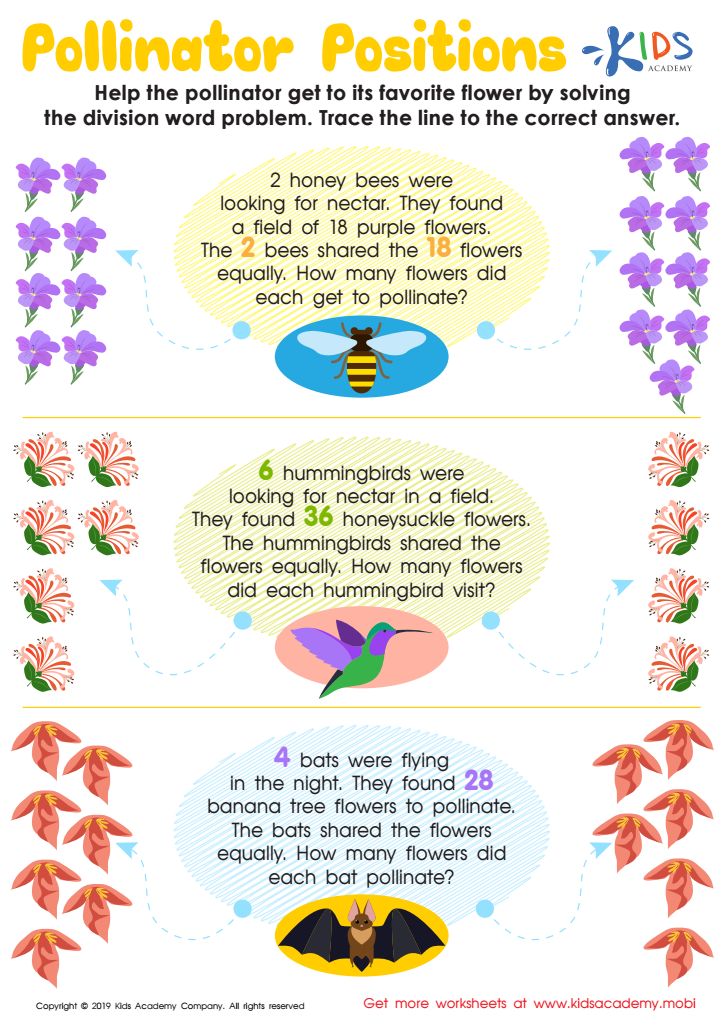
Pollinator Positions Worksheet
 Assign to My Students
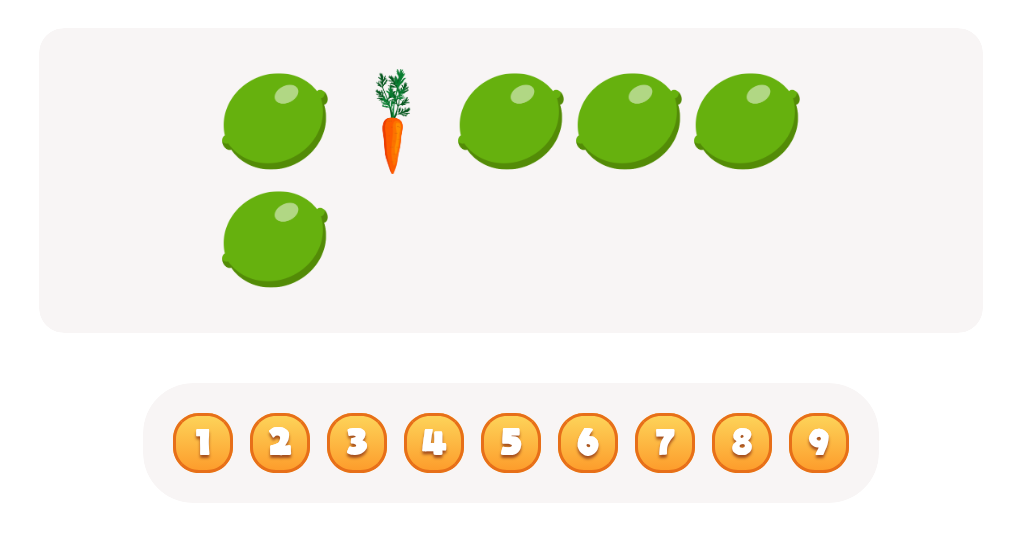

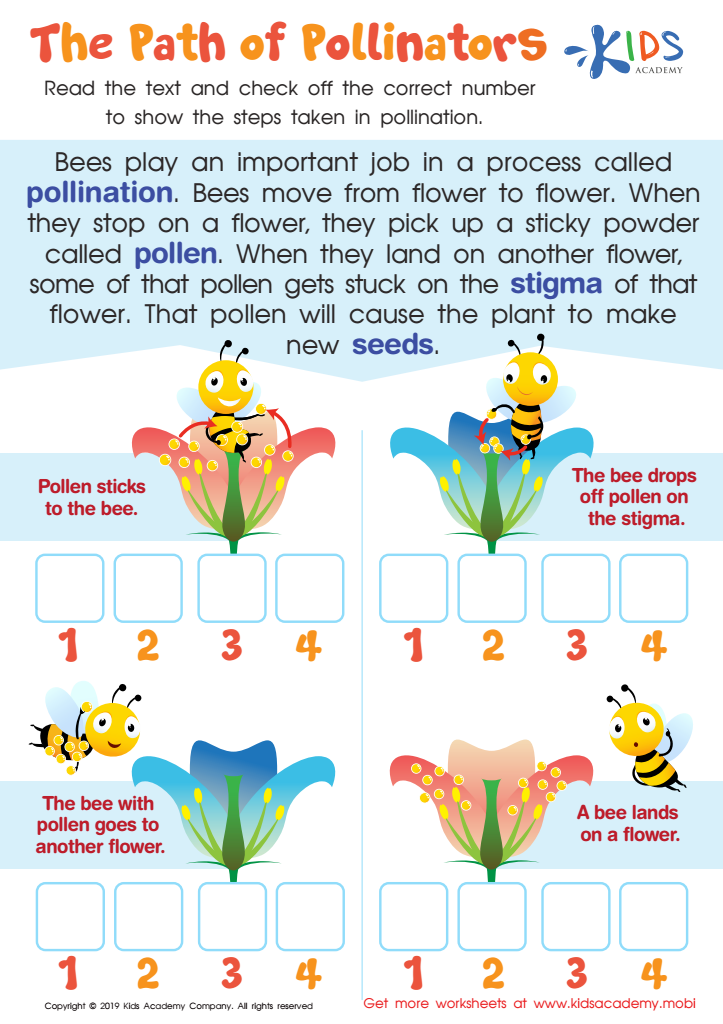
The Path of Pollinators Worksheet
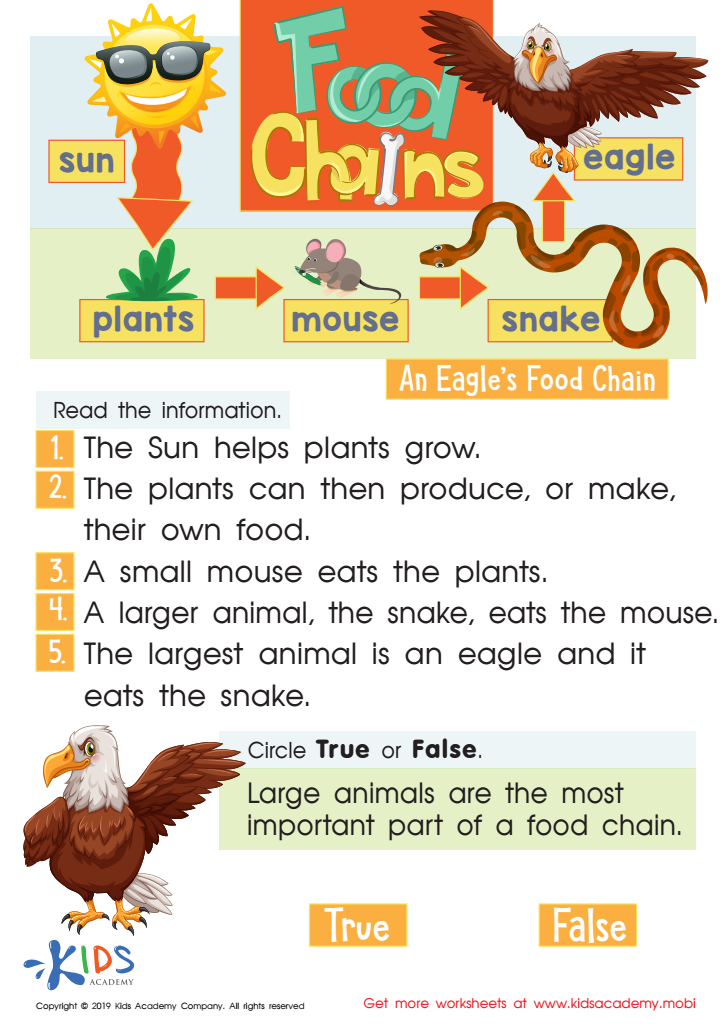
Food Chains Worksheet
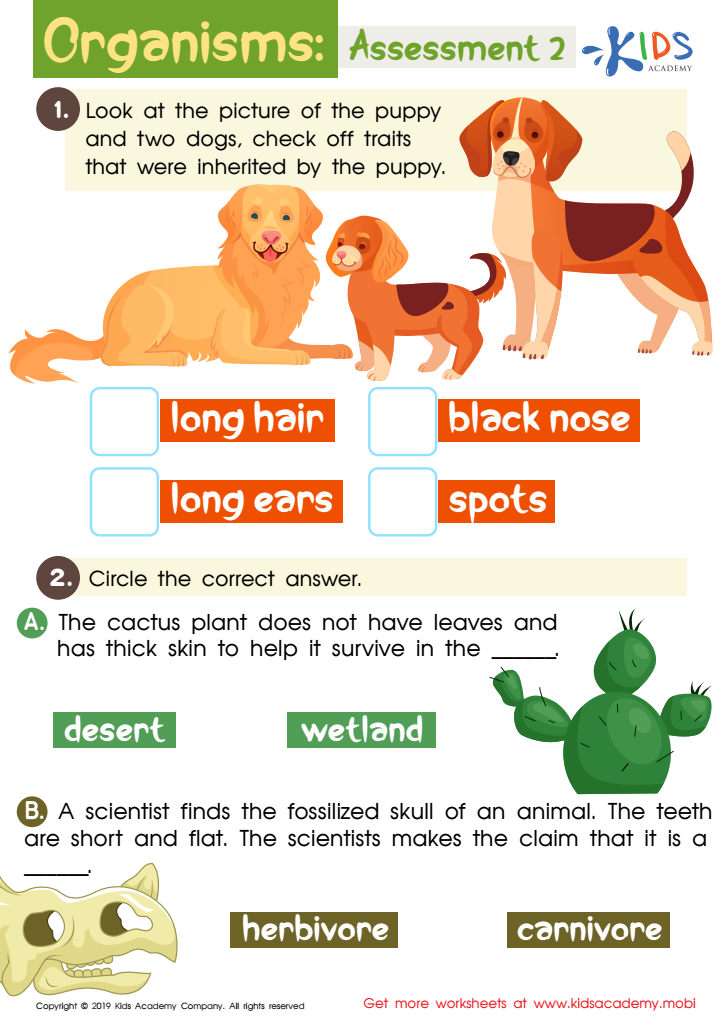
Organisms: Assessment 2 Worksheet








Understanding ecosystems, including plants and animals, is essential for children ages 8-9 as it lays a foundational awareness of the natural world. At this age, children's curiosity is at an all-time high, making it the perfect stage to introduce them to the interconnectedness of living things. Learning about ecosystems fosters a sense of wonder and appreciation for nature, which can lead to lifelong environmental stewardship.
By exploring how plants and animals interact within ecosystems, children develop critical thinking and observation skills. They learn about food chains, habitats, adaptation, and the importance of biodiversity. These concepts help children to see how all life forms are interdependent and how human actions can positively or negatively impact the environment.
Additionally, understanding ecosystems can enhance children's academic performance across various subjects. For instance, it reinforces science knowledge, aids in comprehension in reading through nonfiction texts, and can be tied into art projects and outdoor physical activities.
Finally, teaching children about ecosystems when they are young helps to nurture empathy and responsibility towards conservation efforts. As they grow up with an understanding of their role in preserving the environment, they are more likely to make informed and compassionate choices that benefit both people and the planet.