Problem-Solving Skills History Worksheets for Ages 8-9
6 filtered results
-
From - To
Enhance your child's critical thinking with our Problem-Solving Skills History Worksheets designed for ages 8-9. These engaging, printable resources merge fascinating historical facts with thought-provoking activities to motivate young learners to dive into history while honing problem-solving abilities. Each worksheet offers a blend of scenario-based questions, puzzles, and trivia that challenge kids to employ logic, reasoning, and creativity. Perfect for home or classroom use, these activities cultivate essential analytical skills and inspire a love for history. Equip your young historian with the tools to think critically and solve problems confidently with our expertly crafted worksheets.
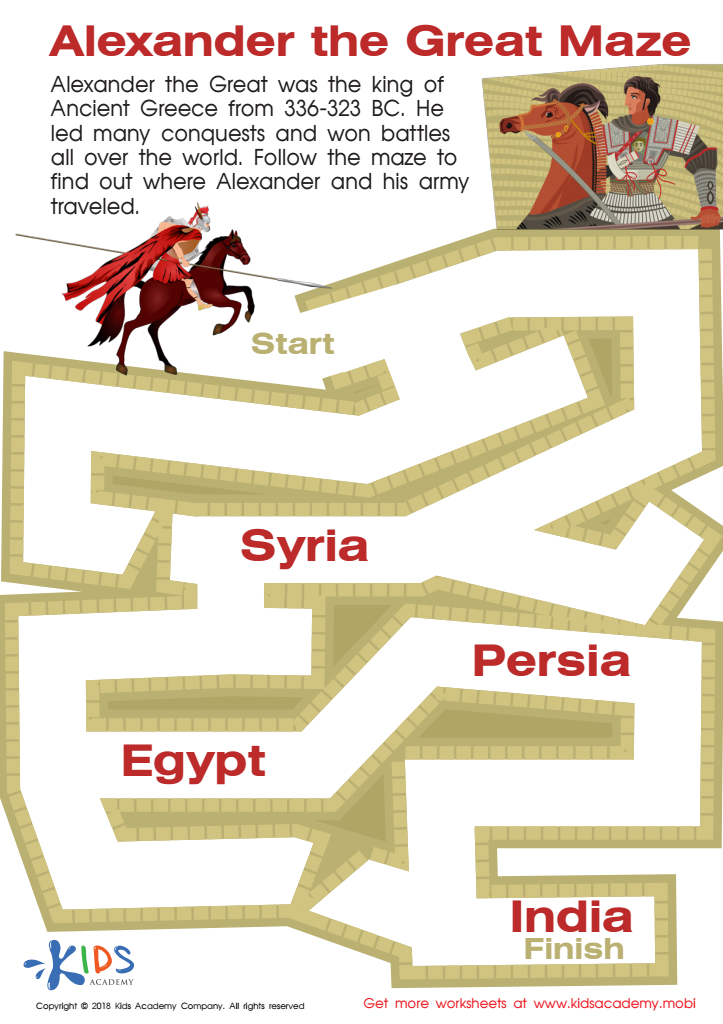
Alexander the Great Maze Worksheet
 Assign to My Students
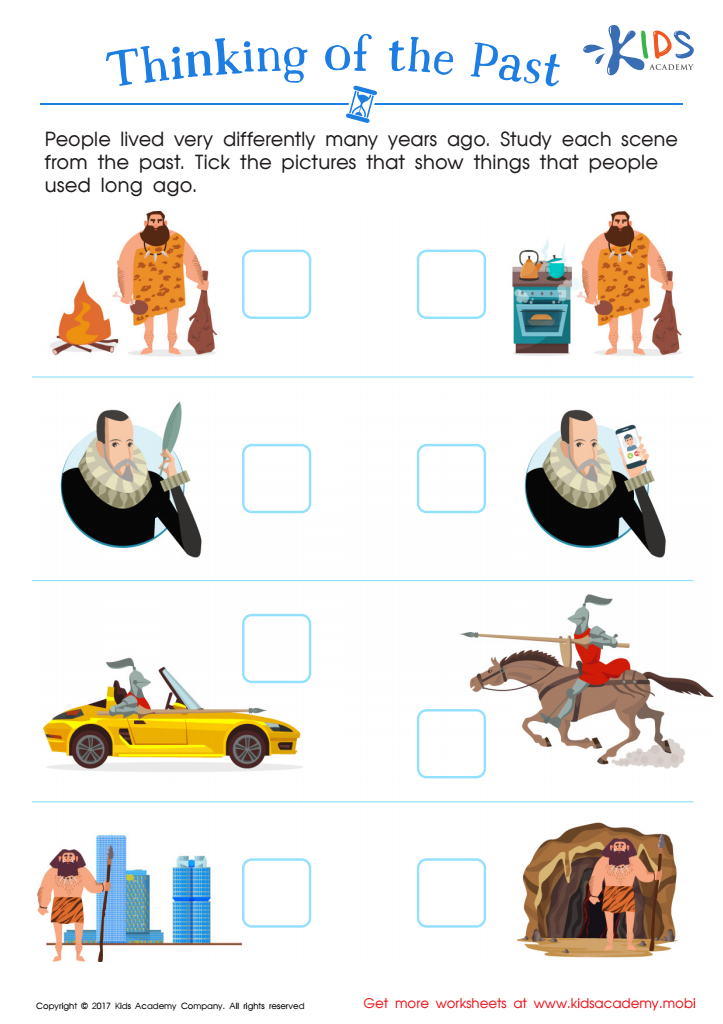
Thinking Past Printable

The Multiplication Mayflower Maze Worksheet
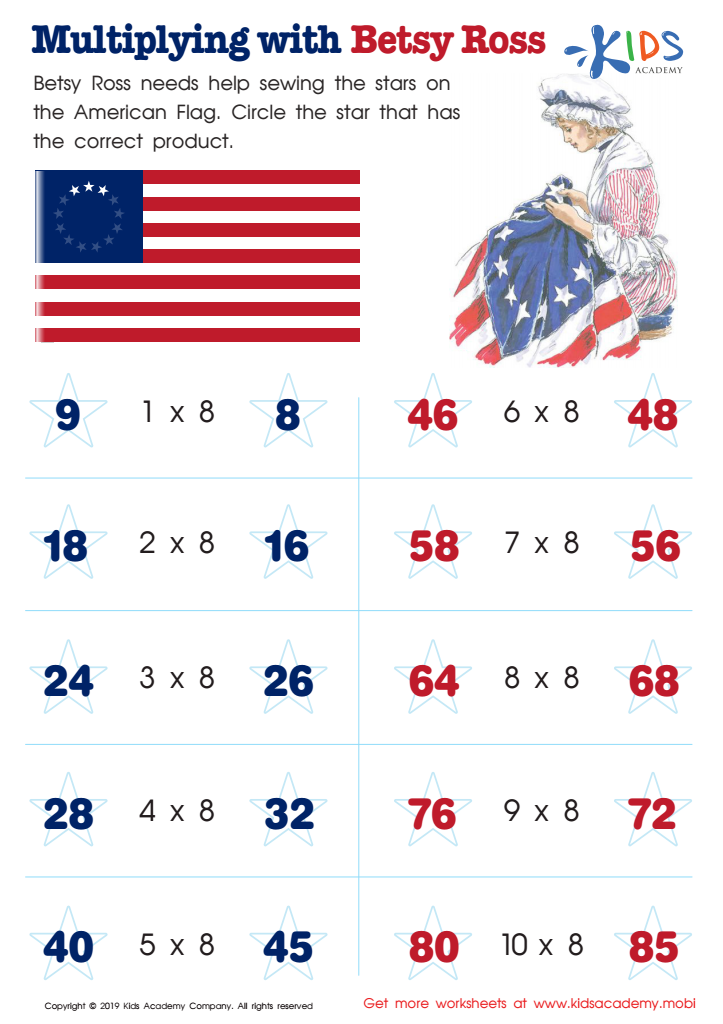
Multiplying with Betsy Ross Worksheet
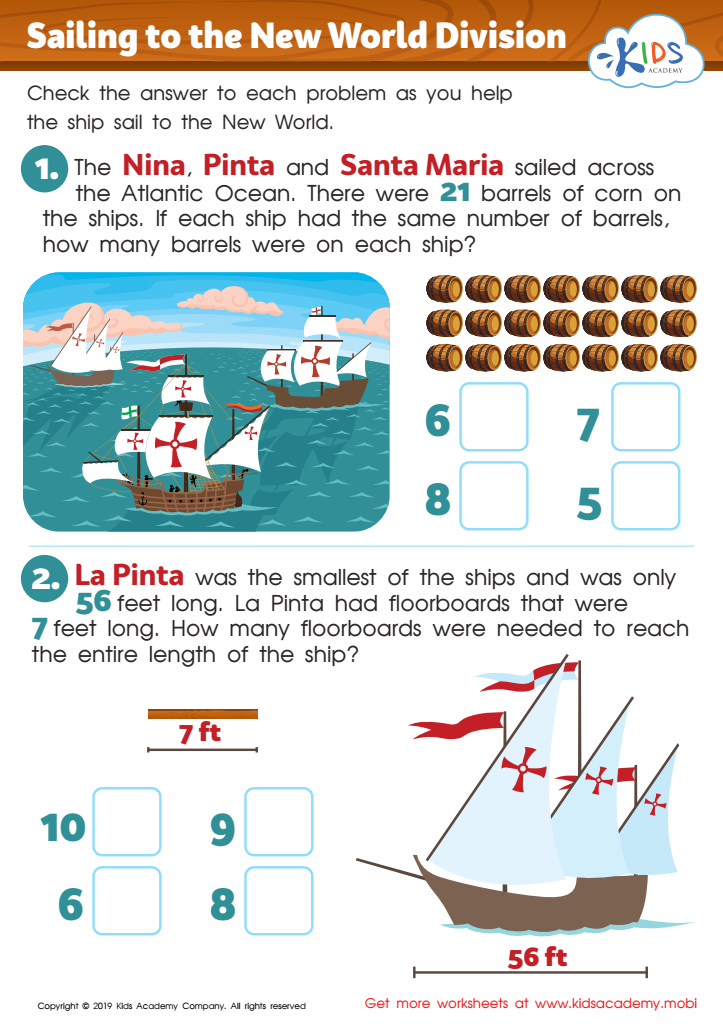
Sailing to the New World Division Worksheet
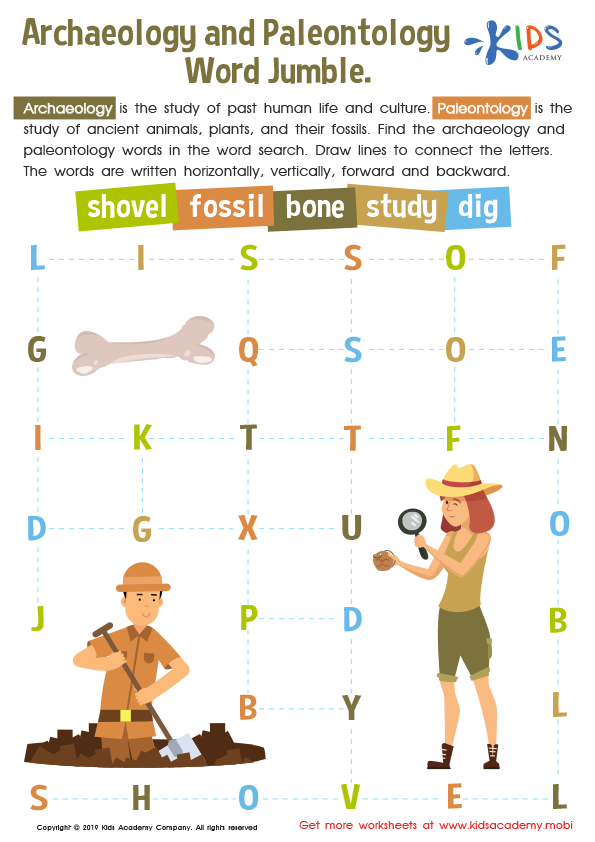
Archaeology and Paleontology Word Jumble Worksheet








Problem-solving skills are essential for children aged 8-9 as they lay the foundation for critical thinking and resilience in their later years. This age is characterized by increased curiosity, cognitive growth, and social interaction, which makes it the perfect time to develop these skills. When parents and teachers are aware of the historical evolution of problem-solving skills, they gain insights into effective teaching methods and developmental milestones.
Firstly, history shows that problem-solving abilities correlate with confidence, independence, and creativity. Knowing this, educators can create activities and lessons that align with these themes, fostering an environment where children feel comfortable taking risks and thinking outside the box.
Additionally, understanding the historical context of problem-solving offers perspectives on cultural and technological changes that influence learning. For instance, past educational practices might illuminate why certain methods worked well, while others didn't. Educators can adapt these historic strategies to fit modern contexts, utilizing technology and collaborative learning, thus making learning more relevant and engaging.
Lastly, being informed about the development and historical significance of problem-solving skills helps parents and teachers identify potential difficulties early. They can then provide the necessary support and interventions to ensure all children develop robust problem-solving abilities. Consequently, nurturing these skills transforms children into adept thinkers, preparing them for future challenges.








