Fine Motor Skills Worksheets for 8-Year-Olds - Page 8
175 filtered results
-
From - To
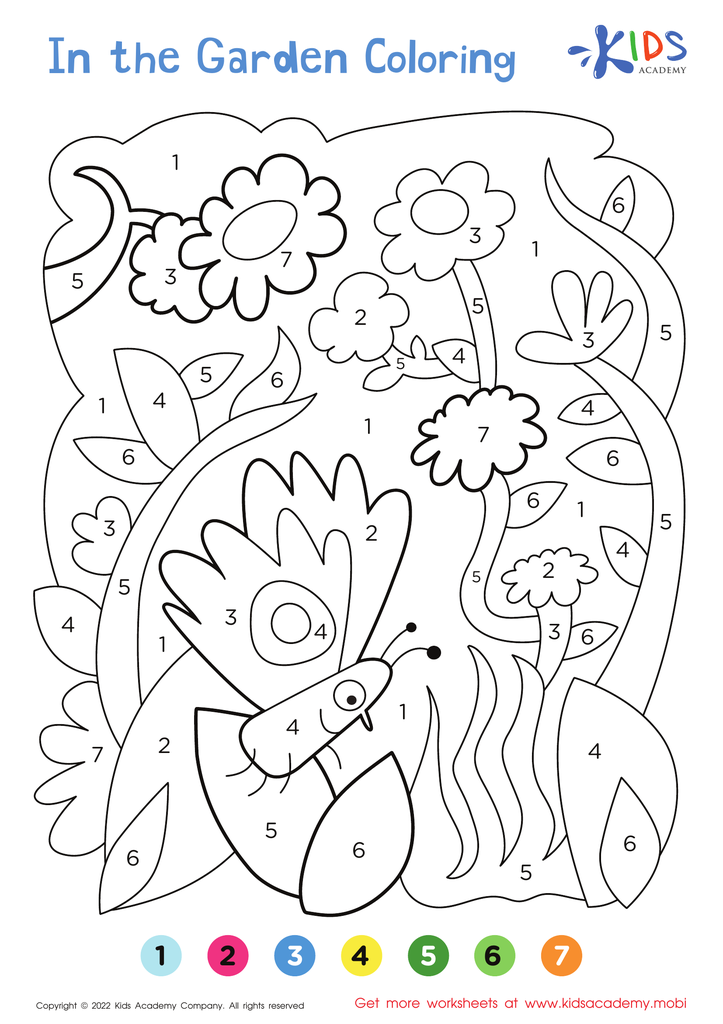
In the Garden – Coloring by Numbers







Fine motor skills are crucial for 8-year-olds as they directly impact a child's overall development and academic success. At this age, children are refining their ability to perform intricate tasks, such as writing, drawing, and using tools. These skills contribute to their independence and self-confidence, enabling them to tackle daily activities with ease and precision.
Parents and teachers should care about fine motor skills because they are essential for foundational learning. Proficient fine motor skills enhance handwriting quality, which is critical for effective communication in school assignments. Moreover, activities that involve cutting, gluing, or building with small objects promote cognitive and problem-solving abilities, fostering creativity and critical thinking.
Furthermore, underdeveloped fine motor skills can hinder a child's ability to participate in classroom activities and can lead to frustration or negative self-perception. By supporting the development of these skills through play, art, and structured exercises, parents and teachers can set the stage for future learning and physical coordination.
Overall, nurturing fine motor skills helps children cultivate a sense of achievement and prepares them for an academically and socially successful future. It is an investment in their holistic growth and well-being.








