Filters

242 filtered results

Clear all filters
Favorites
With answer key
Interactive

242 filtered results

Difficulty Level

Grade


Check out this FREE "Problem-Solving Skills" Trial Lesson for age 8!

What Is Stalemate?

Favorites
With answer key
Interactive
  • 8
  • Problem-Solving Skills
Selling the Bracelets Worksheet

Selling the Bracelets Worksheet

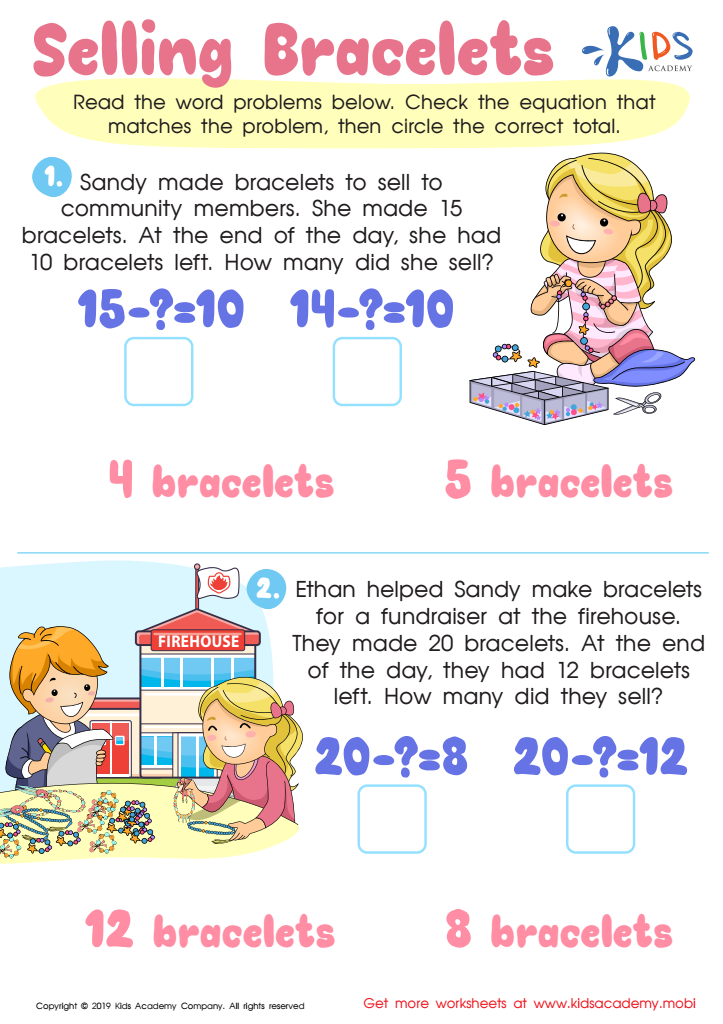
Engage your kids with learning by making it fun! Try this creative worksheet: your kids can practice subtraction while making bracelets. Download the pdf; read the two word problems to them and help them choose the correct total. Have fun! (80 words)
Selling the Bracelets Worksheet
Worksheet
Piece it together Worksheet

Piece it together Worksheet

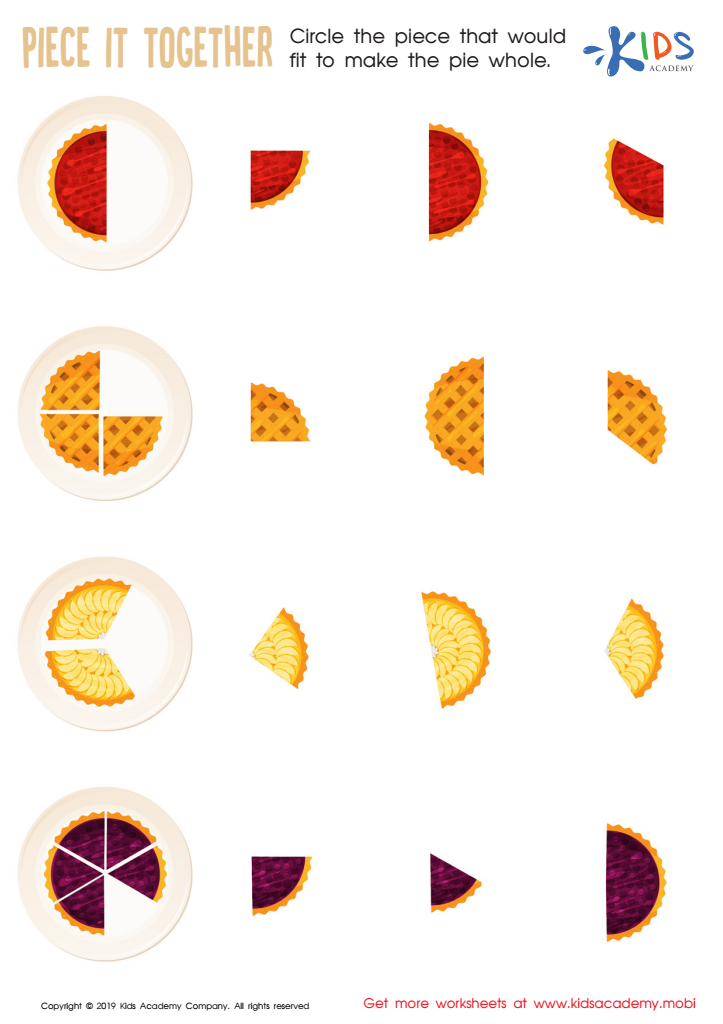
Help your kids learn fractions! Even if they're not eager, teach them as they get older. Teachers will provide enough lessons and homework, but you can go a step further. Look at a worksheet with your kids and help them circle the piece that would make the pie whole.
Piece it together Worksheet
Worksheet
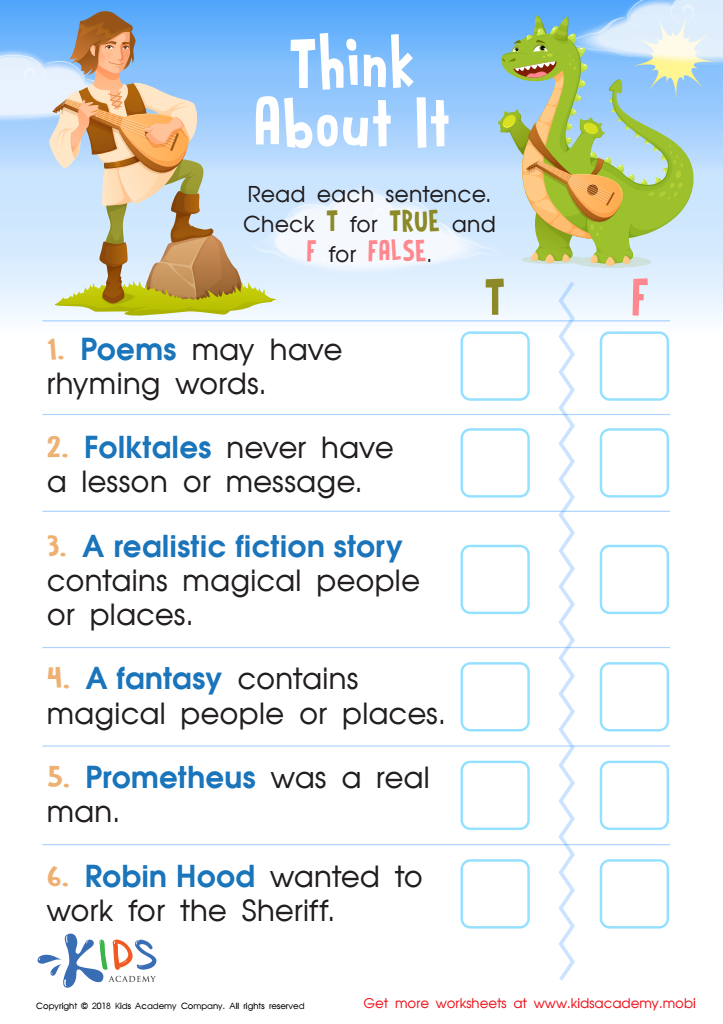
Think About It: Assessment Worksheet

Think About It: Assessment Worksheet

Reading is a fun and important way to learn. Help your students become better readers with this simple yet colorful worksheet. Read each sentence aloud, then have them read it by themselves. Ask them to check T for True and F for False. It's a great way to practice their reading skills!
Think About It: Assessment Worksheet
Worksheet
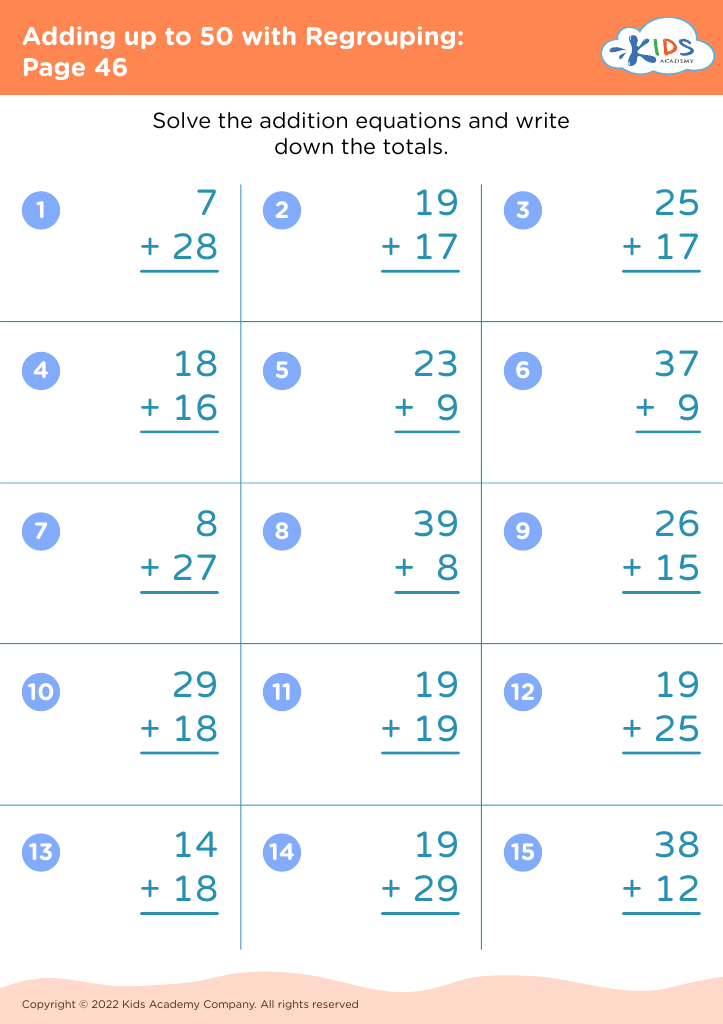
Adding up to 50 with Regrouping: Page 46
Worksheet
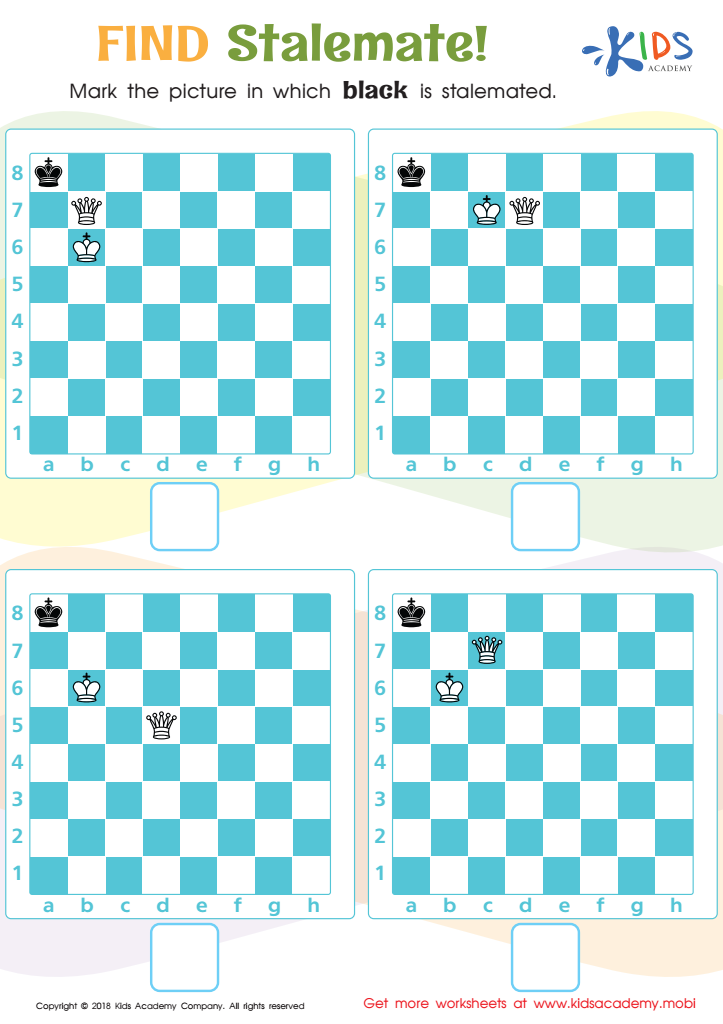
Find Stalemate! Worksheet

Find Stalemate! Worksheet

Teach your kids Chess and give them more than a hobby - equip them with critical thinking, rationale and problem-solving skills! This free worksheet helps them understand stalemates by examining various sample boards. By providing visual discernment and the joy of the game, your child's logical skills will soar!
Find Stalemate! Worksheet
Worksheet
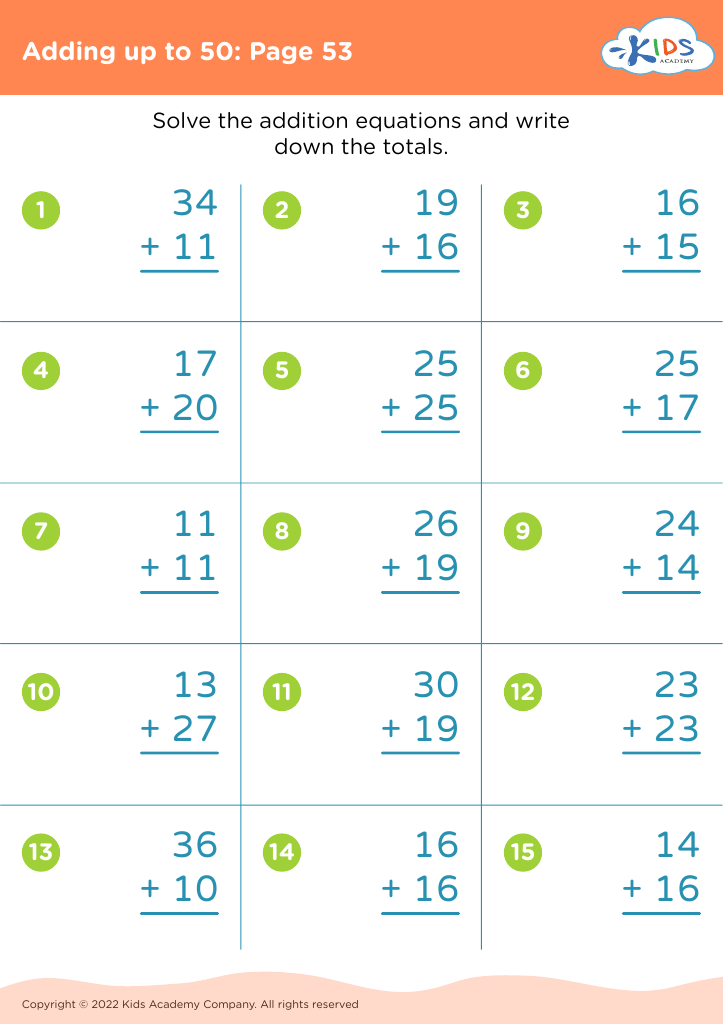
Adding up to 50: Page 53

Adding up to 50: Page 53

Adding up to 50: Page 53
Worksheet
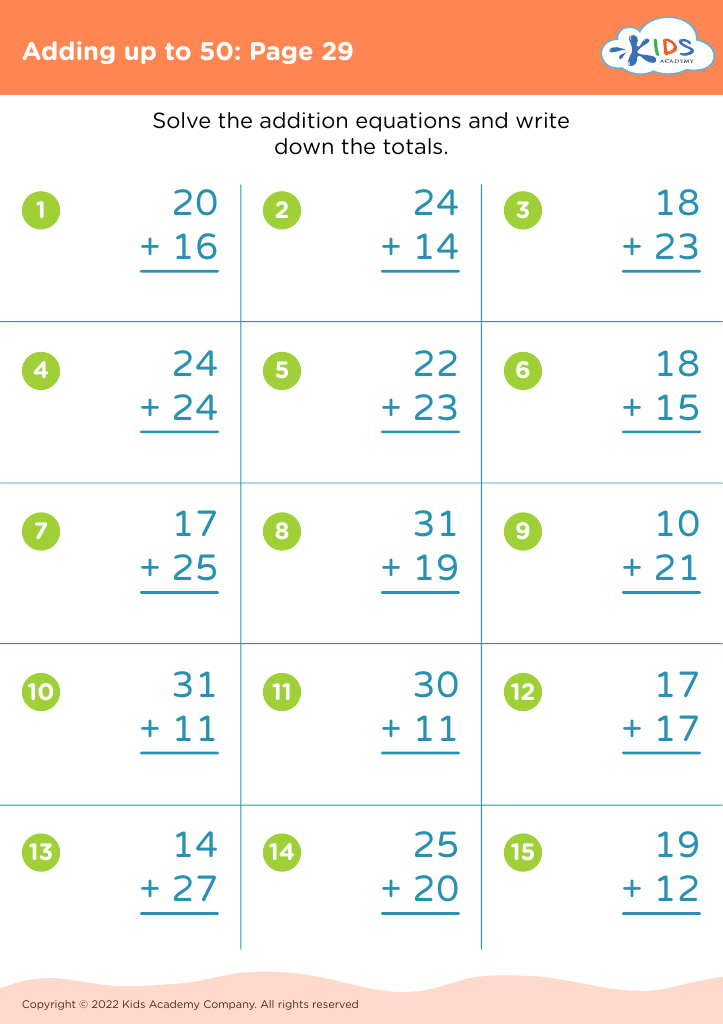
Adding up to 50: Page 29

Adding up to 50: Page 29

Adding up to 50: Page 29
Worksheet
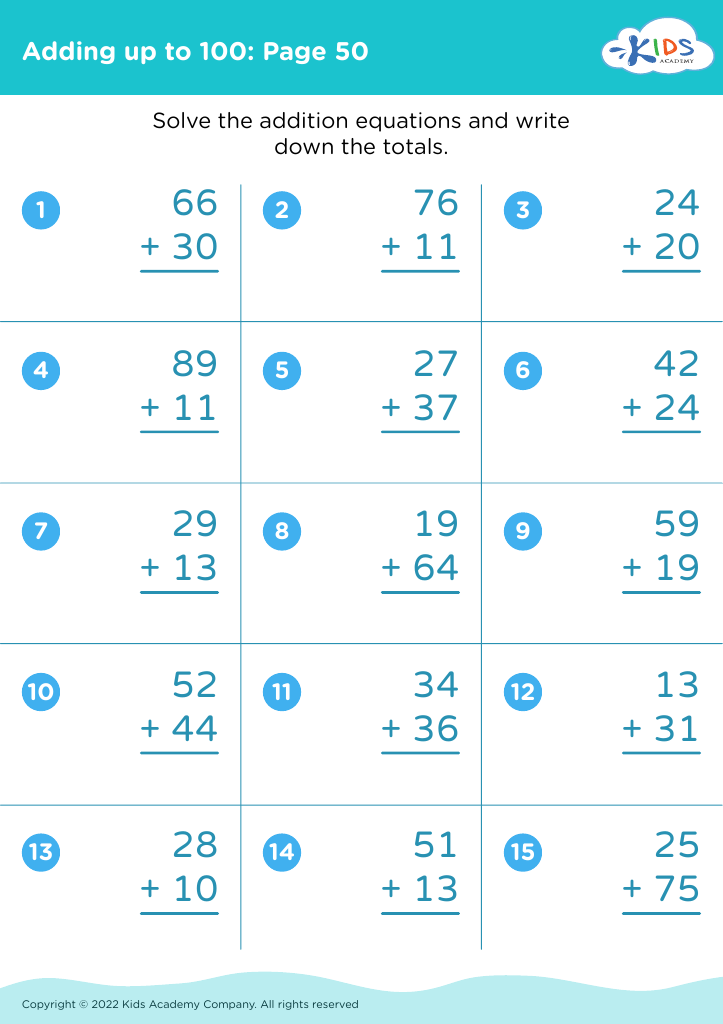
Adding up to 100: Page 50

Adding up to 100: Page 50

Adding up to 100: Page 50
Worksheet
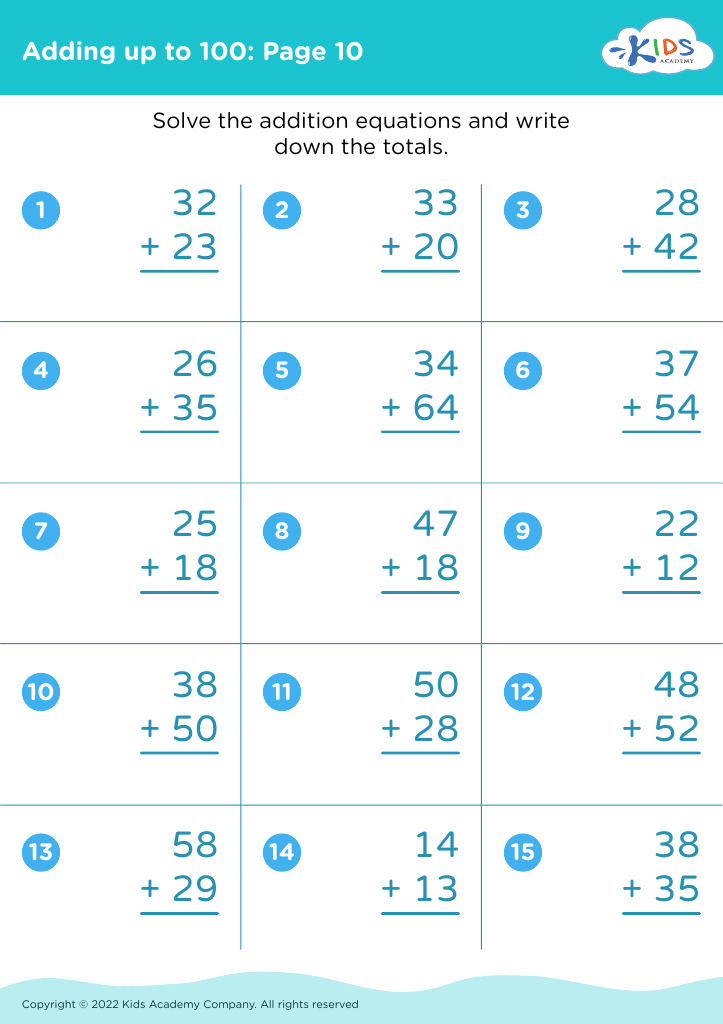
Adding up to 100: Page 10

Adding up to 100: Page 10

Adding up to 100: Page 10
Worksheet
Worksheet: subtraction word problems

Jungle Subtraction Word Problems Substraction Worksheet

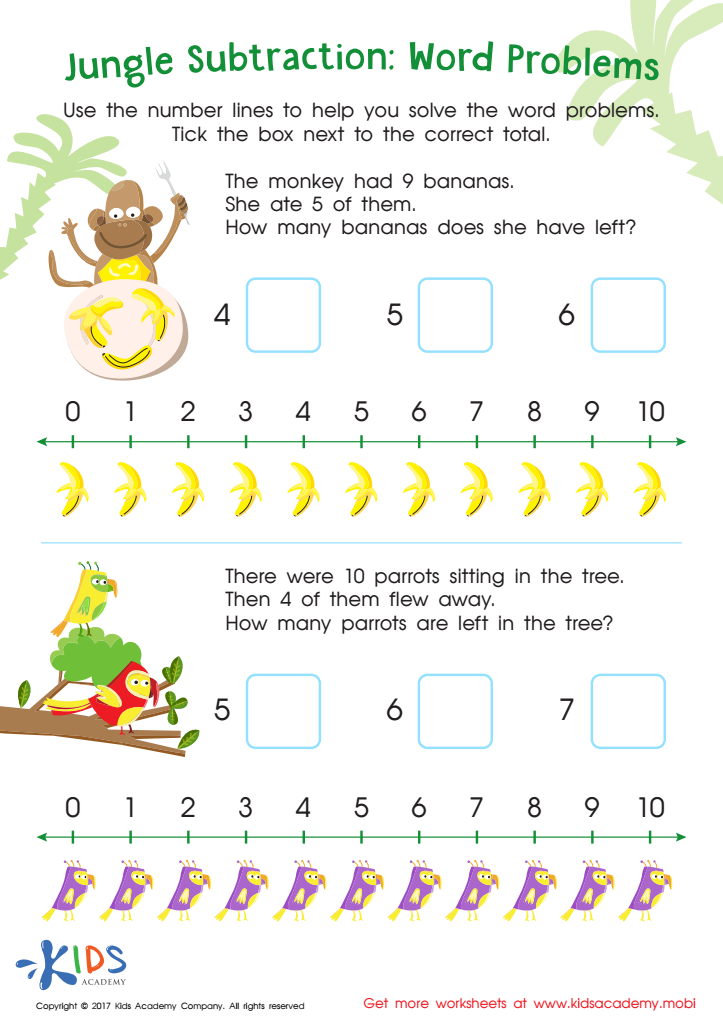
Kids will love this jungle-themed worksheet: subtraction word problems! Help the monkey work out how many bananas he has, using the number line. Encourage your child to use colorful parrots to subtract with ease and make calculations fun!
Jungle Subtraction Word Problems Substraction Worksheet
Worksheet
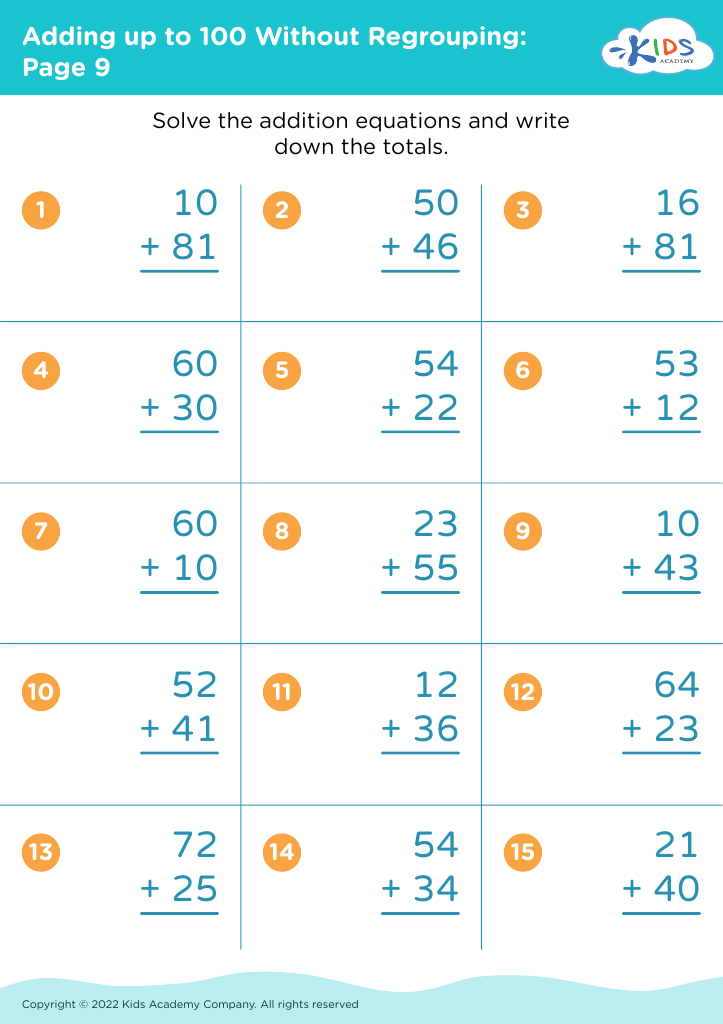
Adding up to 100 Without Regrouping: Page 9
Worksheet
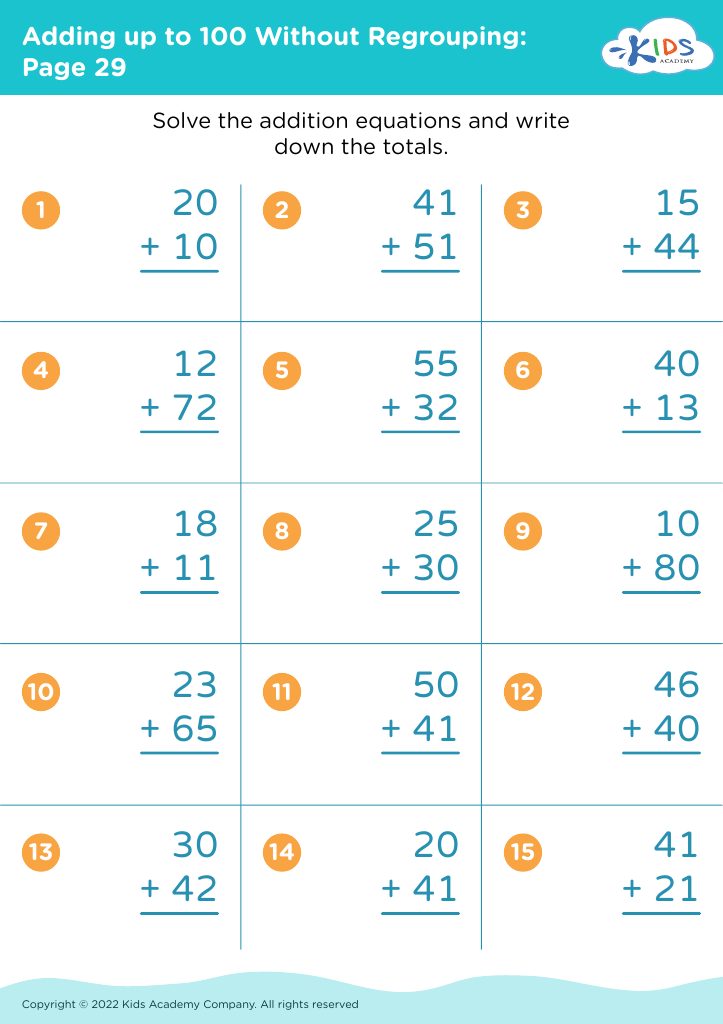
Adding up to 100 Without Regrouping: Page 29
Worksheet
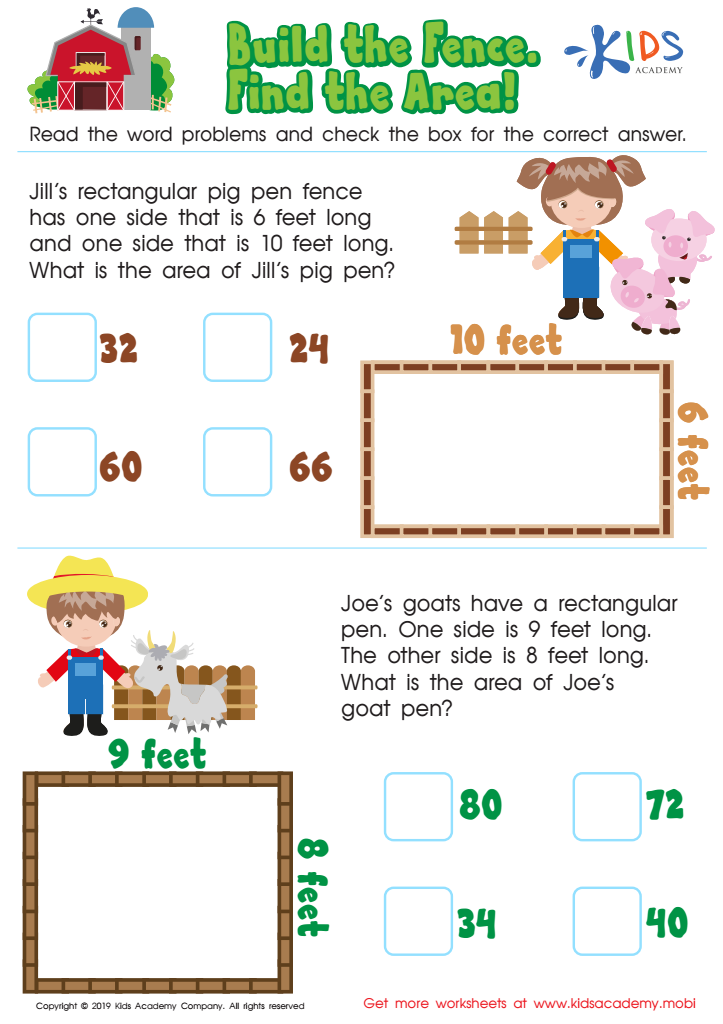
Build the Fence, Find the Area Worksheet

Build the Fence, Find the Area Worksheet

Help your kids gain skills in mathematics with this simple worksheet. Kids can refresh their addition and subtraction to solve geometry problems. Read the word problems and then help them check the box for the correct answer if they need extra help. This worksheet is great for improving kids' familiarity with basic equations.
Build the Fence, Find the Area Worksheet
Worksheet
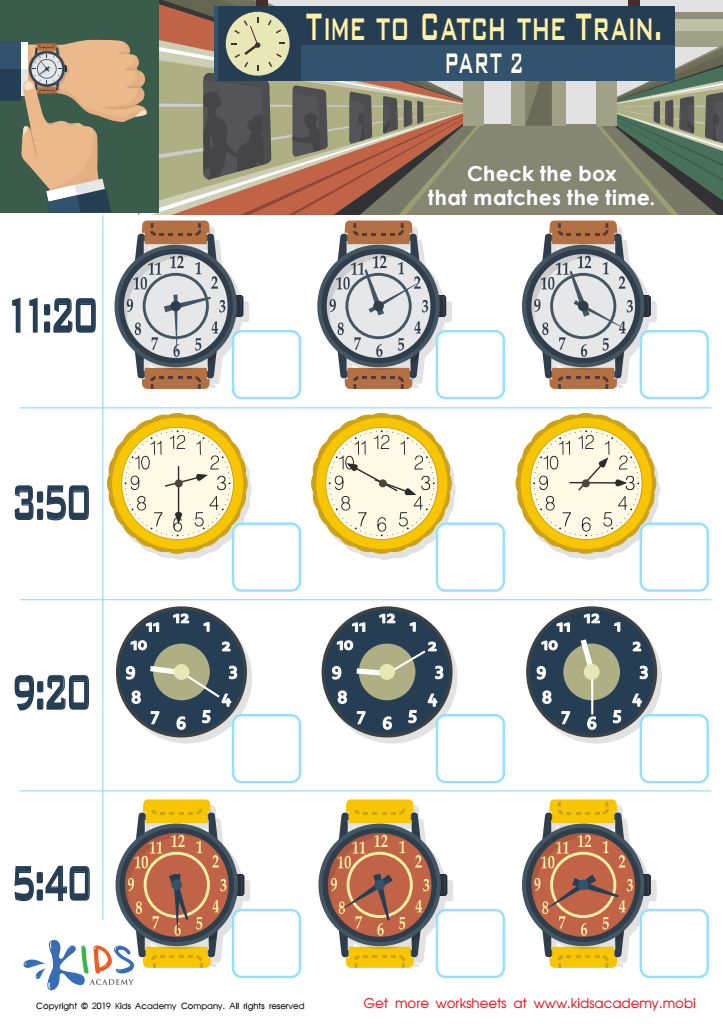
Time to Catch the Train Part 2 Worksheet
Time to Catch the Train Part 2 Worksheet
Teach your kids the importance of telling time and how to do it. Explain that there are multiple ways to show the time, such as written on the left side or watches in the picture. Guide them to check the box that matches the time. Knowing the time is essential to get things done and create order. Ensure your kids understand this and they will reap the benefits.
Time to Catch the Train Part 2 Worksheet
Worksheet
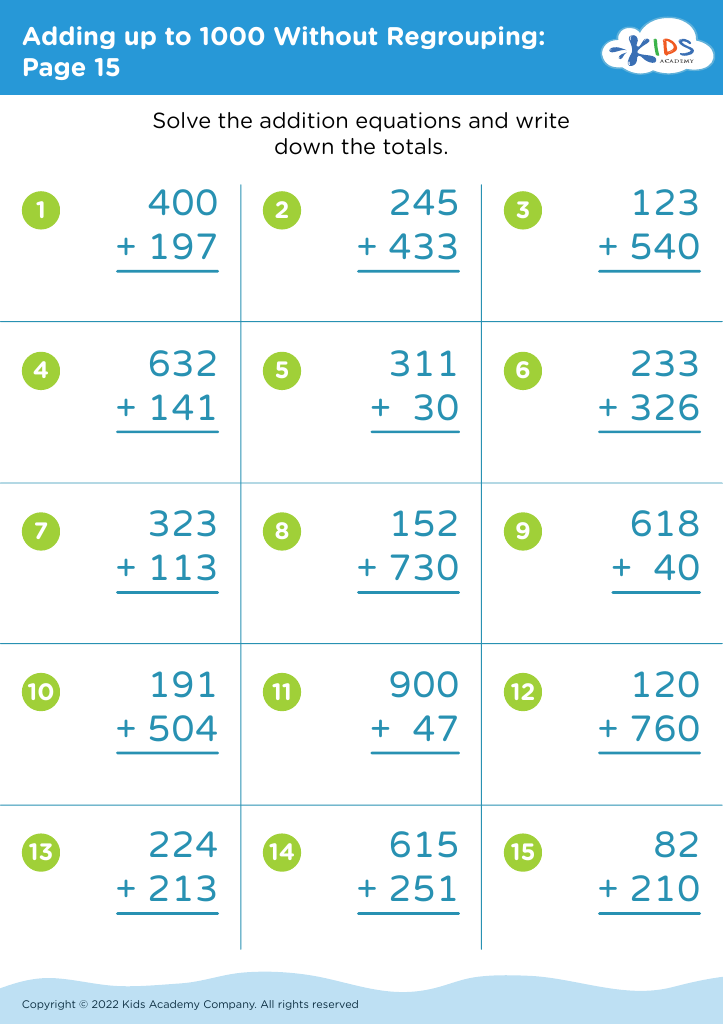
Adding up to 1000 Without Regrouping: Page 15
Worksheet
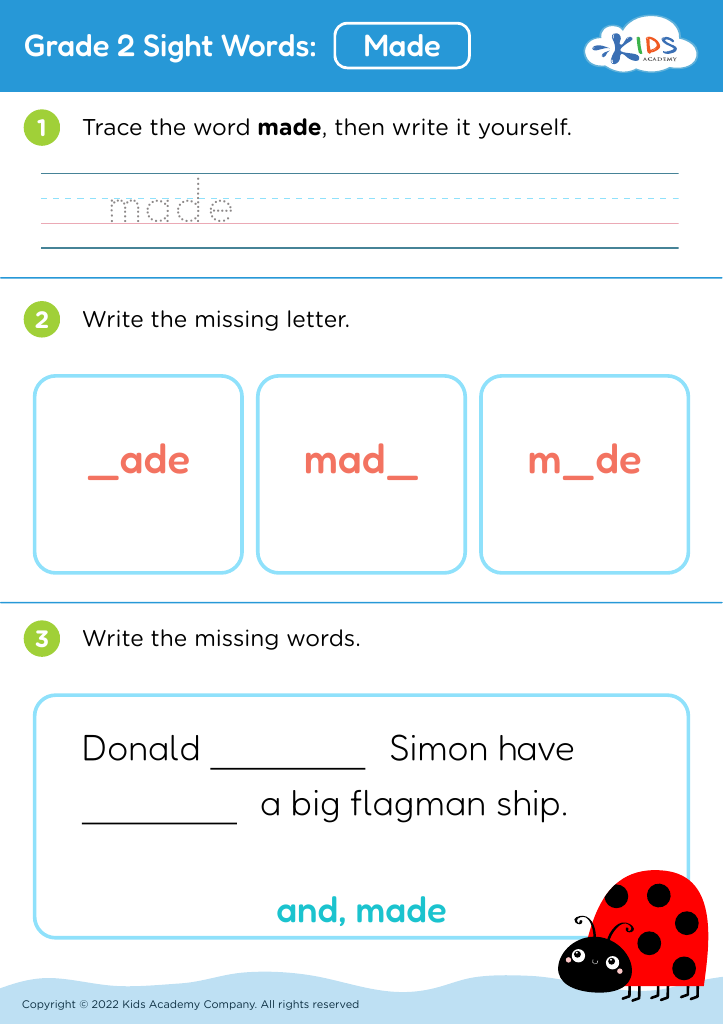
Grade 2 Sight Words: Made

Grade 2 Sight Words: Made

Grade 2 Sight Words: Made
Worksheet
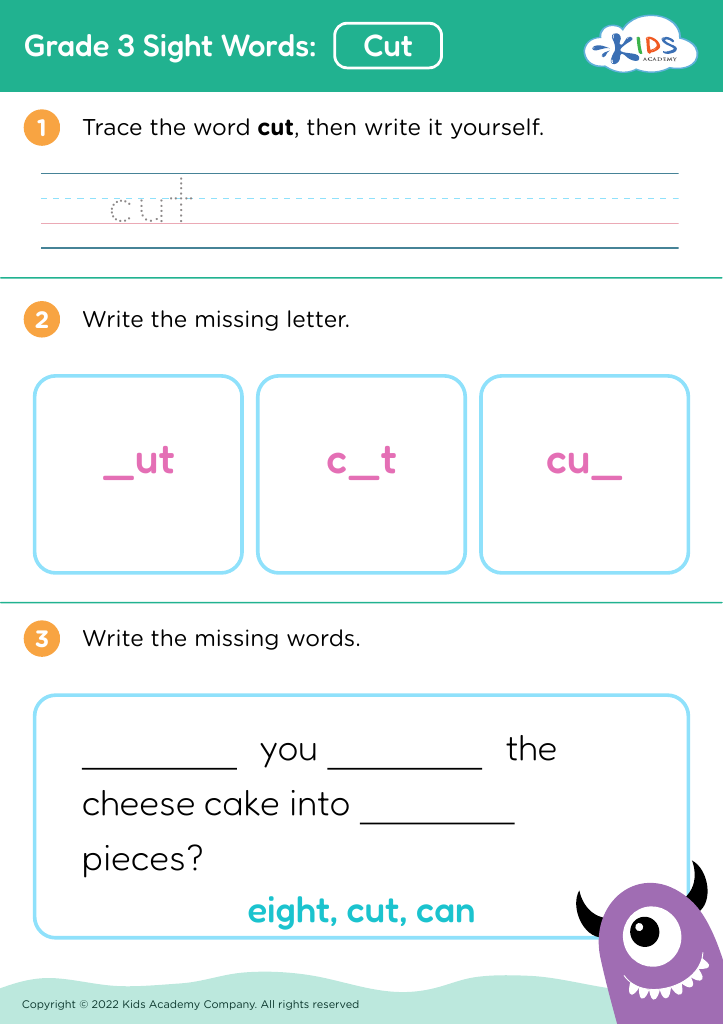
Grade 3 Sight Words: Cut

Grade 3 Sight Words: Cut

Grade 3 Sight Words: Cut
Worksheet
Grade 2 Sight Words: Because

Grade 2 Sight Words: Because

Grade 2 Sight Words: Because
Worksheet
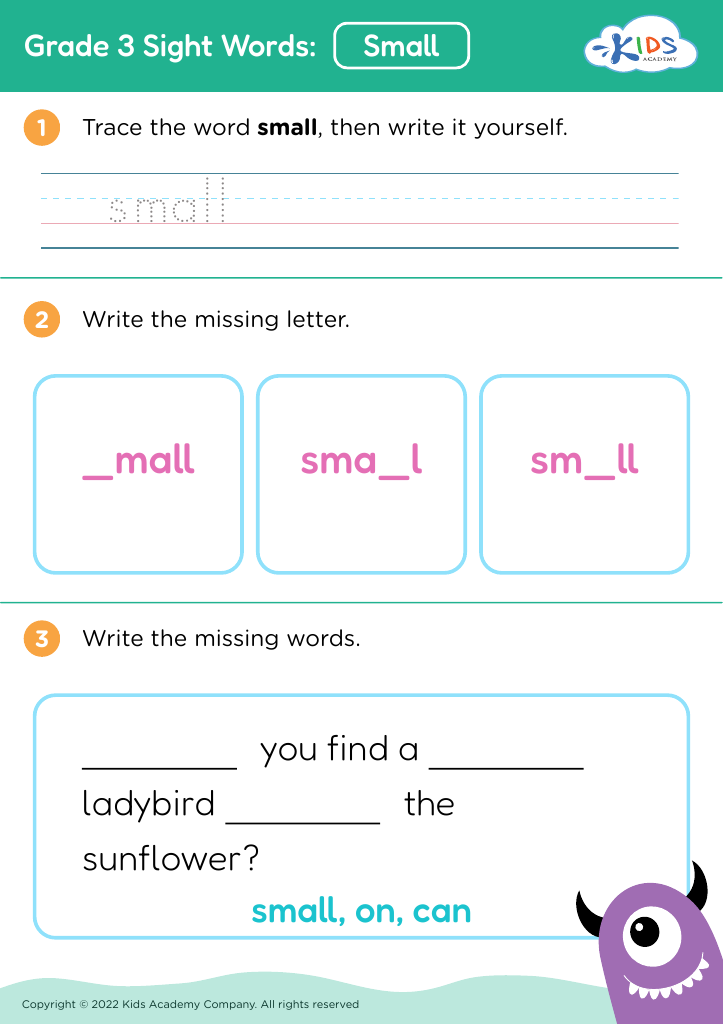
Grade 3 Sight Words: Small

Grade 3 Sight Words: Small

Grade 3 Sight Words: Small
Worksheet
Grade 2 Sight Words: Around

Grade 2 Sight Words: Around

Grade 2 Sight Words: Around
Worksheet
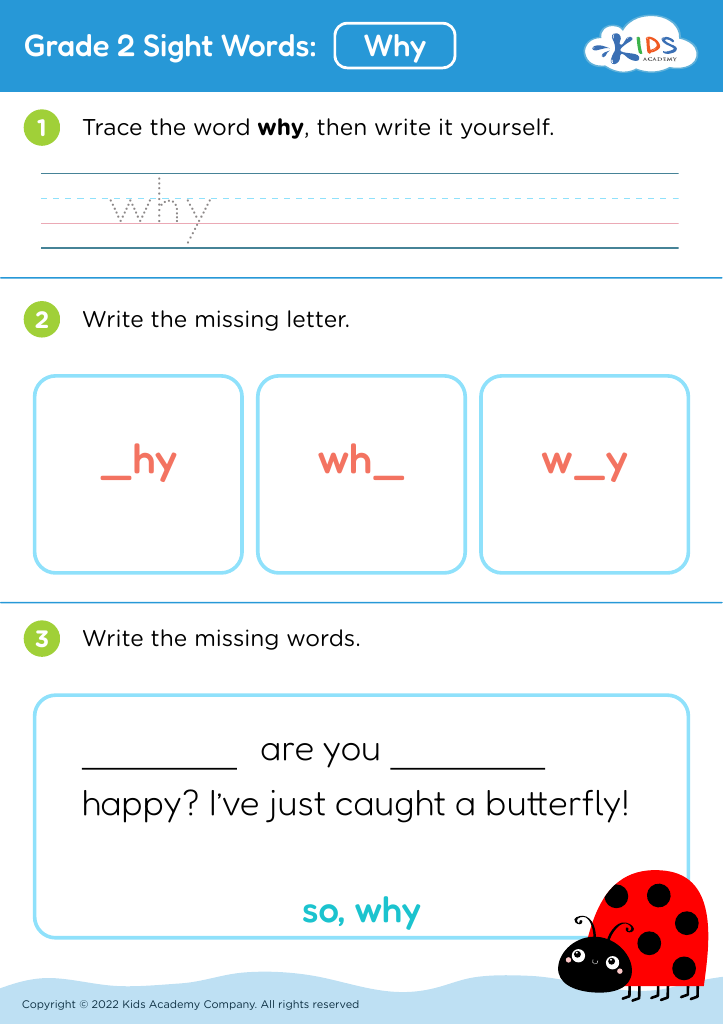
Grade 2 Sight Words: Why

Grade 2 Sight Words: Why

Grade 2 Sight Words: Why
Worksheet
Mixed Times Table B
Mixed Times Table B

Mixed Times Table B

Mixed Times Table B
Worksheet
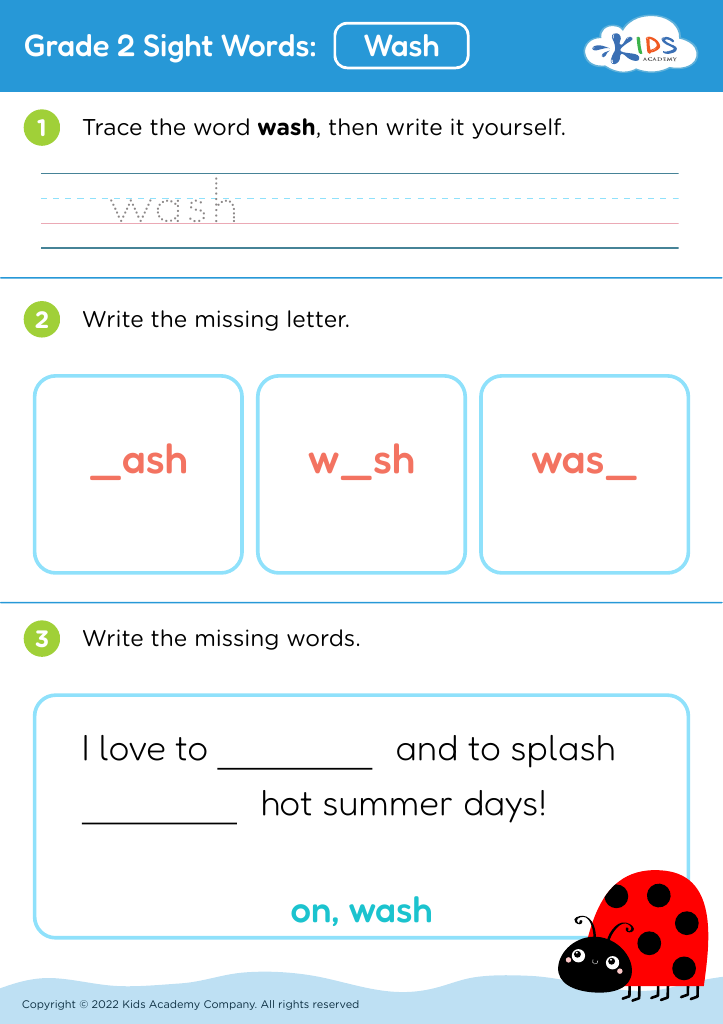
Grade 2 Sight Words: Wash

Grade 2 Sight Words: Wash

Grade 2 Sight Words: Wash
Worksheet
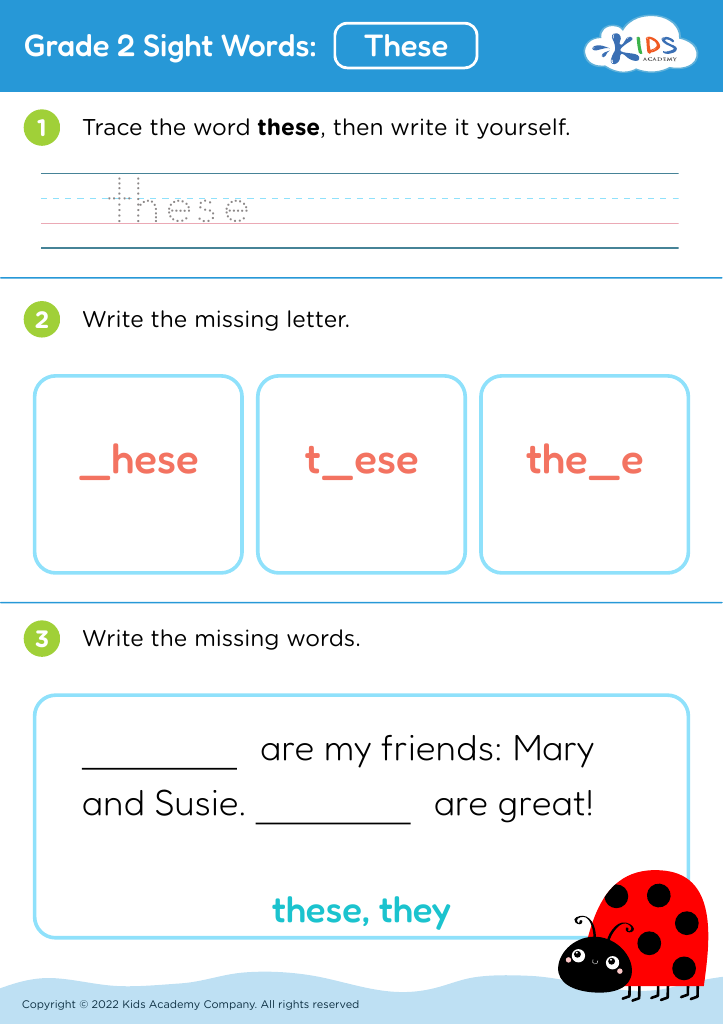
Grade 2 Sight Words: These

Grade 2 Sight Words: These

Grade 2 Sight Words: These
Worksheet


Problem-solving skills are crucial for the development of 8-year-olds, as they form the foundation for critical thinking and decision-making throughout life. At this age, children are beginning to face more complex challenges in both academic and social settings. By cultivating strong problem-solving skills, they learn how to analyze situations, think creatively, and develop solutions independently.

Parents and teachers should care about enhancing these skills because they equip children with the tools to navigate obstacles effectively, fostering resilience and adaptability. Furthermore, problem-solving is tied to numerous educational outcomes, including improved performance in subjects like mathematics and science, which require analytical thinking.

Encouraging young learners to tackle problems increases their confidence and promotes a growth mindset, where they view challenges as opportunities rather than setbacks. Moreover, these skills enhance collaboration and communication with peers, essential for social development. As children engage in group activities or discussions, they learn to respect multiple perspectives and build empathy. Ultimately, when parents and teachers prioritize problem-solving skills, they prepare children not just for academic success but for becoming thoughtful, resourceful adults capable of facing life’s many challenges.