Simplifying Fractions Worksheets for 8-Year-Olds
25 filtered results
-
From - To
Our "Simplifying Fractions Worksheets for 8-Year-Olds" provide young learners with the foundational skills they need to confidently tackle fractions. These professionally designed worksheets make simplifying fractions easy and engaging through visually appealing exercises and step-by-step guidance. Ideal for both classroom and home use, each worksheet helps children practice identifying factors, reducing fractions to their simplest form, and understanding fraction equivalence. With Kid's Academy's focus on interactive learning, kids will enjoy mastering simplifying fractions through fun, approachable practice. Build essential math skills today and make fractions enjoyable with our tailor-made worksheets for your young mathematicians.
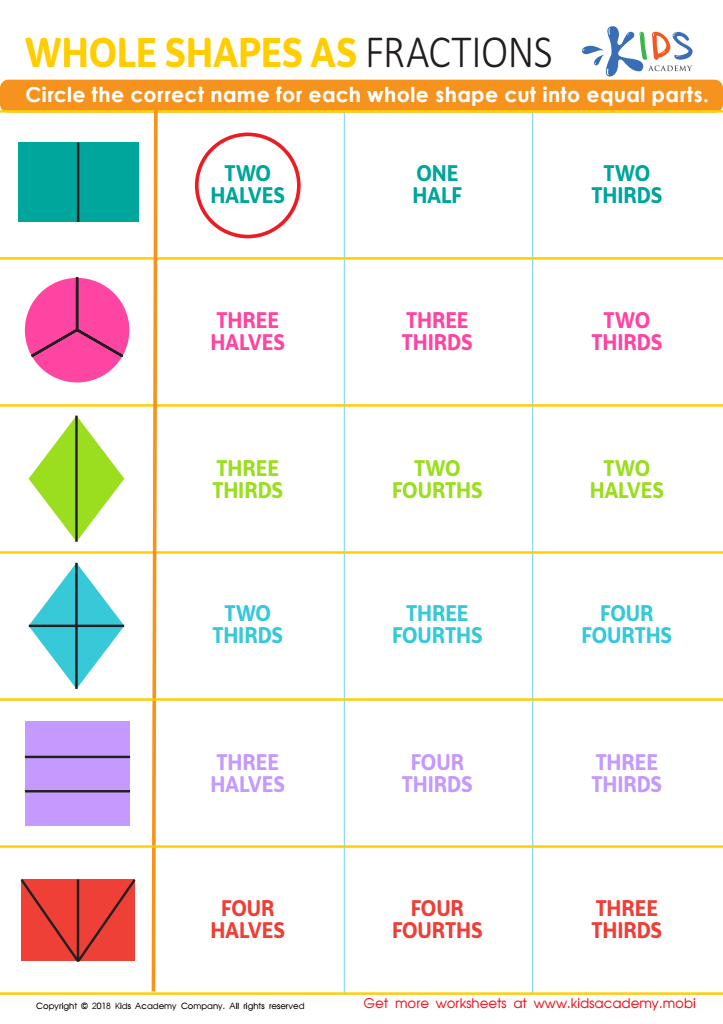
Whole Shapes as Fractions Worksheet
 Assign to My Students
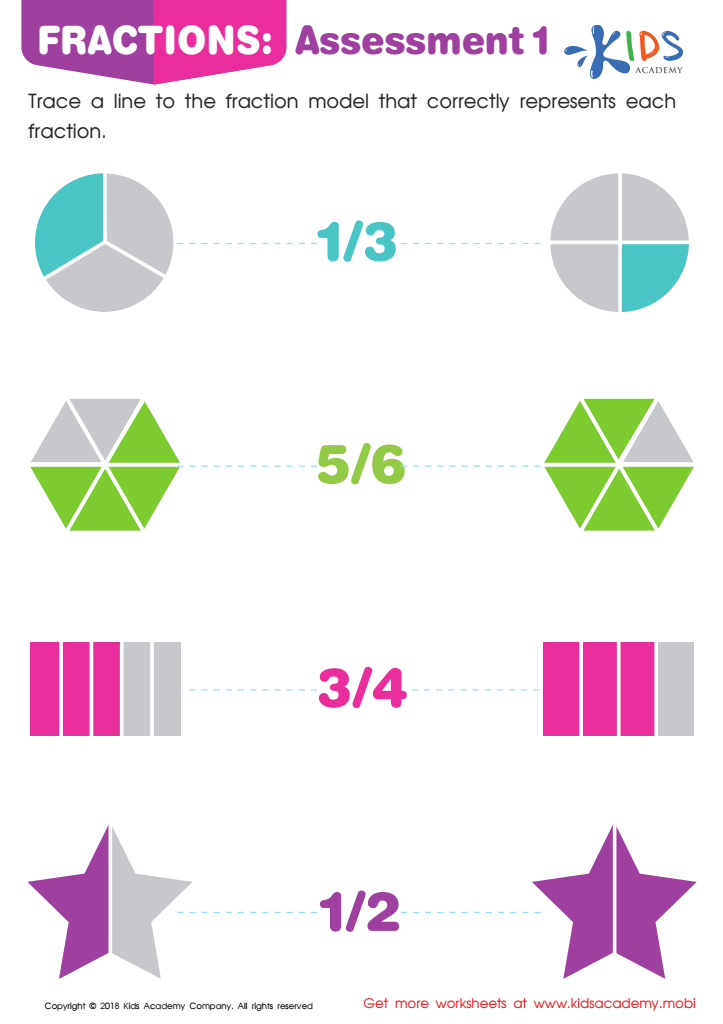
Fractions: Assessment 1 Worksheet
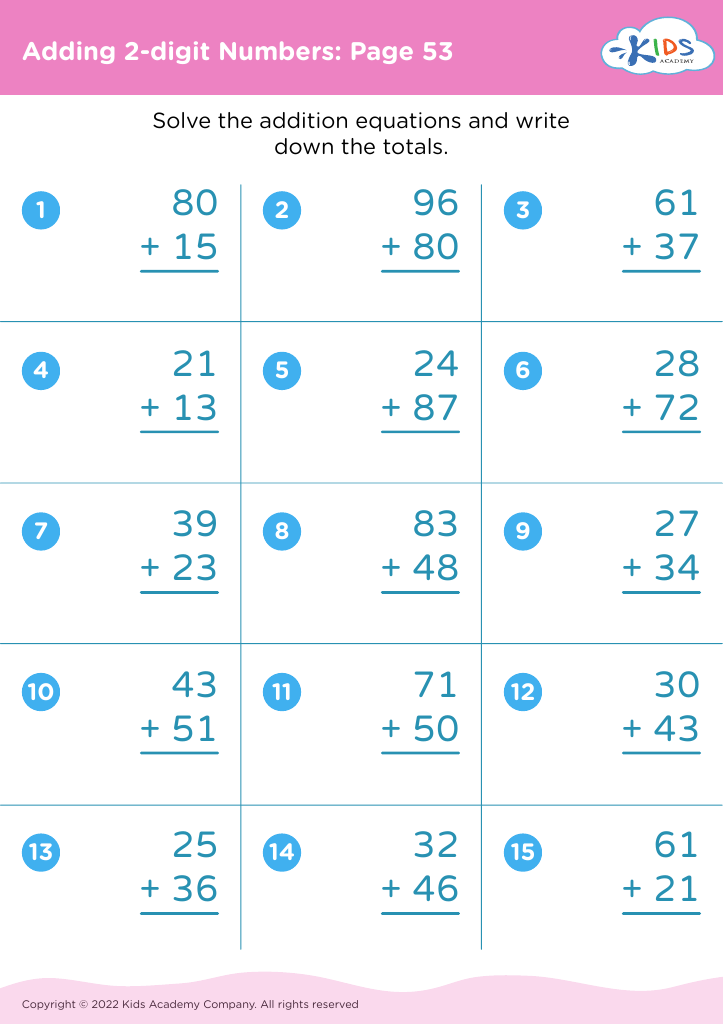
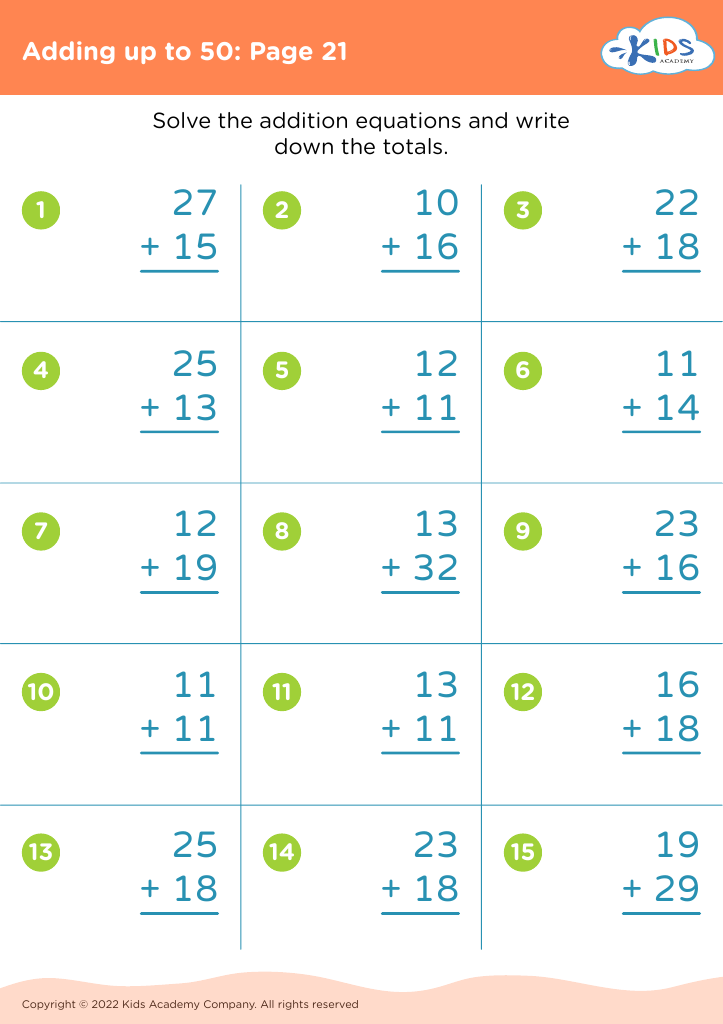
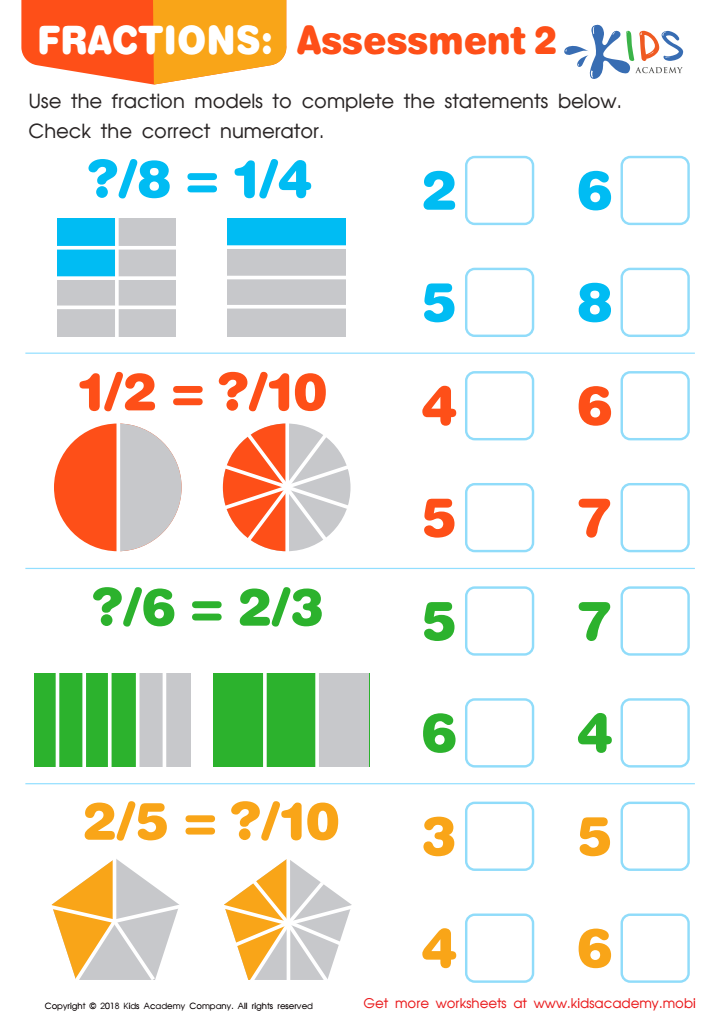
Fractions: Assessment 2 Worksheet
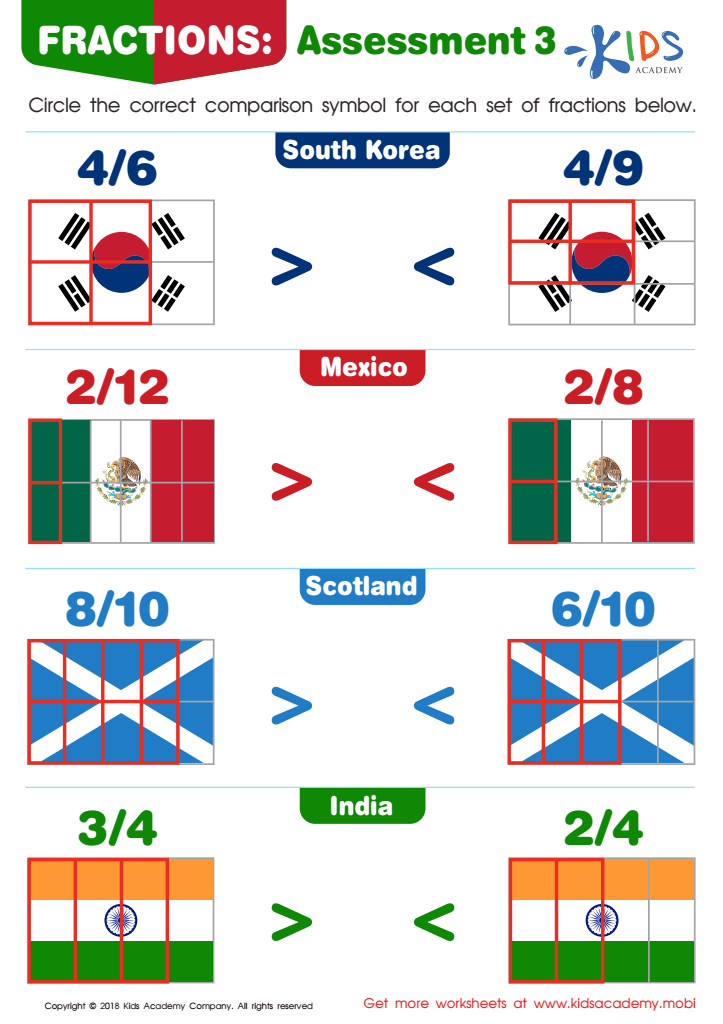
Fractions: Assessment 3 Worksheet
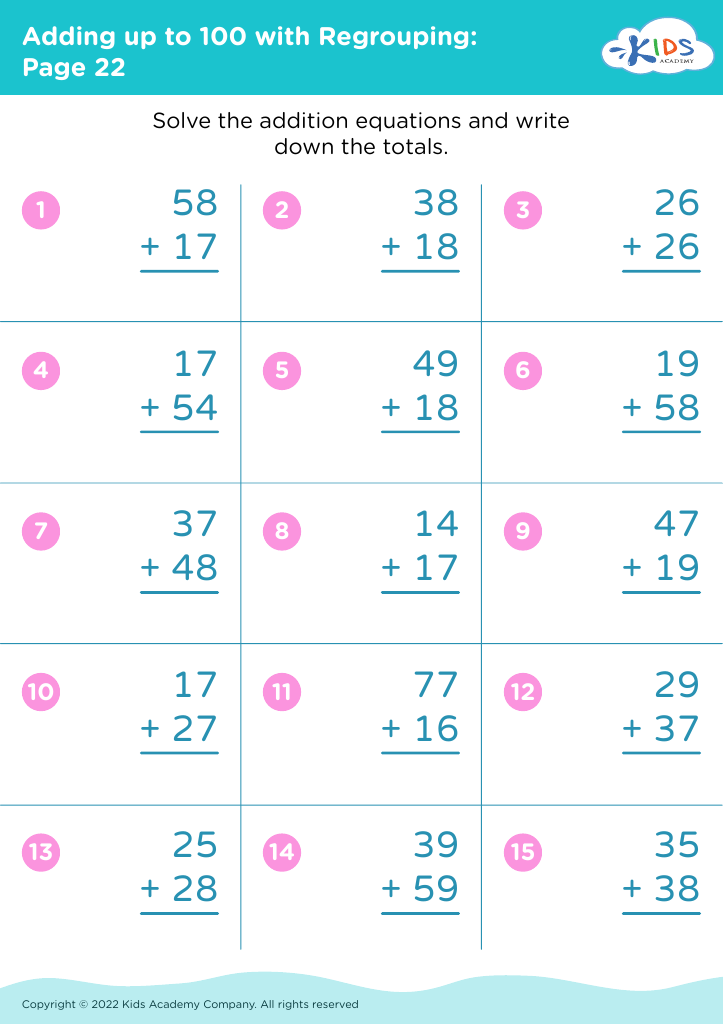
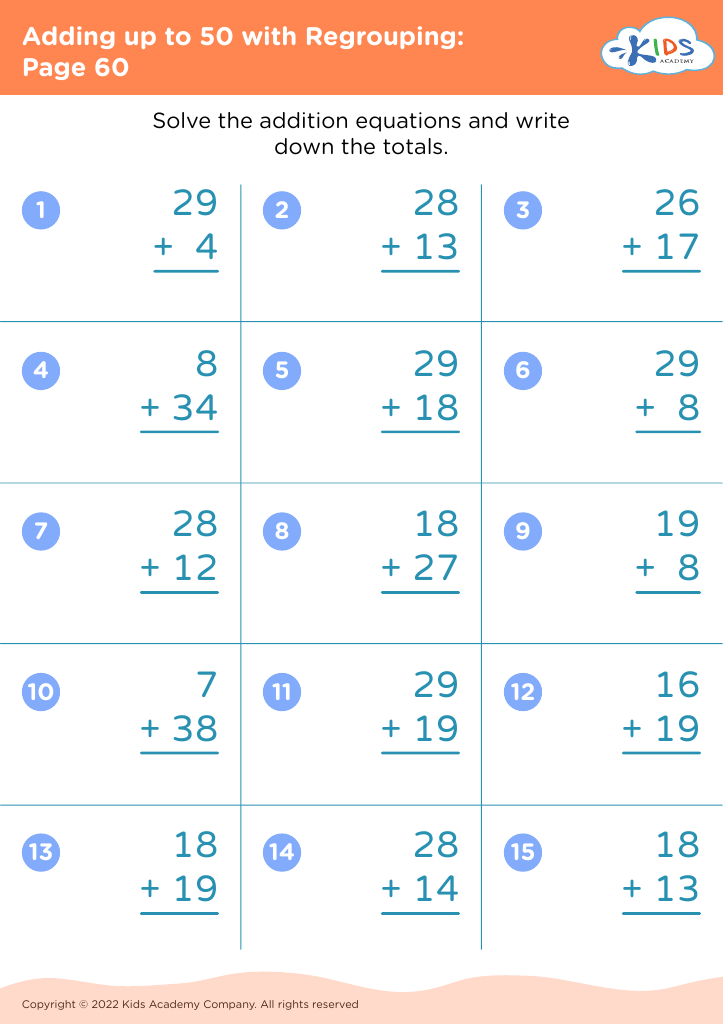
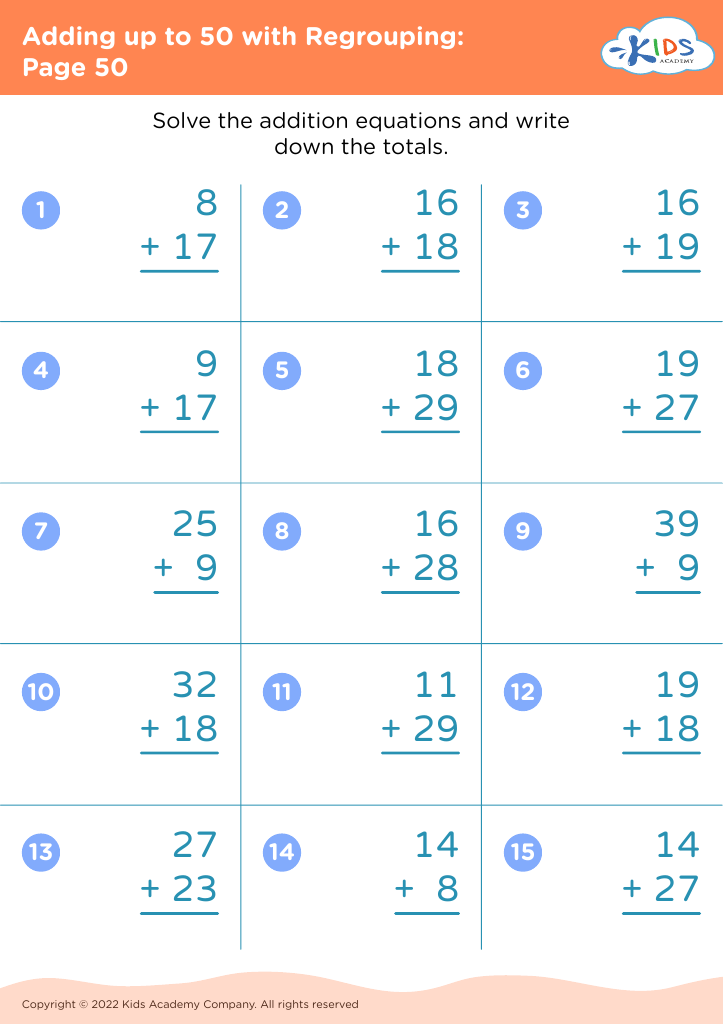
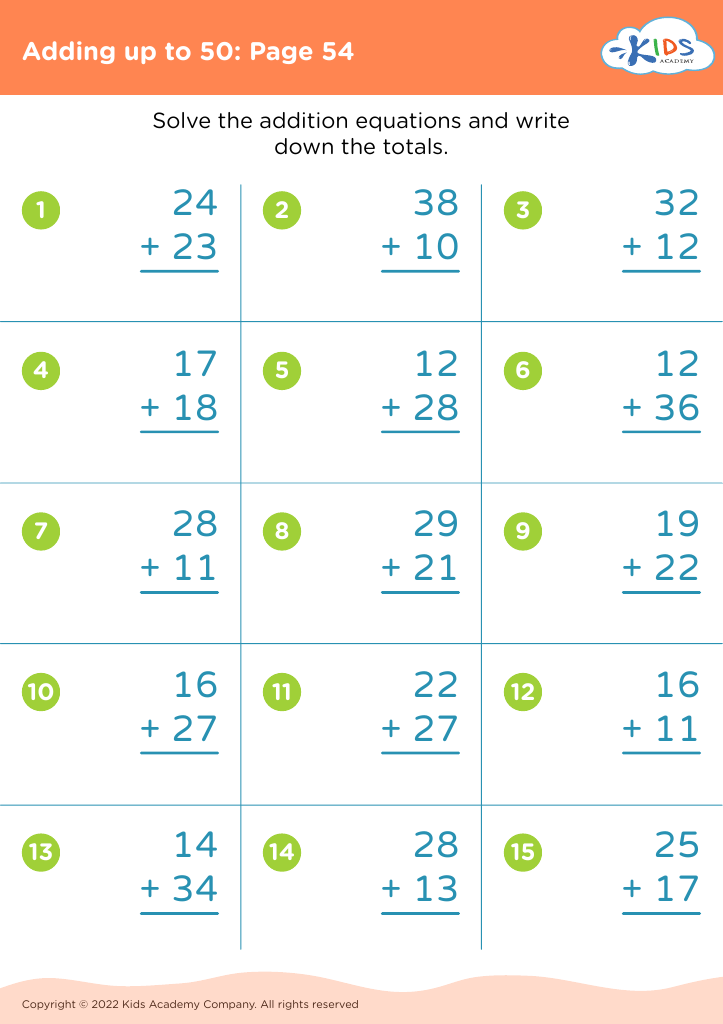
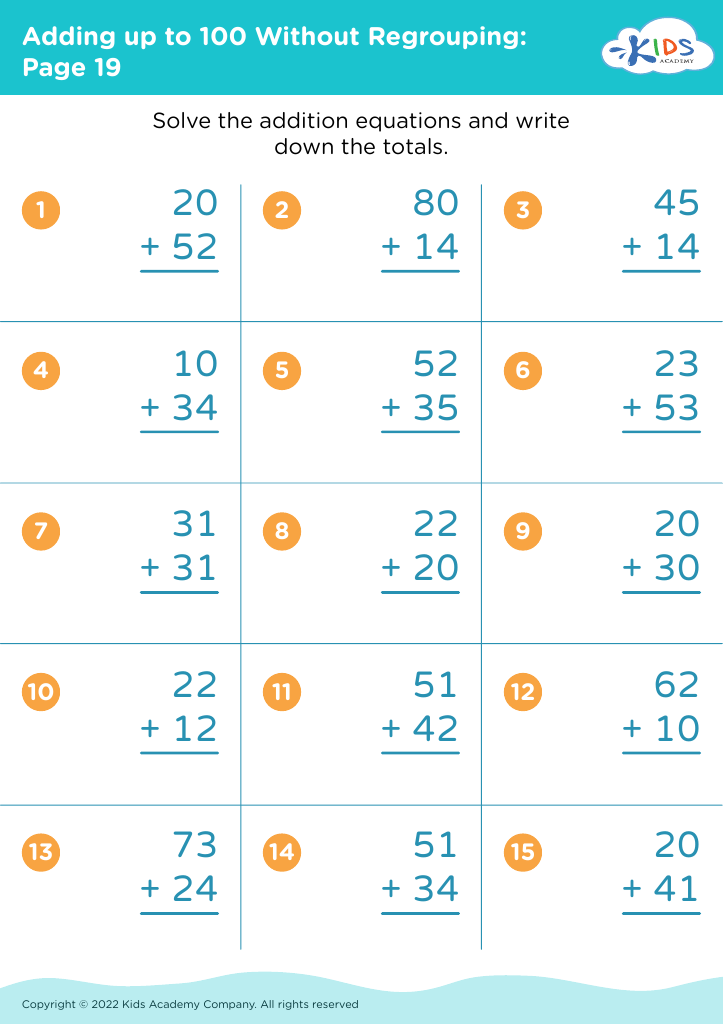
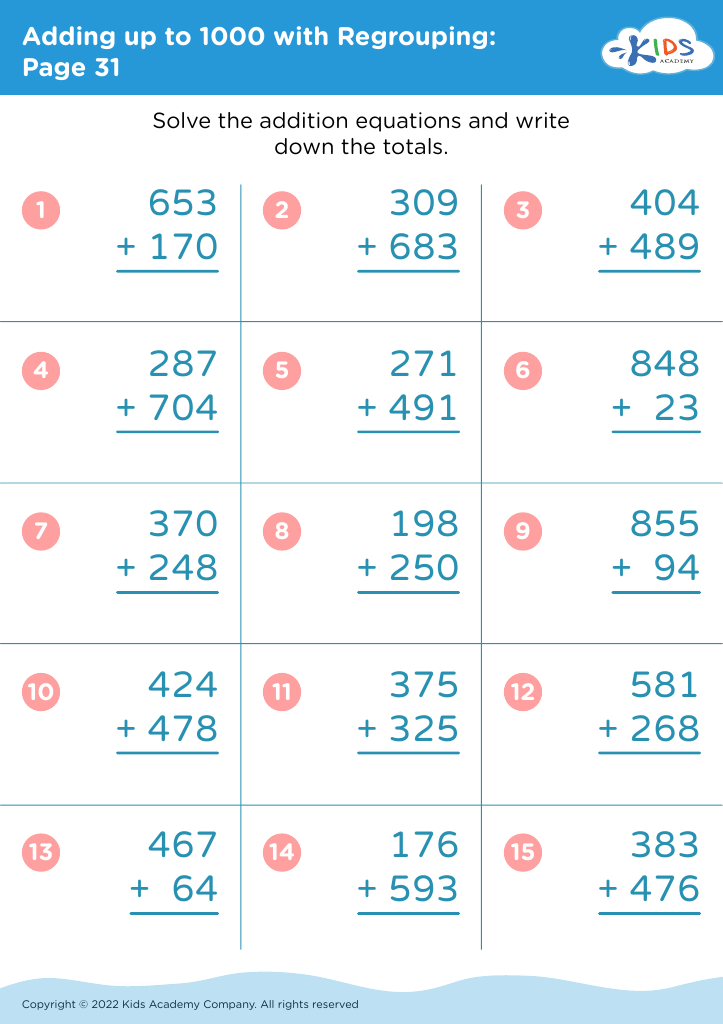
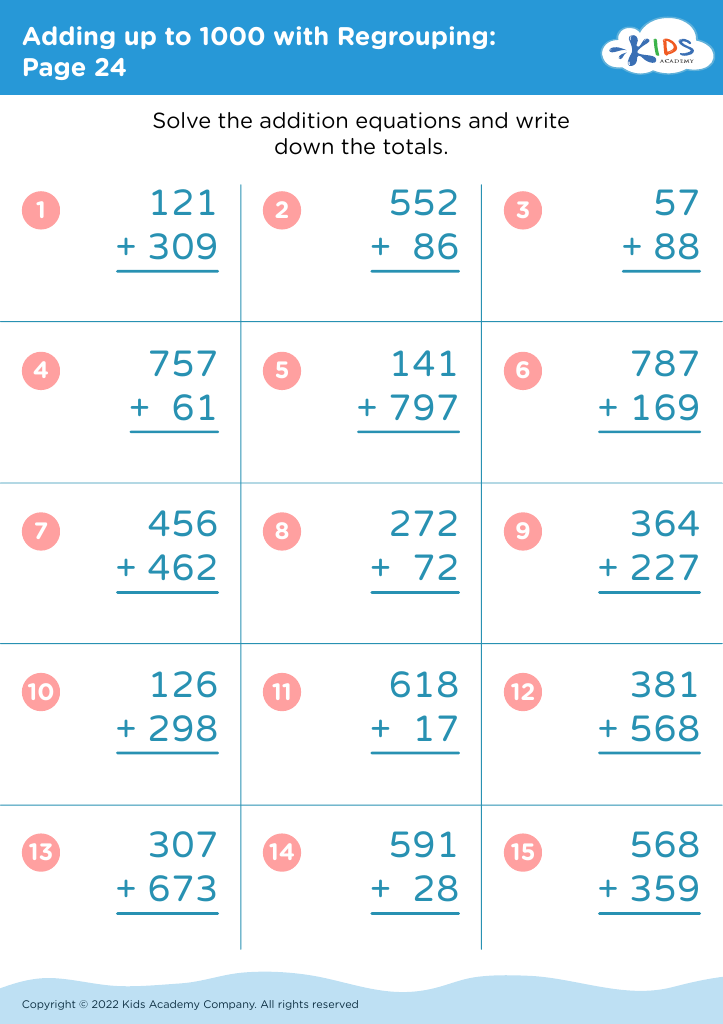
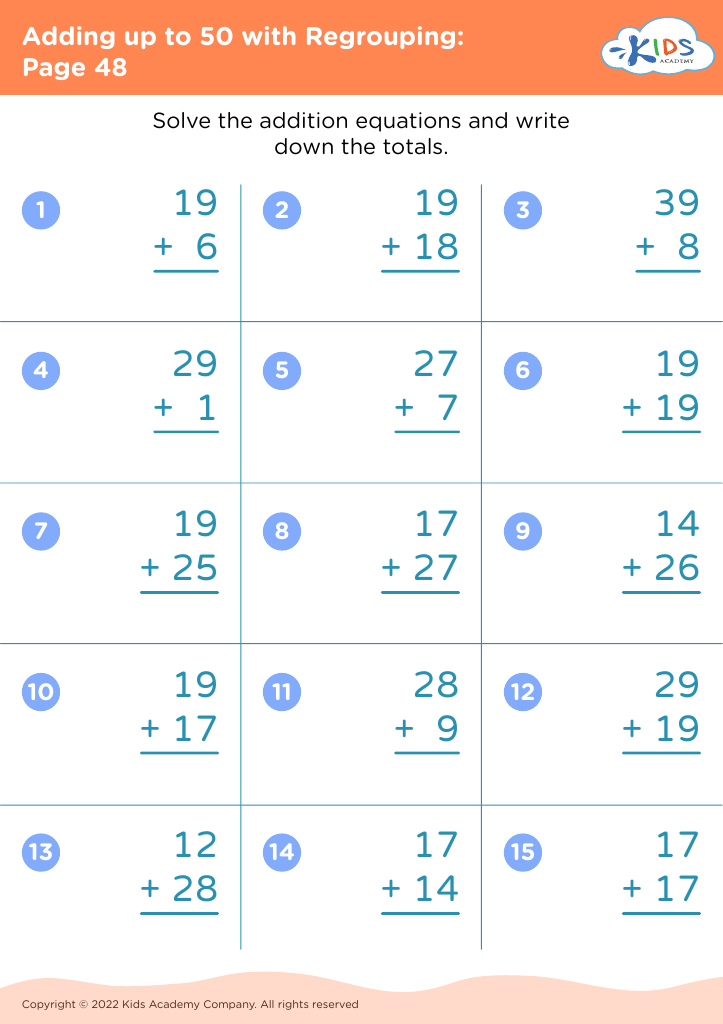
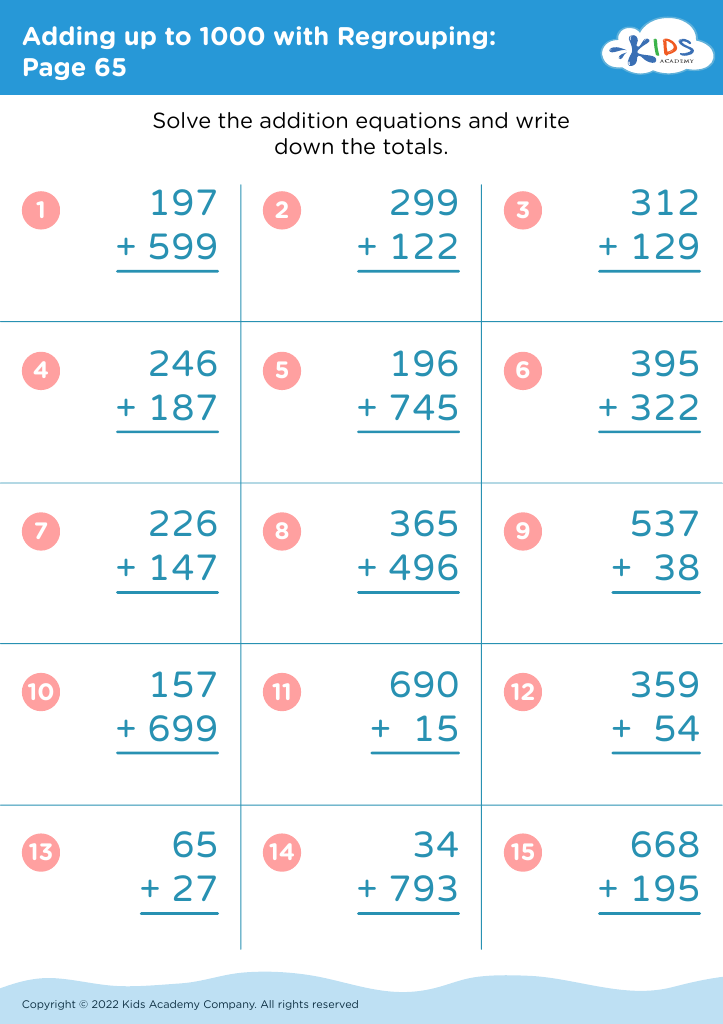
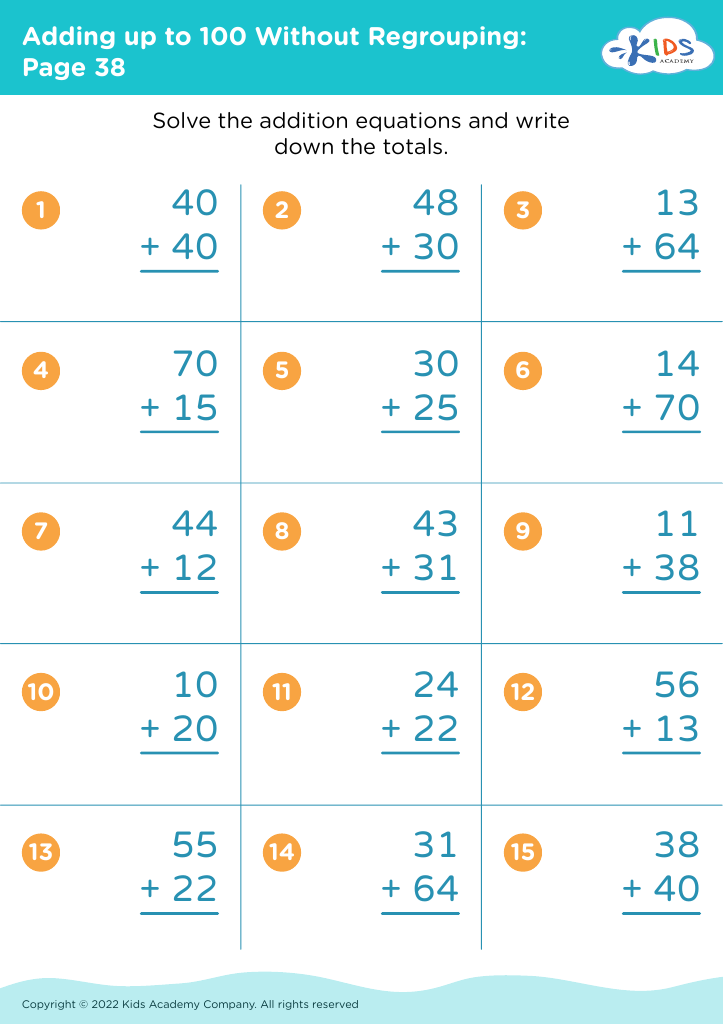
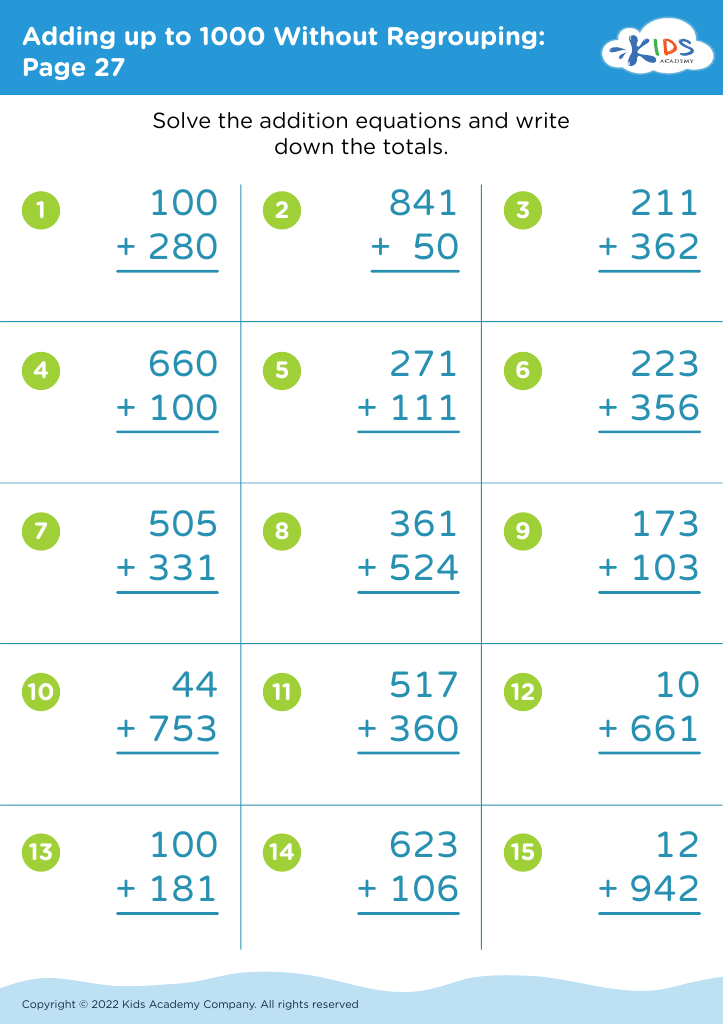
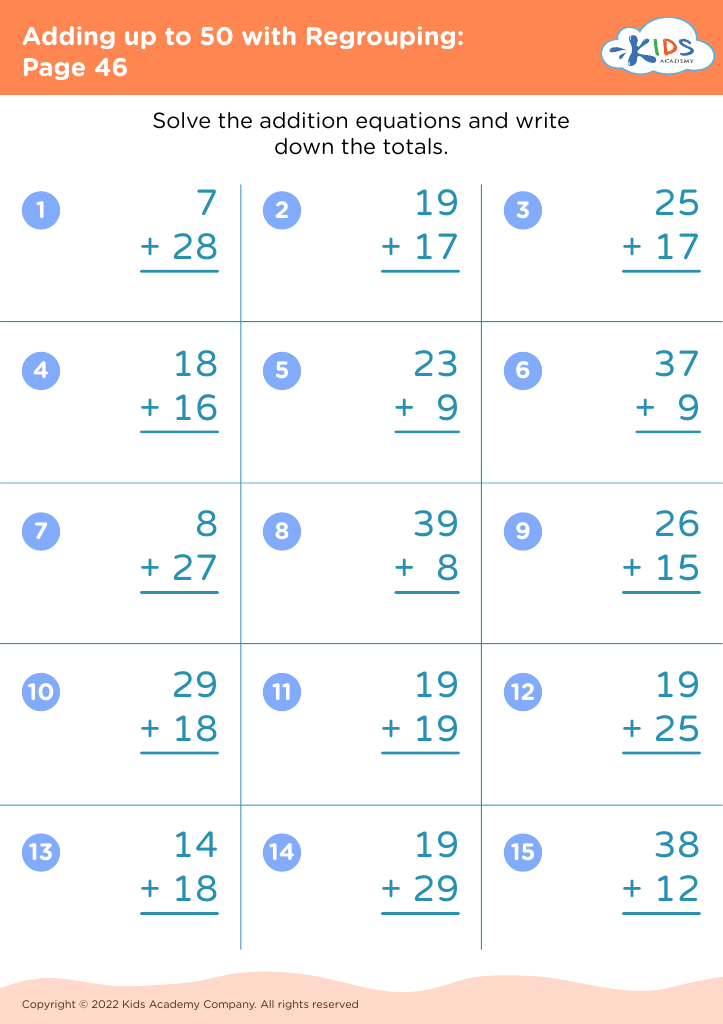





.jpg)


Simplifying fractions is an essential concept for an 8-year-old's mathematical development. Parents and teachers should prioritize it because it lays the foundation for mathematical proficiency. At this age, students are transitioning from basic arithmetic to more complex mathematical ideas. Simplifying fractions involves finding equivalent fractions by dividing both the numerator and the denominator by their greatest common factor. This skill helps children understand and manipulate numbers more flexibly.
Learning to simplify fractions enhances problem-solving abilities. It encourages logical thinking as children assess numbers and relationships between them. This foundational skill is also crucial for understanding advanced topics like ratios, proportions, and even algebra. By grasping how to simplify fractions, students can handle real-world math better, from dividing a pizza into fair shares to working out portions in a recipe.
Moreover, mastering this concept can boost confidence. As students succeed in simplifying fractions, they feel more capable of tackling challenging tasks, fostering a positive attitude towards math. Teachers and parents who emphasize this skill help children build a robust mathematical foundation, paving the way for future academic success and everyday practical competence. Taking time to teach and reinforce such core skills sets the stage for a lifelong appreciation and understanding of mathematics.








