Visual Learning Worksheets for 8-Year-Olds
13 filtered results
-
From - To
Unlock the potential of your 8-year-old with our engaging Visual Learning Worksheets. Specifically crafted to enhance cognitive skills through colorful and interactive exercises, these worksheets make learning enjoyable. They cover a variety of subjects, encouraging critical thinking, problem-solving, and creativity. Whether your child is identifying patterns, deciphering puzzles, or exploring new concepts, these worksheets provide a hands-on approach that caters to different learning styles. Perfect for home or classroom use, our visual learning materials are designed to promote academic success and instill a lifelong love for learning. Download now to give your child a vibrant and dynamic educational experience.
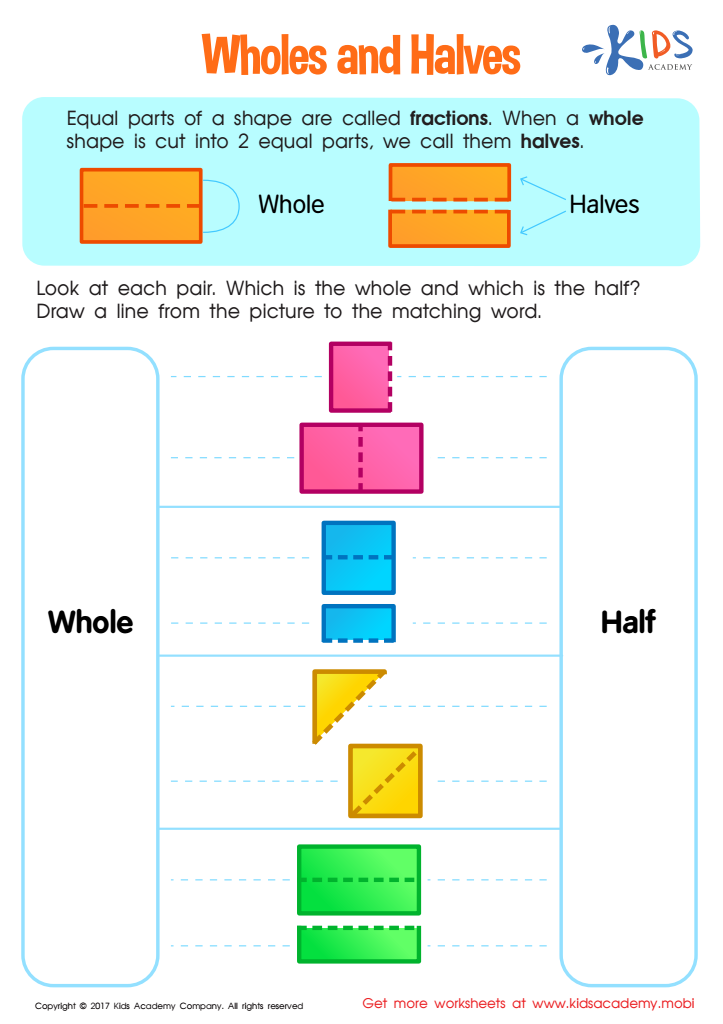
Wholes and Halves Worksheet
 Assign to My Students
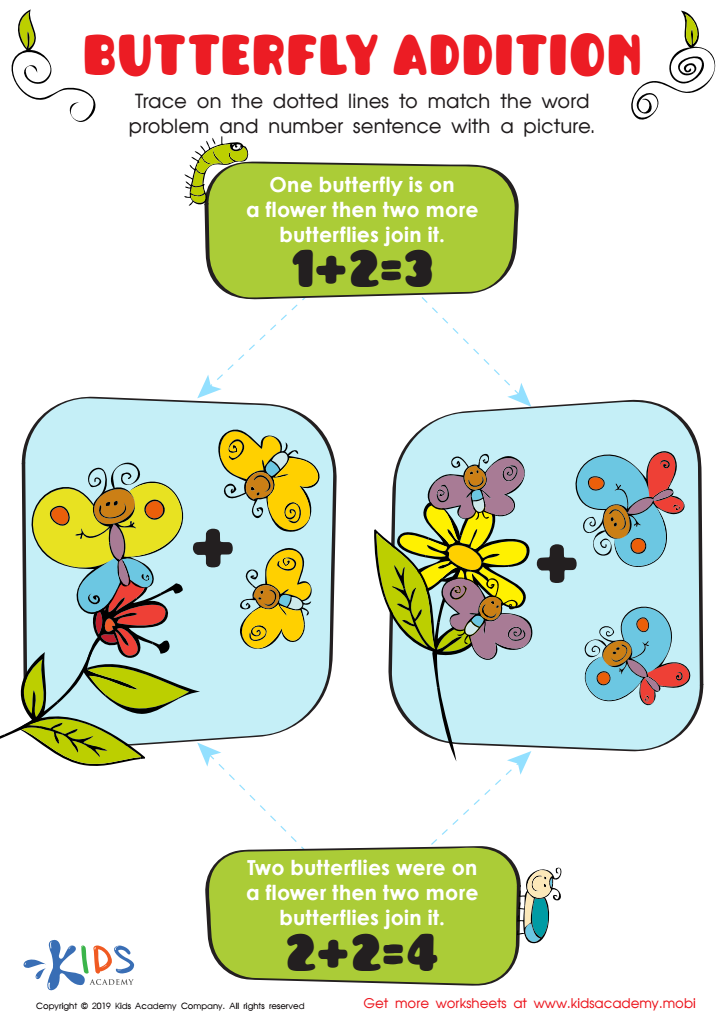
Butterfly Addition Worksheet
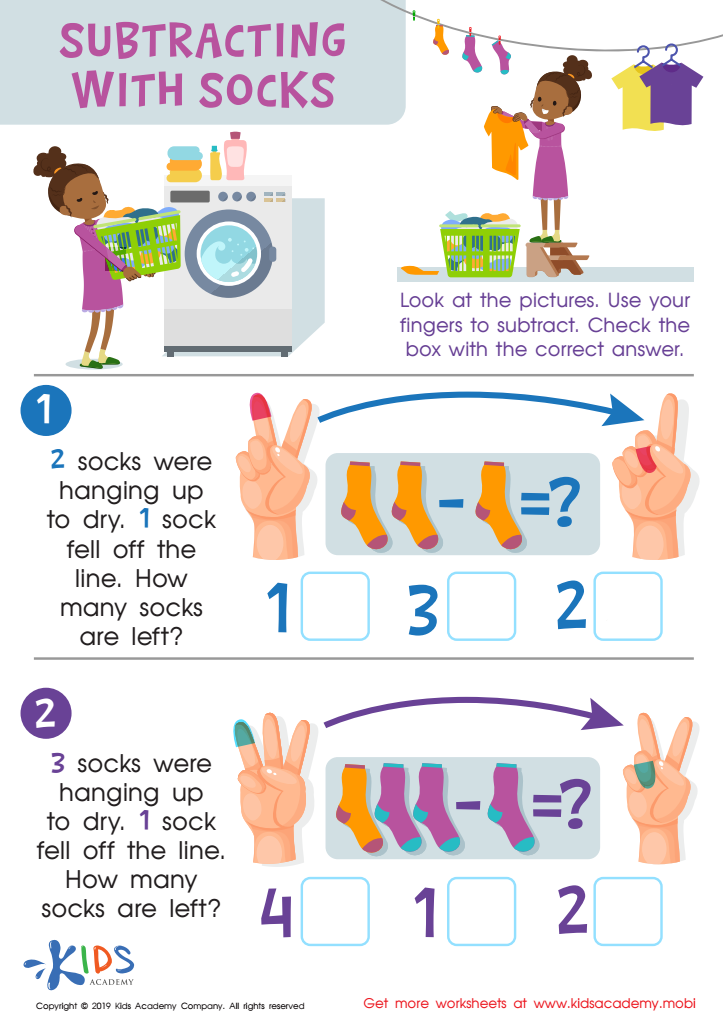
Subtracting Socks Worksheet
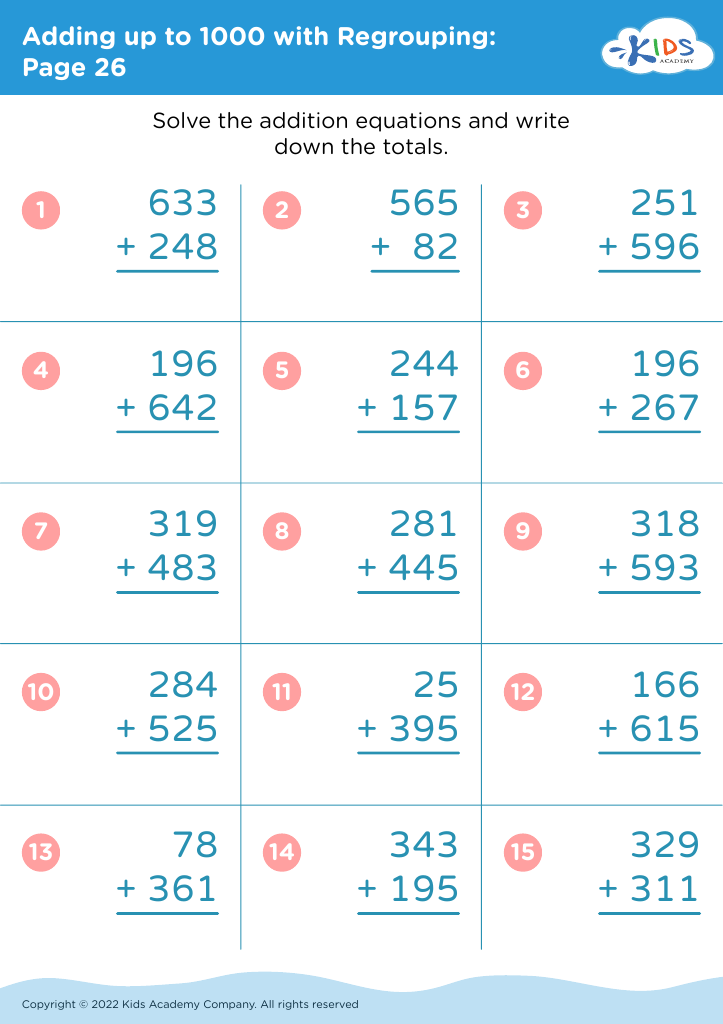
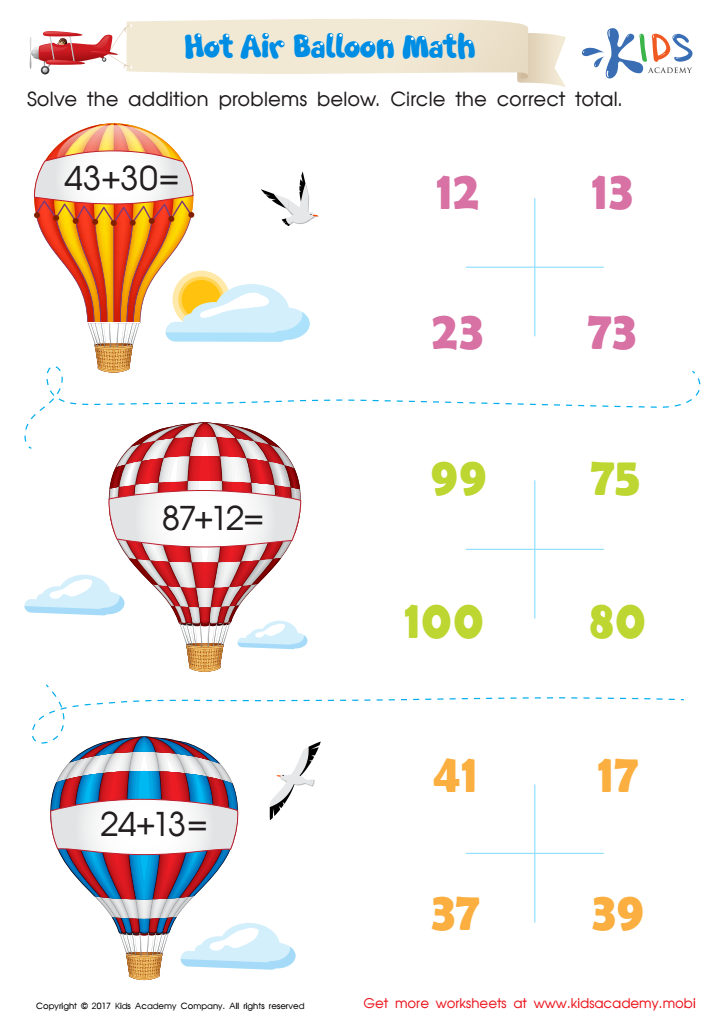
Hot Air Balloon Math Worksheet
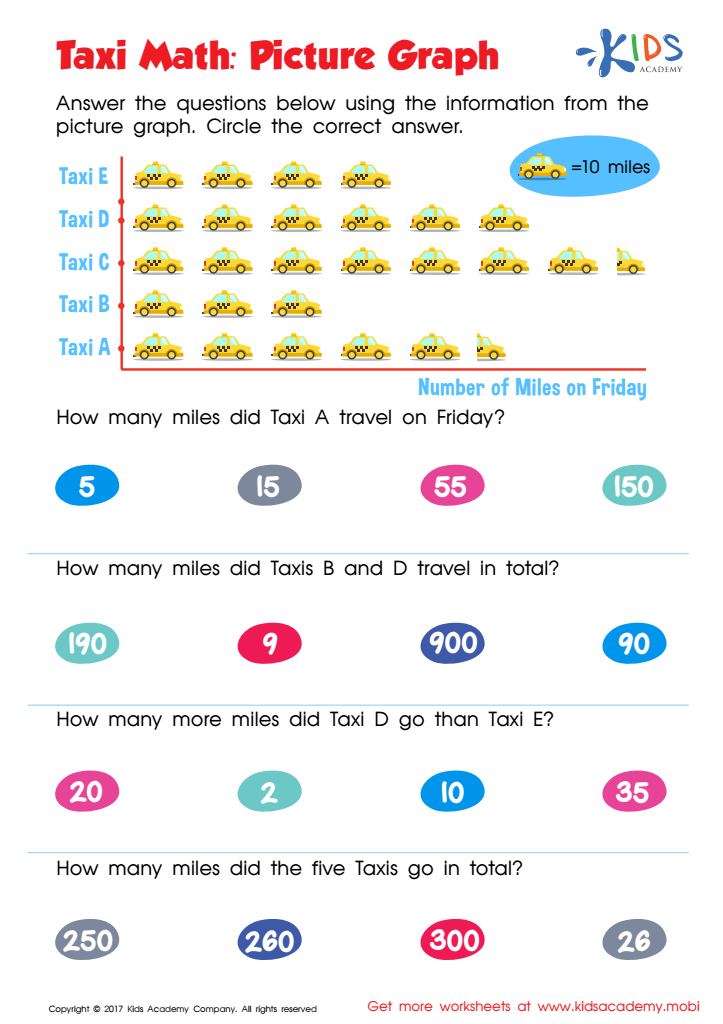
Taxi Math Worksheet
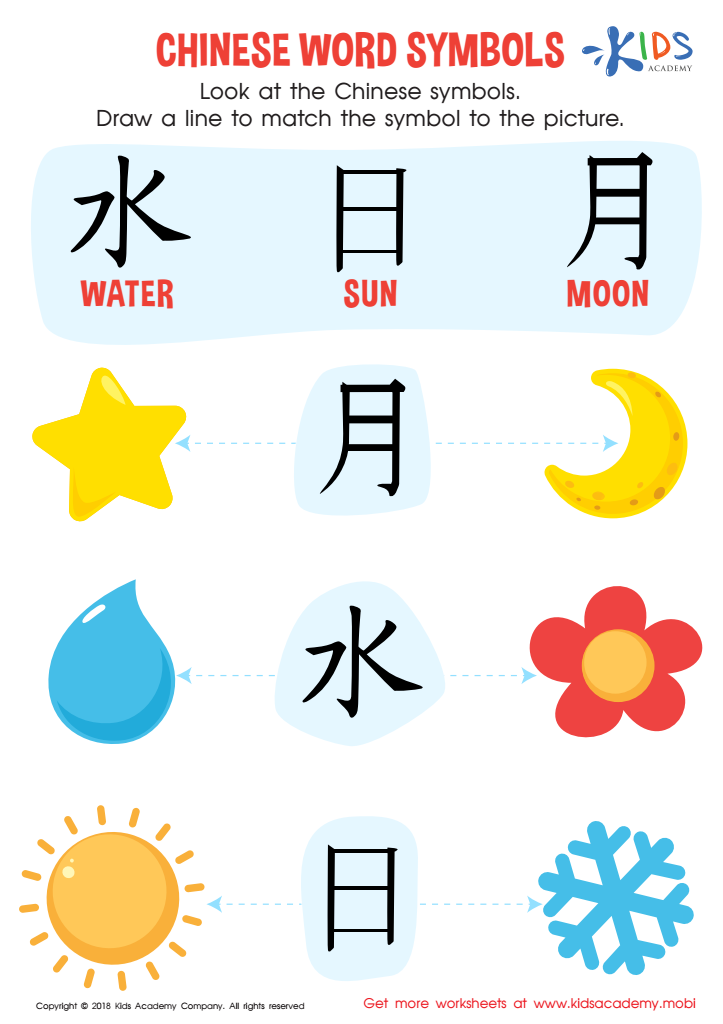
Chinese Word Symbols Worksheet
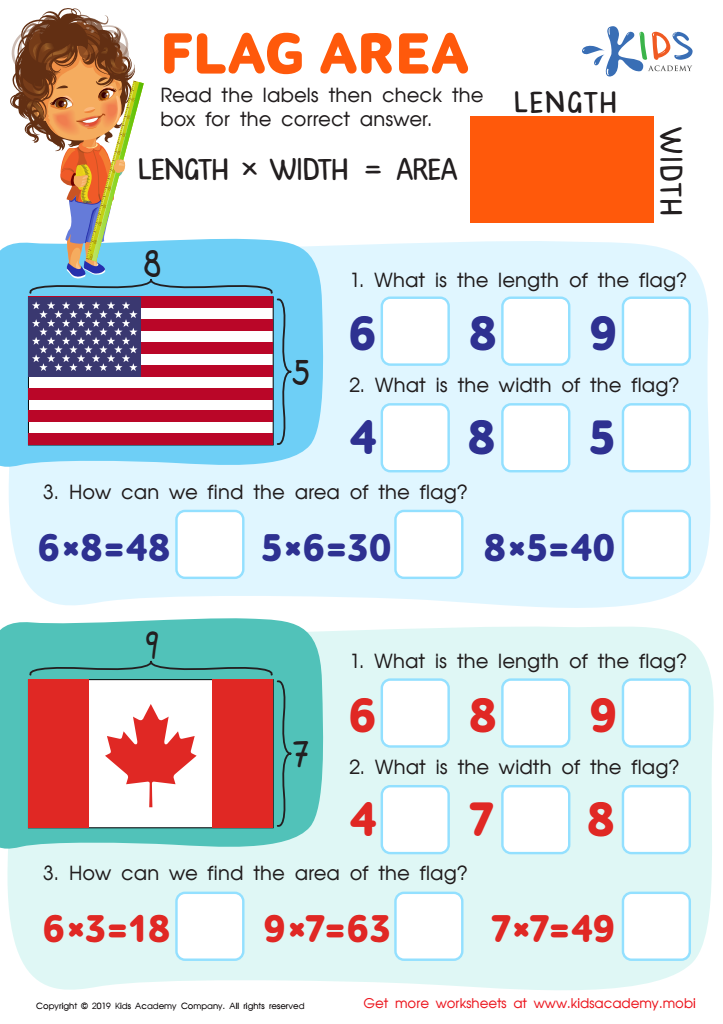
Flag Area Worksheet
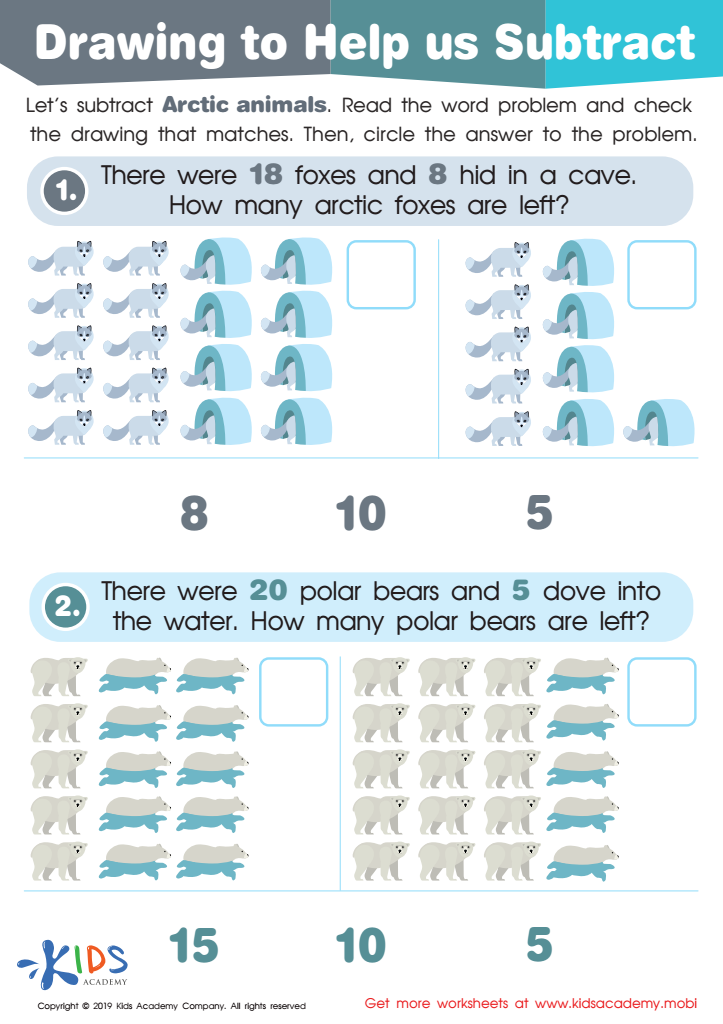
Drawing to Help Us Subtract Worksheet
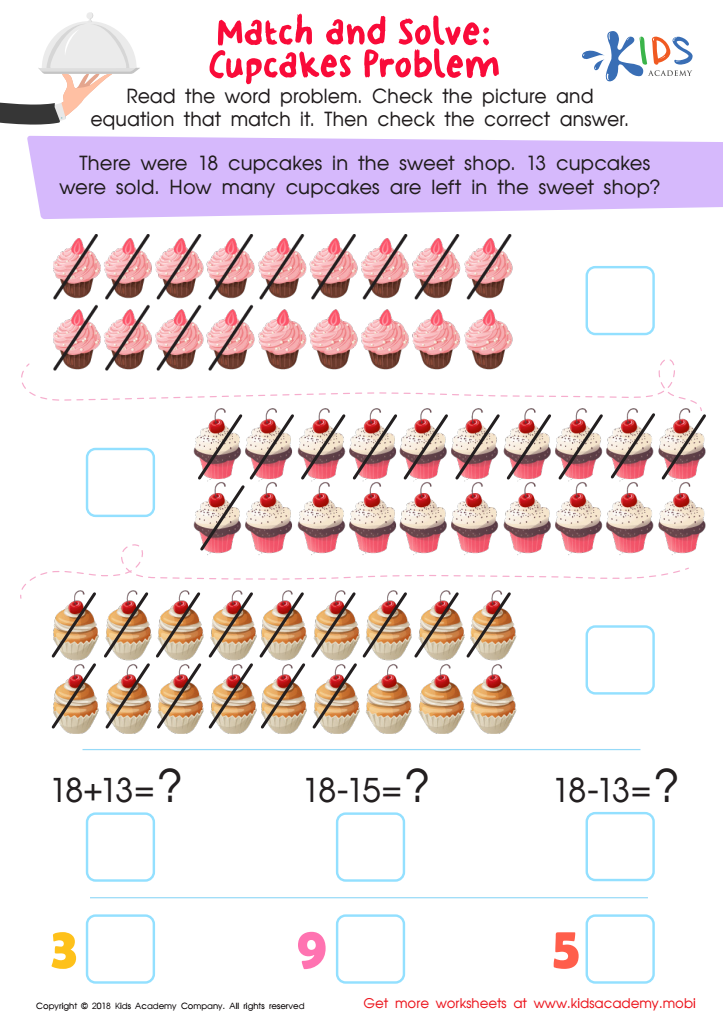
Match and Solve: Cupcakes Problem Worksheet
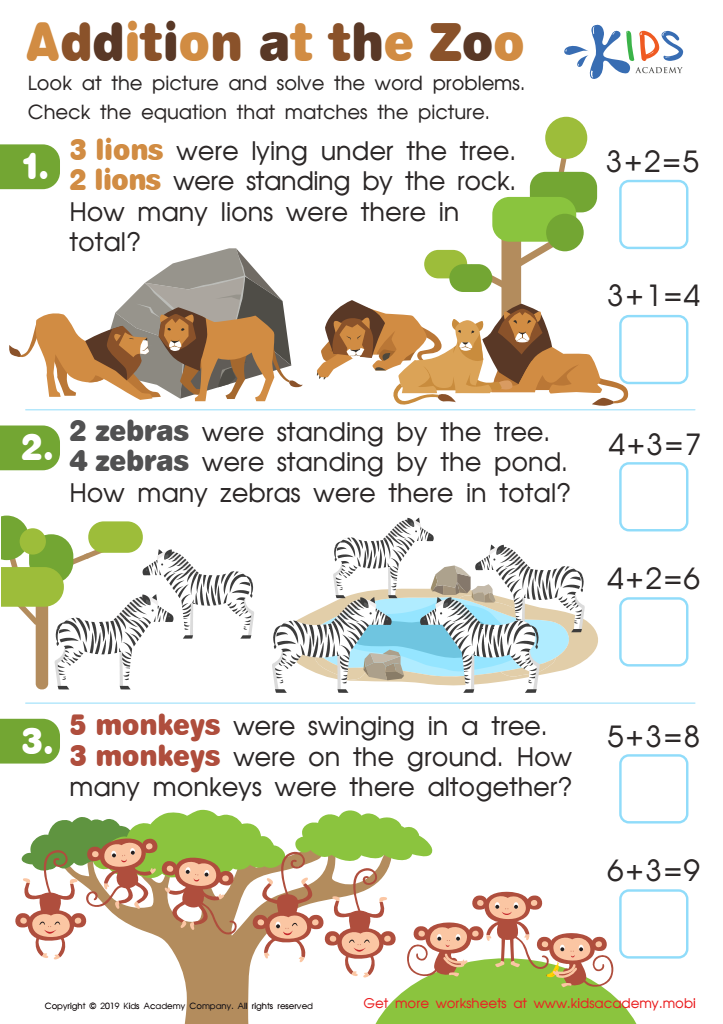
Addition at the Zoo Worksheet
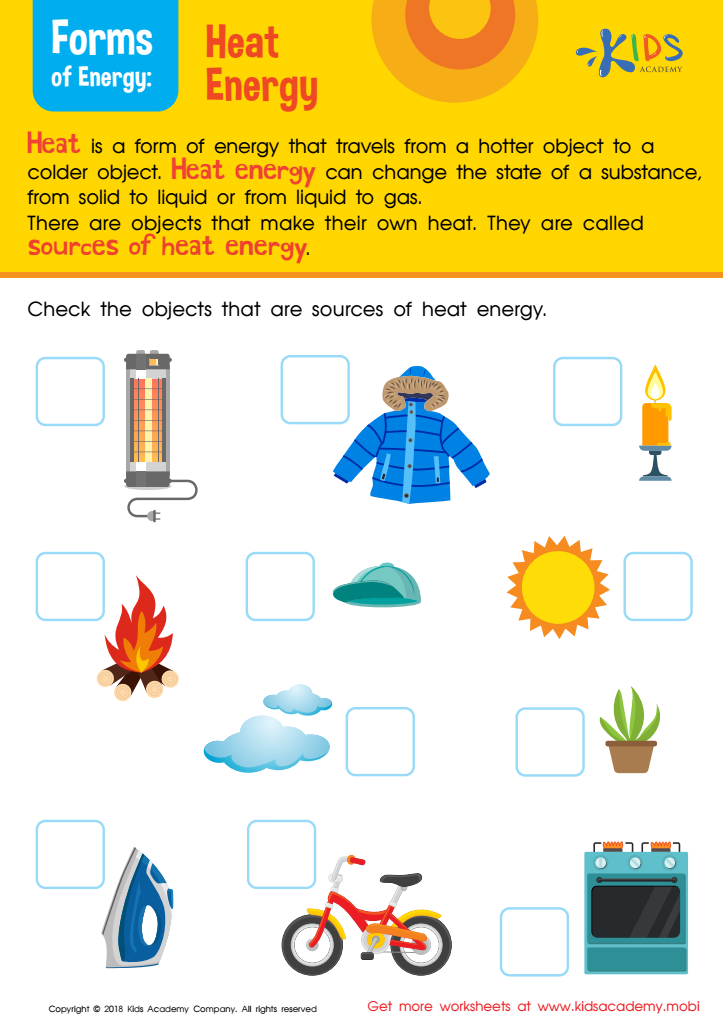
Sources of Heat Energy Worksheet
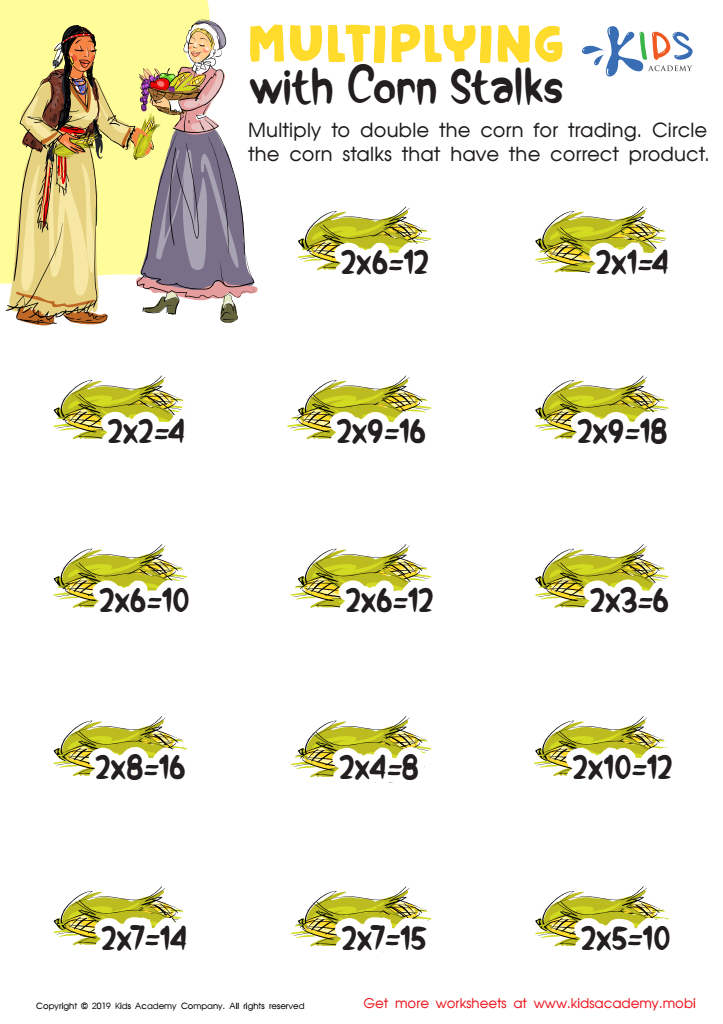
Multiplying With Corn Stalks Worksheet







Visual learning plays a crucial role in the development and education of 8-year-olds due to the way young brains process and retain information. At this age, children's cognitive abilities are rapidly expanding, and visual tools like diagrams, pictures, and videos can significantly enhance their understanding and retention of new concepts. When children engage with visual content, it helps them to better grasp complex ideas by breaking them down into more digestible, easily understandable parts.
Moreover, visual learning supports various learning styles. While some children may excel with auditory or kinesthetic teaching methods, many are visual learners who benefit greatly from seeing information presented in a clear, visual format. Utilizing visual aids can cater to diverse learning needs and help ensure that more children succeed academically.
Incorporating visual learning also boosts engagement and motivation. Bright, colorful images and interactive visual tools capture children's attention better than plain text. Engaged students are more likely to participate actively in lessons, reducing boredom and enhancing overall learning outcomes. Additionally, strong visual learning skills can assist children in developing better reading and writing abilities as they learn to connect images with words.
By prioritizing visual learning, parents and teachers can foster a more inclusive, effective, and stimulating educational environment that nurtures a child's natural curiosity and promotes deeper understanding.








