Fine Motor Skills Addition & Subtraction Worksheets for 8-Year-Olds - Page 2
37 filtered results
-
From - To
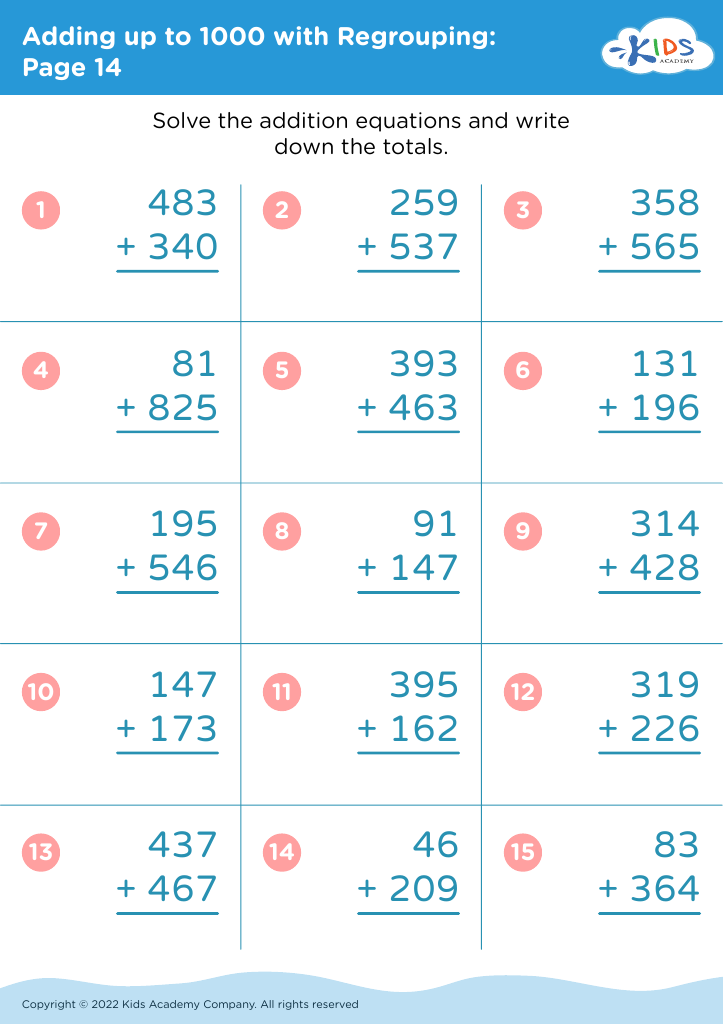
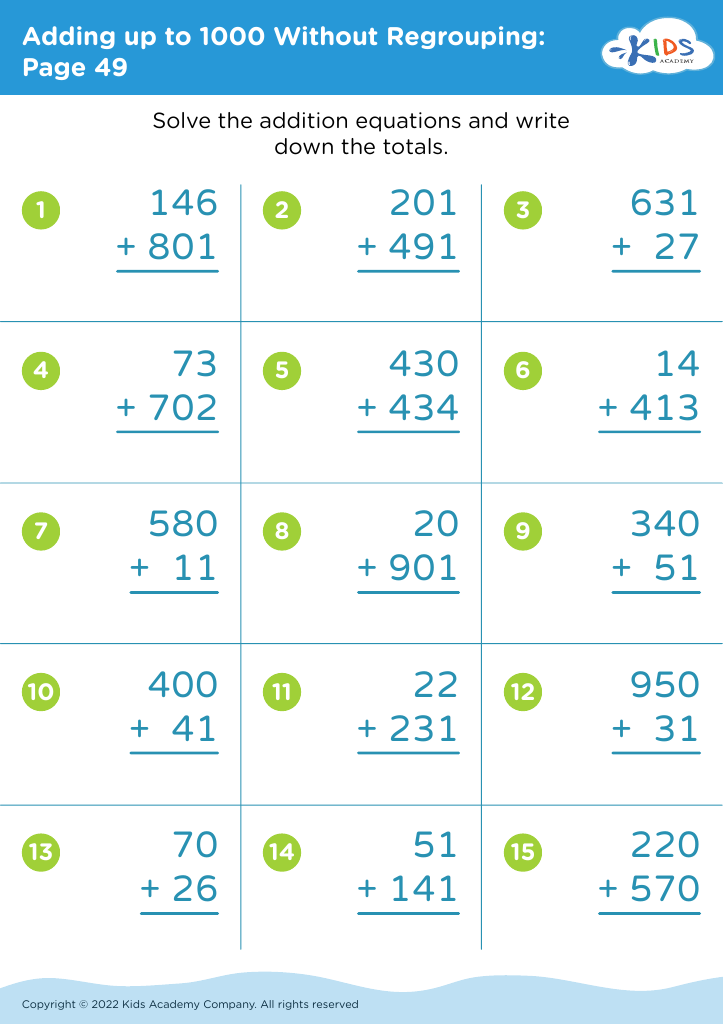
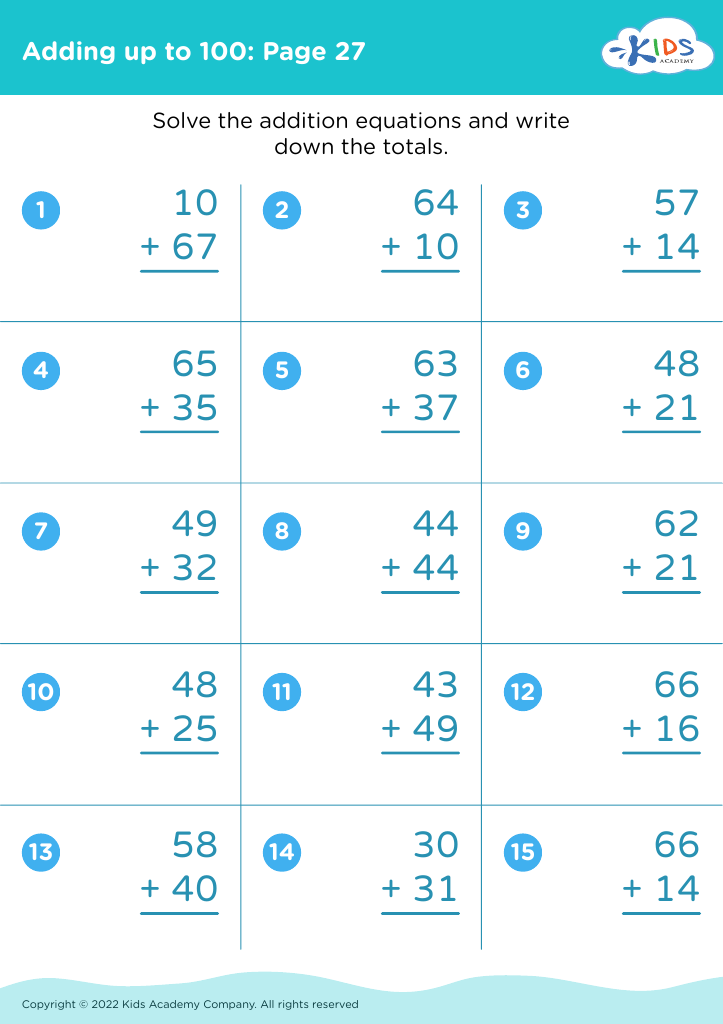
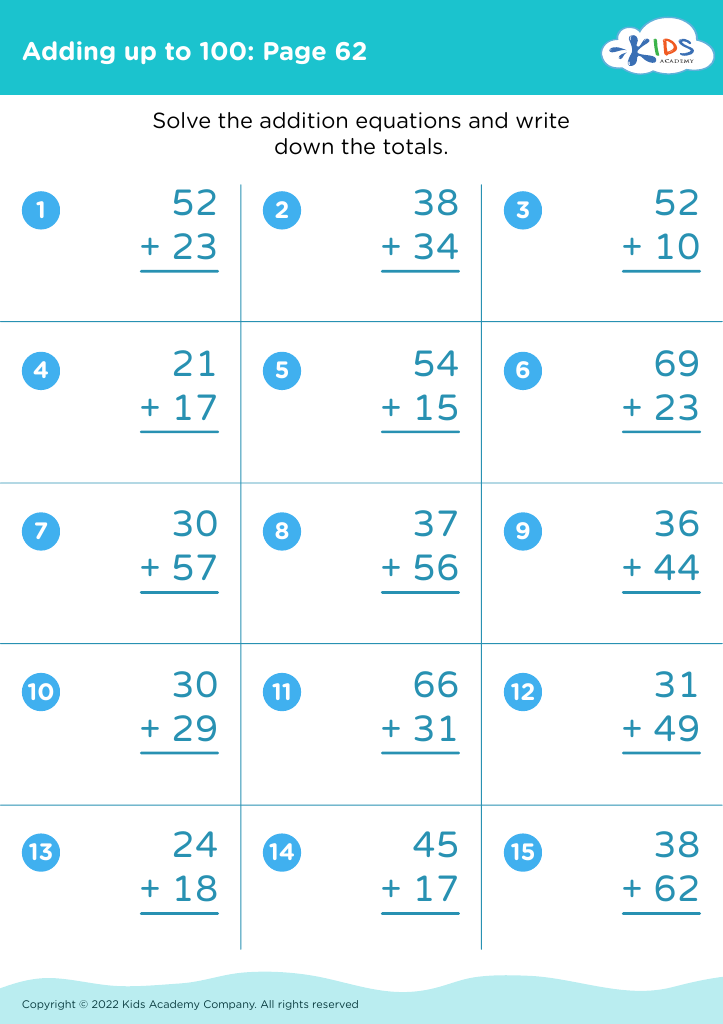
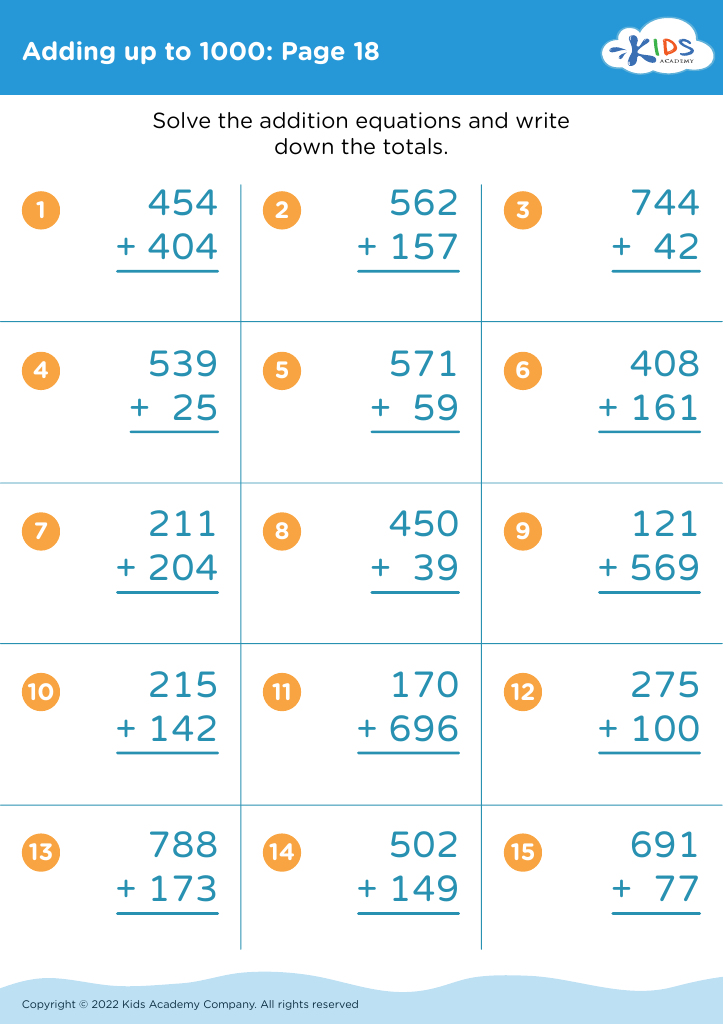
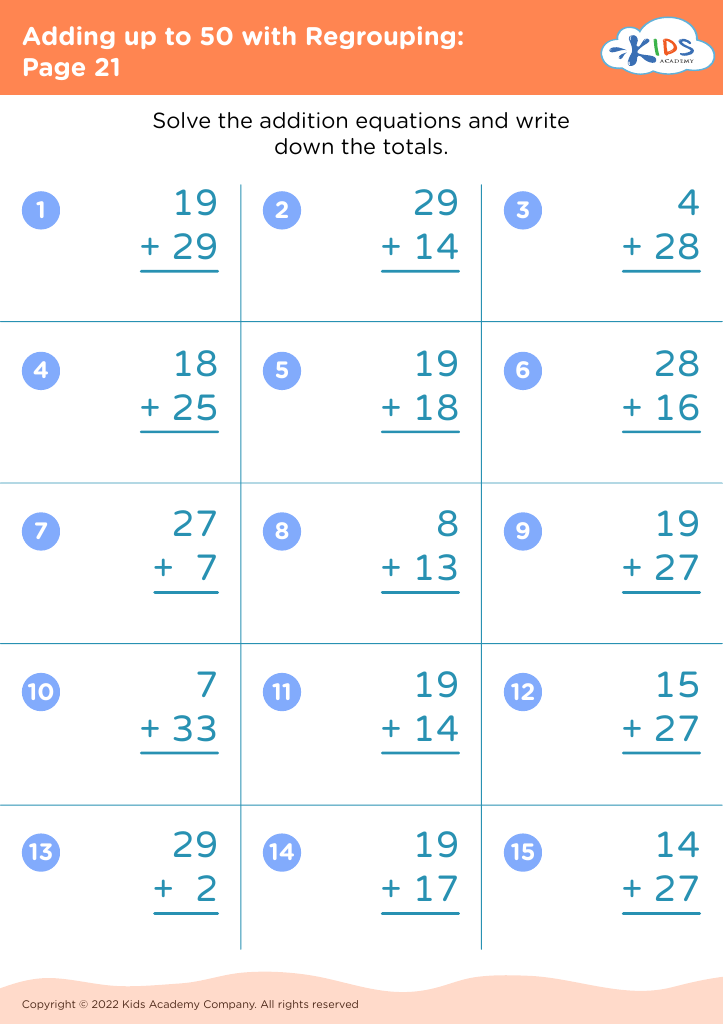
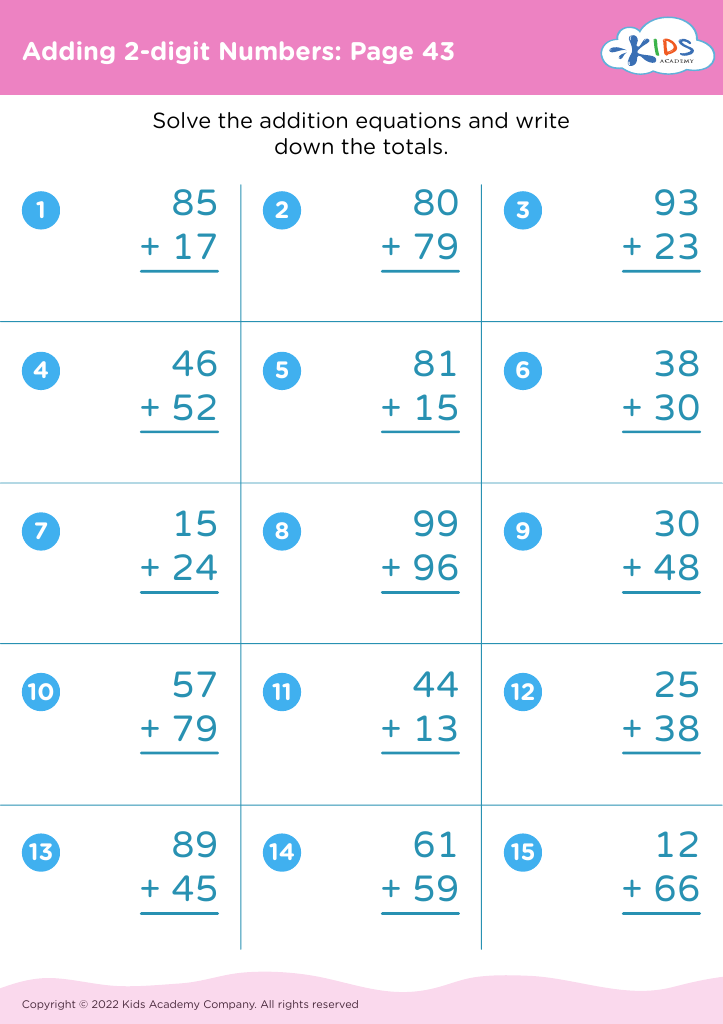
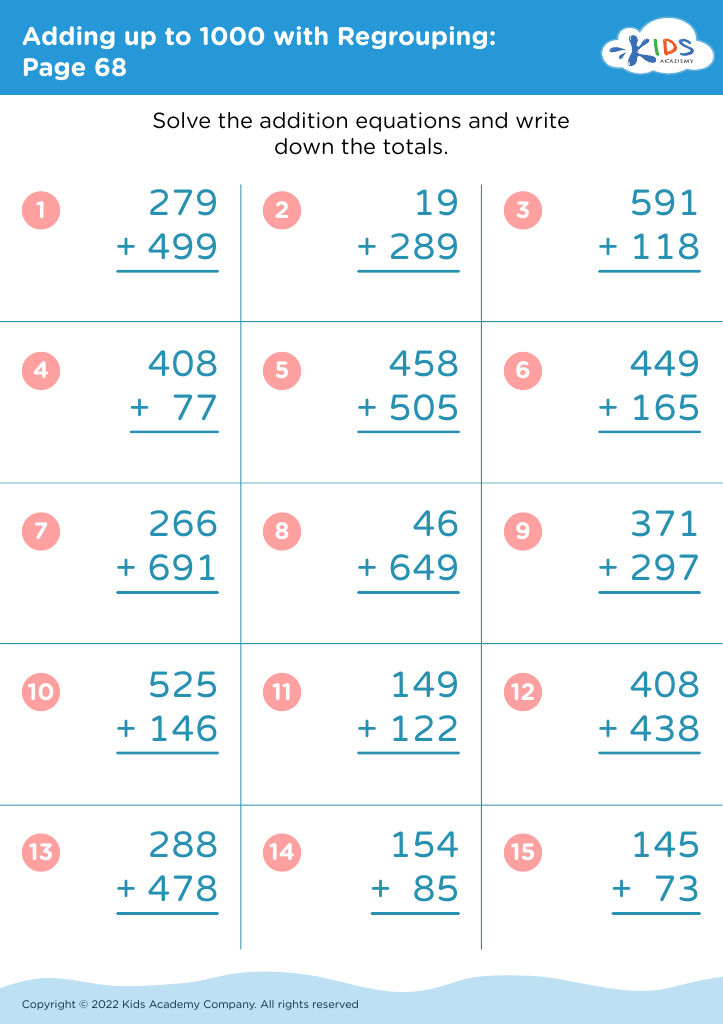
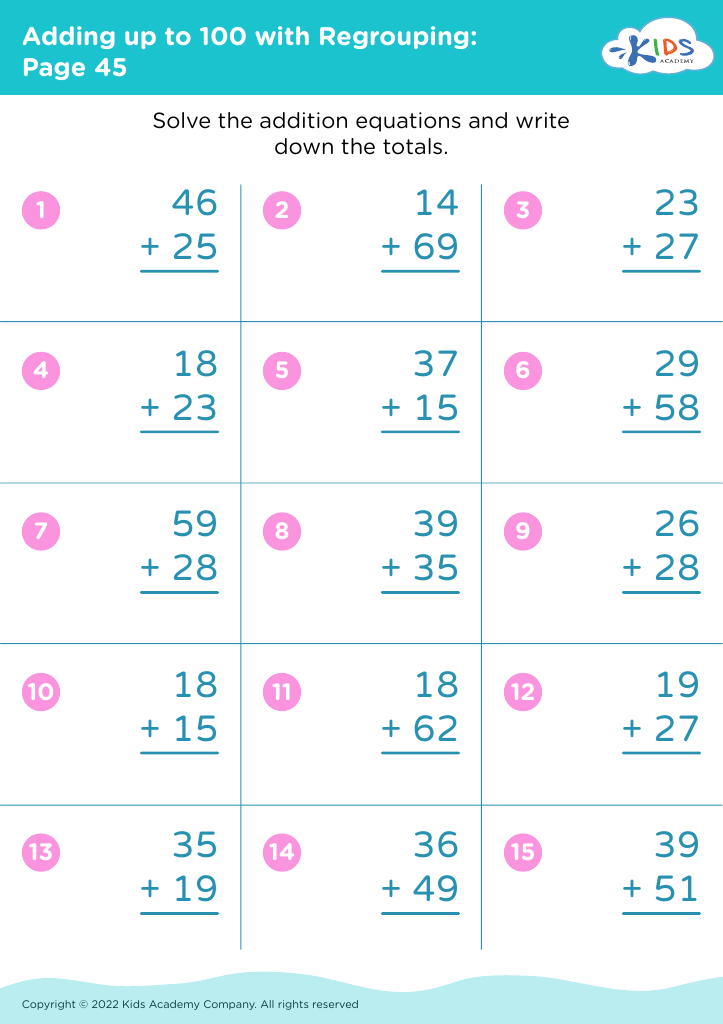
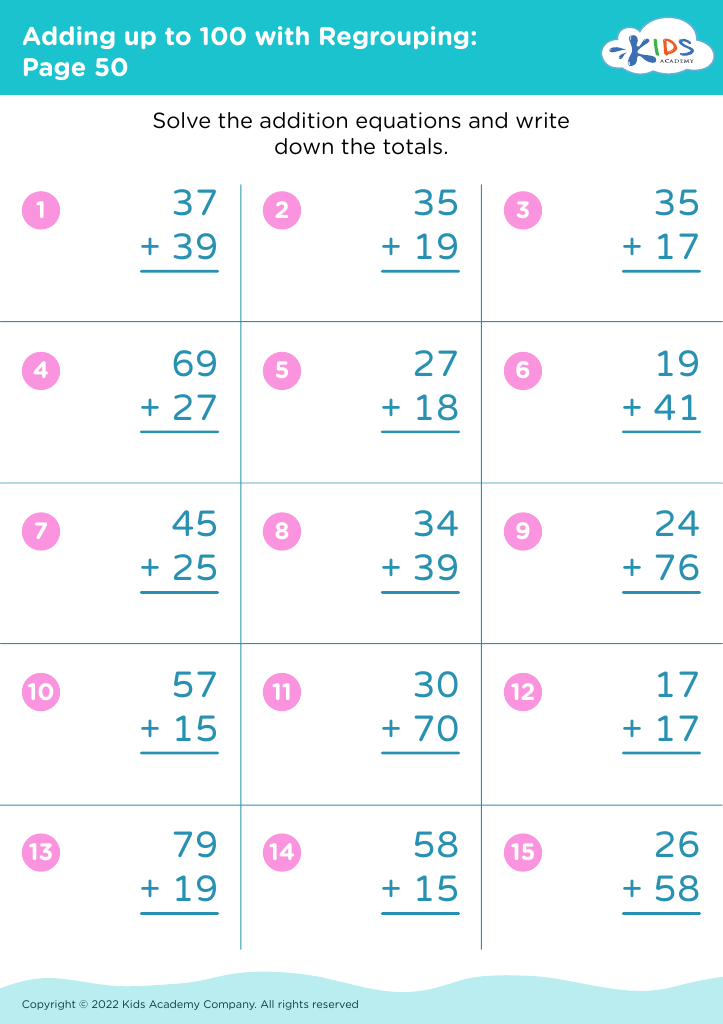
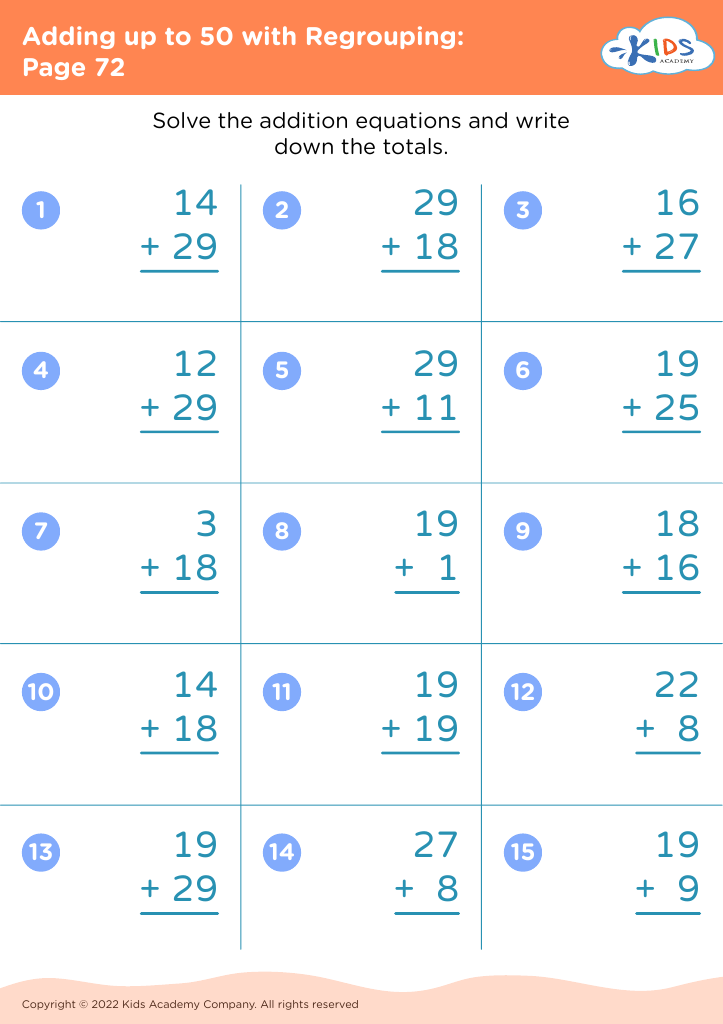
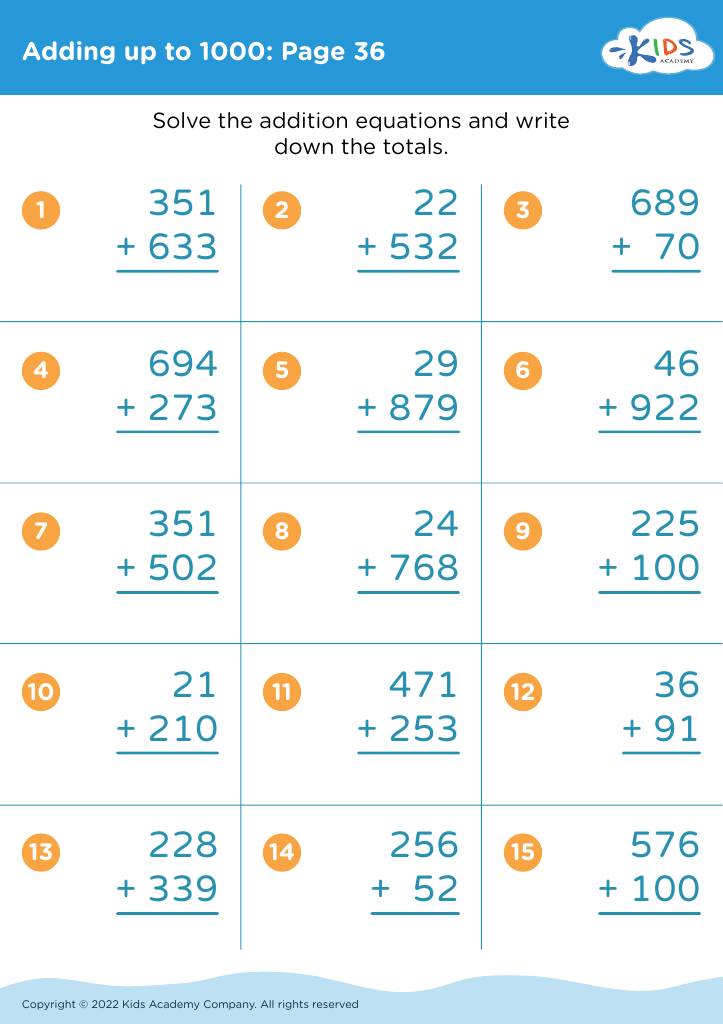
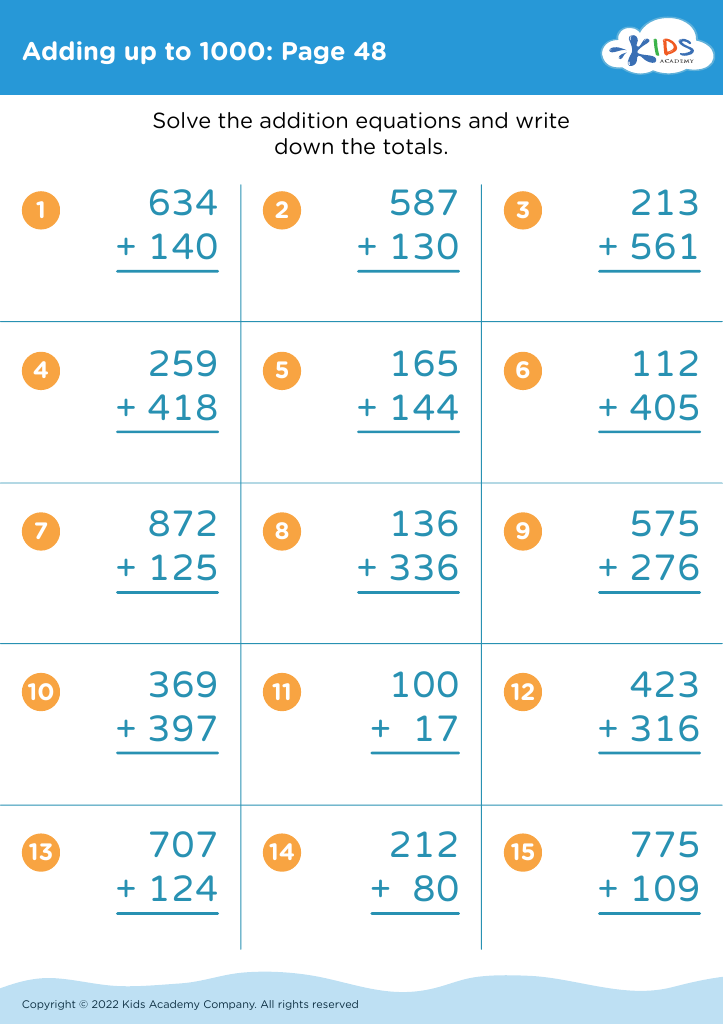








Fine motor skills are crucial for 8-year-olds, especially regarding activities such as addition and subtraction. At this age, children are not only enhancing their foundational math skills but also refining their hand-eye coordination and dexterity through practices like writing numbers, using manipulatives, or engaging in art projects related to math concepts.
When parents and teachers emphasize fine motor skills in the context of math, they contribute to a child's overall cognitive development by fostering better control over their movements. This control is essential for performing math-related tasks, including drawing graphs, writing neatly, and engaging in hands-on activities such as measuring or counting with tools like calculators and rulers. Improved fine motor skills can lead to a more positive attitude toward math, increased confidence, and enhanced problem-solving abilities.
Moreover, fine motor activities that incorporate math, like using blocks for counting or drawing shapes while learning subtraction, make learning more engaging and enjoyable. Addressing fine motor skills alongside math education shapes well-rounded learners who develop both their cognitive and physical abilities. Therefore, supporting fine motor development is key to ensuring children not only master their math skills but also gain confidence in their overall academic journey.








